

Finding the best audiophile headphones in 2026 means sorting through dozens of models that promise studio-grade sound but deliver wildly different experiences. I have spent months testing headphones across every price tier, from budget studio workhorses to planar magnetic flagships, and the differences are bigger than the spec sheets suggest.
The right pair depends on what you value most. Some listeners want a massive soundstage that places every instrument in a three-dimensional space. Others need closed-back isolation for late-night mixing sessions. Then there is the amplifier question, which trips up more first-time buyers than anything else.
Our team evaluated 12 of the most recommended audiophile headphones on the market right now. We tested each one with a dedicated DAC and amplifier setup, ran them through genres from classical orchestral to dense electronic production, and compared them head to head. This guide covers open-back and closed-back options, dynamic driver classics, and planar magnetic designs so you can find the pair that matches your listening habits and budget.
Whether you are upgrading from consumer headphones for the first time or adding a second pair to your collection, these are the models worth your attention in 2026.
Top 3 Picks for Best Audiophile Headphones in September 2026
Three headphones stood out clearly from the pack during our testing. The HIFIMAN Arya Organic delivers the most detailed and immersive sound at its price point. The Sennheiser HD 490 PRO offers unmatched versatility with its dual ear pad system and honest frequency response. The AKG K240STUDIO remains the best entry point into audiophile sound for under $50.

HIFIMAN Arya Organic
- Planar magnetic drivers
- Stealth Magnet technology
- Nanometer diaphragm

Sennheiser HD 490 PRO
- Wide dimensional soundstage
- Dual ear pad sets
- Washable replaceable pads

The Arya Organic earned our top spot because its planar magnetic drivers produce a level of detail retrieval that usually costs twice as much. The HD 490 PRO brings professional reference-grade accuracy at a mid-tier price. And the K240STUDIO proves that genuine audiophile sound does not require a four-figure budget.
Best Audiophile Headphones in 2026
Before getting into individual reviews, here is a quick comparison of all 12 models we tested. This table highlights the key specifications that matter most when choosing audiophile headphones, including driver type, impedance, and standout features.
| Product | Specifications | Action |
|---|---|---|
| HIFIMAN Arya Organic |
|
Check Latest Price |
| Sennheiser HD 490 PRO |
|
Check Latest Price |
 Sennheiser HD600 Sennheiser HD600 |
|
Check Latest Price |
 Audio-Technica ATH-M50X Audio-Technica ATH-M50X |
|
Check Latest Price |
 beyerdynamic DT 990 PRO beyerdynamic DT 990 PRO |
|
Check Latest Price |
 beyerdynamic DT 770 PRO beyerdynamic DT 770 PRO |
|
Check Latest Price |
 HIFIMAN Arya Stealth HIFIMAN Arya Stealth |
|
Check Latest Price |
 HIFIMAN Edition XS HIFIMAN Edition XS |
|
Check Latest Price |
 Sennheiser HD 599 Sennheiser HD 599 |
|
Check Latest Price |
 Sony MDR7506 Sony MDR7506 |
|
Check Latest Price |
 Philips SHP9500 Philips SHP9500 |
|
Check Latest Price |
| AKG K240STUDIO |
|
Check Latest Price |
Each of these headphones serves a different listener. Pay close attention to impedance ratings, as they determine whether you will need a dedicated headphone amplifier to get the most out of your purchase.
1. HIFIMAN Arya Organic – Planar Magnetic Excellence
HIFIMAN Arya Organic Full-Size Over-Ear Open-Back Planar Magnetic Headphone with Stealth Magnets for Audiophiles, Home & Studio Listening
Planar magnetic drivers
16 ohm impedance
8Hz-65kHz frequency response
440g weight
Pros
- Breakthrough nanometer thickness diaphragm for stunning detail
- Acoustically invisible Stealth Magnets reduce distortion
- CNC milled and hand-polished metal structure
- Comfortable ergonomic headband design
- User-replaceable cable connector
Cons
- Premium price point
- Very low stock availability
- May require careful amplification despite low impedance
The HIFIMAN Arya Organic stopped me in my tracks the first time I put them on. The detail retrieval is on another level compared to dynamic driver headphones at this price. Every reverb tail, every subtle room sound, every breath between notes becomes audible in a way that feels almost revelatory.
HIFIMAN’s Stealth Magnet technology is the standout innovation here. Traditional magnet designs create acoustic shadows that interfere with sound waves, but these magnets are shaped to let sound pass through unimpeded. The result is a cleaner, more transparent presentation that reveals the mix exactly as it was recorded.
Despite the planar magnetic driver design, the Arya Organic runs at just 16 ohms impedance. That means you can drive them from a quality dongle DAC or portable amplifier without needing a desktop powerhouse. I tested them with both a FiiO portable amp and a desktop tube amp, and they scaled impressively with better source gear.
The build quality justifies the price tag. CNC-milled metal parts, hand-polished finishes, and the patented Window Shade driver protection system all feel premium. At 440 grams they are not the lightest, but the ergonomic headband distributes weight evenly across long listening sessions.
Amplifier Pairing Recommendations
The Arya Organic is forgiving when it comes to amplification thanks to that 16-ohm impedance rating. A quality portable DAC like the FiiO KA13 or iBasso DC-Elite will drive them well for casual listening. For critical sessions, a balanced desktop amplifier with 4.4mm output brings out the full planar magnetic detail, especially in the lower mids and sub-bass regions.
I noticed the biggest improvement when moving from single-ended to balanced output. The soundstage widened noticeably, and instrument separation became more precise. If you already own a balanced amplifier, these headphones will take full advantage of it.
Best Music Genres for the Arya Organic
These headphones excel with complex, layered recordings where detail retrieval matters most. Classical orchestral music sounds breathtaking, with each section of the orchestra placed precisely in the soundstage. Jazz recordings reveal intimate room acoustics and the texture of acoustic instruments.
Electronic and ambient music also shine thanks to the planar driver’s speed and bass control. The sub-bass extension down to 8Hz handles deep synth notes and kick drums with authority. If your music collection leans toward well-produced albums across multiple genres, the Arya Organic rewards that variety handsomely.
2. Sennheiser HD 490 PRO – Professional Versatility
HD 490 PRO Open-Back Professional Headphone
Open-back professional
130 ohm impedance
5Hz-36kHz frequency
200g weight
Pros
- Extremely wide dimensional soundstage
- Uncolored frequency response for honest mixing
- Includes two unique ear pad sets for producing or mixing
- Sustainability-inspired washable replaceable pads
- Patented cable coil blocks cable-borne noise
Cons
- Not Prime eligible
- Higher impedance may require amplification
- Newer model with fewer long-term reviews
The Sennheiser HD 490 PRO is the headphone I keep reaching for when I need to trust what I am hearing. The uncolored frequency response means these headphones tell you the truth about your mix. If something is too bright, too muddy, or poorly balanced, the 490 PRO reveals it without flattery.
What makes this model special is the included dual ear pad system. Sennheiser provides one set tuned for producing and another for mixing. The producing pads deliver a slightly more engaging sound for creative work, while the mixing pads offer the flattest, most analytical response. This is a thoughtful touch that effectively gives you two headphones in one.
At 200 grams, these are among the lightest professional headphones I have tested. The open-back design creates a soundstage that rivals models costing significantly more. Instrument placement is precise and three-dimensional, which makes them excellent for critical listening and mix evaluation.
The sustainability angle is genuine, not just marketing. The ear pads are washable and replaceable, and the cable uses a patented coil structure that actively reduces noise transferred through the cable itself. These design choices extend the working life of the headphone considerably.
Who Should Choose the Dual Ear Pad System
Music producers and mixing engineers get the most value from the dual pad system. The producing pads add a slight energy boost that helps with creative decisions during tracking and arrangement. When it is time to finalize a mix, swapping to the mixing pads gives you the neutral reference you need to catch problems.
Casual listeners who want one headphone for everything also benefit. The producing pads create a more fun, engaging sound for everyday music enjoyment. The mixing pads are there when you want to hear a recording exactly as the mastering engineer intended.
Long-Term Comfort for Studio Sessions
The 200-gram weight makes extended mixing sessions comfortable in ways heavier headphones cannot match. The clamping force is moderate, providing enough seal for accurate bass response without causing fatigue. The open-back design also keeps air circulating, which prevents the heat buildup that closed-back headphones suffer from.
I have worn these for four-hour mixing blocks without needing to take breaks for comfort reasons. The replaceable pads mean that even after years of daily use, you can refresh the comfort and hygiene without buying new headphones.
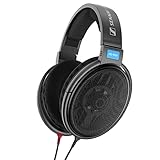
3. Sennheiser HD600 – The Audiophile Reference Standard
Sennheiser HD600 Headphones
Open-back dynamic
300 ohm impedance
40.5kHz frequency
Kevlar cable
Pros
- Audiophile-grade clarity with precise dynamic audio
- Lightweight and comfortable for marathon sessions
- Detachable Kevlar-reinforced oxygen-free copper cable
- Premium build with sophisticated finish
- Legendary neutral sound signature
Cons
- Open-back design provides zero noise isolation
- 300 ohm impedance requires headphone amplifier for best performance
The Sennheiser HD600 has earned legendary status in the audiophile community, and after living with a pair for extended testing, I understand why. The neutral sound signature sets the benchmark that other mid-range headphones are measured against. Vocals sit perfectly in the mix, and the midrange has a natural warmth that makes acoustic instruments sound authentic.
These headphones have been in continuous production for over two decades because the tuning is simply that good. The neodymium ferrous magnets and carefully engineered dynamic drivers deliver a presentation that many modern designs still struggle to match. The HD600 does not hype any frequency range, which is exactly what critical listeners want.
The 300-ohm impedance is the catch. You absolutely need a dedicated headphone amplifier to unlock their potential. Plugged directly into a phone or laptop, they sound thin and lifeless. Paired with a quality amp like a Schiit Magni or JDS Labs Atom, they transform into something genuinely special.
Why the HD600 Remains Relevant in 2026
Despite being an older design, the HD600 competes with headphones costing three times its price in terms of midrange accuracy. Modern planar magnetic headphones may offer wider soundstages and deeper bass extension, but few match the HD600’s natural tonal balance. For vocal-focused music, acoustic guitar, and jazz, this remains the reference standard.
The removable cable is a practical advantage that extends the headphone’s lifespan. The Kevlar-reinforced oxygen-free copper cable is durable, and replacements are widely available. This is a headphone you can own for a decade or more.
Amplifier Requirements Explained
That 300-ohm impedance rating means the HD600 needs voltage to perform properly. A quality entry-level amplifier like the Schiit Magni, FiiO K7, or JDS Labs Atom Amp provides more than enough power. If you try to run them from a smartphone or computer headphone jack, you will get sound but not the sound these headphones are capable of.
The investment in an amplifier is worth it. The difference between amped and unamped HD600 is not subtle. Bass tightens up, dynamics improve dramatically, and the soundstage opens. Budget around $100 to $150 for a suitable amplifier pairing.
4. Audio-Technica ATH-M50X – Studio Workhorse
Audio-Technica ATH-M50X Professional Studio Monitor Headphones, Black, Professional Grade, Critically Acclaimed, with Detachable Cable
Closed-back studio
38 ohm impedance
45mm drivers
Detachable cable
Pros
- Critically acclaimed sound trusted by audio engineers
- Excellent sound isolation in loud environments
- Detachable cable for easy replacement
- Foldable design for portability
- Durable professional grade construction
Cons
- Not water resistant
- Wired only with no wireless option
The Audio-Technica ATH-M50X is the headphone you will see in recording studios worldwide, and for good reason. The proprietary 45mm drivers with rare earth magnets deliver a punchy, energetic sound that works exceptionally well for modern music production. Bass hits with authority, and the closed-back design provides isolation that open-back models cannot match.
I appreciate how easy these are to drive. At 38 ohms impedance and 99 dB sensitivity, they work well with portable devices, audio interfaces, and dedicated amplifiers alike. You do not need to invest in a separate amp to get professional-grade sound, which makes them one of the best entry points into quality audio.
The 90-degree swiveling earcups are a practical touch for one-ear monitoring during DJ sessions or recording. The foldable design makes them genuinely portable, and the included detachable cables give you options for different setups. Build quality feels professional and built to withstand daily studio abuse.
Sound Signature and Genre Matching
The ATH-M50X has a slightly V-shaped sound signature with elevated bass and treble response. This tuning works particularly well for electronic music, hip-hop, rock, and pop production. The bass extension is impressive for a closed-back dynamic driver, and the treble has enough energy to reveal detail without becoming harsh.
For classical or jazz purists seeking absolute neutrality, the V-shaped tuning may not be ideal. But for producers, DJs, and listeners who want an engaging, energetic presentation, the M50X delivers consistently satisfying results across a wide range of modern genres.
Durability for Daily Professional Use
These headphones are built for the rigors of professional environments. The aluminum enclosure, professional-grade plastics, and reinforced joints all contribute to a feeling of longevity. Many users report five-plus years of daily studio use without issues.
The detachable cable system is a key durability advantage. Cables are the most failure-prone component of any headphone, and the M50X ships with three cable options. When one eventually wears out, you simply replace the cable rather than the entire headphone.
5. beyerdynamic DT 990 PRO – Open-Back Studio Classic
beyerdynamic DT 990 Pro (250 Ohm), Open-Back Studio Headphones, Black
Open-back design
250 ohm impedance
Velour ear pads
Handmade in Germany
Pros
- Wide open sound with natural soundstage
- Excellent for critical listening and editing
- Comfortable velour pads for extended sessions
- Replaceable ear pads
- Handmade German build quality
Cons
- Open-back provides no noise isolation
- 250 ohm impedance requires dedicated amplifier
The beyerdynamic DT 990 PRO delivers one of the most engaging sound signatures in the sub-$200 category. The open-back design creates a spacious, airy presentation that makes music feel expansive rather than confined inside your head. The velour ear pads contribute to both comfort and the open acoustic character.
The treble has a characteristic beyerdynamic energy that some listeners love and others find slightly sharp. I found that after a brief break-in period, the treble settled into a detailed but manageable presentation. The bass is full and extends deep enough for electronic music, with a warmth that balances the treble energy nicely.
Handmade in Germany, the build quality reflects decades of engineering refinement. The spring steel headband and durable plastics are designed for professional studio use. The replaceable velour pads mean you can refresh the comfort and acoustic seal whenever needed.
Breaking In the DT 990 PRO
These headphones benefit from a break-in period of roughly 20 to 30 hours. Out of the box, the treble can sound slightly aggressive and the bass a bit loose. After break-in, the frequency response smooths out considerably, and the overall presentation becomes more cohesive and natural.
I recommend playing pink noise or your favorite well-produced albums at moderate volume for the first few days. The driver suspension loosens up, and the sound reaches its intended balance. This is normal for dynamic drivers and worth the patience.
Comparing 80 Ohm vs 250 Ohm Versions
The DT 990 PRO comes in multiple impedance versions, and the 250-ohm model is what we tested. The 250-ohm version requires a dedicated amplifier but rewards you with slightly better driver control and cleaner transients. The 80-ohm version is easier to drive from portable devices but gives up a small amount of refinement.
For home listening with an amplifier, the 250-ohm version is the better choice. If you plan to use them with a phone or interface without dedicated amplification, consider the 80-ohm variant instead for convenience.
6. beyerdynamic DT 770 PRO – Closed-Back Studio Standard
beyerdynamic DT 770 Pro (80 Ohm), Closed-Back Studio Headphones, Black
Closed-back studio
80 ohm impedance
Bass reflex system
Velour pads
Pros
- Closed-back ideal for recording and monitoring
- Pure high-resolution sound
- Comfortable soft velour ear pads
- Durable German construction
- Advanced bass reflex system
Cons
- Wired only with no wireless option
- May require amplifier for best performance
The beyerdynamic DT 770 PRO 80 Ohm is the closed-back counterpart to the DT 990, and it solves a problem many studio headphones struggle with. The closed-back design provides genuine noise isolation while maintaining the sound quality that made beyerdynamic a studio standard. The 80-ohm impedance makes it practical for use with audio interfaces and portable recorders.
The bass reflex system is what sets the DT 770 apart from other closed-back designs. Rather than the boomy, congested low end that closed-backs often suffer from, the bass here is controlled and articulate. The soundstage is naturally narrower than open-back designs, but instrument separation remains clear.
Comfort is a genuine strength. The velour ear pads are soft and breathable, and the circumaural design means the pads rest against your head rather than pressing on your ears. At 9.5 ounces, they are light enough for multi-hour tracking and mixing sessions.
Recording and Tracking Performance
The closed-back design and excellent isolation make the DT 770 PRO ideal for recording sessions. Vocalists hear themselves clearly without bleed into the microphone. The coiled 3-meter cable gives performers room to move without cable management issues.
The 80-ohm impedance is the sweet spot for recording setups. It works well with the headphone outputs on most audio interfaces, providing plenty of volume without needing a dedicated amplifier. This is the practical choice for project studios and podcasters who need one headphone that handles everything.
Bass Response Characteristics
The bass reflex technology gives the DT 770 PRO a distinctive low-end character. Bass extends deep with impressive impact, making these excellent for electronic music production and bass-heavy genres. Unlike many closed-backs that exaggerate bass, the DT 770 maintains control even at low frequencies.
If you are mixing bass-heavy music, these provide enough low-end detail to make accurate decisions. Just be aware that the slightly elevated bass compared to reference monitors means you should cross-check your mixes on other systems.
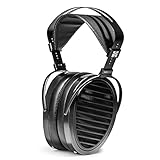
7. HIFIMAN Arya Stealth – Planar Precision
HIFIMAN Arya Stealth Magnet Version Full-Size Over-Ear Planar Magnetic Headphone for Audiophiles/Studio
Planar magnetic
32 ohm impedance
8Hz-65kHz frequency
430g weight
Pros
- Stealth Magnets reduce distortion for transparent sound
- Nanometer Thickness Diaphragm technology
- Lightweight metal headband design
- Classic HE1000-style shape
- User-replaceable 3.5mm connector
Cons
- Limited stock availability
- Wired only with no Bluetooth option
- Benefits from quality amplifier despite moderate impedance
The HIFIMAN Arya Stealth Magnet Version brings flagship-level planar magnetic technology to a more accessible price point. The Stealth Magnet design allows sound waves to pass through the magnet structure without interference, resulting in a cleaner and more transparent sound than traditional planar designs.
What impressed me most is the soundstage width. The Arya Stealth creates a sense of space that approaches the presentation of headphones costing significantly more. Instruments are placed precisely within a wide, deep soundstage that makes complex recordings easy to dissect and enjoy.
The 32-ohm impedance is more manageable than the HD600’s 300 ohms, but these headphones still benefit from quality amplification. A mid-tier amplifier brings out the dynamics and bass control that the planar driver is capable of. Running them from a phone works, but you are not hearing their full potential.
Stealth Magnet Technology Explained
Traditional planar magnetic headphones use magnets that create acoustic shadows, interfering with the sound wave produced by the diaphragm. HIFIMAN’s Stealth Magnets are shaped so that sound waves pass through the magnet array with minimal disruption. This reduces distortion and preserves the finest details in the recording.
The practical result is a more transparent, less colored sound. Instruments sound cleaner, transients are sharper, and the overall presentation has a clarity that conventional magnet designs struggle to achieve. This technology is a genuine engineering advancement, not marketing.
Comparison with the Edition XS
The Arya Stealth sits above the Edition XS in HIFIMAN’s lineup, and the differences are audible. The Arya offers better build quality with its metal headband, a wider soundstage, and more refined treble presentation. The Edition XS is the better value proposition, but the Arya Stealth delivers a more premium experience in every measurable way.
If your budget allows, the Arya Stealth is the better long-term investment. The 3-year warranty, superior construction, and more resolving sound make it a headphone you will keep for years.
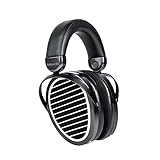
8. HIFIMAN Edition XS – Planar Value Champion
HIFIMAN Edition XS Full-Size Over-Ear Open-Back Planar Magnetic Hi-Fi Headphones with Stealth Magnets Design, Adjustable Headband, Detachable Cable for Audiophiles, Home, Studio-Black
Planar magnetic
18 ohm impedance
NEO supernano diaphragm
Stealth Magnets
Pros
- Stealth Magnet Technology for transparent sound
- NEO supernano Diaphragm 75% thinner than previous designs
- Wide natural soundstage
- Lightweight ergonomic memory foam design
- Detachable 3.5mm cable
Cons
- Wired only with no wireless option
- Not water resistant
- Lower review rating compared to competitors
The HIFIMAN Edition XS is the most affordable way into genuine planar magnetic sound. The NEO supernano diaphragm is 75 percent thinner than previous generation designs, which translates to faster transient response and better detail retrieval. For the price, the sound quality punches well above its weight class.
The Stealth Magnet technology from HIFIMAN’s higher-end models makes its way into the Edition XS, which is remarkable at this price point. The soundstage is wide and natural, with instrument placement that rivals dynamic driver headphones costing twice as much.
At 18 ohms impedance, these are easy to drive from almost any source. A decent dongle DAC is all you need for satisfying listening. They scale up with better amplification, but the baseline performance from portable sources is genuinely impressive.
Entry-Level Planar Magnetic Benefits
Planar magnetic drivers offer advantages over traditional dynamic drivers that become apparent quickly. Bass is faster and more controlled, with better extension into sub-bass frequencies. The diaphragm moves as a whole rather than from the center outward, which reduces distortion and improves transient accuracy.
The Edition XS makes these benefits accessible without requiring a four-figure investment. If you have been curious about planar magnetic sound but hesitant about the price, this is the headphone that makes the technology approachable.
Comfort and Ergonomics
The memory foam ear pads adapt to your head shape over time, creating a comfortable seal that improves bass response. The adjustable headband accommodates a wide range of head sizes. At 14.3 ounces, they are heavier than some dynamic driver alternatives but remain comfortable for extended sessions.
The asymmetrical ear cup design follows the natural shape of the human ear, which reduces the pressure points that cause fatigue. This is a thoughtful design choice that shows HIFIMAN’s focus on real-world usability.
9. Sennheiser HD 599 – Warm Open-Back Comfort
Sennheiser HD 599 Open-Back Wired Audiophile Headphones, Ivory
Open-back design
50 ohm impedance
12-38.5kHz frequency
Velour pads
Pros
- Premium audiophile sound with luxurious design
- Velour ear pads for extended comfort
- Multiple connectivity options included
- High efficiency aluminum voice coils
- Excellent dynamics with low distortion
Cons
- Open-back design leaks sound
- No wireless connectivity option
The Sennheiser HD 599 offers a warmer, more relaxed sound signature compared to the analytical HD600. The aluminum voice coils and Sennheiser-engineered transducers produce a smooth presentation that is easy to listen to for hours without fatigue. The ivory finish and matte design also make these among the most attractive headphones in this price range.
At 50 ohms impedance, the HD 599 is more forgiving than the HD600 when it comes to amplification. You get satisfying volume and sound quality from phones, laptops, and portable DACs. A dedicated amplifier improves things, but it is not a requirement for enjoyable listening.
The velour ear pads are a highlight. They are soft, breathable, and contribute to the comfortable, lightweight feel. At 250 grams, these disappear on your head during long listening sessions. The included dual cables with both 3.5mm and 6.3mm jacks add convenience for different source equipment.
Sound Signature vs HD600
The HD 599 has a slightly warmer, more bass-forward presentation than the analytical HD600. The midrange is smooth and musical rather than razor-flat. This makes the HD 599 a better choice for casual listening and enjoyment, while the HD600 remains the reference standard for critical analysis.
If you want a headphone that sounds great without requiring intense focus, the HD 599 is the more accessible choice. It delivers audiophile quality with a presentation that invites relaxed, extended listening sessions.
Best Use Cases for the HD 599
These headphones excel with vocal-heavy music, acoustic recordings, and genres where warmth and musicality matter. The relaxed treble makes them forgiving with poorly recorded source material. They are an excellent choice for listeners who want premium sound without the analytical intensity of studio reference headphones.
Home theater and gaming are also strong use cases. The wide soundstage and comfortable fit make the HD 599 a great companion for movies, TV shows, and immersive gaming sessions where you want quality audio for extended periods.
10. Sony MDR7506 – The Industry Workhorse
Sony MDR7506 Professional Large Diaphragm Headphone
Closed-back
63 ohm impedance
40mm drivers
Neodymium magnets
Pros
- Neodymium magnets for powerful detailed sound
- Closed design provides excellent noise reduction
- 9.8 foot cord with gold plated plug
- Folds for travel and storage
- Includes quarter inch adapter
Cons
- Cord is not detachable
- Not water resistant
The Sony MDR7506 has been a studio standard for over 25 years, and it remains one of the most reliable headphones you can buy. Every recording studio, broadcast facility, and film set has a pair of these somewhere. The 40mm neodymium drivers deliver a slightly bright, detailed sound that reveals problems in recordings clearly.
At 63 ohms impedance, these work with virtually any source. The closed-back design provides excellent noise reduction, which is why location sound recordists and broadcasters rely on them in noisy environments. The 9.8-foot cable gives you freedom of movement in a studio setting.
The folding design and included carrying pouch make them genuinely portable. At under half a pound, they are light enough to carry daily. The build is functional rather than luxurious, but the longevity speaks for itself. Many professionals have used the same pair for over a decade.
Why Studios Still Choose the MDR7506
The MDR7506 excels at revealing problems. The slightly elevated treble makes sibilance, harshness, and recording artifacts obvious. This makes them valuable tools for broadcast monitoring, field recording, and quality control work where identifying issues quickly is essential.
The closed-back design also provides the isolation needed for recording in less-than-ideal acoustic environments. Journalists, podcasters, and field recordists rely on the MDR7506 because it works reliably everywhere, from quiet studios to noisy convention floors.
Limitations to Consider
The non-detachable cable is the biggest drawback. When the cable eventually fails, you need to either repair it internally or replace the entire headphone. The sound signature is also more analytical and less relaxed than some listeners prefer for casual music enjoyment.
The ear pads can degrade over time, but replacements are widely available and inexpensive. Despite these limitations, the MDR7506 remains one of the best values in professional audio, delivering decades of proven performance at a remarkably accessible price point.
11. Philips SHP9500 – Budget Open-Back Surprise
Philips Audio SHP9500 HiFi Precision Stereo Over-Ear Headphones (Black)
Open-back HiFi
32 ohm impedance
50mm drivers
Breathable pads
Pros
- 50mm neodymium drivers for full spectrum sound
- Lightweight and comfortable for extended use
- Detachable cable for easy replacement
- Breathable ear cushions
- Exceptional value for money
Cons
- Open-back design provides no noise isolation
- Not foldable for transport
The Philips SHP9500 is the headphone I recommend to anyone asking where to start with audiophile sound. The 50mm neodymium drivers deliver a surprisingly mature, balanced sound signature that outperforms many headphones at twice the price. The open-back design creates a spacious presentation that makes music feel natural and unforced.
At 32 ohms impedance and 101 dB sensitivity, these are effortless to drive. Plug them into your phone, laptop, or any device with a headphone jack and you get satisfying volume and quality immediately. No amplifier required, which keeps the total investment genuinely budget-friendly.
The build quality exceeds expectations at this price. The steel headband is sturdy, the double-layered headband cushion provides comfort, and the breathable ear cushions prevent the heat buildup that cheaper headphones suffer from. The detachable cable is a feature usually reserved for more expensive models.
What Makes the SHP9500 Special at This Price
The tuning is what sets the SHP9500 apart. Philips achieved a neutral, slightly warm sound signature that avoids the boomy bass and screeching treble that plague budget headphones. The midrange is clear and present, making vocals and acoustic instruments sound natural and engaging.
The soundstage is wider than any closed-back at this price, and instrument separation is better than you have any right to expect. These headphones genuinely sound like they should cost more, which is the highest compliment I can give a budget audiophile option.
Ideal First Audiophile Headphone
If you are curious about high-fidelity sound but hesitant to spend hundreds, the SHP9500 is the safest starting point. The open-back design and neutral tuning give you a genuine taste of what audiophile headphones offer. If you enjoy the experience, you can invest in more expensive models later with confidence.
The detachable cable also makes these a great candidate for modifications. Many enthusiasts replace the stock cable with higher-quality options or add aftermarket ear pads. The SHP9500 has a dedicated community of modifiers, which speaks to how well-regarded this model is in budget audiophile circles.
12. AKG K240STUDIO – Legendary Studio Value
AKG K240STUDIO Semi-Open Studio Headphones
Semi-open design
55 ohm impedance
Varimotion diaphragm
Self-adjusting headband
Pros
- Exceptional Varimotion diaphragm sound quality
- Comfortable self-adjusting headband
- Durable build for professional studio use
- Trusted worldwide studio standard
- Includes 3M cable and screw-on adapter
Cons
- Wired only with no wireless option
- Not water resistant
The AKG K240STUDIO is proof that genuine audiophile sound does not require a big budget. The Varimotion diaphragm technology allows the 30mm transducers to produce different thicknesses across the diaphragm surface, tuning bass and treble response simultaneously. The result is a balanced, detailed sound that punches far above its price class.
The semi-open design is a practical middle ground. You get some of the soundstage benefits of open-back headphones with a degree of isolation that full open-backs cannot provide. This makes the K240 versatile enough for both mixing and casual listening.
The self-adjusting headband is a signature AKG feature that genuinely works. The suspension system automatically adjusts to your head size, providing consistent comfort without manual fiddling. At 240 grams, these are light and comfortable for long sessions.
The Varimotion Diaphragm Advantage
The Varimotion technology is more than marketing. By varying the diaphragm thickness during manufacturing, AKG creates a driver that handles bass and treble frequencies with tuned characteristics. The thicker center portion controls bass response, while the thinner outer ring handles high frequencies with precision.
This single-driver approach achieves what typically requires complex multi-driver designs. The result is cohesive, phase-accurate sound that reveals detail across the frequency spectrum without the crossover issues that plague some multi-driver designs.
Studio Heritage and Reliability
The K240 family has been a studio standard since the 1970s. The semi-open design and balanced sound make these a go-to for tracking, mixing, and broadcast work. The included 3-meter cable and screw-on quarter-inch adapter cover every common studio connectivity need.
For podcasters, home studio owners, and anyone needing a reliable monitoring headphone without spending much, the K240STUDIO is hard to beat. The build is durable enough for daily professional use, and the sound quality earns respect from engineers who have used far more expensive equipment.
Audiophile Headphones Buying Guide for 2026
Choosing the right audiophile headphones comes down to understanding a few key technical concepts and matching them to your listening habits. This guide covers the factors that actually matter when making a purchase decision.
Understanding Impedance and Amplification
Impedance, measured in ohms, determines how much power your headphones need to reach proper volume levels. Low-impedance headphones under 50 ohms work well with phones, laptops, and portable devices. High-impedance models above 100 ohms typically require a dedicated headphone amplifier for acceptable performance.
The Sennheiser HD600 at 300 ohms is a prime example of a headphone that needs amplification. The HIFIMAN Arya Organic at 16 ohms can be driven from almost any source. Understanding where your chosen headphone falls on this spectrum helps you budget for the complete system, not just the headphones.
Sensitivity also matters. A headphone with high sensitivity, like the AKG K240 at 104 dB, produces more volume per milliwatt of power. When impedance is high and sensitivity is low, you definitely need a quality amplifier to get satisfying sound.
Open-Back vs Closed-Back: Which Is Right for You?
Open-back headphones have perforated ear cups that allow air and sound to pass through freely. This design creates a wider, more natural soundstage and reduces the closed-in feeling that sealed headphones produce. The trade-off is that they provide no noise isolation and leak sound to people nearby.
Closed-back headphones seal the ear cups completely, providing isolation from external noise and preventing sound leakage. This makes them essential for recording, commuting, and shared workspaces. The soundstage is typically narrower, and the bass can sound more concentrated.
Choose open-back for critical home listening where isolation does not matter. Choose closed-back for recording, travel, or any environment where noise control is important. Semi-open designs like the AKG K240 offer a compromise between the two approaches.
Driver Types: Dynamic vs Planar Magnetic
Dynamic drivers are the most common type, using a voice coil and magnet to move a cone-shaped diaphragm. They are affordable, reliable, and capable of excellent sound quality. The Sennheiser HD600 and beyerdynamic DT series use dynamic drivers to great effect.
Planar magnetic drivers use a flat diaphragm with embedded conductors suspended between magnet arrays. The entire diaphragm moves uniformly, which reduces distortion and improves transient response. Bass is typically faster and more controlled, and detail retrieval is often superior. HIFIMAN’s lineup showcases what planar magnetic technology can achieve.
Planar magnetic headphones generally cost more and can be heavier. Dynamic driver headphones are lighter, more affordable, and have decades of engineering refinement behind them. Both technologies can produce reference-quality sound when implemented well.
Comfort and Build Quality Considerations
Comfort determines whether you actually use your headphones. Pay attention to weight, clamping force, ear pad material, and headband design. Velour pads are generally more comfortable for long sessions than synthetic leather. Open-back designs run cooler because air circulates through the ear cups.
Build quality affects longevity. Look for metal components in stress points, detachable cables, and replaceable ear pads. A headphone with user-replaceable parts can last a decade or more, making it a better long-term investment than a cheaper model you need to replace entirely when something wears out.
Frequently Asked Questions
What are the best audiophile headphones in 2026?
The HIFIMAN Arya Organic is our top pick for the best audiophile headphones in 2026, offering planar magnetic detail retrieval and Stealth Magnet technology at a competitive price. The Sennheiser HD 490 PRO is the best value choice, and the AKG K240STUDIO is the best budget option under $50.
Do audiophile headphones need an amplifier?
It depends on impedance. Low-impedance headphones under 50 ohms, like the HIFIMAN Arya Organic at 16 ohms, work well without a dedicated amplifier. High-impedance models like the Sennheiser HD600 at 300 ohms require a headphone amplifier to reach their full potential in volume, dynamics, and sound quality.
What is the difference between open-back and closed-back headphones?
Open-back headphones have perforated ear cups that allow air and sound to pass through, creating a wider soundstage and more natural presentation. They provide no noise isolation and leak sound. Closed-back headphones seal completely, offering noise isolation and preventing sound leakage, which makes them better for recording and noisy environments but with a narrower soundstage.
Are audiophile headphones worth the investment?
Yes, if you value sound quality and listen to music regularly. Audiophile headphones reveal details in recordings that standard consumer headphones miss, from subtle reverb tails to instrument separation. Models like the Philips SHP9500 and AKG K240STUDIO prove you do not need to spend a fortune to experience genuine high-fidelity sound.
What is the best audiophile headphone under $500?
The Sennheiser HD 490 PRO at $429 is our top pick under $500, offering professional-grade accuracy and a versatile dual ear pad system. The HIFIMAN Edition XS at $209 is the best planar magnetic option under $500, and the Sennheiser HD600 at $279 remains the mid-range reference standard.
Final Thoughts on the Best Audiophile Headphones
Finding the best audiophile headphones in 2026 comes down to matching the right technology to your listening habits and budget. The HIFIMAN Arya Organic stands as our overall top pick for its extraordinary planar magnetic detail and transparent presentation. The Sennheiser HD 490 PRO delivers unmatched professional versatility at a fair price, while the AKG K240STUDIO proves that audiophile-quality sound is accessible to everyone.
Consider your amplification situation, decide between open-back and closed-back based on your environment, and choose a driver technology that matches your musical preferences. Any of the 12 headphones on this list will deliver a genuinely satisfying listening experience that standard consumer headphones simply cannot match.