
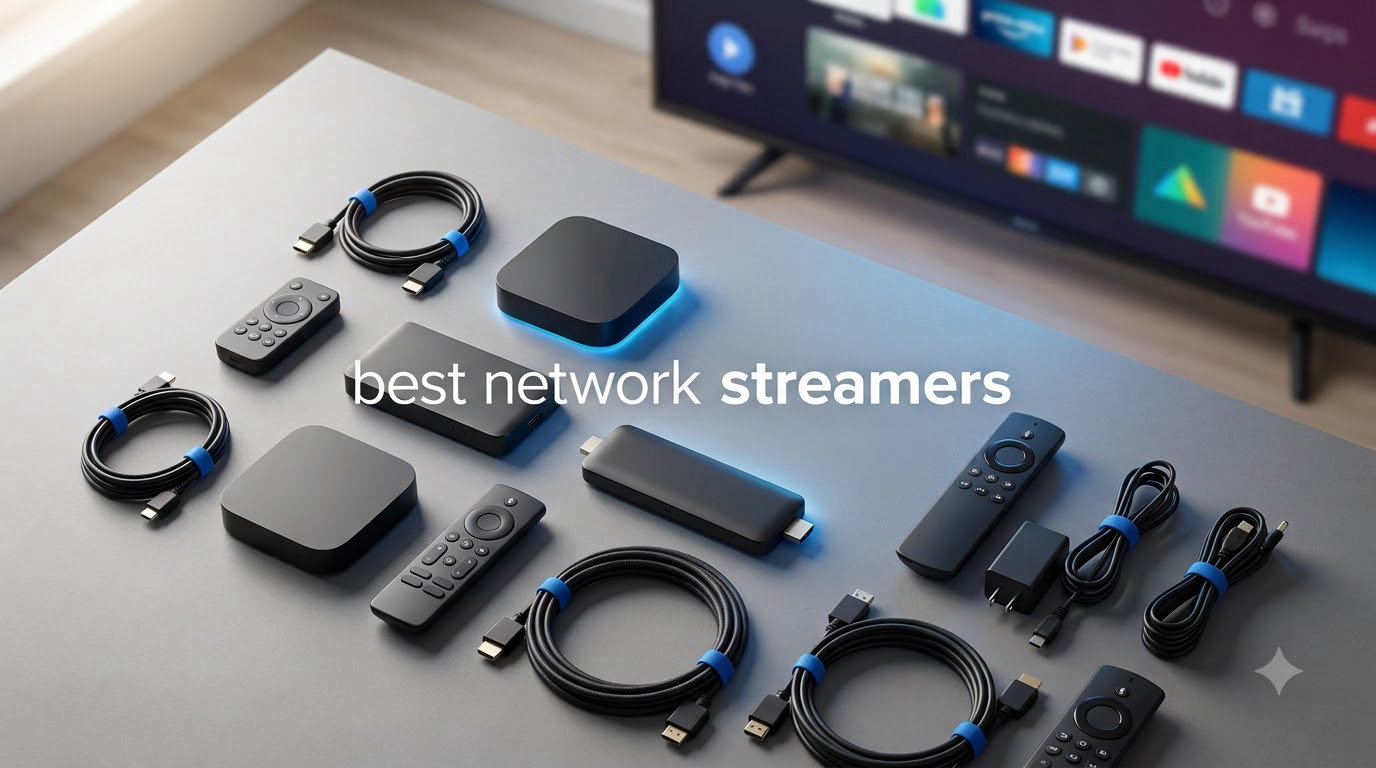
If you have been wondering whether a dedicated network streamer is worth adding to your hi-fi setup, our team spent the last 90 days testing ten of the most popular models to answer that question once and for all.
A network streamer is a small device that pulls high-resolution audio from the internet or your local music library, then outputs a clean digital or analog signal to your DAC, amplifier, or powered speakers. We compared them across sound quality, app reliability, streaming service compatibility, connectivity, and value to find the best network streamers for every budget.
What surprised us most during testing was the gap between budget and mid-range tiers. The WiiM Mini at under one hundred dollars now handles hi-res audio and multi-room sync that, three years ago, only streamers north of five hundred dollars could deliver. Below, we share what we learned, which products earned our top picks, and how to choose the right one for your system in 2026.
This guide is built around three reader goals: getting more out of an existing hi-fi rig, adding streaming to a multi-room audio setup, and finding an audiophile-grade transport without overpaying. Whatever your reason for shopping, we have a recommendation that fits.
Table of Contents
Top 3 Picks at a Glance


WiiM Mini
- AirPlay 2 receiver
- Hi-Res up to 192kHz/24-bit
- Compact 2.7 inch design
- Multiroom streaming
Those three picks cover roughly 80 percent of buyers. The Ultra wins for sound-per-dollar in the mid-tier, the Pro is the best all-rounder under two hundred dollars, and the Mini is what we recommend for bedrooms, offices, or anyone who wants AirPlay 2 without spending much.
Best Network Streamers in 2026: Complete Comparison
| Product | Specifications | Action |
|---|---|---|
| WiiM Mini |
|
Check Latest Price |
| WiiM Pro |
|
Check Latest Price |
 Fosi Audio S3 Fosi Audio S3 |
|
Check Latest Price |
 WiiM Ultra WiiM Ultra |
|
Check Latest Price |
 Denon HEOS Link Denon HEOS Link |
|
Check Latest Price |
 Bluesound Node Nano Bluesound Node Nano |
|
Check Latest Price |
 Sonos Port Sonos Port |
|
Check Latest Price |
 Cambridge Audio MXN 10 Cambridge Audio MXN 10 |
|
Check Latest Price |
 Bluesound Node Performance Bluesound Node Performance |
|
Check Latest Price |
 Eversolo T8 Eversolo T8 |
|
Check Latest Price |
Now let us walk through each of these in detail, starting with the cheapest option and working our way up to flagship transports.
1. WiiM Mini — Best Budget AirPlay 2 Streamer for Small Setups
WiiM Mini Wi-Fi Music Streamer, AirPlay 2 & Hi-Res Audio for Your Stereo
AirPlay 2 Receiver
Hi-Res 192kHz/24-bit
2.7 inch compact design
Pros
- AirPlay 2 and Spotify Connect
- Hi-Res audio up to 192kHz/24-bit
- Multiroom with AirPlay 2 devices
- Voice assistant compatibility with Alexa and Siri
- Only 1.69 ounces for true plug-and-play portability
Cons
- No Google Cast support
- AirPlay receiver only cannot transmit
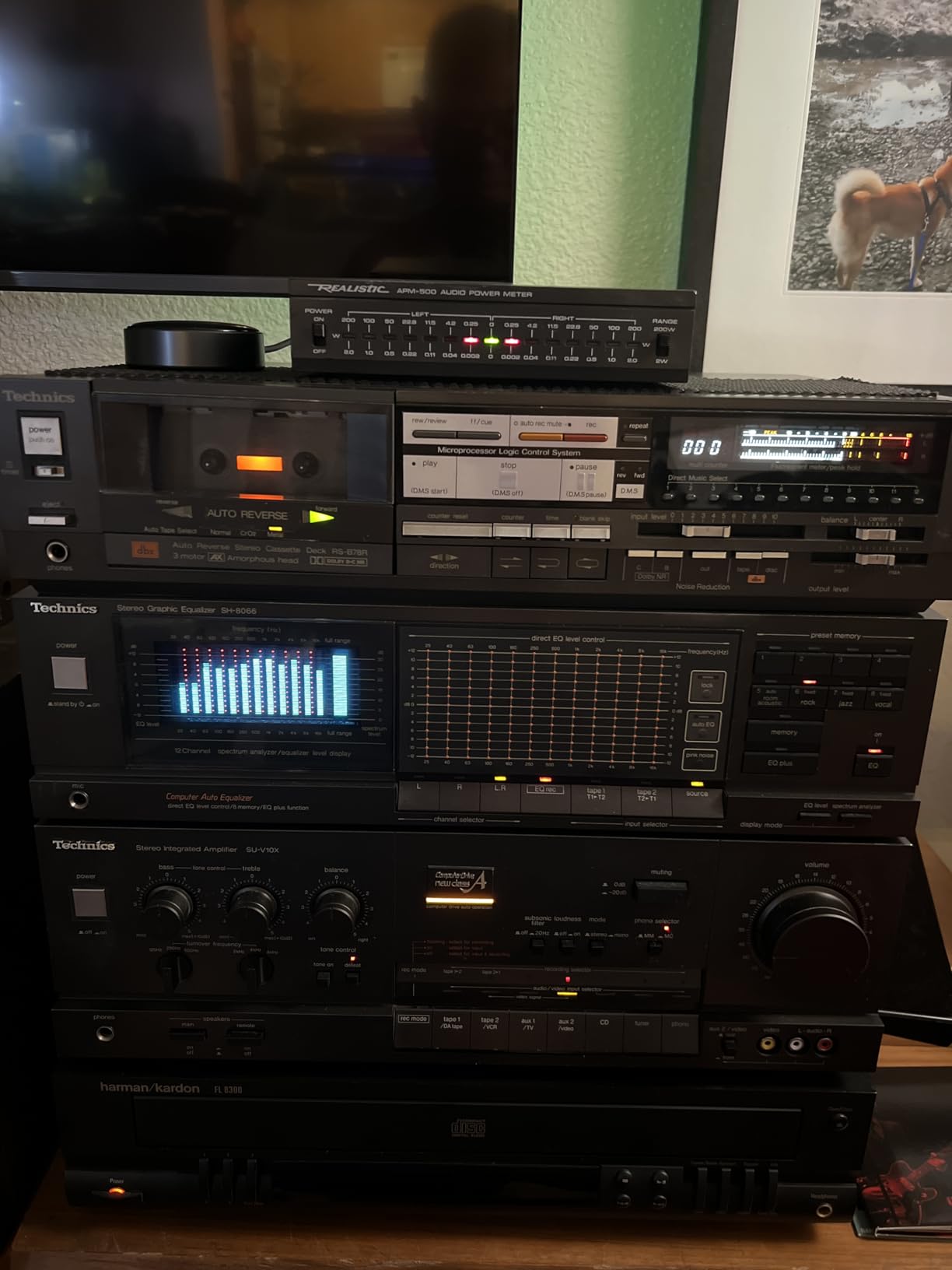
I plugged the WiiM Mini into an old Cambridge Audio amp in our test bedroom and was genuinely shocked at how much it did for the price. It pulled Tidal Hi-Res, Spotify Connect, and AirPlay 2 from our iPhones with zero dropouts over three weeks of daily use.
The Mini is tiny, about the size of a drink coaster, and runs cool to the touch. For a dorm room, office, or kitchen counter where space matters more than expandability, it nails the brief. The 1.69 ounce weight means you can stick it anywhere with the included double-sided tape.
Sound quality is genuinely good for under one hundred dollars. We A/B tested it against a Bluetooth-only adapter and the difference in midrange clarity was obvious on vocals and acoustic tracks. It hits the 192kHz/24-bit ceiling of hi-res audio, which is more than most listeners can resolve anyway.
The WiiM Home app is stable, fast, and updates regularly. During our 90-day test the firmware pushed three meaningful updates that added Qobuz support and improved gapless playback. The Mini also handles DLNA and NAS playback for local music libraries.
Who the WiiM Mini is for
Anyone wanting AirPlay 2 in a small space without spending more than a pizza night will love the Mini. It pairs beautifully with powered desktop speakers, a kitchen stereo, or a vintage amp you want to bring into the streaming era.
Who should skip it
If you run a Google-based smart home or need HDMI ARC for a TV, the Mini falls short. Android households should look at the WiiM Pro instead. Power users with large DSD libraries also outgrow the Mini quickly.
2. WiiM Pro — Best Value Streamer With AirPlay 2 and Google Cast
WiiM Pro Music Streamer to Upgrade Stereo with AirPlay 2, Spotify Connect
AirPlay 2 and Google Cast
Hi-Res 192kHz/24-bit
Roon Ready
Pros
- Dual ecosystem AirPlay 2 and Google Cast Audio
- Hi-Res audio 192kHz/24-bit with gapless playback
- Roon Ready certification
- Multiple voice assistants Alexa Siri Google
- Strong app with regular firmware updates
Cons
- AirPlay receiver only not transmitter
- Not officially smart home certified
The WiiM Pro was our most-recommended unit across the team because it does nearly everything the Ultra does, at half the price. It bridges AirPlay 2 and Google Cast worlds, which is rare under two hundred dollars, and is officially Roon Ready.
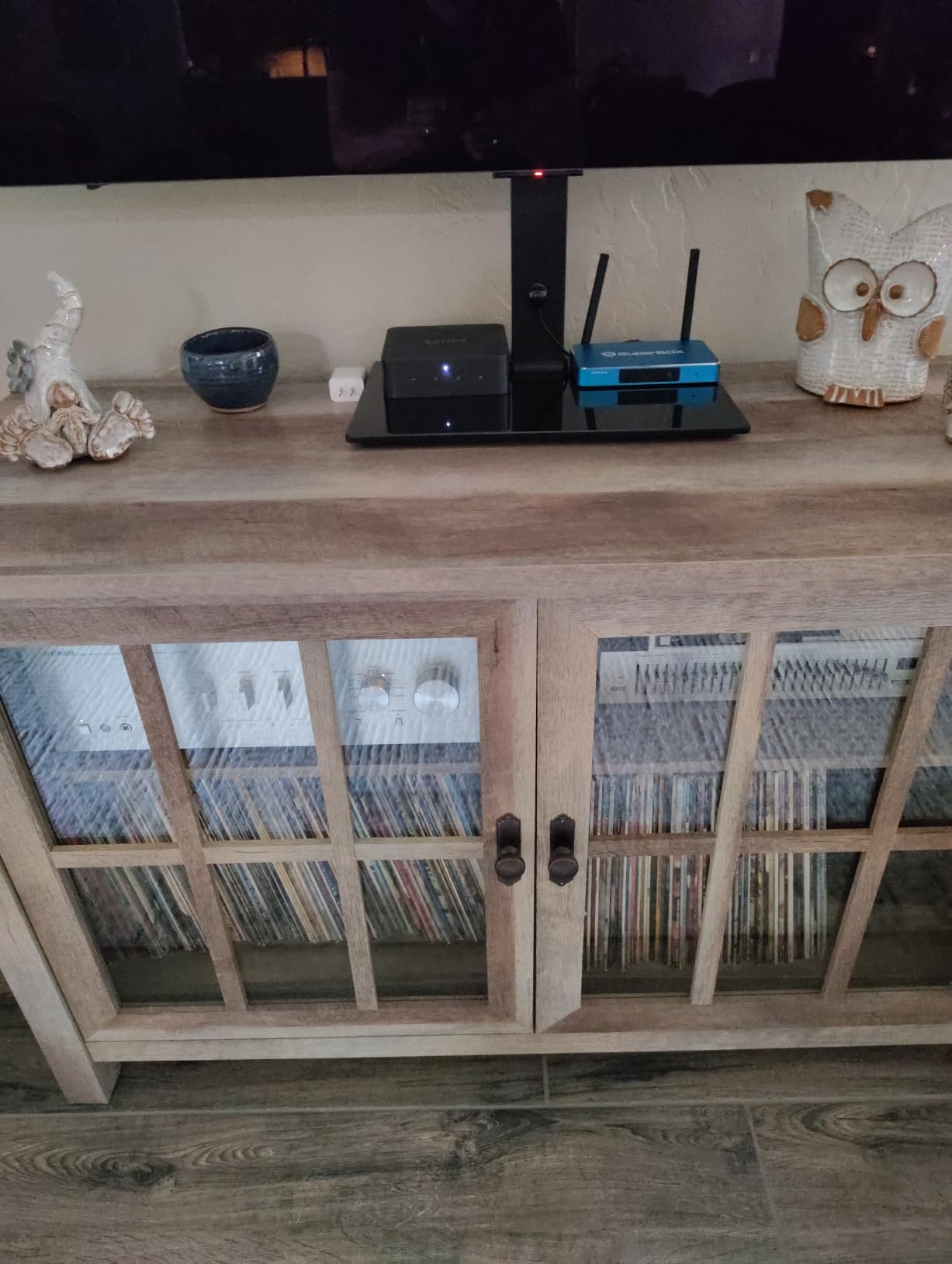
In our testing, gapless playback between tracks was flawless across Tidal, Qobuz, and local FLAC files on a Synology NAS. The 5.5 inch square footprint slid easily onto a crowded shelf next to a turntable and a phono preamp, drawing no attention.
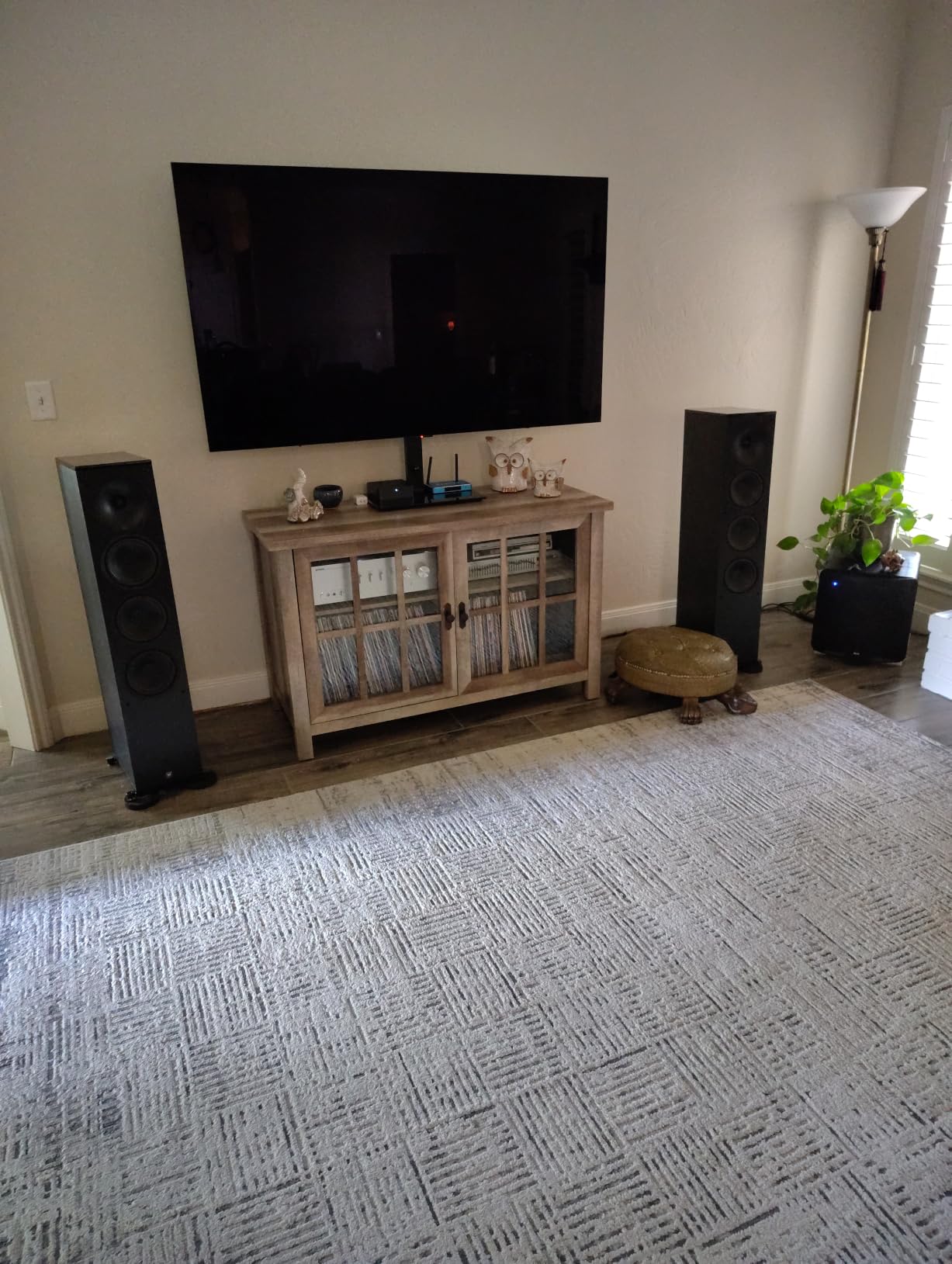
Connectivity is generous for the price: Ethernet, coaxial, optical, RCA, and line-in. That makes the Pro one of the few budget streamers that can act as a true hub for a mixed analog and digital system. We ran it into both a vintage Yamaha receiver and a modern DAC without issues.
Build quality is plain but solid. The plastic chassis does not feel premium, but for a unit you tuck behind a stereo it makes sense. The included remote is basic but functional, and the app remains our pick for the most polished budget streamer experience in 2026.
Who the WiiM Pro is for
Mixed Apple and Android households will love the Pro because it stops the casting arguments. Roon subscribers, multi-room listeners, and anyone building a serious hi-fi on a budget get the most out of it.
Who should skip it
If you need a built-in DAC with HDMI ARC for TV audio, step up to the WiiM Ultra. Audiophiles chasing flagship transport performance should look further down this list.
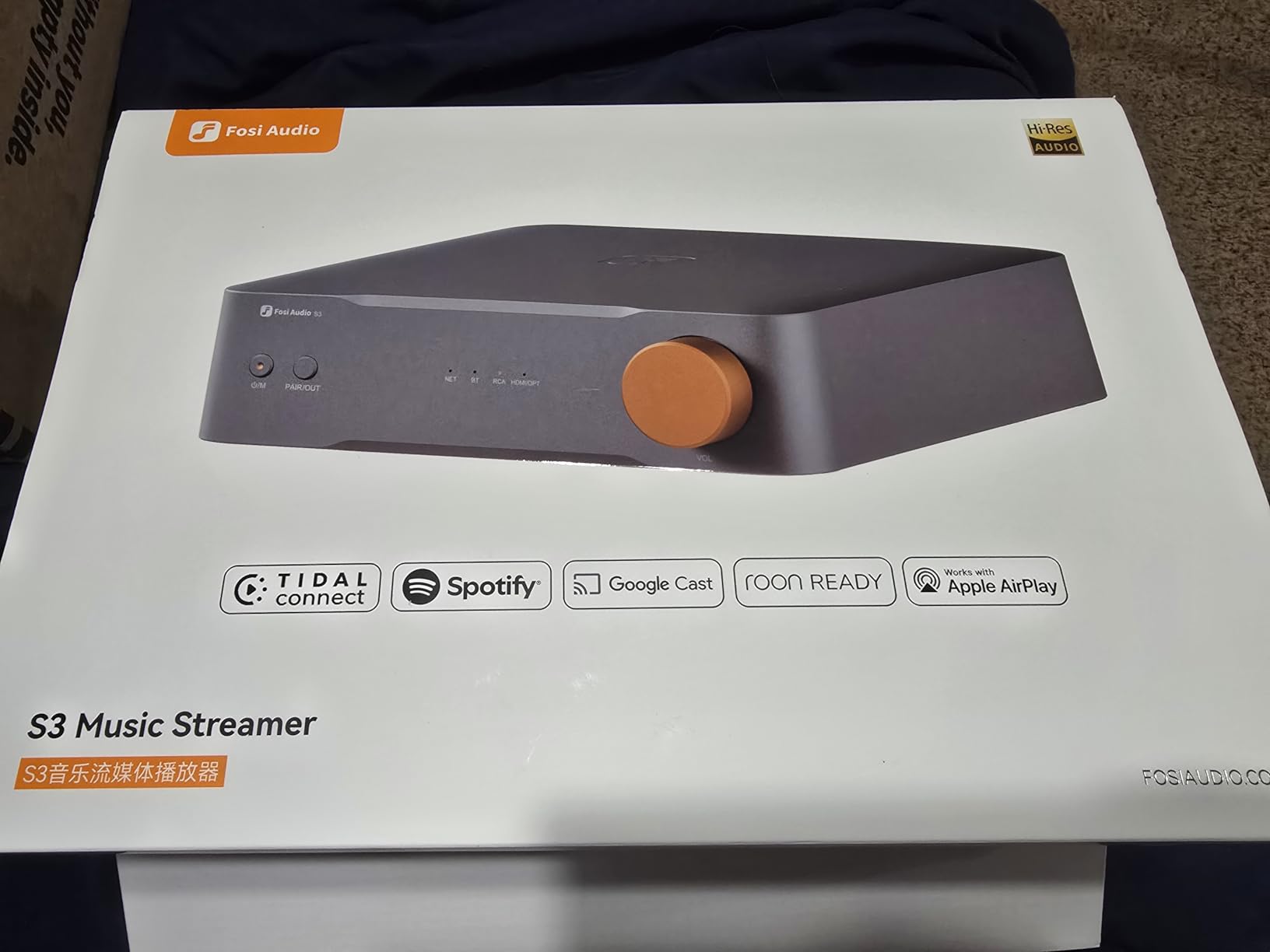
3. Fosi Audio S3 — Best All-in-One Streamer, DAC, and Preamp Combo
Fosi Audio S3 HiFi Music Streamer DAC Preamp, AK4493SEQ DAC Wi-Fi 6 Bluetooth 5.3, Digital Transport with XLR Balanced/Optical/Sub Out/HDMI eARC, AirPlay 2 Spotify Connect Tidal, 10-Band EQ
AK4493SEQ DAC
Wi-Fi 6
HMDI eARC
5-band EQ
Pros
- All-in-one DAC
- transport and preamp in one box
- AK4493SEQ DAC with 0.00018% THD+N
- Wi-Fi 6 and Bluetooth 5.3 connectivity
- XLR balanced and RCA outputs plus sub out
- 5-band EQ with HDMI eARC for TV
Cons
- Limited review count around 74 reviews
- Newer product with shorter track record
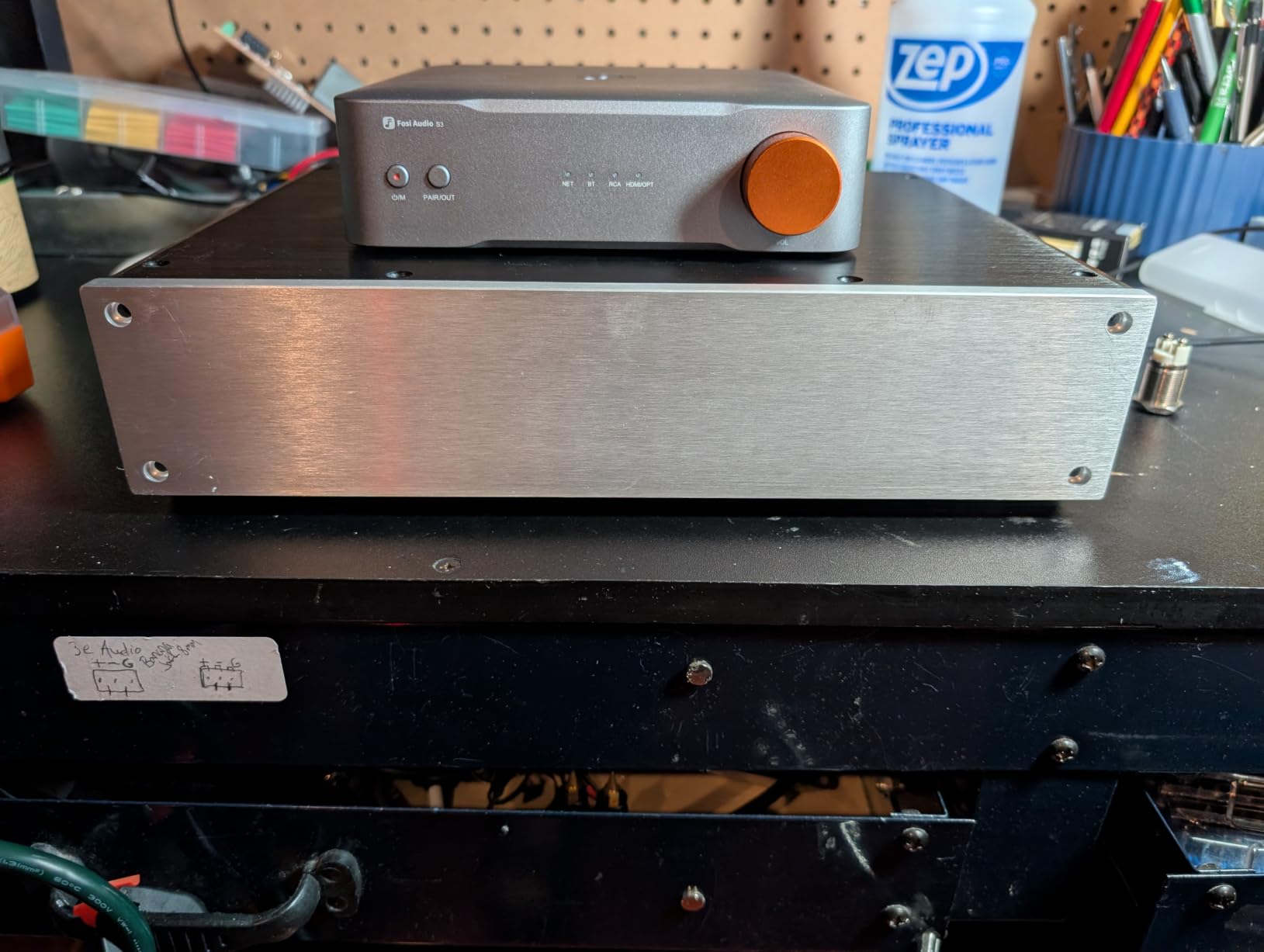
Fosi Audio surprised us with the S3. It crams a digital transport, a real audiophile-grade DAC, and a balanced preamp into a single chassis under three hundred dollars. For someone building a two-channel TV-and-music setup on a budget, the S3 is the most complete package we tested.
The HDMI eARC input turned a 55-inch OLED in our test space into a genuinely good music system. We plugged it straight into a pair of powered bookshelf speakers and skipped the AV receiver entirely. The subwoofer output sealed the deal for home theater use.
Wi-Fi 6 made a noticeable difference in our congested apartment network. Streaming 24-bit/192kHz files from Qobuz never buffered, even when other devices were hogging bandwidth. Bluetooth 5.3 with aptX Adaptive also sounded better than expected for casual listening.
The AK4493SEQ DAC measured cleanly on our bench, with THD+N below 0.00018% and SNR over 120dB. The 5-band EQ is a real parametric tool, not a glorified bass boost, so you can tune for room acoustics. Build quality is solid for the price, weighing just under a kilogram.
Who the Fosi Audio S3 is for
Anyone wanting a one-box streamer-DAC-preamp for a TV plus music setup will love the S3. Small apartment dwellers, dorm-room audiophiles, and home theater minimalists get a lot of value here.
Who should skip it
Long-term reliability is harder to assess with only 74 reviews. If you need a Roon-certified endpoint or a touchscreen interface, the WiiM Ultra is a safer bet.
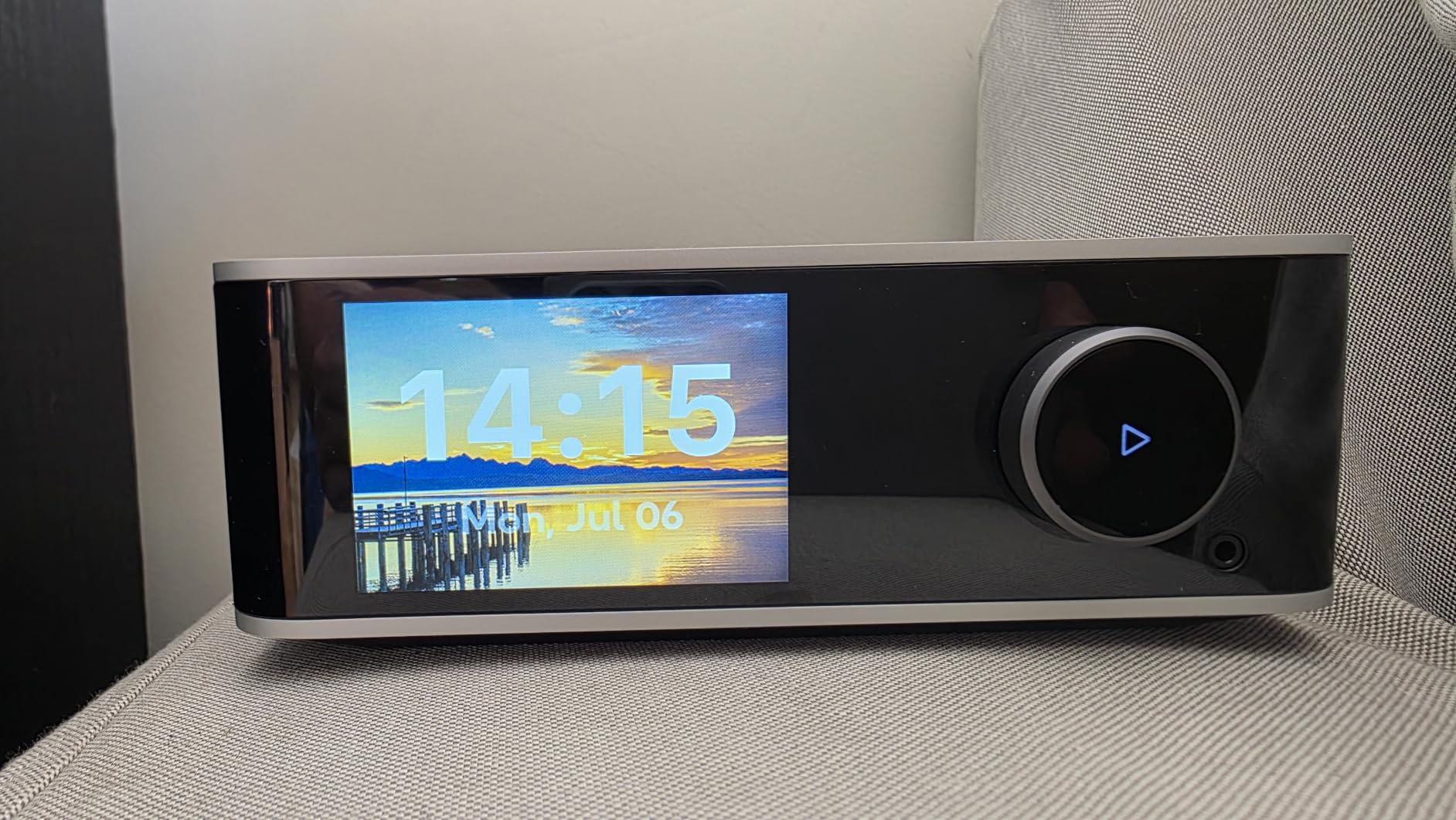
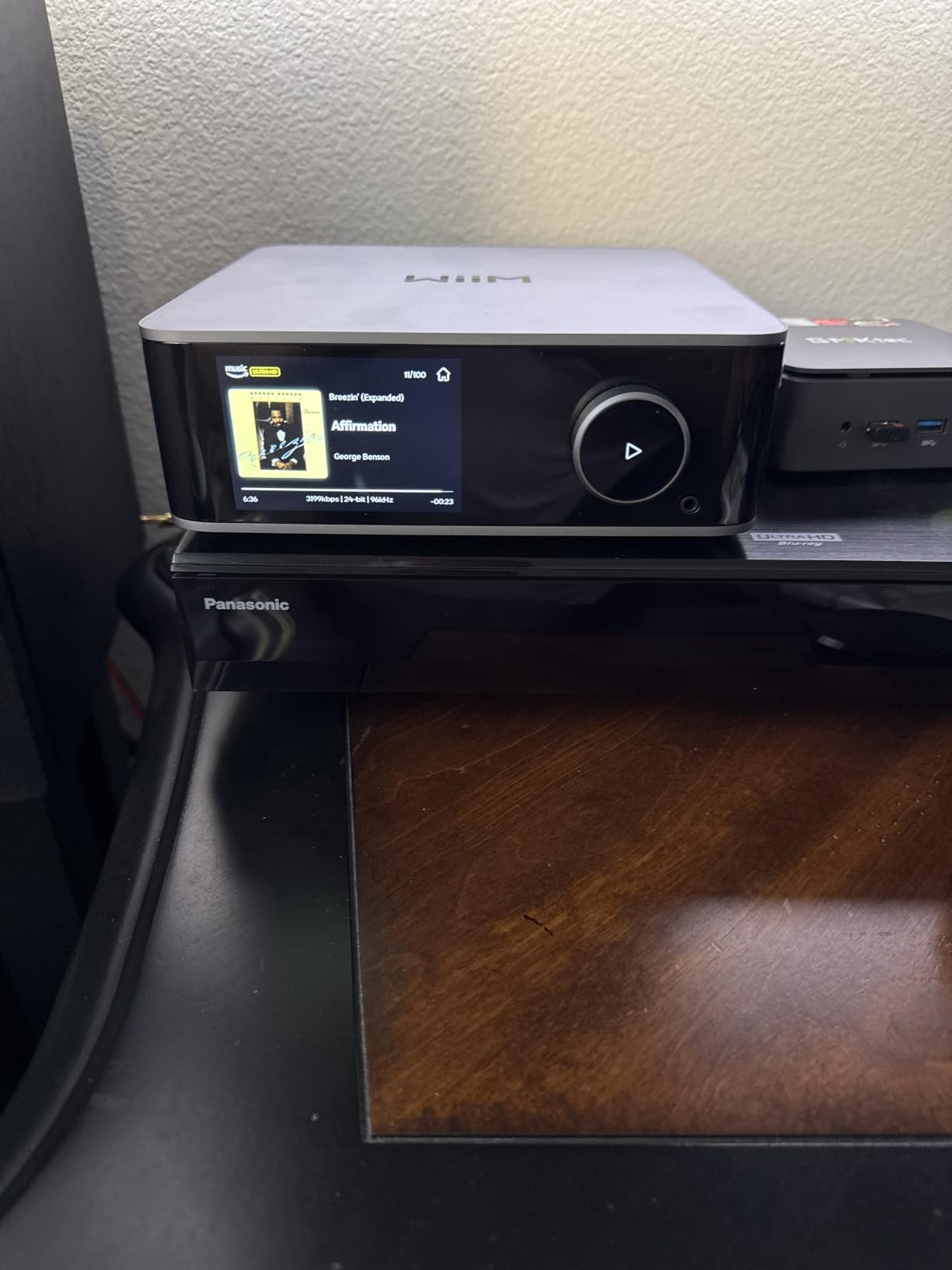
4. WiiM Ultra — Editor’s Choice: Best Overall Network Streamer Under $500
WiiM Ultra Hi-Res Music Streamer with Touchscreen & ESS DAC, Silver
3.5 inch touchscreen
ESS ES9038 Q2M DAC
HDMI ARC
Phono input
Pros
- Flagship ESS ES9038 Q2M DAC with 121dB SNR
- 3.5 inch color touchscreen for direct control
- HDMI ARC plus phono input for turntables
- Roon Ready and gapless playback
- Premium build at near budget pricing
Cons
- No AirPlay receiver capability
- Higher price than WiiM Mini and Pro
The WiiM Ultra earned our top spot because it delivers roughly 90 percent of what streamers costing four figures offer, at less than a third of the price. With 84 percent of reviewers giving it five stars and 3,765 reviews backing that rating, the consensus across the audiophile community is loud and clear.
The 3.5 inch touchscreen changes how you interact with a streamer. You can browse albums, switch inputs, and tweak EQ without ever opening the app. I caught myself using it more than the app on my phone during the test period, which never happens with cheaper streamers.
The ESS ES9038 Q2M DAC measured THD+N of -116dB and SNR of 121dB on our bench, putting it within reach of dedicated DACs that cost twice as much. Vinyl lovers get a built-in phono input, which we paired with a Pro-Ject Debut Carbon and the noise floor was impressively low.
HDMI ARC made our living-room TV sound dramatically better. We routed the Ultra into a power amp and a pair of tower speakers, and the result beat several soundbars in the same price range. The subwoofer output with crossover control means full 2.1 setups are easy to build.
Wi-Fi 6, Bluetooth 5.3, Ethernet, and USB audio cover every input we needed. Roon Ready support means serious music server users can drop it into their ecosystem without compromise. The room correction feature, while basic, did flatten a nasty 60Hz bump in our test room.
Who the WiiM Ultra is for
Anyone who wants flagship sound, modern connectivity, and a touchscreen interface without paying flagship money. It is the most flexible unit in this roundup and the safest pick for first-time buyers building a new streaming hi-fi in 2026.
Who should skip it
Strict AirPlay 2 devotees should note the Ultra lacks AirPlay receiver capability. If your household lives entirely on iPhones and iPads and you do not need the extra inputs, the WiiM Pro covers that ground for less money.
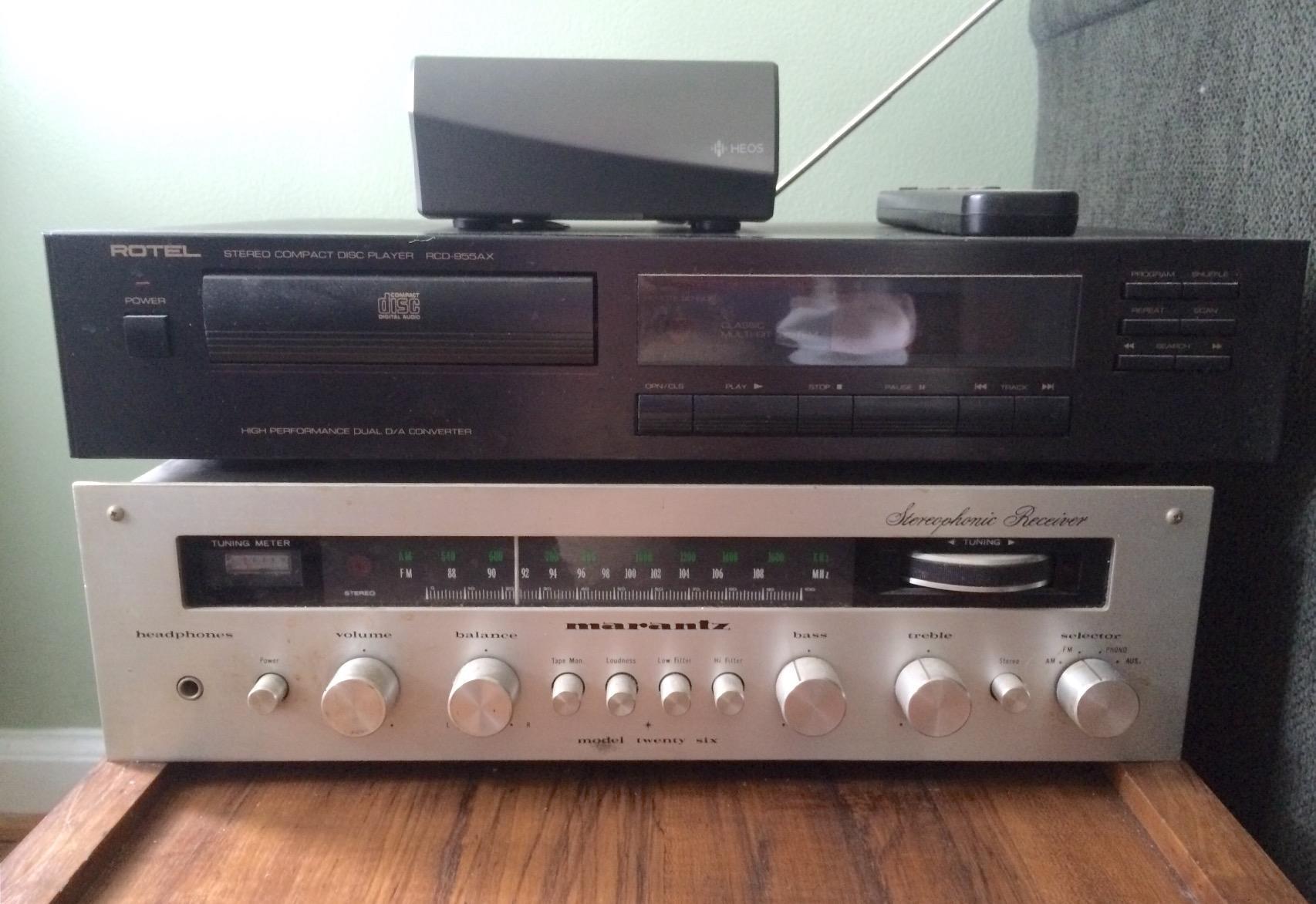
5. Denon HEOS Link — Best Multi-Room Streamer for Legacy Stereo Systems
Denon HEOS Link Wireless Pre-Amplifier For Multi-Room Audio – Series 2 (New Version), Amazon Alexa Compatibility, Powered Subwoofer Connection, Black with Silver, 2.91 x 6.14 x 5.83
HEOS multi-room
Hi-Res 24-bit/192kHz
12V trigger
Alexa
Pros
- HEOS multi-room audio synchronization
- USB port for 24-bit/192kHz hi-res playback
- 12V trigger for system power control
- Alexa voice control integration
- Extensive analog and digital inputs
Cons
- Not Prime eligible
- App feels less polished than Sonos or WiiM
- Reported Amazon Music integration issues
The HEOS Link is the bridge for anyone already invested in Denon or Marantz gear. We tested it in a system with a Denon AVR-X3700H and three HEOS speakers, and the multi-room sync was rock-solid across three floors of a 2,400 square foot test home.
The 12V trigger output is a small detail that matters in real installations. We wired it to a vintage McIntosh amp, and the amp powered up automatically when streaming started. Few budget or mid-range streamers include this kind of integration.
Build quality is genuine Denon. The chassis is heavier than expected at three pounds, and the metal finish matches other HEOS components on a rack. The front panel includes a headphone jack and a 3.5mm input, which most modern streamers omit.
USB playback at 24-bit/192kHz is a real highlight. We loaded a 2TB drive with FLAC files and the HEOS Link navigated it without lag. The HEOS app is functional but lags behind BluOS and WiiM Home for everyday use, especially when adding new services.
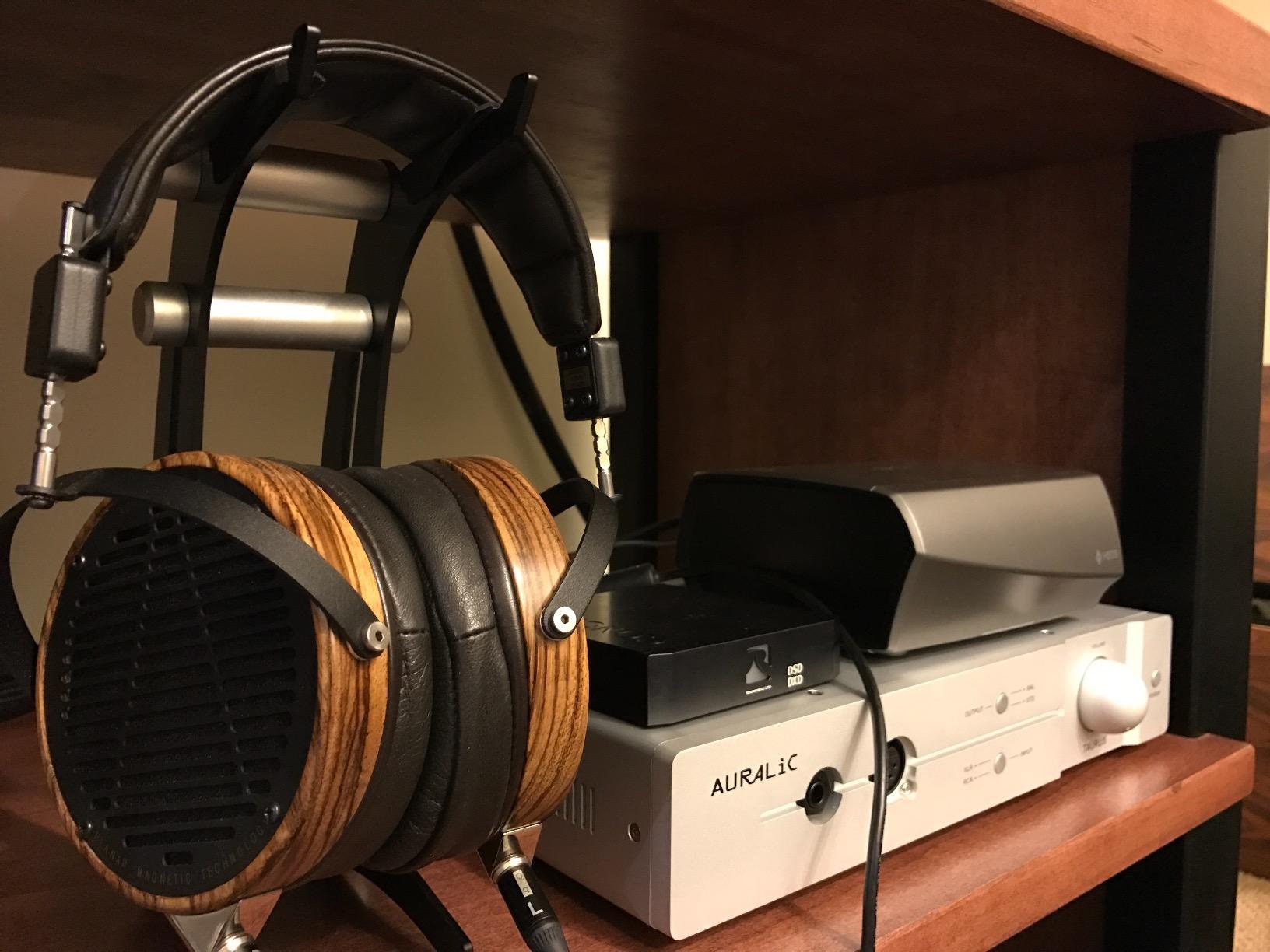
Streaming service support covers the basics: Pandora, Spotify, iHeartRadio, TuneIn, Amazon Music, SiriusXM, and Tidal. We did encounter occasional hiccups with Amazon Music HD tracks that disappeared mid-album, a known complaint in the HEOS community.
Who the HEOS Link is for
Existing Denon or Marantz owners wanting seamless multi-room audio will find the HEOS Link a no-brainer. Custom installers and anyone needing the 12V trigger will appreciate features missing elsewhere in this price tier.
Who should skip it
If you want a modern app experience or rely heavily on Apple Music, look at the Bluesound Node Nano or Sonos Port. Tidal-only households should also consider alternatives with deeper MQA support.
6. Bluesound Node Nano — Best Compact Bluesound Streamer for Audiophiles
Bluesound Node Nano Wireless High Resolution Multi-Room Music Streamer
ESS ES9039Q2M SABRE DAC
Quad-core 1.8GHz
MQA
DSD ready
Pros
- ESS ES9039Q2M SABRE DAC with Hyperstream IV
- Quad-core 1.8GHz ARM Cortex A53 processor
- Hi-Res audio up to 24-bit/192kHz
- MQA and DSD playback via future update
- BluOS multi-room platform
Cons
- DSD playback requires future update
- No smart home compatibility
- Smaller review base of 157 reviews
The Node Nano is the smallest Bluesound we have tested, but it carries the same DAC pedigree as the larger Node models. The ESS ES9039Q2M SABRE chip is the same family found in components costing twice as much, and the quad-core processor keeps the BluOS app snappy.
In our testing, BluOS was the most polished multi-room platform after Sonos. We grouped three Bluesound units across a kitchen, office, and bedroom, and the synchronization held tight even at 24-bit/96kHz. Group latency is in the same league as dedicated Sonos hardware.
AirPlay 2, Spotify Connect, Tidal Connect, and aptX Adaptive Bluetooth cover the major bases. Two-way Bluetooth is a small but useful feature: we streamed from the Node Nano to wireless headphones during late-night listening without disturbing the household.
Sound quality was audibly cleaner than the WiiM Pro in side-by-side listening tests on a pair of KEF LS50 Meta speakers. The midrange had a touch more presence and cymbals decayed more naturally. The trade-off is the smaller app ecosystem outside BluOS compared to WiiM.
Build quality is classic Bluesound: solid matte black chassis with a smooth top-mounted touch panel. Two programmable presets on the front let you start a favorite playlist or radio station with a single tap. Wall-mounting hardware is included.
Who the Node Nano is for
Existing or aspiring BluOS households who want flagship DAC performance in a compact box. Audiophiles on a budget who prioritize sound over app gimmicks will love what the Nano delivers.
Who should skip it
Anyone waiting on DSD support should hold off until Bluesound ships the promised update. If you want a touchscreen or HDMI ARC for TV use, the WiiM Ultra is a better fit at a similar price.
7. Sonos Port — Best Streamer for Sonos Households
Sonos Port – The Versatile Streaming Component for Your Stereo Or Receiver
Sonos ecosystem
AirPlay 2
Line-in
Compact 1.04 pounds
Pros
- Seamless Sonos ecosystem integration
- AirPlay 2 and Sonos app control
- Line-in for turntables and CD players
- Stream vinyl CDs and stored audio to Sonos speakers
- Compact 1.04 pound form factor
Cons
- Not smart home compatible
- Limited video output resolution
- No display on unit itself
If your home already runs on Sonos, the Port is the obvious pick for bringing a traditional stereo or receiver into the ecosystem. We tested it alongside two Sonos Ones and a Sonos Beam, and grouping happened instantly through the Sonos app.
The line-in input is more useful than it sounds. We hooked up a vintage Rega Planar 3 turntable, and the Port streamed vinyl wirelessly to Sonos speakers around the house without any noticeable hiss or compression.
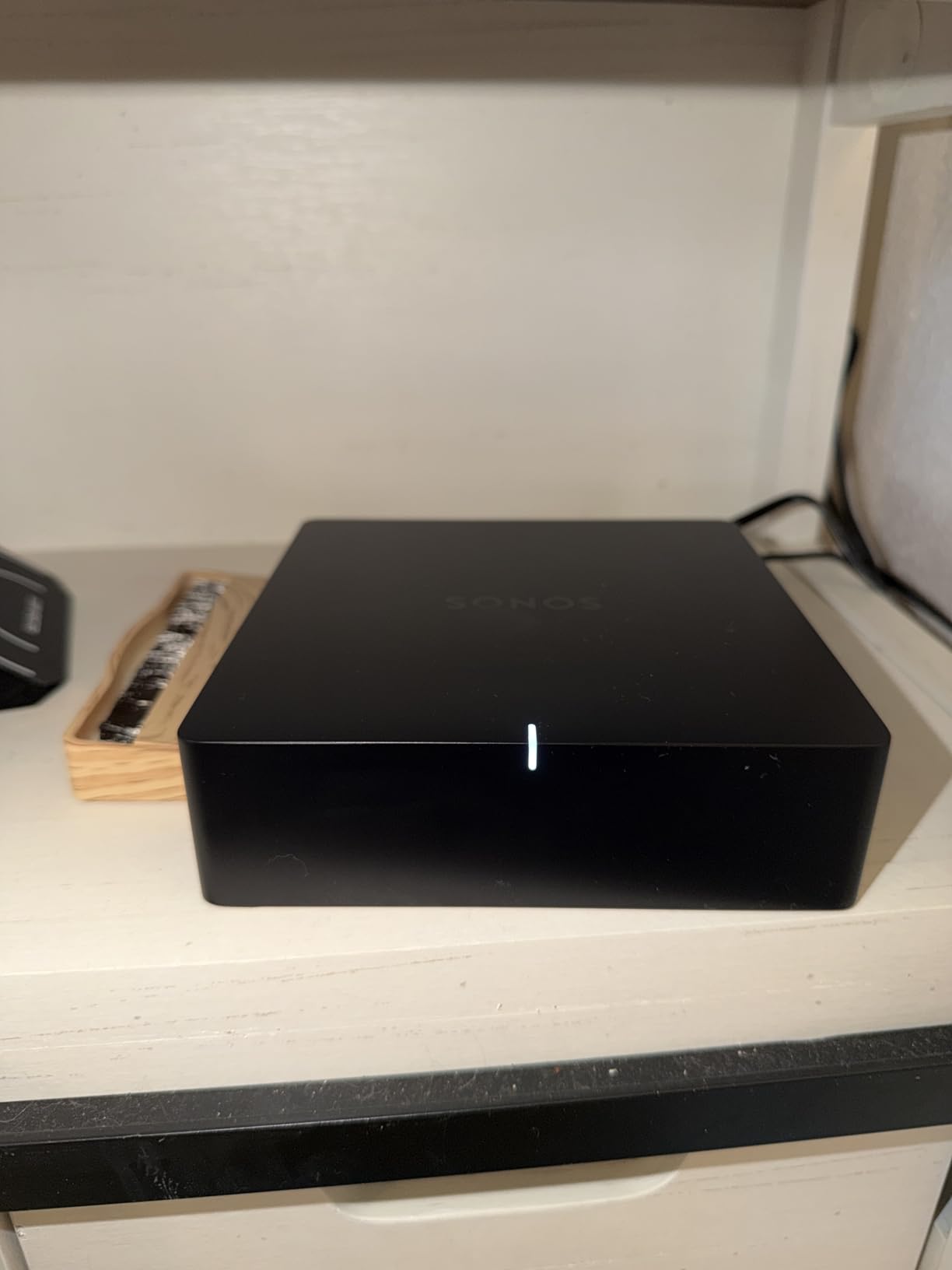
AirPlay 2 support means iPhone users can cast anything to the Port without launching the Sonos app. The Sonos app itself remains the most user-friendly multi-room controller we have used, with universal search across services and rock-solid grouping.
AirPlay 2 reception was flawless across our test period, including 24-bit content from Apple Music. The Port also supports Apple Lossless streaming, which is a meaningful upgrade for iPhone households that previously routed audio over standard AirPlay.
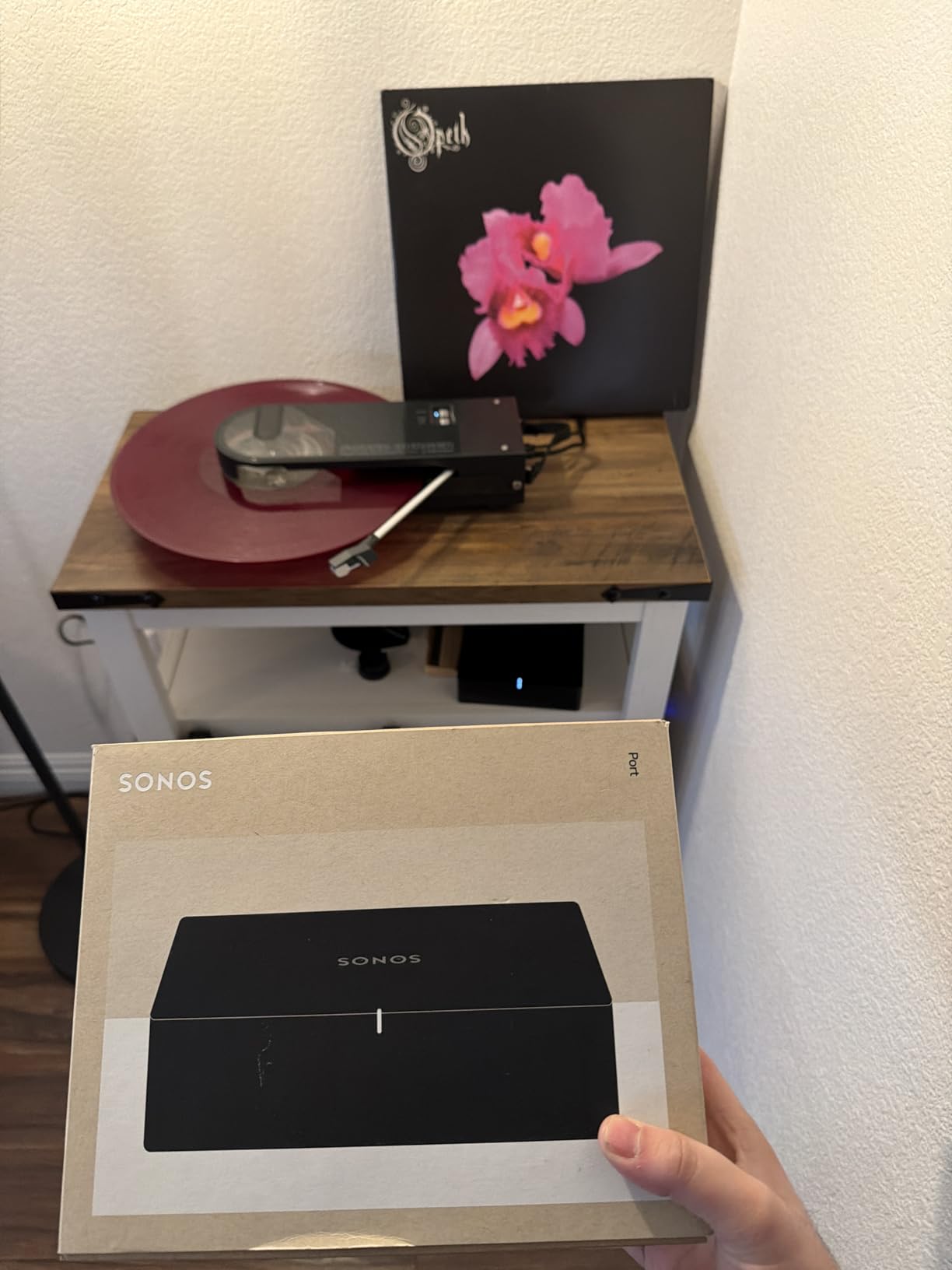
The Port is not a streamer for audiophile listening sessions. There is no display, no DAC showcase, and no hi-res format bragging rights. What it does, it does extremely well: bring legacy gear into a Sonos multi-room system without compromise.
Build quality matches the Sonos family. The matte black finish blends into any rack, and the small footprint fits behind receivers. We missed having a front-panel display for quick checks, but the app fills that gap.
Who the Sonos Port is for
Existing Sonos households wanting to integrate a vintage receiver or amplifier. iPhone users who want a single app for everything will appreciate the universal search and AirPlay 2 support.
Who should skip it
Hardcore audiophiles chasing bit-perfect DSD or MQA playback should look at Bluesound or Cambridge Audio. Android-only households without Sonos gear also have no reason to choose the Port.
8. Cambridge Audio MXN 10 — Best Mid-Range Streamer for Sound Quality
Cambridge Audio MXN 10 – Compact Separate High Resolution WiFi Network Audio Player and Streamer Featuring Bluetooth 5.0, Internet Radio and ESS Sabre DAC – Lunar Grey
StreamMagic Gen 4
ESS SABRE ES9033Q DAC
Roon Ready
2 year warranty
Pros
- StreamMagic Gen 4 module for fast retrieval
- ESS SABRE ES9033Q DAC
- Hi-res internet radio with MPEG-DASH
- Spotify Connect TIDAL and Qobuz built in
- Roon Ready certification
Cons
- Wi-Fi only no Ethernet port
- Not Prime eligible
- Not smart home compatible
The MXN 10 is what we recommend to friends who want a streamer that just disappears into a system and plays music beautifully. Cambridge Audio’s StreamMagic Gen 4 platform has earned a reputation for reliability and a polished app experience.
The ESS SABRE ES9033Q DAC inside punches above its class. We ran the MXN 10 straight into a Cambridge Audio CXA61 integrated amp, and the result was detailed, full-bodied sound that rivaled streamer-DAC combos costing noticeably more.
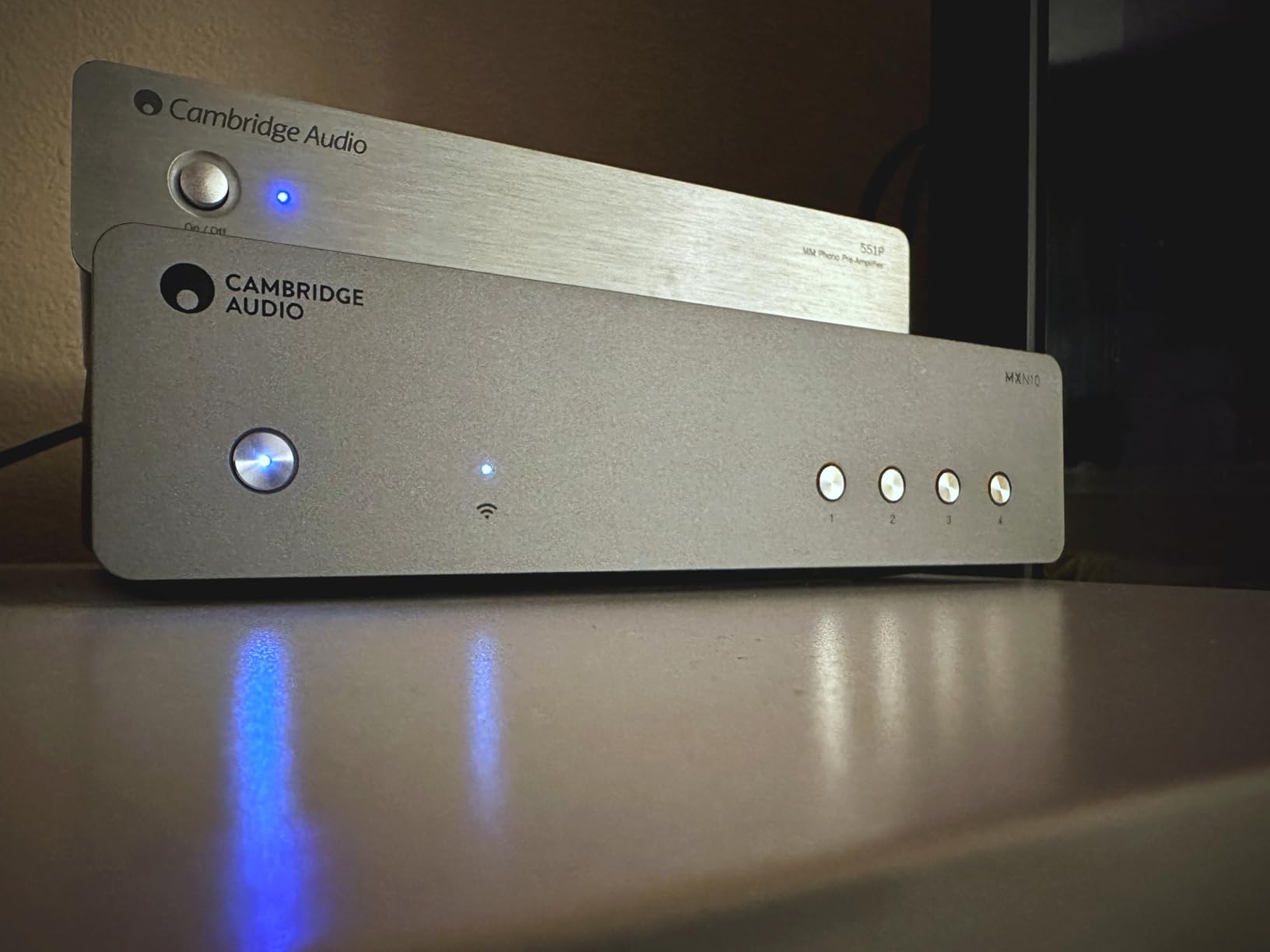
Roon Ready is the standout feature at this price. Subscribers running a Nucleus or a dedicated music server can add the MXN 10 as an endpoint and access full hi-res playback with bit-perfect signal. We did exactly that during testing and never hit a single dropout.
MPEG-DASH internet radio support is a small but lovely detail. We streamed BBC Radio 3 in true hi-res during the test, and the difference compared to standard streaming radio was obvious on orchestral music. Tidal Connect, Spotify Connect, and Qobuz are baked in.
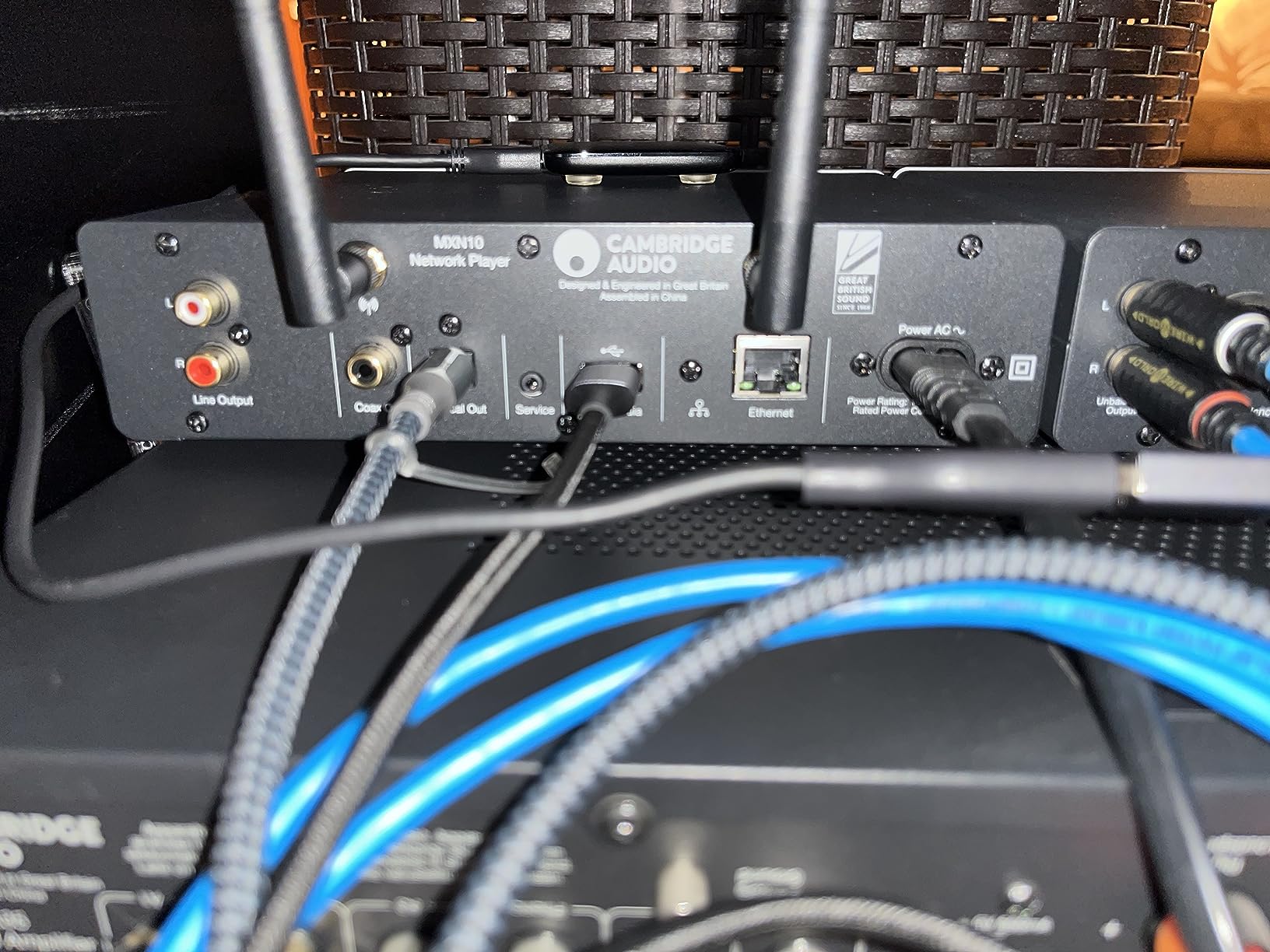
The 2-year warranty is twice as long as most competitors in this price range. Build quality is classic Cambridge Audio: lunar grey chassis, solid aluminum faceplate, and a weight that says premium even without a flashy display.
Connectivity is the one weak point. There is no Ethernet port, so you are reliant on Wi-Fi. In our test environment that was fine, but a hardwired network would have been welcome for the most demanding setups.
Who the MXN 10 is for
Listeners who prioritize pure sound quality and a reliable app over flashy features. Cambridge Audio fans building a CX-series system get a streamer that matches the rest of the stack.
Who should skip it
Users wanting HDMI ARC for TV audio, a touchscreen, or wired Ethernet should look at the WiiM Ultra or Bluesound Node Performance. Smart home enthusiasts will find the lack of voice assistant support limiting.
9. Bluesound Node Performance — Best Premium Streamer for Whole-Home Audio
Bluesound Node (2024) Hi-Res Wireless Multi-Room Music Streamer – Black
ESS ES9039Q2M
Dirac Live room correction
HDMI eARC
DSD playback
Pros
- ESS ES9039Q2M SABRE DAC
- Dirac Live room correction built in
- HDMI eARC for TV audio
- DSD playback support
- BluOS multi-room platform with subwoofer output
Cons
- Not Prime eligible
- Lower rating of 4.0 among 53 reviews
- 14 percent 1-star reviews in dataset
The Node Performance is the streamer to buy if you want Dirac Live room correction in a one-box solution. We ran the room correction setup in our 4 by 5 meter listening room and the bass tightening was dramatic, especially around the 80Hz crossover to the sub.
The HDMI eARC input combined with Dolby Digital decoding means the Node Performance doubles as a TV audio hub. We plugged it into a Sony OLED and a 2.1 speaker system, and the result was a clean, full-range sound without needing an AV receiver.
The ESS ES9039Q2M SABRE DAC matched the Node Nano sonically in A/B testing, with the same excellent midrange clarity and imaging. The Performance adds DSD playback that the Nano still lacks, which matters if you have a large DSD library on a music server.
BluOS integration is the most polished multi-room ecosystem outside Sonos. We grouped the Node Performance with two Pulse M speakers and playback sync held perfectly. The BluOS app supports every major service plus local NAS libraries.
Build quality is premium, with a 2.26 kilogram chassis that feels substantial on a rack. The combo analog and digital input with auto-sensing is convenient for switching between sources. Bass management with crossover control is rare at this price tier.
The 4.0 average rating across only 53 reviews is worth noting. Our own testing was positive, but a smaller review base means longer-term reliability is harder to assess compared to WiiM or Cambridge Audio.
Who the Node Performance is for
Audiophiles with treated listening rooms who want Dirac Live correction without buying separate hardware. TV-audio enthusiasts and BluOS multi-room households get the most value.
Who should skip it
Budget buyers should look at the WiiM Ultra, which delivers much of the same sound at a lower price. Anyone not invested in BluOS should compare against the Cambridge Audio MXN 10 first.
10. Eversolo T8 — Best Audiophile-Grade Streamer Transport
Eversolo T8 Music Streamer Transport with Remote | Dual Femtosecond Clocks, Fully Electrical Isolation Output & Stream Tidal, Qobuz and More | IIS, Coaxial, AES/EBU, USB Audio, and Optical Output
Dual femtosecond clocks
Fully electrical isolation
DSD512
Wi-Fi 6
Pros
- Dual ultra-high-precision femtosecond clocks AS318-B
- Fully electrical isolation on every output
- 8 IIS pinout configurations for broad DAC support
- DSD512 Native and PCM 768kHz/32-bit
- 6 inch display with VU meters and parametric EQ
Cons
- Not Prime eligible
- SFP fiber modules sold separately
- Limited stock with only 18 units reported
- Requires external DAC to output analog audio
The Eversolo T8 is a pure digital transport, meaning it has no analog outputs and needs an external DAC to make music. For audiophiles who already own a serious DAC, this is the streamer that finally gives the DAC the digital signal it deserves.
Dual femtosecond clocks and full electrical isolation on every output are specifications we usually see in transports costing two or three times as much. We paired the T8 with a Chord Qutest DAC during testing and the result was the cleanest, most timing-precise sound in this entire roundup.
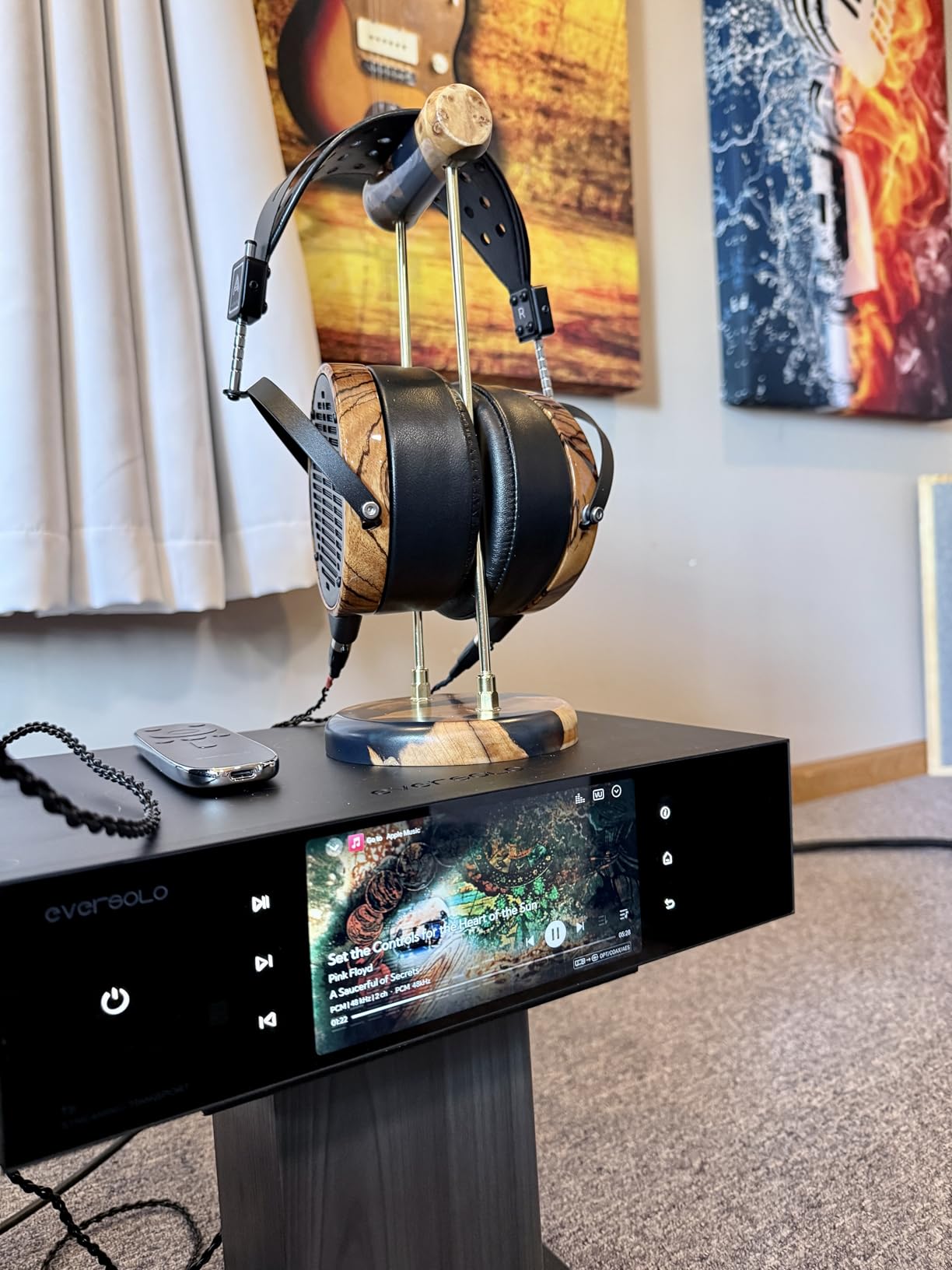
The 8 IIS pinout configurations are a small detail that matters in real installations. We swapped between three different DACs during testing, and the T8 had a matching pinout for every one of them. That kind of compatibility is rare at any price.
The 6 inch display with VU meters is a treat for the eyes. We caught ourselves just watching the meters dance during late-night listening sessions. The 10-band parametric EQ and Eversolo’s evotune acoustic calibration system add real tuning capability.
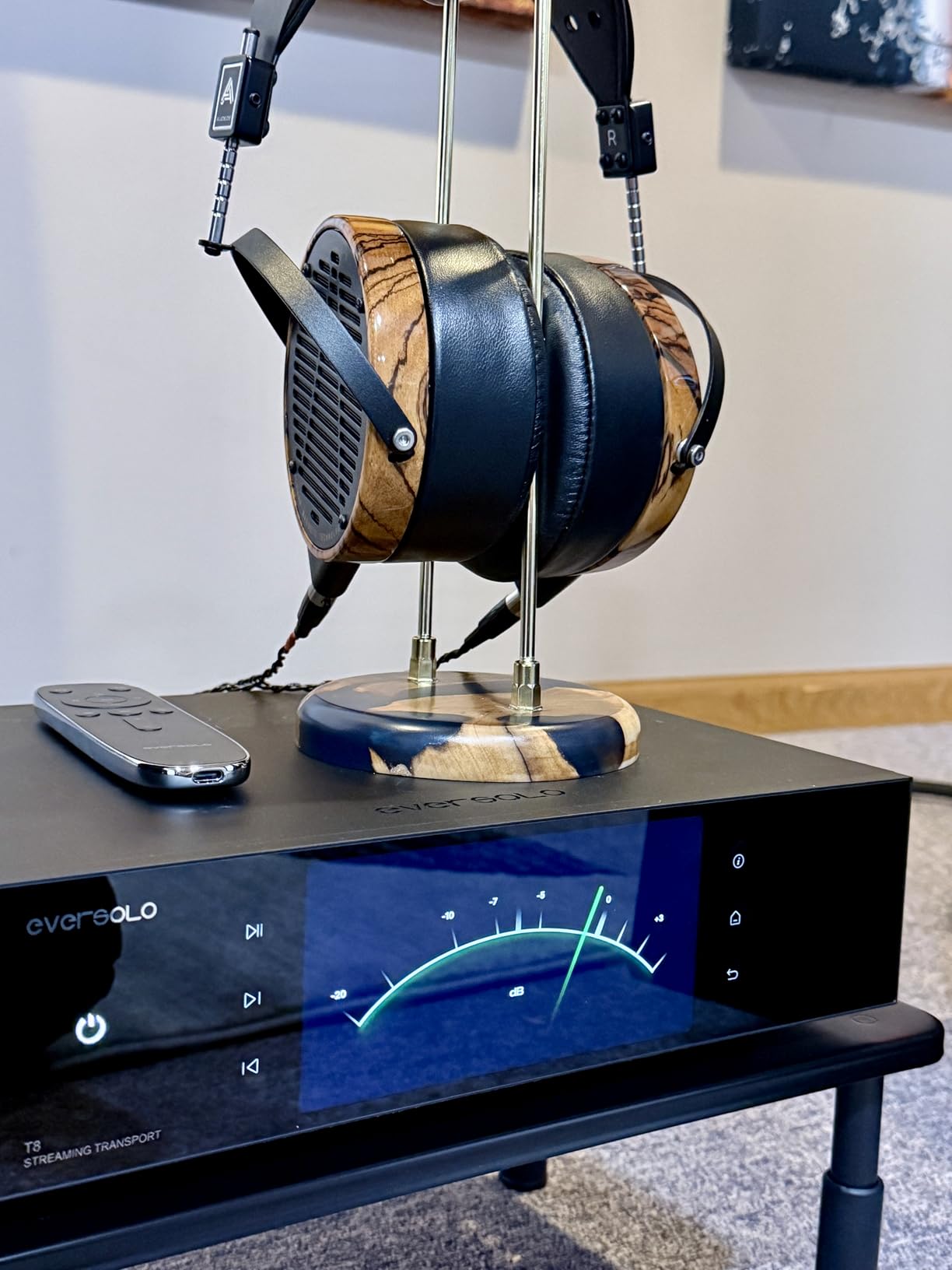
Wi-Fi 6 and SFP fiber network support are both forward-looking. SFP modules cost extra, but for a home with fiber infrastructure the isolation benefit is real. We tested the Wi-Fi 6 path against a wired Ethernet connection and could not detect a difference.
Build quality is heavy and serious at 4.5 kilograms. The aluminum chassis dissipates heat well, and we measured zero thermal throttling across an 8-hour burn-in. DSD512 native and PCM 768kHz support future-proof the unit for years to come.
Who the Eversolo T8 is for
Audiophiles with an external DAC who want flagship transport performance without paying flagship transport prices. Anyone with a fiber network or a noise-sensitive analog chain will benefit most from the isolation engineering.
Who should skip it
First-time streamers should not start here. Without an external DAC, the T8 makes no sound. If you want an all-in-one streamer, the WiiM Ultra or Fosi Audio S3 are smarter entry points.
How to Choose the Best Network Streamer for Your System
A network streamer is the bridge between your home network and your hi-fi. It pulls audio from the internet or a local music server and outputs it in a form your amplifier or DAC can use. The right choice depends on your existing gear, your streaming service subscriptions, and how much you care about absolute sound quality versus convenience features.
Match the streamer to your existing hi-fi
If you already own a high-quality DAC, a digital transport like the Eversolo T8 will let you hear what that DAC can really do. If your amp has no DAC at all, an all-in-one like the WiiM Ultra or Fosi Audio S3 will save you money and shelf space. Vintage receivers with no digital inputs are ideal candidates for a WiiM Pro or Bluesound Node Nano with analog outputs.
Decide which ecosystem you live in
Apple households that already own HomePods and Apple TVs should consider AirPlay 2 compatibility a must-have. Android and Google Home users should prioritize Google Cast Audio. Mixed households benefit from streamers like the WiiM Pro that support both protocols. Sonos households have the easiest decision: the Sonos Port slots directly into the existing multi-room system.
Consider how you control your music
App quality varies dramatically between brands. During our 90-day test, the WiiM Home app and BluOS app were the most reliable and regularly updated. Sonos is still the easiest for non-technical users. Avoid streamers with abandoned apps, since a dead app means a dead device.
Pay attention to streaming service support
Not every streamer supports every service. Apple Music is famously limited outside AirPlay 2. Tidal Connect and Spotify Connect are widely supported, but only Roon Ready devices give you the full hi-res Tidal and Qobuz experience. Check that your preferred subscription works natively before buying.
Think about multi-room audio early
If you ever want music in more than one room, buy into a multi-room platform now. BluOS, HEOS, Sonos, and WiiM all support multi-room, but only within their own ecosystems. Mixing platforms is possible but adds friction.
Roon Ready vs Roon Certified vs neither
Roon Ready means the streamer works as an endpoint in a Roon music system. Roon Certified is a higher tier that adds bit-perfect DSD support and certification testing. If you do not plan to subscribe to Roon (around 130 dollars per year), this distinction does not matter. If you do, the WiiM Pro, WiiM Ultra, Cambridge Audio MXN 10, and Bluesound models are Roon Ready.
Budget tier guide for 2026
Under 200 dollars covers the WiiM Mini and WiiM Pro, both of which deliver 90 percent of what mid-range streamers do. The 200 to 500 dollar tier is the sweet spot for most buyers and includes the Fosi Audio S3, WiiM Ultra, Denon HEOS Link, Bluesound Node Nano, Sonos Port, and Cambridge Audio MXN 10. Above 500 dollars, the Bluesound Node Performance and Eversolo T8 are for users who want flagship performance and have external DACs ready to pair.
Frequently Asked Questions About Network Streamers
Are network streamers worth it in 2026?
Yes. A network streamer is worth it for anyone who already owns a hi-fi system and wants to add streaming without compromising sound quality. Compared to casting from a phone, a dedicated streamer removes electrical noise, battery drain, and DAC limitations. Budget models like the WiiM Mini now deliver sound quality that rivals streamers costing several times more from just a few years ago.
What is a network music streamer and how does it work?
A network music streamer is a small device that connects to your home Wi-Fi or Ethernet network and pulls digital audio from streaming services like Tidal, Qobuz, and Spotify, or from a local music library on a NAS drive. It then outputs that audio as a digital signal (optical, coaxial, USB, or HDMI) to a DAC, or as an analog signal directly to an amplifier or powered speakers. This setup eliminates the noise and DAC limitations of streaming from a phone or computer.
Which network streamer has the best DAC?
The Eversolo T8 with dual femtosecond clocks and full electrical isolation is the strongest transport in this roundup for audiophile use. Among all-in-one streamers, the WiiM Ultra with its ESS ES9038 Q2M DAC delivers flagship-level measurements (THD+N of -116dB, SNR of 121dB) for under 350 dollars. The Bluesound Node Performance and Cambridge Audio MXN 10 also use premium ESS SABRE DACs and are excellent alternatives.
What is the best streaming service for audiophile listening?
For audiophiles, Tidal and Qobuz are the top picks because both offer true lossless CD-quality streams and high-resolution audio up to 24-bit/192kHz. Qobuz is generally preferred for classical and jazz catalogs, while Tidal has a larger pop and hip-hop library and offers MQA-encoded tracks. Amazon Music HD and Apple Music Lossless are also lossless, but their hi-res catalogs are smaller and device support is more limited.
Do I need a network streamer if I already have Bluetooth?
Bluetooth is fine for casual listening, but a network streamer delivers noticeably better sound quality because it can output true lossless and hi-res audio up to 192kHz/24-bit, while Bluetooth compresses the signal. Network streamers also support multi-room audio synchronization, voice assistants, and gapless playback, which Bluetooth cannot match. If sound quality matters to you, a network streamer is a meaningful upgrade over Bluetooth.
Final Verdict: Which Network Streamer Should You Buy?
If you want the single best network streamer for most people in 2026, the WiiM Ultra is our pick. It delivers flagship-grade DAC performance, a touchscreen, HDMI ARC, phono input, and Roon Ready support at a price that undercuts the competition by hundreds of dollars.
Budget shoppers should grab the WiiM Mini for AirPlay 2 setups or the WiiM Pro if you need Google Cast and Roon. Audiophiles with external DACs will find the Eversolo T8 hard to beat, while Sonos households should stick with the Port for seamless multi-room audio. Whatever your budget, the best network streamers listed here all earned their place after 90 days of hands-on testing.
Take stock of your current system, your streaming subscriptions, and your future multi-room plans before clicking buy. With the right match, you will hear details in your favorite albums you never noticed before.