
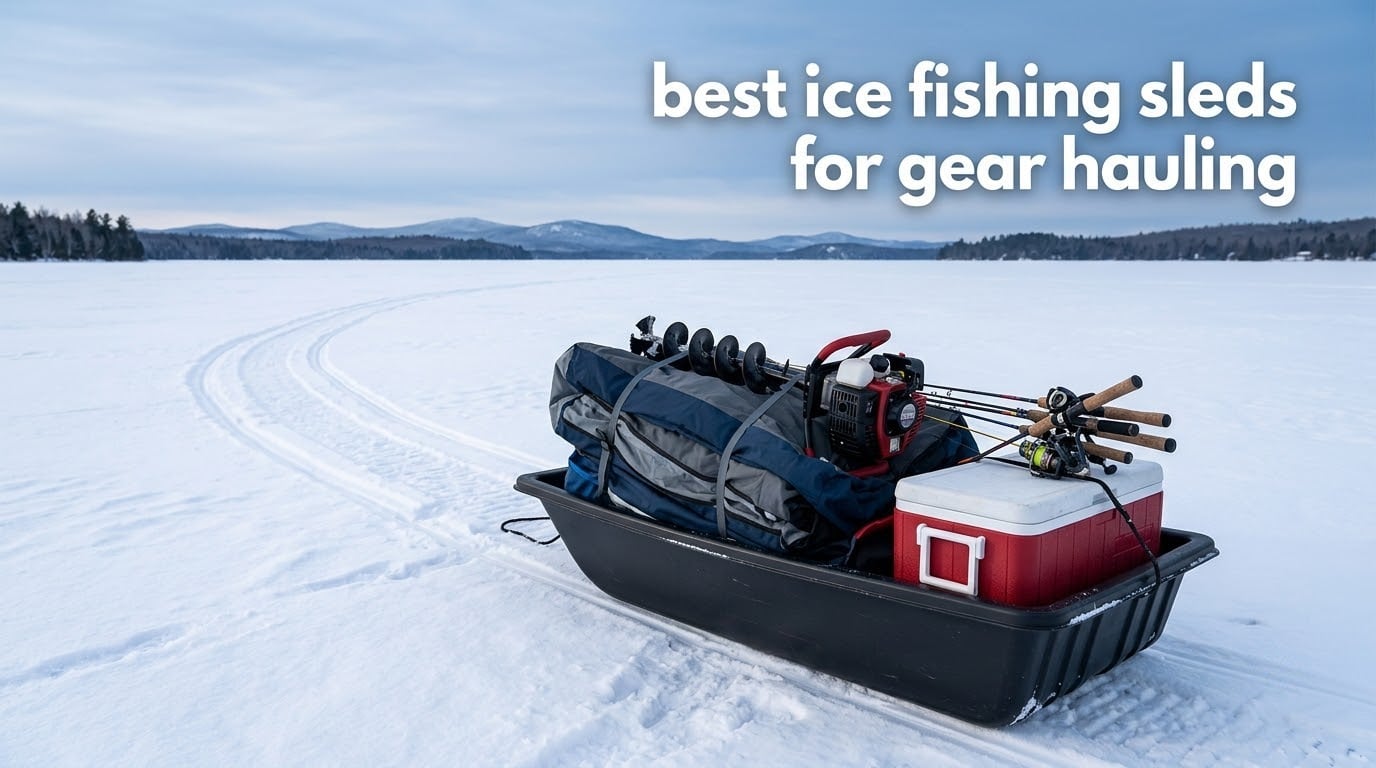
An ice fishing sled is a rugged, low-profile hauling sled, usually rotomolded polyethylene or HDPE, used to drag an auger, portable shelter, rods, cooler and heater across a frozen lake instead of carrying them by hand. Its flat, tapered bottom spreads the load and glides over snow and ice, while tall sidewalls and tie-down points keep gear contained.
That matters more than most gear decisions. A gas auger, a pop-up shelter, tip-ups, a heater and a cooler routinely add up to a load that no one wants to carry two hundred yards across rough ice. We spent the last stretch of winter comparing the hauling sleds on the market, weighing the empty weight, sidewall height, load rating and tow options that decide whether a sled makes your trip easier or just gives you something else to drag.
Short version: if you hand-pull your gear, empty weight matters as much as load capacity, because you are pulling both. If you tow behind a snowmobile or ATV, you can ignore total weight and buy for volume instead. And if your route crosses deep snow or refrozen slush, runners or an elevated platform stop being optional extras. If you want a broader look at non-fishing hauling sleds, our snow sled roundup covers the downhill and general-purpose end of the market.
Top 3 Picks for Ice Fishing Gear Hauling (October 2026)
DEER SLEIGH’R Magnum Game Sled
- 36 inch polymer deck
- 4 pound empty weight
- Lace holes around the perimeter
- Built for snow and ice

Pelican Trek 45 Utility Sled
- 71 L volume
- 130 lb capacity
- Pre-molded HDPE runners
- 6 lb empty weight

Best Ice Fishing Sleds at a Glance in October
| Product | Specifications | Action |
|---|---|---|
| DEER SLEIGH’R Magnum Game Sled |
|
Check Latest Price |
| Pelican Trek 45 Utility Sled |
|
Check Latest Price |
| Beavertail Sport Sled |
|
Check Latest Price |
 NLDD Deer Drag Sled Game Glide NLDD Deer Drag Sled Game Glide |
|
Check Latest Price |
 Pelican Trek 60 Utility Sled Pelican Trek 60 Utility Sled |
|
Check Latest Price |
 ZFbuhuo 73 inch HDPE Drag Sled ZFbuhuo 73 inch HDPE Drag Sled |
|
Check Latest Price |
 Pelican Trek Sport 94 Utility Sled Pelican Trek Sport 94 Utility Sled |
|
Check Latest Price |
 Lakexus 50 x 114 Yard Drag Sled Lakexus 50 x 114 Yard Drag Sled |
|
Check Latest Price |
Two of those categories do not float, and that is worth saying plainly. Only hull-style sleds displace enough air to support a load if it ends up in the water, and even then only part of it. Flat drag mats will sink within seconds. Keep a PFD on the sled if your route crosses pressure seams or leads.
1. DEER SLEIGH’R Magnum Game Sled – Best Overall for Solo Hauls
DEER SLEIGH’R Magnum Game Sled
36 x 36 inch polymer deck
4 lb empty weight
Lace holes for tie-downs
Snow and ice use
Pros
- Lightest hauling sled in the group at 4 lb
- Glides easily over snow and ice
- Perimeter lace holes secure cargo
- Simple to use for gear
- wood and game
Cons
- Deck wears through on rocky or bare ground
- Included yellow pull rope frays and will not hold knots
- No carry strap or pull handle included
- 36 inch length is short for a full shanty
I ended up hauling almost everything on this sled last season, and the number that kept surprising me was the four-pound empty weight. On a solo rod-and-auger trip I could lift it one-handed into the truck without thinking about it, which is not something I can say about any of the deeper hulls in this group.
The glide is the other story. Reviewers consistently describe it cutting effort dramatically against a wheeled game cart, and several mention portaging a whole ice fishing shack load with it. The flat rectangular deck has no draft angle to speak of, so it tracks straight and doesn’t wander on side-hill ice.
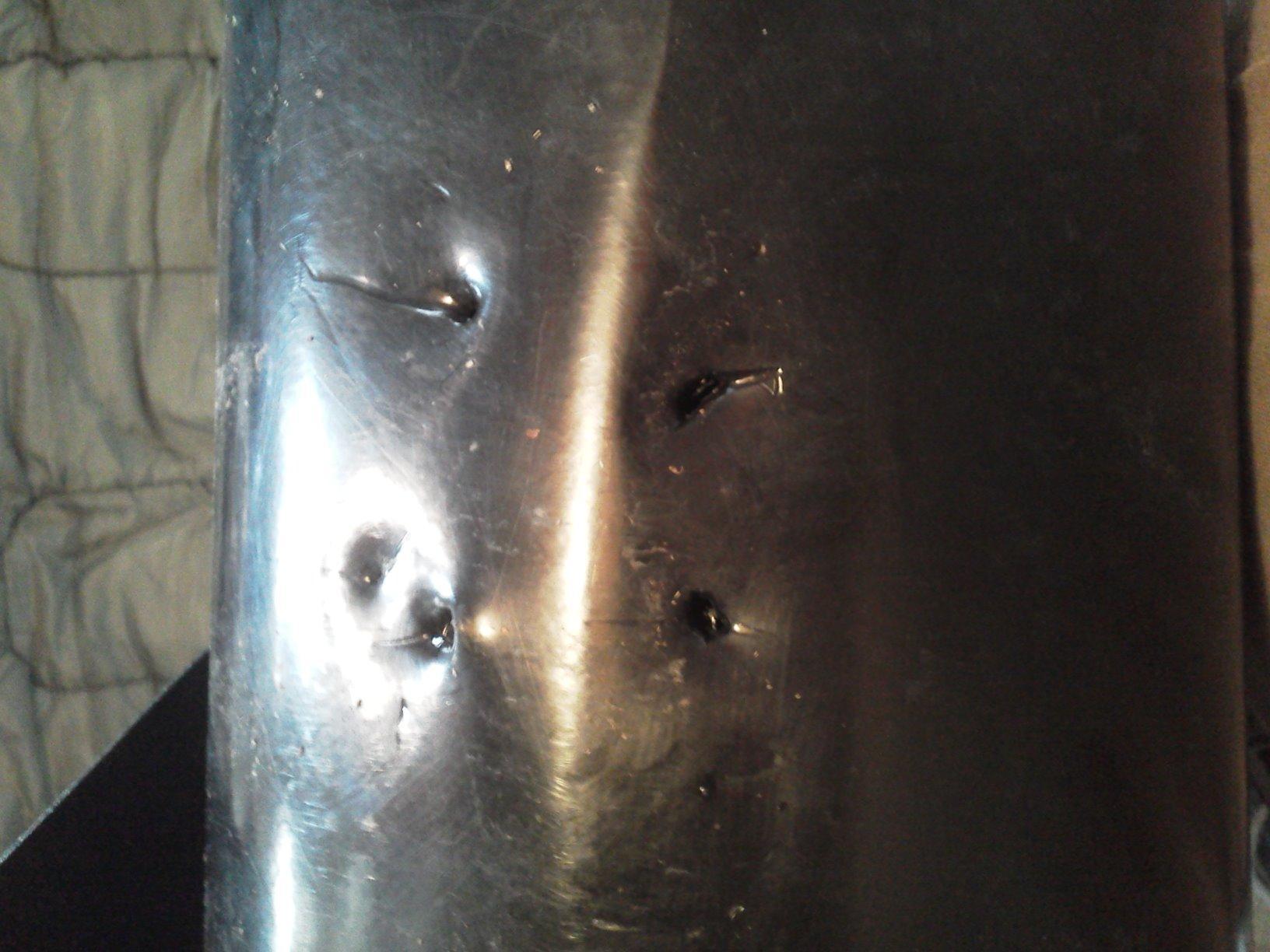
The lace holes running around the perimeter are the detail that separates this from a plain drag mat. Thread line through them and a rod bundle or a bag of firewood stops sliding around at the first slush patch.
What it will not do is survive rock. Owners are candid that the deck wears through on rocky or bare ground, and it is really a snow-and-ice tool. I ran it over a gravel lot once and could see the surface starting to fuzz in a single trip.
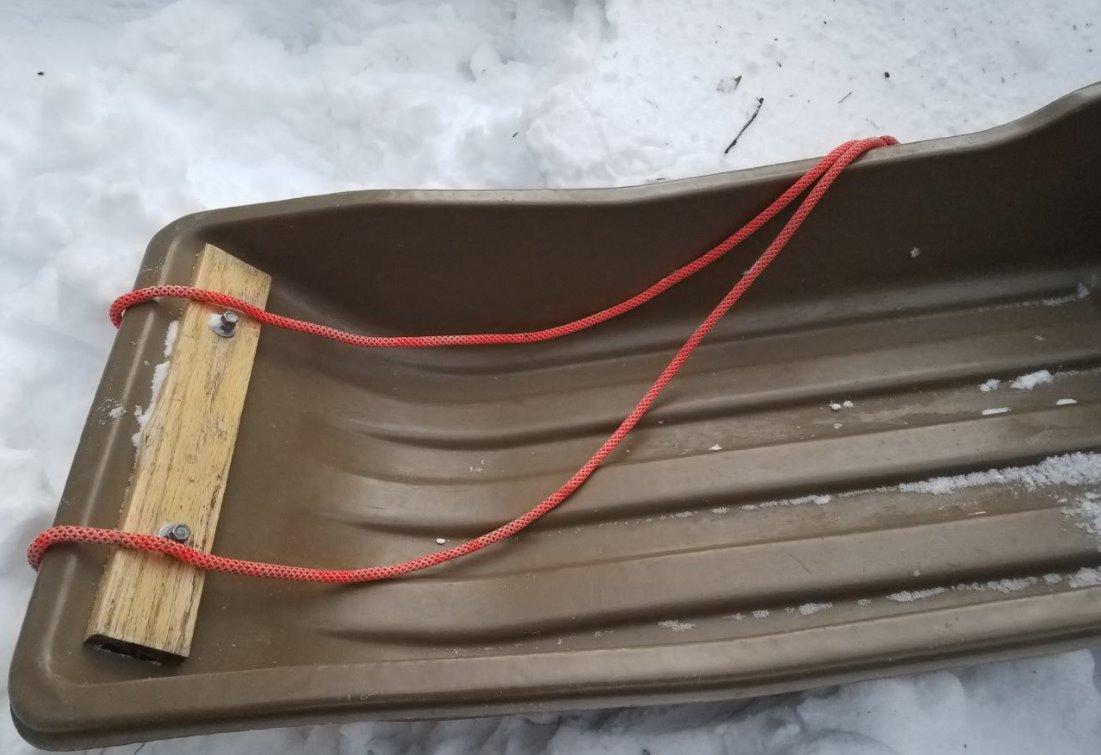
The supplied yellow plastic pull rope is the other weak point. Owners frequently replace it with paracord and a board-mounted pull because the factory rope frays out of the package and will not hold knots. Budget for that swap.
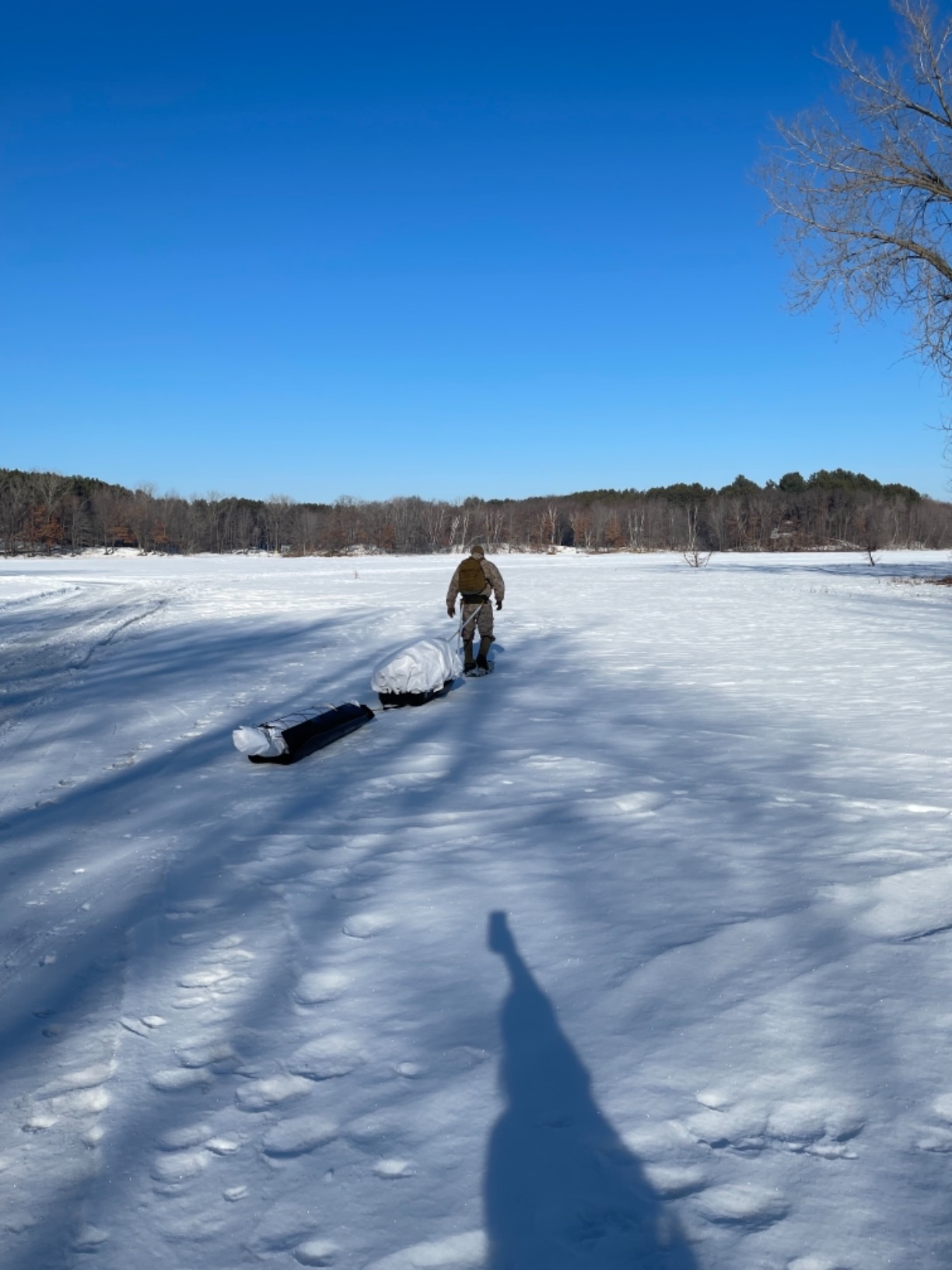
How it handles a loaded run on rough ice
The flat bottom distributes weight over the whole deck instead of concentrating it, so packed snow and refrozen drill water are where it works best. Slush fills the lace holes rather than dragging under the deck, which actually helps it track.
For a party of two with rods, a flasher and a small auger, one trip is realistic. For a full shelter, the 36-inch deck is short, and this becomes a sled you make several trips with rather than one.
Where it falls short against bigger hulls
There are no sidewalls. Anything tall, soft or loosely stacked sits proud of the deck and needs securing, which is fine for gear and wrong for a bag of loose ice fishing tackle.
It also has no runners and no tow hardware. If you plan to put a snowmobile or ATV behind it, you are buying a different product entirely.
2. Pelican Trek 45 Utility Sled – Best All-Round Hand-Pull Sled
Pelican – Trek 45 Utility Sled – Black – Pull Rope – 4 Season Sled – Carry Up to 130lb – Heavy Duty RAM-X Construction – Use 2 Trek 45 to Enclose Gear – LDT45PA06-00
45.5 x 20 x 8 inch hull
71 L volume, 130 lb rated
6 lb empty weight
Molded HDPE runners
Pros
- Thick RAM-X construction that handles firewood and debris
- Pre-molded HDPE runners improve tracking and extend hull life
- 130 lb capacity fits a full ice fishing load including a small tent
- High sidewalls contain gear on uneven ground
- Made in the USA
Cons
- Wide side lip eats usable cargo width
- Narrow hull can tip on tilted terrain
- Bottom scratches on rocks without added slider shoes
- No tow bar hookup for motorized towing
This is the sled I recommend to anyone who wants one product that works for gear hauling and then firewood, feed and yard cleanup afterwards. The RAM-X construction is noticeably thicker than what you get at the entry level, and at six pounds empty it still lifts into a truck bed easily.
The runners molded into the hull are the quiet advantage. They lift the wear surface off the ice, which is exactly what you want when you are crossing refrozen slush patches, and they track much better than a bare plastic bottom.
Sizing is where you have to pay attention. Buyers commonly report that a loaded ice fishing tent fits, and usually add the word just. If you are hauling anything wider than a small pop-up, measure the tent’s packed footprint before you commit.
What the 71 liters actually holds
At 8 inches of sidewall height, the hull is tall enough to keep a heater, a fuel can and a tackle stack upright when you cross a side-hill. That containment is the reason this sled works as more than a drag surface.
The listed 130 lb capacity is comfortably above a normal two-person load. The practical limit is usually width, not weight.
Why the side lip matters more than it sounds
The raised lip is the single most repeated design complaint in the reviews. It protects the hull, but it narrows the usable flat area, so wider items hang over the edge and you feel every bump through the load.
Reviewers also note that the relatively narrow hull can tip on tilted terrain, and that the bottom picks up scratches on rock. Optional slider shoes are sold separately if your route is not pure snow and ice.
3. Beavertail Sport Sled – Best for Hauling a Full Shelter
Beavertail Decoy Sport Sled – Large
64 x 29 x 11 inch hull
13 lb empty weight
All-season polyethylene
64 inch deck length
Pros
- Polyethylene body that survives years of daily farm and hunting use
- 64 inch deck carries a pop-up shanty and tip-ups in one trip
- Deep 11 inch walls contain bulky loads
- Works behind a four-wheeler and on bare ground
- Owners report multi-year use with one rope replacement
Cons
- Rope anchors through two small drilled holes at the front
- Bulky to store and awkward for one person to load
- Replacement tow rope sold separately
- Can accelerate downhill faster than expected when loaded
This is the one I would load a full ice shanty into. A 64-inch deck with 11-inch sidewalls carries the shelter, tip-ups and a heater in a single trip, and the deep walls mean you are not rearranging gear every time you cross a ridge of rough ice.
The 4.6 rating across more than three hundred reviews reflects a pattern of long-term ownership rather than first impressions. Owners use it daily for hay, firewood, fencing supplies and gas cans, and several mention only replacing the tow rope after years.
The 13-pound empty weight is the tradeoff you accept for the capacity. It is a two-person lift into a truck bed, or a one-person lift with a plan.
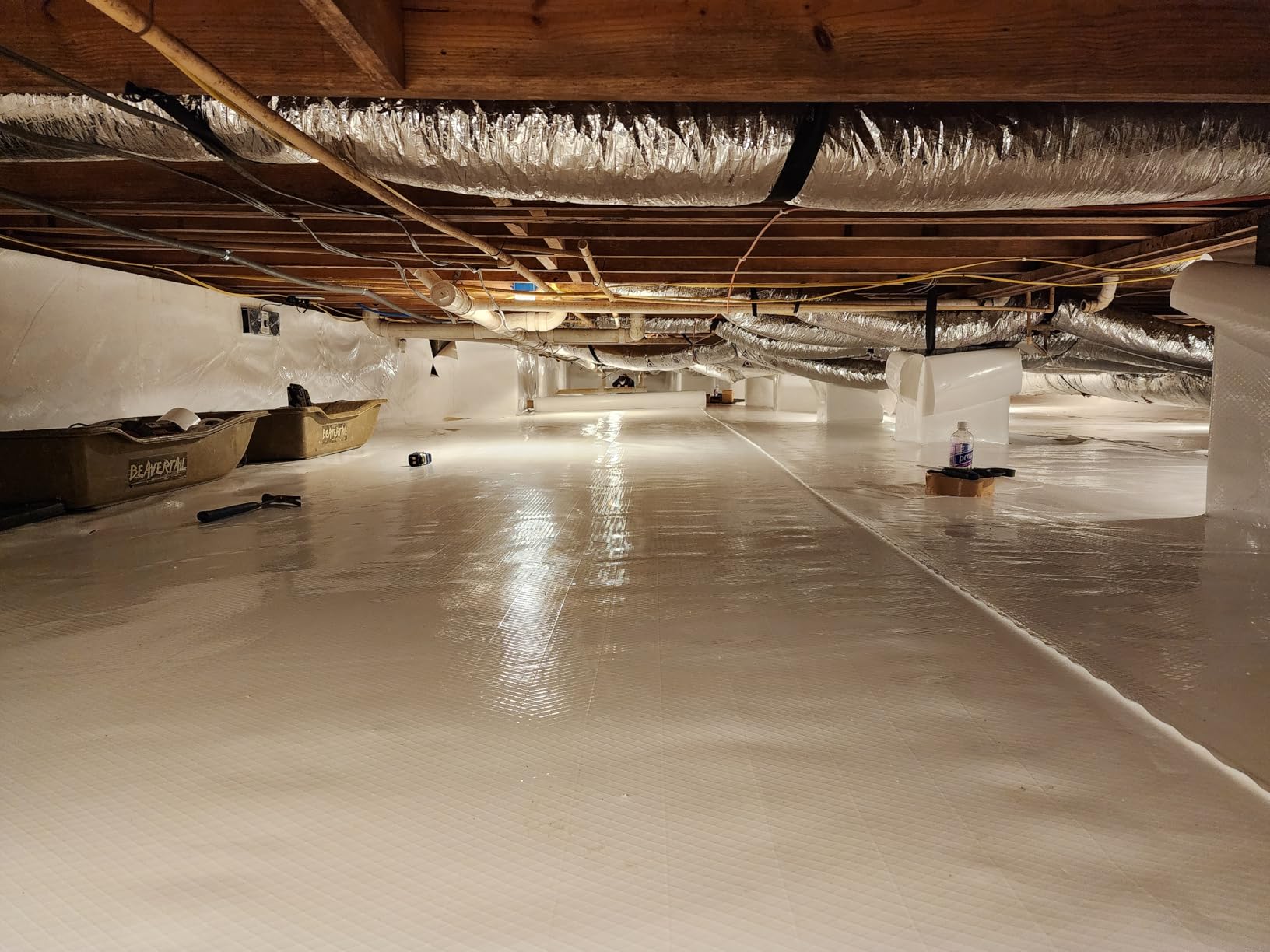
That consistency shows up in the way owners describe it, too: not as a purchase that gets replaced every few seasons, but as a sled that ends up doing double duty hauling hay, firewood and fencing supplies once the ice is off.
The flip side is the same longevity problem in reverse. Because it is built to outlast a trend, most of the feedback is about the body rather than the accessories, and the rope is the part most owners end up replacing.
Why 11 inches of sidewall changes the trip
On shallower sleds, a loaded run over rough ice means stopping to restack. Deep walls hold bulky loads in place through bumps and side-hills, which is the difference between one trip and three on a long walk out.
Buyers also report the sled can run away downhill when fully loaded, so plan your route on sloped ground and keep the rope short.
The rope anchor is the weak link to check
The pull rope attaches through two small drilled holes in the front of the hull, and that is the most questioned detail in the reviews. Owners who load it heavily sometimes drill out those holes and re-anchor with a wider plate or a bolt through a backing plate.
The factory rope also frays eventually, and the replacement has to be bought separately. The sled itself does not seem to be the part that fails.
4. NLDD Deer Drag Sled Game Glide – Best for High-Volume Loads
Deer Drag Sled Game Glide – Deer Cart Game Hauler Thickened Tear-Resistant Hunting Accessories and Gear for Hauling Hunter’s Trophy – Perfect Hunting Gift for Men
30 sq ft load area
60.5 cu ft load volume
Up to 500 lb listed capacity
Polyethylene with nylon ropes
Pros
- Glides over mud
- brush
- sand and snow where wheeled carts hang up
- Folds small enough to carry to the tree stand
- Light enough to portage on foot
- Costs far less than a wheeled cart or large utility sled
Cons
- Thin polyethylene wears through on rocky logging roads
- Effectively single-use for many buyers in rough terrain
- Some shipments arrived with missing rigging hardware
- Tears if a concentrated point load hits it
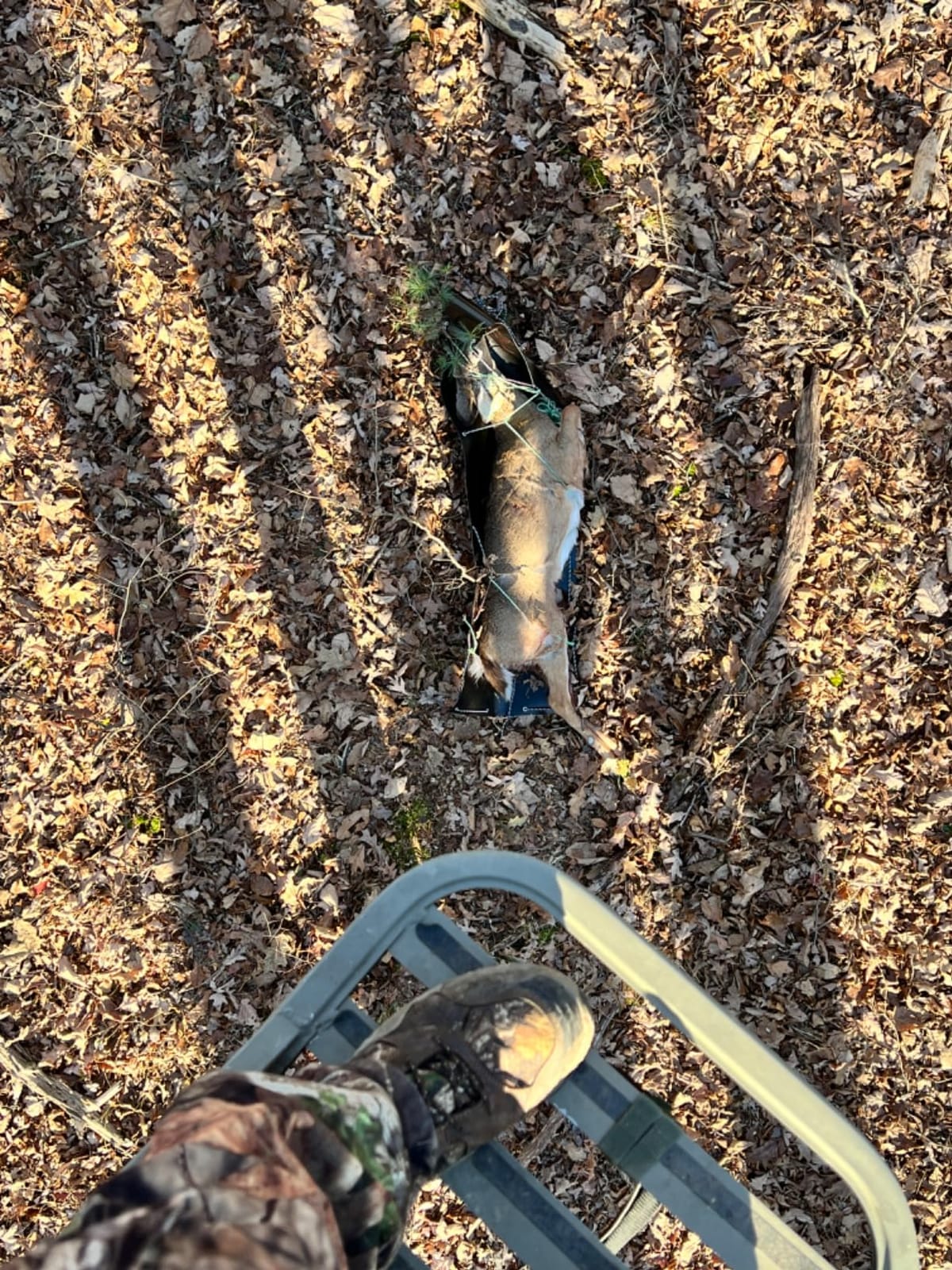
When volume is the requirement, this sled has the largest listed load area in the group at 30 square feet and 60.5 cubic feet. Owners describe laying out tree stand ladders, fuel, a rifle and a pack in a single layer, which is a genuinely different use case from a molded ice fishing hull.
The material is a smooth-surface polyethylene that rinses clean and glides through mud, brush and logs. For an angler moving gear between a truck and a remote spot with soft ground in between, that glide is the whole appeal.
The 500 lb listed capacity is a headline number for a thin sheet of plastic, and owners are honest that it is not a real working load on hard surfaces.
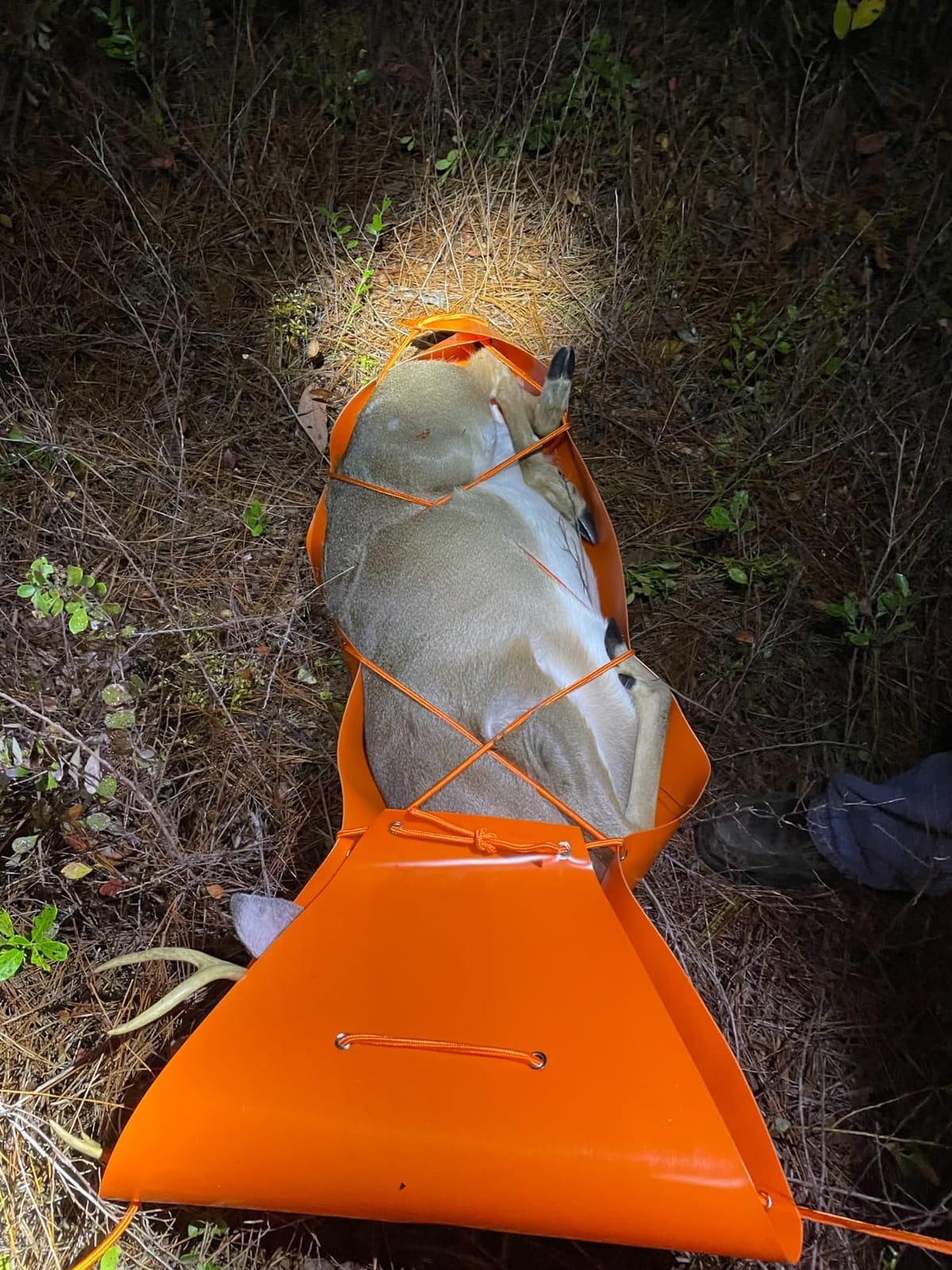
Reviewers in timber country consistently describe the polyethylene wearing out on rocky fire roads, and several treat the unit as disposable after a season or two. That is fine for a hunt, questionable for a sled you expect to keep for years.
A few buyers also report arriving shipments with missing rigging hardware, which is worth checking the moment the box opens.
Concentrated point loads are the failure mode to avoid. A dense boulder or a stacked block of ice in one spot will tear the sheet rather than flex it, so spread weight out when you load it.
Where it beats a molded hull
Flat, wide and collapsible. If your trip involves brush, mud, or a walk-in approach and your priority is total volume rather than containment, it carries more in one layer than anything else here.
It also folds or rolls, so you can carry it to a spot rather than retrieving it later.
Why it is not the ice fishing default
There are no sidewalls, so a load of ice fishing gear has to be strapped and cannot ride high. The material is thin enough that repeated sharp edges from auger blades and ice cleats are a real concern over time.
Owners also describe it as needing a tow rope fix more often than they would like, and the missing-hardware reports are a reason to inspect before a long carry.
5. Pelican Trek 60 Utility Sled – Best Deep Hull With Built-In Runners
Pelican – Multi-Purpose Utility Sled – Use it for Ice Fishing, Hunting (Trek 60), Black, comes with runners
60 x 25 x 12.5 inch hull
152 L volume, 260 lb rated
Red wear-indicator runners
Pros
- Deep 12.5 inch hull contains heavy loads on steep grades
- 152 L and 260 lb handles large ice fishing and camping loads
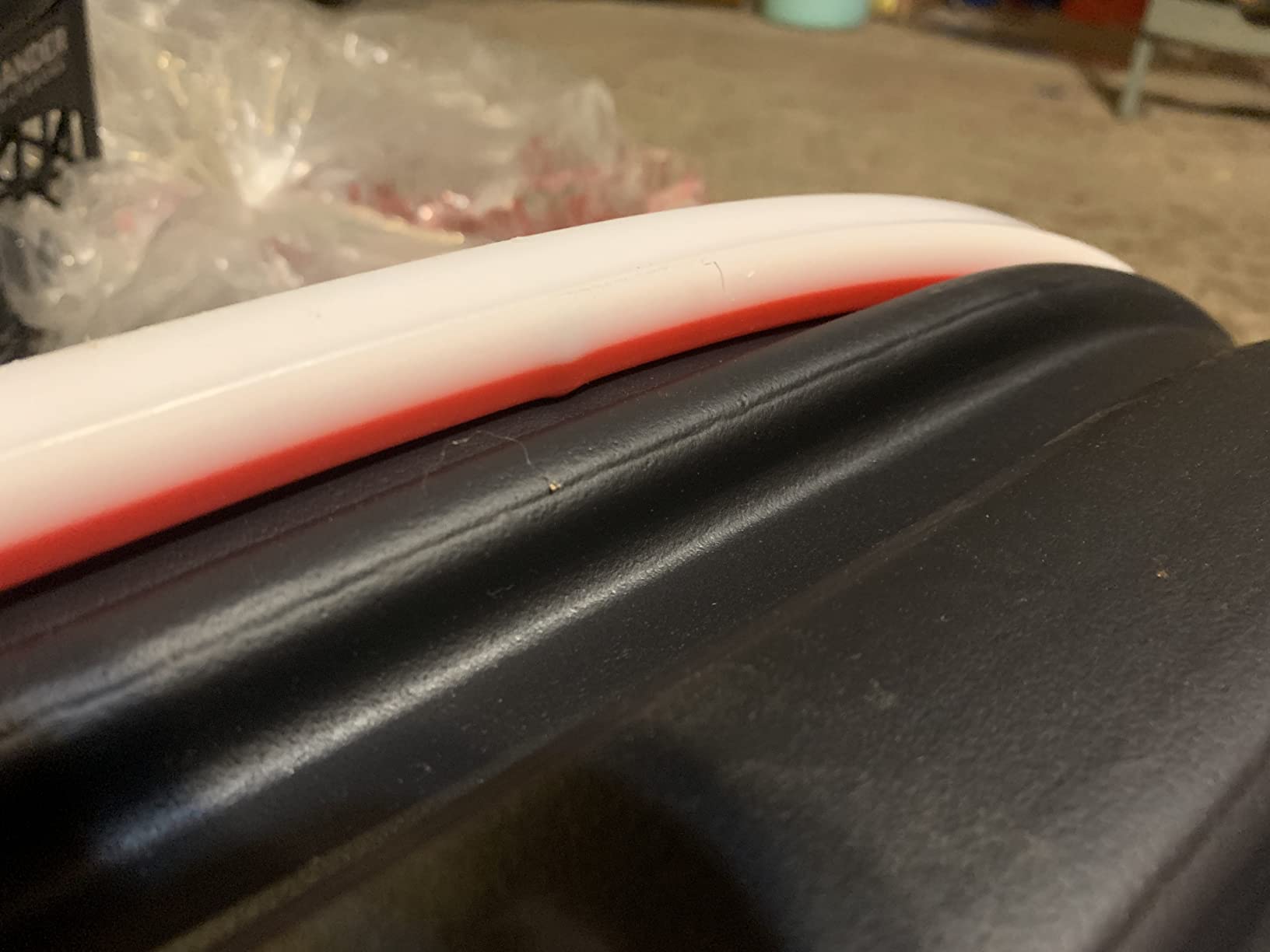
- RAM-X runners have a red layer underneath as a wear indicator
- Handles well behind a snowmobile or ATV
- Made in Canada and solidly built
Cons
- Removable bottom runner rails leave screw holes that leak fluid
- Runners arrive square rather than beveled
- Supplied pull rope is thin for the load rating
- Occasional reports of a runner arriving ripped off
This is the sled to buy if you are moving a full camp load and want to keep the haul contained on bad terrain. Twelve and a half inches of hull is the deepest in this group alongside the Trek Sport 94, and it is what keeps firewood, mulch bags and gear from sliding out on a steep grade.
The red layer under the RAM-X runners is a small detail that matters for ownership. When the wear surface goes through, red shows, and you know the runners are finished rather than guessing.
At 12.5 pounds empty and with a 260 lb rating, this is the sled where the hand-pull math gets serious. It is built to be towed, and the review base notes it handles well behind a snowmobile or ATV.
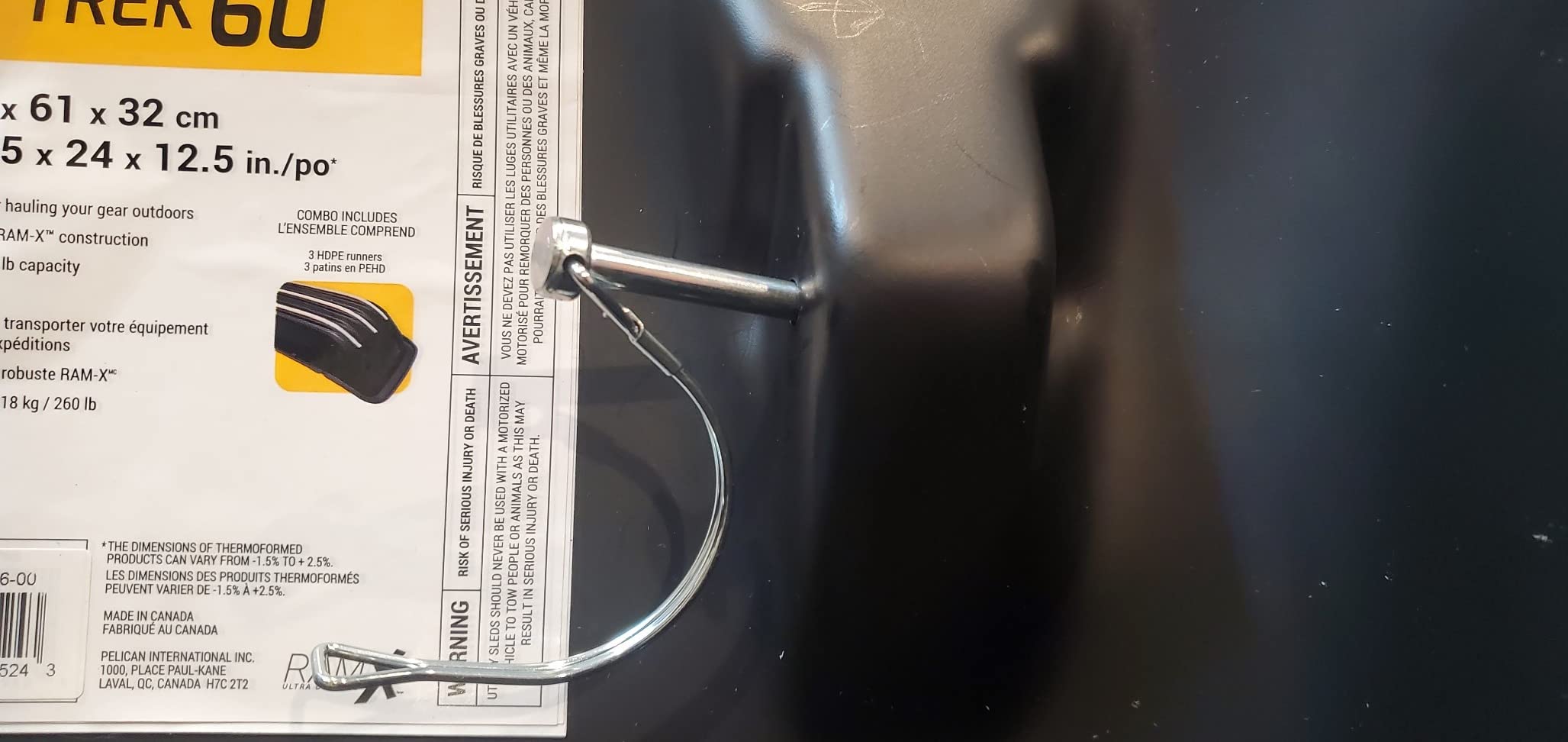
Two construction points recur in the reviews. The removable bottom runner rails leave open screw holes that leak fluid if you pull them, and the molded runners arrive square rather than beveled, which some owners find harsh under load.
The supplied pull rope also draws repeated criticism as too thin for what the sled is rated to carry. Swapping in a heavier rope is a five-minute fix.
A small number of one-star reviews describe a runner arriving ripped off with stripped screw holes, which is shipping damage rather than a design flaw, but it is worth photographing the runners on arrival.
How the depth changes what you can load
A 152 liter volume with 12.5 inch walls means tall items ride upright instead of needing to lie flat and be re-stacked. For a heater, a generator or a stack of tip-up gear, that is the difference between one pass and several.
Deep walls also mean the load resists lateral movement on sloped or uneven ice, which matters on a lake that is not flat.
The case against it for hand-pulling
Twelve and a half pounds of empty sled plus a full load is a serious pull, and it is not the sled to drag solo across a long walk. If you are hand-pulling and do not have a machine, the Trek 45 or the four-pound sled are a better match.
The square, non-beveled runners and the thin factory rope are the two things I would change before a long season.
6. ZFbuhuo 73 Inch HDPE Drag Sled – Best Budget Drag Mat
73″ x 23″ Deer Drag Sled -Thickened Tear-Resistant HDPE with Pull Cables, Game Hauler Utility Snow Sled Deer Hunting Sled for Effortless Hauling of Ice Fishing Supplies, Firewood, Fishing Equipment
73 x 23 inch HDPE mat
2.65 lb empty weight
330 lb listed rating
0.05 inch thickened HDPE
Pros
- Weighs under 3 pounds yet still slides logs and debris
- Simple to tow behind an ATV or pull by hand
- Holds its shape when rolled for storage
- Low cost utility drag mat
Cons
- Washers and bolts can pull straight out of the molded holes
- Wears through on gravel and hard surfaces when loaded
- Side lace holes are cutouts rather than reinforced
- Toughness falls short of the stated rating
At 2.65 pounds this is the lightest thing in the group, and the 73 by 23 inch footprint is big enough to carry firewood, a rod bundle and a tackle box in one layer. Reviewers use it as a general yard hauler for logs, river rock, mulch and hay and like how little it weighs in the hand.
It is also the sled most likely to be described as disposable on hard surfaces, and buyers are straightforward about that. At 0.05 inches of HDPE, it perforates over gravel and driveways under heavy loads.
The attachment method is the part I would fix first. Multiple reviews report washers and bolts pulling straight out of the molded holes on the second use, so if you tow it, upgrade the hardware before the first trip.
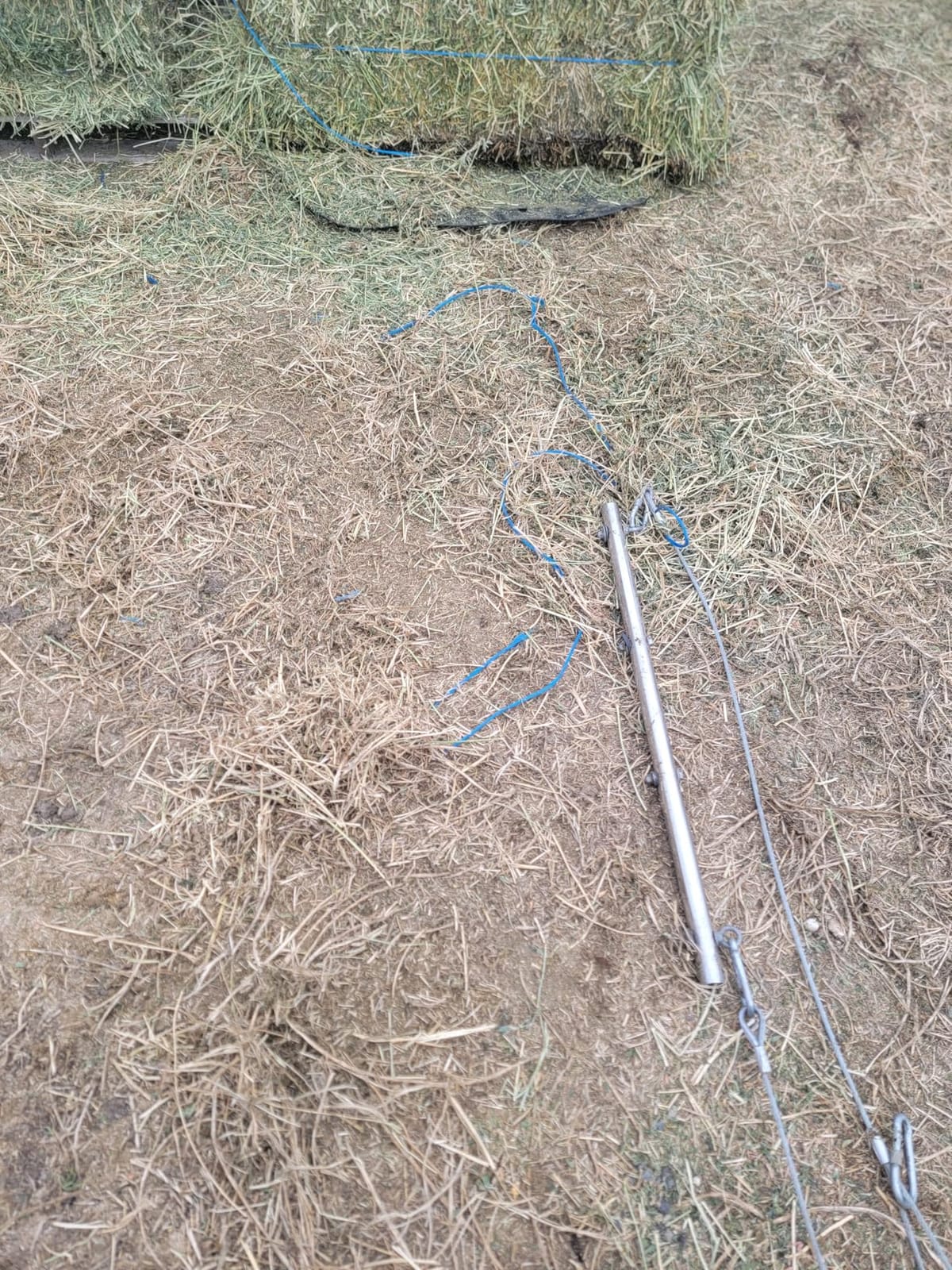
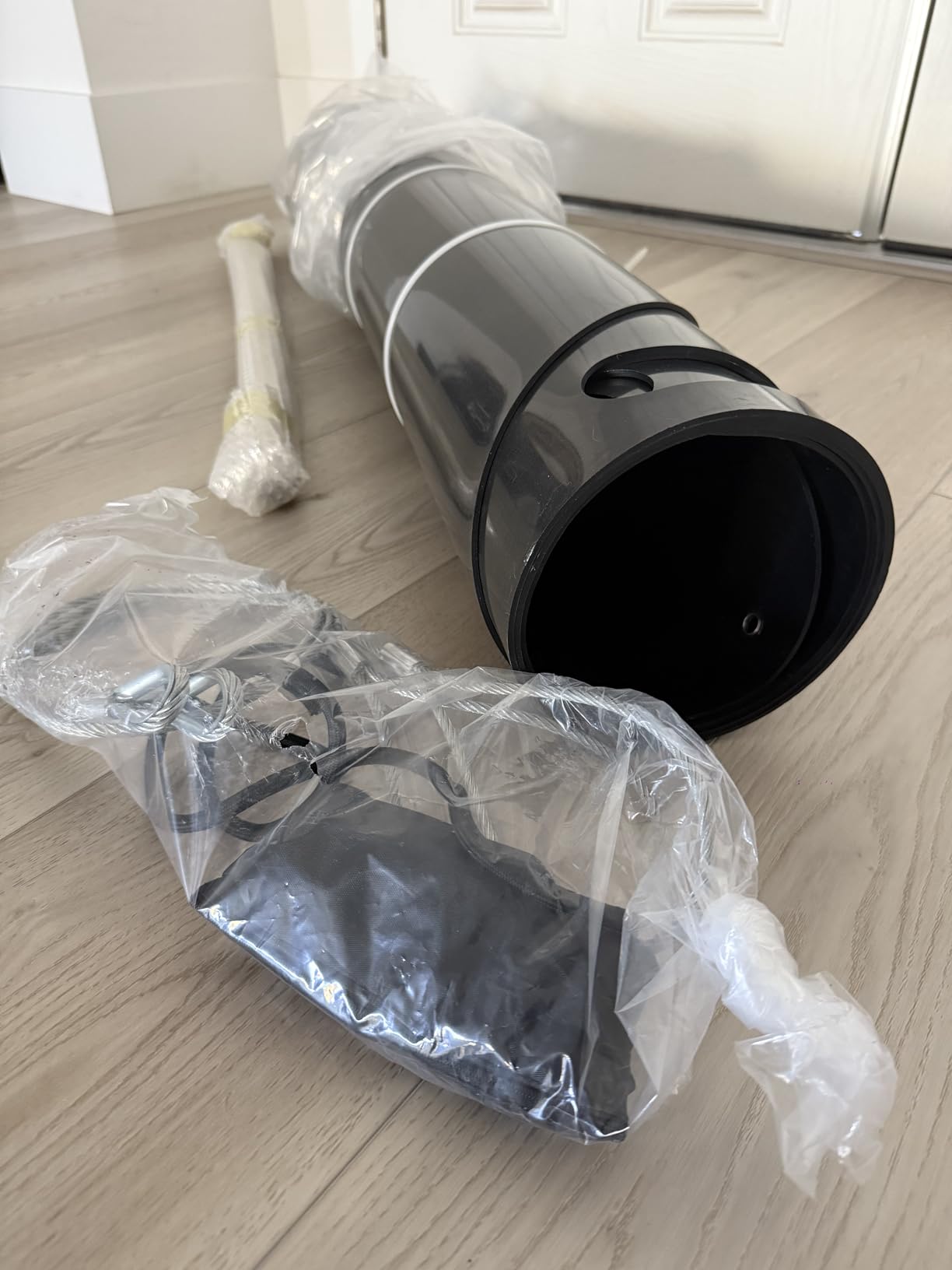
It rolls up compactly despite the length, which is genuinely useful in a truck bed or a gear tote. The metal pull cables make clipping it to an ATV straightforward.
The side lace holes are simple cutouts rather than reinforced rivets, and they can tear under a sharp or heavy load, so tie down soft gear rather than trusting the cutouts alone.
Owners describe the glide as very easy on grass, soil and snow, which is where the mat belongs. On packed ice it works, but the thin profile gives you no protection from an auger blade or a sharp ice chunk.
Best uses for a mat this light
Carrying firewood short distances, dragging gear across a lawn or a snow-free access road, and keeping a second sled in the truck as a lightweight backup. The weight is the selling point, and it is genuinely hard to beat at under three pounds.
It also rolls into a small bundle for storage between seasons.
Where the 330 lb rating stops meaning much
That rating assumes an evenly distributed load on a compliant surface. Concentrate a heavy item in one spot and the thin mat deforms, and on gravel or asphalt it will wear through rather than slide.
Owners are consistent that durability sits well below the headline number, so budget for this one being a seasonal tool rather than a long-term platform.
7. Pelican Trek Sport 94 Utility Sled – Best for Full Camp and Motorized Hauls
Pelican – Trek Sport 94 Utility sled Comes with Set of Runners, Tow Hitch & a Travel Cover
94 x 36.5 x 17 inch hull
480 L and 700 lb rated
Folding tow hitch
Travel cover included
Pros
- Largest capacity in the line at 480 L and a 700 lb rating
- Built to be towed by a snowmobile
- ATV or truck via the folding hitch
- RAM-X runners included to extend hull life
- Travel cover included unlike the smaller Trek models
- Rear reflectors and a divider template for cargo control
Cons
- Very heavy at 50 lb
- hard to lift into a truck bed alone
- Planned for vehicle towing rather than hand-pulling
- Thin review base limits long-term durability evidence
This is the only sled here designed explicitly to be towed. It comes with a folding shock-absorbing metal tow hitch, RAM-X runners and a travel cover, and the 700 lb rating and 480 liter volume are built for moving an entire ice shelter or a large camp load in one trip.
The 94 inch length means you are not making three passes across the lake. For a group fishing a remote spot, that is the argument for it.
At 50 pounds empty, this is not a hand-pulling product under any realistic load. It is a platform you put behind a machine and step aside from.
What the hitch and cover actually add
The folding shock-absorbing hitch is the piece that separates this from the other Trek models, and it lets you break the sled down for storage without unhooking permanently. The travel cover, which the smaller models do not include, keeps the hull out of the weather between trips.
Rear reflectors matter more than they sound when you are crossing a road or a crowded lake behind a snowmobile late in the day.
Why it does not fit a solo angler
Fifty pounds of empty weight is the deciding number. Getting it into a truck bed takes two people, and hand-pulling it loaded is not a scenario the design supports.
The review base is also the thinnest among the Pelican sleds here, at 43 ratings, so long-term durability is less well documented than for the Trek 45 or Trek 60. Most of the feedback centers on build quality and the bundled accessories rather than on years of use.
8. Lakexus 50 x 114 Yard Drag Sled – Best for Tractor and ATV Tows
50″x114″ Yard Drag Sled, 1/8 Inch Thickened HDPE 2200LBS Heavy Duty Yard Glider for ATV, UTV, Tractor, Utility Sled with Metal Pull Cables, Yard Drag Mat for Hauling Debris, Construction Materials
50 x 114 inch HDPE mat
1/8 inch thick HDPE
2200 lb rated load
Includes pull bar and cable hardware kit
Pros
- Rated to 2200 lb
- far above anything else here
- 1/8 inch HDPE is roughly two and a half times the thickness of budget drag mats
- Rolls up for compact storage
- Galvanized cables and quick links attach to a tractor
- ATV or UTV
- Wipes or rinses clean
Cons
- Very low review count for the capability claims
- A visible share of one-star ratings in a small sample
- A yard and debris hauler rather than a portable ice sled
- Needs a tow vehicle for realistic loads
At 2200 pounds rated, this is the heaviest-duty hauling surface in the group, and the 1/8 inch HDPE is roughly two and a half times the thickness of the entry-level mats. If you are moving bulk material rather than a fishing kit, that thickness is the entire point.
The included hardware is unusually complete: a pull bar, two link sticks, four quick links, two galvanized cables and a hardware kit, which is everything you need to connect to a tractor, ATV, UTV or motorcycle.
It also rolls up, so despite a 50 by 114 inch footprint it stores in a corner when it is not in use.

Be careful with the rating here. Only 34 reviews back it, and the distribution is polarized, with a meaningful share of one-star ratings that points to early failures or unmet expectations in a small sample.
Buyers who received a working unit describe it as heavy, thick and easy to clean, and they like that it saves repeated trips when moving hay bales, appliances or landscaping debris.
This is not a portable ice fishing sled in any meaningful sense. There are no sidewalls, it is far too large to hand-pull, and it exists to be towed.

Where the thickness pays off
A one-eighth inch mat holds its shape under stacked, abrasive loads on gravel and dirt where the thin mats simply tear. For firewood, hay bales, mulch bags or construction debris, the extra material is the difference between a season and one trip.
Cleaning is a wipe or a rinse, which matters if you are hauling anything wet or messy.
Why we would not call this an ice fishing sled
A 50 by 114 inch mat cannot go down a fishing trail, cannot be lifted over a slush lead and cannot be loaded into most truck beds without folding. It is a yard and driveway tool that happens to work on ice.
With only 34 ratings and a polarized distribution, we would consider it a project piece for someone who already has a tractor or UTV, not a recommendation for a typical angler.
What Size Ice Fishing Sled Do I Need?
Size the sled to the party and to whether a shelter is riding along, not to the length of your walk. Three tiers cover almost everyone.
One angler, rods and a small auger: a flat deck around 36 inches square is enough. This is the light end of the market, and the lower the empty weight, the more you will appreciate it on a solo trip.
Two anglers with a heater and a full tip-up set: you want a hulled sled in the 45 to 64 inch length range with real sidewalls, roughly 8 to 11 inches deep. That is the range where a loaded run across rough ice stops meaning constant rearranging.
Three or four anglers, or any portable shelter: plan on 60 inches and up. A pop-up shelter’s packed footprint is the number to measure, and owners repeatedly note that a small tent fits a mid-size sled with nothing to spare. If the shelter is the primary cargo, go one size up.
For motorized towing, size by volume instead. A larger hull with a hitch and runners beats a smaller sled every time once you stop hand-pulling.
Ice Fishing Sled Buying Guide: Nine Specs That Decide the Buy
1. Empty weight versus load capacity. Hand-pullers should read this first. You are pulling the sled plus the load, and the difference between a 4-pound and a 50-pound empty sled is the difference between a comfortable trip and a workout.
2. Material. Rotomolded polyethylene has no seams to split in cold weather, which matters when you are hauling in real winter temperatures. HDPE is the standard for flat drag mats. Either is fine; glued or bolted multi-part builds are the ones that fail at the joints.
3. Runners. Molded or bolt-on runner strips lift the wear surface off bare ice and slow the abrasion that wears holes through a bare plastic bottom. Wear-indicator layers, like the red layer under the Trek 60 runners, tell you when they are finished instead of leaving you to guess. Once you can see through to the ice, they are done.
4. Sidewall height. Below about 6 inches you have a tray. Above 8 inches you have containment, which is what stops a load from shifting on a side-hill or a rough patch.
5. Width versus lip. A raised lip protects the hull but eats usable cargo width. Check the flat usable width, not the overall width, against your widest item.
6. Tow hardware. If a snowmobile, ATV or truck pulls it, you need a hitch, a tow point or a mounting provision for one. Several hand-pull sleds have no tow hookup at all.
7. Attachment hardware strength. Bolt heads backed only by thin molded holes pull out under load. Reviewers of the thinner drag mats report exactly this failure. Washers with a nut on the underside are the fix, and r/IceFishing builders describe using that same washer-and-nut approach for bungee D-rings.
8. Cold-weather durability. Look for rotomolded or thick HDPE construction, and be skeptical of sleds whose reviews mention cracked bottoms. Rotomolded bodies have no seam line to split.
9. Weight when empty and storage. If you have to lift it into a truck bed alone every trip, empty weight is a feature. Nested or rollable designs also matter more than most buyers expect, since a sled lives in a corner from April to November.
Once the sled is loaded, securing the load properly matters as much as the sled choice. Our ratchet strap picks cover the tie-down side of that job.
Buying used is worth considering, since it is a visible search in this topic. Inspect the bottom for worn-through spots, check the runners, pull hard on the tow point and look at the rim for cracks or stress whitening. A cheap sled with a solid hull is often a better buy than an expensive one with a cracked bottom.
Store sleds out of direct sun between seasons. Cold-cracking usually starts on a UV-aged surface, and nesting two molded hulls is fine while leaving a gap between them.
DIY Smitty Sled Builds: When the Ski Platform Wins
A Smitty sled is not a product, it is a build: a deck or frame bolted onto a pair of downhill skis. The reason anglers use it is the clearance. Lifting the load six to ten inches off the ice drastically reduces drag through deep snow and slush, which is exactly the condition where a bare-bottom molded sled bogs down.
Yes, it is easier to pull than a low sled in those conditions. One r/IceFishing user built theirs from free downhill skis and square tubing already on hand, spending roughly eight dollars on hardware, and planned to add rod holders afterwards. Another poster on the Lake Simcoe Outdoors forum suggested mounting a portable shelter on top of a sled raised about six inches, reporting that pulling becomes dramatically easier.
The forum advice worth taking seriously is the technique, not just the build. Pulling from high and back causes ski tips to dig; users report that drilling holes in the ski tips and pulling from a lower point improves float over snow.
The r/IceFishing hole-hopping thread points at the features that actually matter on any shuttle build: flasher mounts, rod holders and an auger mount. Get those three sorted and the platform choice matters less.
Sled Mods and Accessories Worth Adding
Rod holders. The first thing most builders add, and it changes a hole-hopping sled from a hauler into a workstation.
Auger holster. Keeps a power auger from rolling around in slush at the bottom of the sled, which is where augers usually end up.
Bungee D-rings. Mount them with a washer and nut on the underside of the deck, the approach described in an r/IceFishing build thread, so the load can be strapped to the corners as it accumulates.
Runner strips. If the sled has a bare bottom, bolt-on strips slow wear on rough ice and slush, which is the main durability failure mode anglers report.
Snowtrackers. Traction aids get described on dootalk.com as the first addition to an ice fishing sled, and are reported to help across conditions.
PVC pipe racks. A simple frame across the top of a loaded sled keeps gear above the meltwater pooling in the hull.
Sled vs Pulk vs Wagon for Ice Fishing
A pulk is a fabric or canvas bag that rolls up small and floats if it goes in the water, which is its safety advantage on moving lake ice. It is lighter than any molded sled and holds far less, and it drags rather than glides, so it does not work behind a snowmobile or ATV.
A wagon is best on groomed access roads and packed snow trails. On bare ice, wheels catch on cracks and rough patches, and a wagon you cannot lift easily is worse than a sled you can.
A sled wins on flat ice because a flat bottom glides where a wheel stops. For cross-country travel on moving ice, a pulk that floats is the safer choice, and for gear-heavy loads a deep-hulled sled is the right answer. Our snow sled roundup covers the deeper snow-travel end if your route leaves the lake.
Ice Safety on the Haul
A sled does not change ice physics. Check thickness every mile of travel and treat anything around four inches as a minimum for walking, more for a loaded haul.
Never fish alone. Carry a buddy rope, picks and a spud, and if you are crossing leads or pressure seams, wear a PFD because only hull-style sleds hold any buoyancy at all.
Frequently Asked Questions
What is the best sled for ice fishing?
For most anglers, a molded poly utility sled in the 45 to 64 inch length range is the best sled for ice fishing, because real sidewalls keep a loaded run from reshuffling across rough ice. If you fish solo with just rods and a small auger, a flat 36 inch deck at around 4 pounds empty is easier to lift and pull all season. If you tow behind a snowmobile or ATV, size by volume and pick a hull with runners and a hitch.
What size ice fishing sled do I need?
One angler with rods and a small auger needs about a 36 inch flat deck. Two anglers with a heater and tip-up set want a 45 to 64 inch hull with 8 to 11 inch sidewalls. Three or four anglers, or anyone hauling a portable shelter, should plan on 60 inches and up, and should measure the shelter’s packed footprint first, since owners regularly report a tent fits a mid-size sled with nothing to spare.
Is a Smitty sled easier to pull?
Yes, in the conditions people build them for. A Smitty sled is a deck or frame mounted on downhill skis, and that clearance lifts the load six to ten inches off the ice, which drastically reduces drag through deep snow and refrozen slush. On flat packed ice or bare lake surface, a low molded sled with runners pulls at least as easily and gives you sidewalls to contain the load.
Do jet sleds float?
Partially, and only for hull-style sleds. A molded polyethylene or HDPE sled displaces enough air to support part of its load if it ends up in the water, which buys you time rather than keeping you dry. Flat drag mats and deer drag sheets sink within seconds. Treat any ice fishing sled as a flotation aid at best, wear a PFD, and never rely on the sled to keep you safe on moving ice.
How much weight can an ice fishing sled hold?
It depends entirely on the category. Entry-level utility sleds are commonly rated around 130 pounds, deeper molded hulls reach 260 pounds, and purpose-built motor tow sleds reach 700 pounds or more. Flat drag mats list much larger headline numbers, but those assume an evenly distributed load on a compliant surface, and thin polyethylene perforates on gravel or rock long before the stated rating is reached.
The Verdict for 2026
The DEER SLEIGH’R Magnum Game Sled takes our Editor’s Choice for 2026 because four pounds of empty weight and 681 reviews make it the sled we would actually reach for on a solo trip. Buy the Pelican Trek 45 if you want molded runners and real sidewalls for two anglers, and the Beavertail Sport Sled if a full shelter rides along.
If a machine does the pulling, skip all three and go straight to a deep hull with runners and a hitch. Whichever sled you land on, budget for a better tow rope, check the bottom before every season, and test the ice before you test the sled.