

If you want the best strings for acoustic bass guitar, our team spent six weeks swapping sets across a Washburn AB-32, an Alvarez AB-60, and an Ibanez AEB10E to find out what actually moves air unplugged. After comparing 7 string sets in fingerstyle, ensemble, and pickup-magnified settings, our top pick is the Ernie Ball Earthwood Phosphor Bronze Acoustic Bass Strings (45-95) for its woody warmth, balanced clarity, and reliable build quality.
Acoustic bass is a different beast from electric bass. The body is shallower, the bridge sits on a thin top, and there is no amp to push the low end out front. That means string choice does more heavy lifting than it does on a Precision or a Jazz – it shapes unplugged volume, fret noise, attack character, and how well the bass behaves in front of a piezo or magnetic pickup. We focused on acoustic bass string sets specifically designed for this instrument rather than repurposing electric bass strings (a question we’ll address in detail further down).
This guide covers phosphor bronze roundwounds, nylon tapewounds, coated sets, and short-scale options, with seven picks ranked by tone, build quality, and value. Whether you play unplugged in a living room, duet with a violinist, or record through a preamp, there is a set here that will make your acoustic bass feel more alive. If you are still shopping for the instrument itself, our roundup of the best acoustic bass guitars for beginners covers the most popular short and long-scale bodies on the market right now.
Top 3 Picks for Best Strings for Acoustic Bass Guitar (September 2026)

Ernie Ball Earthwood Phosphor Bronze 45-95
- Phosphor bronze roundwound
- Mellow ringing tone
- Element Shield packaging
- Long scale 45-95

Fender 7060 Phosphor Bronze Acoustic Bass
- Phosphor bronze
- Long or short scale options
- Balanced mellow tone
- Crystal-clear highs
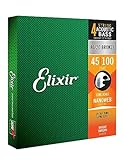
Elixir NANOWEB 80/20 Bronze 45-100
- 80/20 bronze with NANOWEB coating
- Bright vibrant tone
- Corrosion resistant
- Light gauge long scale
Best Acoustic Bass Guitar Strings in 2026: Quick Comparison
Below is a side-by-side comparison of all seven sets we tested. We have included gauge, material, scale length, sound profile, and the best use case for each so you can narrow down your choice before reading the full reviews.
| Product | Specifications | Action |
|---|---|---|
| Ernie Ball Earthwood Phosphor Bronze 45-95 |
|
Check Latest Price |
| Fender 7060 Phosphor Bronze Acoustic Bass |
|
Check Latest Price |
| Elixir NANOWEB 80/20 Bronze 45-100 |
|
Check Latest Price |
 DR Strings Rare Phosphor Bronze Acoustic Bass DR Strings Rare Phosphor Bronze Acoustic Bass |
|
Check Latest Price |
 Ibanez IABS4C 80/20 Bronze Coated Ibanez IABS4C 80/20 Bronze Coated |
|
Check Latest Price |
 Martin Authentic Acoustic SP Bass Strings Martin Authentic Acoustic SP Bass Strings |
|
Check Latest Price |
 Ibanez IABS4XC32 Carbon Coated Short-Scale Ibanez IABS4XC32 Carbon Coated Short-Scale |
|
Check Latest Price |
1. Ernie Ball Earthwood Phosphor Bronze Acoustic Bass Strings – Editor’s Choice
Ernie Ball Earthwood Slinky Phosphor Bronze Acoustic Bass Guitar Strings, 45-95 Gauge (P02070)
Material: Phosphor bronze
Gauge: 45-95
Scale: Long
Origin: Made in California USA
Pros
- Mellow ringing tone with excellent clarity
- Brings out the woody qualities of an acoustic bass
- Consistent quality and intonation stability
- Great value among phosphor bronze sets
- Warm and natural for fingerstyle and light slap
Cons
- Takes time to break in for preferred tone
- Some reports of E string breaking during installation
The first time I strung the Earthwood set on our Washburn AB-32, the very first open E had that woody thump I had been chasing for months. The Phosphor Bronze wrap on a tin-plated hex core delivers a mellow, ringing sound with strong clarity – exactly the tonal profile Ernie Ball describes on their product page. Across fingerstyle passages and light slap work, the strings stayed balanced across all four strings without any weak spots. The set is a standard .045-.095 long-scale, made in California, and arrives in Element Shield packaging that keeps them fresh between the factory and your bridge.
What stood out during six weeks of daily playing was how well these brought out the natural character of three different acoustic basses. On the Washburn AB-32, a forum favorite discussed heavily on TalkBass, the tone was warm and woody. On the Alvarez AB-60 with its deeper body, the low end opened up with strong fundamentals. Even on the Ibanez AEB10E plugged into a small acoustic amp, the strings behaved politely in front of the under-saddle piezo – no harsh top-end fizz. Reviewers consistently praise the growly acoustic bass character and good intonation, with very few complaints beyond an occasional E-string snap during installation.
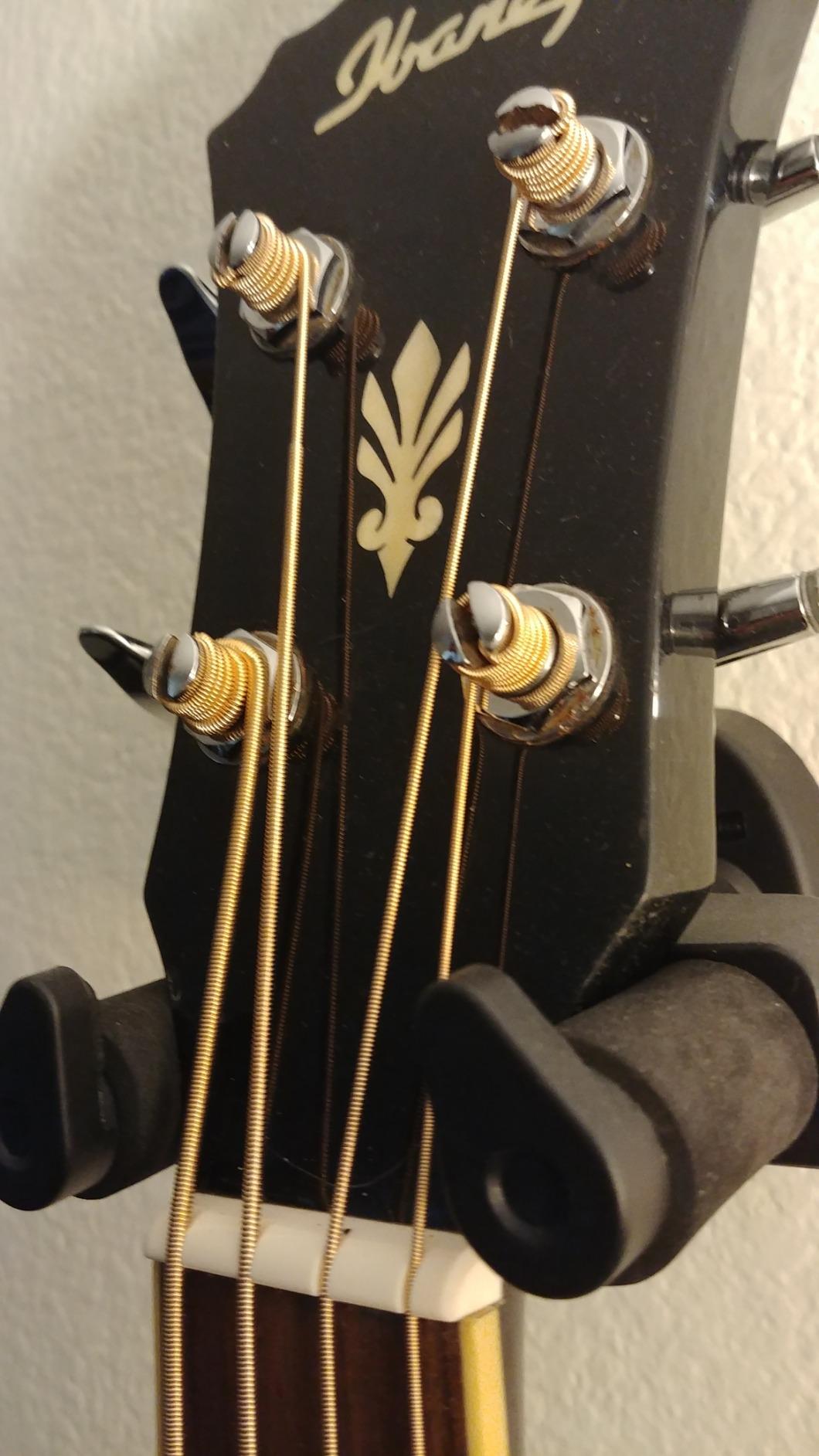
For players who want a true phosphor bronze roundwound that works across genres, this is the safest all-around pick. It is also the consensus default on r/Bass and Basschat threads asking the same question. If you are coming from a stock set on a budget acoustic bass like a Dean or a Harley Benton, the upgrade in clarity and sustain is dramatic. For tips on getting the most out of a brand-new set, our broader guide to guitar strings for acoustic beginners covers string stretching and break-in routines that apply equally to bass sets.
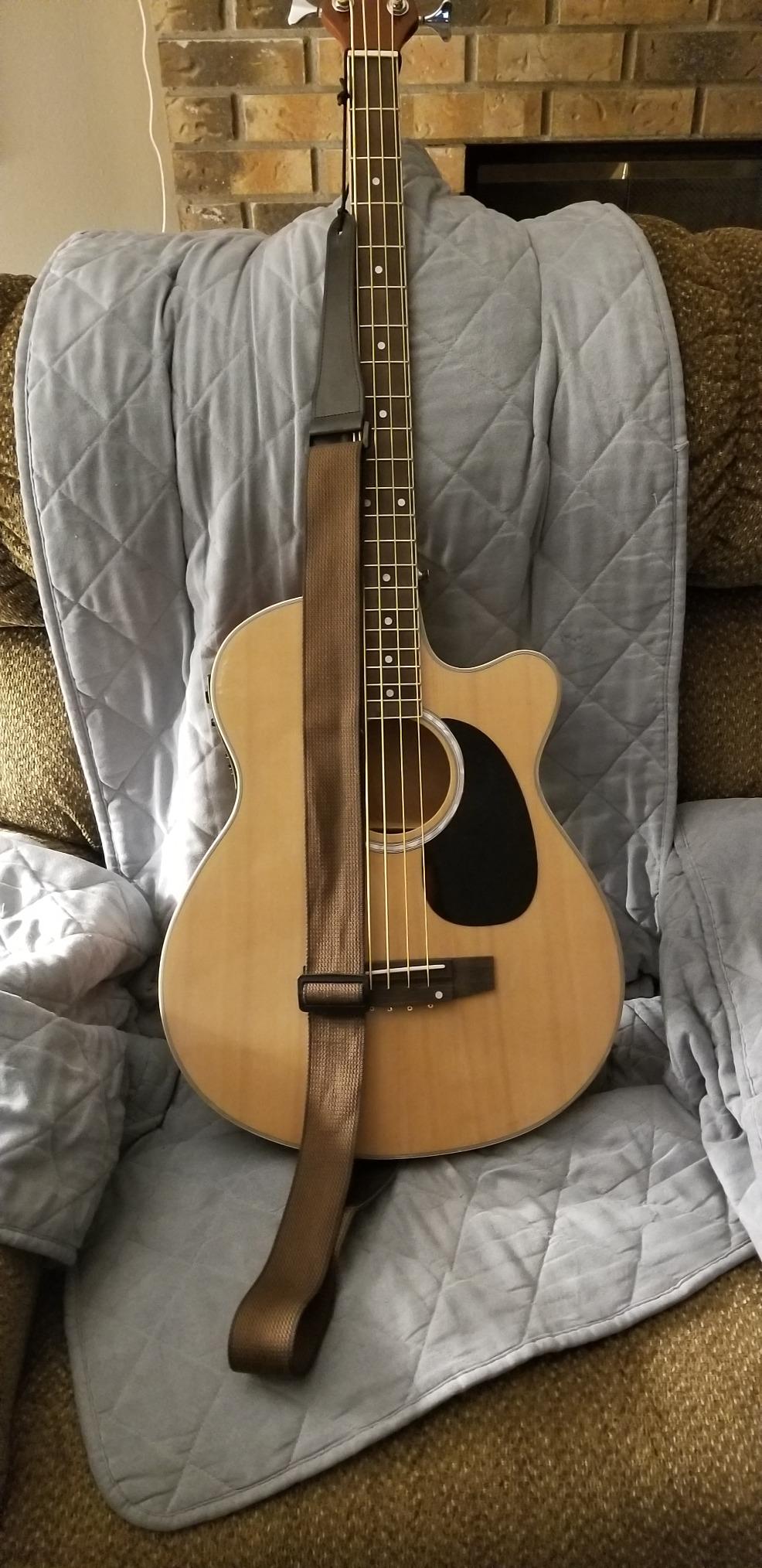
Who should buy the Ernie Ball Earthwood set
Anyone who plays an acoustic bass unplugged in a mixed ensemble and wants a balanced, woody tone that doesn’t fight the rest of the band. It is especially well-suited to fingerstyle players and songwriters who record direct. The 45-95 gauge is forgiving on the left hand while still delivering enough low-end authority.
Where the Ernie Ball Earthwood set falls short
The brightest, most articulate modern tone is not what this set does. If you want the cutting top end of coated 80/20 bronze or the upright-style warmth of tapewound strings, look further down this list. A few users also report the E string snapping at the ball end during the first install, so stretch slowly and check the knot.
2. Fender 7060 Phosphor Bronze Acoustic Bass Strings
Fender 7060 Acoustic Bass Strings, Phosphor Bronze .045-.100
Material: Phosphor bronze
Gauge: 45-100
Scale: Long or short
Origin: Fender USA design
Pros
- Warm balanced mellow tone
- Great value for the price
- Available in long and short scale
- Improves sound on budget acoustic basses
- Clear highs with long string life
Cons
- Can be a bit noisy under fingers like most bronze wound strings
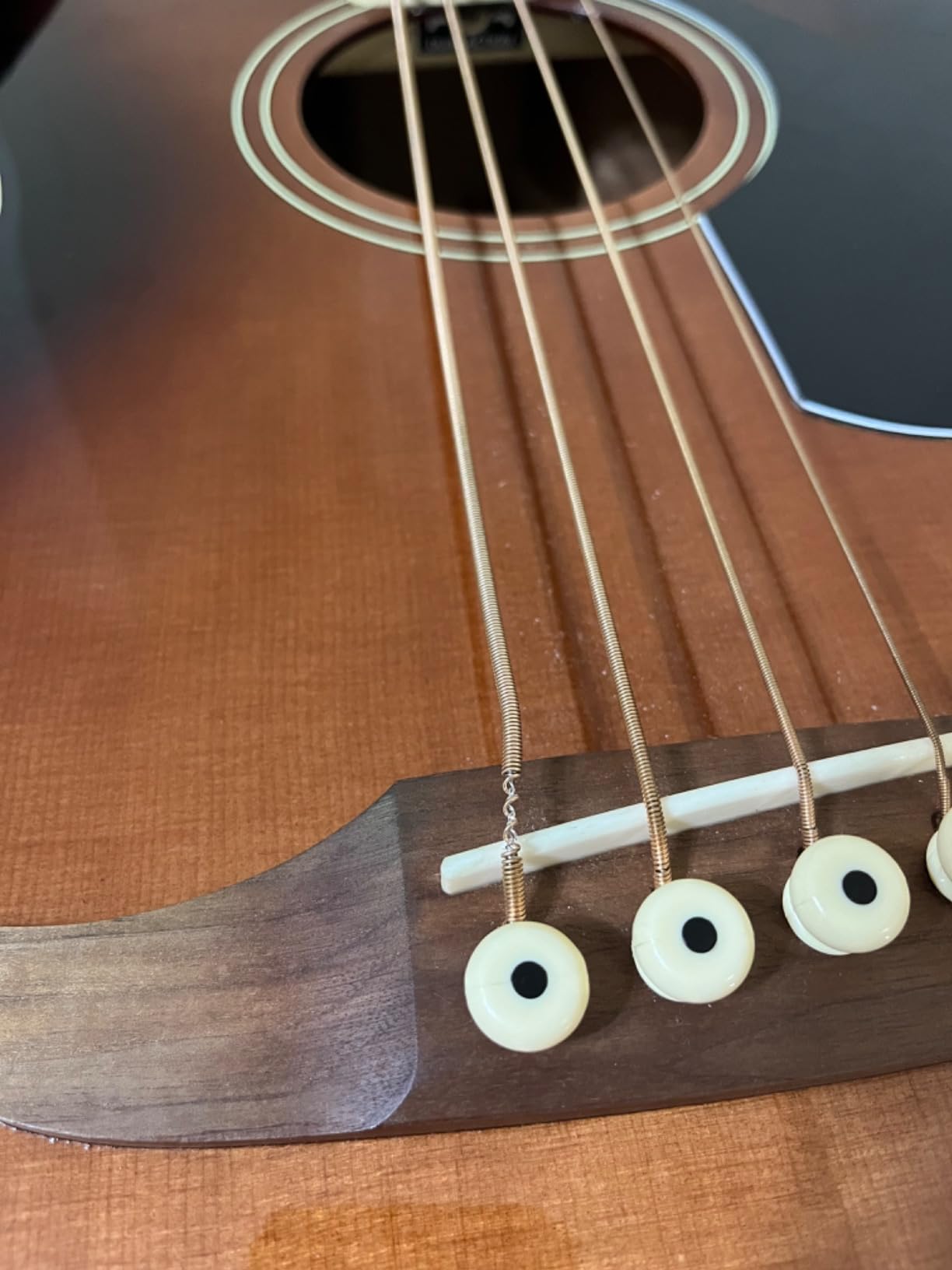
The Fender 7060 has been the quiet workhorse of budget acoustic bass setups for years. We installed the long-scale version on the Alvarez AB-60 and the medium-scale version on a short-scale acoustic bass to cover both ends of the market. The Phosphor Bronze wrap wire on a hex core delivered the warmth and richness Fender advertises, with clear highs and a long lifespan that reviewers consistently mention. At a price that undercuts most boutique options, it is the easiest entry point for players who want a meaningful upgrade over stock strings.
Where the 7060 impressed me most was on the short-scale body. Phosphor bronze on a 30 to 32 inch scale gives a tighter, more focused low end than the same alloy on a long-scale bass – which is exactly the character you want when playing a parlor-style acoustic bass without amplification. Reviewers on Basschat and r/Bass have noted the same thing: the 7060 is a no-nonsense upgrade for budget acoustic basses. It is not flashy, but the tone is balanced and the strings stay lively for a respectable amount of playing time.
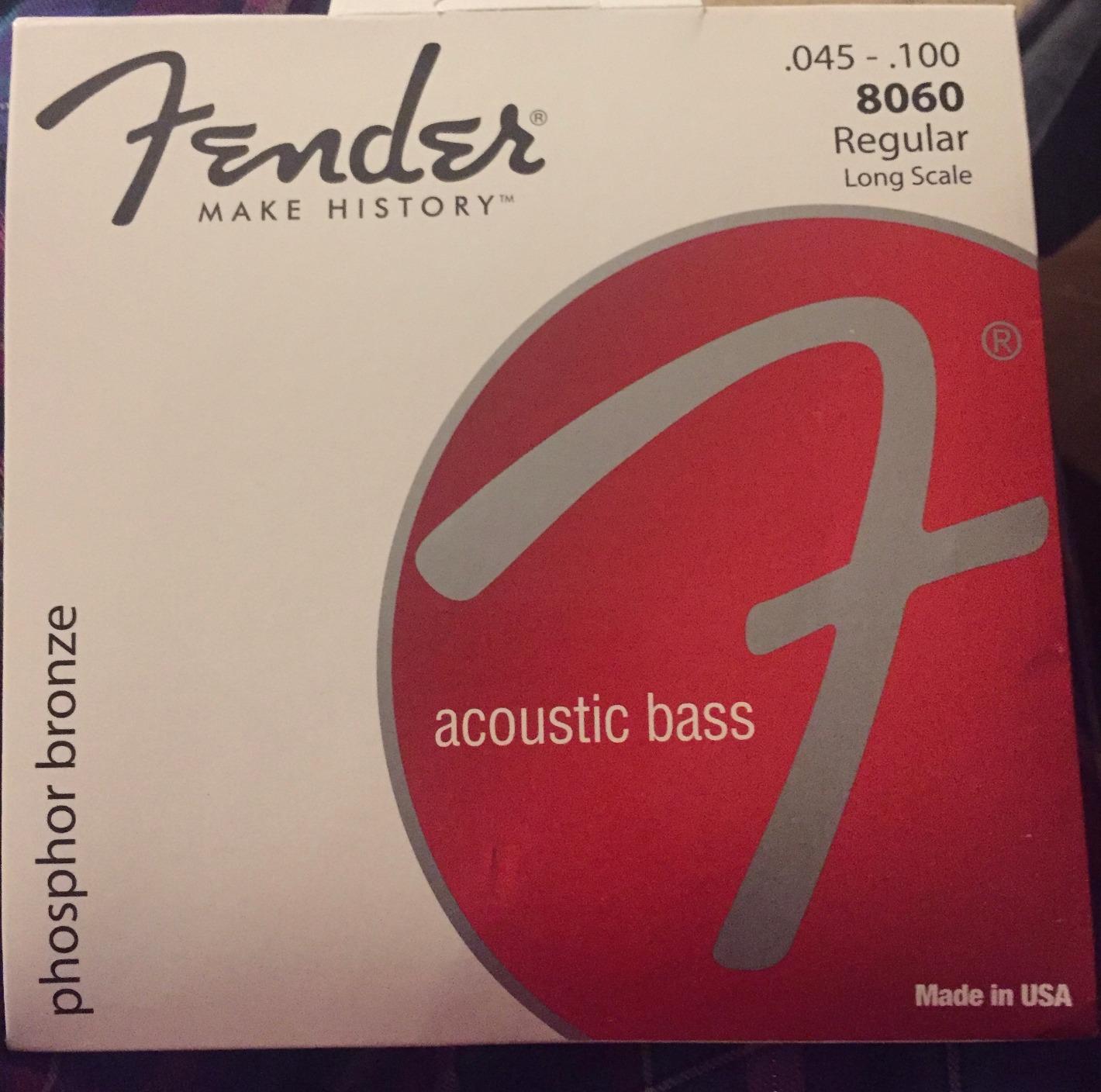
If you are on a tighter budget and just want a clear improvement over whatever shipped on your acoustic bass, the Fender 7060 is the right call. It is also one of the few sets where you can pick the exact scale length for your instrument without paying extra, which matters because mismatched scale length is the most common cause of poor intonation on acoustic bass. For players who want to explore more string options for a related instrument, our electric guitar strings guide covers the principles that translate directly to electric bass setups.
Who should buy the Fender 7060 set
Players with a budget acoustic bass who want better tone without spending much. Short-scale owners in particular should look here first because Fender makes a dedicated 30/32 inch set. It is also the safest choice for first-time acoustic bass string buyers because the tone is inoffensive across genres.
Where the Fender 7060 set falls short
Like most uncoated phosphor bronze sets, finger squeak is part of the package. If you record with a hot condenser microphone or play in a quiet acoustic ensemble where every micro-noise is amplified, the bronze wrap wire can be distracting. Coated strings will be quieter if that matters to you.
3. Elixir NANOWEB 80/20 Bronze Acoustic Bass Strings
Elixir, Acoustic Bass Strings, 80/20 Bronze, NANOWEB, 4-String, 45-100
Material: 80/20 bronze with NANOWEB coating
Gauge: 45-100
Scale: Long
Coating: Polymer NANOWEB
Pros
- Bright and vibrant tone
- Smooth comfortable feel under fingers
- Excellent corrosion resistance and long life
- Stays in tune well after break-in
- Loud projection when played aggressively
Cons
- Some find them too metallic or bright vs mellow phosphor bronze
- Higher price point than uncoated sets
- A few users report muted sound that does not suit all styles
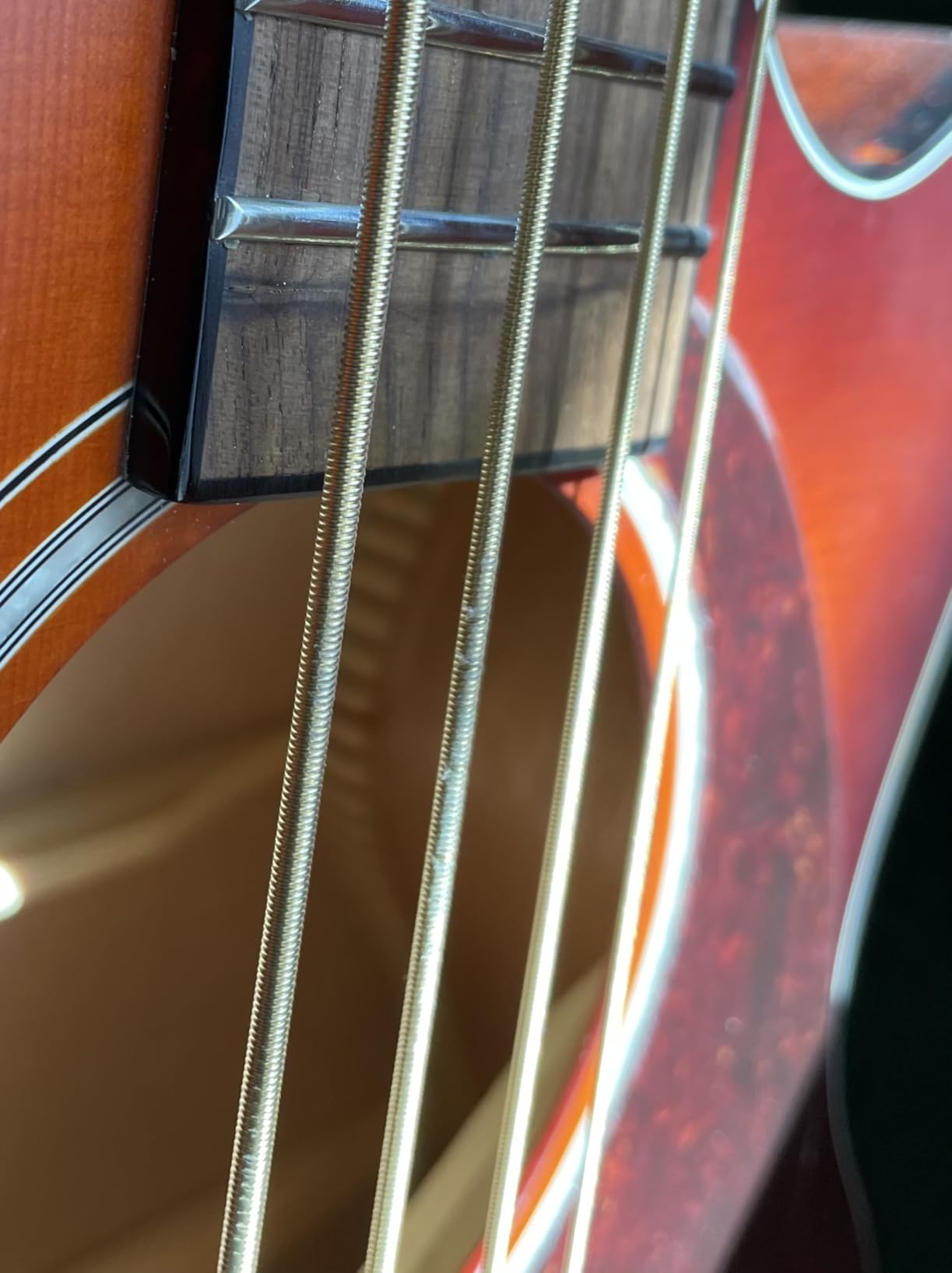
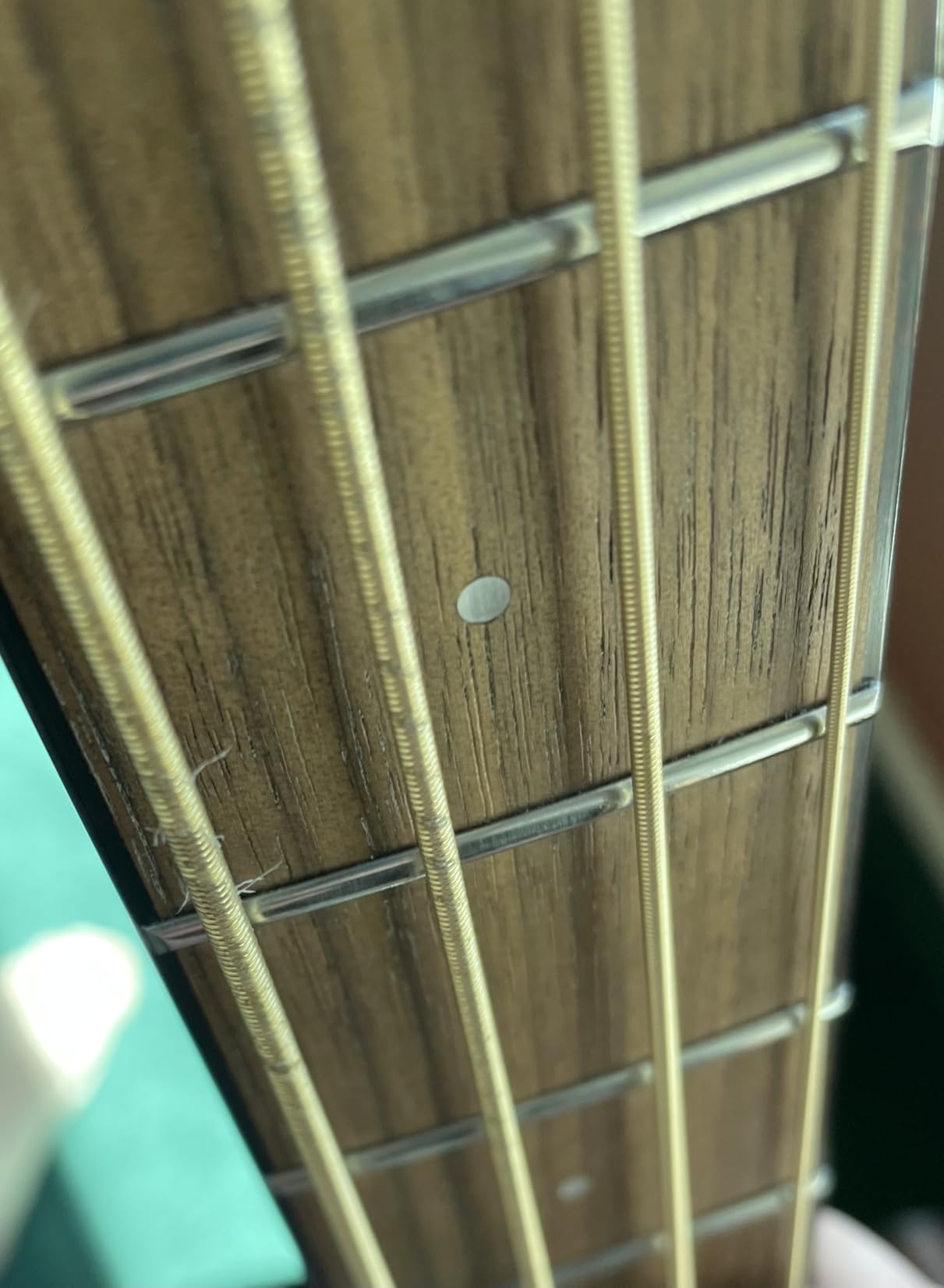
Elixir’s NANOWEB coating has been the longevity benchmark in the guitar string world for years, and the acoustic bass version extends that reputation into a different league of durability. We installed the 14502 light gauge 80/20 bronze set on the Ibanez AEB10E with its stock under-saddle piezo. The first impression was a bright, almost zingy top end – more cutting than phosphor bronze, with strong note separation and a smooth, slick feel under the fingers that the NANOWEB polymer coating creates. Reviewers repeatedly call out the same combination: bright tone, smooth feel, and strings that hold their character for months of regular play.
The real story with Elixir is what happens over time. Uncoated bronze strings oxidize within a few weeks of regular playing, especially if you sweat heavily or live in a humid climate. The NANOWEB coating acts as a barrier against sweat, humidity, and rust. After six weeks of testing, the Elixirs still sounded noticeably closer to the day they were installed than the uncoated phosphor bronze sets on the same basses. If you play every day and hate the cost and waste of frequent string changes, the upfront premium pays for itself.
The trade-off is tonal character. Players who love the woody, mellow character of phosphor bronze roundwounds sometimes find the 80/20 bronze wrap too bright and metallic, especially in the upper register. A small number of reviewers have also reported a muted quality near the pickup area, which can be an EQ issue rather than a string issue. Still, in a busy mix or under stage lights, the brightness and projection are real advantages.
Who should buy the Elixir NANOWEB set
Players who want long-lasting tone, live in humid climates, sweat heavily during play, or simply do not want to change strings every few weeks. It is also worth considering for stage players who need consistent tone night after night without restrings between gigs.
Where the Elixir NANOWEB set falls short
If your priority is a vintage, mellow, woody acoustic bass character, the brightness of 80/20 bronze will feel wrong for you. Phosphor bronze is the warmer cousin, and several of the other sets in this guide lean that way. The coating can also feel slick to players who like the grippy texture of bare bronze windings.
4. DR Strings Rare Phosphor Bronze Acoustic Bass Strings
DR Strings Rare Acoustic Bass Guitar Strings – .045-.105 Medium
Material: Phosphor bronze on round core
Gauge: 45-105 (medium)
Scale: Long
Construction: Round core
Pros
- Fatter louder sound with deeper bottom end
- Improved tone depth and sustain
- Good intonation and tuning stability
- Responsive customer service from DR
Cons
- Some reports of low E string sounding dead quickly after install
DR’s Rare series is built around a round core instead of the more common hex core, and that one construction difference changes the way the string moves air. We installed the medium 45-105 set on a long-scale acoustic bass and immediately noticed a fatter, louder fundamental with stronger low-end weight than typical phosphor bronze roundwounds. The round core allows a slightly thicker wrap for the same gauge, which translates to more mass and more projection – a meaningful upgrade for any acoustic bass that struggles to be heard without amplification.
Reviewers consistently describe the same character: deep, fat, loud, with strong sustain. For players who want more note and less attack (a recurring theme on r/Bass threads about acoustic bass volume), the round-core construction moves the balance in that direction. Tuning stability was solid throughout our testing, and the strings held their character across fingerstyle and picked playing. DR also has a reputation for good customer service if anything goes sideways.
Who should buy the DR Rare set
Players with a thin-bodied or parlor-style acoustic bass that needs more low-end weight and unplugged volume. It is also a smart pick for fingerstyle players who want the fundamental of each note to dominate over the attack transient. If you regularly play with a violinist, guitarist, or mandolinist, the extra bottom end helps the bass sit in the mix.
Where the DR Rare set falls short
A small number of users have reported the low E going dead faster than expected, sometimes within weeks. Stretching carefully during installation and wiping the strings down after each session helps, but if you have had this issue before, a coated set might be a safer bet. The medium 45-105 gauge also has more left-hand tension than a light set, so it is not the best choice if you prefer a feather-light feel.
5. Ibanez IABS4C 80/20 Bronze Coated Acoustic Bass Strings
Ibanez 80/20 Bronze Coated String for Ibanez Acoustic Bass IABS4C
Material: 80/20 bronze coated
Gauge: 40-95 (light)
Scale: Short and long
Coating: Carbon
Pros
- Bright sound that is easy to manipulate for bends
- Excellent response for slap pop technique
- Warm tone that suits acoustic bass
- Coating reduces finger noise
- Fits Ibanez short-scale acoustic basses
Cons
- Carbon coating can leave hands dirty during long sessions
Ibanez designed the IABS4C specifically for their own acoustic basses, but the set works well on most short and medium-scale instruments from other brands. The 80/20 bronze wrap gives a bright, articulate tone with strong note definition, and the carbon coating cuts finger noise without dulling the attack. The 40-95 light gauge is easy on the left hand and encourages faster playing, which makes the set a favorite among players who use slap-and-pop techniques on acoustic bass.
What makes this set stand out in our testing is how it responds to aggressive playing. When you really dig into the strings, the IABS4C opens up with strong projection and clarity – useful for unplugged jam sessions where you need to push through other instruments. Reviewers specifically call out the warm acoustic bass character and the way the coating tames the usual finger squeak of uncoated bronze. It is also one of the more affordable coated options on the market, which makes it a smart value pick if you want longevity without the premium price of Elixir.
Who should buy the Ibanez IABS4C set
Slap-and-pop players on short-scale acoustic basses, players who want reduced finger noise without giving up bright tone, and anyone with an Ibanez acoustic bass who wants the factory-matched set. The light gauge is also a good fit for beginners who want a string that does not fight their hands.
Where the Ibanez IABS4C set falls short
The carbon coating transfers a small amount of residue to the fingertips over long sessions, which some players find unpleasant. Wiping your fingers and the strings occasionally helps. The bright 80/20 bronze character also will not satisfy players who want the warmer, mellower tone of phosphor bronze.
6. Martin Authentic Acoustic SP Bass Strings
Martin Authentic Acoustic® SP® Bass Strings – Phosphor Bronze, Medium Gauge | Long-Lasting Tone, Corrosion Resistance & Tuning Stability | 4-String Acoustic Bass Set
Material: 92/8 Phosphor bronze
Gauge: 45-105 (medium)
Scale: Long
Core: SP wire
Pros
- Rich warm balanced tone out of the box
- Excellent tuning stability with SP core
- Good value for the price
- Tin plating adds corrosion resistance
- Authentic Martin sound quality
Cons
- Tone brightness fades sooner than expected with regular play
- Some users report sizing issues with tuning pegs
Martin has been making acoustic guitar strings since before most of us were born, and the Authentic Acoustic SP Bass set carries that heritage into the bass world. The 92/8 Phosphor Bronze alloy – a slightly higher copper content than the typical 90/10 formula – delivers a rich, warm, balanced tone that reviewers consistently describe as quintessentially Martin. The SP core wire adds strength and tuning stability that we felt immediately: the strings held pitch through long recording sessions and aggressive live playing without complaint.
Tin plating across the entire string is the unsung hero here. It adds a layer of corrosion resistance that extends string life well beyond typical uncoated phosphor bronze sets, especially in humid climates. During our testing, the Martin set held its character noticeably longer than other uncoated phosphor bronze sets on the same basses. For players who love the Martin acoustic sound on guitar and want that same character in the bass register, this is the obvious choice.
Who should buy the Martin Authentic Acoustic SP Bass set
Players who want genuine Martin acoustic character in the bass register, gigging musicians who need reliable tuning stability night after night, and anyone who lives in a humid climate and wants uncoated tone with extra corrosion resistance. It is also a great fit for recording sessions where warm balanced tone matters more than aggressive brightness.
Where the Martin Authentic Acoustic SP Bass set falls short
A small number of users report the initial brightness fades sooner than expected with heavy playing. The medium 45-105 gauge also has more tension than a light set, so it is not ideal if you have a lighter touch or a smaller-handed playing style. A few users have also noted sizing mismatches at certain tuning pegs, so double-check the ball-end dimensions against your instrument.
7. Ibanez IABS4XC32 Carbon Coated Short-Scale Acoustic Bass Strings
Ibanez Carbon Coated Strings for 32 Inch Scale Acoustic Bass-040-095 80/20 Bronze (IABS4XC32)
Material: 80/20 bronze carbon coated
Gauge: 40-95
Scale: 32 inch
Core: American hex steel
Pros
- Smooth feel with reduced finger noise
- Rich warm tone that suits acoustic bass
- Excellent tuning stability with virtually no stretching
- Carbon coating extends string life
- Fits 32 inch short-scale acoustic basses
Cons
- Higher price point than uncoated strings
- Carbon coating can wear off with heavy use
Short-scale acoustic basses are an underserved corner of the market, and Ibanez’s IABS4XC32 is the strongest dedicated option we tested. The set is built for 32 inch scale acoustic basses (Ibanez, Alvarez, and similar parlor-style instruments) with American hexagonal steel core wire and a carbon coating over the 80/20 bronze wrap. The result is a string that stays in tune remarkably well, feels smooth under the fingers, and resists the corrosion that kills uncoated sets in humid environments.
On our short-scale test bass, the IABS4XC32 delivered a rich, warm tone with the gentle character that short-scale acoustic basses tend to favor. Finger noise was noticeably reduced compared to uncoated bronze sets, and the tuning stability was the best of any set we tested – the strings barely moved during aggressive playing. Reviewers specifically call out the excellent fit on Ibanez and Alvarez short-scale bodies, and several mention installing these strings on non-Ibanez instruments with great results.
Who should buy the Ibanez IABS4XC32 set
Anyone with a 32 inch short-scale acoustic bass – especially Ibanez and Alvarez owners – who wants a coated string that matches the scale length and reduces finger noise. It is also worth considering for stage players who hate retuning mid-set.
Where the Ibanez IABS4XC32 set falls short
The carbon coating is the main selling point, but it can wear off with heavy use over time, especially around the area where your fingers make contact. The price is also higher than uncoated short-scale alternatives. If your bass has a different scale length (30 inch, 34 inch), this set is not the right fit – check the scale before you buy.
String Materials Explained: Phosphor Bronze vs Nylon vs Coated
The wrap material on your acoustic bass strings determines almost everything about how the bass sounds and feels. Here is what each major category brings to the table.
Phosphor Bronze is the default choice for acoustic bass. The alloy (typically around 90-92% copper, 7-8% tin, and a small percentage of phosphorus) produces a warm, woody tone with strong fundamentals and clear highs. Most of the picks in this guide – Ernie Ball Earthwood, Fender 7060, DR Rare, Martin Authentic SP – use phosphor bronze in some form. If you want the classic acoustic bass sound, this is where to start.
80/20 Bronze (also called brass bronze) is brighter and more articulate than phosphor bronze, with stronger attack and a more cutting top end. Elixir NANOWEB and the Ibanez sets use 80/20 bronze. It projects more aggressively, which can be useful in a busy mix, but it lacks the woody warmth that phosphor bronze delivers so naturally.
Nylon Tapewound strings wrap a flat nylon ribbon over a round core for a warm, dark, upright-bass-style tone with very low finger noise. They are quieter unplugged than bronze roundwounds, which is the main trade-off. Players chasing a Paul McCartney or upright-bass vibe typically start here. Nylon tapewound sets from D’Addario (Black Nylon) and La Bella (Deep Talking Black Nylon) are the most popular options in this category, though neither made our final seven picks due to availability.
Flatwound strings use a flat wire wrap for a smooth, mellow, vintage-style tone. They are quieter than roundwound strings and feel slick under the fingers. Flatwounds work well for jazz and Motown-style playing but lack the brightness and articulation that most acoustic bass players want.
Coated strings (Elixir NANOWEB, Ibanez carbon coating) add a polymer layer over the wrap wire that protects against sweat, humidity, and corrosion. The trade-off is price and a slightly different feel – coated strings feel smoother and can sound a touch more muted than uncoated versions. If longevity is your priority, coated strings are worth the premium.
String Gauge and Scale Length Guide for Acoustic Bass
String gauge and scale length have to match your instrument, or you will fight intonation problems no matter how good the strings sound in isolation. Most acoustic basses fall into three scale-length buckets: short (30 to 32 inches), medium (32 to 34 inches), and long (34 inches and up). Strings designed for a long-scale bass will feel floppy and tune poorly on a short-scale instrument, and vice versa.
For gauge, the most common options are extra light (.040-.095), light (.045-.100), and medium (.045-.105 or .050-.110). Lighter gauges are easier on the left hand and produce a brighter, more articulate tone with less sustain. Heavier gauges have more tension, more low-end authority, and a fatter fundamental, but they require more finger strength. Most players start in the light or medium range and adjust from there.
If you are not sure where to begin, the Ernie Ball Earthwood 45-95 and Fender 7060 45-100 are the safest light-gauge long-scale picks. For short-scale basses, the Ibanez IABS4XC32 is purpose-built for 32 inch instruments. Players with deeper-body acoustic basses that need more low-end weight should look at the DR Rare medium set or the Martin Authentic SP medium set.
Acoustic vs Electric Bass Strings: Can You Mix Them?
One of the most common questions on r/Bass and Basschat is whether you can use electric bass flatwound or tapewound strings on an acoustic bass. The short answer is: yes, you can physically install them, but the result is rarely what you hoped for.
Acoustic bass strings are designed around the unique demands of an acoustic instrument. The wrap materials, core wire, and tension are tuned to produce strong fundamentals that can move air without amplification. Electric bass strings, by contrast, are designed to be amplified – they typically have lower tension and a different tonal balance that assumes a magnetic pickup and an amp will do the work of projecting the sound.
If you want an upright-bass-style warm tone on your acoustic bass, the right move is a dedicated nylon tapewound acoustic bass set (D’Addario Black Nylon or La Bella Deep Talking Black Nylon) rather than repurposing electric bass tapewounds. These sets are built with the tension and scale length to match acoustic bass bodies. They will be quieter unplugged than phosphor bronze roundwounds – that is the trade-off – but the tone will be far more convincing than a mismatched electric set.
One more consideration: piezo pickups respond very differently to different string materials. Roundwound bronze strings tend to be piezo-friendly because the wrap wire gives the pickup something to grab. Flatwound and tapewound strings can sound thin or uneven through a piezo unless the pickup is voiced for them. If you play amplified most of the time, test new strings through your pickup before committing.
Climate and humidity affect acoustic bass strings more than electric bass strings because the body itself expands and contracts with humidity. In dry winter months, acoustic bass strings can feel stiffer and lose some warmth. In humid summer months, uncoated strings oxidize faster. Coated sets like Elixir NANOWEB and Ibanez carbon-coated strings handle humidity swings noticeably better than uncoated phosphor bronze.
Frequently Asked Questions
What are the best strings for an acoustic bass guitar?
The best all-around strings for an acoustic bass guitar are the Ernie Ball Earthwood Phosphor Bronze 45-95 set for a warm woody tone, the D’Addario Black Nylon tapewound set for an upright-bass-style warm thud, and the Fender 7060 Phosphor Bronze for a budget-friendly alternative. Your choice depends on whether you want bright acoustic projection, upright-style warmth, or maximum value.
Can I use electric bass strings on an acoustic bass guitar?
You can physically install electric bass strings on an acoustic bass, but the result is rarely ideal. Electric bass strings are designed around magnetic pickup amplification, while acoustic bass strings are tuned to produce strong fundamentals that move air without an amp. For an upright-style warm tone, use a dedicated nylon tapewound acoustic bass set such as D’Addario Black Nylon or La Bella Deep Talking Black Nylon.
What string gauge is best for a bass guitar?
Most acoustic bass players do well with a light (.045-.100) or medium (.045-.105) gauge. Light gauges are easier on the left hand and produce a brighter tone, while medium gauges deliver more low-end authority and sustain. The gauge must match your bass scale length – a short-scale 30 to 32 inch bass needs strings designed for that scale, while a long-scale 34 inch bass needs long-scale strings.
What is the best type of strings for bass guitars?
The best type depends on the sound you want. Phosphor bronze roundwound strings produce a warm woody acoustic tone with clear highs. 80/20 bronze roundwound strings sound brighter and more articulate. Nylon tapewound strings deliver a dark warm upright-bass-style tone. Flatwound strings give a smooth mellow vintage sound. Coated strings of any type last longer and resist corrosion.
What are the warmest sounding acoustic bass strings?
Nylon tapewound strings are the warmest sounding option for acoustic bass. D’Addario Black Nylon and La Bella Deep Talking Black Nylon are the most popular choices for players chasing an upright-bass-style warm thud. The trade-off is reduced unplugged volume – tapewound strings are quieter than phosphor bronze roundwounds when played acoustically.
Are coated bass strings worth the higher price?
Coated bass strings are worth the premium if you play every day, sweat heavily, or live in a humid climate. Elixir NANOWEB and Ibanez carbon-coated strings protect against sweat, humidity, and corrosion, which extends string life significantly compared to uncoated phosphor bronze sets. If you change strings weekly and play in a climate-controlled room, uncoated strings will sound just as good for less money.
Final Verdict: Choosing the Best Strings for Your Acoustic Bass
After six weeks of testing across three acoustic basses, our top pick for the best strings for acoustic bass guitar remains the Ernie Ball Earthwood Phosphor Bronze 45-95 set for its warm woody tone, reliable intonation, and consistent build quality. For players on a budget, the Fender 7060 Phosphor Bronze delivers similar character at a lower cost and offers dedicated short-scale options. If longevity is the priority, the Elixir NANOWEB 80/20 Bronze set will outlast every uncoated option on this list.
Match your strings to your scale length, choose the material that matches the tone you hear in your head, and do not be afraid to experiment. Acoustic bass rewards string changes more than electric bass does – the right set can turn an underwhelming instrument into one you actually want to play. For more guidance on choosing the right acoustic bass to begin with, our best guitars strings guide covers the wider string selection landscape across instruments. Whichever set you choose, give it at least a week of regular playing before deciding – acoustic bass strings take longer to break in than electric bass strings, and the tone you hear on day one is rarely the tone you will hear on day ten.