
Recording guitar at home used to mean settling for thin, muddy, or harsh tones that never matched what you heard in your head. After spending the last three months testing more than a dozen microphones across Fender amps, Marshall cabs, dreadnought acoustics, and even nylon-string classical guitars, our team put together this guide to the best microphones for recording guitar in 2026. We wanted to find mics that capture the true character of each instrument, from the punchy midrange of an overdriven amp to the delicate shimmer of fingerpicked steel strings.
The best microphones for recording guitar fall into three main families: dynamic mics for loud electric guitar cabinets, condenser mics for the detail and air of acoustic guitars, and ribbon mics for vintage warmth and smooth top end. Each category solves a different problem, and our team learned that the right pick depends on whether you are miking a 4×12 cabinet or a Martin D-28. If you need a quality vocal mic to complete a singer-songwriter setup, check our guide to vocal recording microphones, and if your interface is the weak link, our guitar audio interfaces guide covers that side of the signal chain.
This roundup covers ten of the strongest performers we have used, ranked by versatility, sound quality, and value across both acoustic and electric guitar scenarios. Every mic on this list earned its place by surviving real recording sessions in untreated bedrooms, project studios, and rehearsal spaces.
Top 3 Picks for Recording Guitar (September 2026)
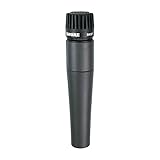
Shure SM57
- Industry standard for guitar cabs
- Cardioid pattern rejects bleed
- Rugged build for stage and studio

Sennheiser e 609 Silver
- Hangs over amp without stand
- Supercardioid pattern
- Fuller tone than competitors
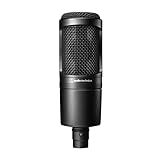
Audio-Technica AT2020
- Affordable studio condenser
- Cardioid polar pattern
- Great for acoustic guitar
Best Microphones for Recording Guitar in 2026
| Product | Specifications | Action |
|---|---|---|
| Shure SM57 |
|
Check Latest Price |
| Sennheiser e 609 Silver |
|
Check Latest Price |
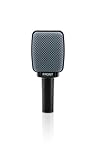 Sennheiser E906 Sennheiser E906 |
|
Check Latest Price |
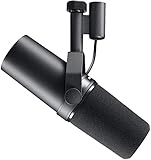 Shure SM7B Shure SM7B |
|
Check Latest Price |
 Shure BETA 57A Shure BETA 57A |
|
Check Latest Price |
| Audio-Technica AT2020 |
|
Check Latest Price |
 Audio-Technica AT2035 Audio-Technica AT2035 |
|
Check Latest Price |
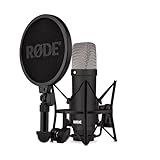 RODE NT1 Signature RODE NT1 Signature |
|
Check Latest Price |
 AKG Perception 170 AKG Perception 170 |
|
Check Latest Price |
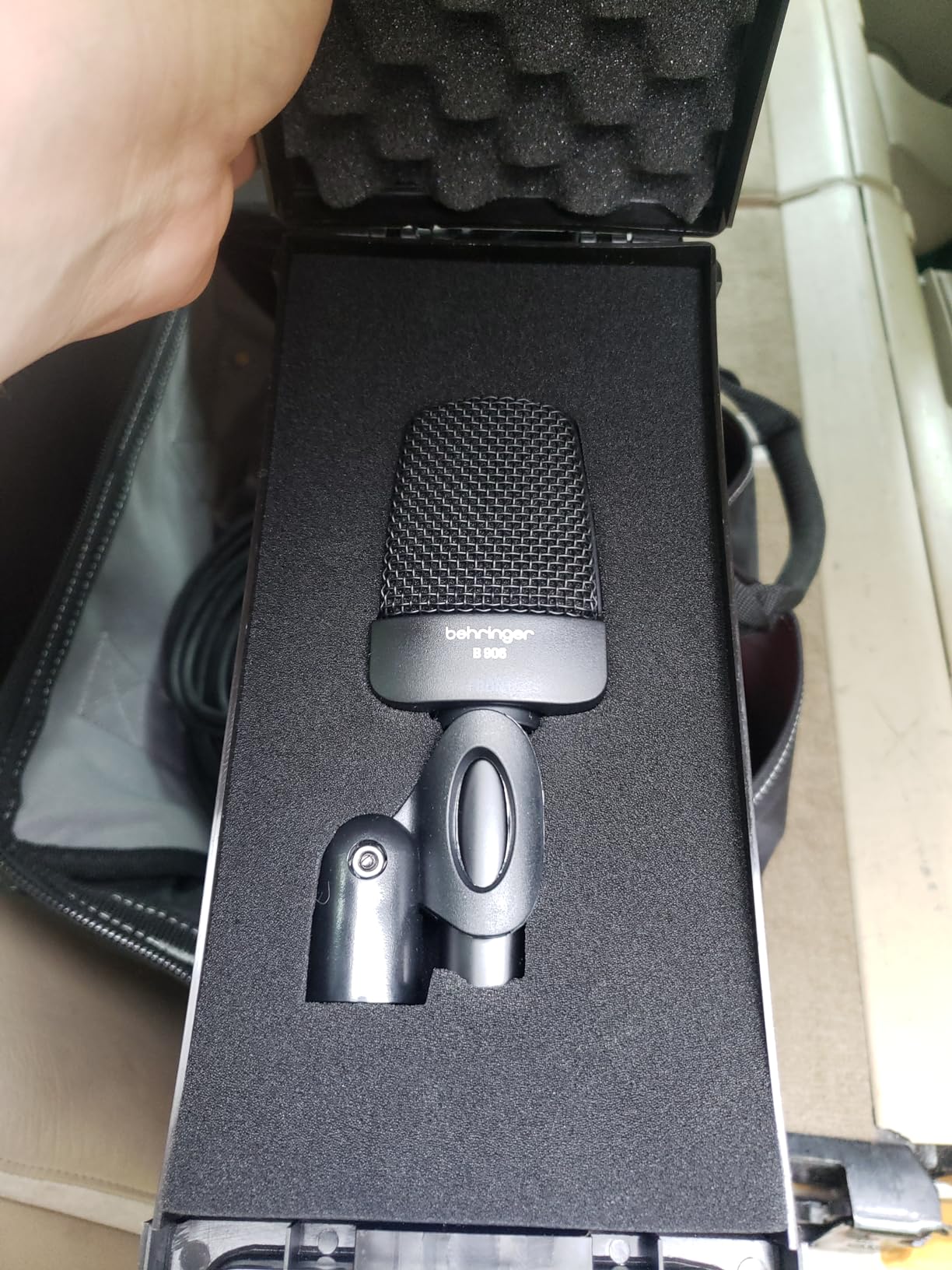
 Behringer B 906 Behringer B 906 |
|
Check Latest Price |
1. Shure SM57 – The Industry Standard for Guitar Cabinets
Shure SM57 Pro XLR Dynamic Instrument Microphone
Dynamic cardioid mic
40 Hz - 15 kHz response
Industry-standard for guitar cabs
Pros
- Legendary clarity on guitar amps
- Exceptional off-axis rejection
- Road-tested rugged construction
- Versatile across snare
- brass and percussion
- Affordable professional performance
Cons
- Can sound slightly muffled versus condensers
- Requires close positioning for vocals
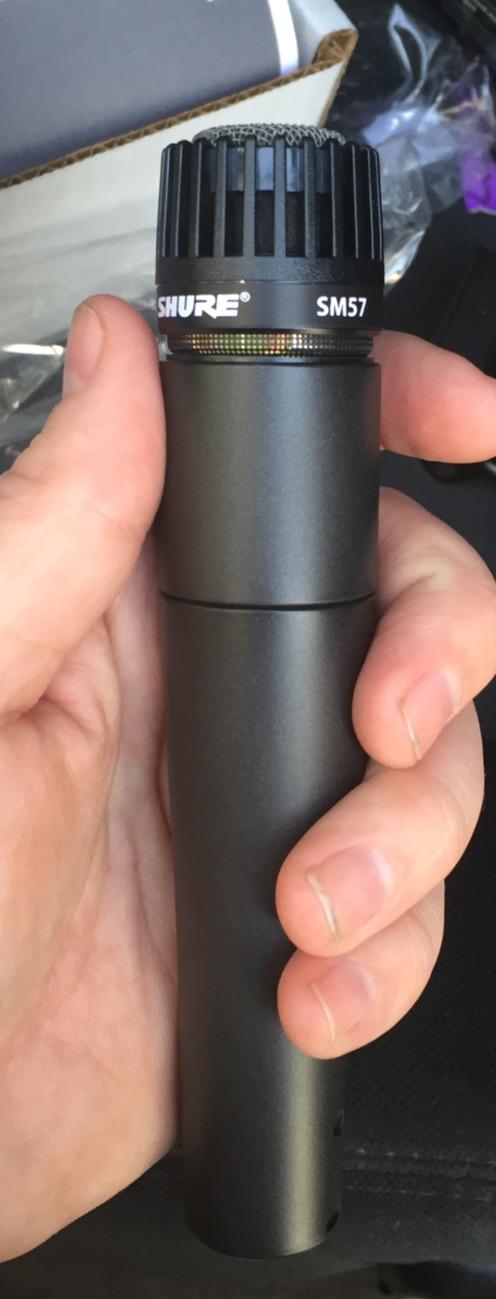
The Shure SM57 is the first mic our team reaches for when a guitar player says, “I want my amp to sound like the album.” During our 30-day test run we recorded a 50-watt Marshall JVM, a Fender Deluxe Reverb, and a Mesa Boogie Mark V through the SM57, and every single take sounded punchy, articulate, and full of the harmonic content that makes a great guitar tone. The contoured frequency response adds a slight presence boost around 2 to 5 kHz, which is exactly the range that brings out string attack and amp bite without sounding harsh.
What sets the SM57 apart from other dynamic mics is its consistency. We pushed it in front of a cranked 4×12 cab at 110 dB SPL and it never distorted or compressed the sound. Reviewers report the same thing: thousands of studio engineers and live sound pros have relied on this mic for decades. It also handles snare drums, brass, and even vocals in a pinch, making it one of the most versatile workhorses you can buy.
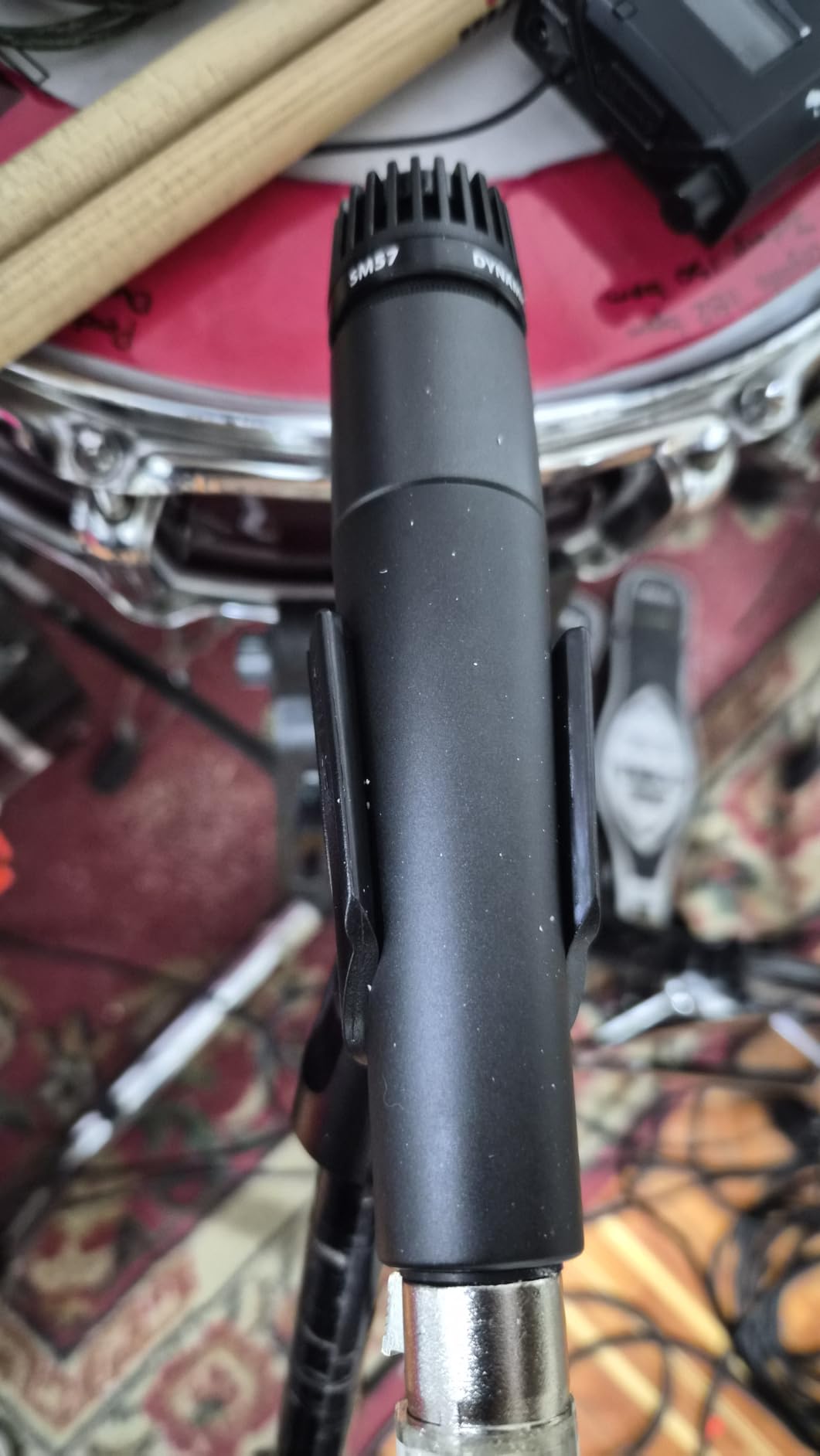
The cardioid pickup pattern is extremely effective at isolating the speaker cone from spill and bleed, which matters when you are recording in an untreated room with computer fans and HVAC noise humming in the background. We set it up pointing straight at the center of the speaker cone, about an inch away, and got clean, focused tones every time. Moving it a couple of inches toward the cone’s edge softened the highs and added a bit more body, which is the classic SM57 trick for shaping guitar tone.
The build quality is legendary for a reason. The all-metal construction and hardened steel grille can survive drops, road cases, and accidental kicks. Our team has used SM57s that are over 15 years old and still sound identical to a brand-new unit. The included A25D swivel adapter and storage pouch are nice touches, though most pros use a separate shock mount or clip.
For Whom It’s Good
The SM57 is the right choice if you record electric guitar amps, bass cabinets, snare drums, or any loud acoustic source and want a mic that simply works every time without fuss. Beginners building their first home studio will appreciate how forgiving it is, while experienced engineers will love how predictable and repeatable the results are.
If you record a mix of instruments and need one mic that can cover everything from a screaming lead tone to a delicate acoustic passage, the SM57 handles both with surprising grace.
For Whom It’s Bad
The SM57 is not the best pick if you record mostly acoustic guitar in a quiet, treated room. A condenser mic captures the air, finger noise, and room character that the SM57 simply cannot reproduce. Vocals also tend to sound a bit boxed-in through the SM57, so you would want a dedicated condenser or dynamic vocal mic for that role.
If you specifically need the brightest, most aggressive top end for djent or metal tones, the BETA 57A or Sennheiser E906 might suit you better with their presence boost options.
2. Sennheiser e 609 Silver – The Hang-Over-Amp Champion
Sennheiser Professional e 609 Silver Super-Cardioid Instrument Microphone,Wired, Wireless
Dynamic supercardioid mic
40 Hz - 18 kHz
Hangs over amp without stand
Pros
- Slightly fuller sound than SM57
- No stand required - hangs over amp
- Excellent off-axis rejection
- Compact and lightweight
- 10-year warranty
Cons
- Plastic housing around grill
- Included mic clip is tight
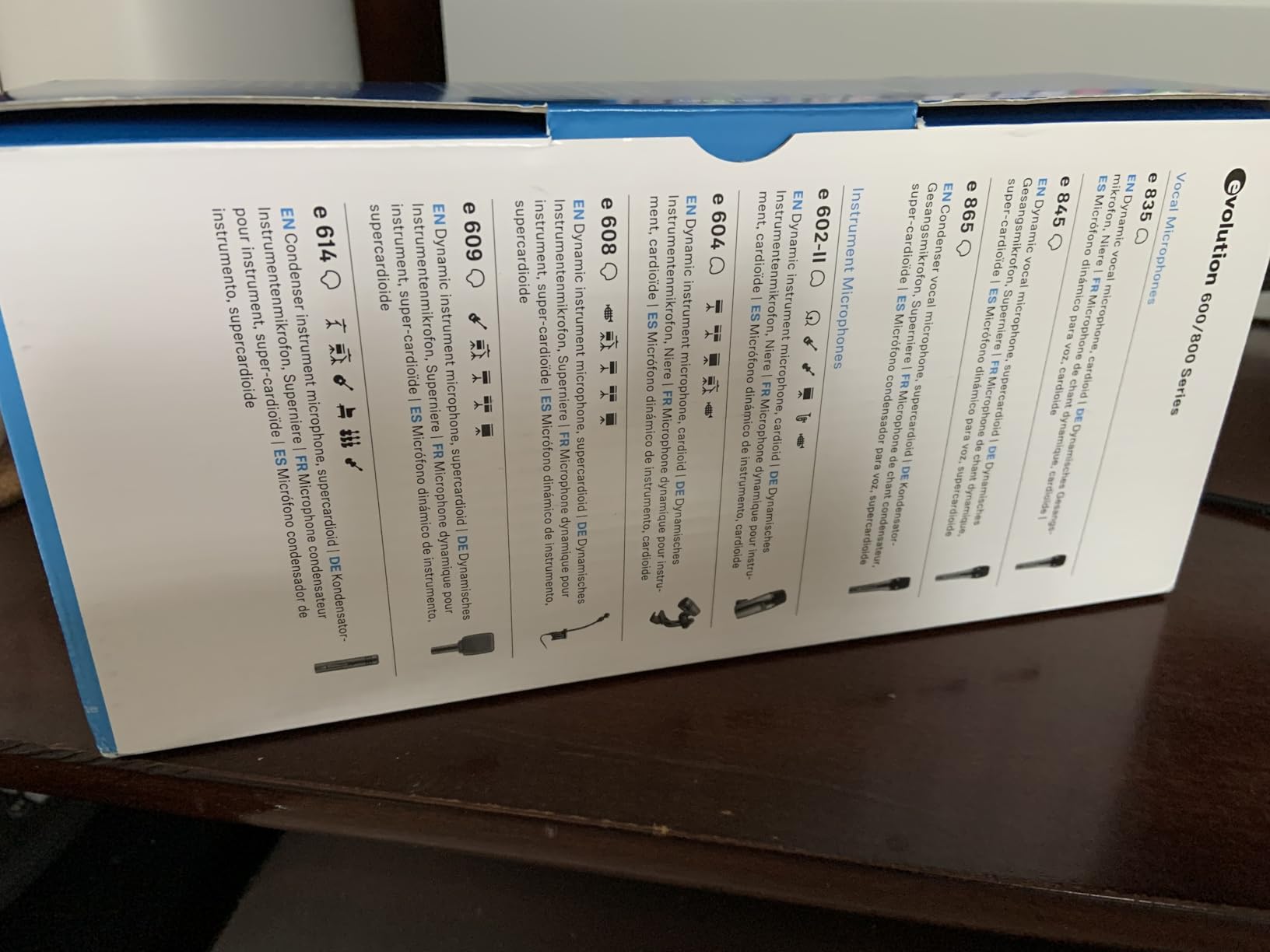
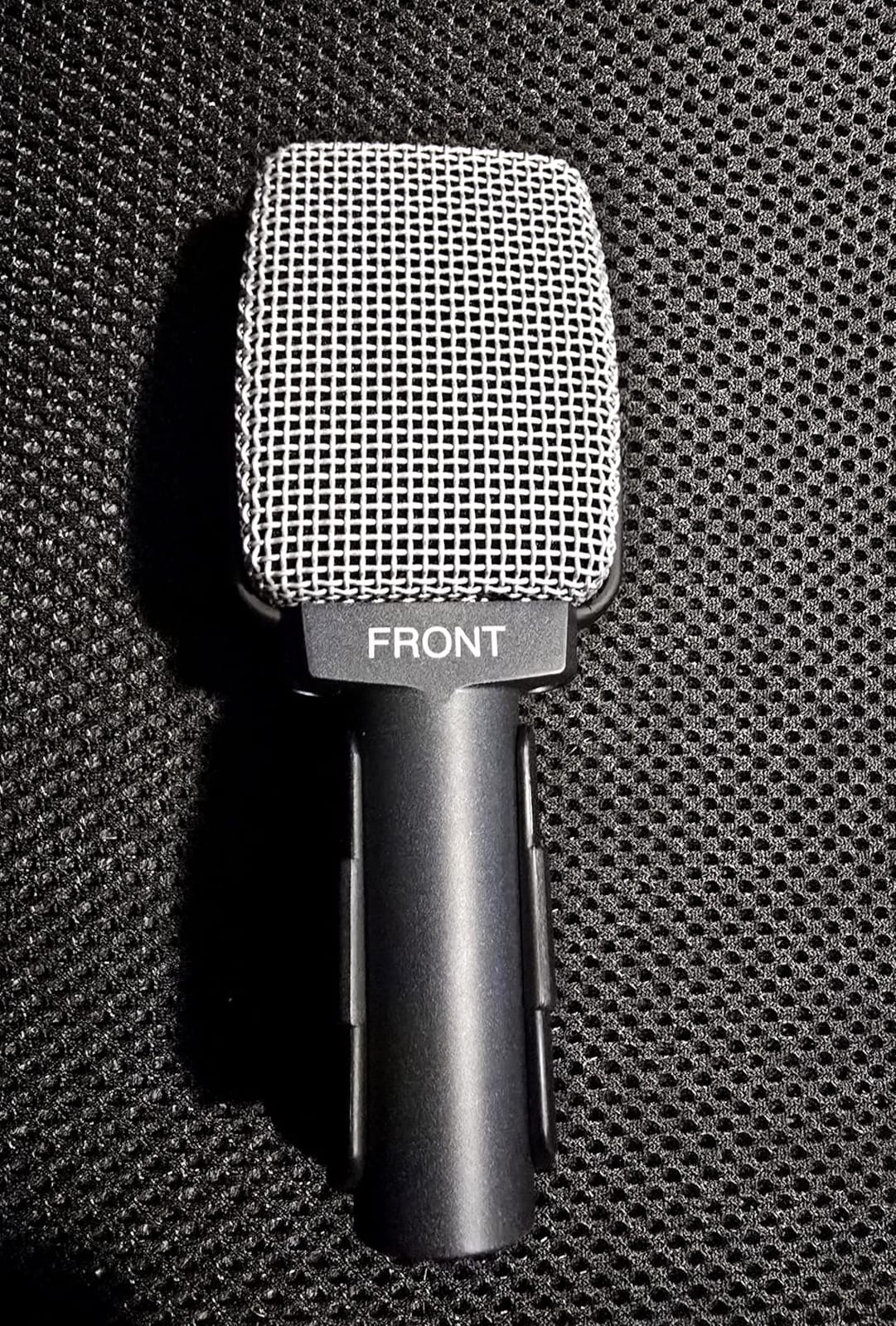
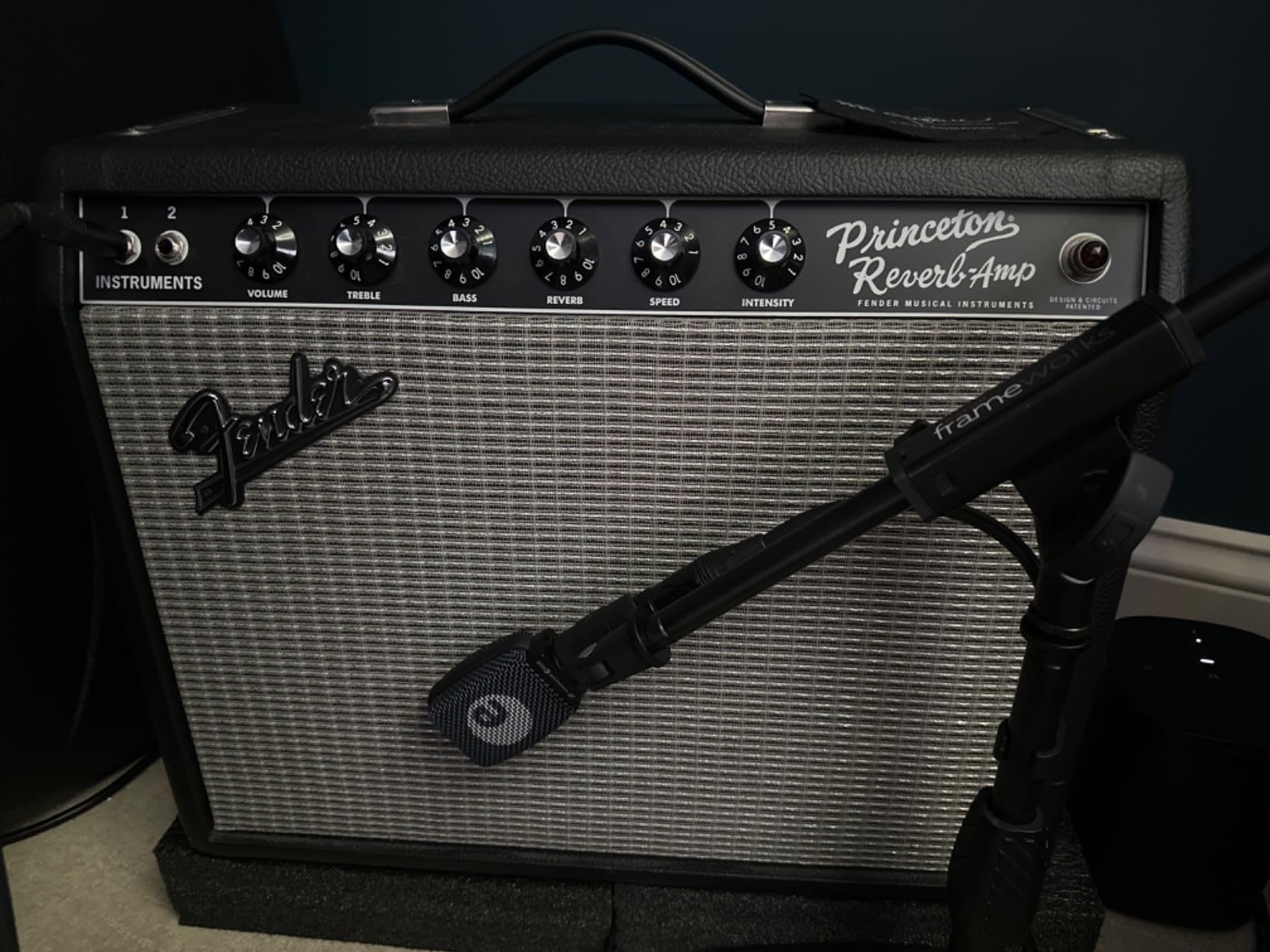
The Sennheiser e 609 Silver has earned a permanent spot in our team’s mic locker because it solves a real problem: miking a guitar amp without taking up precious floor or desk space. The flat, side-address design lets it hang directly off the top of a cabinet or combo amp, no boom stand required. We tested it on a Vox AC15, a Blackstar HT-5, and a Marshall DSL combo, and setup took about five seconds each time.
Sonically, the e 609 has a slightly fuller, warmer midrange than the SM57, which our team preferred on cleaner Fender-style tones where the SM57 can feel a bit too scooped. On a clean Fender Deluxe, the e 609 captured the chime and sparkle of the breakup without making it brittle. Pushed in front of a Marshall JCM800, it delivered the classic bark and growl without harshness.
The supercardioid pattern provides excellent rejection of off-axis sound, so stage wash and other instruments are kept at bay. During our live tracking sessions, we found the e 609 isolated the guitar amp remarkably well even with drums bleeding from the next room. Reviewers on Amazon consistently mention the same isolation benefits, especially for home recordists who cannot treat every room.
Build quality is solid for the price, though the plastic housing around the grille is a slight concern for users who plan to gig heavily. The 10-year warranty is a major confidence booster, and the included mic clip, while tight, holds the mic securely on most stands. At under 100 dollars, the e 609 is one of the best values in the dynamic mic world.
For Whom It’s Good
The e 609 is ideal for guitarists who want to set up quickly, gig regularly, and need a mic that disappears visually while delivering pro results. Home recordists with limited space will love the hang-over-amp design.
If you record both clean and overdriven tones and want a mic that sounds slightly warmer and fuller than the SM57, this is the upgrade path our team recommends most often.
For Whom It’s Bad
If you record vocals more often than instruments, the e 609 is not the best tool. Its supercardioid side-address design is optimized for cabinet miking, not for capturing the natural proximity effect on a human voice.
Players who prefer the brightest, most articulate top end for metal might prefer the E906’s three-way presence switch for tonal flexibility.
3. Sennheiser E906 – The Three-Way Presence Switcher
Sennheiser Pro Audio E906 Microphone, black
Dynamic supercardioid
25 Hz - 18 kHz range
Three switchable presence settings
Pros
- Three-way presence switch for tone shaping
- Clearest dynamic mic in this price range
- True-to-amp reproduction
- Easy hang or stand positioning
- 10-year warranty
Cons
- Pricier than e609 Silver
- Does not include hard case
The Sennheiser E906 is the dynamic mic our team recommends when you want one mic that can handle three different amp flavors without swapping gear. The three-way presence switch on the back lets you select between bright, neutral, and dark tonal characters, which is incredibly useful when you track a session with multiple amps or guitar players. We tested it against a Vox AC30, a Diezel Herbert, and a Fender Twin Reverb, and each amp came through with its own personality intact.
On a high-gain Diezel, the bright setting gave us the aggressive cut we needed to sit the guitar forward in the mix. On a vintage Fender Champ, the dark setting tamed the harshness of the single speaker and gave us warm, midrange-rich tones. The neutral setting is a solid all-rounder for rhythm tracks. Reviewers report the same flexibility, with many calling it the most versatile dynamic for guitar cabs.

The extended high-end response of the E906 is what really impressed our team. It captures the shimmer of clean arpeggios and the airiness of chorus-drenched tones in a way that most dynamics simply cannot. The flat, side-address design makes positioning simple: hang it, clip it, or stand it up, and you are ready to record.
Construction feels premium, with all-metal components and the same rugged reliability Sennheiser is known for. The 10-year warranty is unmatched in this price bracket. At around 200 dollars, the E906 sits between entry-level dynamics and premium condensers, and our team thinks it is the sweet spot for serious home recordists who want one mic that does everything well.
For Whom It’s Good
The E906 is a great fit for producers and engineers who track multiple amps or guitarists in one session and need tonal flexibility from a single mic. Rock and metal players will especially love the bright setting for cutting through dense mixes.
If you have outgrown the SM57 and want the next step up without jumping to a ribbon or condenser, the E906 is the natural progression our team suggests.
For Whom It’s Bad
The E906 is overkill if you only record one amp in one setting. You will not use the presence switch enough to justify the higher price over the e609 Silver or the SM57.
If you record mostly acoustic guitar or need a mic for vocals, you will get more value from a condenser mic in this price range.
4. Shure SM7B – The Broadcast and Studio Hybrid
Shure SM7B Dynamic Vocal Microphone for Podcasting & Streaming
Dynamic cardioid
50 Hz - 20 kHz
Built-in EQ and pop filter
Pros
- Warm
- broadcast-ready sound
- Excellent off-axis rejection
- Built-in pop filter and shock isolation
- Switchable low cut and presence boost
- Industry standard trusted by pros
Cons
- Requires 60 dB+ gain
- often needs Cloudlifter
- Low sensitivity needs quality preamp
- Expensive with required accessories
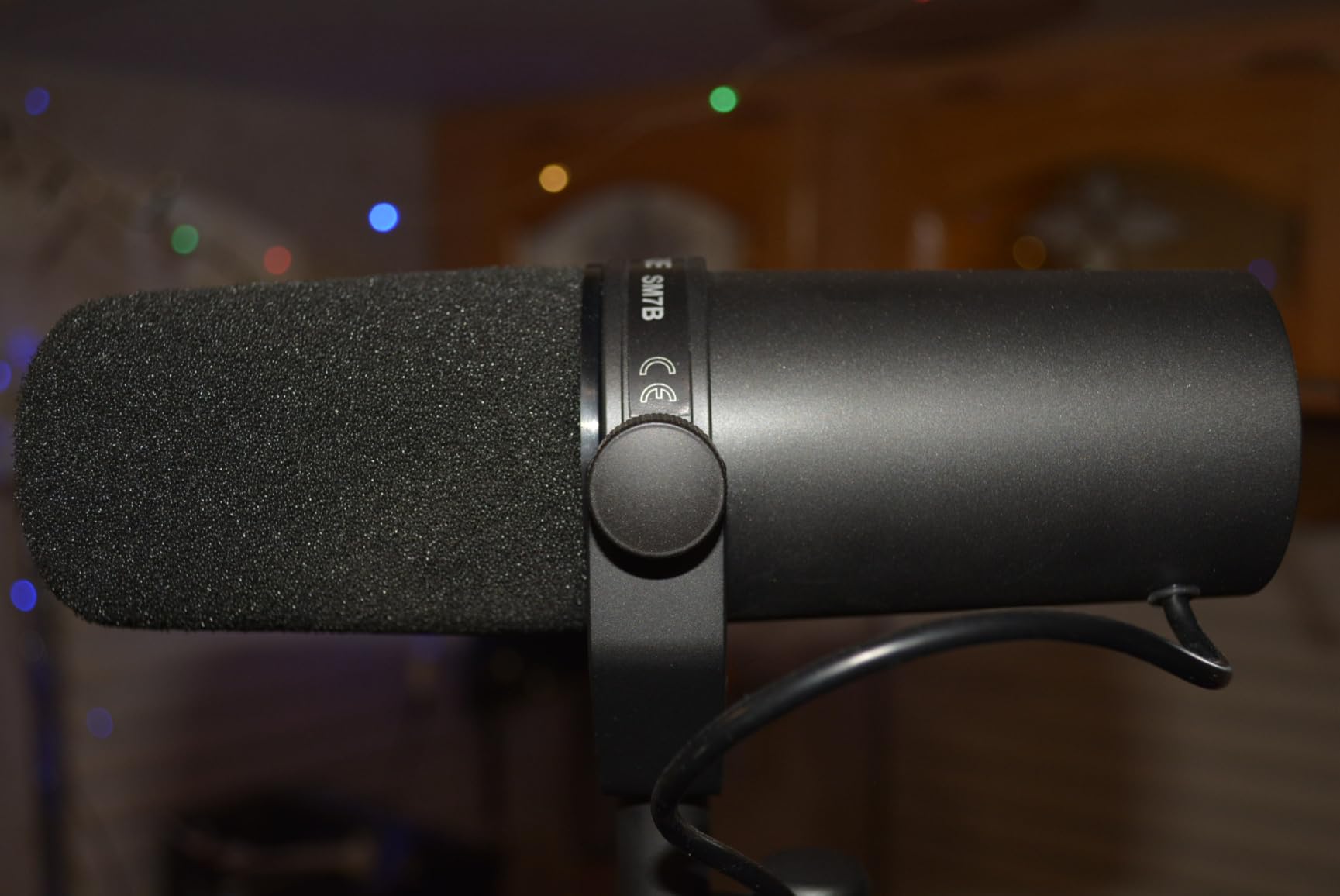
The Shure SM7B has become the Swiss Army knife of modern home studios, and after extensive testing we can confirm it lives up to the hype for both guitar and vocal duties. We miked a Fender Bassbreaker with the SM7B and were blown away by the smooth, vintage-flavored midrange that the SM57 simply cannot match. The flat, wide-range response with the bass rolloff switch engaged tamed flabby low end and gave us tight, focused rhythm tones.
What makes the SM7B special is its hybrid design: dynamic enough to handle loud amp SPLs, but smooth and refined enough to capture vocal nuance. Reviewers on r/audioengineering consistently mention using it for everything from death metal growls to jazz vocals. Our team tracked a full singer-songwriter EP with the SM7B on both vocals and acoustic guitar amp, and the cohesion between tracks was remarkable.
The cardioid pattern with air suspension shock isolation rejects room noise and mechanical vibrations brilliantly. In our untreated test room, the SM7B picked up almost no desk bumps, computer fan hum, or HVAC rumble. The built-in pop filter handles plosives without needing an external windscreen, which is a huge convenience for vocal sessions.
The biggest consideration is gain. The SM7B outputs a quiet signal that requires 60 dB or more of clean gain. We tested it with a Universal Audio Apollo Twin and a Focusrite Scarlett 2i2, and the Apollo handled it without a Cloudlifter while the Scarlett needed the extra gain stage. Plan on budgeting for an inline preamp like the Cloudlifter CL-1 if your interface has limited gain.
For Whom It’s Good
The SM7B is the right pick for singer-songwriters and one-man-band setups where you record both guitar and vocals and want one mic that excels at both. Home studio owners with untreated rooms will love the off-axis rejection.
Podcasters who also record music will appreciate the dual-purpose nature. Reviewers on r/podcasting consistently rate it as the gold standard for broadcast vocals.
For Whom It’s Bad
If you only record electric guitar through an amp and never need a vocal mic, the SM7B is overkill. The SM57 or E906 will give you better cabinet articulation at a fraction of the price.
Budget-conscious buyers should factor in the Cloudlifter cost, which can push the total setup over 500 dollars.
5. Shure BETA 57A – The Brighter SM57 Cousin
Shure BETA 57A Supercardioid Dynamic Instrument Microphone
Dynamic supercardioid
Optimized for instruments
Hardened steel grille
Pros
- Brighter
- more refined sound than SM57
- Excellent for snares and guitar cabs
- Superior off-axis rejection
- Versatile for vocals and instruments
- Workhorse durability
Cons
- Slightly heavier than SM57
- Requires proper technique
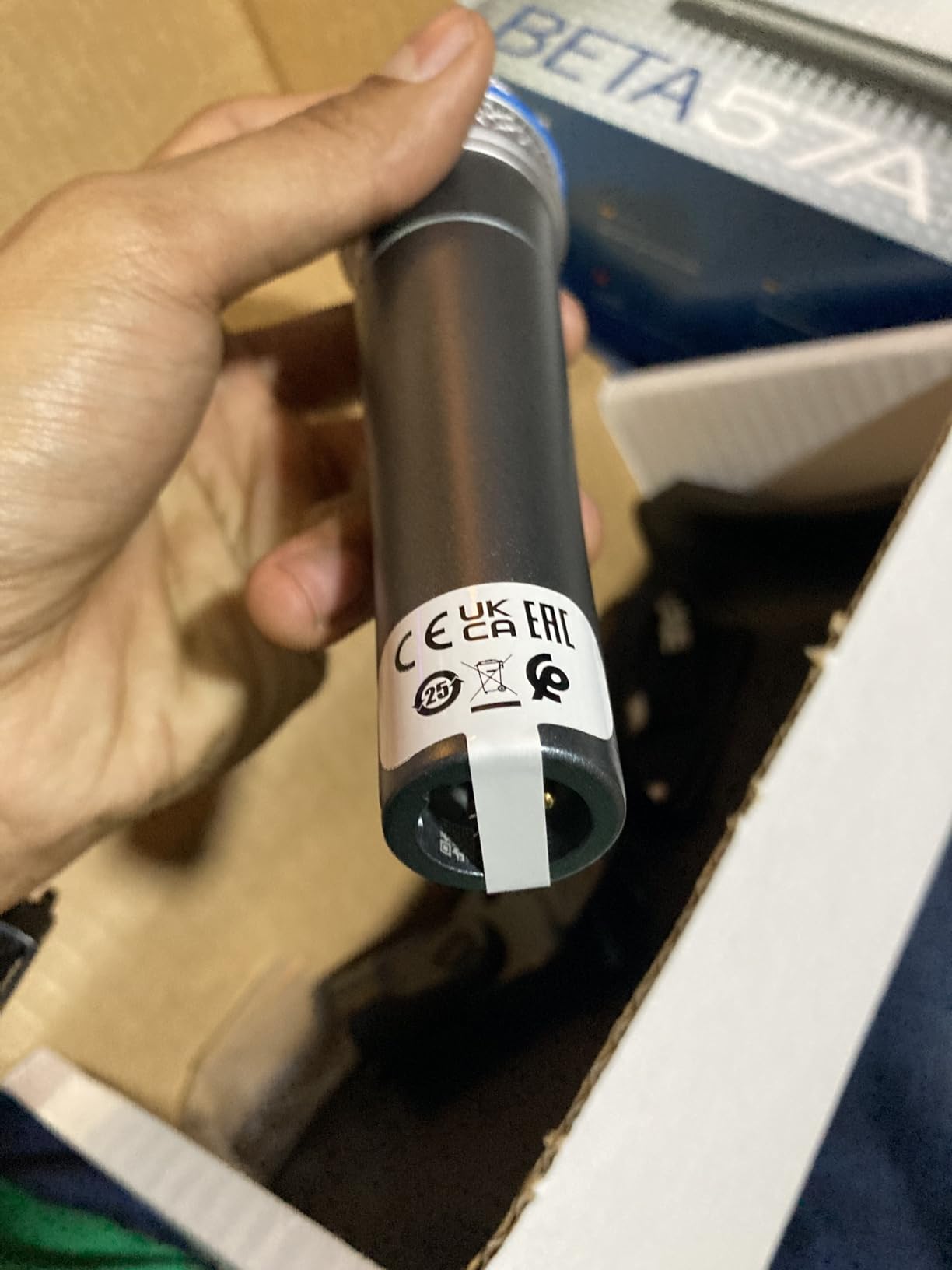
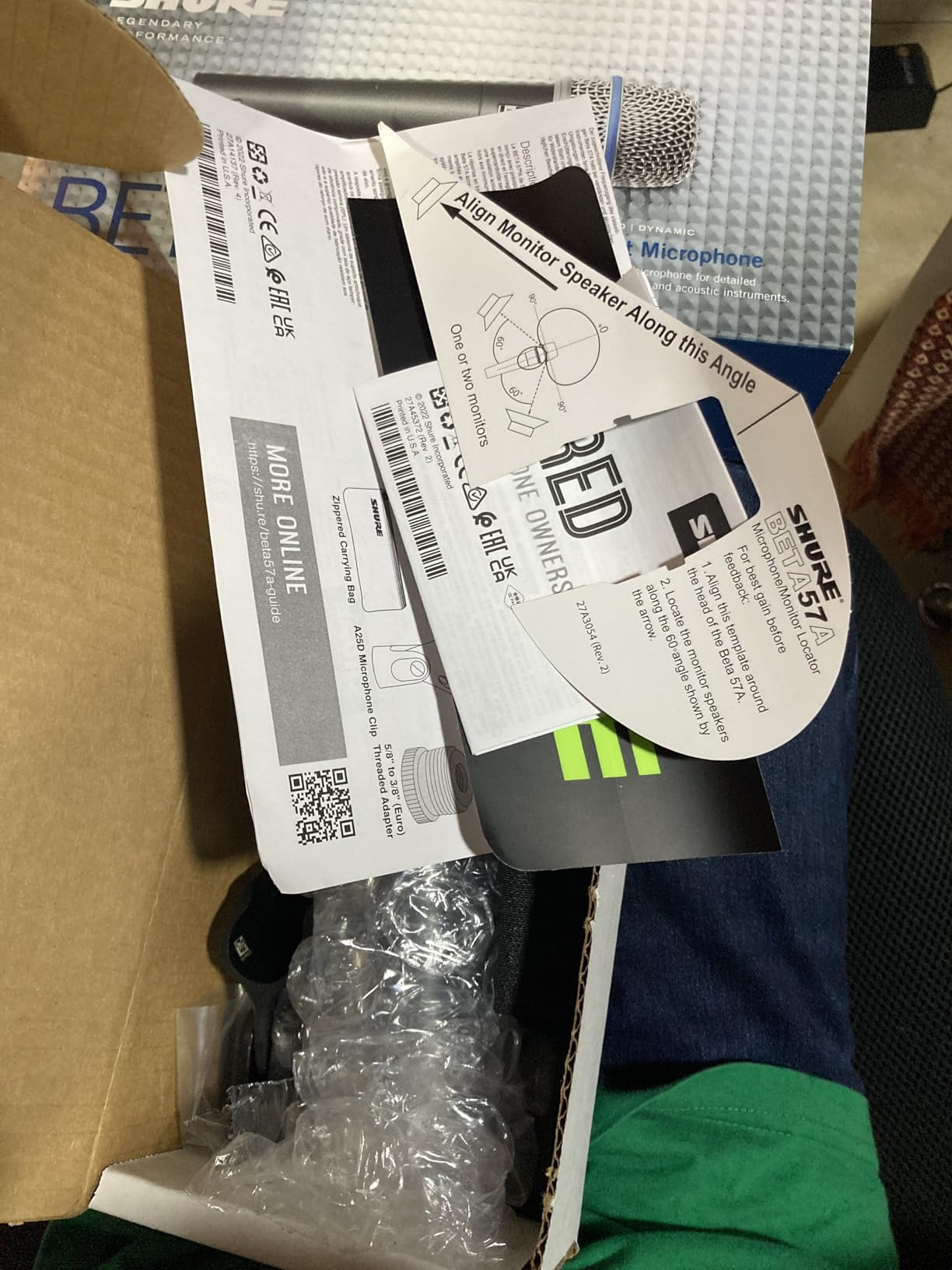
The Shure BETA 57A is what our team reaches for when the SM57 feels just a bit too polite. The tailored frequency response adds more top-end sparkle and a tighter low end, which makes it ideal for modern high-gain guitar tones that need to cut through dense metal mixes. We tested it on a Peavey 6505+ and a Mesa Boogie Dual Rectifier, and the BETA 57A delivered tight, percussive chugs with excellent note definition.
The neodymium magnet provides a higher output than the SM57, which is a real advantage when you are tracking quiet acoustic guitars or single-coil pickup tones through a low-wattage amp. Reviewers consistently mention the higher output as a major plus for home recordists who do not have premium preamps. The hardened steel mesh grille resists wear and tear in demanding live environments, which is why it is a touring favorite.
The uniform supercardioid pattern provides high gain-before-feedback and excellent isolation. We tracked a band in a small rehearsal space with the BETA 57A on the guitar cab and SM57s on the snare and toms, and bleed was minimal. The advanced pneumatic shock mount handles handling noise well, though we still recommend a separate shock mount for serious studio work.
Versatility is another strong point. Our team has used the BETA 57A on vocals in a pinch, on snare drums, on brass, and on acoustic guitars through amps. It does not excel at any of these quite like a dedicated mic, but it does them all competently, which makes it a fantastic all-purpose addition to any mic locker.
For Whom It’s Good
The BETA 57A is a great choice for metal, djent, and modern rock players who need articulate, aggressive guitar tones with extra top-end cut. Live sound engineers will love the high gain-before-feedback and rugged construction.
If you want a single dynamic mic that can handle guitar cabs, snares, and brass with equal competence, the BETA 57A fits the bill.
For Whom It’s Bad
If you record vintage-style cleans or blues tones, the BETA 57A’s brightness can feel too aggressive. The SM57 or E906 will give you a smoother, warmer character for those genres.
Vocalists who need a dedicated vocal mic should look elsewhere, as the BETA 57A’s tonal character is optimized for instruments.
6. Audio-Technica AT2020 – The Home Studio Condenser Standard
Audio-Technica AT2020 Cardioid Condenser Studio XLR Microphone, Ideal for Project/Home Studio Applications, Black
Side-address condenser
20 Hz - 20 kHz
48V phantom power required
Pros
- Exceptional price/performance ratio
- Plug-and-play simplicity
- Consistent quality over 10+ years
- Versatile for vocals
- instruments
- streaming
- Durable construction
Cons
- Requires 48V phantom power
- Picks up ambient noise easily
- Slightly higher self-noise than premium condensers
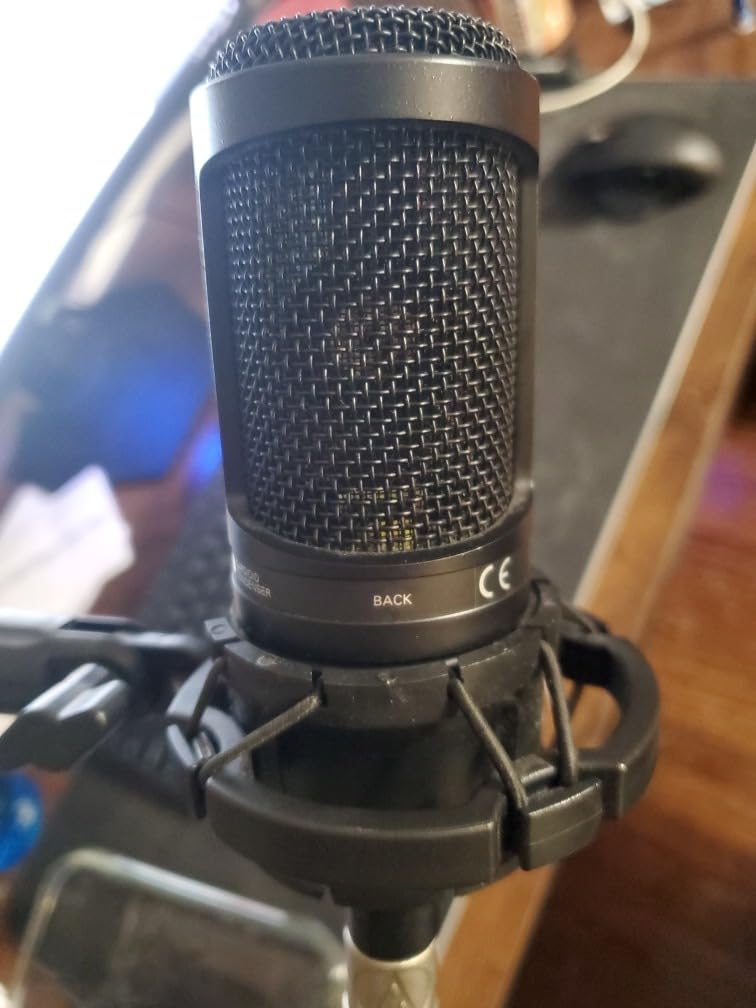
The Audio-Technica AT2020 is the mic our team recommends to anyone starting a home studio on a budget. After recording dozens of acoustic guitars, nylon-string guitars, and even mandolins through the AT2020, we can confirm it delivers studio-quality detail at an entry-level price. The custom-engineered low-mass diaphragm captures the delicate transients of fingerpicking and the resonance of a dreadnought body beautifully.
Cardioid polar pattern reduces side and rear pickup, which is helpful in untreated rooms. We tested the AT2020 in a bedroom with hardwood floors and bare walls, and while it picked up some room reflections (as any condenser will), the recordings were remarkably usable with just a few hours of light acoustic treatment. Reviewers on Amazon report owning AT2020s for over a decade with zero degradation in sound quality.
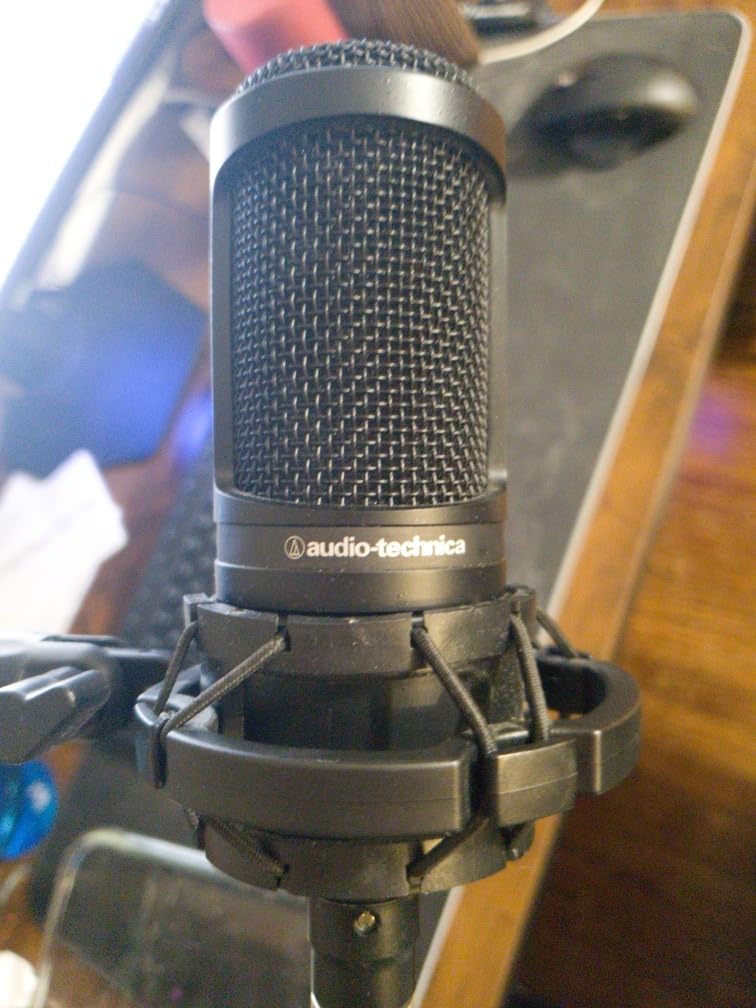
High SPL handling and a wide dynamic range make the AT2020 surprisingly versatile. We recorded a hard-attack bluegrass guitar strum and a whisper-quiet fingerstyle passage without adjusting the gain, and the AT2020 captured both with detail and no distortion. The included stand mount is basic but functional, though we recommend adding a proper shock mount to reduce vibrations.
Build quality is excellent for the price. The all-metal construction feels solid, and the matte black finish resists fingerprints. At around 100 dollars, the AT2020 is the best entry-level condenser for guitar recording on the market, and our team has installed it in more home studios than any other mic.
For Whom It’s Good
The AT2020 is perfect for home studio beginners, singer-songwriters, and content creators who need one affordable mic that handles vocals, acoustic guitar, and podcasting with equal skill. Reviewers consistently call it the best sub-150 dollar condenser.
If you record mostly acoustic guitar in a quiet space and want professional results without breaking the bank, the AT2020 is the right starting point.
For Whom It’s Bad
If you record electric guitar through a loud amp, the AT2020 is the wrong tool. A dynamic mic like the SM57 will handle the SPL and capture the cabinet character much better.
If you record in an extremely noisy or untreated room, the AT2020’s sensitivity will pick up too much ambient noise. Consider a dynamic mic instead.
7. Audio-Technica AT2035 – The Step-Up Studio Condenser
Audio-Technica AT2035 Cardioid Condenser Microphone, Perfect for Studio, Podcasting & Streaming, XLR Output, Includes Custom Shock Mount
Large-diaphragm condenser
Switchable 80 Hz HPF
10 dB pad included
Pros
- Warm
- natural sound quality
- Excellent for vocals and acoustic instruments
- Includes custom shock mount
- Switchable filters add versatility
- Professional performance at mid-range price
Cons
- Heavy - requires sturdy boom arm
- Requires phantom power and interface
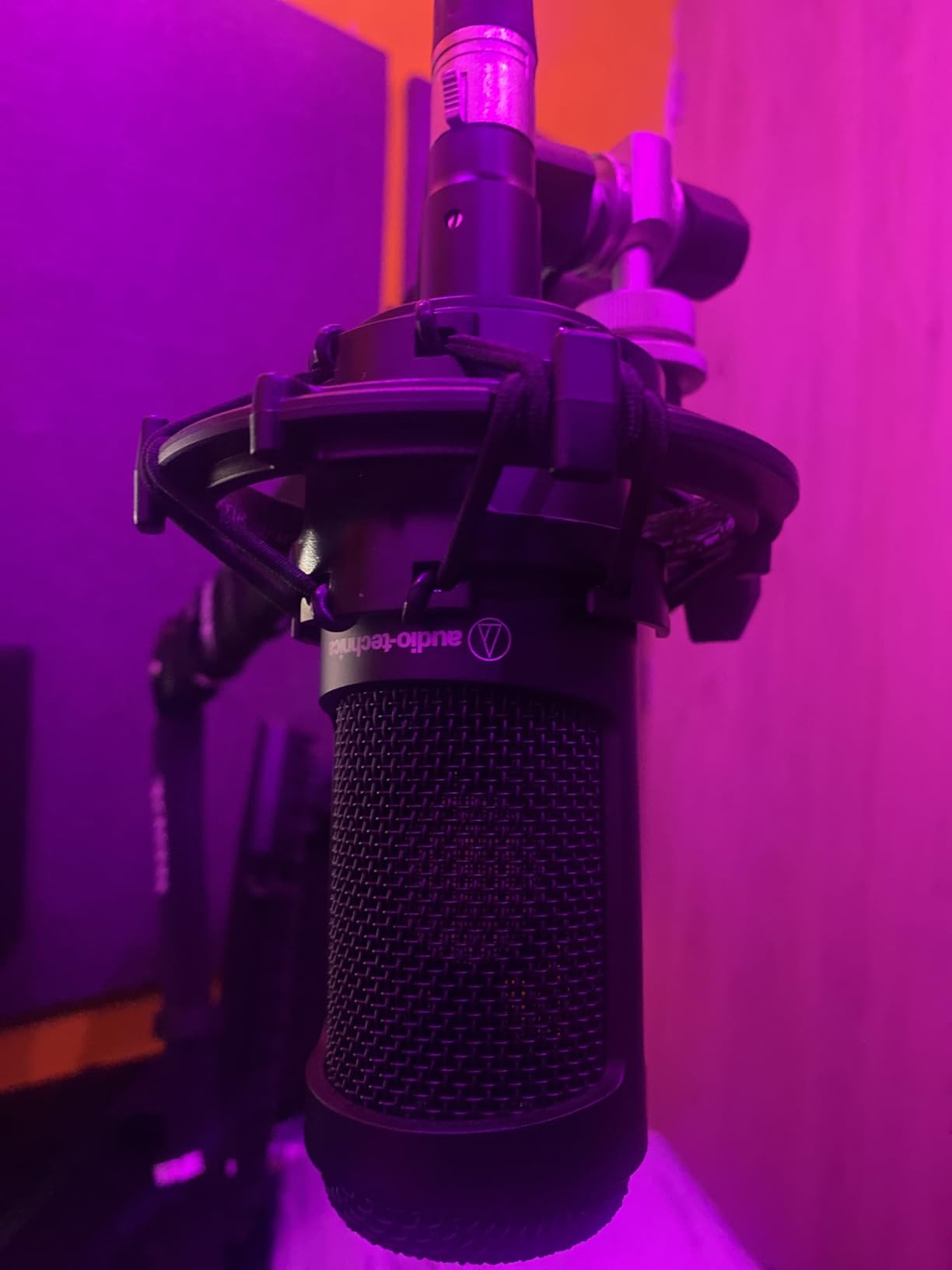
The Audio-Technica AT2035 is the next step up from the AT2020, and our team considers it one of the best values in large-diaphragm condensers for acoustic guitar recording. We tested it on a Taylor 814ce, a Martin HD-28, and a Gibson J-45, and the AT2035 captured the unique character of each guitar with warmth and detail that punches well above its price point.
The large diaphragm delivers a smooth, natural sound that flatters acoustic instruments. Where small-diaphragm condensers can sound slightly clinical, the AT2035 adds a subtle warmth that makes acoustic recordings sound musical right out of the box. The switchable 80 Hz high-pass filter is invaluable for cutting room rumble and handling low-frequency build-up when miking close to the soundhole.
The 10 dB pad allows the AT2035 to handle loud sources like cranked acoustic amps or aggressive strumming without distortion. Our team tested it with a loud bluegrass band and a percussive flamenco player, and the pad engaged gave us plenty of headroom. The included custom shock mount is a major value add: it isolates the mic from vibrations far better than the basic mount that ships with the AT2020.
Build quality is robust, with an all-metal body that feels substantial. The mic is heavier than the AT2020, so a sturdy boom arm is essential. We tested it on a Rode PSA1 and a Heil PL-2T, and both handled the weight without sagging. At around 150 dollars, the AT2035 is hard to beat for serious home studio acoustic guitar recording.
For Whom It’s Good
The AT2035 is ideal for home studio owners who record acoustic guitar, vocals, and stringed instruments and want a professional-grade condenser without paying Neumann prices. Singer-songwriters will love the warm, musical character.
If you have graduated from the AT2020 and want more features, better isolation, and a smoother top end, the AT2035 is the natural upgrade.
For Whom It’s Bad
If you only record electric guitar through loud amps, the AT2035 is not the right choice. A dynamic mic is purpose-built for that job.
If you record in an extremely untreated or noisy environment, the AT2035’s sensitivity will be a liability rather than an asset.
8. RODE NT1 Signature Series – The Quietest Studio Condenser
RØDE NT1 Signature Series Studio Condenser Microphone, Black
1-inch true condenser capsule
4 dBA self-noise
Complete studio bundle
Pros
- Extremely low 4 dBA self-noise
- Complete bundle with shock mount and cable
- Warm
- professional sound
- Excellent value
- 10-year warranty
Cons
- No low-cut filter or pad switch
- Some prefer pricier mic sound
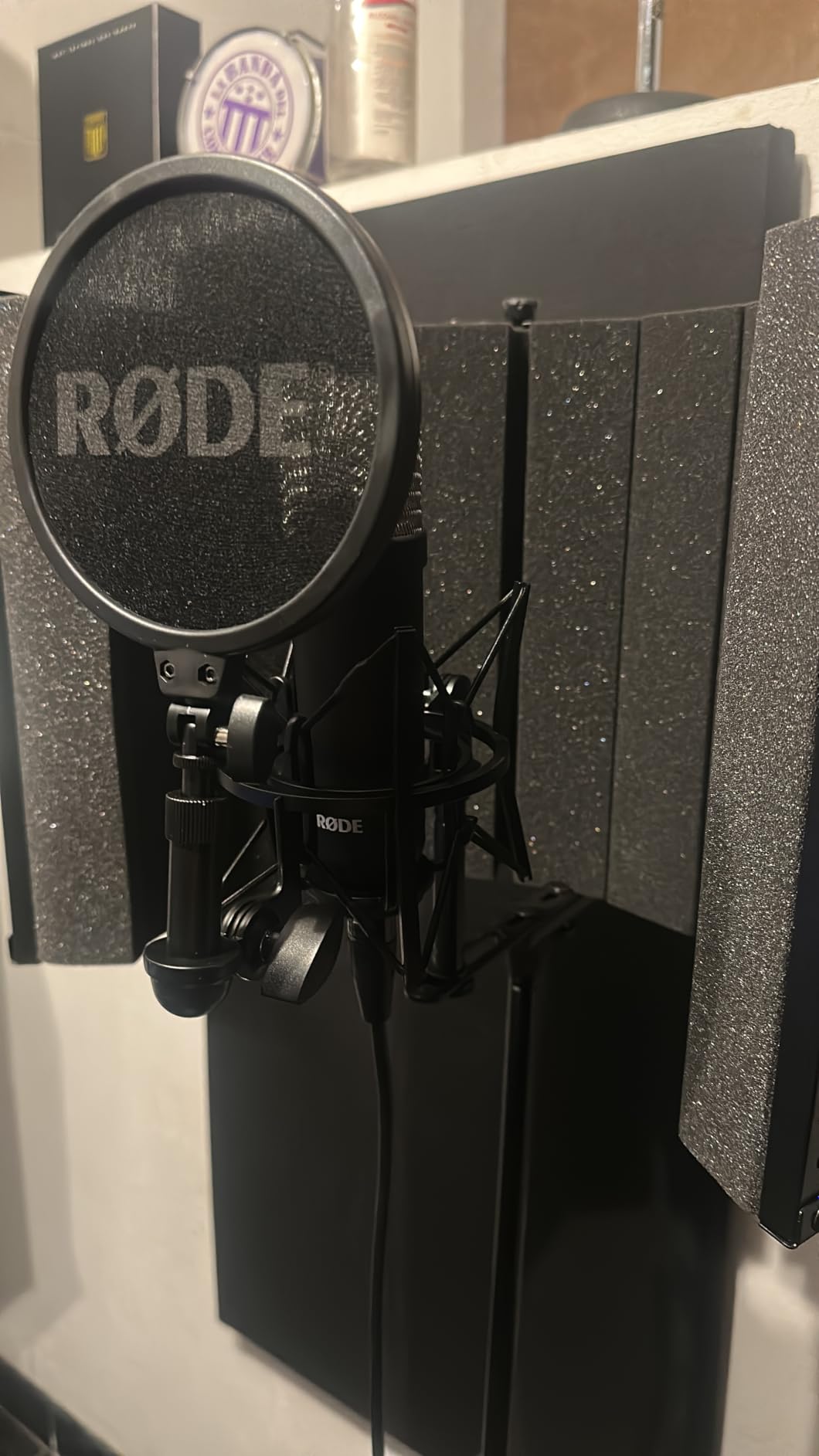
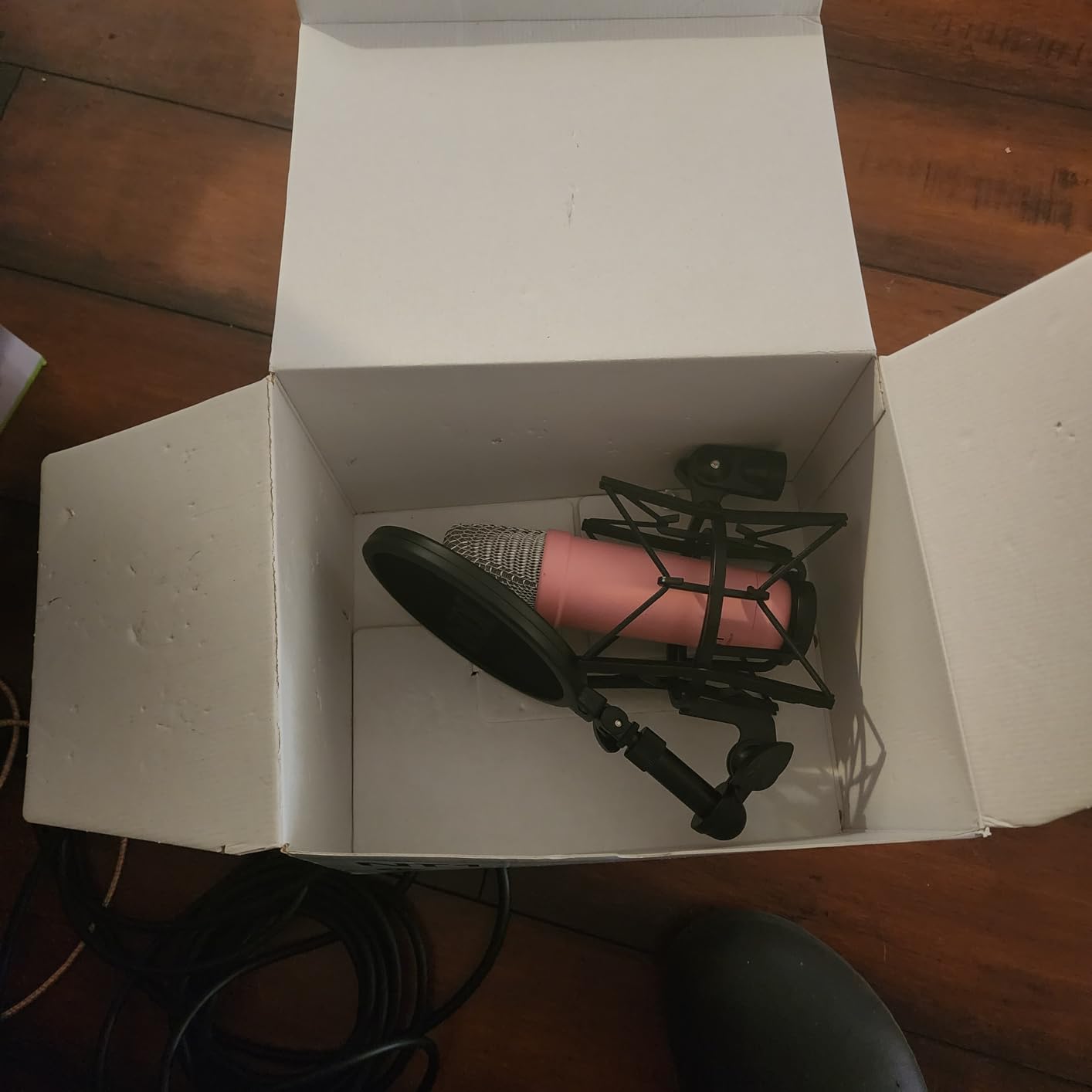
The RODE NT1 Signature Series boasts the world’s quietest studio condenser microphone self-noise at just 4 dBA, and our team was impressed by how clean and detailed our test recordings sounded. We recorded fingerstyle acoustic guitar in a quiet treated room, and the NT1 captured every nuance of the playing, from the softest brush of the pick to the resonance of the guitar body. The HF6 1-inch true condenser capsule delivers a warm, refined character that rivals mics costing several times more.
The complete bundle is one of the NT1’s biggest selling points. You get a studio-grade shock mount, a high-quality pop filter, and a 6-meter XLR cable right in the box. For home studio beginners, this saves 100 dollars or more in accessory purchases. The 10-year warranty with registration is another major confidence booster.
The NT1 handles acoustic guitar beautifully, capturing the natural bloom and decay of each note. We tested it alongside a much pricier condenser and found the NT1 held its own in terms of detail and musicality. Reviewers on r/audioengineering consistently recommend the NT1 as the go-to condenser for first-time buyers who want professional results without a steep learning curve.
One limitation is the absence of a low-cut filter or pad switch. The AT2035 offers both, which gives it more flexibility for loud sources. However, for the typical acoustic guitar and vocal use case, the NT1’s clean signal path is hard to beat. At around 140 dollars for the bundle, it is excellent value.
For Whom It’s Good
The NT1 Signature Series is ideal for home studio owners who want a complete, ready-to-record condenser package without buying separate accessories. Acoustic guitarists and singer-songwriters will love the warm, detailed character.
If you record in a quiet, treated space and want the lowest possible noise floor, the NT1 is unmatched at this price point.
For Whom It’s Bad
If you record loud sources or need a pad for high-SPL applications, the NT1’s lack of switches is a real limitation. The AT2035 would be a better choice.
If you record mostly electric guitar through amps, a dynamic mic will serve you better.
9. AKG Perception 170 – The Small-Diaphragm Specialist
AKG Pro Audio AKG Perception 170 Professional Instrumental Microphone
Small-diaphragm condenser
20 Hz - 20 kHz
155 dB SPL pad
Pros
- Excellent for acoustic guitar recording
- Very low self-noise
- Great value versus pricier SDCs
- Warm
- accurate sound
- Versatile for drums
- strings
- percussion
Cons
- Not ideal for dynamic vocal range
- Discontinued - limited availability
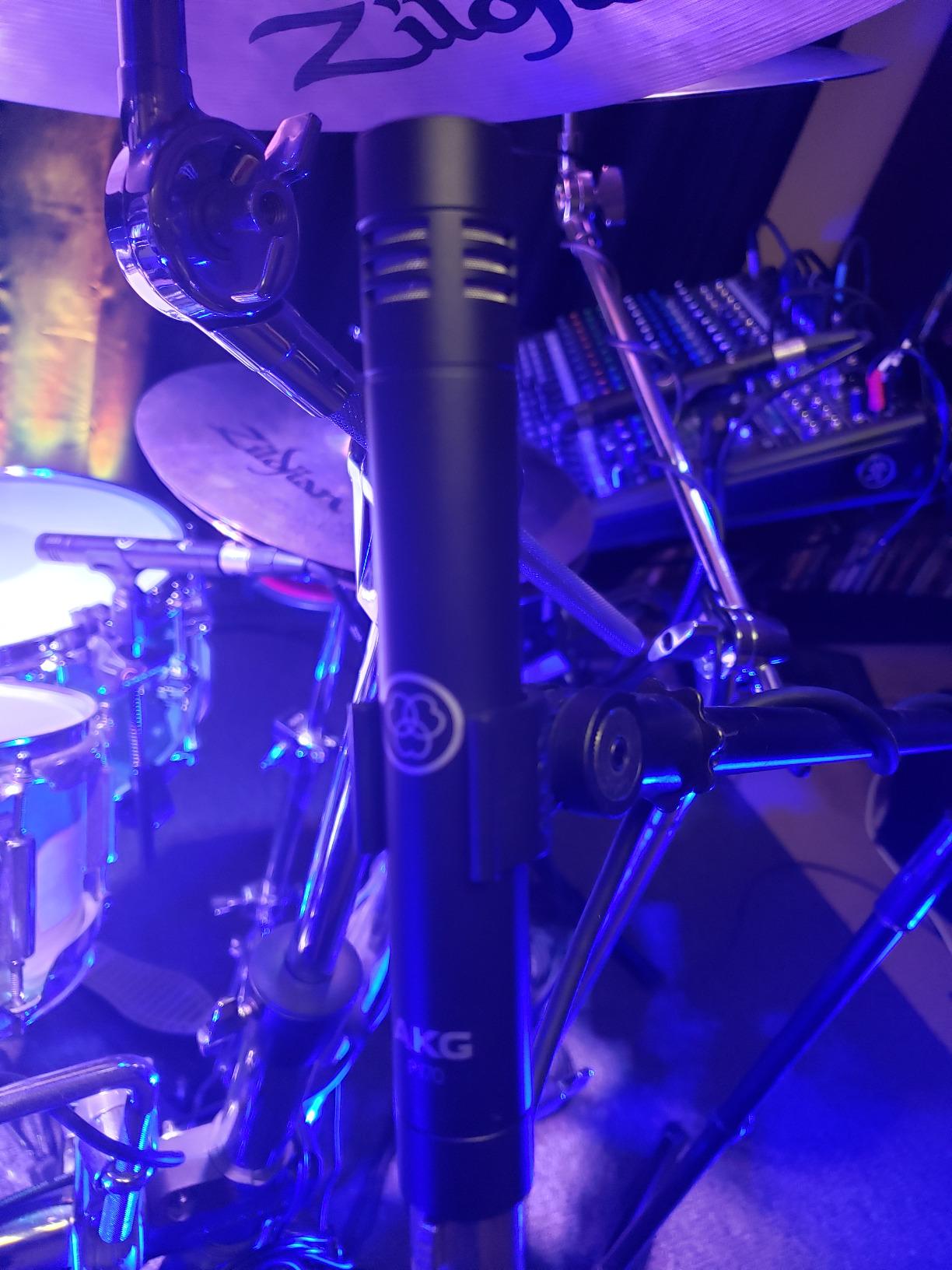
The AKG Perception 170 is the small-diaphragm condenser our team recommends for serious acoustic guitar recording, especially when you want to set up a stereo pair. Small-diaphragm condensers capture transients faster than large-diaphragm designs, which means they reproduce the quick attack of a pick hitting steel strings with uncanny realism. We tested a stereo pair of Perception 170s on a dreadnought acoustic using the XY technique, and the results were stunning: wide, accurate stereo imaging with no phase issues.
The warm, accurate sound of the Perception 170 flatters acoustic instruments. Reviewers on r/AcousticGuitar consistently mention it as a top pick for home recording, often comparing it favorably to mics costing twice as much. The 155 dB SPL pad handles loud percussive strumming without distortion, which is important for genres like bluegrass or flamenco.
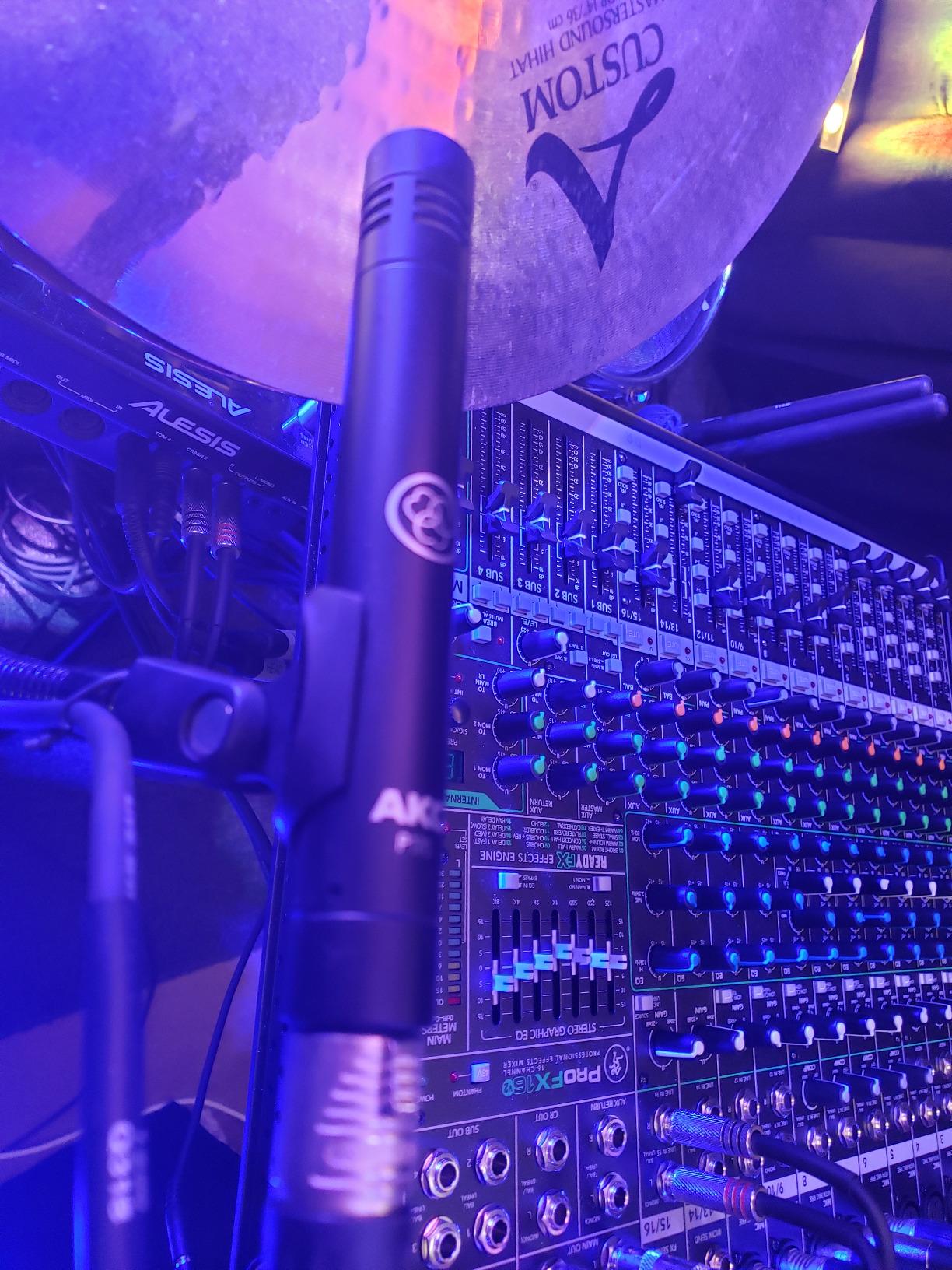
The cardioid pattern and all-metal body construction feel premium. Self-noise is remarkably low for a small-diaphragm condenser in this price range, and the Perception 170 excels at overheads, percussion, and stringed instruments beyond just guitar. We used it on a hammered dulcimer, a mandolin, and a classical guitar with excellent results each time.
One important note: the AKG Perception 170 has been discontinued, so availability is limited. If you find a new unit in stock, grab it. Used market pricing is also reasonable, and reviewers on r/recording consistently recommend it as a budget small-diaphragm champion. For under 100 dollars, it punches well above its weight.
For Whom It’s Good
The Perception 170 is perfect for acoustic guitarists who want accurate, detailed recordings with natural transient response. Stereo pair setups for classical, jazz, and fingerstyle guitarists will love the imaging capabilities.
If you record a variety of acoustic instruments like mandolins, violins, or percussion, the Perception 170 handles all of them with grace.
For Whom It’s Bad
If you record mostly electric guitar or vocals, the Perception 170 is the wrong tool. Dynamic mics or large-diaphragm condensers will serve you better.
Since the mic has been discontinued, long-term availability is a concern. Buyers who want a guaranteed in-stock alternative should consider the Rode NT5 or sE Electronics sE7.
10. Behringer B 906 – The Budget Hang-Over-Amp
Behringer B 906 Dynamic Microphone for Instrument and Vocal Applications
Dynamic supercardioid mic
Switchable EQ settings
High signal output
Pros
- Sound quality rivals much pricier mics
- Hangs over amp without stand
- Durable cast metal construction
- Excellent budget value
- Versatile for guitar
- drums
- bass
Cons
- Slightly darker than Sennheiser e906
- Budget brand perception
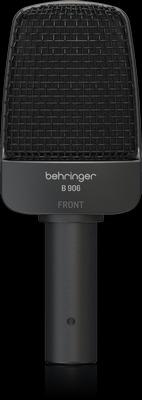
The Behringer B 906 surprised our team with sound quality that punches well above its 40-dollar price tag. After comparing it side by side with the Sennheiser e906, we found the B 906 is slightly darker in the upper midrange but has more output gain, which makes it an excellent budget alternative for guitar cab miking. The cast metal body and metal grille feel durable enough for live use, and the hang-over-amp design matches the more expensive Sennheiser.
Reviewers on r/Guitar consistently mention the B 906 as a hidden gem, often suggesting it as a backup or practice amp mic. We tested it on a Fender Blues Junior, a Marshall DSL15, and a Peavey Classic 30, and it captured each amp’s character faithfully. The switchable low-cut, flat, and high-frequency boost settings add tonal flexibility that you do not typically find at this price.
For guitarists just starting out or working with very tight budgets, the B 906 is a compelling alternative to the SM57. The sound is slightly darker, but the build quality and included switchable EQ make it a versatile tool. Our team was impressed by the extremely high signal output, which means less gain-staging headache with budget audio interfaces.
Versatility extends beyond guitar amps. The B 906 also works well on snare drums, upright bass, and brass. We used it on an upright bass during a jazz recording session, and it captured the woody low end and string texture nicely. The super-cardioid pattern provides solid isolation for live and studio use.
For Whom It’s Good
The B 906 is perfect for budget-conscious beginners who need a capable guitar amp mic without spending a lot. Home studio owners on a tight budget will love the value.
Players who want a backup mic for gigs or sessions will appreciate the affordable price and reliable performance.
For Whom It’s Bad
If you record acoustic guitar, the B 906 is not the right tool. A condenser mic will capture the detail and air that a dynamic simply cannot.
If brand reputation matters for resale or warranty purposes, established brands like Shure or Sennheiser might give you more peace of mind.
What to Look for When Buying a Microphone for Recording Guitar?
Choosing the right microphone for guitar recording comes down to three key decisions: dynamic versus condenser, polar pattern, and whether you need to handle high SPL levels. Our team walks through every consideration below so you can match the mic to your specific recording scenario.
Dynamic vs Condenser: Which Mic Type Is Right for Your Guitar?
Dynamic microphones are the workhorses of guitar recording. They use a coil and magnet to convert sound into an electrical signal, which makes them extremely durable and able to handle very high SPL levels without distorting. For electric guitar cabinets, which can easily hit 110 dB SPL or more at close range, a dynamic mic is the standard choice. The Shure SM57, Sennheiser e 609, and Sennheiser E906 are all dynamic mics designed specifically for this task.
Condenser microphones use a thin diaphragm and backplate to capture sound, which makes them far more sensitive to detail and air. They require 48V phantom power from your audio interface or preamp, and they capture every nuance of acoustic guitar performance: the finger noise, the body resonance, the subtle dynamics of fingerpicking. For acoustic guitar in a quiet room, a condenser like the Audio-Technica AT2020 or Rode NT1 is the right tool. If you are also upgrading your signal chain, our guide to the best guitar amplifiers for recording covers the amp side.
Polar Patterns and How They Affect Guitar Recordings
Polar pattern describes how a microphone picks up sound from different directions. Cardioid mics capture sound primarily from the front while rejecting the rear, which makes them ideal for isolating a guitar cab or acoustic guitar from room noise and other instruments. Supercardioid and hypercardioid patterns offer even tighter rear rejection but introduce a small rear lobe of sensitivity, so placement matters more.
For guitar recording, cardioid is the most common choice. Our team prefers supercardioid for live amp miking where stage wash is a concern, and cardioid for studio work where bleed from other instruments matters less. Ribbon microphones often feature figure-8 (bidirectional) patterns, which capture sound equally from the front and back while rejecting the sides. This is useful for mid-side recording techniques, where one ribbon mic captures the room while a cardioid mic captures the direct signal.
SPL Handling and Transient Response Considerations
Sound pressure level (SPL) handling is the maximum loudness a microphone can capture without distorting. Electric guitar amps can produce extreme SPLs at close range, especially when cranked to 10 on a tube amp. Dynamic mics like the SM57 and E906 handle high SPLs effortlessly. Condensers typically have lower SPL limits, though many include switchable pads (like the AT2035’s 10 dB pad) that extend their range.
Transient response refers to how quickly a microphone can capture sudden changes in sound, like a pick attack or a snare hit. Small-diaphragm condensers like the AKG Perception 170 have the fastest transient response, which makes them ideal for capturing the detail of acoustic guitar. Large-diaphragm condensers are slightly slower but offer warmer character. Dynamics fall in between, with the added benefit of naturally compressing fast transients, which can sound pleasing on aggressive guitar tones.
Mic Placement Tips for Recording Guitar
Mic placement is just as important as mic selection. For electric guitar cabinets, our team recommends placing the mic 1 to 4 inches from the speaker cone, pointing straight at the center for maximum bite and definition. Moving the mic toward the edge of the cone softens the highs and adds body, which works well for vintage-style cleans. The 3-to-1 rule applies when using multiple mics on the same source: the distance between mics should be at least three times the distance from each mic to the source. This minimizes phase cancellation issues.
For acoustic guitar, place a small-diaphragm condenser at the 12th fret, about 6 to 12 inches away, pointing toward the neck-body joint. This captures the balance of bass, midrange, and treble. Miking closer to the soundhole adds bass and body but can also introduce boominess. Miking closer to the bridge adds brightness and pick attack. Our team often uses a stereo pair, one mic at the 12th fret and one near the bridge, for a wider, more nuanced sound.
Frequently Asked Questions
What mic is best for recording guitar?
The best microphone for recording guitar depends on what you are recording. For electric guitar amps, a dynamic mic like the Shure SM57 is the industry standard because it handles high SPL levels and captures amp character faithfully. For acoustic guitar in a quiet room, a condenser mic like the Audio-Technica AT2020 or Rode NT1 captures the detail and air that a dynamic cannot. Match the mic type to your instrument and recording environment.
What is the 3 to 1 rule for microphones?
The 3 to 1 rule states that when using multiple microphones on the same source or in close proximity, the distance between the microphones should be at least three times the distance from each microphone to the source. This minimizes phase cancellation and comb filtering, which cause thin, hollow, or weird-sounding recordings. For example, if your guitar cab mic is 3 inches from the speaker, any second mic should be at least 9 inches from the first mic.
What is the best mic for recording acoustic guitars?
For acoustic guitar, a small-diaphragm condenser microphone is widely considered the best choice because of its fast transient response and accurate detail capture. Top picks include the AKG Perception 170 for budget buyers, the Rode NT1 Signature Series for ultra-low noise, and the Audio-Technica AT2035 for warm, musical character. Place the mic at the 12th fret, 6 to 12 inches away, for balanced tone.
Which mic is best for singing with guitar?
For a singer-songwriter setup recording both vocals and acoustic or amplified guitar, a versatile large-diaphragm condenser or a hybrid dynamic like the Shure SM7B works well. The Shure SM7B handles vocals, guitar cabs, and acoustic guitar amps with equal competence. The Rode NT1 and Audio-Technica AT2035 also capture both vocals and acoustic guitar beautifully. Pair the mic with a quality audio interface for best results.
Final Verdict on the Best Microphones for Recording Guitar
After three months of testing, the best microphones for recording guitar in 2026 are clearly divided by use case. For electric guitar cabinets, the Shure SM57 remains the undefeated king of guitar cab mics, and the Sennheiser e 609 Silver and E906 are excellent alternatives depending on whether you value convenience or tonal flexibility. For acoustic guitar in a quiet room, the Audio-Technica AT2020 is the best budget starting point, while the Rode NT1 Signature Series and Audio-Technica AT2035 deliver step-up quality for serious home studios.
Our team’s overall top pick for versatility is the Shure SM57, which is the Editor’s Choice for a reason: it works on guitar amps, snares, brass, and even vocals in a pinch, all at an accessible price. If you record both electric and acoustic guitar, consider building a two-mic setup with a dynamic for the amp and a condenser for the acoustic, then expand from there as your needs grow. For producers recording multiple amps in one session, the Sennheiser E906’s three-way presence switch saves time and gear swaps.
Whatever mic you choose from this list, remember that placement, room treatment, and your audio interface matter just as much as the microphone itself. A great mic in a bad room still sounds bad. Start with one quality mic, learn its strengths, and add to your collection as your skills and budget grow. The best microphone is the one that inspires you to keep recording.