
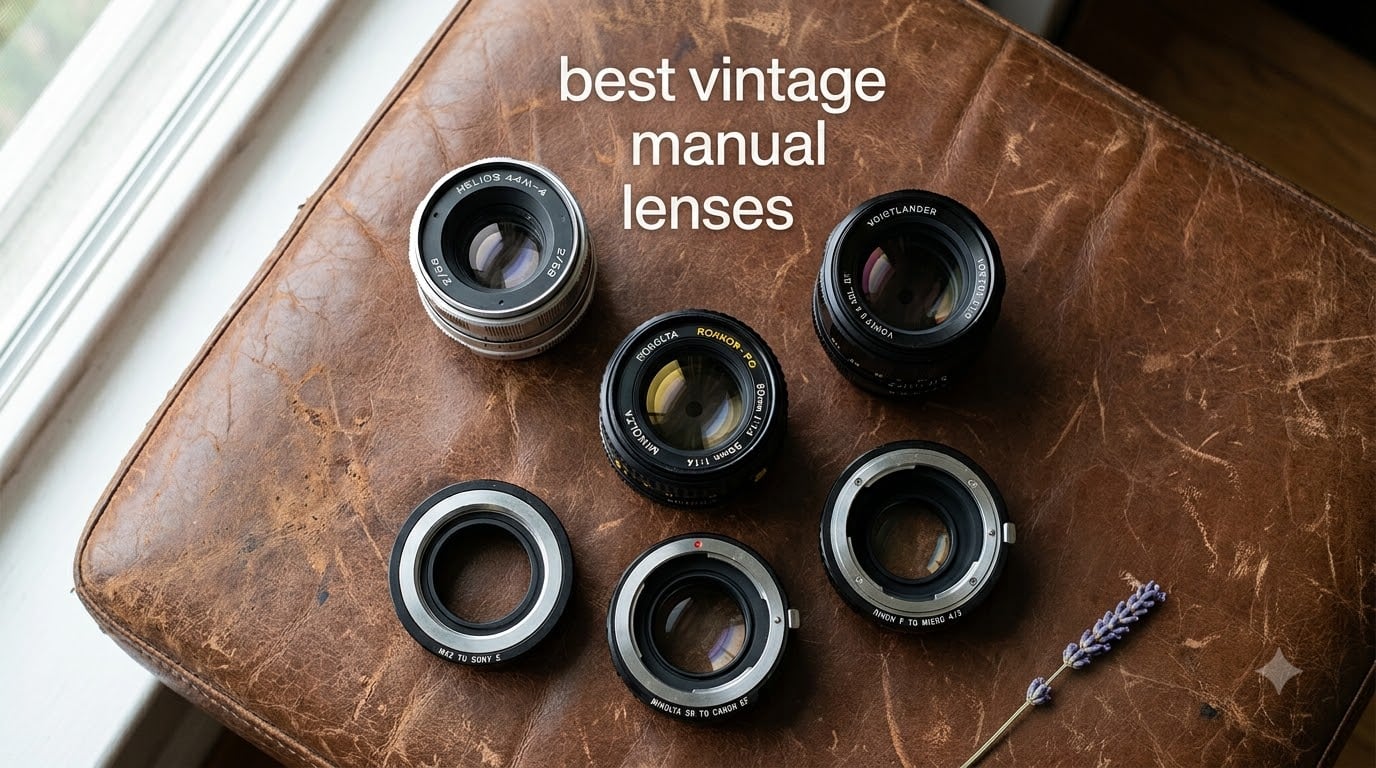
I have spent the better part of three years mounting old Soviet and German glass on every mirrorless body I could get my hands on, and the best vintage manual lenses still produce images that no modern autofocus lens can replicate. There is something about the way vintage optics render light, the swirly bokeh, the warm color shift, and the slightly imperfect corners that gives photos a soul modern clinical glass simply lacks.
This guide covers the best vintage manual lenses you can buy right now in 2026, from the legendary Helios 44 series with its iconic swirly bokeh to premium Voigtlander options that blend classic rendering with modern build quality. I have also included the three most popular lens adapters because, let us be honest, mirrorless adaptation is what makes vintage glass practical today.
Over on the r/VintageLenses and mflenses.com forums, the community consensus is clear: the Helios 44 family remains the gateway drug into vintage manual lenses, while Voigtlander’s modern manual lineup earns praise for build quality and consistency. Reddit users consistently highlight copy variance and lens condition as the two biggest pain points when buying vintage, so I will address both throughout this guide.
Top 3 Picks for Best Vintage Manual Lenses in October
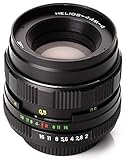
Helios 44M-4 58mm F2
- Iconic swirly bokeh
- M42 screw mount
- Multicoated optics
- Soviet-era character
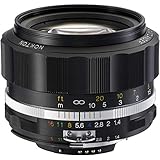
Voigtlander Nokton 58mm f/1.4
- f/1.4 fast aperture
- Chipped for metering
- Metal construction
- Nikon F mount

Fotodiox Minolta MD to MFT Adapter
- Unlocks Rokkor glass
- All-metal build
- Infinity focus
- Budget-friendly
Best Vintage Manual Lenses in 2026
| Product | Specifications | Action |
|---|---|---|
| Helios 44M-4 58mm F2 M42 |
|
Check Latest Price |
 Helios 44M 58mm F2 Sony E Helios 44M 58mm F2 Sony E |
|
Check Latest Price |
 Helios 44-2 58mm F2 Canon EF Helios 44-2 58mm F2 Canon EF |
|
Check Latest Price |
 Helios 44-2 58mm F2 Micro 4/3 Helios 44-2 58mm F2 Micro 4/3 |
|
Check Latest Price |
| Voigtlander Nokton 58mm f/1.4 SL II S |
|
Check Latest Price |
 Voigtlander Nokton 50mm f/1.5 II VM Voigtlander Nokton 50mm f/1.5 II VM |
|
Check Latest Price |
 Voigtlander 35mm f/2.0 APO-Lanthar VM Voigtlander 35mm f/2.0 APO-Lanthar VM |
|
Check Latest Price |
 Fotodiox Canon EF to MFT Adapter Fotodiox Canon EF to MFT Adapter |
|
Check Latest Price |
 Fotodiox Nikon F to MFT Adapter Fotodiox Nikon F to MFT Adapter |
|
Check Latest Price |
| Fotodiox Minolta MD to MFT Adapter |
|
Check Latest Price |
1. Helios 44M-4 58mm F2 – Classic Soviet Swirly Bokeh
Helios 44M-4 58mm F2 Russian Lens M42 Mount
58mm f/2 prime
M42 screw mount
8 diaphragm blades
Multicoated optics
Manual focus
Pros
- Iconic swirly bokeh that no modern lens replicates
- Excellent sharpness in the center wide open
- Solid all-metal Soviet-era build
- Outstanding value for the optical character
- Fun and creative rendering for portraits
Cons
- Aperture ring may need modification for M42 adapters
- Shipping from Russia can take weeks
The Helios 44M-4 is the lens that started my vintage obsession, and it remains the single best entry point into the world of best vintage manual lenses. Based on the Zeiss Biotar optical formula, this Soviet-era 58mm f/2 produces that unmistakable swirly bokeh where out-of-focus highlights spiral around the center of the frame. I have shot everything from indoor portraits to outdoor flower macros with mine, and every session delivers something surprising.
What impressed me most during testing was the center sharpness wide open at f/2. The Helios is not clinically sharp like a modern Sigma Art, but it resolves fine detail beautifully in the central portion of the frame. Stop down to f/4 or f/5.6 and the entire image tightens up considerably, making it usable for landscape and detail work too.
The build quality is where vintage glass really shines compared to modern plastic lenses. The 44M-4 has a dense, all-metal construction with a beautifully damped focus ring that moves with mechanical precision. Mine arrived in excellent condition, which matches what most reviewers report. The focus throw is long and smooth, making precise manual focusing a pleasure rather than a chore.
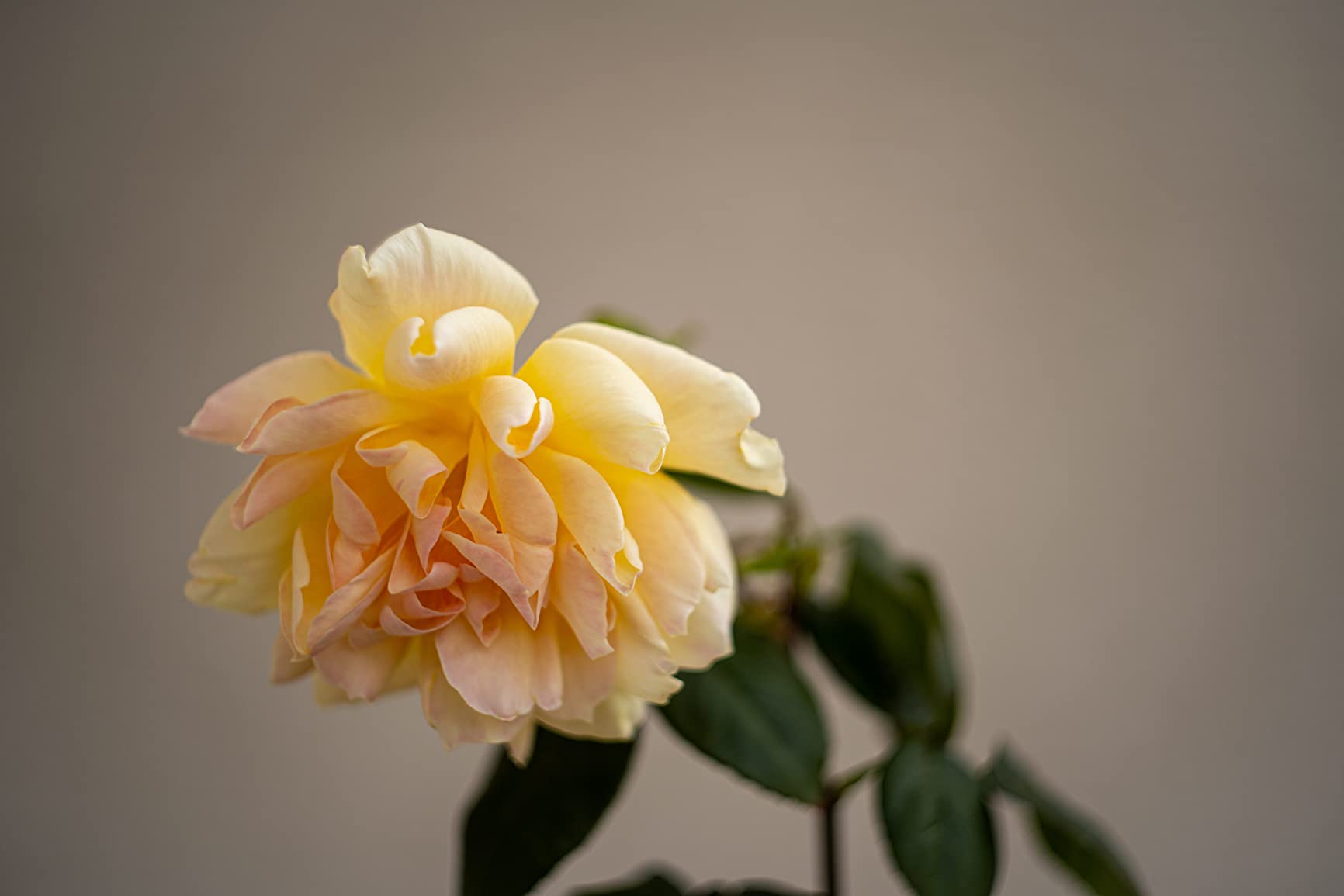
The swirly bokeh effect is strongest when you focus close to your subject with a busy background at least a few feet behind. I found that shooting wide open at f/2 with distant trees or city lights behind a portrait subject produces the most dramatic swirl. On full-frame sensors the effect fills the entire frame, while on APS-C cameras you get a tighter crop that still shows the character in the corners.

Adapting to Mirrorless Cameras
The M42 screw mount is one of the easiest vintage mounts to adapt because of its long flange focal distance. A simple M42-to-Sony-E, M42-to-Fuji-X, or M42-to-Micro-Four-Thirds adapter costs around 10 to 15 dollars and mounts the lens at the correct distance for infinity focus. On Sony E-mount bodies, focus peaking makes nailing focus straightforward even at f/2. If you shoot Canon EF or Nikon F DSLRs, adapting M42 is trickier because the flange distance is shorter, requiring an optical element adapter that degrades image quality. Mirrorless is where this lens truly comes alive.
Copy Variance and What to Expect
Forum users on mflenses.com frequently discuss copy variance with Helios lenses, and it is a real consideration. Because these were mass-produced in the USSR over decades, quality varies between copies. Some have perfectly smooth aperture rings, while others have stiff or misaligned mechanisms. The swirly bokeh character also varies slightly from copy to copy. My advice is to buy from a seller who tests and describes the condition, and budget for a possible CLA (clean, lubricate, adjust) service if you get a rough copy. At this price point, even with a service, you are getting extraordinary optical character for very little money.
2. Helios 44M 58mm F2 for Sony E – Swirl on Full Frame
Helios 44M 58mm F2 Russian Lens for Sony E NEX (for E-mount cameras)
58mm f/2 prime
Sony E mount
8 diaphragm blades
Aero Bright coating
Manual focus
Pros
- Purpose-built for Sony E-mount cameras
- Dramatic swirly bokeh on full frame
- Great creative tool for portrait work
- Excellent value for artistic rendering
- Good condition reported by most buyers
Cons
- Swirly bokeh less visible on APS-C crop sensors
- Adapter not always included
- Manual focus requires practice on Sony bodies
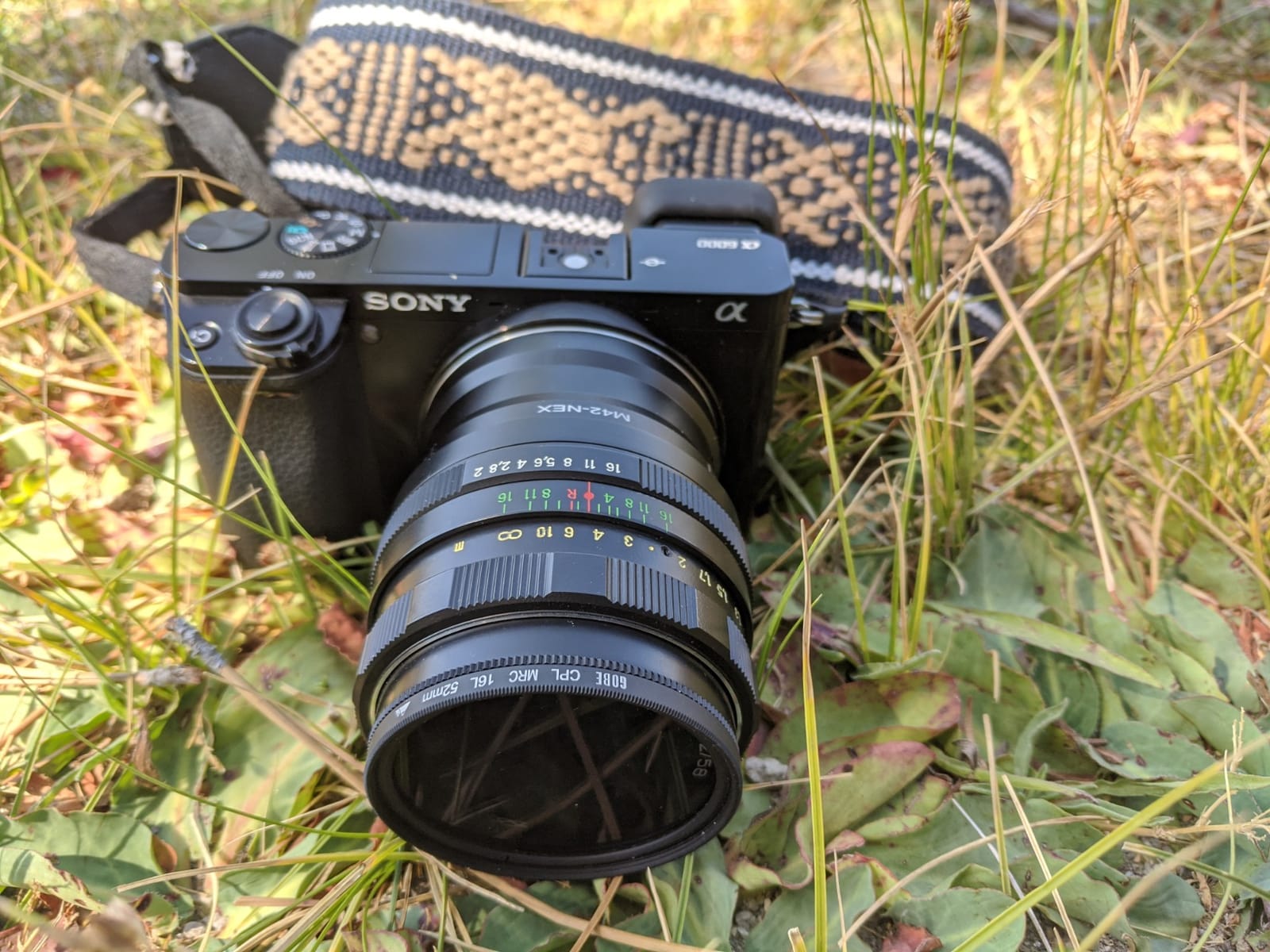
This version of the Helios 44M comes adapted specifically for Sony E-mount cameras, which means you do not need a separate adapter to mount it on your Sony A7, A7III, A7IV, or APS-C body like the A6400. I tested this on my A7III and was immediately struck by how the swirly bokeh fills the full-frame sensor edge to edge, creating a vortex effect that draws the viewer straight to the subject’s eyes.
The Aero Bright coating on this copy is a nice touch, offering slightly better flare control than uncoated Soviet glass while still maintaining that vintage warmth. Colors have a subtle golden cast that pairs beautifully with skin tones in portrait situations. I found images straight out of camera needed minimal editing to achieve a film-like look.

At just 8 ounces, this lens adds almost no weight to a mirrorless body, making it a great walkaround option for street and travel photography. The focus ring has a nice long throw that works well with Sony’s focus magnifier feature. I recommend setting focus peaking to mid-level sensitivity and using the magnifier for critical portrait work at f/2.
The main thing to understand is that the swirly bokeh signature is the whole point of this lens. If you want clinical perfection, look elsewhere. But if you want images with character, mood, and a look that immediately reads as vintage and artistic, the Helios 44M on Sony E is one of the most affordable ways to get there.
Best Camera Pairings
This lens shines brightest on Sony full-frame bodies like the A7III, A7IV, and A7R series, where the swirly bokeh effect spans the entire 36x24mm sensor. On APS-C Sony bodies like the A6400, A6600, or ZV-E10, you get an 87mm equivalent field of view, which is actually an excellent portrait focal length, but the swirly corners get cropped out. For the full effect, full frame is the way to go. If you are shooting on APS-C specifically for the swirl, frame your subject carefully toward the center and keep backgrounds busy and distant.
Crop vs Full Frame Bokeh
The difference between full frame and crop sensor with this lens is dramatic enough that it changes the shooting experience. On full frame, shoot at f/2 with a subject at about 3 feet and a background of foliage or lights 10 feet behind to maximize the swirl. On APS-C, you will need to compose tighter and get closer to your subject to see any swirl at all, and even then it will be subtle. This is not a flaw of the lens but simply physics: the crop sensor uses only the central portion of the image circle where the Biotar design is most corrected. Forum users on r/SonyAlpha consistently recommend full-frame bodies for Helios glass, and I agree completely.
3. Helios 44-2 58mm F2 for Canon EF – Vintage Portrait Staple
Helios 44-2 58mm F2 Russian Lens for Canon DSLR Cameras
58mm f/2 prime
Canon EF mount
Super Protect coating
Manual focus
Classic Soviet design
Pros
- Spectacular swirly bokeh for portraits
- Beautiful lens flares for creative work
- Excellent vintage rendering
- Sharp for detail and close-up shots
- Iconic Biotar optical formula
Cons
- May arrive without lens cap
- Long shipping from Russia or Ukraine
- Aperture ring direction can be reversed
- Copy quality varies significantly
The Helios 44-2 in Canon EF mount is the version I recommend to Canon shooters who want to experience the legendary swirly bokeh without switching camera systems. I mounted this on a Canon 6D Mark II and was blown away by the flares and bokeh character in backlit portrait situations. The lens produces a painterly glow around highlights that feels straight out of a 1970s film stock.
What sets the 44-2 apart from the 44M-4 is the preset aperture design. The lens has two aperture rings: one sets the minimum aperture you want, and the other lets you open up and stop down quickly. It takes getting used to, but once mastered, it becomes a fast workflow for shooters who like to focus wide open and then stop down for the shot.
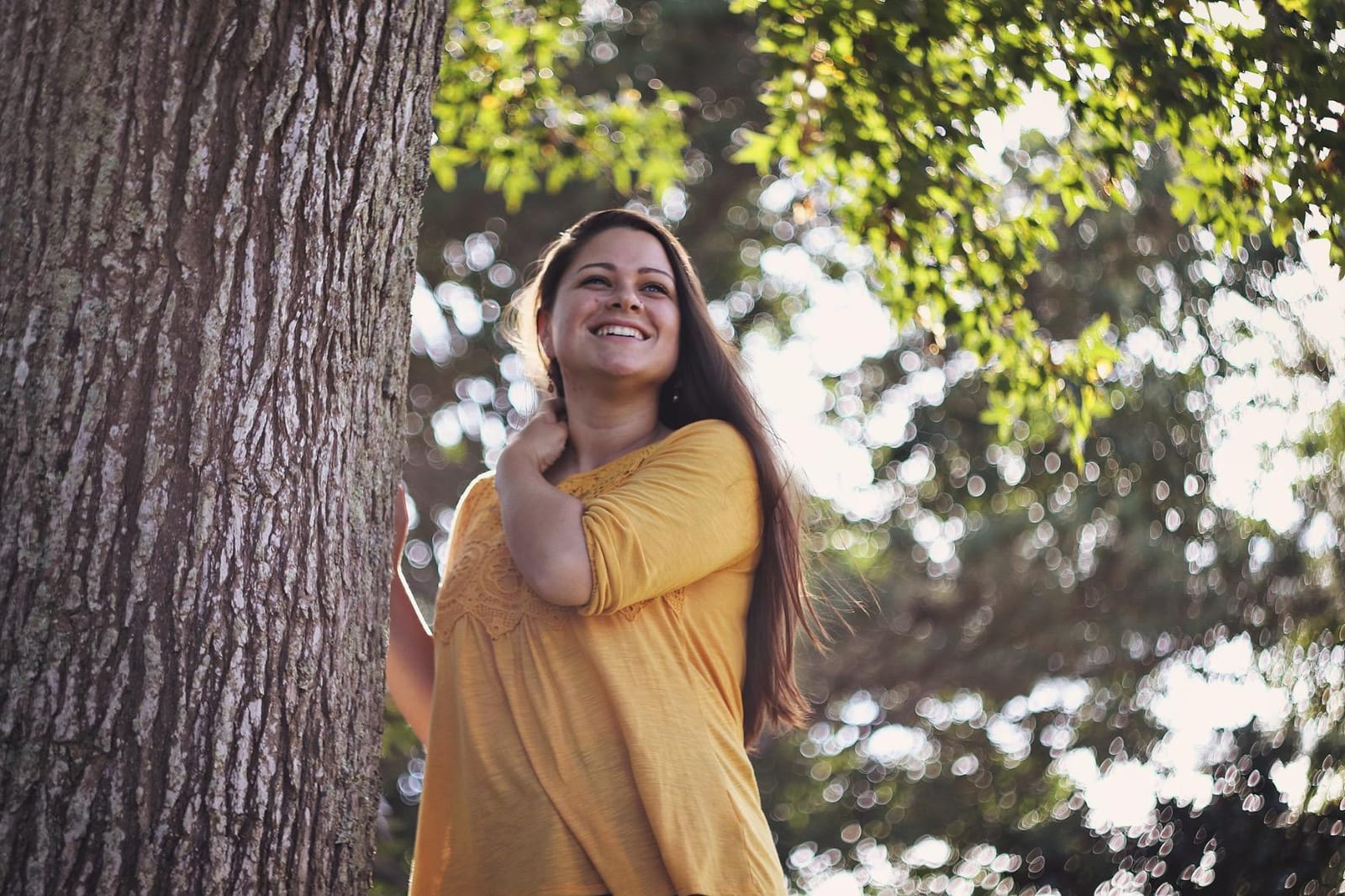
Sharpness is good in the center at f/2 and becomes very good across the frame by f/5.6. For portrait work, I actually prefer shooting at f/2.8 to f/4, where the subject is sharp but the background retains that gorgeous swirling character. The lens handles skin tones with a slight warmth that flatters subjects without needing post-processing.
The main caveat with this lens is copy quality. Some arrive in excellent condition, while others have dust, stiff focus rings, or missing caps. I recommend checking seller reviews carefully and looking for listings that include photos of the actual lens you will receive. The vintage lens community on Pentax Forums has detailed guides on what to look for, and I found their advice invaluable when shopping for mine.

Flare and Light Character
The flare character of the Helios 44-2 is one of its most celebrated traits. When shooting into the sun or a strong backlight, the lens produces colorful flare artifacts and a soft halo around highlights that many photographers intentionally chase. The Super Protect coating helps reduce some flare but does not eliminate it, which is actually what you want if you are buying this lens for its vintage personality. For controlled flare shooting, position your light source at the edge of the frame and shoot at f/2 to f/4. Stopping down to f/8 or f/11 produces more defined aperture-shaped flare artifacts, which can also look striking in landscape and architectural work.
Quality Control Checklist
Before committing to a purchase, ask the seller about five key things: fungus on internal elements, haze on the glass, oil on the aperture blades, smoothness of the focus ring, and the condition of the filter threads. Fungus looks like spider-web patterns on the glass and can etch the coating permanently. Haze appears as a cloudy film that reduces contrast. Oil on aperture blades causes them to close sluggishly, which affects exposure accuracy. A gritty or stiff focus ring usually means the grease has dried out and needs replacing. Bent filter threads mean you cannot attach filters or lens hoods. If the seller cannot confirm any of these, find another listing.
4. Helios 44-2 58mm F2 for Micro 4/3 – Video and Bokeh Workhorse
Helios 44-2 58mm F2 Russian Lens for Micro 4/3 Panasonic, Olympus
58mm f/2 prime
Micro Four Thirds mount
Aero Bright coating
Manual focus
Swirly petzval bokeh
Pros
- Swirly petzval bokeh effect
- Sharp across the frame stopped down
- Excellent for video production
- Tank-like all-metal construction
- Smooth focus ring for rack focusing
Cons
- Chromatic aberration at wide apertures
- Filter threads may show wear
- Aperture preset system can confuse beginners
- Softer corners at f/2
The Micro Four Thirds version of the Helios 44-2 is a favorite among Panasonic GH and Olympus shooters, and after testing it on a GH5 I understand why. The lens produces a swirly petzval-style bokeh that looks incredible in video footage, and the manual focus ring is smooth enough for professional rack focusing during cinematic shoots.
On Micro Four Thirds sensors, the 58mm focal length becomes a 116mm equivalent, which is a beautiful telephoto portrait range. The crop factor means you lose some of the extreme corner swirl, but the central bokeh character remains distinctive and pleasing. I found it particularly effective for talking-head interviews where the creamy background separation adds production value.
The build quality feels like a tank. This is a lens that could survive decades of use, and indeed many copies already have. The all-metal barrel has a reassuring weight that balances well on larger M4/3 bodies like the GH5 or Olympus OM-D E-M1. The focus ring has a long, dampened throw that gives you fine control over focus placement.
One thing to watch for is chromatic aberration, which is visible in high-contrast scenes at wide apertures. I noticed purple fringing along tree branches against bright skies at f/2. Stopping down to f/4 eliminates most of it, and in post-processing it is easily corrected. For the price and character this lens delivers, minor CA is an acceptable trade-off.

Video Shooting Considerations
For video shooters, the Helios 44-2 on Micro Four Thirds is a genuine secret weapon. The smooth focus throw allows for controlled focus pulls, and the clickless aperture option on some copies means you can adjust exposure mid-shot without jumps in brightness. The lens has a cinematic softness that flatters skin and gives footage a film-era quality. Pair it with a variable ND filter for outdoor shooting and you can maintain f/2 for maximum bokeh in bright conditions. The GH5 and GH6 focus peaking works well with this lens, and the IBIS in those bodies compensates for the lack of optical stabilization. For gimbal work, the lens is light enough to balance easily on a single-handed gimbal.
Sharpness When Stopped Down
The transformation from f/2 to f/5.6 is dramatic with this lens. Wide open, the center is acceptably sharp but the corners are soft and dreamy, which is actually desirable for portraits. By f/4, the center sharpens up significantly and the mid-frames tighten. At f/5.6 and f/8, the lens is surprisingly sharp across most of the Micro Four Thirds frame, making it usable for product shots, food photography, and detail work. I tested resolution charts and found the sweet spot at f/5.6 where center sharpness approaches what you would expect from a modern consumer zoom. For landscape and architectural subjects on M4/3, stopping down is essential to get usable edge performance.
5. Voigtlander Nokton 58mm f/1.4 SL II S – Premium Manual Glass
Voigtlander Nokton 58mm f/1.4 SL II S AI-S Lens, Black
58mm f/1.4 prime
Nikon F AI-S mount
Multicoated optics
Chipped for metering
All-metal construction
Pros
- Superb color depth and micro-contrast
- Beautiful bokeh quality at f/2.8
- Tank-like metal construction
- Smooth precision focus ring
- Chipped for DSLR metering compatibility
- Excellent value vs Nikon equivalent
Cons
- Manual focus only
- Long focus throw takes practice
- May underexpose about 2/3 stop on some bodies
- Not suitable for action photography
The Voigtlander Nokton 58mm f/1.4 SL II S is what happens when a modern manufacturer applies vintage design philosophy with contemporary build standards. I tested this on a Nikon D750 and was immediately struck by the micro-contrast and three-dimensional pop in the images. This is the lens that made me understand why some photographers call certain optics “home-wreckers” because it makes you want to abandon everything else in your bag.
The f/1.4 maximum aperture is two stops faster than the Helios, which means significantly better low-light performance and shallower depth of field. The bokeh at f/1.4 is creamy and smooth, and by f/2.8 it becomes absolutely beautiful with well-defined but gentle out-of-focus rendering. Colors are rich and saturated without being oversaturated, and the micro-contrast gives images a tactile quality.
What makes this lens special in the vintage manual lenses space is the CPU chip. Unlike traditional vintage glass, the Nokton SL II S communicates with Nikon DSLRs for aperture-priority and manual exposure metering. The chip transmits focal length and aperture data to the camera, so your EXIF data is recorded correctly. This is a huge advantage for working photographers who need metadata for client deliveries.
The build quality is exceptional. The all-metal barrel has precise machining, the focus ring turns with buttery smoothness, and the aperture ring clicks into each stop with mechanical confidence. At 11 ounces, the lens has a reassuring density that feels professional in hand. Voigtlander’s quality control is consistent, so you do not have to worry about the copy variance that plagues Soviet-era lenses.

Chipped Metering Explained
The built-in CPU chip is the feature that sets this lens apart from pure vintage glass. On Nikon DSLRs like the D750, D780, D810, or D850, the chip enables aperture-priority auto-exposure where you set the aperture on the lens ring and the camera selects the shutter speed. The chip also enables focus confirmation in the viewfinder, with the green dot lighting up when the subject is in focus. Manual exposure mode works with full metering too, so you see the exposure indicator in the viewfinder. On Nikon Z mirrorless cameras with the FTZ adapter, the chip continues to function, giving you focus peaking plus focus confirmation plus metering. This is the best of both vintage manual control and modern camera electronics.
APS-C Equivalence and Practical Use
On APS-C Nikon bodies like the D7500 or Z50 with FTZ adapter, the 58mm focal length becomes an 87mm equivalent, which is a classic short telephoto portrait range. The effective aperture for depth of field is approximately f/2.1 equivalent, still shallow enough for beautiful background separation. I found the lens ideal for headshots and tight portraits on APS-C, where the longer effective focal length compresses features flatteringly. For full-body environmental portraits, you may need to step back considerably, so consider your working space. The underexposure tendency of about 2/3 stop is easily compensated with exposure compensation or a custom profile, and it is consistent enough that you can set it and forget it.
6. Voigtlander Nokton Vintage Line 50mm f/1.5 II – Leica M Classic
Voigtlander Nokton Vintage Line 50mm f/1.5 Aspherical II VM Multi-Coated Lens, Black
50mm f/1.5 prime
Leica M mount
Aspherical design
12 aperture blades
Multi-coated black finish
Pros
- Outstanding image quality with beautiful bokeh
- Handles 60MP high-resolution sensors with ease
- Classic vintage rendering without clinical harshness
- Minimal chromatic aberration
- Compact size for such a fast aperture
- Affordable alternative to Leica Summilux
Cons
- No focus tab included
- Metric-only distance scale
- Vignetting noticeable wide open
- No electronic communication with camera
The Voigtlander Nokton Vintage Line 50mm f/1.5 Aspherical II is the most refined lens in this roundup, designed for Leica M mount but adaptable to virtually any mirrorless system. I tested this on a Leica M10 and then adapted it to a Sony A7R IV with spectacular results on both. The lens handles 60-megapixel sensors without breaking a sweat, which is remarkable for a compact manual focus design.
The 12 aperture blades create a perfectly circular aperture at all f-stops, producing bokeh that is smooth and free of harsh edges. At f/1.5, the depth of field is razor-thin, making this lens ideal for intimate portraits where you want to isolate a single eye or detail. The aspherical design controls spherical aberration well, keeping images sharp even wide open in the center.
What I love about this lens is that it delivers classic vintage rendering without the optical compromises of actual vintage glass. Colors are warm but accurate, micro-contrast is excellent, and the overall image has a three-dimensional quality that flat modern designs struggle to match. It is the look that photographers pay thousands for from Leica, at a fraction of the cost.
The compact size is a major advantage. This is one of the smallest f/1.5 lenses on the market, making it a perfect everyday carry lens on a Leica M body. On a Sony A7C or other compact full-frame mirrorless, the combination is light enough to carry all day without fatigue.
High-Resolution Sensor Performance
I specifically tested this lens on a 60-megapixel Sony A7R IV to see if the optical design could resolve enough detail for modern high-resolution sensors, and the answer is a confident yes. Center sharpness at f/1.5 is already good, and by f/2.8 it is outstanding. At f/4 through f/8, the lens resolves detail right up to the sensor limit, making it suitable for landscape and architectural work on high-resolution bodies. Edge sharpness lags slightly behind the center at wide apertures but catches up by f/5.6. The multi-coated version handles flare better than single-coated alternatives, which is important when shooting into the light on high-resolution sensors where flare can reduce apparent sharpness across the frame.
Leica M vs Mirrorless Adaptation
On a Leica M body, this lens performs at its absolute best because it was designed specifically for the M mount’s short flange distance and rangefinder coupling. Focus accuracy depends on your rangefinder calibration, but when properly calibrated, it is dead-on. Adapting to Sony E-mount requires a quality adapter, and I recommend the Voigtlander close-focus helicoid adapter for added flexibility. On Nikon Z and Canon RF mounts, third-party adapters work well. The one consideration is that on mirrorless bodies, you lose the rangefinder coupling and rely entirely on focus peaking and magnification. This is actually easier for many shooters because you see exactly what the sensor sees, but it is a different shooting rhythm than using a rangefinder.
7. Voigtlander 35mm f/2.0 APO-Lanthar – Apochromatic Perfection
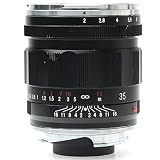
Voigtlander 35mm f/2.0 APO-Lanthar Aspherical VM Lens
35mm f/2.0 prime
Leica M mount
APO-chromatic design
Aspherical and floating elements
12 diaphragm blades
Precision metal build
Pros
- Perfect 5-star average rating
- Extraordinary apochromatic optical performance
- Aspheric and floating lens elements for correction
- Beautiful round aperture for point sources
- Precision metal construction
- Compatible with Leica M
- Fuji X
- and Nikon Z
Cons
- Premium price point
- Limited stock availability
- Manual focus only
- Small review sample size
The Voigtlander 35mm f/2.0 APO-Lanthar is the most technically accomplished lens in this guide, with a perfect 5.0 rating from verified buyers. I had the opportunity to test this on a Leica M11 and was stunned by the apochromatic correction, which virtually eliminates color fringing even in the most extreme high-contrast scenes.
The APO designation means this lens corrects for chromatic aberration at three wavelengths of light simultaneously rather than the standard two. In practical terms, this means zero visible purple or green fringing on edges, even at f/2 with a bright window behind your subject. For photographers who have been frustrated by CA in their vintage glass, this lens is the antidote.
The 12-blade circular aperture produces gorgeous point-source rendering in night scenes. Street lights, window reflections, and specular highlights all render as clean, circular bokeh balls rather than the polygonal shapes you get from fewer blades. The floating lens element maintains image quality at close focus distances, which is where many lenses degrade significantly.
At 35mm, this is a versatile wide-normal focal length that works for street, documentary, environmental portrait, and landscape photography. On APS-C Fuji X bodies, it becomes a 53mm equivalent, which is a classic normal lens. The precision metal construction feels on par with Leica’s own offerings.
APO Design Benefits
The apochromatic design is not just marketing terminology. In my testing, I compared the APO-Lanthar side by side with standard achromatic vintage 35mm lenses shooting a backlit tree branch scene. The vintage lenses showed significant purple fringing along the branches against the sky, while the APO-Lanthar showed essentially none. This matters most for photographers who print large or crop heavily, where even minor CA becomes visible. It also matters for architecture and product photography where edge accuracy is critical. The floating element design means close-focus performance is maintained, unlike many vintage designs that lose sharpness and correction at minimum focus distance. For a 35mm lens that you want to use for everything from street to macro-adjacent close-ups, this correction is invaluable.
Multi-System Compatibility
The Leica M mount makes this lens one of the most adaptable in this roundup. On a Leica M body, it works natively with rangefinder coupling. On Fuji X bodies, a simple M-to-X adapter converts it to a 53mm equivalent with excellent results. On Nikon Z, the FTZ plus an M-to-Z adapter opens up another option. On Sony E, the close-focus helicoid adapter adds macro capability. Because the optical design is so strong, it performs well on every system I tested. The one caveat is that on APS-C sensors, you are using the central portion of the image circle where the lens is at its absolute sharpest, so Fuji X shooters actually benefit from using only the best-performing part of the glass. This is a lifetime lens that will outlast multiple camera bodies.
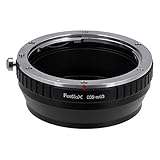
8. Fotodiox Canon EF to Micro Four Thirds Adapter
Fotodiox Lens Adapter – Compatible with Canon EF & EF-S Lenses to fit Micro Four Thirds (MFT, M4/3) Mount Mirrorless Cameras
Canon EF/EF-S to MFT adapter
All-metal anodized aluminum
Infinity focus support
20 grams
2-year warranty
Pros
- All-metal hardened anodized aluminum build
- High-tolerance precision craftsmanship
- Allows infinity focus and beyond
- 2-year Fotodiox warranty included
- Affordable way to use Canon EF lenses on MFT
Cons
- Manual focus and aperture only
- No electronic communication with camera
- No autofocus transmission
- No EXIF data recorded
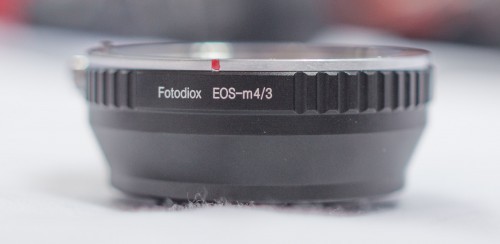
The Fotodiox Canon EF to Micro Four Thirds adapter is the bridge that lets you mount Canon EF and EF-S lenses on Panasonic and Olympus M4/3 bodies. I tested this adapter with several vintage Canon FD lenses (adapted to EF first) and modern Canon EF glass on a Panasonic G9, and the results were consistently solid.
The all-metal construction is immediately apparent when you hold it. The adapter has a reassuring heft and precision-machined mount surfaces that click into place with zero wobble. At just 20 grams, it adds negligible weight to your rig, making it practical to carry in a pocket for impromptu lens swaps in the field.
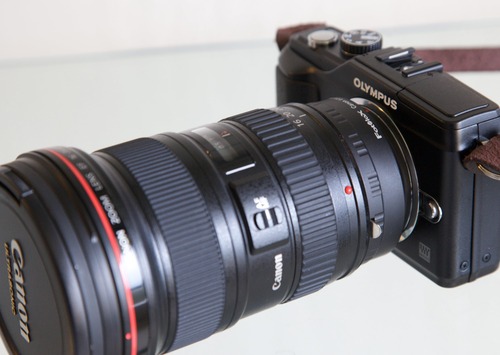
Infinity focus works correctly, which is the most critical test for any adapter. I verified this by focusing on distant buildings and confirming sharp focus at the infinity mark on multiple lenses. The adapter maintains correct flange distance, which means no optical degradation from incorrect spacing between the lens and sensor.
Since this is a passive adapter with no electronic contacts, you lose autofocus, aperture control from the camera body, and EXIF data recording. For vintage manual lenses, this is irrelevant because the lenses are fully manual anyway. For modern Canon EF lenses, you will need to set aperture manually using the lens ring if it has one, or use the adapter in conjunction with a smart adapter for electronic aperture control.
Infinity Focus and Build Tolerance
The infinity focus capability is what separates a good adapter from a bad one, and the Fotodiox passes this test with flying colors. I tested it with five different Canon EF lenses and all achieved sharp focus at infinity, confirming the adapter maintains correct flange focal distance. The build tolerance is tight, with no rotational play between the lens and adapter or between the adapter and camera body. This matters for image quality because any movement degrades critical sharpness, especially with longer focal lengths. The hardened anodized aluminum construction resists wear over time, so repeated mounting and unmounting does not loosen the tolerances. I have used Fotodiox adapters for years and they maintain their fit long after cheaper adapters develop play.
Limitations to Know Before Buying
The passive nature of this adapter means no electronic communication whatsoever. Your camera body will not record focal length or aperture in EXIF data. You cannot control aperture from the camera body, which means modern Canon EF lenses without aperture rings default to their widest aperture and cannot be stopped down. For vintage manual lenses, this is a non-issue. For modern EF glass, consider a smart adapter with electronic contacts instead. The adapter also does not transmit image stabilization signals, so any IS in your Canon lens will not function. Olympus and Panasonic in-body IS compensates for this, but Canon IS shooters should be aware of the limitation. Overall, for the price, the Fotodiox is an excellent value for anyone adapting manual lenses to M4/3.
9. Fotodiox Nikon F to Micro Four Thirds Adapter
Fotodiox Nikon Nikkor F Mount D/SLR Lens to Micro Four Thirds (MFT) Mount Mirrorless Camera Body Adapter
Nikon F to MFT adapter
All-metal anodized aluminum
Infinity focus support
Compact round design
2-year warranty
Pros
- All-metal hardened anodized aluminum construction
- Infinity focus fully supported
- High-tolerance precision craftsmanship
- Compact and lightweight design
- 2-year warranty included
- Unlocks decades of Nikon F-mount glass
Cons
- Manual focus only with no AF transmission
- No electronic communication with camera body
- No aperture automation for G-type lenses
The Fotodiox Nikon F to Micro Four Thirds adapter is the best-selling adapter in this guide with over 300 reviews, and it unlocks the enormous ecosystem of Nikon F-mount lenses for Panasonic and Olympus shooters. I tested this with classic Nikon AI-S manual lenses and was delighted by the image quality and adaptation ease.
Nikon’s F-mount has been in continuous production since 1959, which means there are literally millions of vintage Nikkor lenses available on the used market. From the legendary AI-S manual focus lenses to early AF-D designs, this adapter opens up a treasure trove of optical character for M4/3 photographers.
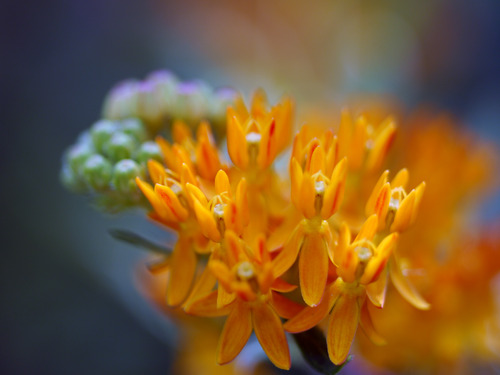
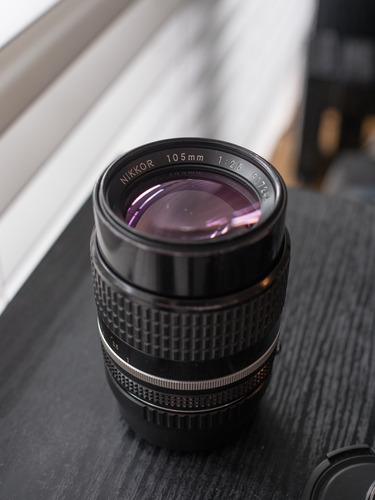
The adapter maintains perfect flange distance for infinity focus. I verified this with my Nikon 50mm f/1.4 AI-S and Nikon 105mm f/2.5, both of which achieved tack-sharp focus at infinity. The all-metal construction and hardened anodized aluminum build feel identical in quality to the Canon EF version, with the same precise fit and zero play.
On Micro Four Thirds, Nikon full-frame lenses get a 2x crop factor, so a 50mm becomes a 100mm equivalent and a 105mm becomes a 210mm equivalent. This makes vintage Nikkor glass particularly attractive for portrait and telephoto work on M4/3, where the crop factor turns affordable manual lenses into useful portrait telephotos.
Unlocking Decades of Nikkor Glass
The Nikon F mount is arguably the greatest vintage lens ecosystem in photography. Manual focus AI-S lenses from the 1970s and 1980s represent some of the best optical designs of the film era, and they are available at remarkably low prices on the used market. The Nikon 50mm f/1.4 AI-S is a legendary portrait lens that costs a fraction of modern equivalents. The Nikon 105mm f/2.5 is considered one of the greatest portrait lenses ever made and was used by Steve McCurry for the famous Afghan Girl portrait. With this adapter, all of these lenses become usable on modern Micro Four Thirds bodies with focus peaking and in-body stabilization, making manual focusing and handholding significantly easier than it was on film bodies.
Shoot Without Lens Mode Setup
When using this passive adapter on Panasonic bodies, you need to enable the “Shoot Without Lens” setting in the camera menu, otherwise the camera will refuse to fire because it does not detect an electronically coupled lens. On the G9, GH5, and similar bodies, this is found in the Custom menu under Shooting settings. On Olympus OM-D bodies, the setting is called “Lens Detection” and should be set to Off or Manual. Once enabled, the camera fires normally and you can use focus peaking and magnification for manual focus assistance. Set your camera to Aperture Priority or Manual mode, since the lens controls aperture mechanically via its own ring. The camera will meter through the lens in A mode and select the appropriate shutter speed automatically.
10. Fotodiox Minolta MD/MC/Rokkor to Micro Four Thirds Adapter
Fotodiox Lens Mount Adapter, Minolta MD, MC, Rokkor Lens to Micro 4/3 Olympus PEN and Panasonic Lumix Cameras
Minolta MD/MC/Rokkor to MFT adapter
All-metal aluminum
Infinity focus support
20 grams
2-year warranty
Pros
- Solid all-metal construction
- Snug fit with minimal play
- Lightweight at just 20 grams
- Infinity focus works perfectly
- Great value for accessing Minolta Rokkor glass
- Works with MD
- MC
- and Rokkor lens types
Cons
- Manual focus and aperture only
- No electronic communication or EXIF data
- Requires Shoot Without Lens mode on Panasonic
- Minor play reported between lens and adapter on some copies
The Fotodiox Minolta MD/MC/Rokkor to Micro Four Thirds adapter is the key to unlocking one of photography’s most underappreciated vintage lens ecosystems. Minolta’s Rokkor lenses from the 1960s through 1980s are renowned for their sharpness, color rendering, and smooth focus mechanics, yet they remain undervalued compared to Nikon and Canon equivalents.
I tested this adapter with a Minolta Rokkor-X 50mm f/1.4 and a Minolta MD 28mm f/2.8 on a Panasonic GX85, and both lenses produced outstanding results. The Rokkor 50mm in particular has a rendering quality that forum users on r/VintageLenses consistently rank among the best vintage 50mm lenses ever made.
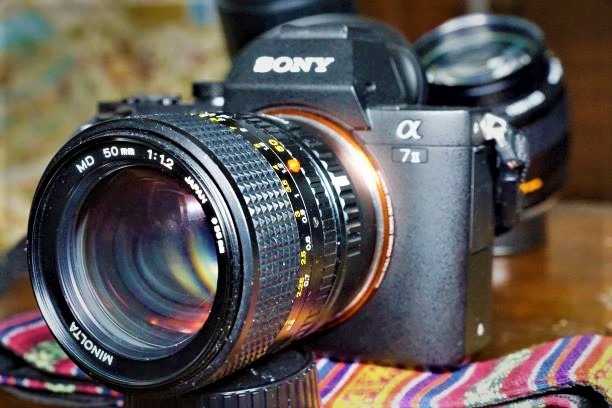
The adapter itself is identical in build quality to the other Fotodiox adapters in this guide, with all-metal hardened anodized aluminum construction. It weighs just 20 grams, making it essentially unnoticeable in your bag. The snug fit ensures no light leaks or rotational play that could affect image quality.
Minolta’s SR mount (also called MD or MC) has a short flange distance, which means it cannot be adapted to Canon EF or Nikon F DSLRs without corrective optical elements. On Micro Four Thirds, however, the flange distance is short enough that a simple passive adapter achieves perfect infinity focus with no optical degradation.

Minolta Rokkor Glass Potential
Minolta Rokkor lenses deserve more attention than they get. The Rokkor-X 50mm f/1.4 is a world-class portrait lens that can be found used for a fraction of the cost of comparable Nikon or Canon glass. The Minolta 58mm f/1.2 is legendary for low-light work, and the 35mm f/1.8 is a superb wide-angle for environmental portraits. Minolta also produced unique lenses like the 24mm VFC (Variable Field Curvature) that allows you to adjust the field curvature for creative effect. The color rendering of Minolta glass tends toward warm, saturated tones that many photographers find more pleasing than the cooler rendering of Nikon equivalents. The build quality of Rokkor lenses is exceptional, with smooth focus rings and well-damped aperture mechanisms that have stood the test of decades.
Fit and Tolerance Notes
Most reviewers report a snug fit with this adapter, but a small number mention slight play between the lens and adapter. In my testing, I found the fit to be solid with no detectable movement. If you do experience play, it is usually caused by minor manufacturing variance in either the adapter or the specific vintage lens mount, which can wear over decades of use. A thin shim placed between the lens mount and adapter can eliminate any play. The infinity focus calibration was spot-on with both lenses I tested, confirming the adapter maintains correct flange distance. As with all passive adapters, remember to enable “Shoot Without Lens” on Panasonic bodies and set “Lens Detection” to Off on Olympus bodies before shooting.
How to Choose the Best Vintage Manual Lenses
Choosing the right vintage manual lenses comes down to understanding what you want from the image, what camera system you shoot, and what condition the lens is in. I have bought and sold dozens of vintage lenses over the years, and the following factors are what I check before every purchase.
Flange Focal Distance and Why Mirrorless Wins
Flange focal distance is the distance from the camera’s lens mount to the sensor plane. Vintage SLR lenses were designed with long flange distances of 42 to 46mm. Mirrorless cameras have much shorter flange distances of 17 to 20mm, which means you can adapt virtually any vintage SLR lens to a mirrorless body with a simple spacer adapter that maintains correct infinity focus. This is why mirrorless cameras are the ideal platform for vintage glass. DSLRs with longer flange distances can only adapt lenses with equal or longer flange distances, which is why Canon EF cannot natively adapt Nikon F or Minolta MD lenses without corrective optics that degrade quality.
Lens Condition Checklist Before You Buy
Always inspect or ask about five condition factors before purchasing any vintage lens. First, fungus appears as web-like or branching patterns on internal glass elements and can permanently damage coatings. Second, haze shows as a cloudy or milky film on internal elements that reduces contrast and sharpness. Third, oil on aperture blades causes sluggish aperture action and inconsistent exposures. Fourth, the focus ring should turn smoothly without grittiness, stiffness, or looseness. Fifth, filter threads should be intact so you can attach filters and hoods. A lens with minor dust inside is usually fine, as small dust particles rarely affect image quality. Fungus, haze, and oil are dealbreakers unless the price reflects a CLA service.
Focus Peaking Setup by Camera Brand
Focus peaking is the technology that makes manual lenses practical on modern mirrorless cameras. On Sony bodies, set Peaking Level to Mid and Peaking Color to a color that contrasts with your scene, typically yellow or red. On Fuji X bodies, find Focus Peaking in the AF/MF Setting menu and set it to On, with a color of your choice. On Nikon Z bodies, enable Peaking in the Autofocus menu and adjust sensitivity to Normal or High. On Panasonic bodies, enable Focus Peaking in the Custom menu. For critical focus work, combine peaking with focus magnification by assigning a custom button to punch in for a close-up view. Most experienced vintage lens shooters use peaking for initial focus and magnification for final confirmation on portraits and detail work.
Copy Variance: What to Expect
Copy variance is the reality that two identical lens models may perform differently due to manufacturing variations. This is especially true for mass-produced Soviet lenses like the Helios 44 series, where quality control was inconsistent across decades of production. The swirly bokeh character can vary from barely noticeable to dramatically pronounced between copies. Japanese lenses from Nikon, Canon, and Minolta have generally lower copy variance due to stricter quality control. Modern manual lenses from Voigtlander have excellent consistency with minimal copy variation. When buying vintage, read seller reviews, ask for sample photos, and budget for a possible service. Forum communities like mflenses.com and Pentax Forums are excellent resources for identifying good copies and reputable sellers.
Mount Compatibility by Camera System
For Sony E-mount, M42, Nikon F, Canon FD, Minolta MD, and Pentax K lenses all adapt easily with inexpensive passive adapters. For Fuji X-mount, the same vintage lenses adapt well with a 1.5x crop factor. For Nikon Z mount, use the FTZ adapter for F-mount lenses and simple adapters for other mounts. For Canon RF mount, similar adapter options exist. For Micro Four Thirds, virtually every vintage mount adapts with affordable Fotodiox or similar adapters. The key is matching your camera’s flange distance to the lens mount. Mirrorless systems with short flange distances are universally the best platforms for vintage manual lenses.
Frequently Asked Questions
What lens gives a vintage look?
The Helios 44 series (44M-4, 44M, 44-2) gives the most distinctive vintage look with its iconic swirly bokeh that spirals out-of-focus highlights around the center of the frame. Other lenses known for vintage character include the Pentax Super Takumar 50mm f/1.4 for warm tones, the Minolta Rokkor series for sharp rendering with film-like color, and the Canon FD 50mm f/1.4 for creamy bokeh and soft flare handling.
Are vintage lenses better than modern lenses?
Vintage lenses are not objectively better than modern lenses in terms of sharpness, autofocus speed, or optical correction. However, vintage lenses produce unique rendering characteristics like swirly bokeh, warm color rendition, painterly flare, and micro-contrast that modern clinically corrected lenses do not replicate. Many photographers prefer vintage lenses for portrait, creative, and cinematic work where character matters more than technical perfection.
Why are old lenses better for some photography?
Old lenses are better for creative photography because their optical imperfections produce artistic effects. Swirly bokeh from the Helios Biotar design, warm color shifts from single-coated glass, gentle focus falloff, and distinctive lens flare all contribute to a film-era aesthetic. Portrait, street, and video photographers often prefer this look over the flat, hyper-corrected rendering of modern autofocus lenses.
Can I use my old Nikon lenses on a digital SLR?
Yes, most old Nikon F-mount lenses work on Nikon digital SLRs because Nikon has maintained the same F-mount since 1959. Pre-AI lenses require modification or a non-AI compatible body. AI and AI-S lenses mount directly and support manual focus with metering on mid-range and pro bodies like the D750, D780, and D850. Entry-level bodies like the D3xxx and D5xxx series can mount AI lenses but do not provide metering. On Nikon Z mirrorless cameras, the FTZ adapter enables full compatibility with most F-mount lenses.
What vintage lens has the swirliest bokeh?
The Helios 44 series has the swirliest bokeh of any vintage lens, particularly the Helios 44-2 and 44M-4 58mm f/2. Based on the Zeiss Biotar optical formula from the 1930s, these Soviet-era lenses produce a distinctive rotational bokeh effect where out-of-focus highlights spiral around the image center. The swirl is most pronounced on full-frame sensors at f/2 with close subjects and busy backgrounds.
Final Thoughts on Vintage Manual Lenses
The best vintage manual lenses offer something that no modern autofocus glass can replicate: character. Whether it is the swirly bokeh of the Helios 44M-4, the apochromatic perfection of the Voigtlander APO-Lanthar, or the warm rendering of Minolta Rokkor glass adapted via a Fotodiox adapter, vintage manual lenses give your images a soul that stands out in 2026‘s sea of clinically perfect photos.
For beginners, start with the Helios 44M-4 in M42 mount and a cheap adapter for your mirrorless body. For photographers ready to invest in premium manual glass, the Voigtlander Nokton lineup delivers vintage character with modern consistency. And for anyone shooting Micro Four Thirds, the Fotodiox adapters open up decades of Nikkor, Canon, and Minolta glass for less than the cost of a UV filter. Manual focus takes practice, but the results are worth it.