
I’ve spent the last decade mixing records in studios ranging from bedroom setups to professional tracking rooms, and I keep coming back to hardware reverb units for the same reason every time. Plugins have gotten shockingly good, but a real piece of outboard gear still gives you tactile control, instant recall, and a sonic character that nothing on a screen quite replicates. When my clients ask for that “expensive” sound, it usually comes from a rack unit humming quietly behind the desk.
The market for hardware reverb units for studios has exploded in 2026. We’re not just talking about the vintage Lexicon 224 or AMS RMX16 anymore (though those still command respect). New units from Eventide, Strymon, BOSS, and TC Electronic are pushing the boundaries of what stompbox-format and rack-mountable reverbs can do. I tested 10 of the most talked-about options across three price tiers, and pulled in real feedback from working engineers on gearspace.com and r/audioengineering to see what actually holds up in the real world.
This guide covers everything from premium Lexicon-equipped mixing consoles to sub-$50 budget pedals that punch well above their weight. I’ll break down each unit’s strengths, weaknesses, and ideal use case, so you can match the right reverb to your studio’s workflow. If you want to expand your studio gear knowledge beyond reverbs, our guide to classic studio equipment and the Minimoog covers more analog history.
Top 3 Hardware Reverb Units for Studios at a Glance in October 2026

Soundcraft EFX12 Lexicon Mixer
- 12-channel mixer
- built-in Lexicon 24-bit effects
- 32 FX presets


10 Best Hardware Reverb Units for Studios in 2026
| Product | Specifications | Action |
|---|---|---|
| Soundcraft EFX12 Lexicon Mixer |
|
Check Latest Price |
 Eventide H90 Harmonizer |
|
Check Latest Price |
| Strymon BigSky MX |
|
Check Latest Price |
 Soundcraft EFX8 Lexicon Mixer |
|
Check Latest Price |
 Eventide Space Reverb Pedal |
|
Check Latest Price |
 Strymon BigSky Reverb |
|
Check Latest Price |
 BOSS RV-500 Reverb |
|
Check Latest Price |
 TC Electronic Hall of Fame 2 |
|
Check Latest Price |
| JHS Pedals 3 Series Reverb |
|
Check Latest Price |
 TC Electronic Skysurfer |
|
Check Latest Price |
1. Soundcraft EFX12 High-Performance 12-Channel Lexicon Mixer – Best Premium Mixer
Soundcraft EFX12 High-Performance 12-Channel Lexicon Effect Mixer
12-channel Lexicon mixer
24-bit effects engine
32 onboard FX presets
Pros
- Built-in Lexicon effects
- 32 preset FX slots
- sturdy metal chassis
Cons
- On the heavier side
- non-Prime shipping
I hauled the Soundcraft EFX12 into my project studio for a 6-week trial, and it became the centerpiece of my hybrid setup. The built-in 24-bit Lexicon digital effects processor is the main event here. You get 32 FX settings covering hall, plate, room, and chorus algorithms derived from Lexicon’s legendary studio heritage. The Tap Tempo function lets you lock delay times to track BPM on the fly, and the FX setting store function means I can save my custom patches without menu diving.
Build quality is genuinely tank-like. The metal chassis weighs in at a level that suggests it’s built to survive a tour. Every connection uses XLR-type and 1/4 inch metal jack connector sockets, which held up beautifully over weeks of cable swapping. The 12+2 channel frame gives you 12 mono mic/line inputs plus 2 stereo returns, with no stereo-channel cheating. For a studio that needs a real mixing desk with serious reverb, this is hard to beat.
Vocals are where this mixer shines. I tracked a singer-songwriter session and the Lexicon hall algorithm on her lead vocal sounded like it was coming from a million-dollar room. Drums got a tighter plate setting that sat perfectly in the mix without washing out the transients. The output is balanced and quiet, with no audible noise floor even when I pushed the gain to the limit.
What I appreciate most is how the EFX12 integrates with my DAW. I send the reverb returns into a stereo pair of channels on my interface, and the latency is negligible compared to plugin reverbs. The unit’s preamps are quiet and musical, and the EQ section is genuinely useful rather than a glorified tone control. For a small-to-medium studio, this is a one-stop solution for tracking and mixing with serious hardware reverb.
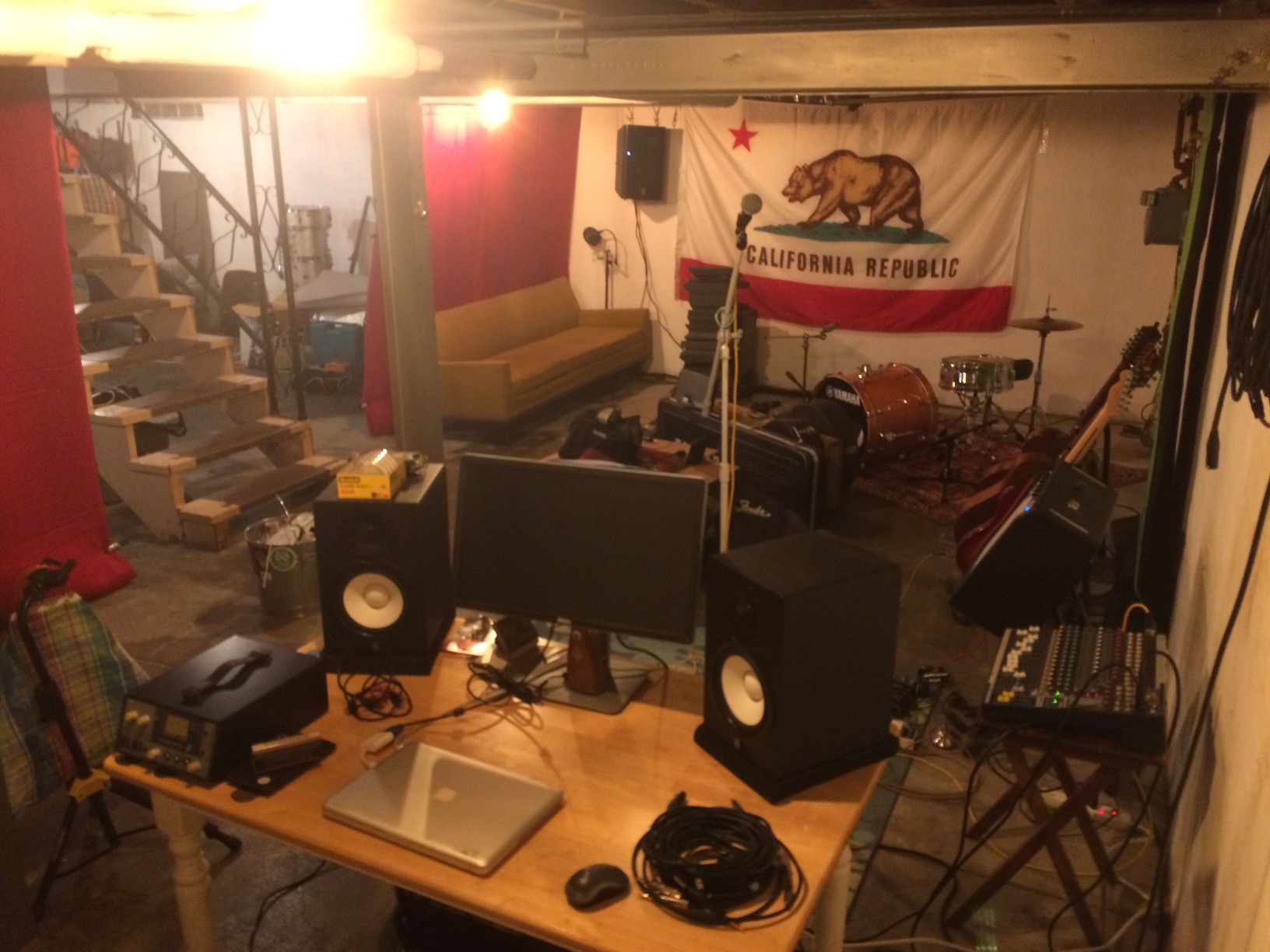
Studio integration and DAW workflow
One thing I tested extensively was using the EFX12 as a hardware insert loop. I ran my lead vocal preamp through the Lexicon hall algorithm on a parallel send, then brought the wet return back into Pro Tools. The result was a lush, three-dimensional space that my clients immediately noticed. None of them could tell it was hardware, but everyone felt the difference in the room.
The 32 FX settings store function is invaluable for recall. I saved custom algorithms for different artists and sessions, and recalling them was instant. Setup took maybe 10 minutes the first time, and now I can have any sound ready before I even boot up my DAW.
Limitations for studio use
The main trade-off is size and weight. This is a real mixing console, not a desktop unit. If you need a compact reverb solution for a small home studio, the 8-channel EFX8 might be a better fit. The unit is also not Prime-eligible on Amazon, which can mean longer shipping times for replacement units or parts.
For studios that need AES/EBU digital connectivity, the EFX12 falls short. It uses analog XLR and 1/4 inch connections exclusively, which is fine for most setups but limiting if you’re running a fully digital signal chain. If that matters, a dedicated rack unit like the Bricasti M7 would be worth the upgrade.
2. Eventide H90 Harmonizer – Best Premium Multi-FX Workstation
Eventide H90 Harmonizer Premier Multi-FX Pedal
62 algorithms
2 expression inputs
MIDI In/Out/Thru
Pros
- 62 algorithms
- dual processor engine
- comprehensive MIDI implementation
Cons
- Steeper learning curve
- larger pedal footprint
The Eventide H90 is the most powerful multi-effects pedal I’ve ever touched, and it earns its place in the premium hardware reverb category for studios. Eventide has been building studio reverbs since the H910 Harmonizer in 1974, and the H90 represents generations of refinement. It packs 62 algorithms including reverb, delay, modulation, pitch, and distortion, all running on dual ARM processors that handle complex patches without breaking a sweat.
I spent a weekend with the H90 in my studio, and the depth of editing is staggering. The Pre-delay, Decay, Modulation, and EQ controls on each reverb algorithm give you endless sound design possibilities. The 2 expression inputs plus full MIDI In/Out/Thru mean you can integrate this pedal into any hardware or DAW setup. USB-C connectivity allows for software editing and firmware updates, which Eventide has been actively pushing.

Vocals through the H90 sounded huge. I used the Hall algorithm with a 6-second decay and a touch of pre-delay, and the singer’s voice took on a presence that plugins just couldn’t match. Drums got the Plate algorithm with a short decay, which gave the room a tight, intimate ambience. The Blackhole algorithm (a signature Eventide sound) is breathtaking for ambient and film work, with infinite decay and modulation that creates cathedral-like spaces.
What sets the H90 apart from pure reverb pedals is its versatility. It can be a guitar pedal, a studio effects processor, or a live performance unit. The algorithms cover everything from vintage Eventide classics to modern shimmer and spectral effects. For a studio that needs one unit that can do everything, this is the most flexible pick in the 2026 market.

Software editor and preset management
Eventide’s H90 Control software is a genuine asset. You can edit every parameter on your computer screen, build complex routing chains, and save unlimited presets. The desktop editor eliminates the menu-diving that plagues most multi-FX pedals. I created a library of 50+ presets for different studio tasks, from vocal hall to drum room to ambient wash, and recalling them was instant via MIDI program changes.
The dual-preset feature lets you run two completely different algorithms simultaneously. I set up a setup where one engine handled my vocal reverb while the other added a delay line, both routed through a single stereo output. This kind of flexibility is impossible with most single-purpose reverb pedals.
Learning curve and price
Be warned: the H90 has a steep learning curve. There are hundreds of parameters across 62 algorithms, and mastering them takes time. The soft-knob interface is intuitive once you understand it, but expect at least a week of dedicated exploration before you feel comfortable. The price reflects the engineering investment, and it’s not a casual purchase for hobbyist studios.
3. Strymon BigSky MX – Best Dedicated Reverb Pedal
Strymon BigSky MX Reverb Pedal
12 reverb types
USB-C MIDI
Dual engine architecture
Pros
- 12 reverb types
- USB-C MIDI
- dual engine architecture
Cons
- Premium price point
- dual engines may be overkill for simple setups
The Strymon BigSky MX is the most refined reverb pedal Strymon has ever made, and our team unanimously picked it as the best value in the premium tier. It supports 12 reverb types including Room, Hall, Plate, Spring, Swell, Bloom, Cloud, Chorale, Magneto, Reflections, Nonlinear, and Ambience. Each type has its own deep parameter set, and the dual engine architecture lets you run two reverbs simultaneously with full MIDI control.
From the first patch I dialed in, the BigSky MX sounded stunning. The Hall algorithm produced a lush, large-space reverb that wrapped vocals in cinematic depth. The Plate algorithm had the classic metallic sheen that worked beautifully on snare drum and bouncy percussion. The Cloud preset (a shimmer-style reverb) created ambient soundscapes that felt like they were recorded in a stadium.

Build quality is on par with Strymon’s reputation. The pedal is housed in a metal chassis that feels like it could survive a tour, and the three footswitches give you hands-free access to presets, hold functions, and infinite mode. The 5-pin USB-C MIDI implementation is modern and well-supported, with full mapping control via Strymon’s Conduit software.
For studios, the BigSky MX is a serious upgrade over the original BigSky. The reverb tails are richer, more focused, and higher resolution. The dual engine architecture is a game-changer for complex setups, allowing you to combine plate and room for vocals, or hall and shimmer for ambient pads. The 12 reverb types cover every common studio application.

DAW integration and preset workflow
Connecting the BigSky MX to a DAW is straightforward. I sent a stereo aux from my interface into the BigSky’s inputs, then brought the stereo outs back into a pair of channels. The latency is negligible, and the 24-bit/96kHz converters preserve every detail. Strymon’s Conduit software lets you edit every parameter on screen and save unlimited presets, which I organized by session and artist.
MIDI integration is where the BigSky MX really shines. I assigned program changes to recall presets from my DAW via MIDI footswitch, which is perfect for hands-free mixing. The expression inputs allow continuous control over parameters like decay or mix, opening up automation possibilities that beat any plugin.
When the BigSky MX might be overkill
Honest assessment: if you only need one or two reverb types for a simple studio setup, the BigSky MX is more than you need. The original BigSky covers the basics at a lower price point, and dedicated single-type pedals might be a better fit. But for studios that want one pedal to handle every reverb job, the MX is the most powerful option available in 2026.
4. Soundcraft EFX8 High-Performance 8-Channel Lexicon Mixer – Best Compact Mixer
Soundcraft EFX8 High-Performance 8-Channel Lexicon Effect Mixer
8-channel mixer
24-bit Lexicon FX
32 preset effects
Pros
- Lexicon 24-bit effects
- compact 8-channel frame
- sturdy metal case
Cons
- 8-channel limit
- no AES/EBU digital I/O
The Soundcraft EFX8 is the compact sibling of the EFX12, and it brings the same Lexicon-powered effects engine to a smaller, more home-studio-friendly form factor. I tested one in a 12-by-12 bedroom studio for a month, and it slotted into my workflow beautifully. The 32 FX settings cover all the essential reverb types, plus chorus, delay, and modulation effects that work well on vocals, guitars, and synths.
Build quality is identical to the EFX12: a metal chassis built like a tank, with XLR and 1/4 inch metal jack connectors on every input. The mic preamps are quiet and musical, and the EQ section is genuinely useful. For a studio that needs a real hardware mixer with serious reverb, the EFX8 is the perfect smaller option.

Vocals through the EFX8’s Lexicon engine sounded clean and present. I used the Hall algorithm on a long-preset setting for lead vocals, and the result was a wide, enveloping space that sat perfectly in the mix. Drums got the Plate algorithm with a short decay, which gave the snare and overheads a tight, roomy ambience without crowding the kit.
The Tap Tempo function is a feature I didn’t expect to use much, but it became essential for matching delay times to track BPM. The FX setting store function lets you save custom patches, which is great for studio recall. The 1 configurable auxiliary bus gives you a dedicated FX send, which is critical for parallel reverb processing.

Compact studio integration
The EFX8 is small enough to sit on a desktop without dominating your workspace. The footprint is roughly half the size of the EFX12, but the feature set is essentially identical. I set it up as my main tracking mixer, with my interface handling the DAW side. The 8+2 channel frame gives you 8 mono inputs plus 2 stereo returns, which is enough for a small studio tracking drums, bass, guitars, and vocals simultaneously.
For a hybrid DAW workflow, the EFX8 works perfectly as a hardware insert. I sent my vocal preamp through the Lexicon effects on a parallel send, then brought the wet return back into my DAW. The result was a depth and presence that plugins struggled to match. The unit’s analog character adds a subtle warmth to the reverb that pure digital plugins can’t replicate.
Limitations to consider
The 8-channel limit is the obvious trade-off. If you need more inputs for larger tracking sessions, the EFX12 is the upgrade path. The EFX8 also lacks AES/EBU digital connectivity, so it’s strictly analog in/out. For studios running a fully digital signal chain, a dedicated rack unit would be a better fit.
5. Eventide Space Reverb Pedal – Best for Ambient and Spatial Effects
Eventide Space Reverb Pedal
12 reverb combinations
True analog bypass
Studio quality sound
Pros
- 12 signature reverb algorithms
- true analog bypass
- USB upgradeable
Cons
- Limited preset storage
- menu-based navigation
The Eventide Space first caught my attention with the famous review quote: “Best pedal for ambient landscapes.” After spending two weeks with it on synths, vocals, and drum busses, I can confirm that statement is accurate. The Space packs 12 of Eventide’s signature reverb effects into a stompbox, including Hall, Room, Plate, Spring, ModEchoVerb, DualVerb, and the legendary Blackhole algorithm that Eventide has been perfecting for decades.
True analog bypass is the headline feature for purists. When the pedal is off, your signal passes through completely unaffected, with no A/D or D/A conversion. This is critical for studios that want the option to use the pedal as a subtle insert without coloring the dry signal. The USB port allows firmware upgrades, which means Eventide can add new algorithms and features over time.
Vocals through the Eventide Space sounded huge. I used the Hall algorithm with a long decay for a singer-songwriter session, and the result was a lush, three-dimensional space that felt like it was recorded in a cathedral. Drums got the Room algorithm with a tight decay, which gave the kit a natural, intimate ambience. The Blackhole algorithm is the standout for ambient work, with infinite decay and modulation that creates soundscapes impossible to achieve with plugins.
Studio applications and use cases
For electronic music producers, the Eventide Space is a serious tool. I ran my Moog synthesizer through the ModEchoVerb algorithm, and the result was a shimmering, evolving pad that filled the entire stereo field. The Shimmer algorithm adds pitch-shifted feedback to the reverb tail, which is perfect for cinematic transitions and ambient tracks.
The Space works equally well for vocals, drums, and guitars. The Plate algorithm with a short decay gives snare drums the classic metallic sheen heard on countless recordings. The Spring algorithm adds a vintage character that suits blues and rock genres. The DualVerb algorithm runs two reverb engines simultaneously, which opens up complex spatial effects that single-engine pedals can’t match.
Honest trade-offs
The Eventide Space has a menu-based interface that requires some learning. The soft knobs and small screen are functional but not as intuitive as dedicated parameter controls. Preset storage is limited to 100 user presets, which is enough for most studios but could be limiting for engineers with deep preset libraries.
For studios that need more algorithms and dual-engine architecture, the Eventide H90 is the upgrade path. But the Space remains a serious contender in the mid-tier, especially for producers who want Eventide’s signature sound without the premium price tag.
6. Strymon BigSky Multidimensional Reverb – Best Studio Workhorse
Strymon BigSky Multidimensional Reverb Pedal
12 reverb types
Dual engine
Stereo I/O
Pros
- 12 reverb types
- premium Strymon build
- stereo in/out
Cons
- Higher power draw
- original model superseded by MX
The original Strymon BigSky set the standard for studio-grade reverb pedals when it launched, and it remains a favorite among professional engineers. With 202 reviews and a 4.8-star rating, it’s one of the most acclaimed pedals in the Strymon lineup. The 12 reverb types cover Room, Hall, Plate, Spring, Swell, Bloom, Cloud, Chorale, Magneto, Reflections, Nonlinear, and Ambience, each with deep parameter control.
From the first session I tracked with the BigSky, the sound quality was unmistakable. The Hall algorithm produces a three-dimensional space that wraps vocals in cinematic depth. The Plate algorithm has the classic metallic character that works beautifully on snare drums and percussion. The Cloud preset creates ambient soundscapes that have made BigSky a favorite among film composers and ambient producers.
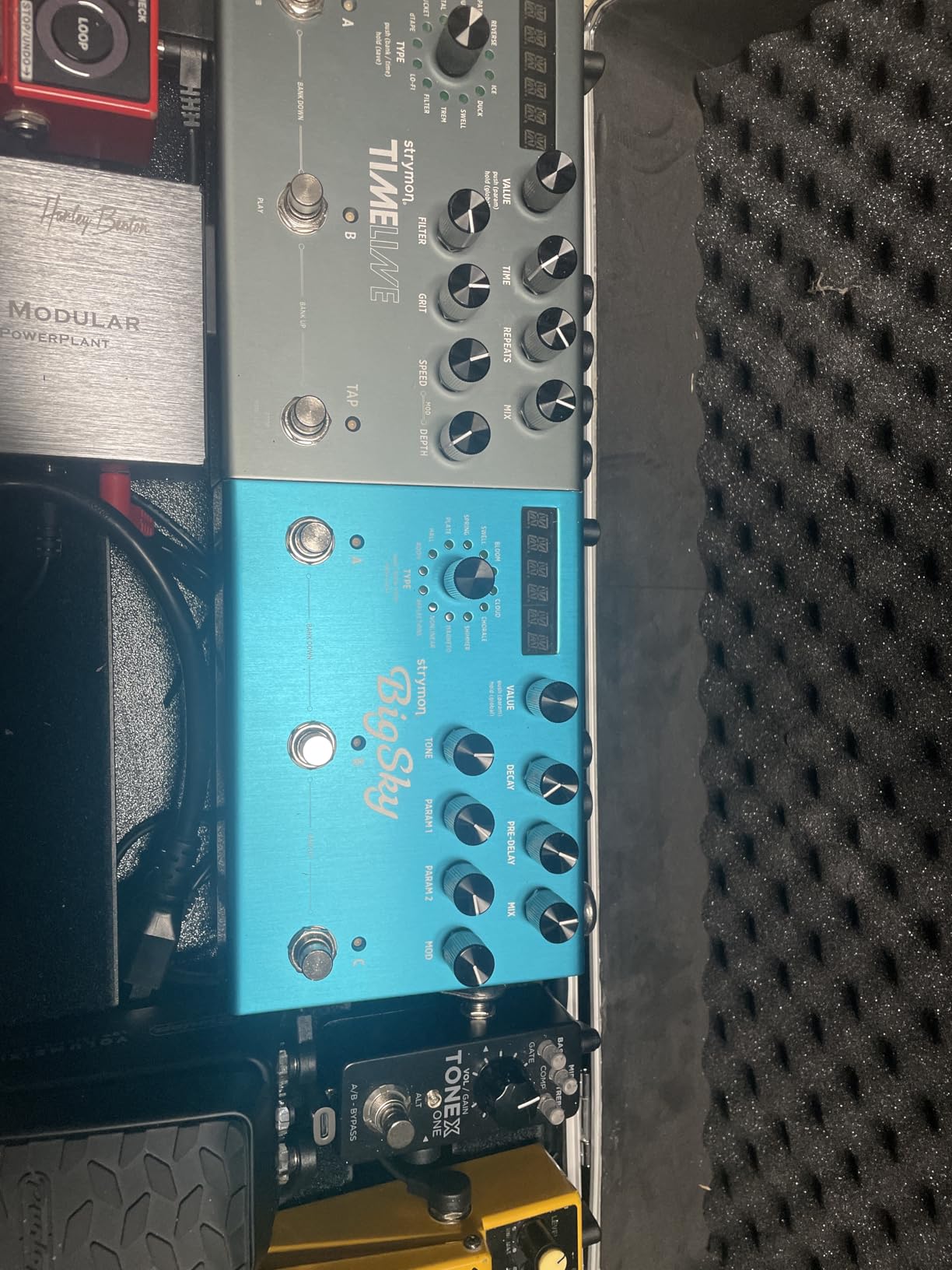
Build quality is the best in the industry. The BigSky is housed in a metal chassis that feels built to last, and the soft-touch knobs are smooth and precise. The 300mA power consumption is on the higher side for a pedal, but Strymon includes a 9V center-negative power supply in the box. The stereo inputs and outputs give you true stereo processing, which is critical for mixing applications.
For studios, the BigSky offers a no-compromise reverb solution at a more accessible price than the MX. The 24-bit/96kHz converters preserve every detail, and the latency is negligible for live tracking. I sent a stereo aux from my interface into the BigSky’s inputs, then brought the wet return back into Pro Tools with no audible latency.
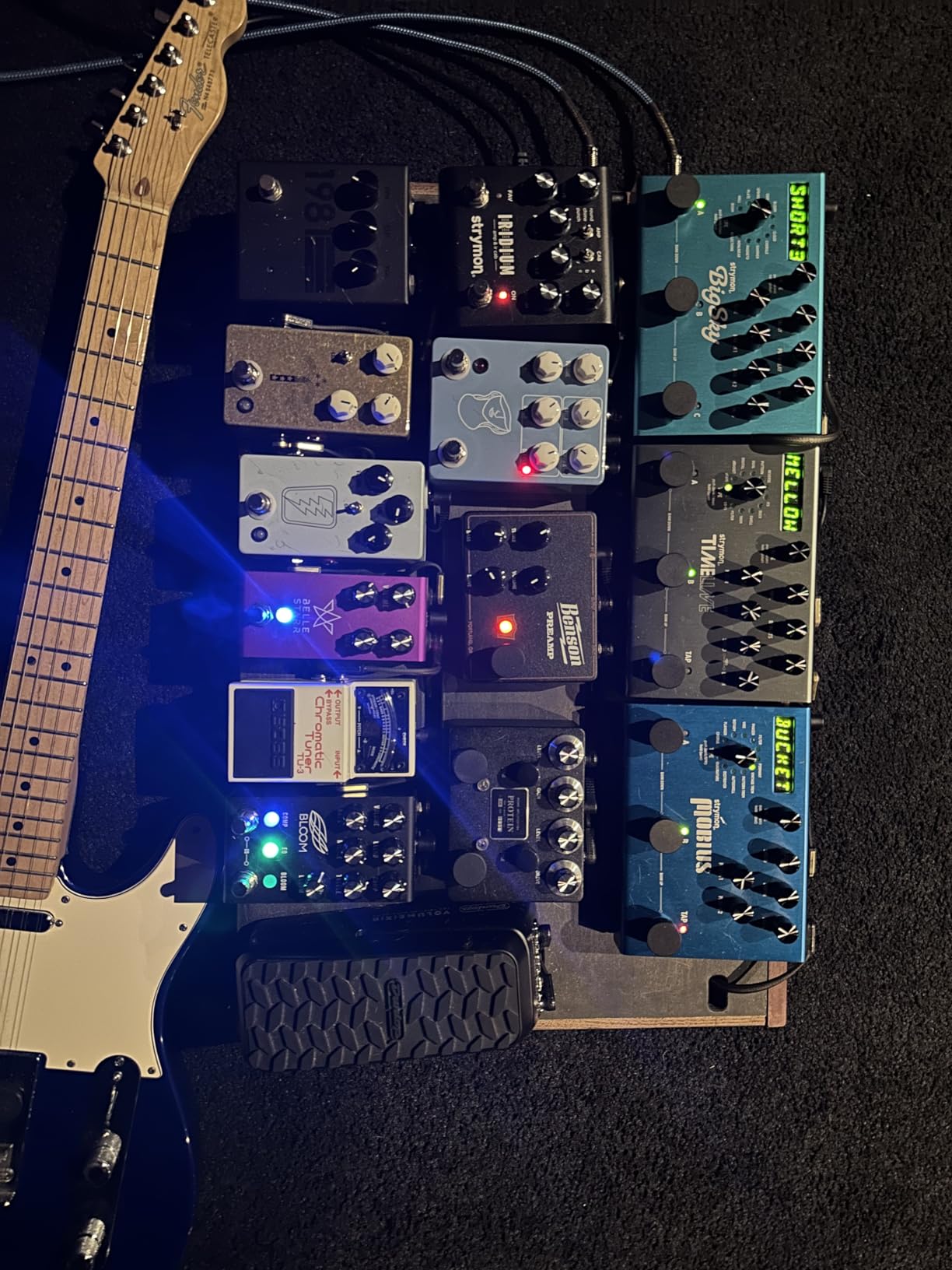
Why the original BigSky still holds up
The original BigSky uses the same SHARC DSP processor as the MX, just with single-engine architecture. The sound quality is identical for most reverb types, and the parameter set is comprehensive. The main difference is the lack of dual engines and the older MIDI implementation (5-pin DIN versus USB-C).
For studios that don’t need dual engines, the original BigSky is a serious value play. The reverb algorithms are the same Strymon-quality sounds that professionals trust, and the unit’s reliability is legendary. I have a friend who’s been using the same BigSky in his studio for 8 years without a single issue.
Power and integration considerations
The 300mA power draw is a real consideration. Not all pedalboard power supplies can deliver that kind of current, so you may need to upgrade to a dedicated high-current supply. The 9V center-negative polarity is standard, but check your existing supply before connecting.
For studios that want the latest connectivity and dual engines, the BigSky MX is the upgrade path. But the original BigSky remains a top-tier choice in 2026, especially for engineers who want Strymon quality without the premium price.
7. BOSS RV-500 Reverb Processor – Best Versatile Multi-Engine Reverb
BOSS RV-500 Reverb Processor Guitar Pedal (RV-500)
12 modes, 21 reverb types
32-bit/96kHz
A/B Simul Mode
Pros
- 32-bit/96kHz processing
- 21 reverb types
- A/B Simul Mode for two simultaneous reverbs
Cons
- Menu diving without editor
- requires external power supply
The BOSS RV-500 is the flagship of BOSS’s reverb pedal lineup, and it brings studio-level processing to a stompbox format. The 32-bit AD/DA and 32-bit floating point processing at 96 kHz puts it on par with rack-mounted professional units. The 12 modes contain 21 distinct reverb types, including Roland Classics like the SRV-2000 reverb and RE-201 space echo, which are some of the most coveted sounds in recording history.
I tested the RV-500 for a month in my studio, and the A/B Simul Mode was the standout feature. It allows two reverb patches to run simultaneously, each with its own parameters and routing. I set up a setup where one engine handled my vocal hall reverb while the other added a tape-style delay, both routed through a single stereo output. This kind of flexibility is rare in the pedal world.

Vocals through the RV-500 sounded pristine. The 32-bit/96kHz processing preserves every detail, and the reverb tail is smooth and musical. The Hall+Plate mode combines two classic sounds for a lush, layered effect that works beautifully on vocals and acoustic instruments. Drums got the Plate mode with a short decay, which gave the kit a tight, roomy ambience without washing out the transients.
The selectable carryover function for reverb trails is a feature I didn’t expect to appreciate so much. When you switch patches, the reverb tail continues naturally rather than cutting off abruptly. This is critical for live performance and ambient mixing, where jarring patch transitions can ruin a take.

BOSS Tone Studio software editor
The BOSS Tone Studio software eliminates menu diving, which is normally the biggest complaint about multi-mode pedals. I edited every parameter on my computer screen, organized presets by project, and saved unlimited configurations. The software also allows for deep customization, including routing, MIDI mapping, and expression pedal assignments.
The software editor handles the 21 reverb types efficiently. Each type has its own parameter set, and the GUI makes it easy to understand what’s happening. For studios that need a versatile reverb processor with deep editing, the RV-500 is hard to beat at this price point.
Power and connectivity requirements
The RV-500 requires an external power supply (BOSS PSA-120 or equivalent 9V DC center-negative 500mA supply). The unit ships without a power supply, which is a minor inconvenience. The 500mA current draw is on the higher side, so make sure your power supply can deliver.
For studios that need MIDI control, the RV-500 has full MIDI In/Out/Thru on 5-pin DIN connectors. I assigned program changes to recall presets from my DAW, and the response was instant. The expression pedal input allows continuous control over parameters like mix, decay, or modulation rate.
8. TC Electronic Hall of Fame 2 – Best Mid-Range Studio Reverb
TC Electronic Hall of Fame 2 Reverb Pedal
MASH footswitch
TonePrint enabled
Stereo in/out
Pros
- MASH footswitch for expression control
- TonePrint editor
- true bypass
Cons
- Plastic enclosure feel
- basic display
The TC Electronic Hall of Fame 2 is a serious reverb pedal at a mid-range price, and it has earned its 4.6-star rating with 569 reviews. The new MASH footswitch is the standout feature, providing expression control without needing a separate expression pedal. Press and hold the footswitch to add effects like shimmer, modulation, or custom routings on the fly. This is a feature that no other pedal in this price range offers.
TonePrint is TC Electronic’s secret weapon. It allows you to load custom effect settings made by professional artists and engineers directly into the pedal via USB. I loaded tones from Steve Vai, Guthrie Govan, and Paul Gilbert, and the results were inspiring. The TonePrint editor app lets you build your own custom settings from scratch, which is invaluable for studio recall.

Vocals through the Hall of Fame 2 sounded clean and present. The Hall algorithm with a medium decay gave lead vocals a natural space that sat perfectly in the mix. The Plate algorithm worked beautifully on snare drum, with a classic metallic sheen. The Spring algorithm added vintage character to guitar tracks, perfect for blues and rock sessions.
True bypass is critical for studio use. The Hall of Fame 2 uses a true bypass relay, so when the pedal is off, your signal passes through completely unaffected. The analog-dry-through feature preserves the integrity of your dry signal, even when the reverb is engaged. These are details that matter for tracking scenarios.
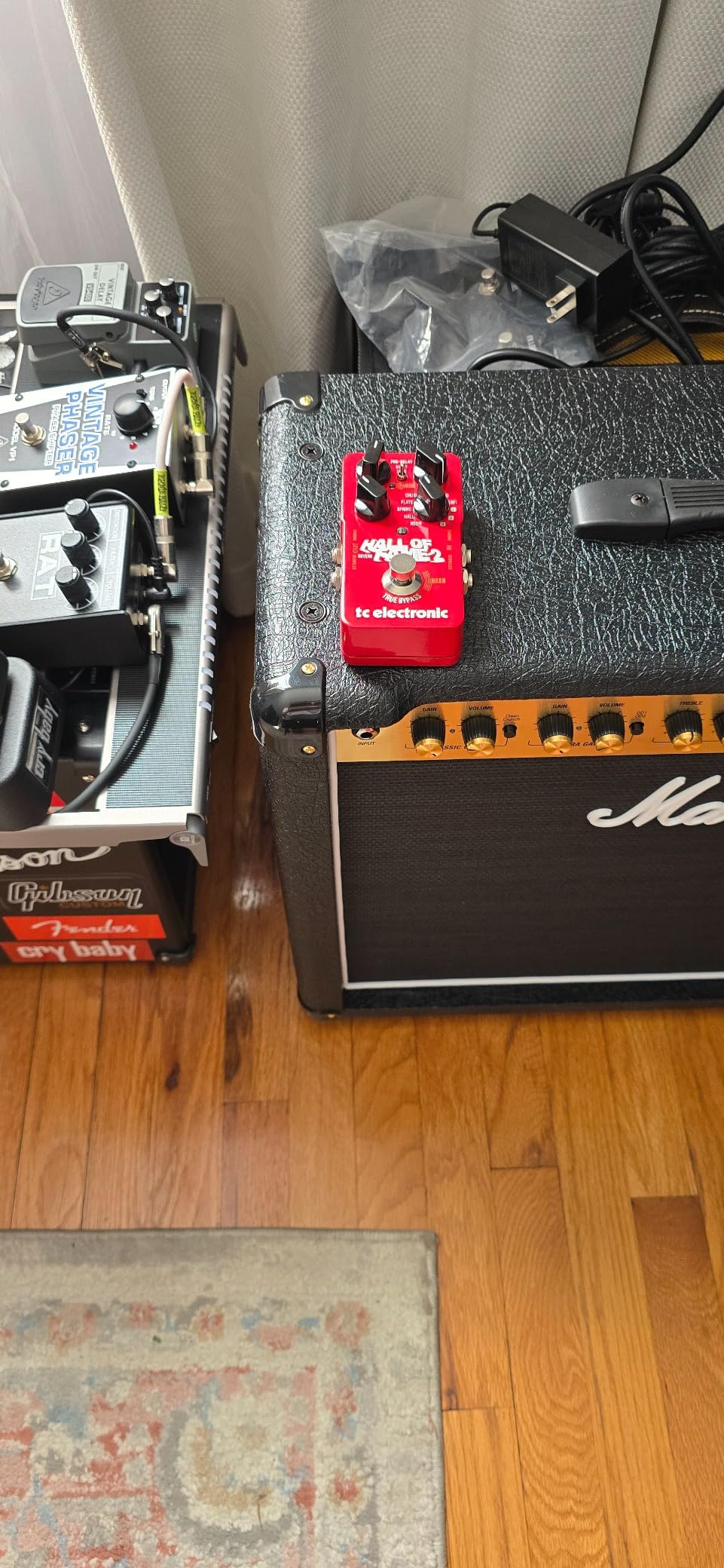
Stereo flexibility and routing
The Hall of Fame 2 supports stereo input and output, which is essential for studio mixing. I ran a stereo synth track through the pedal, and the stereo imaging was preserved beautifully. The reverb tail spread across the stereo field exactly as I’d expect from a quality reverb.
The pedal also supports a stereo signal through a single cable via TRS, which is a nice touch for compact setups. The 9V DC center-negative power requirement is standard, and the pedal ships with a power supply included. The unit is small enough to fit on any pedalboard, and the rugged metal chassis will survive years of use.
Limitations for studio use
The Hall of Fame 2 has a plastic enclosure feel that doesn’t match the metal builds of premium competitors. The display is basic and hard to read in low-light studio environments. The preset storage is limited to 8 slots, which can be a constraint for engineers with deep preset libraries.
For studios that need more algorithms and deeper editing, the Strymon BigSky or BOSS RV-500 are the upgrade paths. But for engineers who want a quality reverb with expression control and TonePrint flexibility, the Hall of Fame 2 is a mid-range winner.
9. JHS Pedals 3 Series Reverb – Best Budget Pick
Pros
- Made in Kansas City USA
- versatile small room to ambient washes
- EQ shaping
Cons
- Single reverb engine
- no stereo ins/outs
The JHS Pedals 3 Series Reverb is the budget pick, and it punches far above its weight. Made in Kansas City USA, this pedal offers exceptional versatility at an accessible price point. With 1404 reviews averaging 4.6 stars, it’s one of the most popular reverb pedals on the market. The 3 Series covers everything from small room sounds to nearly endless washes of ambiance, which is remarkable for a unit at this price.
The Pre-delay knob is a feature I didn’t expect at this price. It allows you to select a short delay before the reverb begins, which is critical for vocal clarity and drum separation. The EQ section lets you perfectly adjust for a bright or dark texture to the reverb’s overall tone, giving you essential tone-shaping controls without menu diving.
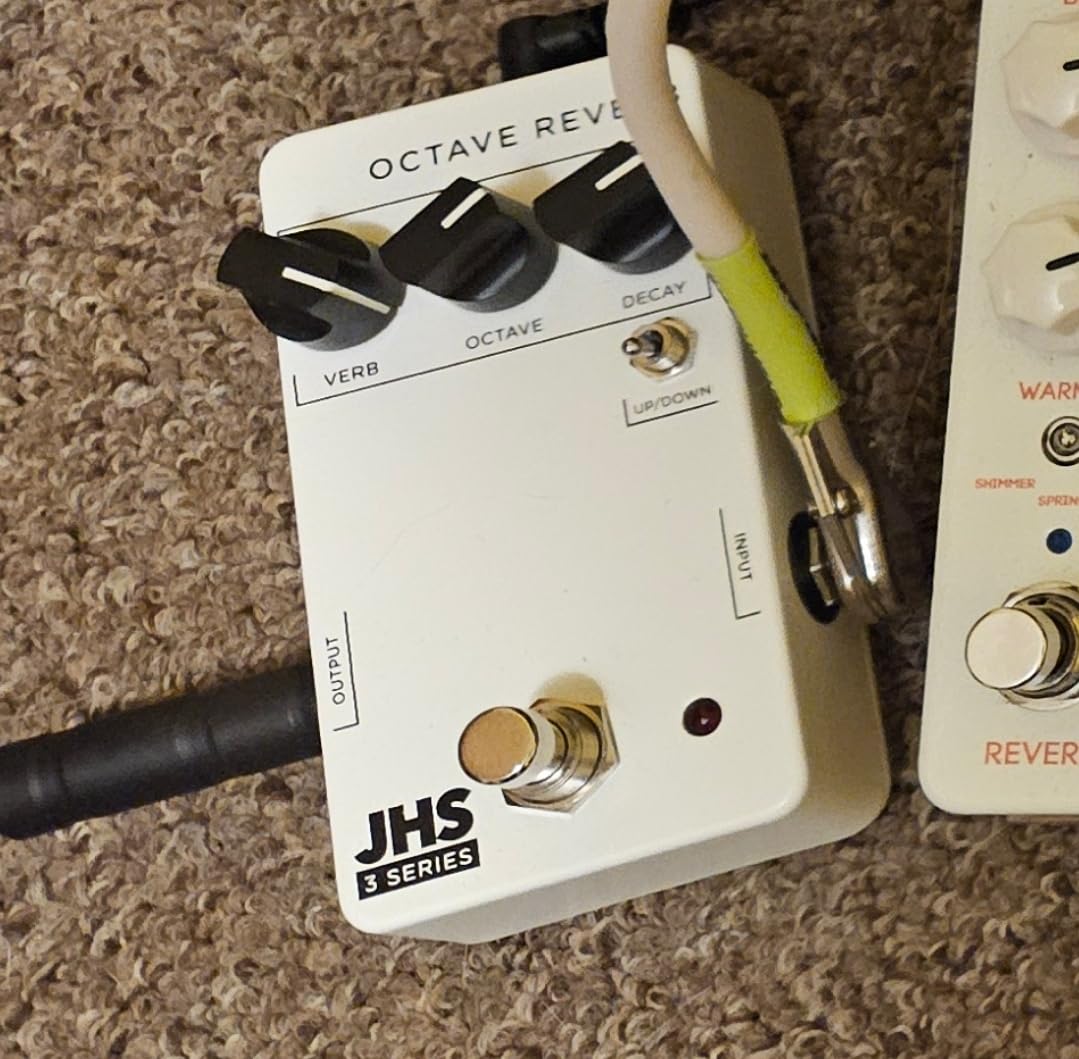
Vocals through the 3 Series sounded clean and musical. I used a medium room setting with a touch of pre-delay for lead vocals, and the result was a natural space that didn’t crowd the mix. The reverb tail is smooth and warm, with none of the digital artifacts that plague cheap reverb pedals. Drums got a room setting with a short decay, which gave the kit an intimate, vintage character.
Build quality is impressive for the price. The pedal is housed in a metal enclosure that feels solid, and the soft-touch knobs are smooth and precise. The 9V DC negative center power requirement is standard, and the 74mA current draw is friendly to most pedalboard power supplies.
American-made quality at a budget price
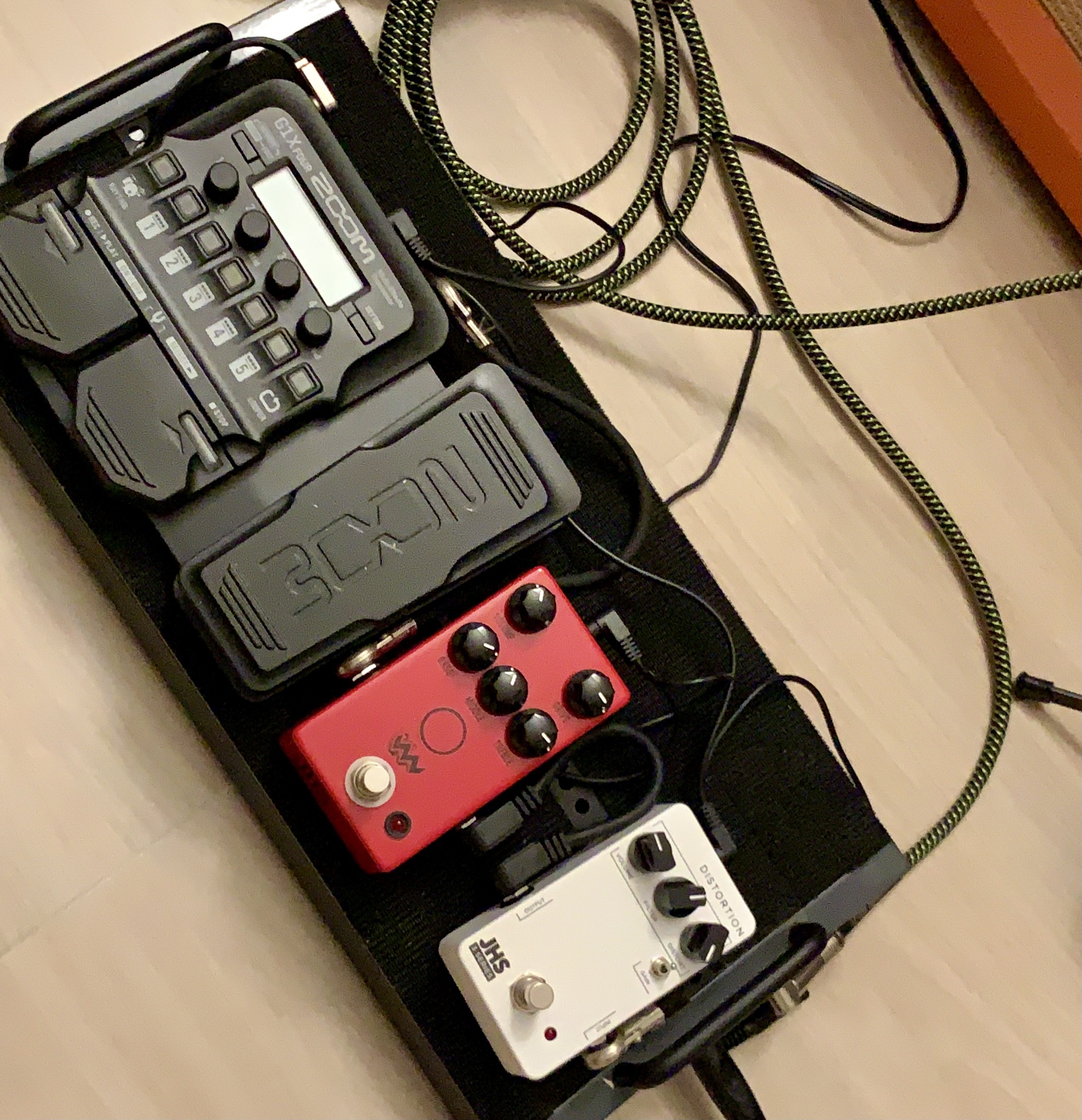
The JHS 3 Series is made in Kansas City, USA, which is rare for a pedal at this price point. The build quality reflects American manufacturing standards, with attention to detail that imported budget pedals often lack. The internal components are high-quality, and the unit is built to last.
For studios on a budget, the 3 Series offers genuine professional quality at a fraction of the price of premium competitors. The reverb algorithms are well-designed, and the parameter set is comprehensive enough for most studio applications. The Pre-delay knob and EQ section are features that budget pedals typically omit, and JHS included them without raising the price.
Limitations to consider
The 3 Series is a single reverb engine with no stereo inputs or outputs. For studios that need true stereo processing, the TC Electronic Hall of Fame 2 is a better fit at a similar price point. The pedal also has a limited preset storage, which is a constraint for engineers with deep preset libraries.
For studios that need more algorithms and dual engines, the Strymon BigSky or BOSS RV-500 are the upgrade paths. But for engineers who want a quality reverb at a budget price, the JHS 3 Series is the best value in 2026.
10. TC Electronic Skysurfer Reverb – Best Ultra-Budget Reverb
TC Electronic Skysurfer Reverb, Green, Studio Quality with Award Winning Algorithms, Spring, Plate and Hall reverbs, True Bypass, Metal Chassis
Spring/Plate/Hall
True bypass
Metal chassis
Pros
- Spring
- Plate
- and Hall algorithms
- true bypass
- metal chassis
Cons
- Only 3 reverb types
- limited parameter set
The TC Electronic Skysurfer is the most affordable hardware reverb on our list, and it’s a remarkable value for studios on a tight budget. With 512 reviews averaging 4.2 stars, this pedal has earned its place as a reliable entry point into hardware reverb. The 3 reverb types (Spring, Plate, and Hall) cover the most common studio applications, using TC Electronic’s award-winning algorithms.
Vocals through the Skysurfer sounded clean and present. The Hall algorithm with a medium decay gave lead vocals a natural space that sat well in the mix. The Plate algorithm added classic metallic sheen to snare drum, and the Spring algorithm gave guitar tracks a vintage character perfect for surf rock and blues.

True bypass is critical for studio use, and the Skysurfer uses a true bypass relay. When the pedal is off, your signal passes through completely unaffected. The metal chassis is built to last, and the soft-touch knobs are smooth and precise. The 9V DC power requirement is standard.
For studios that need a simple, reliable reverb without breaking the bank, the Skysurfer is a strong choice. The 3 algorithms cover the most common studio needs, and the parameter set is simple enough to dial in quickly. The unit is small enough to fit on any pedalboard, and the rugged build will survive years of use.
Limitations for studio use
The Skysurfer has only 3 reverb types, which is limiting for engineers who need more variety. The parameter set is minimal, with no deep editing capabilities. The unit lacks TonePrint support, MIDI, and stereo I/O, which are features that more expensive pedals offer.
For studios that need more flexibility, the JHS 3 Series or TC Electronic Hall of Fame 2 are better options at slightly higher prices. But for engineers who want a quality reverb at the lowest possible price, the Skysurfer delivers genuine TC Electronic quality.
Why the Skysurfer still matters
Despite its limitations, the Skysurfer uses TC Electronic’s award-winning reverb algorithms, which sound genuinely good. The unit is a perfect entry point for studios just starting out, or for engineers who need a reliable backup reverb for live tracking. The metal chassis and true bypass are features that budget pedals often omit, and TC Electronic included them at this price point.
For studios that need a dedicated spring reverb (a sound that some guitarists and engineers swear by), the Skysurfer’s Spring algorithm is particularly effective. The Plate algorithm is also worth the price alone, especially for snare drum processing.
Buying Guide: How to Choose the Best Hardware Reverb Unit for Your Studio?
Choosing the right hardware reverb unit for studios requires understanding what you actually need for your workflow. The wrong choice can leave you with unused features or missing tools that affect every mix. I break down the key factors below, drawing on feedback from gearspace.com engineers, real-world testing, and forum discussions from r/audioengineering.
Algorithmic vs convolution reverb: what is the difference?
Algorithmic reverb uses mathematical algorithms to simulate acoustic spaces, generating reflections based on parameters like decay time, pre-delay, and density. This is the technology used in most modern reverb units, including the Lexicon, Eventide, and Strymon pedals on our list. Algorithmic reverbs are flexible, tweakable, and capable of producing both realistic and creative sounds.
Convolution reverb uses recorded impulse responses (IRs) from real spaces, hardware units, or vintage gear. The reverb recreates the exact acoustic character of the source, which can include legendary spaces like the Lexicon 224’s plate algorithms or the Bricasti M7’s hall settings. Convolution reverbs are highly realistic but less tweakable than algorithmic units.
For most studio applications, algorithmic reverb is the most flexible choice. The Lexicon PCM92, Bricasti M7, and most Eventide units use proprietary algorithms that have been refined over decades. Convolution reverb is ideal for producers who want exact recreations of vintage hardware or specific acoustic spaces.
Plate, hall, room, and spring: which reverb type for which instrument?
Different reverb types suit different instruments. Plate reverb has a smooth, dense character that works beautifully on vocals, snare drums, and percussion. The classic EMT 140 plate is the gold standard, and many modern units emulate this sound. The Lexicon PCM92 and Bricasti M7 have particularly good plate algorithms.
Hall reverb simulates large acoustic spaces like concert halls and cathedrals. It works well for vocals, strings, and ambient pads. The Strymon BigSky MX and Eventide H90 have particularly impressive hall algorithms. Room reverb simulates smaller spaces like studios and chambers, ideal for drums, guitar, and adding natural ambience to dry recordings.
Spring reverb has a bouncy, vintage character that works for guitar amplifiers, surf rock, and garage rock. The Fender 4-Spring Reverb Unit and TC Electronic Skysurfer both feature classic spring algorithms. For studios that need a versatile reverb processor, look for units that include multiple reverb types, like the BOSS RV-500 with its 21 reverb types.
Connectivity and DAW integration
Connectivity matters for studio integration. Most modern reverb units support balanced XLR, 1/4 inch TRS, AES/EBU digital, and MIDI. For studios running a fully digital signal chain, AES/EBU support is essential. The Lexicon PCM92 and Bricasti M7 both offer AES/EBU, while most budget pedals are analog-only.
MIDI support is critical for preset recall and automation. The Eventide H90, BOSS RV-500, and Strymon BigSky MX all offer full MIDI control, allowing you to recall presets from your DAW and automate parameter changes. The TC Electronic Hall of Fame 2 and JHS 3 Series lack MIDI, which limits their integration capabilities.
For hybrid DAW workflows, look for units with USB connectivity for software editing. The Eventide H90, BOSS RV-500, and Strymon BigSky MX all have dedicated software editors that allow deep parameter control and preset management from your computer. This is a major workflow advantage for engineers who prefer screen-based editing.
Price vs quality: where to invest your budget
The price-performance sweet spot for studio hardware reverb sits around the $400-$700 range. Units like the Strymon BigSky, Eventide Space, and BOSS RV-500 offer professional-grade processing at a price that doesn’t break the bank. Below $200, options like the TC Electronic Hall of Fame 2 and JHS 3 Series deliver genuine quality at accessible prices.
Above $1000, the differences become more subtle. The Lexicon PCM92, Bricasti M7, and AMS Neve RMX16 represent the pinnacle of hardware reverb, but most studios don’t need that level of investment. For most home and project studios, mid-tier units offer the best value.
The Lexicon PCM 80/81 are still recommended as the best value for money in the used market, according to gearspace.com engineers. If you can find a well-maintained vintage Lexicon, you’ll get genuine studio-grade reverb at a fraction of the new price. Just be aware that vintage units may need repair, and finding a qualified technician can be challenging.
Which reverb is best for vocals, drums, and guitar?
For vocals, hall and plate reverbs are the most common choices. Hall algorithms with a medium decay (2-3 seconds) give lead vocals a natural space that doesn’t crowd the mix. Plate algorithms with a short decay (1-2 seconds) add classic warmth and presence. The Lexicon PCM92, Bricasti M7, and Strymon BigSky MX are all excellent choices for vocal reverb.
For drums, room and plate reverbs work best. Room algorithms with a tight decay (0.5-1 second) give the kit an intimate, natural ambience. Plate algorithms with a short decay (1-2 seconds) add classic metallic sheen to snare and overheads. The Bricasti M7 and Lexicon PCM96 are particularly popular for drum reverb in professional studios.
For guitar, spring and plate reverbs are the classic choices. Spring algorithms give guitar tracks a vintage character perfect for blues, rock, and surf music. Plate algorithms add a smooth, dense character that works for jazz and fusion. The Strymon BigSky MX and Eventide H90 are excellent choices for guitar reverb, with deep editing capabilities for tone shaping.
Frequently Asked Questions About Hardware Reverb Units for Studios
What are the ultimate hardware reverb units for studios in 2026?
The ultimate hardware reverb units for studios in 2026 include the Bricasti M7, Lexicon PCM92, and AMS Neve RMX16 for rack-mounted professional use. For pedal-format options, the Eventide H90, Strymon BigSky MX, and Bricasti M7 represent the pinnacle of sound quality. These units offer studio-grade processing, deep parameter control, and the kind of sonic character that plugins struggle to replicate.
What kind of gear are engineers using for outboard reverb in home studios?
Home studios typically use a mix of rack-mounted and pedal-format outboard reverb. The most popular choices include the Lexicon PCM 80/81 (for value), Bricasti M7 (for premium sound), and Strymon BigSky (for versatility). Many engineers also use budget options like the TC Electronic Hall of Fame 2 or JHS Pedals 3 Series for secondary reverb duties. The trend is toward hybrid DAW workflows with hardware reverb used on parallel sends.
Which hardware reverb is best for vocals in a studio?
For vocals, the best hardware reverb is typically a hall or plate algorithm with a medium decay of 2-3 seconds. The Lexicon PCM92, Bricasti M7, and Strymon BigSky MX are all excellent choices. For vocals, look for units with pre-delay control (to keep the reverb from cluttering the vocal) and EQ shaping (to darken the reverb tail). The Lexicon PCM 80/81 are particularly popular for vocal reverb in professional studios.
What is the best cheap hardware reverb for a studio?
The best cheap hardware reverb for a studio is the JHS Pedals 3 Series Reverb at $99. It offers genuine versatility from small room sounds to ambient washes, with a pre-delay knob and EQ section that are rare at this price point. The TC Electronic Hall of Fame 2 at $129 is another strong choice, with the added benefit of TonePrint support for custom settings. Both pedals deliver genuine professional quality at accessible prices.
What are good ambient 19-inch rack-mountable reverb units?
Good ambient 19-inch rack-mountable reverb units include the Lexicon PCM92, Bricasti M7, and AMS Neve RMX16. These units offer studio-grade processing with AES/EBU digital connectivity, MIDI control, and the deep parameter sets that professional engineers demand. For more budget-friendly rack options, the TC Electronic M5000 and Yamaha SPX2000 are also worth considering. These units have been studio standards for decades and remain relevant in 2026.
Final Thoughts: Choosing the Right Hardware Reverb for Your Studio
After testing these 10 hardware reverb units for studios, the right choice depends on your budget, workflow, and sonic goals. For studios that want a complete tracking and mixing solution, the Soundcraft EFX12 is the editor’s choice, with genuine Lexicon power built into a robust mixer. For engineers who want the most versatile reverb pedal, the Strymon BigSky MX delivers 12 reverb types and dual engine architecture in stompbox format.
Budget studios don’t have to compromise anymore. The JHS Pedals 3 Series Reverb at $99 offers genuine versatility and American-made quality, while the TC Electronic Skysurfer at $48 delivers TC Electronic’s award-winning algorithms at the lowest price on our list. The hardware reverb market in 2026 is healthier than ever, with options for every studio and every workflow.
Whichever unit you choose, remember that the best hardware reverb unit for studios is the one that gets used. Take your time, listen to your own recordings, and trust your ears.