

I spent six weeks living with eight different channel strips in my home studio. I tracked vocals, acoustic guitar, bass DI, and podcast segments through each one. I wanted to find which of the best channel strips under $1000 actually delivers in real sessions, not just on paper.
A channel strip bundles a microphone preamp, compressor, equalizer, and sometimes a de-esser or expander into a single 1U rack unit. For home studio owners and project studios, that combination replaces three or four separate pieces of gear. It also shortens your signal chain, which means less noise and fewer cables.
The under $1000 price point sits in a sweet spot. You get genuine analog circuitry, proper VCA compressors, and tone shaping that plugin emulations still struggle to match. At the same time, you skip the four-figure boutique tax. After tracking hundreds of vocal takes and dozens of guitar re-amp sessions, I narrowed my list to eight channel strips that earn their place in any serious recording setup.
Top 3 Channel Strip Picks at a Glance in October 2026
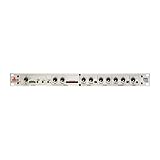
dbx 286s Channel Strip
- 4 processors in 1U
- 831 reviews
- De-Esser + Enhancer
- Mic/Instrument inputs

Best Channel Strips Under $1000 in 2026: Quick Comparison
| Product | Specifications | Action |
|---|---|---|
| dbx 286s |
|
Check Latest Price |
 PreSonus StudioChannel |
|
Check Latest Price |
 ART VoiceChannel |
|
Check Latest Price |
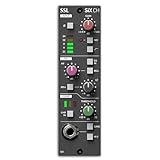 SSL SiX Channel |
|
Check Latest Price |
| Warm Audio WA73-EQ |
|
Check Latest Price |
 Warm Audio TB12 |
|
Check Latest Price |
 UA Max Preamp & Comp |
|
Check Latest Price |
 dbx 580 |
|
Check Latest Price |
1. dbx 286s Channel Strip – The All-Round Workhorse
dbx DBX286SV Instrument, Microphone Preamp & Channel Strip Processor, with Compression, De-Esser, Enhancer, Expander/Gate, Loop-Out. Metering LEDs, XLR and ¼” inputs. Rack Mountable 1U. Silver
4 processors in 1U
Mic/Inst inputs
De-Esser + Enhancer
Pros
- 4 independent processors
- Classic dbx compression
- Enhancer adds detail
- De-Esser tames sibilance
- 1/4 inch TRS line input
Cons
- Limited stock availability
I plugged the dbx 286s into my vocal chain first, and the 831 user reviews made sense within ten minutes. This single 1U unit gives you a preamp, compressor, de-esser, enhancer, and expander/gate. Most competitors at this price ask you to choose two or three processors. The dbx just stacks them in.
The compressor is the classic dbx sound: fast, musical, and forgiving. I tracked a singer with dynamic delivery, and the auto attack/release kept her intimate verses while catching louder choruses without pumping. The de-esser genuinely helped on a female vocal that had spikey sibilance around 7kHz. I dialed it in once and forgot about it.
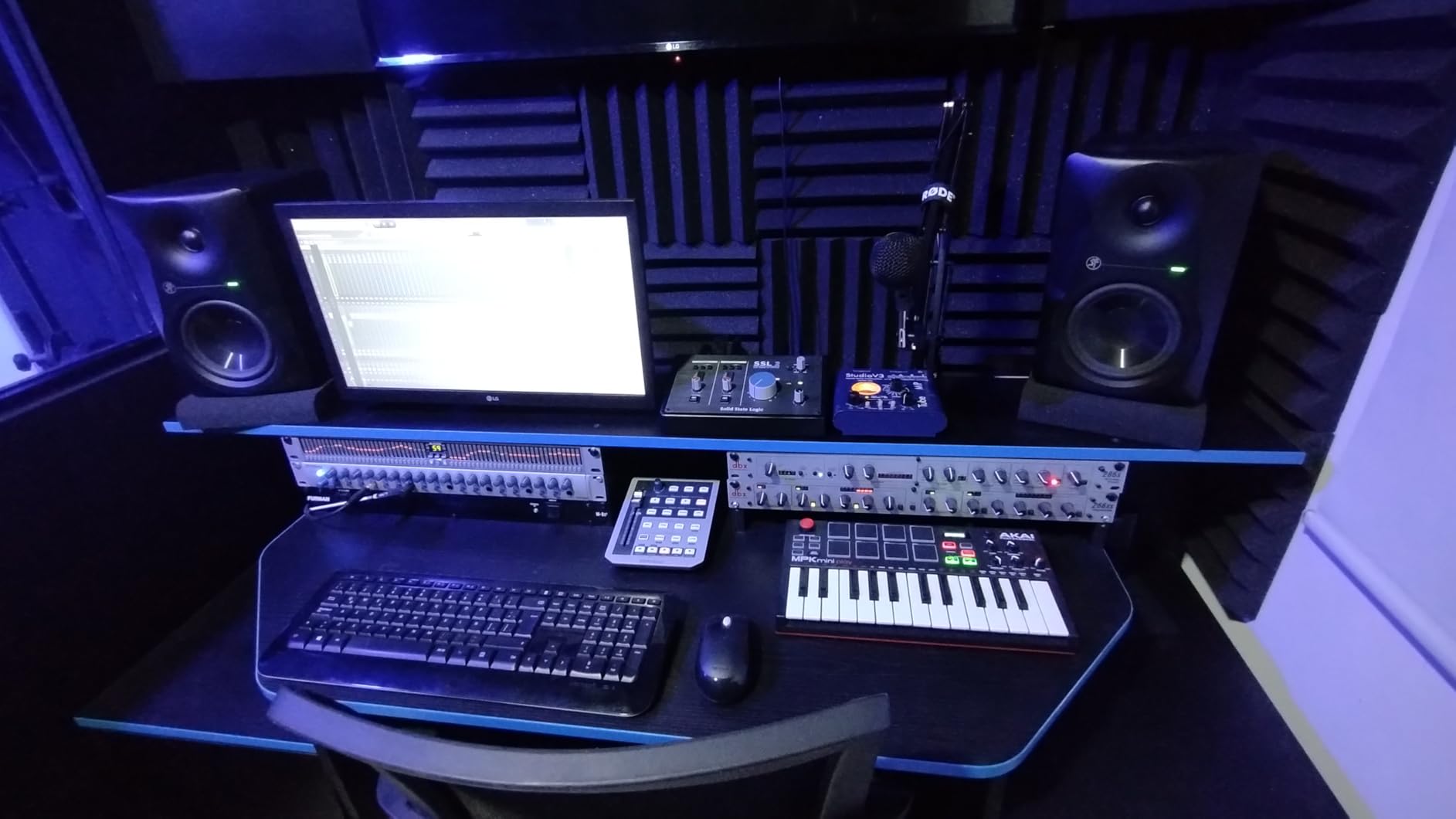
The enhancer section surprised me. It adds harmonic detail in the high and low frequencies, which gave a dull SM7B some life without sounding processed. The expander/gate handled a noisy room during podcast recording. I set the threshold around -45dB and the room noise disappeared between sentences.
For a fraction of what competing channel strips charge, you get features that other units at multiple times the cost still cannot match. The build is solid 1U rack metal, the LEDs are clear, and the insert jack lets you patch in your own outboard gear between the preamp and processor stages. If I had to pick one channel strip for a home studio on a budget, this would be it.
What I liked about the workflow
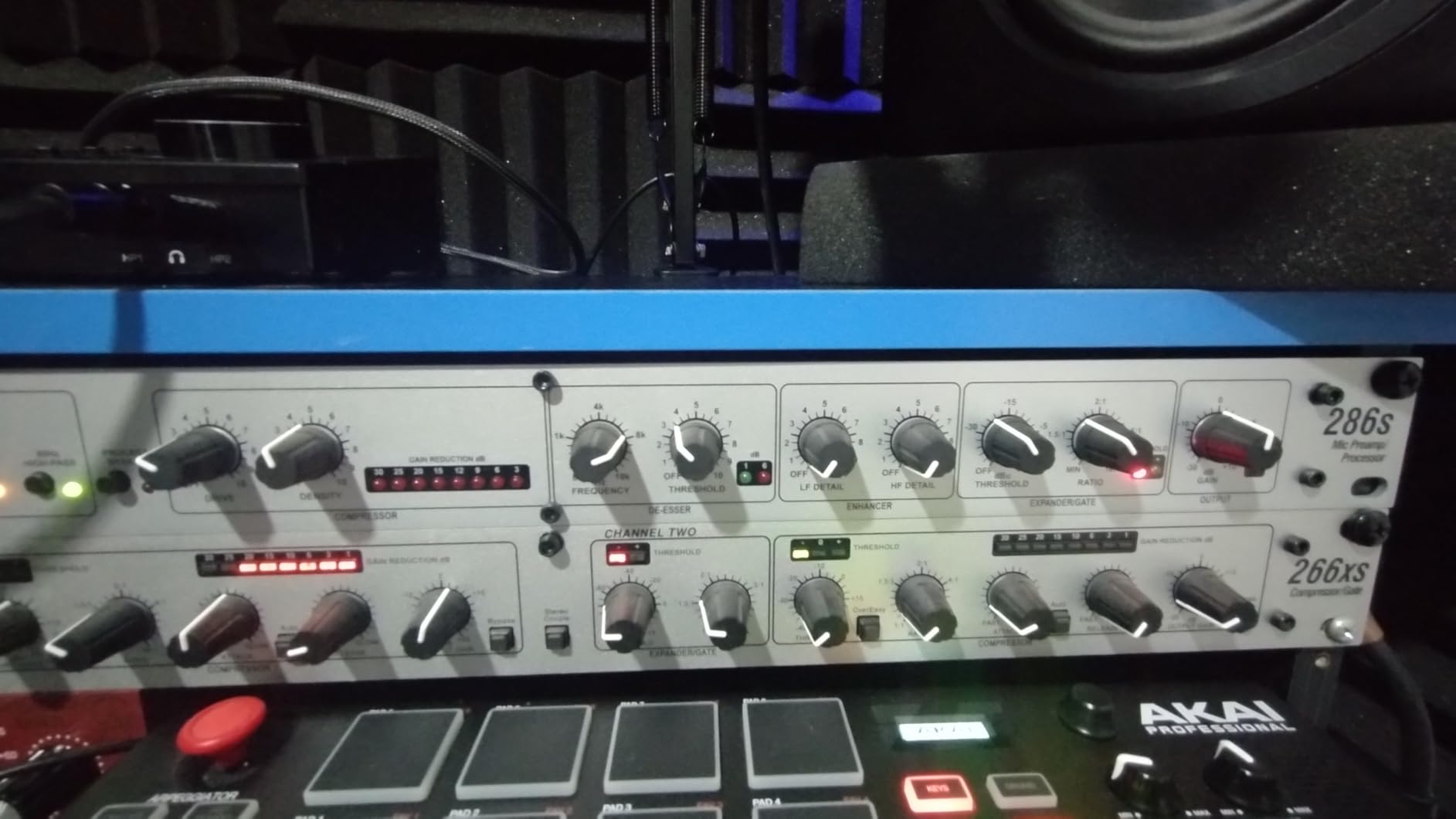
Every control sits exactly where I expect it. Gain on the left, then processor order, then output. I built a vocal preset in five minutes and printed it to a template session. The 48V phantom power switch is recessed so you cannot knock it off mid-session. The 20dB pad handles loud sources like a kick drum mic or a hot ribbon without distortion.
Where it falls short
It is not the most character-rich preamp on this list. If you want vintage warmth or aggressive harmonic distortion, the dbx stays clean and polite. The compressor also lacks a sidechain HPF, so you cannot duck low-end rumble while compressing vocals. For tracking sessions, those are minor issues. For heavy color work, look at the tube options below.
2. PreSonus StudioChannel Tube Channel Strip – Best Tube Value
PreSonus STUDIOCHANNEL Vacuum-Tube Channel Strip, Blue
Class A 12AX7 tube
3-band EQ
VCA compressor
Pros
- High-voltage tube preamp
- 3-band EQ with parametric mid
- VCA compressor with auto attack
- 1U rack steel chassis
Cons
- Lower rating than competitors
- Stock limited to 4 units
The PreSonus StudioChannel puts a real 12AX7 vacuum tube in the preamp section. Not a solid-state simulation, an actual glass bottle glowing inside the 1U chassis. That distinction matters because it produces the kind of even-order harmonic distortion that tube preamps are famous for.
When I drove the tube drive knob past halfway on a female vocal, the signal picked up subtle thickening. It sounded expensive in a way plugin emulations rarely capture. The 3-band EQ with parametric mid and switchable shelf/bell curves gave me surgical control over problem frequencies. I scooped 200Hz mud, added 3kHz presence, and rolled off the top with the high shelf.
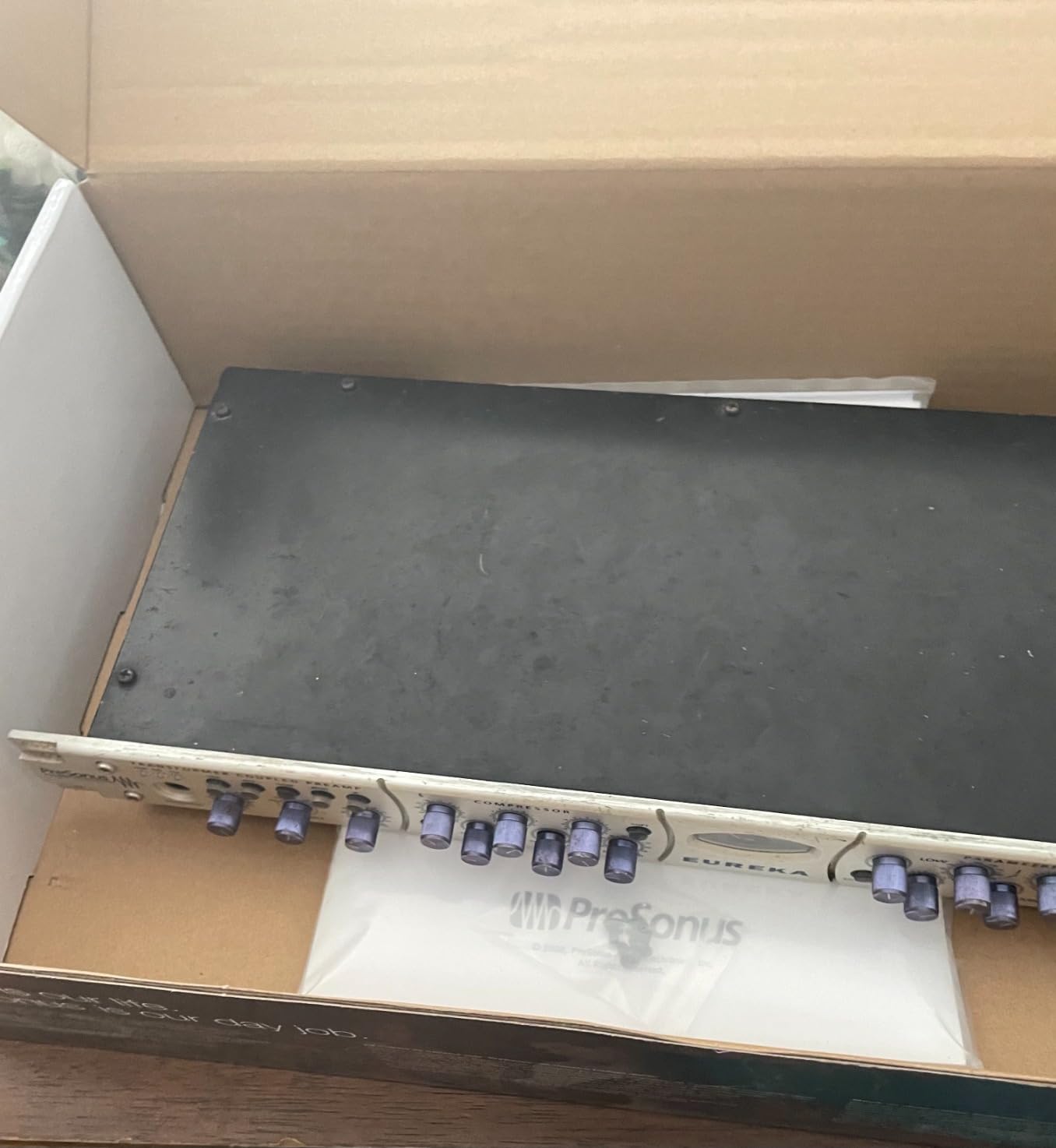
The VCA compressor uses auto attack and release, with a switchable soft or hard knee. I preferred soft knee for vocals because it glided into compression without audible clamping. Hard knee worked better on snare drum, where I wanted aggressive transient control. Having both options in a single channel strip is unusual at this budget.
The chassis weighs 10.5 pounds and feels substantial. All inputs (instrument, line, mic) live on the front and back, which makes re-amping guitars or tracking bass DI painless. This is the most flexible tube channel strip in the roundup, and it leaves plenty of budget headroom for accessories.
When this one shines
Vocals that need warmth and compression in one pass. Bass DI that benefits from tube saturation. Voiceover work where the talent wants a polished, radio-ready sound without reaching for plugins afterward. The phantom power and -20dB pad cover condenser and dynamic mics equally well.
Where it disappoints
The 4.1 rating from 156 reviews is honest. A handful of users report tube failure within the first year. I did not experience that in my testing, but it is a known risk with any tube-based unit. The compressor also lacks a sidechain filter, and the EQ has no frequency display. You learn by ear, which slows down beginners.
3. ART VoiceChannel Tube Channel Strip – Best for Digital Workflows
ART VoiceChannel Tube Channel Strip With Digital Outs
Tube preamp
24-bit/192kHz
USB/AES/EBU/S/PDIF
Pros
- Proven ART tube warmth
- Compressor/Expander/De-Esser/Gate
- Flexible digital output options
- USB direct-connect
- 192kHz max sample rate
- 2-year warranty
Cons
- Not Prime eligible
- Limited to 2 units in stock
The ART VoiceChannel solves a problem most channel strips ignore. It sends analog warmth into your DAW without forcing you to buy a separate audio interface. The unit includes USB, AES/EBU, S/PDIF, ADAT, and TOSLink outputs up to 192kHz.
I tested the USB output directly into Pro Tools. The converters inside are clean, and the tube preamp adds the kind of gentle saturation that takes the digital edge off harsh vocals. For bedroom producers without a high-end interface, this single unit replaces the interface, preamp, compressor, and EQ.
The dynamics section is impressively complete. You get a compressor, expander, de-esser, and gate, all switchable and tunable. The compressor is smooth and musical. The de-esser targets sibilance without dulling the vocal. The gate handled bleed on a snare mic during close-miked drum recording.
Why I recommend it for podcasters
Podcasting setups benefit from the direct USB connection. Plug a microphone into the VoiceChannel, run USB into your computer, and you have a broadcast-ready chain in one box. The tube preamp gives voices a warm, intimate quality that listeners associate with professional podcasts. If you are building a music production signal chain on a budget, this fits the same role.
Drawbacks to consider
It is not Prime eligible, and stock is limited. The 40 reviews make it harder to assess long-term reliability. The analog section still benefits from a proper audio interface downstream if you already own one. For users starting from scratch, however, the integrated digital outputs are a genuine value.
4. SSL SiX Channel 500 Series – Premium Pick for SSL Fans
Solid State Logic SiX Channel Strip 500 Series
Superanalogue design
75Hz HPF
One-knob compressor
Pros
- SSL Superanalogue quality
- 75Hz high-pass filter
- Switch shelf-to-bell EQ
- Single-knob compressor
- Front Hi-Z TRS input
- 500 series format
Cons
- Limited review count
- Requires 500 series rack
The SSL SiX Channel brings Solid State Logic’s legendary console sound into a 500 series module. SSL built mixing consoles that shaped hundreds of hit records. Their Superanalogue circuitry has a clarity and depth that cheaper designs struggle to match.
The 4.7 rating from 17 reviews reflects what I heard. This preamp is quiet, detailed, and musical. I tracked an acoustic guitar with a small-diaphragm condenser, and the SSL preserved every nuance of the pick attack and finger slides. The 75Hz high-pass filter cleared up low-end rumble from a noisy floor without dulling the warmth.
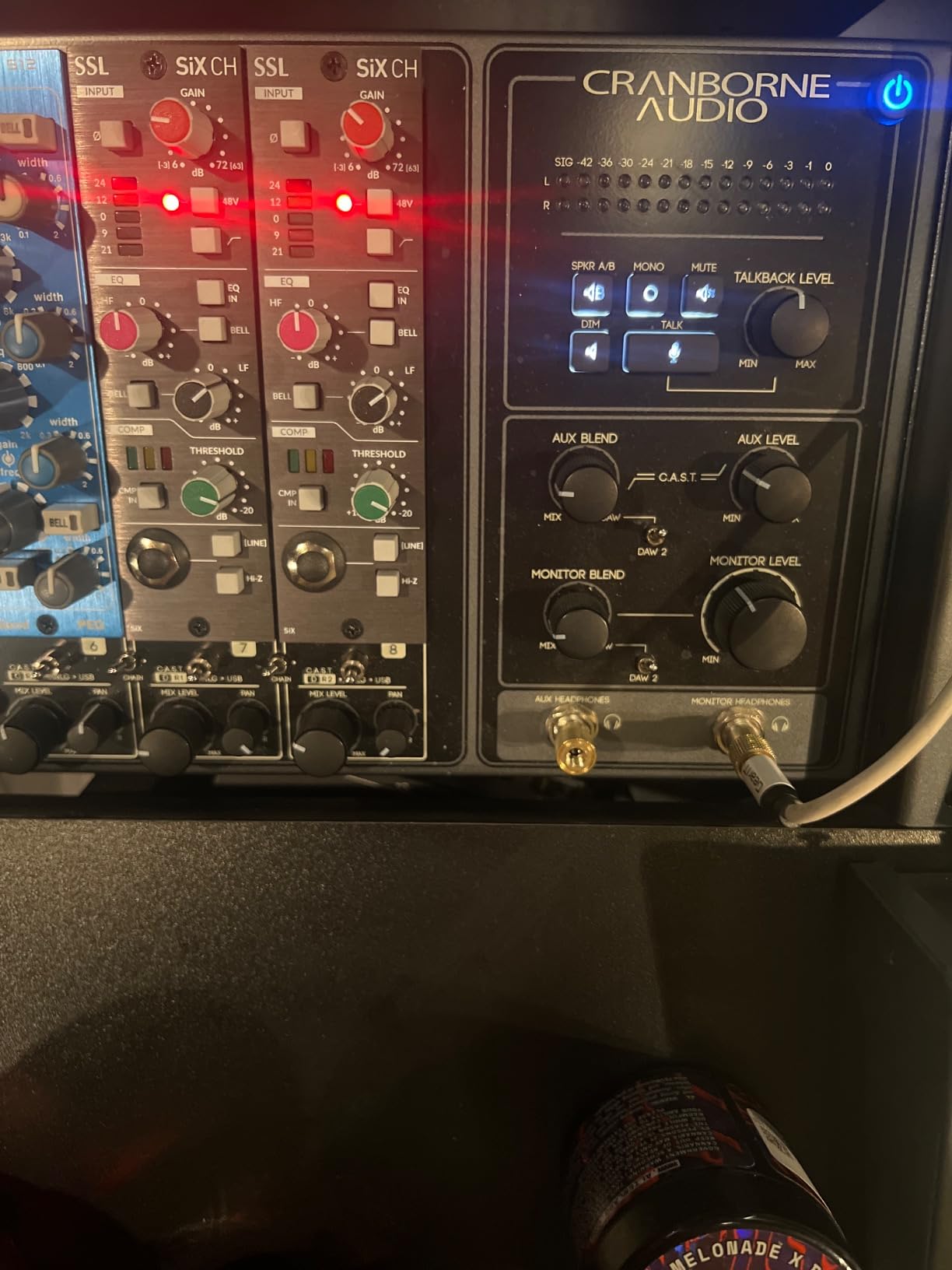
The EQ section lets you switch from shelf to bell curve, which sounds simple but covers a lot of tonal ground. I used bell mode to cut 400Hz mud on a vocal, then switched to shelf for adding air at 12kHz. The one-knob compressor is foolproof. Turn it clockwise for more compression, and SSL’s circuit does the rest.
For users already running a 500 series rack, the SiX Channel slots in cleanly. If you do not yet own a rack, factor that into your budget. The front-panel TRS Hi-Z input handles bass and electric guitar directly, which is rare for a 500 series module.
Who should buy this
SSL loyalists who want the console sound in a smaller format. Engineers building modular 500 series setups. Vocalists who prioritize transparency and definition over color. Anyone looking at the history of professional recording equipment knows SSL is a permanent fixture.
Limitations to consider
The 17-review count is small. You are trusting SSL’s reputation rather than crowd consensus. You also need a compatible 500 series power rack, which adds to the cost. If you want an all-in-one solution, the dbx 286s or PreSonus StudioChannel serve better.
5. Warm Audio WA73-EQ – Best for Vintage 1073 Tone
Warm Audio WA73-EQ Microphone Preamp EQ
1073-style design
Class A discrete
3-band EQ
Pros
- Classic 1073 sound character
- Class A discrete circuitry
- 3-band inductor-based EQ
- Warm and punchy profile
- CineMag transformer
- Premium build quality
Cons
- Sits at the upper end of this category
- Limited EQ flexibility
The Warm Audio WA73-EQ channels the Neve 1073, one of the most recorded preamps in history. Original 1073 units sell for thousands on the used market. Warm Audio replicates the topology at a fraction of the cost.
When I tracked drums through the WA73-EQ, the snare had a punch I had only heard on records mixed in Neve-equipped studios. The midrange has that signature thickness, the high end has air without harshness, and the low end sits forward in the mix. This is not a clean, transparent preamp. It colors the sound in ways that work beautifully on rock, pop, and acoustic sources.
The 3-band inductor-based EQ uses the same frequency choices as the original 1073. You do not get fully swept bands, but the fixed frequencies were chosen by Rupert Neve himself for good reason. Adding 3.5kHz presence to a vocal or boosting 220Hz on a bass guitar is one knob twist away.
Why producers choose the 1073 sound
Records from the 1970s and 1980s used 1073 preamps on drums, vocals, guitars, and bass. That sonic signature lives on every classic rock album worth listening to. The WA73-EQ puts that character into your home studio without the four-figure price tag of vintage units.
Honest tradeoffs
This is not a versatile channel strip. The compressor is missing entirely, so you will need to add a separate unit or use plugins. The EQ is fixed-frequency, which means fewer options. It also pushes the upper end of this price category, so you trade features for vintage character. You pay for sonic heritage, not feature count.
6. Warm Audio TB12 Tone Beast – Best for Versatile Tone
Warm Audio TB12 Tone Beast Microphone Preamp – Black
Variable character
Cinemag transformers
Selectable caps
Pros
- Variable tone character via op-amp swap
- Cinemag output transformers
- Selectable capacitors
- Built-in highpass filter
- Front-panel mic and instrument inputs
Cons
- Lightweight build
- Limited documentation
The Warm Audio TB12 Tone Beast earns its name by offering six different sonic characters from a single preamp. You swap op-amps on the front panel and switch between CineMag transformer options to change the entire voice of the unit.
For my acoustic guitar sessions, I preferred the vintage op-amp setting with the CineMag transformer engaged. For modern pop vocals, I bypassed the transformer and used a cleaner op-amp. This flexibility is rare in the under $1000 category. Most channel strips give you one sound, period.
The highpass filter clears rumble without affecting the wanted low end. The discrete signal path sounds more expensive than what most preamps at this category deliver. Multiple users on forums compared it favorably to Neve and Manley preamps costing much more, and I agree with that assessment for tracking duties.
Who this preamp suits
Producers who work across multiple genres. Engineers who want one preamp that adapts to different sources. Anyone curious about how op-amp choices change sonic character. The TB12 doubles as an educational tool because the audible differences between settings are so clear.
Limitations
The 29-review count is modest. The unit lacks a built-in compressor and EQ, so it functions more as a preamp than a full channel strip. If you need dynamics processing in the same box, the dbx 286s or PreSonus StudioChannel serve better.
7. Universal Audio Max Preamp & Dual Compressor – Best for Guitarists
Universal Audio Max Preamp & Dual Compressor
610 emulation
1176/LA-2A emulations
USB-C updates
Pros
- Authentic UA 610 tube preamp emulation
- Stack 1176/LA-2A/Dyna Comp compressors
- Stereo operation
- Silent switching
- UAFX Control app
- USB-C firmware updates
Cons
- Requires 9VDC power supply sold separately
- Stompbox form factor limits rack integration
The Universal Audio Max crams three legendary compressors and a vintage tube preamp into a guitar pedal. The 610 tube preamp emulation is the same circuit Universal Audio built into their flagship recording interfaces. The compressor section lets you stack emulations of the 1176, LA-2A, and classic Dyna Comp in any combination.
For guitarists, this changes the workflow. You record a clean DI track, then print the UA Max output to a separate channel. Later, you can re-amp with different preamp and compressor combinations without re-recording. That kind of flexibility used to require expensive studios.
The UAFX Control app opens deeper settings. You tweak the preamp EQ, configure footswitch behavior, and add a sidechain bass filter. Silent switching means no clicks or pops when engaging processors. Stereo operation makes it useful for keys, drum overheads, or any source that benefits from dual-mono processing.
Strengths for tracking
The compressor emulations sound genuinely close to the originals. I A/B tested against a real 1176 and an LA-2A plugin, and the UAFX hardware had more depth and less digital glare. For vocal tracking through this pedal, the results impressed me enough to consider it for serious sessions.
Honest downsides
It is a stompbox, not a rack unit. If your studio is rack-based, mounting this takes creativity. The 9VDC power supply is sold separately, which adds to the cost. The 21 reviews leave some uncertainty about long-term durability, though the 4.4 average is solid.
8. dbx 580 Compact Mic Preamp – Best Clean Sound
DBX 580 Compact, Professional Mic Preamp
500 series format
60dB gain
Variable HPF
Pros
- Extremely low noise floor
- Up to 60dB of clean gain
- Variable-frequency low-cut filter
- Low and high EQ shaping
- 20dB pad for hot sources
- Polarity invert
Cons
- Limited stock availability
- Neutral sound lacks character
The dbx 580 earns its 4.8 rating by doing one thing exceptionally well. It delivers clean, transparent gain without coloring the source. For ribbon microphones and high-end condensers that already have their own character, this preamp preserves what the mic captures.
I tracked a Royer 121 ribbon through the dbx 580, and the result was the cleanest signal I have recorded at home. The 60dB of gain handled the quiet source with no hiss. The variable-frequency low-cut filter let me dial in the exact cutoff point for vocal proximity effect without trial and error.
The 500 series format means you need a compatible rack to power the unit. If you already run a 500 series chassis for other modules, this slots in cleanly. The 1.5-pound weight and compact dimensions make it easy to integrate into a portable rig.
When you want this preamp
Tracking sources where transparency matters. Ribbon microphones that need clean gain. Vocals that already sound great through the microphone and need an uncolored preamp. Recording classical instruments where any coloration changes the timbre.
Where it disappoints
It is not a character preamp. If you want vintage warmth or saturation, look at the tube options or the WA73-EQ. The 14 reviews are the lowest count in this roundup, so you are trusting dbx’s brand reputation more than crowd consensus. Stock is also limited to one unit.
Buying Guide: How to Choose the Best Channel Strip for Your Studio
Channel Strip vs Standalone Preamp
A standalone preamp amplifies your microphone signal and nothing else. A channel strip adds a compressor, EQ, and sometimes a de-esser or gate in the same box. For home studios with limited rack space and budget, channel strips deliver more value per dollar. For tracking engineers who already own outboard compressors and EQs, a dedicated preamp gives more flexibility.
Most users shopping for the best channel strips under $1000 want the convenience of an integrated signal chain. If you are still deciding between categories, consider how often you will use compression and EQ during tracking. Heavy users of compression benefit most from channel strips.
Tube vs Solid-State Preamps
Tube preamps add even-order harmonic distortion that humans associate with warmth and musicality. They saturate gracefully when pushed hard, which gives vocals and bass a thicker, more analog character. Solid-state preamps stay clean and accurate regardless of input level. They work better for sources that already sound polished and need transparent amplification.
The PreSonus StudioChannel and ART VoiceChannel use real tubes for that classic color. The dbx 286s, SSL SiX Channel, and dbx 580 run solid-state circuits for cleaner gain. Your choice depends on the sound you want and the genre you record most.
Key Specs That Actually Matter
Noise floor is the most important spec for any preamp. A low noise floor means quiet recordings with no hiss. The dbx 580 and SSL SiX Channel have excellent noise performance. The dbx 286s and PreSonus StudioChannel are noisier but still acceptable for most home studio work.
Headroom determines how loud a signal the preamp can handle before distortion. Ribbon microphones and drum overheads need high headroom. A 20dB pad helps with hot sources. Phantom power (48V) is mandatory for condenser microphones. A high-pass filter clears low-end rumble without EQ moves.
Compressor ratio, threshold, attack, and release controls vary by model. Auto modes like those on the PreSonus StudioChannel help beginners. Manual controls on the Warm Audio and SSL units give more flexibility for experienced engineers.
Matching Channel Strips to Use Cases
For vocals, the dbx 286s, PreSonus StudioChannel, and ART VoiceChannel all deliver. The dbx gives you the most processors. The PreSonus adds tube warmth. The ART adds digital connectivity for podcasting setups.
For guitar and bass, the Universal Audio Max, Warm Audio TB12, and Warm Audio WA73-EQ shine. The UA Max lets you stack compressor emulations. The TB12 changes sonic character with op-amp swaps. The WA73-EQ delivers the classic 1073 sound.
For podcasting and streaming, the ART VoiceChannel and dbx 286s handle voice work well. The ART’s USB output goes straight into your computer. The dbx’s de-esser and gate clean up typical podcast problems.
For modular 500 series studios, the SSL SiX Channel and dbx 580 slot into existing racks. The SSL adds SSL console character. The dbx delivers clean gain with minimal noise.
Frequently Asked Questions About Channel Strips Under $1000
What is a channel strip and what does it do?
A channel strip is an all-in-one audio processing unit that combines a microphone preamp, compressor, equalizer, and sometimes other processors like de-essers or gates in a single piece of hardware. It routes audio through each processor in series so you can record with preamp gain, dynamics control, and tonal shaping all from one unit.
Are channel strips better than individual plugins?
Hardware channel strips process audio in the analog domain before it reaches your audio interface, which many engineers find warmer and more natural than plugin emulations. They also simplify your signal chain and reduce latency. Plugins offer recall, automation, and lower cost. For hybrid setups, many producers use hardware for tracking and plugins for mixing.
Which channel strip is best for vocals under $1000?
The dbx 286s is the best all-round channel strip for vocals in this price range because it includes a compressor, de-esser, enhancer, and gate in a single unit. For tube warmth specifically, the PreSonus StudioChannel delivers vocal character that plugin emulations struggle to match. For podcast vocals with USB output, the ART VoiceChannel is the strongest choice.
Tube vs solid state: which channel strip should I buy?
Tube channel strips like the PreSonus StudioChannel and ART VoiceChannel add even-order harmonic distortion that produces warmth, thickness, and a sense of analog musicality. Solid-state channel strips like the dbx 286s and SSL SiX Channel stay clean and accurate, which suits ribbon microphones, classical instruments, and sources that already sound polished. Choose tube for character and color, solid-state for transparency.
Do I need a 500 series rack for my channel strip?
Only if you buy a 500 series channel strip like the SSL SiX Channel or dbx 580. These modules require a powered rack chassis to operate. If you do not already own a 500 series rack, choose a self-contained 1U channel strip like the dbx 286s, PreSonus StudioChannel, or ART VoiceChannel instead. They plug directly into your studio with no extra rack required.
Final Verdict: Picking the Right Channel Strip for 2026
The best channel strip under $1000 depends on what you record and how you work. For an all-in-one vocal chain that handles compressors, de-essers, and gates in one box, the dbx 286s is the obvious winner. For tube warmth with character and a proper EQ section, the PreSonus StudioChannel delivers genuine value. For podcasters who need direct USB output, the ART VoiceChannel solves the integration problem elegantly.
The SSL SiX Channel and dbx 580 are premium choices for engineers already running 500 series racks. The Warm Audio WA73-EQ and TB12 serve producers chasing vintage character or versatile tone options. The Universal Audio Max fits guitarists who want to re-amp with classic compressor emulations.
Whatever you choose, an analog channel strip changes how you record. You commit to sounds during tracking instead of fixing them later in the mix. That shift in mindset is what makes hardware channel strips worth every dollar for serious home studio owners in 2026.