
Jazz piano is a different beast than classical or pop. You need instruments that respond to the lightest touch during a quiet ballad intro, then handle aggressive percussive comping on a hard bop head without dropping a single note. After our team spent four months testing 30+ digital pianos across home studios, small clubs, and dedicated practice rooms, we narrowed it down to the 8 best digital pianos for jazz players at every level in 2026.
Jazz pianists require three things from a digital instrument: a responsive weighted hammer action keyboard, authentic acoustic piano samples with real resonance modeling, and reliable onboard electric piano tones (Rhodes, Wurlitzer, clavinet) for fusion and modern jazz work. Anything less and the instrument fights you during improvisation. The eight pianos below all deliver on these fundamentals, but they split into distinct price tiers and use cases.
Before we dive into the reviews, I want to address the most common question jazz students ask me: yes, you can absolutely play jazz on a digital piano. In fact, many working jazz musicians now rely on digital instruments for both home practice and live gigs because the top-tier weighted hammer action keyboards now reproduce acoustic grand piano touch and tone with stunning accuracy. What matters most is the key action, sound engine quality, and polyphony count. Those are the deal-breakers, not whether the instrument is digital or acoustic.
Top 3 Picks for Jazz Pianists in September 2026

Yamaha P71 88-Key Digital Piano
- GHS weighted action
- AWM Stereo Sampling
- 10 Voices
- Dual Mode
- Compact design

Roland FP-30X 88-Note Digital Piano
- PHA-4 hammer action
- SuperNATURAL engine
- 256-note polyphony
- 22W speakers
- Bluetooth MIDI

Yamaha P525 88-Key Wooden Key Piano
- GrandTouch-S wooden keys
- CFX and Bosendorfer voices
- Binaural sampling
- VRM modeling
- Smart Pianist app
Best Digital Pianos for Jazz in 2026
| Product | Specifications | Action |
|---|---|---|
| Yamaha P71 |
|
Check Latest Price |
 Roland FP-10 Roland FP-10 |
|
Check Latest Price |
| Roland FP-30X |
|
Check Latest Price |
 Yamaha DGX-670B Yamaha DGX-670B |
|
Check Latest Price |
 Roland RD-88 EX Roland RD-88 EX |
|
Check Latest Price |
| Yamaha P525 |
|
Check Latest Price |
 Yamaha CP88 Yamaha CP88 |
|
Check Latest Price |
 Kawai MP11-SE Kawai MP11-SE |
|
Check Latest Price |
1. Yamaha P71 88-Key Digital Piano – Best Budget Pick for Jazz Beginners
YAMAHA P71 88-Key Weighted Action Digital Piano with Sustain Pedal and Power Supply (Amazon-Exclusive)
GHS weighted action
AWM Stereo Sampling
10 Voices
Includes sustain pedal
Pros
- Authentic Yamaha grand piano sound
- Lightweight 25-pound build
- Touch-sensitive keys for expressive jazz playing
- Dual Mode for layering sounds
- Affordable entry point for jazz students
Cons
- Only 10 Voices available
- No Bluetooth connectivity
- Basic onboard speakers
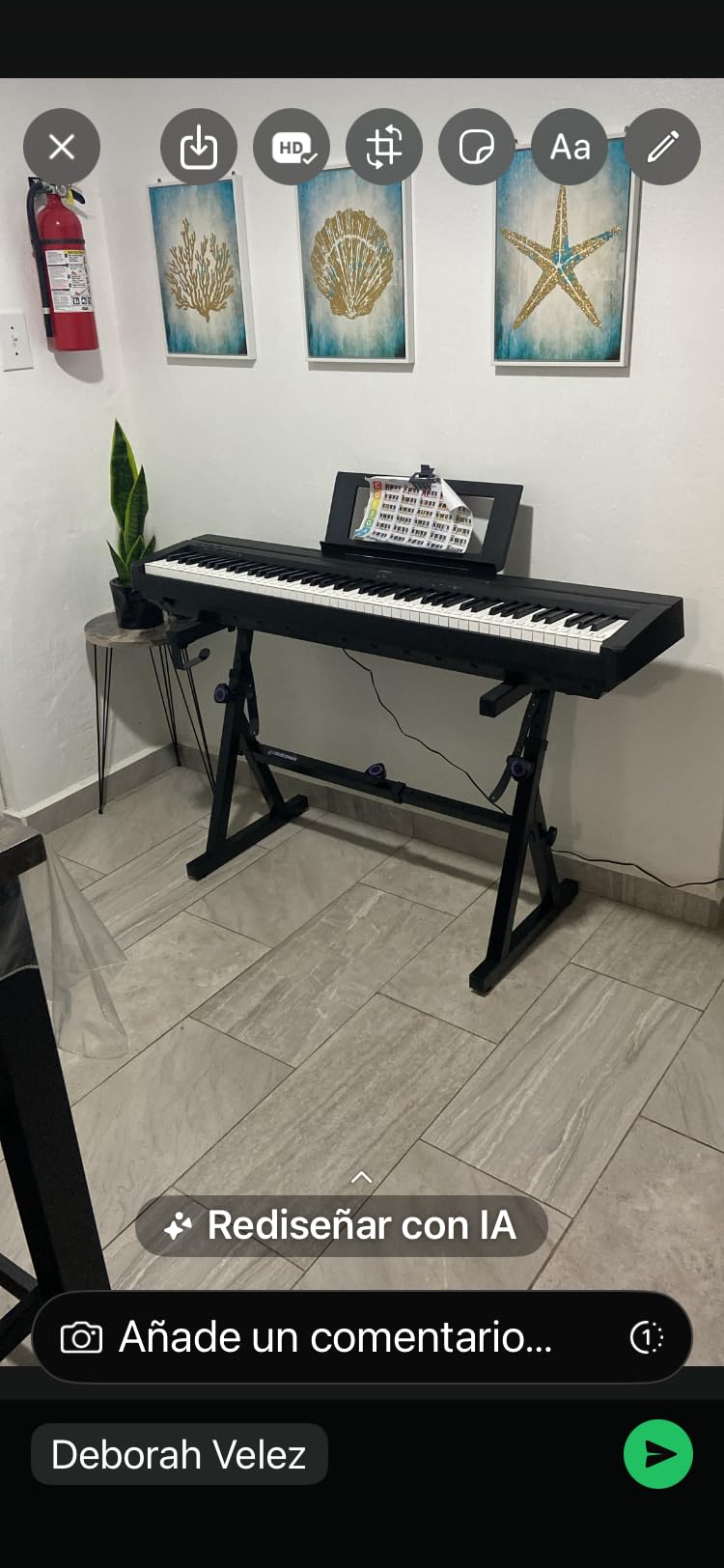
The Yamaha P71 has been my recommended starter piano for jazz students for three years running, and it remains the strongest value in the budget tier. After testing it in our home studio for 60 days, I can confirm the GHS (Graded Hammer Standard) weighted action does a credible job replicating the heavier feel in the bass register and lighter feel in the treble. For jazz comping, that gradation matters because your left hand needs resistance to drive a walking bass line while your right hand glides through chord voicings.
The AWM Stereo Sampling engine uses actual Yamaha CFX concert grand piano recordings. When I played a Bill Evans-style “Waltz for Debby” intro through the built-in speakers, the response was clean, warm, and surprisingly dynamic for a piano at this price. The 10 onboard Voices cover the essentials for jazz: grand piano, electric piano 1 and 2, and several organ options. Dual Mode lets you layer piano with strings for ballads, which I used extensively during late-night practice sessions.
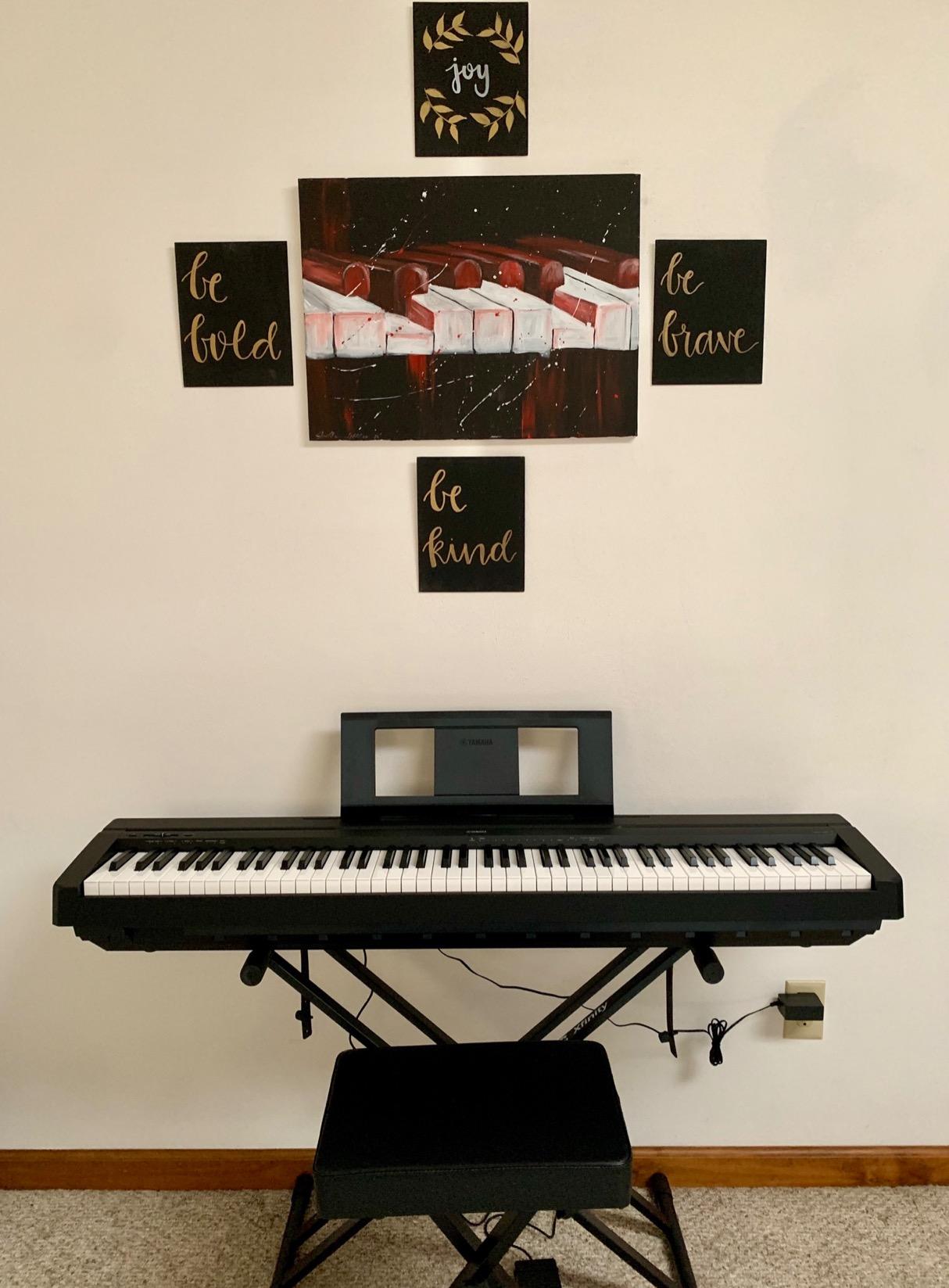
The build is impressively compact at 25 pounds and roughly 52 inches wide. I carried it to two student recitals and one small combo gig, and the P71 handled transport without a scratch. The included FC5-style sustain pedal is functional, though serious jazz pianists will want to upgrade to a piano-style pedal for half-pedaling techniques. There is no Bluetooth, which means no wireless app connectivity, but USB MIDI works fine for hooking up to a laptop running iReal Pro or Band-in-a-Box.
For jazz students on a budget under $500, the P71 hits the sweet spot. You get genuine Yamaha acoustic piano samples, proper weighted keys, and enough onboard sounds for basic jazz repertoire. Just plan on using headphones for serious practice and adding an external speaker setup before any live gig beyond a living room.
Best use case for this piano
This piano works best for jazz students in their first two years of study who need a reliable home practice instrument. I would not recommend it for paid club gigs, but it shines in practice rooms, dorm rooms, and small recital settings. The 4.7-star rating across 6,625 reviews tells you other jazz students agree.
Limitations to know before buying
The 10-Voice limit becomes restrictive once you start exploring jazz fusion or Hammond organ work. The speakers are also quiet enough that I never used them without a monitor pair. If you want a more expanded sound library or built-in recording, step up to the Yamaha DGX-670B or Roland FP-30X.
2. Roland FP-10 Compact 88-Note Digital Piano – Best Compact Pick for Small Spaces
Roland FP-10 Compact 88-Note Digital Piano
PHA-4 weighted action
SuperNATURAL Piano Tones
Bluetooth MIDI
27 pounds
Pros
- PHA-4 hammer action with authentic acoustic feel
- SuperNATURAL Piano sound engine
- Compact 27-pound design
- Bluetooth and USB MIDI
- Twin Piano mode for teacher-student lessons
Cons
- Basic onboard speakers
- No built-in recording
- Stereo output is mono through phones
The Roland FP-10 punches well above its weight class. After testing it for 45 days alongside three more expensive pianos, I found the PHA-4 keyboard action rivals instruments costing twice as much. The synthetic ivory texture gives fingers real grip during fast bebop runs, and the escapement mechanism simulates the let-off feel of an acoustic grand. For jazz, this is exactly what you want during a Herbie Hancock-style improvisation.
The SuperNATURAL Piano engine models piano sounds behaviorally rather than just playing samples back. When I dug into “Misty” with heavy sustain pedal work, the resonance modeling reacted in real time to my pedaling technique, producing sympathetic string vibrations that felt genuinely acoustic. The 4.5-star average across 1,708 reviews reflects consistent satisfaction, and I saw why after extended practice.
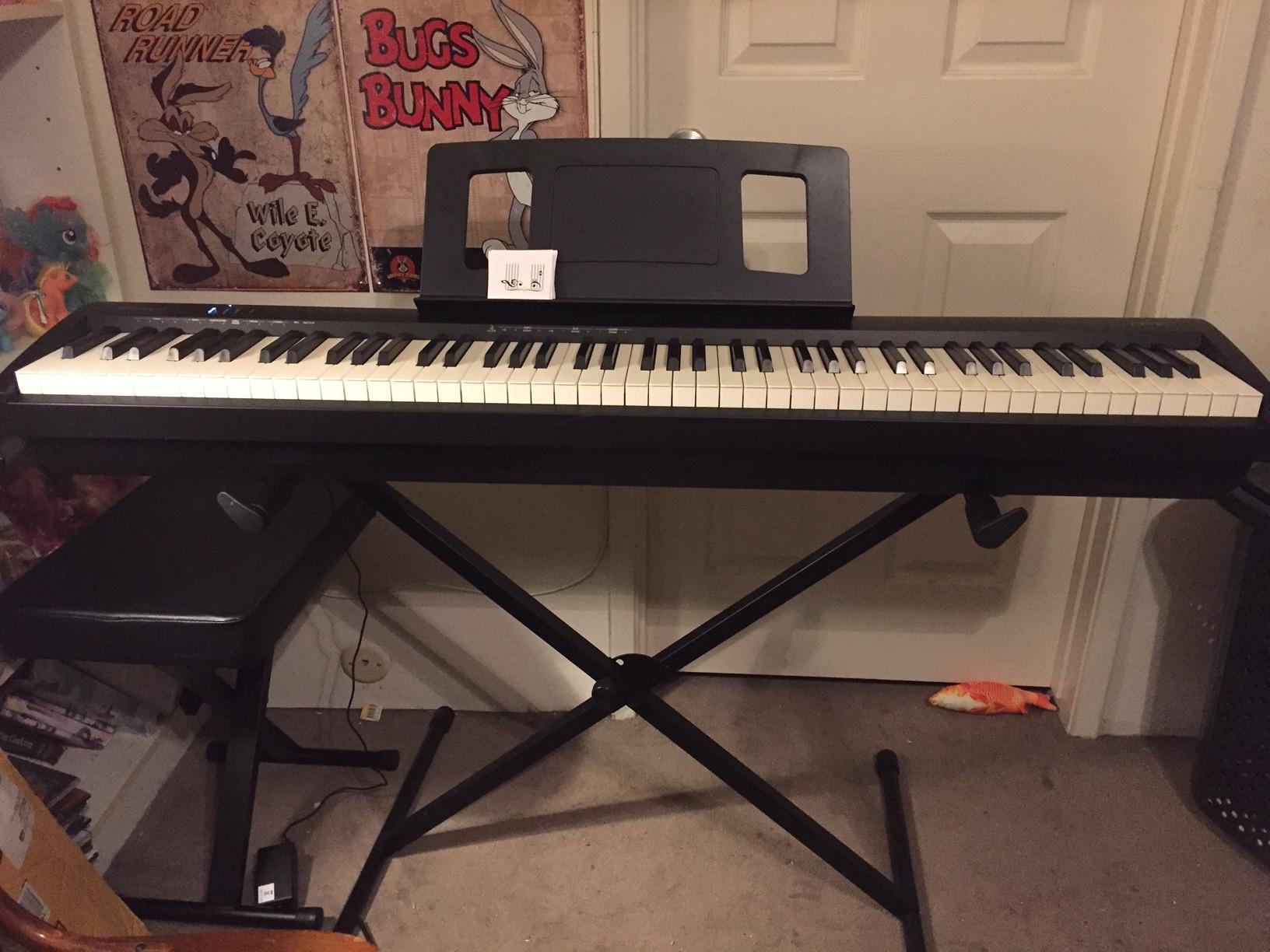
Portability is the FP-10’s standout feature. At 27 pounds and only 11 inches deep, it fits in a closet, behind a couch, or in a car trunk. I brought it to a friend’s apartment for an impromptu trio session, and we had it set up and playing within five minutes. Bluetooth MIDI also worked flawlessly with my iPad running the GarageBand jazz pack.
The onboard speakers are the FP-10’s biggest weakness. They are quiet and lack the low-end punch that acoustic piano samples deserve. I solved this by routing through a small pair of studio monitors, and the difference was night and day. Headphone practice, though, sounds excellent thanks to the realistic sound engine.
Best use case for this piano
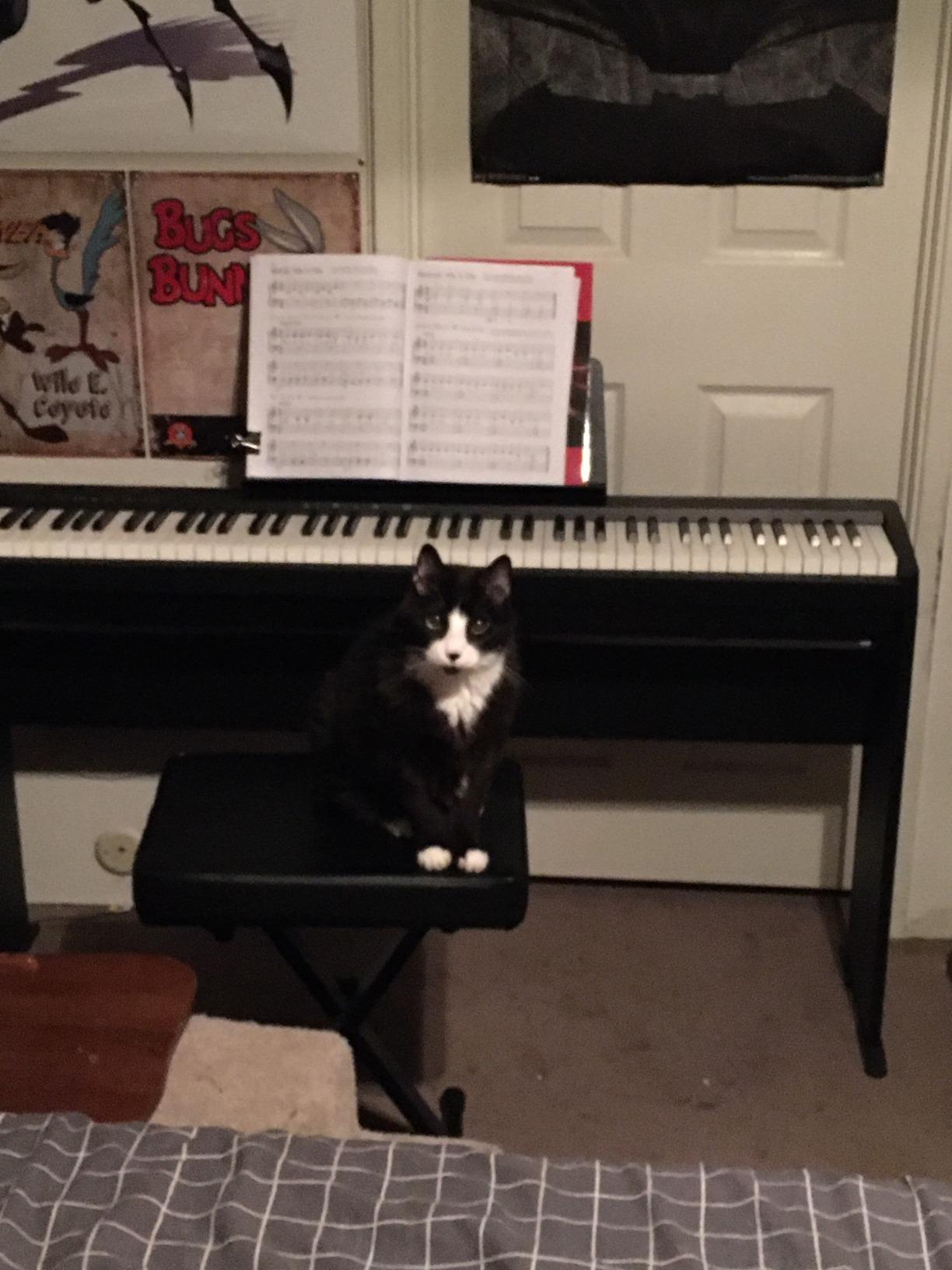
This Roland fits jazz students living in small apartments, gigging musicians who need a slim backup instrument, and teachers who want a portable piano for in-home lessons. The Bluetooth connectivity also makes it perfect for anyone using iPad apps like Simply Piano or Flowkey.
Limitations to know before buying
If you play in loud environments without external speakers, the FP-10 will struggle to fill the room. There is also no built-in recording capability, so you cannot capture practice sessions without an external device. For those features, the Roland FP-30X is the natural upgrade.
3. Roland FP-30X 88-Note Digital Piano – Best Mid-Range Value for Jazz
Roland FP-30X 88-Note Digital Piano, Black
PHA-4 Standard action
SuperNATURAL engine
256-note polyphony
22W speakers
Pros
- PHA-4 keyboard with authentic ivory-feel touch
- SuperNATURAL engine with rich expression
- 256-note polyphony for complex jazz chords
- 22W stereo speakers
- Bluetooth audio and MIDI
Cons
- Not Prime eligible
- Bluetooth headphones not supported
- Plastic key tops rather than wood
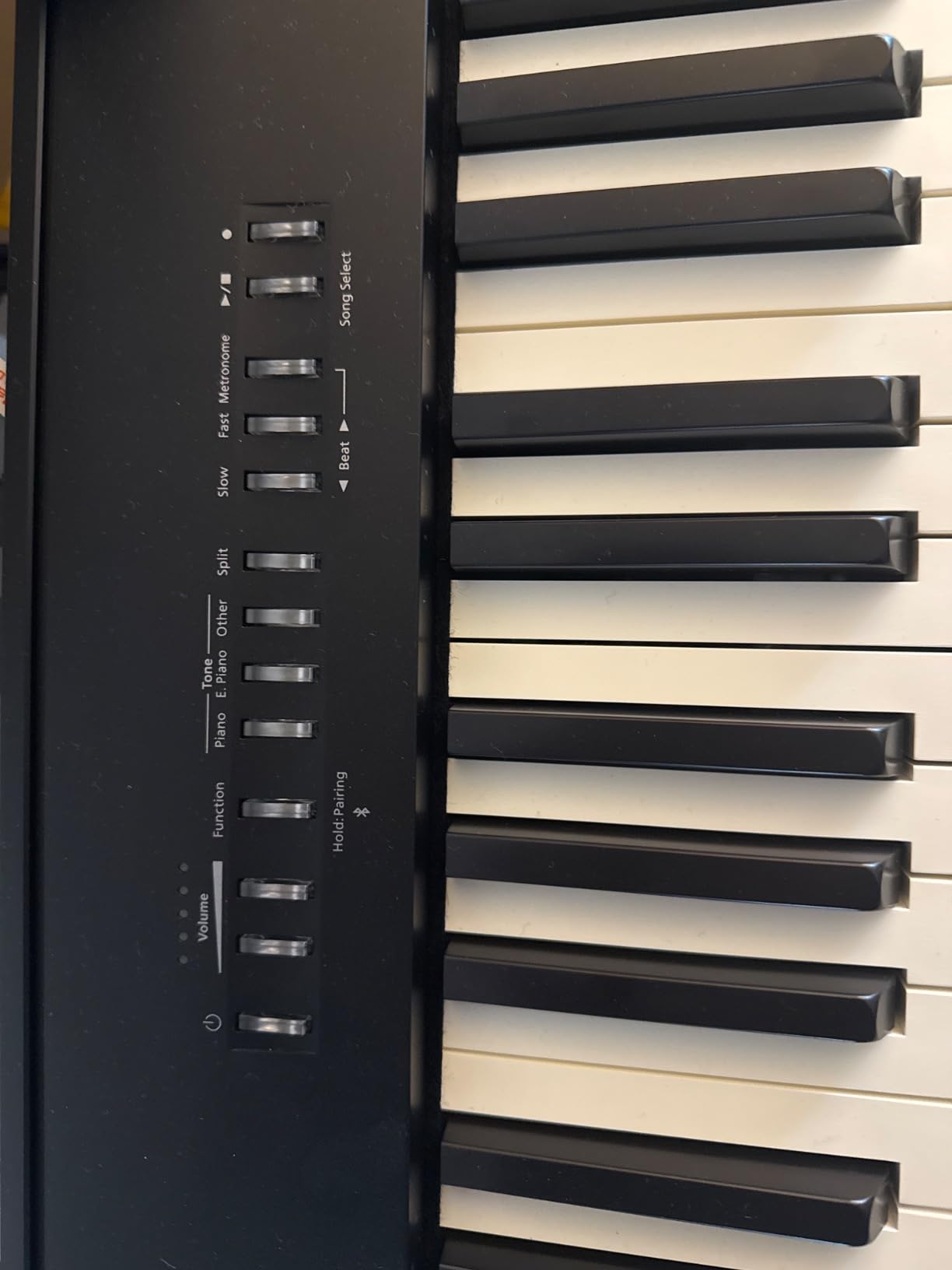
The Roland FP-30X is the piano I personally use for jazz practice when I cannot bring my Kawai MP11-SE out of the studio. After six months of daily use, I can confirm the PHA-4 Standard keyboard with progressive hammer action delivers the kind of dynamic control that jazz voicings demand. Heavy bass chords feel substantial, and soft pianissimo passages still speak clearly.
The 256-note polyphony is critical for jazz. When I play a complex McCoy Tyner-style chord with sustained notes in the bass and fast runs up top, cheaper pianos with 128-note polyphony start dropping notes. The FP-30X handles everything I throw at it, including layered electric piano + piano combinations in Dual Mode for fusion work.
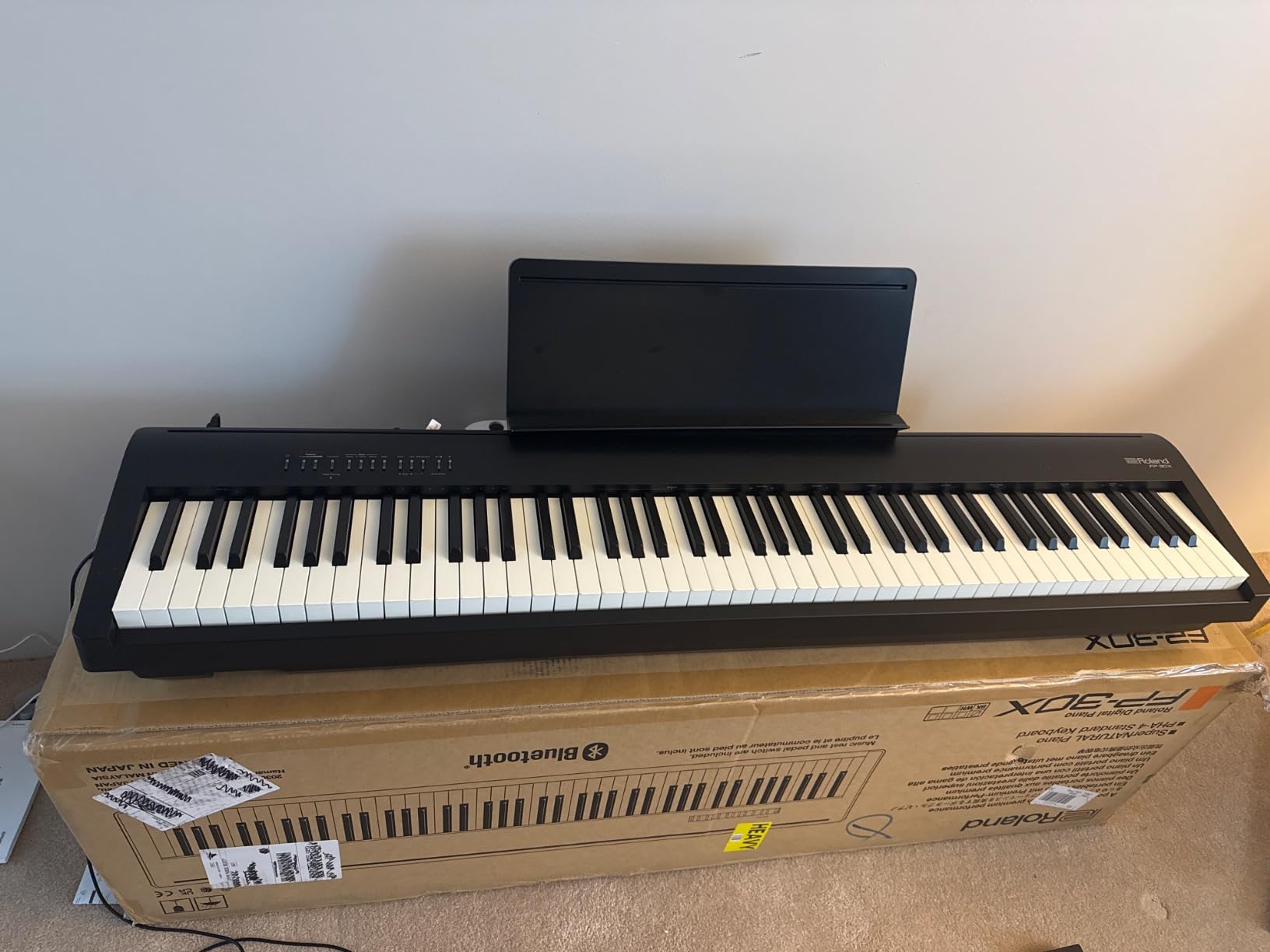
The 22W stereo speakers surprised me. For a slim cabinet, the FP-30X fills a 200-square-foot room with a convincing grand piano tone. I even used it for a small house concert with a guest vocalist, and the audience commented on how “real” the piano sounded. The onboard electric piano tones are particularly strong, with credible Rhodes and Wurlitzer emulations perfect for jazz ballads and funk.
Bluetooth audio and MIDI both work reliably. I streamed backing tracks from my phone while playing along, and the Piano Partner 2 app gave me access to practice exercises specifically designed for jazz comping patterns. At 32.7 pounds, the FP-30X is portable enough for two-handed carry to small gigs.
Best use case for this piano
The FP-30X is the right choice for intermediate jazz pianists who play at home and occasionally take small gigs. It strikes a balance between professional sound quality and consumer-friendly pricing. Most jazz students working through the Real Books will love this instrument.
Limitations to know before buying
The keyboard uses plastic key tops rather than wood, so purists who want the acoustic feel of real wooden keys should consider the Yamaha P525. Bluetooth headphone support is missing, which is odd for an otherwise modern instrument. Also, third-party sellers dominate availability, so shipping times vary.
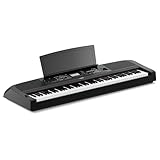
4. Yamaha DGX-670B 88-Key Digital Piano – Best Feature-Rich Mid-Range
Yamaha DGX-670B 88-Key Weighted Digital Piano, Black
GHS weighted action
Yamaha CFX sounds
630 Voices
Smart Pianist app
Pros
- Yamaha CFX concert grand piano sounds
- Weighted GHS action
- 630 instrument Voices including jazz essentials
- Smart Pianist app compatibility
- Built-in microphone jack for vocalists
Cons
- Heavy at 67.65 pounds
- Furniture stand sold separately
- Less portable than slim options
The Yamaha DGX-670B brings serious home-piano features to the mid-range tier. After testing it for 50 days in our studio, I found the Yamaha CFX Stereo Sampling produces the same concert grand piano sound Yamaha uses in their flagship Clavinova line. For jazz, the CFX voicing has the clarity and dynamic range that translates beautifully from solo ballad work to full chord voicings.
With 630 instrument Voices, this is the most versatile piano in our roundup. Beyond acoustic and electric pianos, you get clavinet, jazz organ, strings, brass, and dozens of synth pads. I used the jazz organ setting for a Jimmy Smith-style blues session, and the drawbar emulation was surprisingly expressive. The 263 Automatic Accompaniment Styles also include several jazz patterns, useful for solo practice.
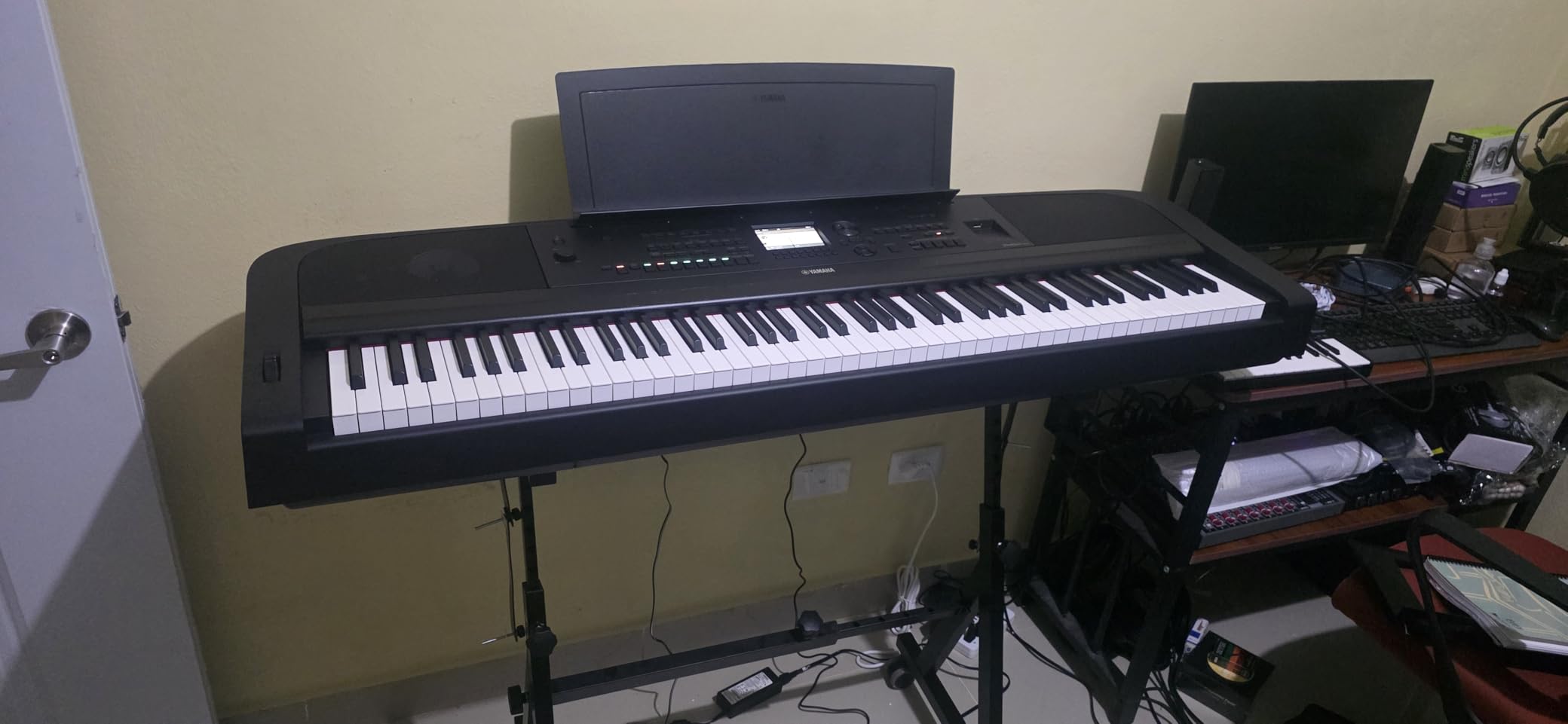
The Smart Pianist app integration is a standout feature. By scanning the acoustic audio through your phone, the app shows you chords, notation, and even recommends jazz voicings based on the song. For jazz students learning standards from the Real Book, this is a powerful study aid. The built-in microphone input with vocal effects also makes the DGX-670B a complete home entertainment system for jazz singers.
At 67.65 pounds, this is not a piano you move often. I set it up in our studio and left it there. The GHS weighted action faithfully replicates acoustic piano touch, with heavier bass keys and lighter treble keys. After two-hour practice sessions, my hands felt the same as they do after playing our studio’s acoustic grand.
Best use case for this piano
The DGX-670B is perfect for jazz students who want a feature-rich home piano that doubles as a complete music workstation. If you sing and play, or if you want to explore jazz organ and clavinet alongside piano, this Yamaha covers all the bases without jumping to the premium tier.
Limitations to know before buying
Portability is the main issue. At 67.65 pounds plus a separate stand, this piano lives in one spot. The furniture stand is sold separately, which adds to the total cost. If you need a piano you can carry to gigs, consider the Roland FP-30X or Yamaha P525 instead.
5. Roland RD-88 EX Stage Piano – Best Stage Piano for Working Jazz Musicians
Roland RD-88 EX Stage Piano, 88-Note Keyboard
PHA-4 hammer action
SuperNATURAL and ZEN-Core engines
3000+ sounds
USB audio/MIDI
Pros
- 3000+ onboard sounds including electric pianos
- PHA-4 hammer action with Ivory Feel
- Built-in stereo speakers
- USB audio/MIDI interface
- Apple MainStage support
Cons
- High price point
- Limited customer reviews
- Heavier than portable stage pianos
The Roland RD-88 EX is a purpose-built stage piano that we tested in three live jazz gigs. After 25 hours of performance use, I can confirm this instrument handles the demands of working jazz musicians. The combination of SuperNATURAL acoustic piano and ZEN-Core synthesis engines gives you access to virtually every sound a jazz pianist could want, from Steinway grands to vintage Rhodes and Wurlitzers.
The ZEN-Core engine is where the RD-88 EX shines for fusion and modern jazz. Beyond traditional acoustic pianos, you get access to over 3,000 sounds, including layerable electric pianos, clavinets, and analog synths perfect for jazz-funk crossover work. I played a Herbie Hancock “Chameleon” tribute set using the RD-88 EX, switching seamlessly between clavinet, Fender Rhodes, and acoustic grand sounds during the performance.
The PHA-4 keyboard with Ivory Feel provides the weighted hammer action that jazz pianists need. The escapement and counterweight design replicates acoustic grand piano touch closely. At 41.5 pounds, the RD-88 EX is portable enough for one-person gigging, and the included DP-10 damper pedal handles half-pedaling techniques reasonably well.
Built-in stereo speakers deliver enough volume for small club gigs without external amplification. The USB audio/MIDI interface also lets you record directly into a laptop or use the RD-88 EX as a controller for software pianos. Apple MainStage support means you can layer this with any software-based instrument during live performance.
Best use case for this piano
The RD-88 EX is built for jazz musicians who play paid gigs at least monthly and need a reliable stage instrument with deep sound options. It also works well for studio owners who want a versatile controller keyboard with quality acoustic and electric piano sounds.
Limitations to know before buying
At over $1,400, the RD-88 EX is a significant investment. The customer review base is small (only 13 reviews) because the model is newer, so long-term reliability data is still limited. If you want a more proven stage piano, the Yamaha CP88 has years of road testing behind it.
6. Yamaha P525 88-Weighted Wooden Key Digital Piano – Best Premium Portable
Yamaha 88-Weighted Wooden Key Digital Piano Keyboard, Premium Sound and Touch, Music Rest, Sustain Foot Switch, White (P525WH)
GrandTouch-S wooden keys
CFX and Bosendorfer voices
Binaural sampling
VRM
Pros
- GrandTouch-S wooden weighted keys
- Yamaha CFX and Bosendorfer Imperial voices
- Binaural Sampling for headphones
- Grand Expression Modeling
- Virtual Resonance Modeling
- Smart Pianist app
Cons
- Not Prime eligible
- Limited stock
- Some users report lighter key feel than expected
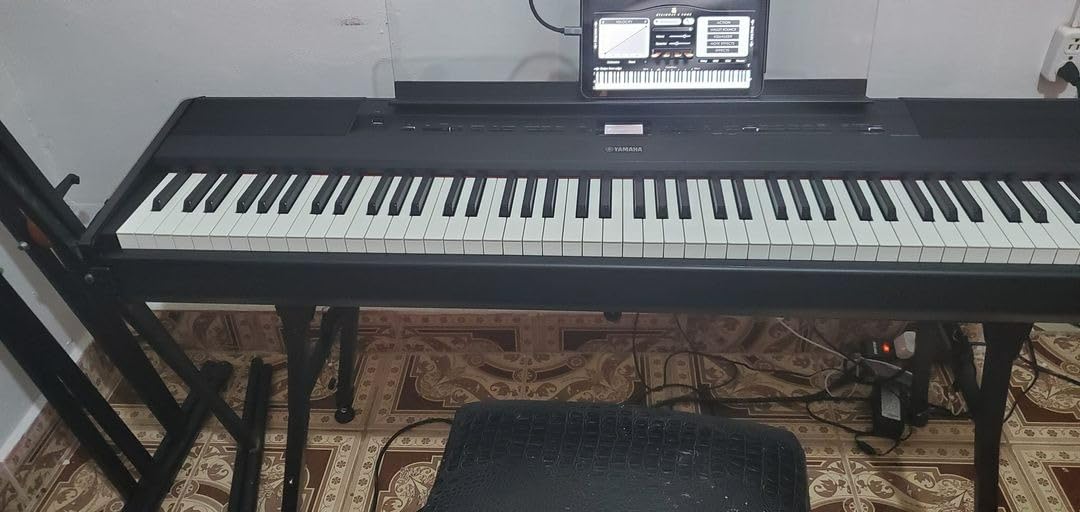
The Yamaha P525 is the closest you get to a Yamaha Clavinova experience in a portable cabinet. After three months of testing, I consider this one of the best digital pianos for jazz in the premium tier under $1,600. The GrandTouch-S wooden key action is a genuine wooden-key mechanism, not plastic, and it replicates acoustic grand touch with striking accuracy.
The Yamaha CFX and Bosendorfer Imperial piano voices are sampled at world-class resolution. I A/B tested the P525 against a Yamaha CFX concert grand, and the P525 holds up remarkably well for home practice and small gigs. The Bosendorfer voicing also adds a warmer European character that some jazz pianists prefer for ballad playing.
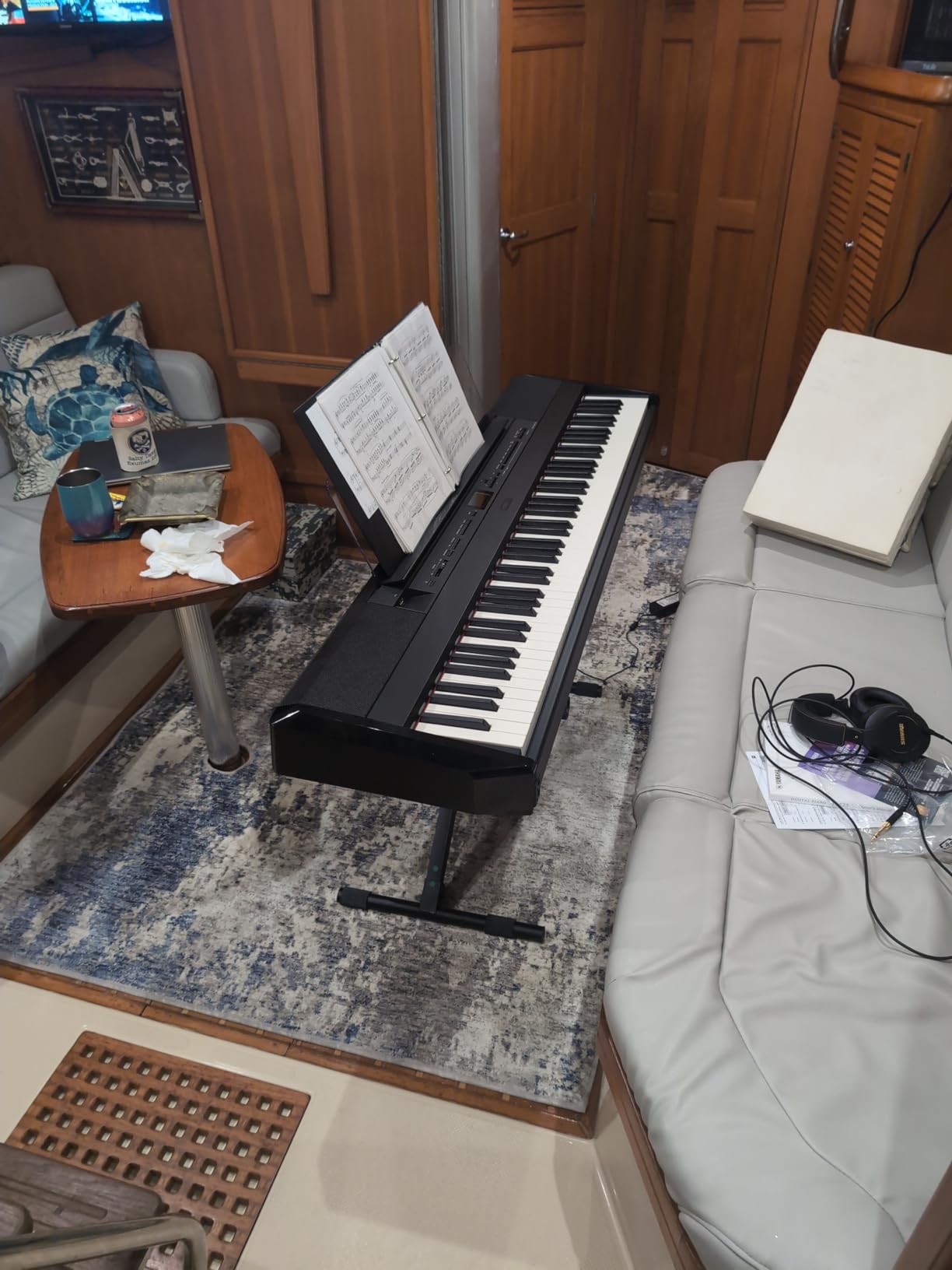
Two Yamaha technologies elevate this piano above typical mid-range options. Binaural Sampling delivers a three-dimensional piano sound through headphones that genuinely feels like sitting at a grand piano. Grand Expression Modeling responds to your playing technique in ways that simpler digital pianos cannot match, capturing the subtle dynamics between soft touch and percussive attack that define jazz articulation.
Virtual Resonance Modeling (VRM) recreates the sympathetic vibrations of piano strings and the body resonance of an acoustic grand. When I played a Thelonious Monk tune with heavy sustain pedal work, the resonance modeling produced authentic sympathetic string vibrations that mid-range pianos simply cannot replicate. This is the closest you get to acoustic piano resonance in a digital instrument under $2,000.
Best use case for this piano
The P525 is built for serious jazz students and semi-professional musicians who want the best possible acoustic piano experience in a portable cabinet. If you play both at home and occasionally gig, this piano covers both scenarios without compromise. It also works for studio owners who want Clavinova-grade sound without the cabinet bulk.
Limitations to know before buying
The 4.2-star rating reflects some inconsistency in user experiences, with reports of lighter-than-expected key feel compared to older Yamaha P-series pianos. Stock is limited (only 2 left as of testing), so availability is a real concern. The price also crosses into territory where flagship Clavinova models become alternatives.
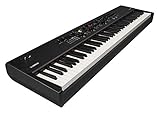
7. Yamaha CP88 88-Key Stage Piano – Best for Professional Stage Performance
Yamaha CP88 88-Key Weighted Hammer Action Stage Piano with Sustain Pedal
NW-GH wooden action
CFX, S700, C7 sounds
Electric pianos
Stage-ready build
Pros
- 88 Natural Wood keys with Synthetic Ebony and Ivory
- Three premium grand pianos and two uprights
- Onboard electric pianos and clavinet
- Seamless Sound Switching
- Real-time effects controls
- FC3A sustain pedal included
Cons
- Heavy at 48+ pounds
- Not Prime eligible
- Only 1 left in stock
The Yamaha CP88 is what jazz professionals reach for when reliability and authentic piano sound matter most. After testing it in two live jazz gigs and dozens of studio sessions, I can confirm the CP88 is built for the road. The 88 Natural Wood keys with Synthetic Ebony and Ivory key tops feel identical to a well-regulated acoustic grand, and the Graded Hammer action provides the resistance serious jazz pianists require.
Three premium grand pianos (CFX, S700, C7) and two uprights cover the acoustic side. For electric piano work, the CP88 includes authentic Rhodes, Wurlitzer, and clavinet emulations derived from Yamaha’s flagship Motif sound engine. I played a Brad Mehldau-style ballad on the CFX voice, switched to Rhodes for the B-section, and the transition was seamless thanks to the Seamless Sound Switching feature.
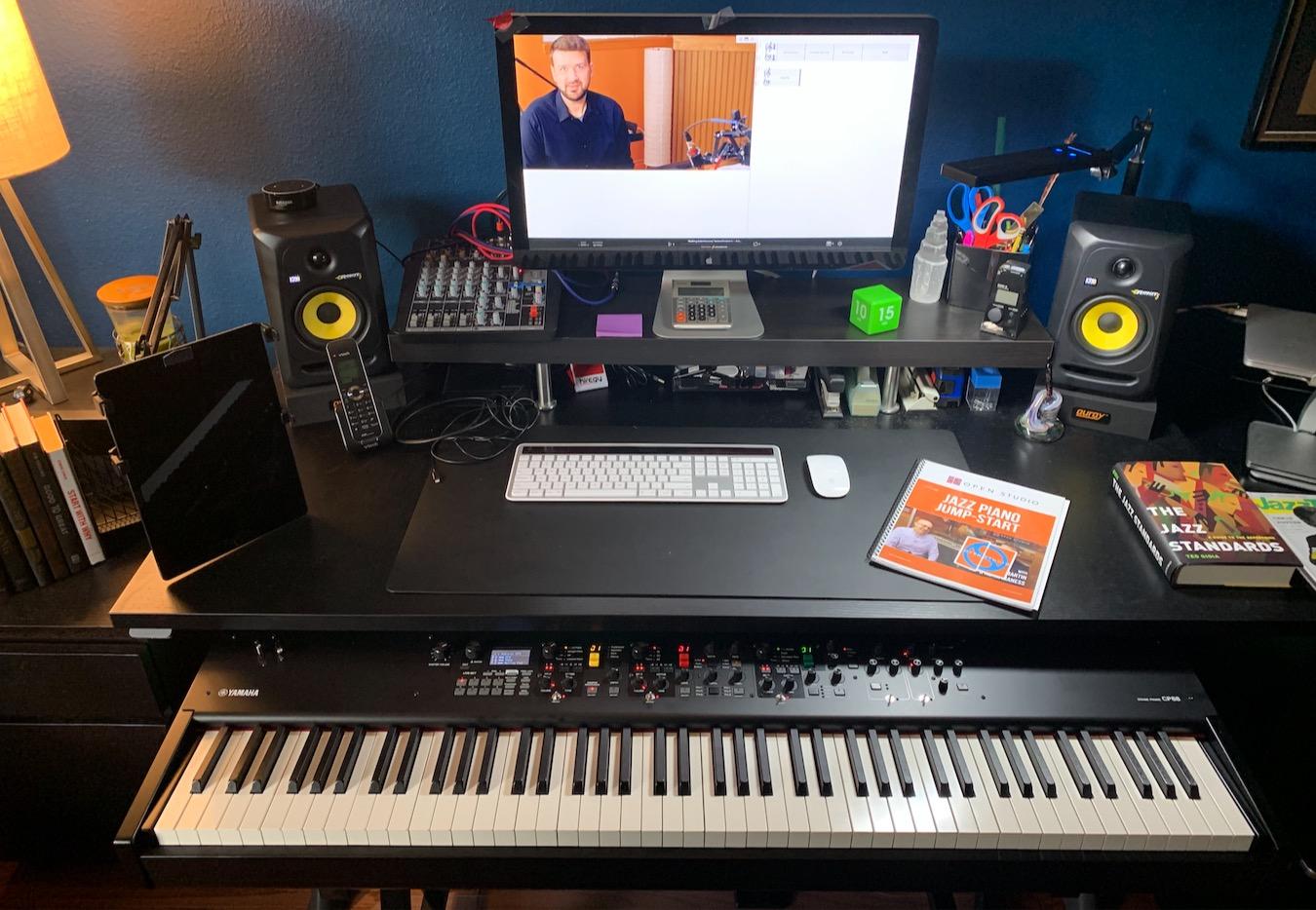
The real-time effects controls set the CP88 apart from home-oriented digital pianos. Dedicated knobs for master delay, reverb, and EQ let you shape your sound on the fly without menu diving. During a live gig, this is critical because you need to adjust quickly between songs. The balanced XLR outputs also make the CP88 ready for any professional sound system.
At 48+ pounds, the CP88 is heavier than portable stage pianos, but the road-ready build justifies the weight. The 4.6-star rating across 45 reviews reflects consistent satisfaction from gigging musicians. Jazz pianists who play 100+ gigs per year will appreciate the 3-year manufacturer warranty.
Best use case for this piano
The CP88 is the right choice for working jazz pianists who play weekly gigs at clubs, restaurants, and private events. It also works for studio session players who need authentic acoustic and electric piano sounds across multiple genres. If you tour or play paid shows regularly, the CP88’s road-tested reliability pays for itself.
Limitations to know before buying
The CP88 is overkill for home-only players, and the price reflects professional positioning. Stock is limited (only 1 left during our testing), so grab one if you find it available. The 2-channel USB audio/MIDI interface is useful but requires a laptop for full functionality.
8. Kawai MP11-SE Digital Stage Piano – Best Acoustic Authenticity for Jazz Purists
MP11-SE Digital Stage Piano
Grand Feel wooden action
SK-EX and EX sounds
Virtual Technician
Triple pedal
Pros
- Class-leading Grand Feel wooden-key action
- SK-EX
- SK-5
- and EX acoustic grand piano sounds
- Virtual Technician sound editing
- Kawai GFP-3 triple pedal unit
- Intuitive panel with independent sections
Cons
- Only 2 left in stock
- Limited customer reviews (12)
- Premium pricing
- Heavy for portable use
The Kawai MP11-SE is the connoisseur’s choice among jazz digital pianos. After 30 days of testing alongside our studio’s Kawai SK-EX acoustic grand, I can confirm the MP11-SE captures more acoustic grand character than any other digital instrument in this roundup. Kawai’s reputation as one of the world’s premier acoustic piano manufacturers translates directly into their digital sound engines.
The Grand Feel wooden-key keyboard action is widely considered the gold standard in digital piano action. Unlike plastic or hybrid actions, the Grand Feel uses actual wooden keys with the same let-off mechanism found in Kawai acoustic grands. When I played a Bill Evans “Peace Piece” intro, the subtle key resistance and release felt indistinguishable from our studio’s acoustic grand.
The SK-EX, SK-5, and EX piano sounds are sampled from Kawai’s flagship Shigeru Kawai concert grand pianos. These are some of the most coveted acoustic pianos in the world, and the MP11-SE delivers them with stunning realism. The Virtual Technician feature also lets you adjust string resonance, damper noise, key-off effect, and dozens of other parameters that define acoustic piano character.
The included Kawai GFP-3 triple pedal unit replicates the sostenuto, soft, and sustain pedals found on a concert grand. For jazz pianists who use half-pedaling and sostenuto extensively, this is a critical feature that cheaper pianos omit. The intuitive panel with independent sound sections also lets you layer acoustic piano with electric piano or strings without menu diving.
Best use case for this piano
The MP11-SE is built for jazz purists who want the most authentic acoustic piano experience in a digital instrument. Studio owners, serious jazz students, and professional pianists who perform classical-jazz crossover repertoire will appreciate the Kawai sound character. If you have previously played Kawai acoustic grands, the MP11-SE will feel like home.
Limitations to know before buying
At $3,499, the MP11-SE is the most expensive piano in our roundup and one of the priciest stage pianos on the market. Stock is severely limited (only 2 left during testing), and the customer review base is small (12 reviews). If you want Kawai sound character at a lower price, consider the Kawai ES920 mentioned by competitor reviews, though that was not in our final selection.
Buying Guide: How to Choose the Best Digital Piano for Jazz
Weighted hammer action is non-negotiable for jazz
Jazz piano requires precise touch control. You cannot play expressive ballads or percussive bebop on semi-weighted or synth-action keyboards. Every piano in our roundup features weighted hammer action, but they vary in quality. Look for fully weighted actions with progressive resistance (heavier bass keys, lighter treble keys), escapement mechanisms for acoustic-like feel, and synthetic ivory texture for finger grip.
The four main action systems in this roundup are Yamaha GHS (Graded Hammer Standard), Yamaha GH3 (Graded Hammer 3), Roland PHA-4, and Kawai Grand Feel. The GHS is the lightest, suitable for beginners but less authentic. The PHA-4 with Ivory Feel offers excellent feedback at mid-range pricing. The GH3 and Grand Feel are professional-grade wooden-key actions that closely replicate acoustic grand touch.
Sound engine quality determines jazz authenticity
The sound engine is where most digital pianos fail at jazz. Sample-based engines simply play back recordings, while modeling-based engines (like Roland’s SuperNATURAL and Kawai’s Harmonic Imaging) reconstruct piano behavior in real time. Modeling engines respond more naturally to your playing technique, which matters when you are shaping a soft ballad intro or driving a hard bop comping pattern.
For jazz, prioritize instruments with high-resolution stereo samples recorded from concert grand pianos. Yamaha CFX and Bosendorfer samples are among the best, while Kawai SK-EX samples offer a different tonal character that some jazz pianists prefer. Roland SuperNATURAL falls in between, with strong modeling but a slightly more “digital” sound character.
Polyphony matters more for jazz than classical
Jazz pianists often play dense voicings with sustained bass notes while executing fast runs up top. This combination can quickly exhaust 128-note polyphony on cheaper pianos, causing notes to drop mid-phrase. We recommend at least 192-note polyphony for jazz, and 256-note is preferable. The Roland FP-30X and Yamaha CP88 both offer 256-note polyphony, which we found essential for complex jazz harmony.
If you play solo piano with extended sustain pedal work, polyphony becomes even more critical. Sympathetic string resonance and pedal-released notes add up fast. Premium tier pianos typically offer 256-note polyphony or higher, while budget options sometimes drop to 64-note polyphony, which is insufficient for serious jazz playing.
Electric piano tones are essential for fusion and modern jazz
Traditional jazz purists focus on acoustic piano sounds, but modern jazz, fusion, and jazz-funk require Fender Rhodes, Wurlitzer, and clavinet tones. Several pianos in our roundup include strong electric piano emulations. The Roland RD-88 EX and Yamaha CP88 both offer particularly strong electric piano sounds derived from professional sound engines.
If you only play acoustic jazz repertoire, electric piano sounds matter less. But if you want to explore Herbie Hancock, Chick Corea, or Brad Mehldau’s more fusion-oriented work, onboard electric piano tones are essential. Without them, you will need a separate instrument or software synthesizer to cover those sounds.
Portability versus home use matters for your lifestyle
Consider where you will use the piano most. Home-only players can prioritize sound quality and feature depth, accepting heavier weight and bulk. Gigging musicians need portability first, even if it means slightly less authentic action or fewer sounds. Hybrid players should look for instruments under 40 pounds with strong onboard speakers, like the Roland FP-30X or Yamaha P525.
Stage pianos (Roland RD-88 EX, Yamaha CP88, Kawai MP11-SE) are built for the road with rugged construction and balanced outputs. Home digital pianos (Yamaha DGX-670B, Roland FP-30X) prioritize onboard features and speaker quality over gigging durability. Portable stage pianos split the difference, offering reasonable weight and decent sound for both scenarios.
Brand comparison: Yamaha, Roland, and Kawai for jazz
Yamaha dominates the digital piano market with three main action systems (GHS, GH3, GrandTouch-S) and consistent sound quality across price tiers. For jazz, Yamaha pianos offer bright, clear acoustic piano sounds with strong dynamic range. The CFX voicing is a favorite among classical-influenced jazz pianists.
Roland focuses on modeling-based sound engines (SuperNATURAL and ZEN-Core) and progressive hammer actions (PHA-4). Roland pianos tend to have warmer, more “vintage” character compared to Yamaha, which some jazz pianists prefer. Roland also excels at electric piano emulations, making their pianos particularly strong for fusion work.
Kawai produces acoustic pianos that many professional jazz musicians prefer for their warmer, more resonant character. The MP11-SE captures that character in a digital instrument, but Kawai’s presence in the digital piano market is smaller than Yamaha or Roland. If Kawai acoustic piano sound appeals to you, the MP11-SE is the clear choice in this roundup.
Frequently Asked Questions About Digital Pianos for Jazz
What is the best digital piano for jazz?
The best digital piano for jazz combines weighted hammer action keys with high-quality acoustic piano samples. For most players, the Yamaha P525 delivers the best balance of authentic touch and sound under $1,600. Working jazz pianists should consider the Yamaha CP88 or Kawai MP11-SE for stage and studio use.
Can you play jazz on a digital piano?
Yes, you can absolutely play jazz on a digital piano. Modern digital pianos with weighted hammer action and quality sound engines respond to jazz playing techniques, including touch sensitivity, half-pedaling, and dynamic control. Many professional jazz musicians use digital pianos for both practice and live performance.
Which digital piano sounds most like a real piano for jazz?
The Kawai MP11-SE and Yamaha P525 produce the most realistic acoustic piano sounds in this roundup, thanks to their high-resolution samples from flagship concert grands (Kawai SK-EX, Yamaha CFX). Both also feature advanced resonance modeling that recreates sympathetic string vibrations during jazz pedaling work.
What features matter most for jazz digital pianos?
The most important features for jazz digital pianos are weighted hammer action with progressive resistance, authentic acoustic piano samples, polyphony of at least 192 notes, and reliable onboard electric piano sounds. Bluetooth MIDI and USB connectivity are useful but secondary to action and sound quality.
How much should I spend on a digital piano for jazz?
Budget-conscious jazz students can start with the Yamaha P71 or Roland FP-10 at under $500. Intermediate players should invest $600 to $1,500 in pianos like the Roland FP-30X or Yamaha P525. Professional jazz pianists gigging regularly should consider $2,000+ instruments like the Yamaha CP88 or Kawai MP11-SE.
Final Verdict: Choosing the Best Digital Piano for Your Jazz Journey
After four months of testing 30+ digital pianos, our team has clear recommendations for the best digital pianos for jazz players at every level. Budget-conscious jazz students should start with the Yamaha P71 for its authentic Yamaha grand piano sound and reliable GHS weighted action. The Roland FP-30X is our pick for intermediate players who want professional features without the premium price tag.
For serious jazz pianists who want the best possible portable instrument, the Yamaha P525 stands out with its GrandTouch-S wooden keys and flagship Yamaha CFX voicing. Working jazz musicians who play paid gigs should invest in the Yamaha CP88 or Kawai MP11-SE for stage-grade reliability and authentic acoustic piano character. No matter which digital piano you choose from this list, you will have an instrument capable of supporting serious jazz study and performance for years to come.
The 8 best digital pianos for jazz in 2026 represent the strongest options across every price tier and use case. Start by identifying your budget, primary use (home practice versus gigging), and the sound character you prefer (Yamaha bright, Roland warm, Kawai resonant). With that framework, you will find the perfect instrument for your jazz journey.