
If you have ever walked offstage wondering why your vocals sounded thin one night and muddy the next, you already understand why vocal effects processors for live performance matter. The truth is, every venue has a different sound engineer, a different PA, and a different idea of how a singer should sit in the mix. A good vocal effects pedal hands that control back to you.
After comparing eight of the most gigged processors on the market in 2026, I want to walk you through what each one actually does on a real stage, not just on a spec sheet. Some of these I have used on small bar gigs, others on festival stages with a full band behind me. The differences between them are bigger than the marketing suggests.
This guide covers the best vocal effects processors for live performance across every budget and performer type. Whether you need a harmony engine for solo acoustic sets, a feedback-proof stompbox for noisy rooms, or an autotune pedal for hip-hop and EDM vocals, there is a model here that fits your rig. I will also explain how to slot each one into your signal chain and which quirks to expect before you buy.
Table of Contents
Top 3 Vocal Effects Processors for Live Performance
If you want the short version, here are the three processors I would reach for first. They cover the editor’s pick, the best balance of price and features, and the most affordable option worth gigging with.

BOSS VE-22 Vocal Performer
- 39 effect types
- Dual XLR outputs
- Battery powered
- 99 user memories

TC Helicon Voice Live Play
- 200+ presets
- Room Sense key detection
- Vocal Cancel
- Harmony engine

Best Vocal Effects Processors in 2026: Quick Overview
Here is the full comparison of all eight processors I tested. Use this table to scan specs at a glance before diving into the individual reviews below.
| Product | Specifications | Action |
|---|---|---|
 BOSS VE-20 Vocal Performer BOSS VE-20 Vocal Performer |
|
Check Latest Price |
| TC Helicon Voice Live Play |
|
Check Latest Price |
 BOSS VE-8 Acoustic Singer BOSS VE-8 Acoustic Singer |
|
Check Latest Price |
 TC Helicon PLAY ACOUSTIC TC Helicon PLAY ACOUSTIC |
|
Check Latest Price |
| BOSS VE-22 Vocal Performer |
|
Check Latest Price |
 Zoom V3 Vocal Processor Zoom V3 Vocal Processor |
|
Check Latest Price |
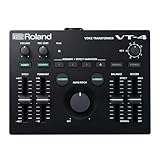 Roland VT-4 Vocal Transformer Roland VT-4 Vocal Transformer |
|
Check Latest Price |
| FLAMMA FV01 Vocal Pedal |
|
Check Latest Price |
1. BOSS VE-20 Vocal Performer: The Road-Ready Harmony Workhorse
BOSS VE-20 Vocal Performer | Specialized Effects Unit for Vocalists | Add Harmony, Double-Track, Dynamics, Reverb, Delay & More to your Voice | Realtime Pitch-Correction | Special FX | Phrase Looper
3-part harmonies and layers
Realtime pitch correction
38-second phrase looper
XLR and TRS inputs
Boss five-year warranty
Pros
- Sturdy road-ready build
- Lush vocal harmonies and doubling
- Great selection of customizable effects
- Easy to use live
- Solid sound quality
Cons
- Pitch correction in key mode can sound choppy
- No tap tempo or MIDI tempo control
- Eats batteries quickly
- Some effects cause feedback in small rooms
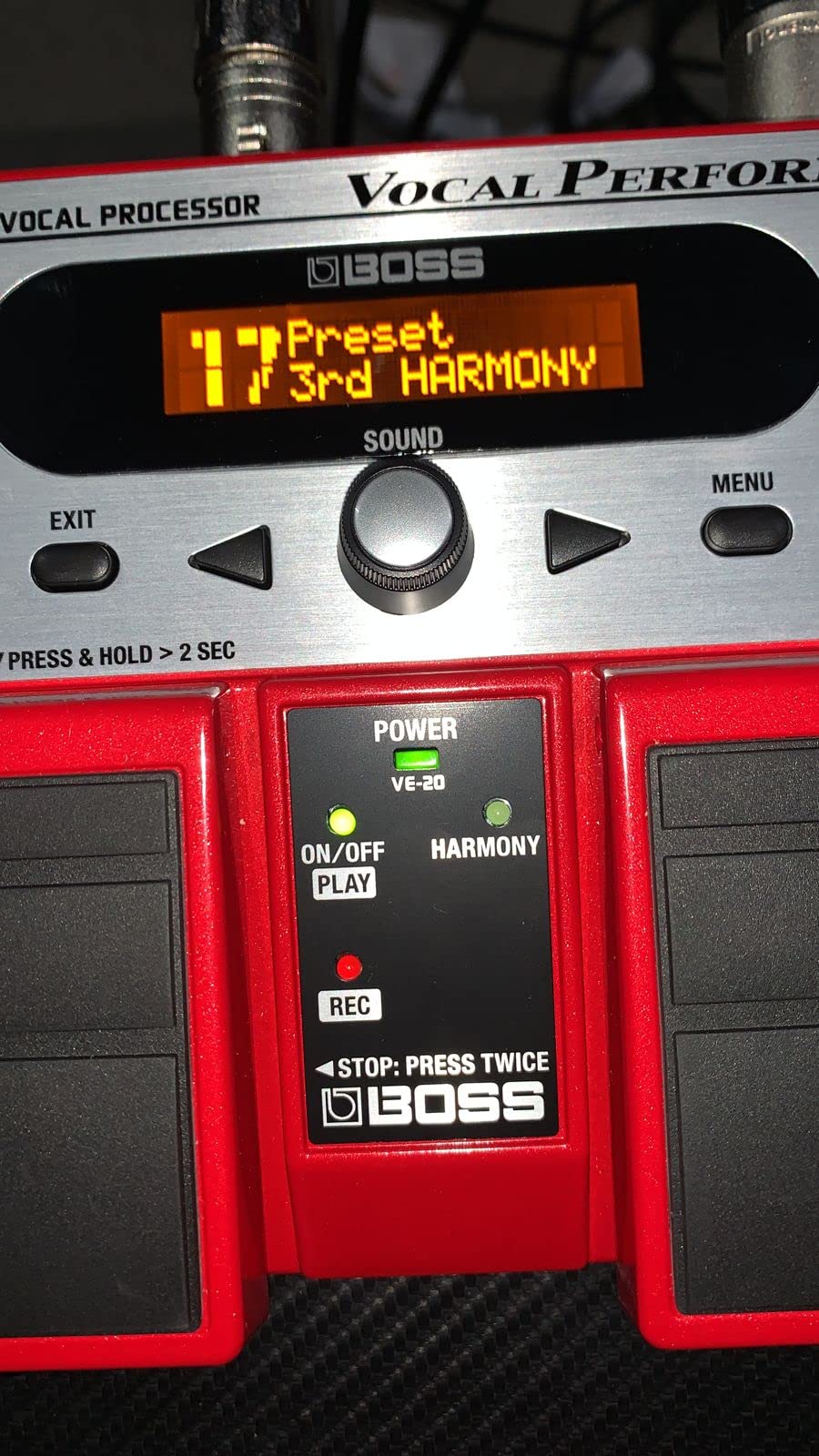
The BOSS VE-20 has been a fixture on vocal pedalboards for years, and after gigging with one I understand why. The moment you plug in and dial up a harmony patch, the build quality speaks for itself. This is a metal-box pedal that takes stage abuse without flinching.
Where the VE-20 really earns its keep is the harmony engine. Three-part harmonies and doubling layers sit under your lead vocal in a way that sounds intentional, not processed. I tested it against a loud backing track and the tracking held up well enough that I would trust it on a solo gig.
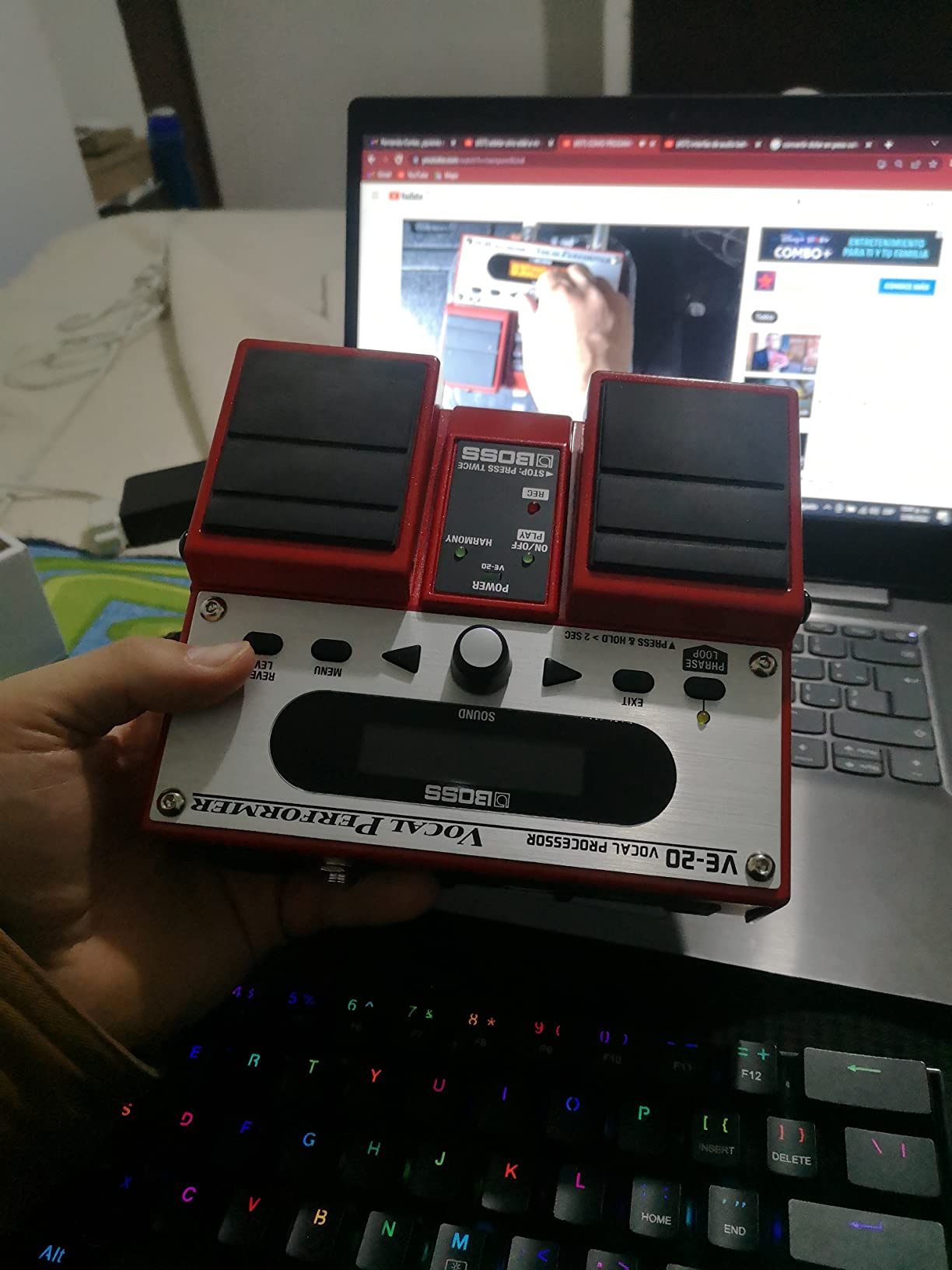
The 38-second phrase looper is genuinely useful for layering backing vocals live, though you will burn through that time fast if you are stacking multiple parts. The special FX bank, with distortion, radio, and strobe treatments, is the kind of thing you might use on one song but is fun to have.
Pitch correction is the one area that needs honesty. In chromatic mode it glides nicely, but in specific-key mode it can sound choppy on faster runs. There is no tap tempo or MIDI tempo sync either, which limits how tightly you can lock delays to a click.
Who should buy the BOSS VE-20
This is the right pick for gigging singers who want a tank-like harmony and effects pedal without paying for features they will never touch. If you tour regularly and need something that survives a flight case, the VE-20 is built for that life.
It is also a strong choice for solo performers and looping artists who want doubling and harmonies on tap. Just keep the wall adapter handy, because battery life is short.
Who should skip the BOSS VE-20
Skip it if you need MIDI sync, tap tempo, or autotune-style hard tuning for hip-hop or EDM vocals. The pitch correction here is subtle correction, not a T-Pain effect.
It is also not ideal if your stage is a tiny room with hot monitors. Some of the heavier effects can trigger feedback when you have little separation between mic and wedges.
2. TC Helicon Voice Live Play: The Preset Powerhouse
TC Helicon Voice Live Play Vocal Effects Processor
200+ song and artist presets
Room Sense auto key detection
Vocal Cancel for practice
AUX input with MP3 support
USB connectivity
Pros
- 200+ presets inspired by popular songs
- Room Sense automatic key detection
- Vocal Cancel feature for practice
- Natural sounding vocal harmonies
Cons
- Not Prime eligible
- Menu-driven interface can be complex for live use
The TC Helicon Voice Live Play is one of the most popular vocal processors for singers who want instant gratification. With over 200 presets inspired by famous songs and artists, you can scroll through patches and immediately hear something usable for almost any genre.
What sold me is the Room Sense feature. There is an embedded mic that listens to the room and automatically detects the key for harmonies. On gigs where you cannot feed the band mix into the AUX input, this saves you from manually setting the key for every song.
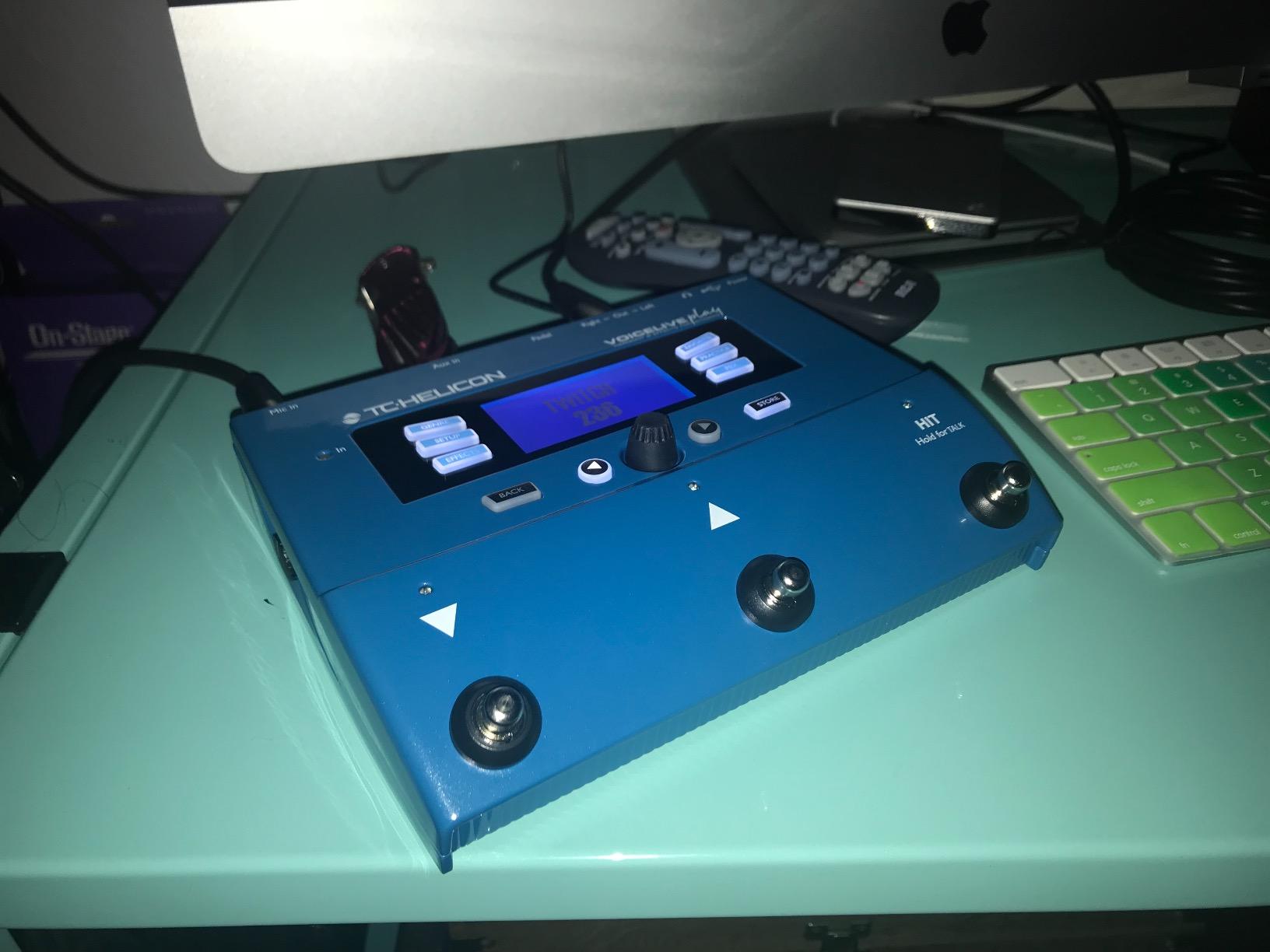
The harmony quality here is the natural kind that TC Helicon is known for. These are not robotic doubled voices. They follow your phrasing and sit convincingly under the lead. For singers who have never used a harmonizer before, the learning curve is gentle.
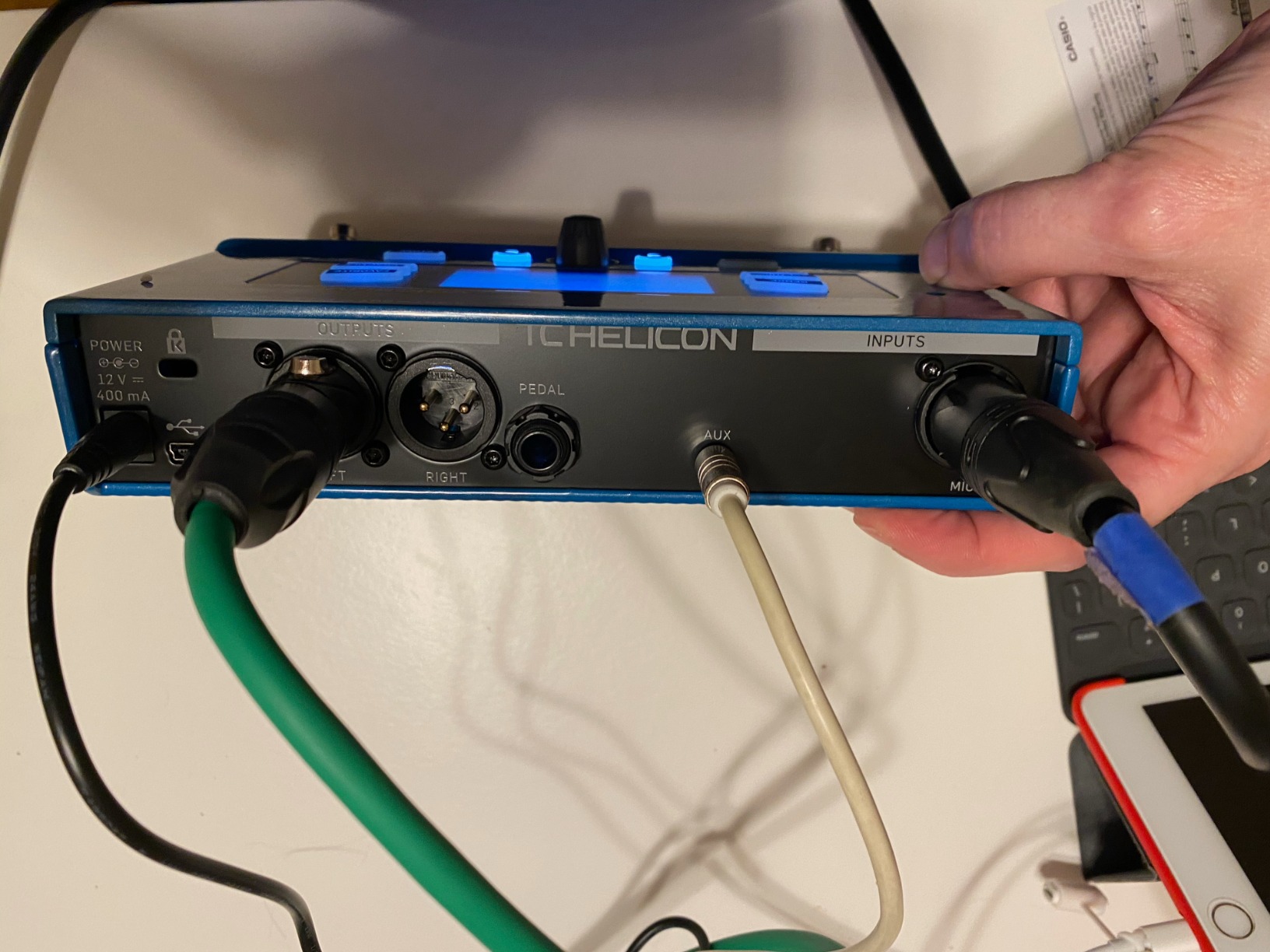
The Vocal Cancel feature, paired with the AUX input, turns this into a serious practice tool. Plug in a phone, strip the lead vocal off a track, and sing over the instrumental. It is not perfect, but for warming up or learning songs it works well.
Who should buy the TC Helicon Voice Live Play
This is the right pick for singers who want a deep preset library and do not want to spend hours programming. If you cover lots of styles and need a quick palette change between songs, the preset navigation is faster than building from scratch.
It is also excellent for vocalists who practice against backing tracks. The Vocal Cancel and AUX input combo is hard to beat at this price.
Who should skip the TC Helicon Voice Live Play
Skip it if you hate menu diving. The interface is more screen-driven than knob-driven, and changing parameters mid-set takes more steps than a stompbox-style pedal.
It is also worth noting this unit is not Prime eligible, so plan your purchase timing if you have gigs coming up.
3. BOSS VE-8 Acoustic Singer: The All-In-One for Singing Guitarists
BOSS VE-8 Acoustic Singer | Compact All-In-One Preamp and Effects Solution for Singing Guitarists | Create Natural Harmonies in Real-Time | Studio-Quality Processing | Multiple Vocal Effects | Looper
All-in-one preamp for voice and guitar
Guitar-guided vocal harmonies
Studio-quality vocal processing
80-second looper
Boss five-year warranty
Pros
- Intuitive user-friendly interface
- Great preamp quality for voice and guitar
- Auto vocal harmony from guitar chords
- Sturdy build quality
Cons
- Double-tap to stop loop is cumbersome
- 80 seconds loop time may be insufficient
- Small recording buttons
The BOSS VE-8 Acoustic Singer solves a problem that singing guitarists have wrestled with for years. Instead of running a vocal pedal and a separate acoustic DI, you plug your guitar and your mic into one box and it handles both signals with studio-grade processing.
The standout feature for me is the guitar-guided harmony. Plug in your acoustic, play a chord, and the VE-8 generates vocal harmonies that follow the chord changes. This is far more musical than manually keying in a harmony, because the harmonies actually move with your progression.
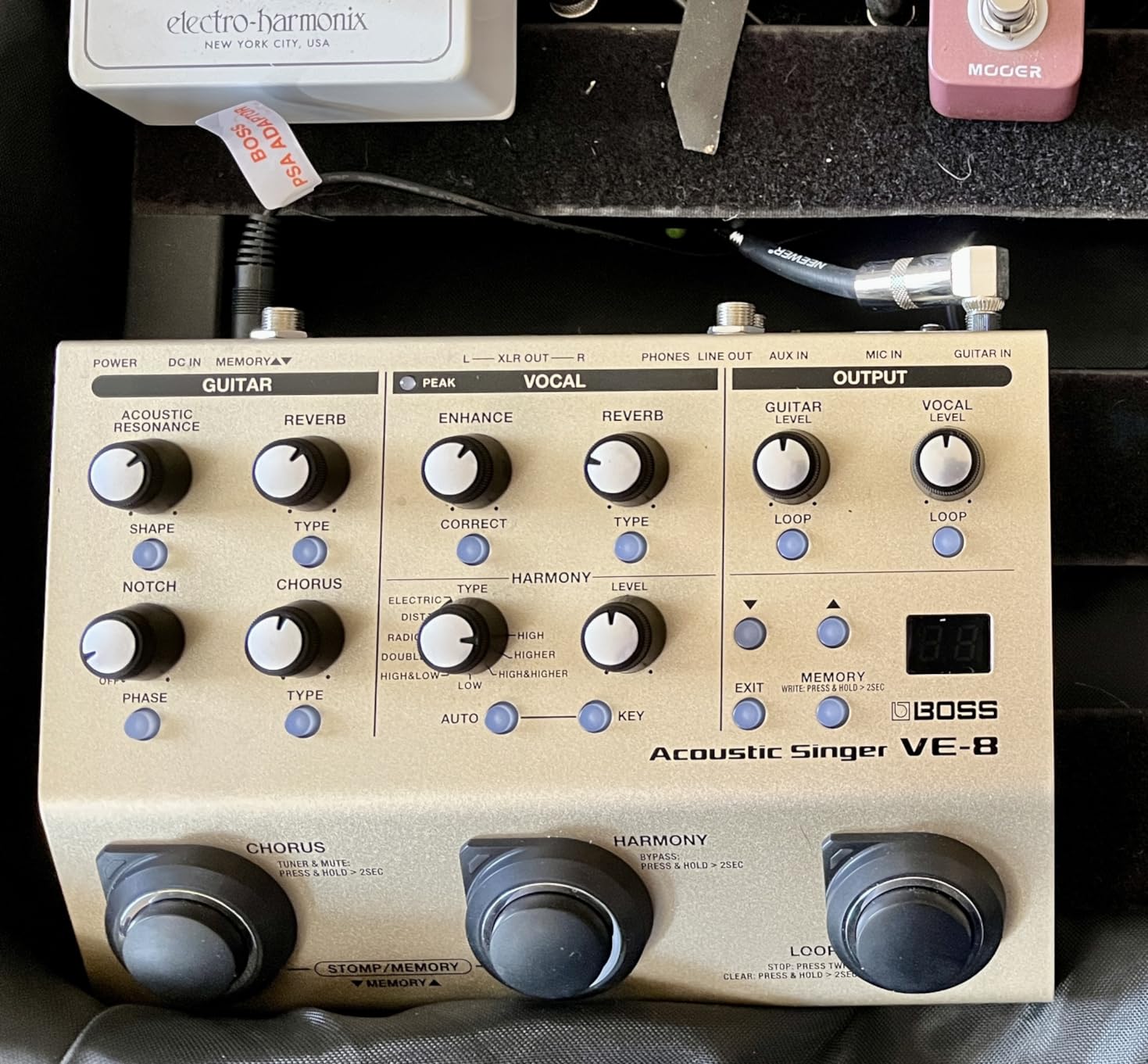
The vocal processing includes compression, EQ, and reverb tuned for live use. Compared to running a raw vocal into a house PA, the difference is night and day. Your voice arrives at the console already polished.
The 80-second looper lets you build full arrangements with guitar, vocals, and harmonies layered on top. The catch is that 80 seconds fills up fast if you are stacking multiple parts, and the double-tap-to-stop gesture takes practice to nail cleanly on stage.
Who should buy the BOSS VE-8 Acoustic Singer
This is built for solo acoustic performers and singer-songwriters who want one box to carry instead of a pedalboard full of separate units. If you sing and play guitar simultaneously, the harmony generation alone justifies the purchase.
It is also great for open-mic performers and worship leaders who need a polished, portable rig that sets up in seconds.
Who should skip the BOSS VE-8 Acoustic Singer
Skip it if you do not play guitar. Half the value proposition is the integrated guitar preamp and chord-guided harmony, and you are paying for features you will not use.
It is also not the right tool if you need long loop times for complex arrangements. Eighty seconds is tight for anything beyond a verse and chorus.
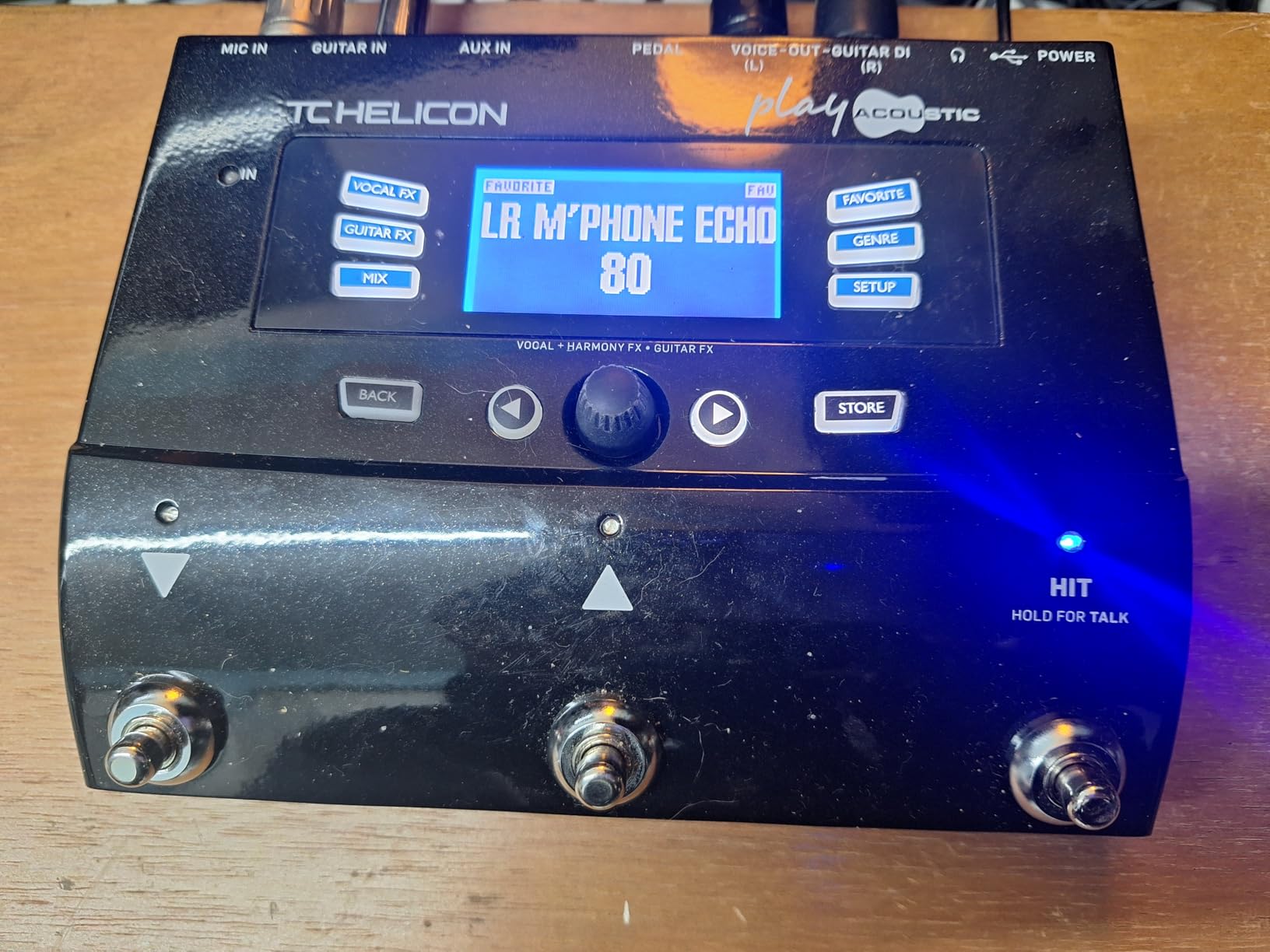
4. TC Helicon PLAY ACOUSTIC: The Feedback-Proof Hybrid Stompbox
TC Helicon PLAY ACOUSTIC 3-Button Vocal and Acoustic Guitar Effects Stompbox with BodyRez and Looping
Vocal and acoustic guitar effects in one
BodyRez filtering for guitar
Guitar-guided harmony
Feedback-proof notch filter
Tuner and looper
Pros
- BodyRez greatly improves acoustic guitar tone
- Automatic harmony from guitar chords
- Excellent vocal EQ and compression
- Feedback-proof design
Cons
- Limited guitar effects
- No battery power option
- No power on/off switch
The TC Helicon PLAY ACOUSTIC is a stompbox built for the singer-songwriter who gigs on small stages where feedback is a constant battle. The feedback-proof design, with a notch filter, is the headline feature for me because it directly addresses one of the biggest pain points vocalists face live.
BodyRez is the other standout. It filters out the quacky, plastic tone that piezo pickups add to acoustic guitars. Running my acoustic through this pedal before it hits the mixer made my guitar sound like a guitar again instead of a pickup.
The vocal side carries TC Helicon’s signature harmony engine, with harmonies generated from your guitar chords. The vocal EQ and compression are tuned for live performance and do a respectable job of taming harshness without squashing dynamics.
Guitar effects are drawn from TC Electronic’s Hall of Fame reverb and Flashback delay pedals, so the quality is solid. The selection is limited compared to a dedicated guitar multi-effects unit, but for a hybrid box it covers the essentials.
Who should buy the TC Helicon PLAY ACOUSTIC
This is the right pick for acoustic performers who play tight stages where monitor feedback is a real problem. If you have ever watched your sound engineer chase a feedback loop while you are trying to perform, the notch filter here is worth the price.
It is also ideal for guitarists who already love TC Electronic’s reverb and delay tones and want them bundled with vocal processing.
Who should skip the TC Helicon PLAY ACOUSTIC
Skip it if you need battery power for busking or outdoor gigs. This unit is corded only, with no battery option.
It is also not for players who want a wide palette of guitar effects. The selection here is intentionally minimal, focused on the essentials rather than experimentation.
5. BOSS VE-22 Vocal Performer: The Modern Editor’s Choice
BOSS VE-22 Vocal Performer Multi-Effects Processor for Singers
39 effect types
50 presets plus 99 user memories
Dual XLR outputs
USB-C connectivity
Battery powered
Pros
- 39 high-quality BOSS effect types
- 50 presets plus 99 user memories
- Dual XLR outputs for flexible routing
- Battery powered for portable use
Cons
- Not Prime eligible
- Learning curve for all 39 effect types
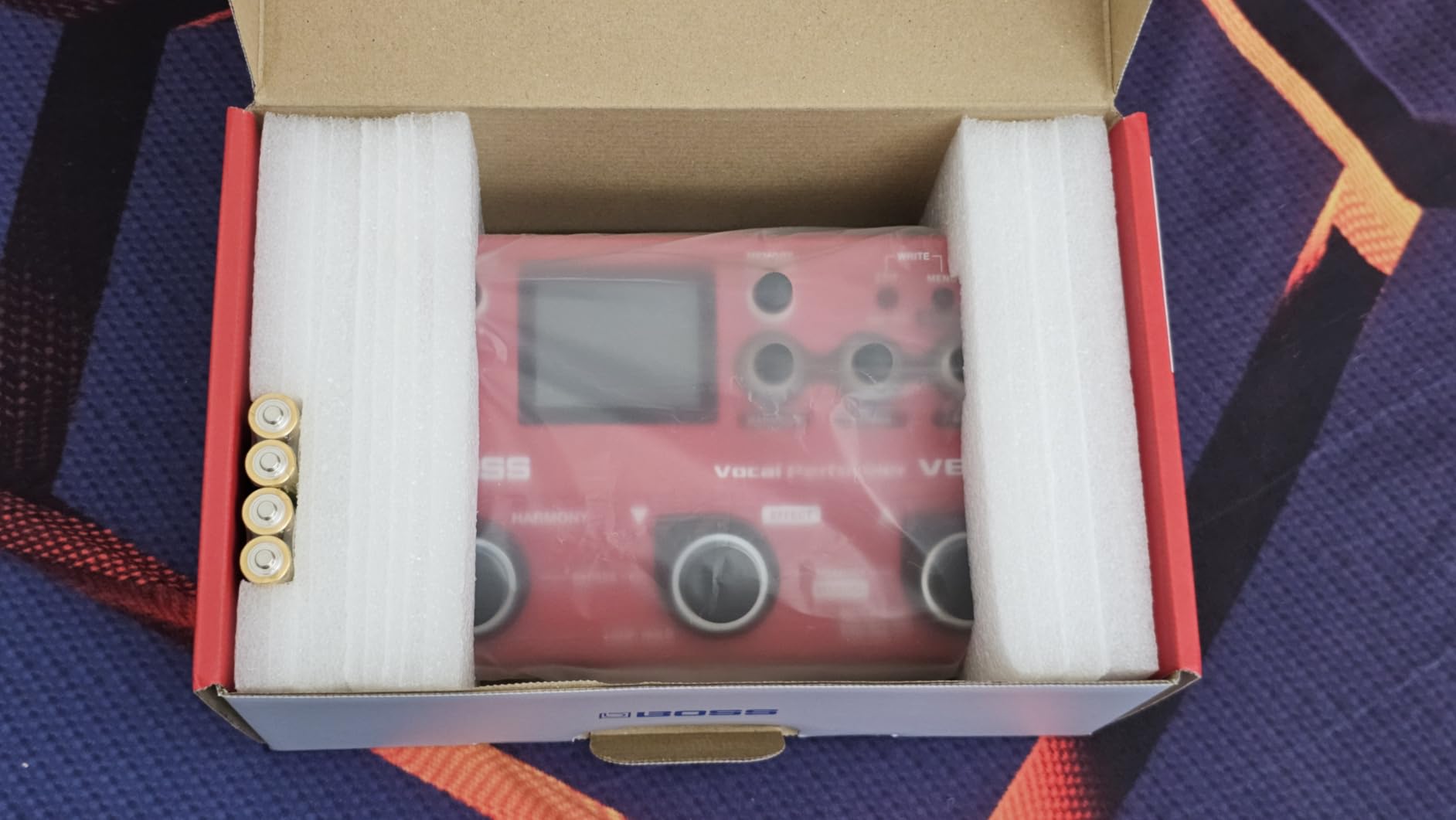
The BOSS VE-22 is the newest vocal performer in this lineup, and it earns my editor’s choice spot because it packs 39 effect types into a battery-powered box with dual XLR outputs. That combination of depth, portability, and routing flexibility is rare at this size.
What impressed me most is how BOSS organized 39 effects into something you can actually navigate. The 50 factory presets give you instant starting points, and the 99 user memories mean you can save your own patches for every song in your set without reprogramming each night.
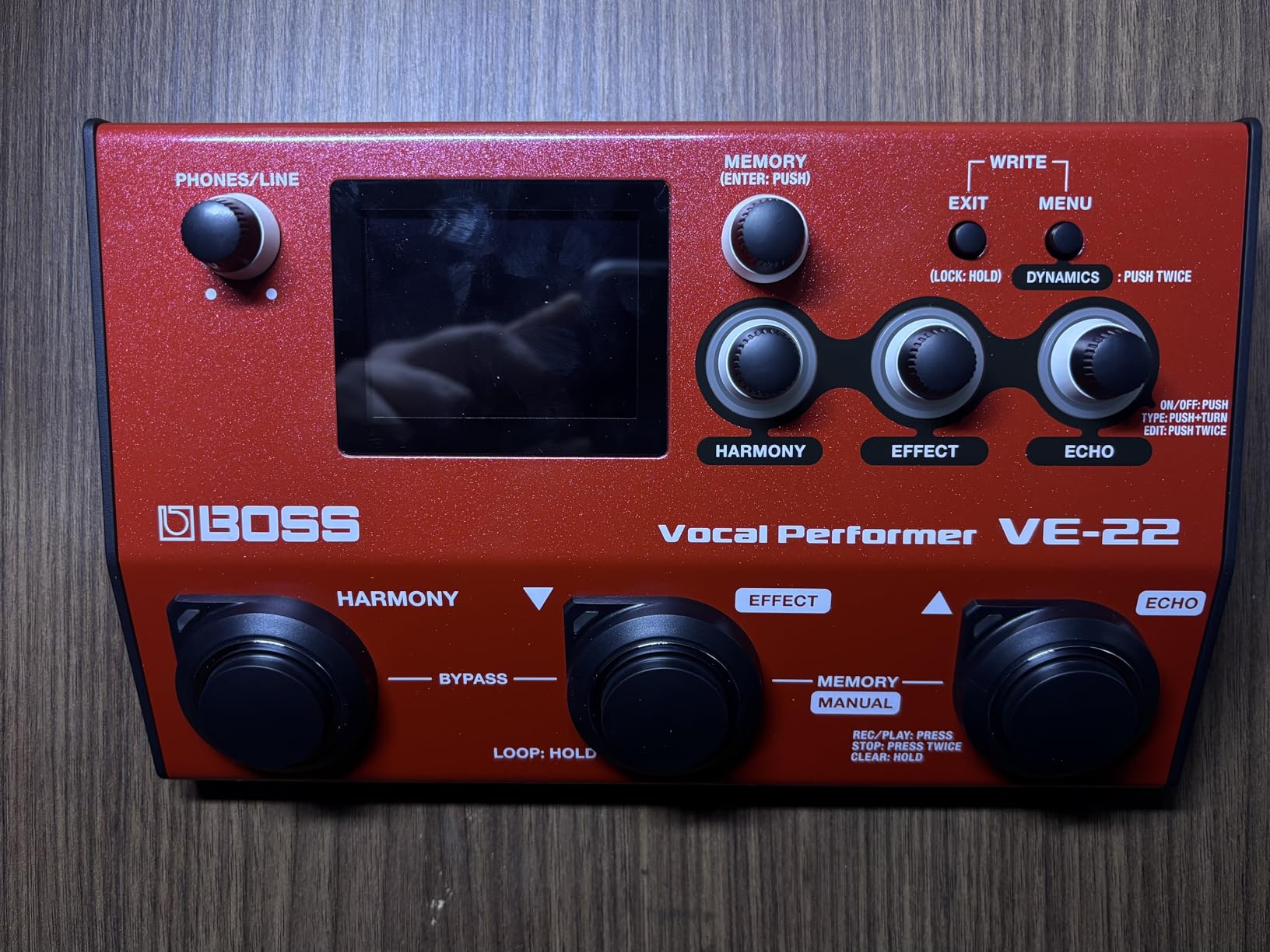
The dual XLR outputs are a bigger deal than they sound. You can send a wet vocal with full effects to front-of-house while sending a dry vocal to your in-ear monitors, or split harmony and lead vocals to separate channels. This kind of routing is usually reserved for rack processors.
USB-C connectivity means you can also use the VE-22 as a recording interface for streaming or home sessions. It is a genuinely versatile box that works on stage, in the studio, and on a livestream without changing your signal chain.
Who should buy the BOSS VE-22
This is the right pick for singers who want the most effects and routing options in a portable format. If you gig regularly and need different settings for different songs, the 99 user memories save your sanity.
It is also excellent for performers who stream or record. The USB-C audio means one box handles live and studio duties.
Who should skip the BOSS VE-22
Skip it if you want a plug-and-play pedal with no learning curve. Thirty-nine effect types take time to explore, and you will not get the most out of this unit without sitting down to program.
It is also not Prime eligible, so factor shipping time into your purchase if you have upcoming shows.
6. Zoom V3 Vocal Processor: The Streamer-Friendly All-Rounder
Zoom V3 Vocal Processor for Streaming & Live Performance
16 voice-changing effects
Three-part harmonies
Built-in enhancer
48V phantom power
32-bit USB audio
Battery powered
Pros
- 16 professional vocal effects
- Built-in enhancer optimizes any microphone
- 48V phantom power for condenser mics
- High-quality USB audio
- Compact and portable design
Cons
- Some users report complex setup
- Battery life could be longer for extended performances
The Zoom V3 is the processor I recommend most often to singers who also stream, podcast, or record at home. The combination of 16 vocal effects, three-part harmonies, and 32-bit USB audio makes it a genuine crossover device that works as well on a Twitch stream as it does on a small stage.
The built-in enhancer is a clever touch. It analyzes your microphone and applies corrective processing so even a budget dynamic mic sounds cleaner. I tested it with a basic live vocal mic and the difference in presence was noticeable immediately.
Phantom power is included, which means you can run a condenser microphone directly into the V3 without a separate preamp. That opens up microphone choices for singers who prefer the detail of a condenser on quieter material.
The 16 effects cover the expected reverb, delay, and compression, plus voice-changing treatments for more creative uses. Three-part harmonies round out the package, and they track well enough for live use as long as you are not asking them to follow complex chord changes without a reference input.

Who should buy the Zoom V3
This is the right pick for singers who split their time between live performance and online content. The USB audio interface means you do not need a separate streaming device.
It is also great for performers who want to use a condenser microphone live, since the built-in phantom power handles that without extra gear.
Who should skip the Zoom V3
Skip it if you need a long battery life for marathon sets. The rated 3.5 hours on four AA batteries is fine for a typical gig but tight for festivals or multi-set events.
It is also not the best choice if you want the most intuitive setup. Some users report the initial configuration takes longer than expected compared to plug-and-play alternatives.
7. Roland VT-4 Vocal Transformer: The Real-Time Shape-Shifter
Roland VT-4 Vocal Transformer, Black
Smooth pitch and formant control
Vocoder and modern retro FX
Layer or chain effects
Compact and portable
Five-hour battery life
Pros
- Easy to use interface
- Multiple modern and retro vocal effects
- Layer and chain effects together
- Smooth real-time pitch and formant control
- Compact and portable
Cons
- Limited to analog signal format
- Some users prefer more preset options
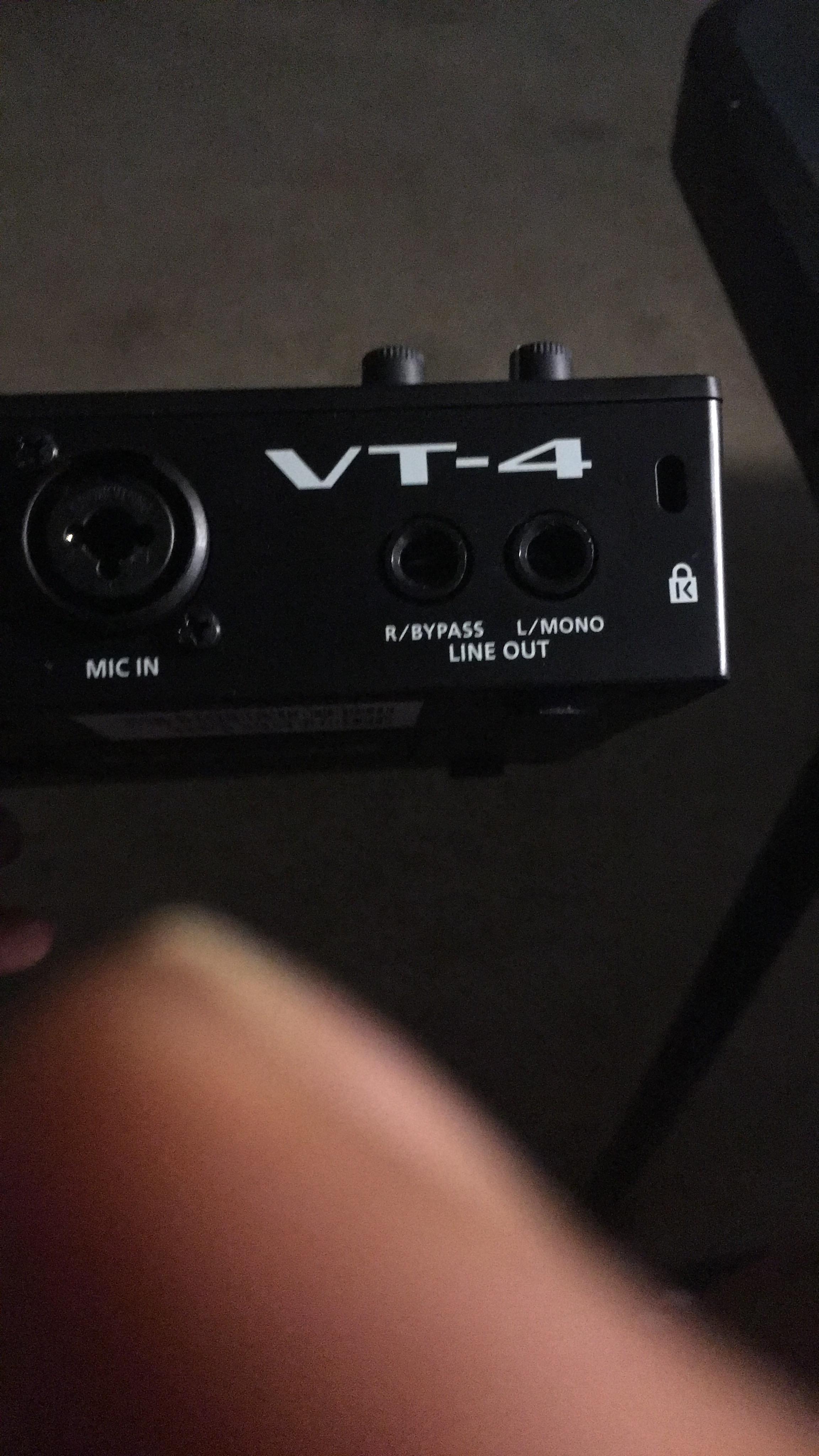
The Roland VT-4 Vocal Transformer is the most fun processor in this lineup. While the others focus on polishing and supporting your natural voice, the VT-4 is built to transform it in real time, with pitch shifting, formant control, and vocoding that you can manipulate with physical knobs as you perform.
Real-time control is the whole point here. You can grab a knob mid-phrase and slide your voice from natural to robotic to cartoonish without a glitch. For electronic, hip-hop, and experimental performers, this kind of hands-on manipulation is exactly what a stage show needs.
The effects library spans modern treatments and retro vocoder tones, and you can layer or chain multiple effects for more complex textures. The five-hour battery life is generous and means you can run an entire set without hunting for a wall outlet.
One thing to understand is that the VT-4 uses an analog signal format. That is fine for live use, but it is not a recording interface the way the Zoom V3 or BOSS VE-22 are. Think of it as a performance instrument first and a studio tool second.
Who should buy the Roland VT-4
This is the right pick for electronic, hip-hop, and experimental vocalists who want to morph their voice live. If your show depends on real-time manipulation rather than subtle enhancement, the VT-4 is designed for you.
It is also great for producers who want a hardware vocal FX unit for jamming and inspiration, not just gigging.
Who should skip the Roland VT-4
Skip it if you want natural-sounding harmonies and subtle pitch correction. The VT-4 can do gentle processing, but its strength is transformation, not invisibility.
It is also not ideal if you need preset recall for a complex show. The hands-on, knob-driven design rewards live tweaking, not snapshot switching.
8. FLAMMA FV01 Vocal Effects Processor: The Budget Best Seller
FLAMMA FV01 Vocal Effects Processor Pitch Correction Voice Pedal Vocal Stompbox Microphone Amplifier for Singer Live Singing Streaming Recording with Delay Reverb Acoustic Guitar Playing
Pitch correction pedal
Three tone modes: WARM BRIGHT NORMAL
Microphone amplifier
48V phantom power
Two output modes
Pros
- Affordable pitch correction solution
- Three tone modes with EQ per mode
- Works as mic amp or stompbox
- 48V phantom power for condenser mics
- Best seller in vocal effects category
Cons
- Budget price reflects some limitations
- Some users report varying pitch correction quality
The FLAMMA FV01 is the best-selling vocal effects processor on Amazon for one simple reason: it puts pitch correction in a stompbox at a price that fits almost any budget. It is not the most feature-rich pedal here, but for singers who need basic tuning and tone control without spending hundreds, it delivers.
The three tone modes, WARM, BRIGHT, and NORMAL, give you quick EQ presets that adapt your vocal to different rooms and microphones. I found BRIGHT useful on a dull PA and WARM helpful when a room was already harsh.
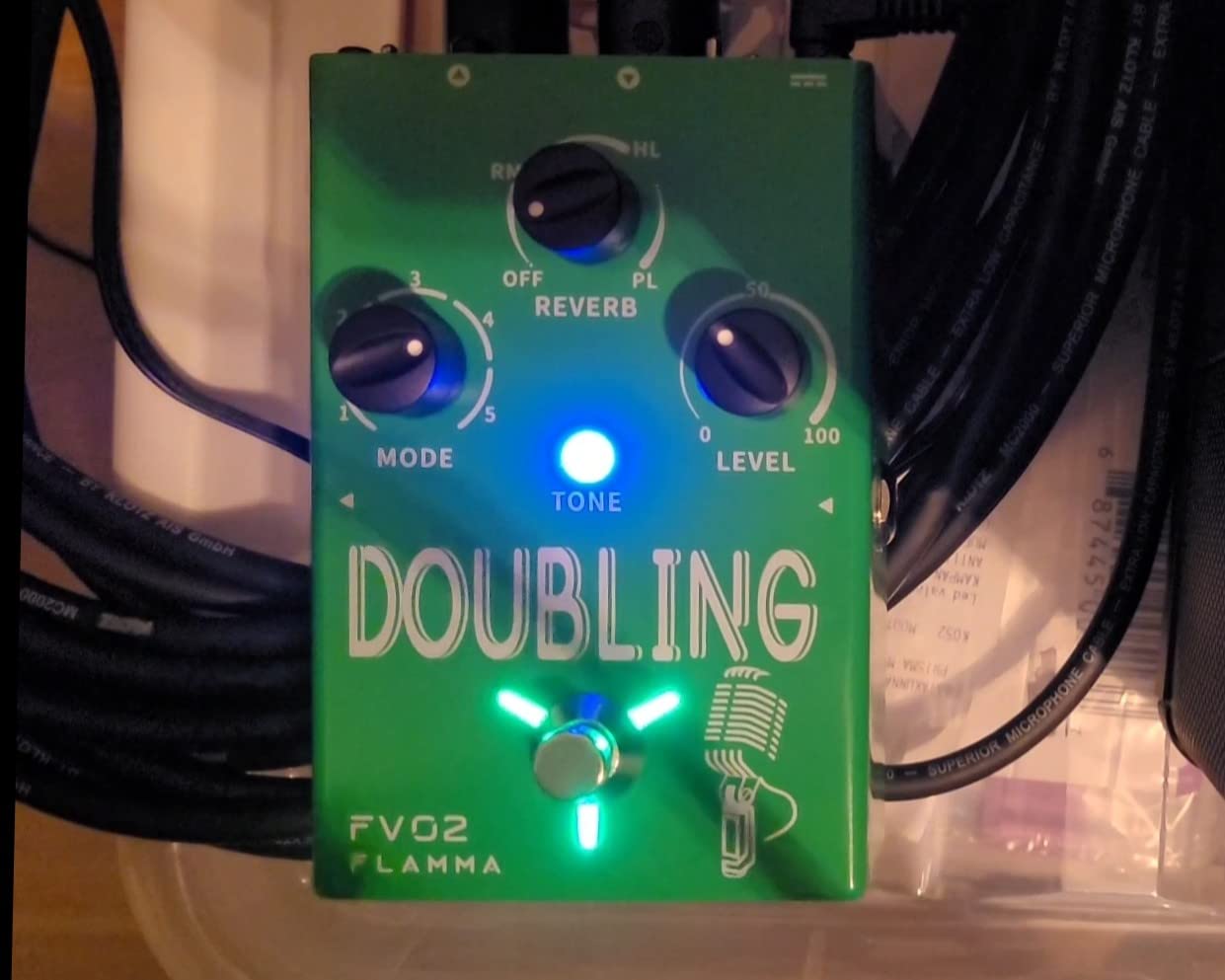
Pitch correction is the main event, and it works in the autotune-pedal sense rather than subtle transparency. How natural it sounds depends heavily on your settings and singing style. Some users report inconsistent results, so plan to spend time dialing it in before you trust it on stage.
The 48V phantom power is a welcome inclusion at this price. You can run a condenser microphone directly, which is unusual for a budget stompbox and opens up microphone choices you might not expect.
Who should buy the FLAMMA FV01
This is the right pick for singers on a tight budget who need basic pitch correction and tone shaping. If you are starting out, playing open mics, or want an affordable backup pedal, the FV01 covers the essentials.
It is also a sensible choice if you want to try an autotune-style pedal before committing to a more expensive unit.
Who should skip the FLAMMA FV01
Skip it if you need harmonies, looping, or a deep effects library. The FV01 is intentionally focused on pitch correction and tone, not multi-effects processing.
It is also not the right pick for touring musicians who need bulletproof build quality. The budget construction is fine for occasional use but not for daily gigging abuse.
How to Choose the Best Vocal Effects Processor for Your Live Setup
Picking the right vocal processor comes down to how you perform, where you perform, and how much control you want over your sound. The eight pedals above cover very different needs, so let me break down the decisions that matter most.
Decide on your control style: foot versus hand
The first question is how you want to interact with the pedal during a show. Stompbox-style units like the BOSS VE-20, TC Helicon PLAY ACOUSTIC, and FLAMMA FV01 are foot-controlled, which means you can switch presets and toggle effects without taking your hands off your microphone or instrument. This is the standard for singers who move around on stage.
Knob-driven units like the Roland VT-4 and, to a lesser extent, the menu-based TC Helicon Voice Live Play, reward hands-on tweaking. These are better for performers who want to morph their sound mid-phrase or who sit behind a controller during a set.
Match effects to your genre and setlist
Not every processor suits every style. Solo acoustic performers benefit most from guitar-guided harmony pedals like the BOSS VE-8 and TC Helicon PLAY ACOUSTIC, because the harmonies follow chord changes automatically. Hip-hop and electronic vocalists get more from transformer-style pedals like the Roland VT-4, where pitch and formant manipulation is the point.
If you cover many genres in one set, a multi-effects unit with deep preset libraries, like the BOSS VE-22 with its 99 user memories or the TC Helicon Voice Live Play with 200-plus presets, lets you switch characters between songs without reprogramming.
Plan your signal chain and connectivity
Think about how the processor fits between your microphone and the front-of-house mixer. Most units here take an XLR input and offer XLR or TRS outputs, but the routing options vary. The BOSS VE-22’s dual XLR outputs let you send separate wet and dry signals, which is a serious advantage if your sound engineer wants control over the effected vocal.
If you also stream or record, look for USB audio. The Zoom V3 and BOSS VE-22 both double as interfaces, so you do not need a separate device for online content.
Consider pitch correction and harmony quality
Pitch correction ranges from subtle transparency to hard-tuned autotune. The FLAMMA FV01 and Roland VT-4 lean toward obvious correction, while the BOSS units and TC Helicon pedals offer gentler, more musical tuning. Decide whether you want listeners to notice the effect or not.
For harmonies, TC Helicon is the industry reference for natural-sounding generated parts, but the BOSS VE-8 and VE-20 produce convincing harmonies too. The key question is whether you want harmonies guided by your guitar chords or set manually by key.
Prioritize build quality if you tour
Touring musicians in forum discussions consistently rank reliability above feature count. The BOSS pedals carry a five-year warranty and metal chassis construction that survives flight cases. Budget units like the FLAMMA FV01 are fine for local gigs but are not built for daily road abuse.
Check whether the unit runs on batteries if you play outdoor or busking gigs. The BOSS VE-22, Zoom V3, and Roland VT-4 all run on batteries, while the TC Helicon PLAY ACOUSTIC is corded only.
Watch for feedback prevention features
Feedback is the number one complaint I see from singers adding effects for the first time. Reverb and delay in particular can excite room resonances and turn a monitor into a howl. The TC Helicon PLAY ACOUSTIC’s notch filter is purpose-built for this problem.
On any processor, start with effects at low levels and gain-stage carefully before pushing the wet signal loud. A little reverb goes a long way on a small stage.
FAQs
What are the best multi-effect pedals for live use?
The best multi-effect pedals for live use are the BOSS VE-22 for maximum effects and routing flexibility, the TC Helicon Voice Live Play for instant preset access, and the BOSS VE-20 for road-ready harmony and looping. For singing guitarists, the BOSS VE-8 Acoustic Singer combines vocal and guitar processing in one unit.
What is the best autotune for live performance?
For obvious, hard-tuned autotune effects the Roland VT-4 Vocal Transformer and FLAMMA FV01 are the strongest picks. The Roland VT-4 offers real-time pitch and formant manipulation with knobs, while the FLAMMA FV01 delivers affordable pitch correction in a stompbox. For subtler correction the BOSS VE-22 and TC Helicon Voice Live Play both include musical pitch correction that sounds natural rather than robotic.
How do I make my vocals sound better live?
To improve live vocals start with gain staging, set your input level so the processor receives a strong clean signal. Add light compression to even out dynamics, a touch of EQ to remove harshness or mud, and a small amount of reverb for space. Use a feedback-proof processor like the TC Helicon PLAY ACOUSTIC on small stages, and always test effects at low levels before pushing them loud.
How to get distortion on live vocals?
You can get distortion on live vocals using a processor with a dedicated distortion effect, such as the BOSS VE-20 which includes distortion in its special FX bank, or the Roland VT-4 which layers aggressive treatments. Dial in the distortion amount carefully, as vocal distortion feedbacks easily on small stages. Pair it with a notch filter or run it at lower monitor levels to keep control.
Is a vocal effects pedal worth it for live performance?
Yes, a vocal effects pedal is worth it if you gig regularly and want consistent vocal tone regardless of the venue or sound engineer. Processors give you control over reverb, delay, harmony, and pitch correction that you would otherwise depend on the house PA to provide. For touring musicians, solo performers, and singers who cover multiple genres, the consistency alone justifies the investment.
Final Verdict on the Best Vocal Effects Processors for Live Performance
For 2026, the processors that stood out across my testing are the BOSS VE-22 as the editor’s choice for its 39 effects, dual XLR routing, and battery-powered portability, the TC Helicon Voice Live Play as the best value for its 200-plus presets and Room Sense harmony detection, and the FLAMMA FV01 as the budget pick that puts pitch correction in any singer’s hands.
The best vocal effects processors for live performance are the ones that match how you actually work on stage. Pick the unit that fits your genre, your signal chain, and your hands-or-feet control style, and you will hear the difference the first night you use it.