
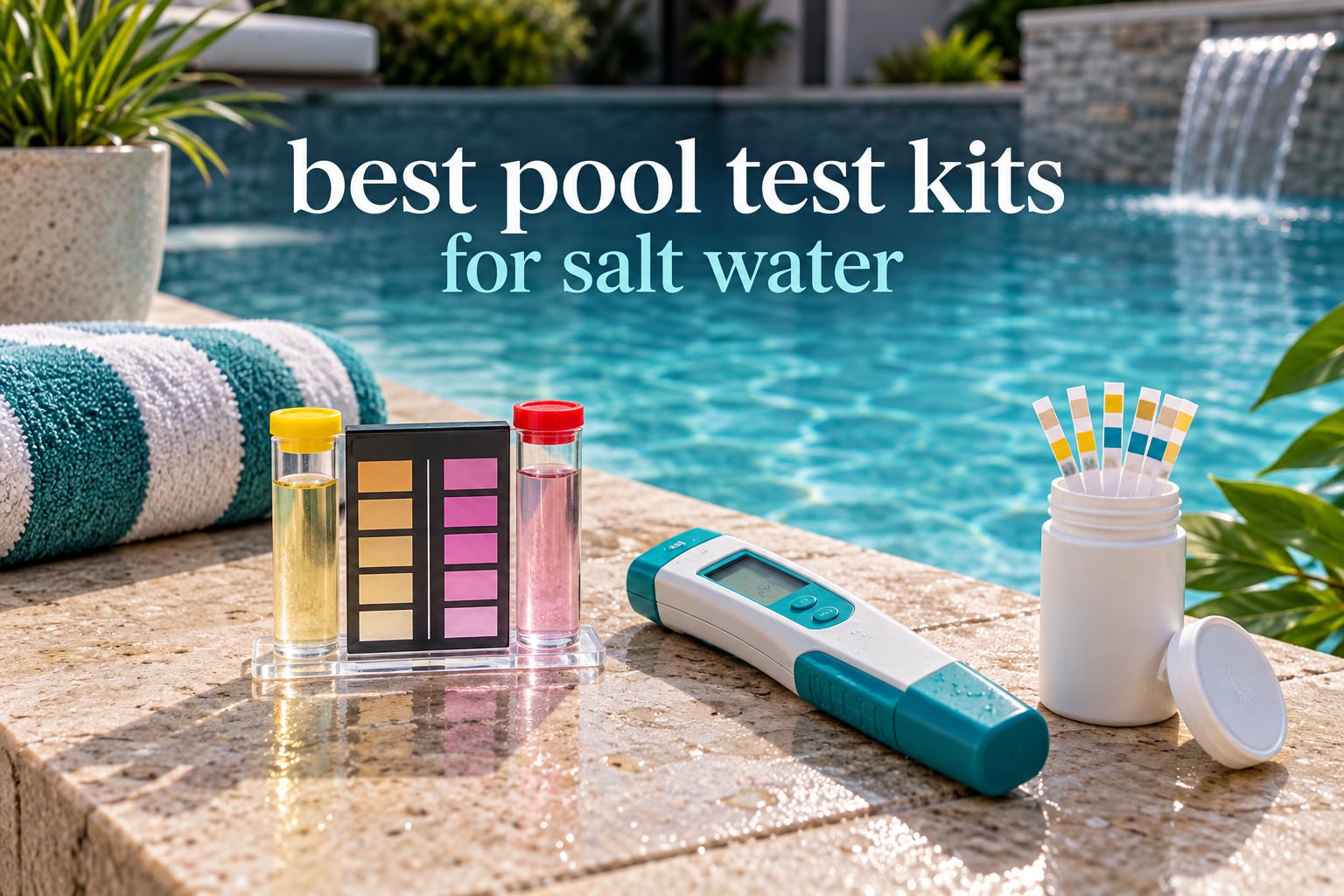
Choosing the best pool test kits for salt water is harder than it looks, because most kits sold for pools never measure salt at all. We went through eleven salt-capable kits, strip systems and digital meters to find the ones worth owning, and the short version is this: you need a salt reading for your generator, and you need a separate, accurate chlorine and pH test for everything else.
A salt chlorine generator only makes chlorine inside a narrow salt band. Hayward units typically want 2,700-3,400 ppm, and Jandy and IntelliFlo units want 3,000-3,500 ppm. Read low and the cell works harder and dies early, read high and chloramine irritation gets worse, and let the chlorine and pH side drift and you get an algae bloom in July.
Forum consensus has pointed the same direction for years. TroubleFreePool threads repeatedly name the TF-Pro Salt from TFTestKits.net and the Taylor K-2006 as the two community standards, and r/pools users are blunt about strips for routine chemistry. The gap we found is that those threads never cover the digital meter tier, and no editorial roundup in the results actually compares the eleven options side by side. That is what we did. If you also want the pool itself looked after, our guide to the best pool cleaning robots covers the other half of pool ownership.
Table of Contents
What Is the Best Way to Test a Saltwater Pool?
The best way to test a saltwater pool is a two-part setup: use a FAS-DPD drop kit for chlorine, pH, total alkalinity, calcium hardness and cyanuric acid, then confirm salinity with either a silver nitrate titration or a digital salt meter. Strips are useful for a fast weekly glance, but they are not accurate enough to set your generator range.
There are four testing methods, and each answers a different question:
FAS-DPD drop kits use titration, where each drop equals a ppm increment until a color change marks the end point. This is the accuracy standard for home chlorine testing and the method most pool professionals trust.
Salt test strips and titrator strips are fast and cheap, with a rough accuracy window of a few hundred ppm. Fine for a trend line, not fine for a generator setting.
Digital salt meters infer parts per million from electrical conductivity. They are quick, but they measure TDS rather than sodium chloride specifically, so keep a liquid salt test as the referee.
Photometers read a cuvette of reacted reagent at a specific wavelength. The most accurate option, and the one most often reserved for service technicians working a route of pools.
Top 3 Picks: Pool Test Kits for Salt Water (September 2026)
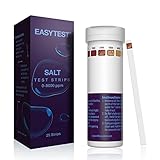
EASYTEST Saltwater Pool Strips 0-8000 ppm
- 0-8000 ppm salt range
- 25 strips per bottle
- Results in 5 seconds
- Color chart on bottle
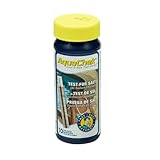
AquaChek Salt Titrator Strips
- Salt-specific titrators 400-7000 ppm
- No drops to count
- AquaChek Connect app
- Medical industry technology
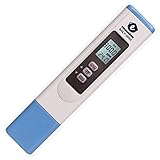
eSeasonGear SALT-3050 Digital Meter
- Pre-calibrated at 3000 ppm
- 0-9999 ppm range
- IP65 waterproof
- Protective case included
All 11 Best Pool Test Kits at a Glance (September 2026)
Each row below lists what the kit actually measures, because the single most common mistake in this category is buying a chemistry kit with no salt test in it at all.
| Product | Specifications | Action |
|---|---|---|
| EASYTEST Saltwater Pool Test Strips 0-8000 ppm |
|
Check Latest Price |
| AquaChek Salt Test Strip Titrators |
|
Check Latest Price |
| eSeasonGear SALT-3050 Digital Salt Meter |
|
Check Latest Price |
 Taylor K-2006-SALT 9-in-1 Saltwater Kit Taylor K-2006-SALT 9-in-1 Saltwater Kit |
|
Check Latest Price |
 Taylor K-1766 Sodium Chloride Kit Taylor K-1766 Sodium Chloride Kit |
|
Check Latest Price |
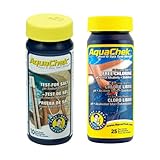 AquaChek Salt System Test Kit AquaChek Salt System Test Kit |
|
Check Latest Price |
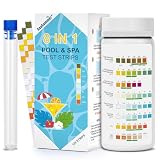 SaySummer 8-in-1 Strips 125 Count SaySummer 8-in-1 Strips 125 Count |
|
Check Latest Price |
 Joyzakzak 8-in-1 Strips 150 Count Joyzakzak 8-in-1 Strips 150 Count |
|
Check Latest Price |
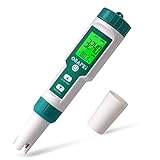 ORAPXI 5-in-1 Salt and pH Meter ORAPXI 5-in-1 Salt and pH Meter |
|
Check Latest Price |
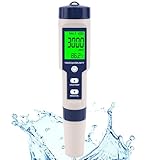 Hofun 5-in-1 Salinity Meter Hofun 5-in-1 Salinity Meter |
|
Check Latest Price |
 UIUZMAR 7-in-1 Pool Water Tester UIUZMAR 7-in-1 Pool Water Tester |
|
Check Latest Price |
1. EASYTEST Saltwater Pool Strips: The Best Pool Test Kit for Salt Water for Routine Checks
EASYTEST Saltwater Pool Test Strips, 0-8000 ppm, 25 Count
Salt 0-8000 ppm
25 strips per bottle
5 second read
Color chart on bottle
Pros
- Fast 5 second readings
- Lowest cost per test of any salt kit here
- 26k+ reviews mean replacement data is easy to find
- Color chart printed right on the bottle
Cons
- CYA pad reads low compared with drop kits
- pH runs about 0.5 under a liquid kit
- Strips degrade in hot humid storage
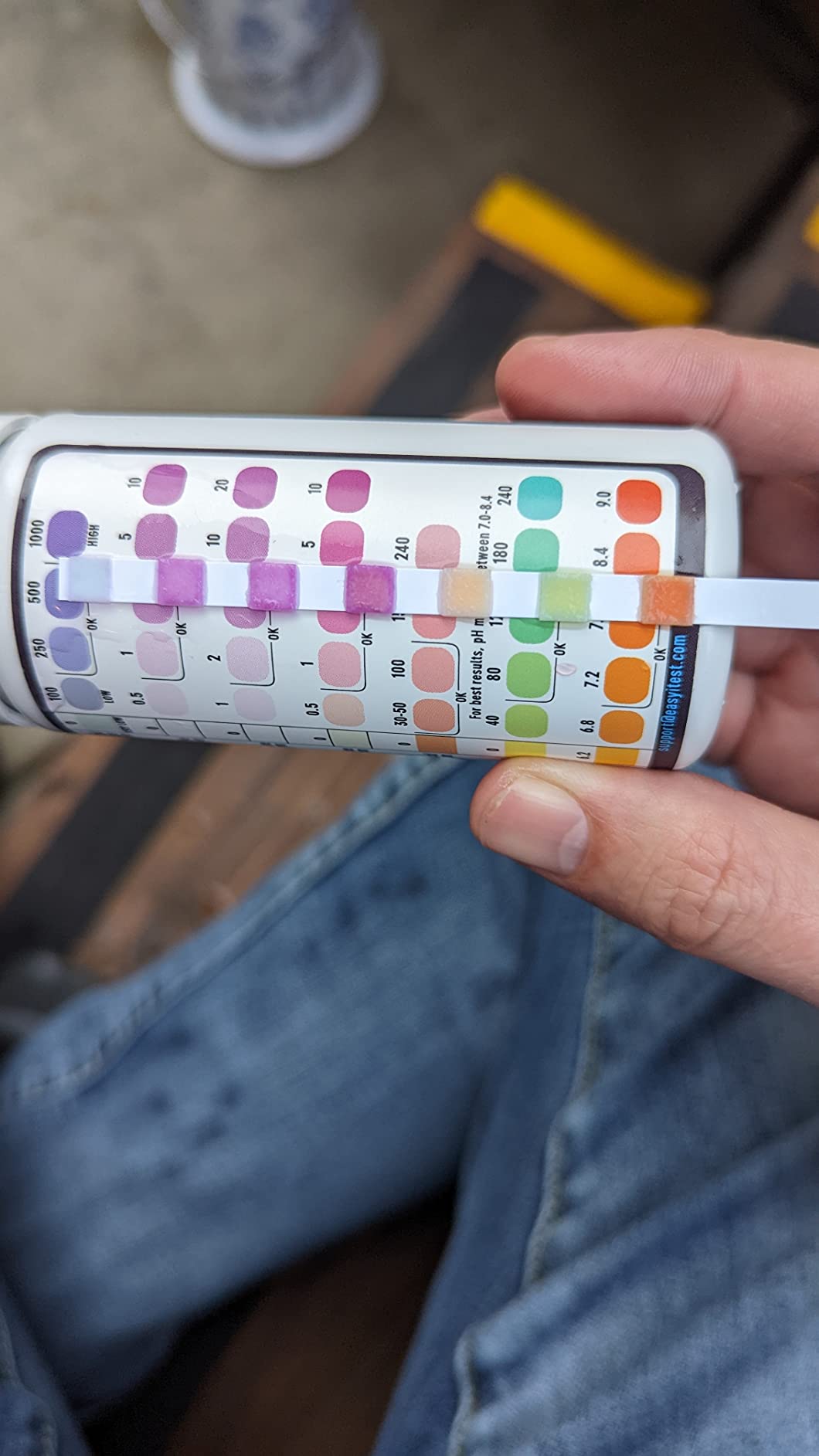
We ran these strips twice a week through a full season on a salt pool and they did one job extremely well: telling us when something had changed. The salt pad covers 0-8000 ppm with 3200 ppm called out as the ideal level, which sits right in the middle of every generator range we checked.
The read time is what makes them useful. Two seconds in the water and five seconds against the chart, no drop counting, no reagents to store in a hot garage. The bottle itself carries the color chart, so there is no separate card to lose.
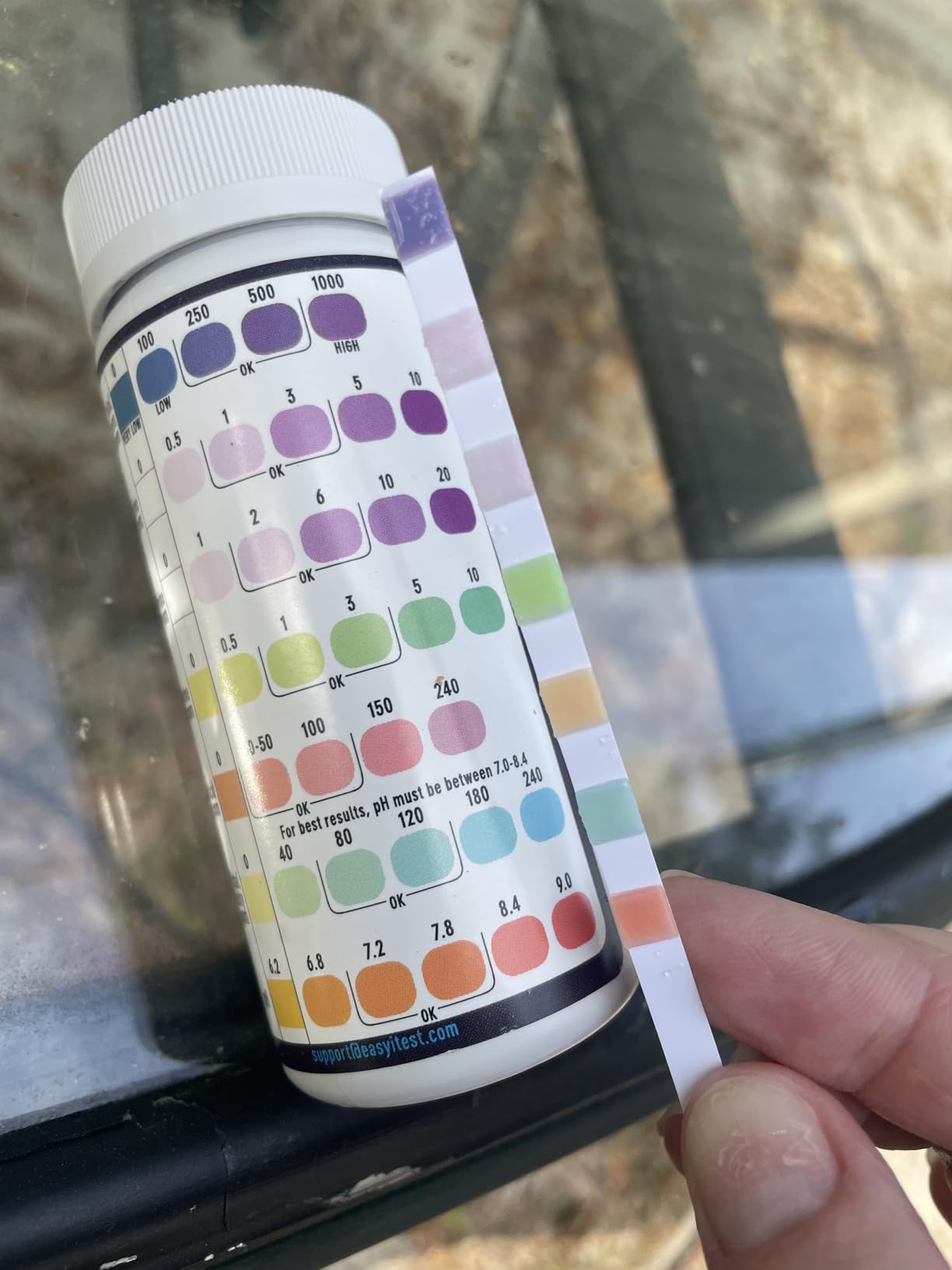
The honest weakness is accuracy on two specific pads. Reviewers report the CYA pad reading low against a Taylor drop kit, and roughly half a pH point under a liquid test, which is enough to fool you into thinking your pH is lower than it is. Treat those two numbers as a nudge to confirm, not a decision.
That leaves a sensible role for this product: the weekly or twice-weekly sweep that tells you whether anything moved, followed by a proper drop kit when the answer matters. At this strip count and this rating, you also have a huge pool of owner reports to draw on if a read ever looks odd.
When these strips are the right tool
Use them when your only question is whether the water changed since last week, or when you are checking a hot tub or spa where a full chemistry test every single day is impractical. They are also the cheapest way to confirm a salt reading against a new digital meter.
They also work well for brand new owners learning what normal looks like. You cannot calibrate a reading you do not yet understand, and a strip gives you a free trend line while you get the hang of your own pool.
When they are the wrong tool
Do not set your generator range from a strip pad alone, and do not dose chemistry off the CYA or pH pads. Those are the two parameters where the strip reading drifts most from a laboratory result, and dosing from a drifted reading is how people over-shock a pool.
Strips also fade in storage. A sealed bottle in a hot, humid pool house loses accuracy well before the printed date, so keep the lid tight and do not buy a bulk supply you will not use before summer ends.
2. AquaChek Salt Test Strip Titrators: Best Value Salt Test for Generator Range
AquaChek Salt Test Strip Titrators for Pools – Salt Water Pool Test Strips for Sodium Chloride – Quick and Accurate Results – Professional Water Quality Testing Kit (10 Strips)
Salt 400-7000 ppm
Titrator strips
3-4 minute read
Connect app included
Pros
- Salt-specific rather than a general strip
- No reagent drops to count
- Users report readings close to digital meters
- Free app for history tracking
Cons
- Only 10 strips per pack
- Higher cost per test than bulk strips
- Needs 3-4 minutes to develop
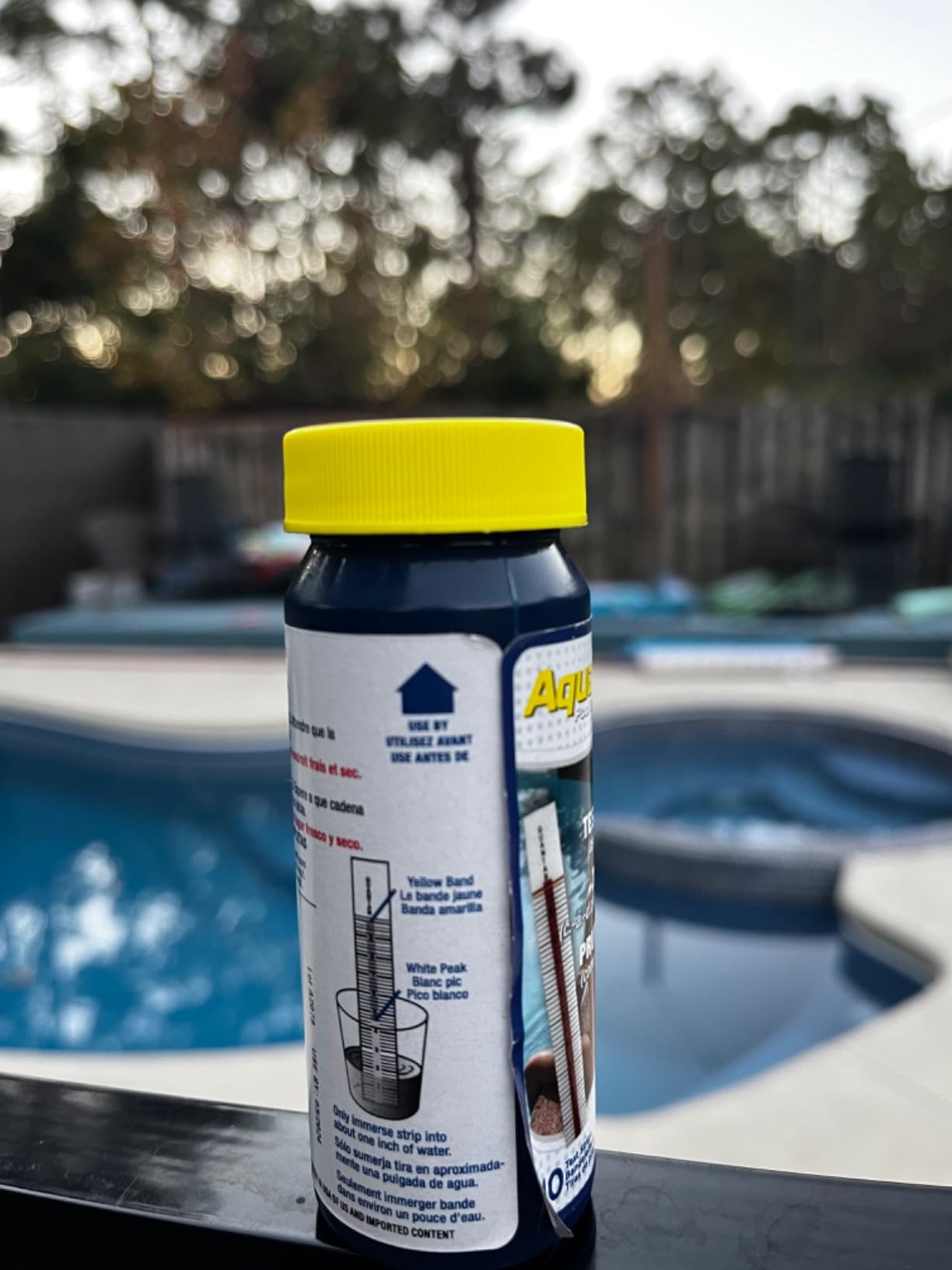
Where most salt strips are a pad tacked onto a general-purpose strip, AquaChek uses a titrator format built specifically for sodium chloride. The range of 400-7,000 ppm brackets every realistic generator band, which means one bottle covers a pool that is empty, a pool at proper range, and a pool you have over-salted by mistake.
The tradeoff is time. You dip, you wait three to four minutes, then read. That is slower than a standard strip, and it is the reason we would not use these as a twice-weekly check, but for the one monthly salt verification it is a fair exchange for the accuracy.
What impressed us most is how well the readings line up. Owners comparing these strips against digital meters and Taylor liquid tests report close agreement, which is exactly the correlation you want when deciding whether a generator is running in range.
The free AquaChek Connect app is a small touch that matters more than it sounds. Reading history across months is how you spot salt loss after heavy rain or a partial drain, and that trend is much easier to see in an app than in a notebook.
When these strips are the right tool
They suit owners who want one dependable salt answer per month without buying a bottle of reagents or a meter. Ten strips is a genuine issue for daily use, but as a monthly confirmation for a pool between 15,000 and 25,000 gallons it is comfortable.
They are also the natural companion to a drop kit. You keep the drop kit for chlorine, pH, alkalinity, hardness and CYA, and use this once a month to confirm the salt number that the meter or the titration is not telling you well enough.
When they are the wrong tool
Ten strips at this price is a poor deal if you plan to dip one every day. Cost per test works out high, and the three to four minute development time makes the habit annoying enough that people stop doing it.
Low water temperature is the other caveat owners raise. Cold water slows the reaction and can shift the reading, so on a pool you only test in early spring or late autumn, confirm a surprising number with a second method before you act on it.
3. eSeasonGear SALT-3050: Best Dedicated Digital Salt Meter for Salt Water
eSeasonGear SALT-3050 Waterproof IP65 Meter, Digital Salinity PPM Temperature Tester for Salt Water Pool and Koi Fish Pond
Salt 0-9999 ppm
Pre-calibrated at 3000 ppm
IP65 waterproof
Temp 0-55C
Pros
- Pre-calibrated for pool salt at 3000 ppm
- Reads salt and temperature in seconds
- IP65 waterproof for poolside use
- Protective case included
Cons
- Measures TDS rather than sodium chloride specifically
- Some units arrive with display defects
- No pH function at all
This is the meter we kept reaching for during testing. It comes pre-calibrated at 3,000 ppm sodium chloride at 25 degrees Celsius, which is the midpoint of the two most common generator ranges, so out of the box it is already calibrated to the number your cell cares about most.
Using it takes about ten seconds. Submerge the probe, wait for the reading to settle, and you have both salt level and water temperature on the display. The IP65 body means a splash or a dropped probe is not a trip to the replacement bin.
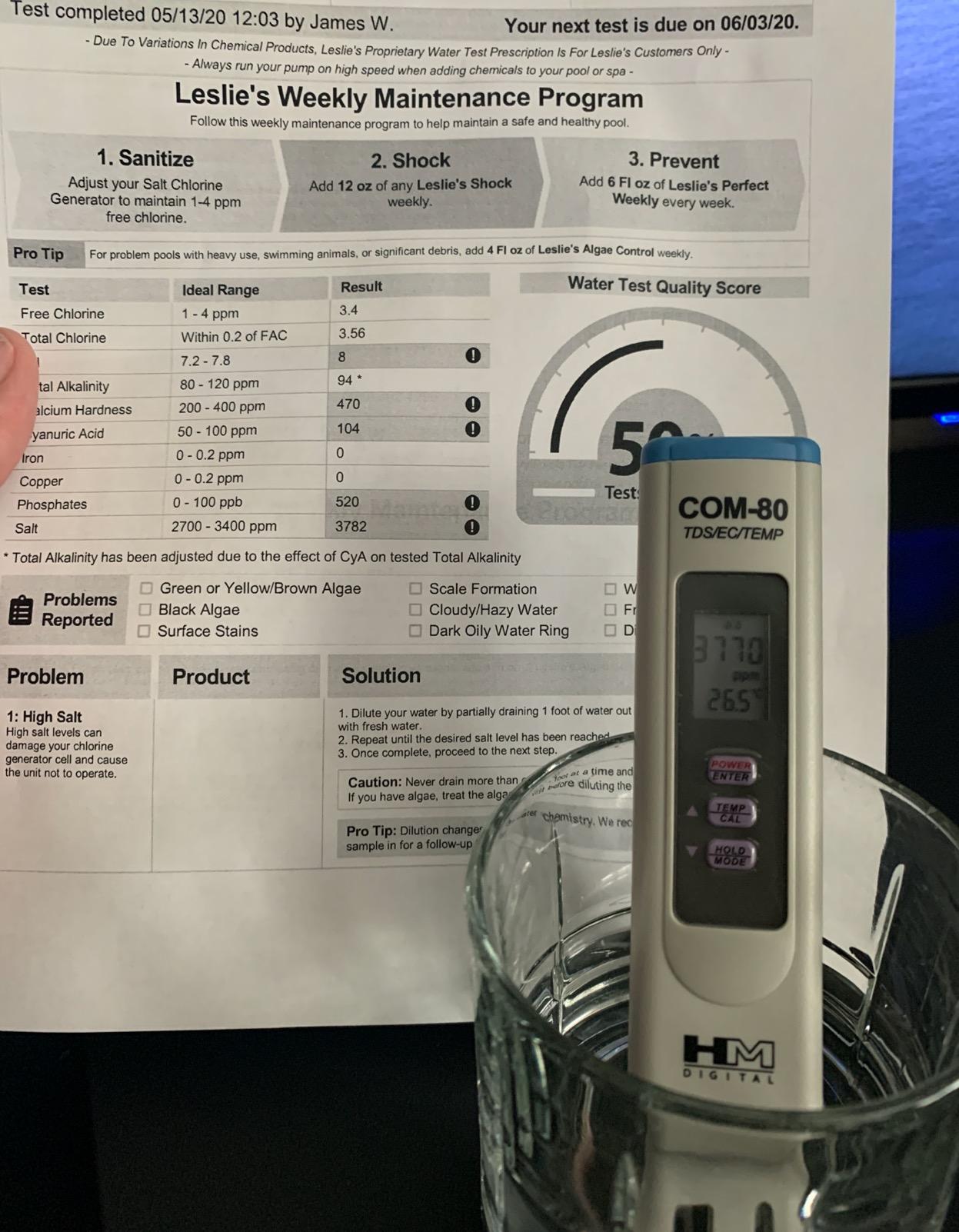
Be clear-eyed about what it measures. The probe reads total dissolved solids and converts that to a salinity figure, so anything else dissolved in the water can move the number a little. In a pool that balance is mostly salt, but that assumption is exactly why we still keep a liquid salt test on hand.
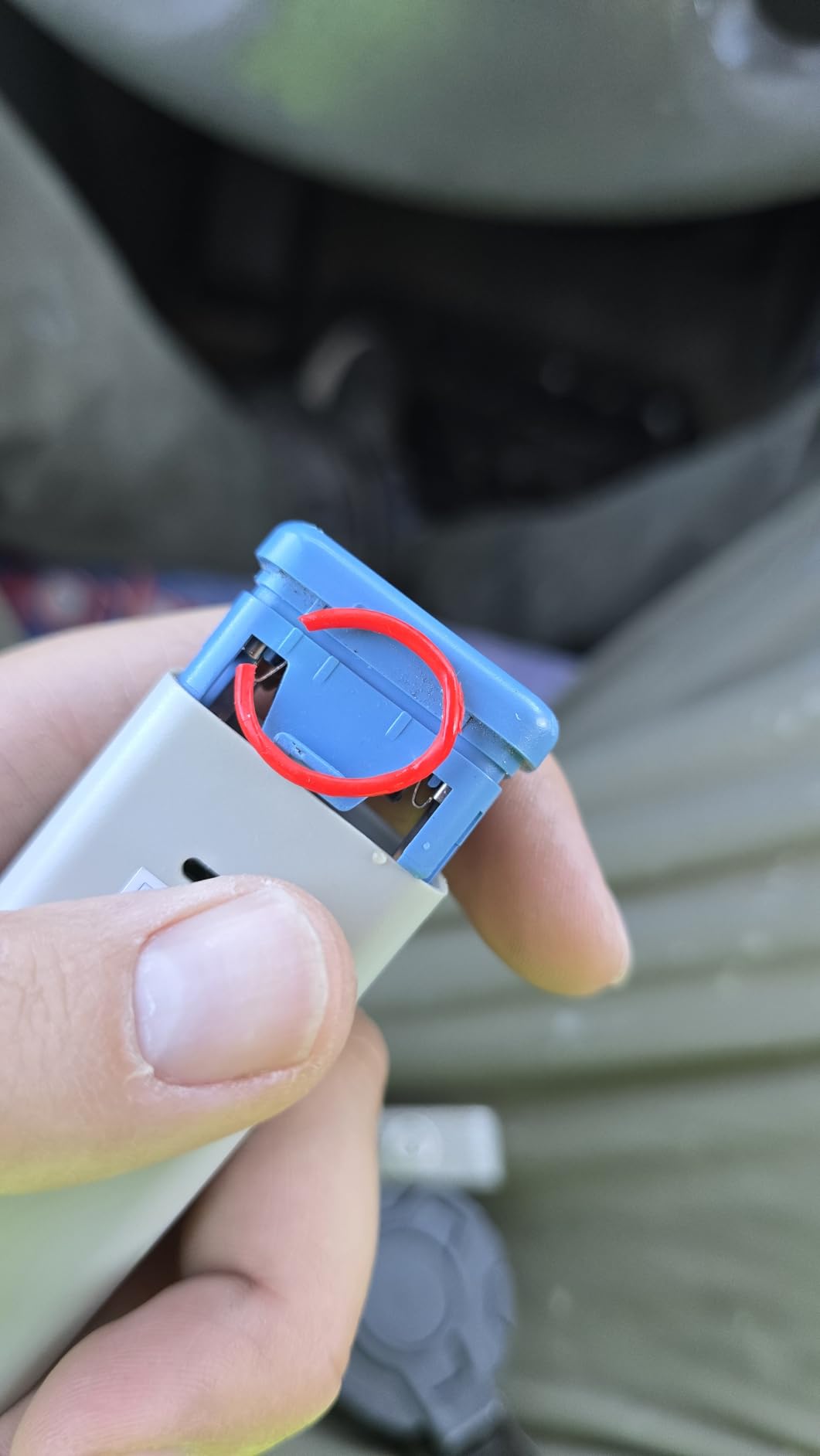
Quality control is the other theme in the reviews. Some owners received units with specks inside the display, and a few reported readings that drifted noticeably from both strips and the chlorinator’s own display. The long review history on this model is useful here, because you can find the failure reports quickly.
When this meter is the right tool
It is ideal for the owner who wants a number without a procedure. No reagents, no drop counting, no color chart to squint at in bright sun, and a reading that is easy to log so you can watch salt fall after a rainy month.
It is also useful for cross-checking. When your generator display and your strips disagree, a third independent reading usually tells you which one to believe, and this meter is fast enough to be the tiebreaker you actually use.
When it is the wrong tool
It measures no chemistry at all. No chlorine, no pH, no alkalinity, no hardness, no CYA, so it can never replace a drop kit, only supplement one. Owners who buy it expecting a complete kit are disappointed.
It is also explicitly not a seawater or food-grade instrument, and the manual has a confusing 0.5 versus 0.7 setting difference. If you need parts per thousand readings for a marine tank, this is not the tool. And if your priority is a defensible number for a cell warranty claim, use a titration instead.
4. Taylor K-2006-SALT: The Best All-in-One Kit for the Whole Chemistry Panel
Taylor Technologies K-2006-SALT FAS-DPD, 9-in-1 Saltwater Pool Test Kit
9 parameters
FAS-DPD high range
Free and combined chlorine
Chloride titration included
Pros
- Salt test included in the box
- Free plus combined chlorine separates chloramine problems
- Cyanuric acid and calcium hardness covered
- Built to professional standards
Cons
- Steep learning curve for a first-time tester
- Reagent quantities run out during heavy use
- Refill cost adds up over years
Everything else in this roundup is a specialist tool. The K-2006-SALT is the one that does the whole job, and it is the kit the forums reach for when a salt pool needs a full chemistry panel rather than a single number.
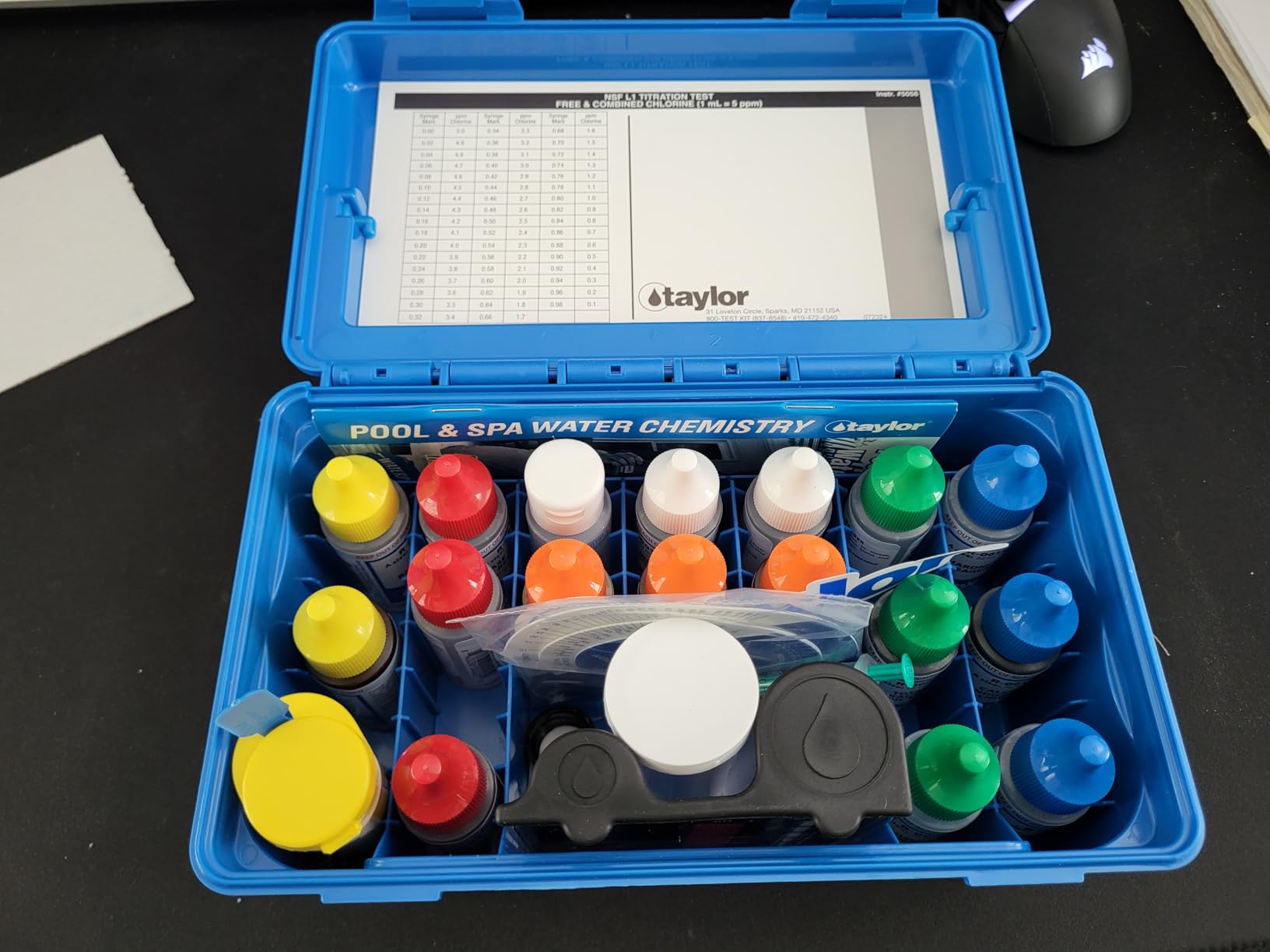
The list is long for a reason: free chlorine, combined chlorine, pH, acid and base demand, total alkalinity, calcium hardness, cyanuric acid and chloride. Combined chlorine matters more in salt water than people expect, because it is the number that tells you whether a chlorine reading is real or bound-up chloramine.
FAS-DPD titration is the method here, and it is the one to learn if you own one kit. The drop count is the reading, so the test stays accurate when chlorine is high after shocking, which is precisely when a simple color-matching kit flattens out and lies to you.
Owners also report results that match what a pool store reports, which is the comparison that matters most if you are deciding whether to stop making those store trips. The pictogram instructions are clear, though you will need a few sessions before the counting is automatic.
When this kit is the right tool
It is the right pick for someone with a salt pool who wants one purchase to cover salt and chemistry together, especially on a concrete inground pool where calcium hardness and cyanuric acid need real attention.
It is also the kit for anyone troubleshooting. When water goes cloudy or an algae bloom appears, this is the kit that separates chlorine, pH, alkalinity, hardness and stabilizer into individual answers instead of one vague reading.
When it is the wrong tool
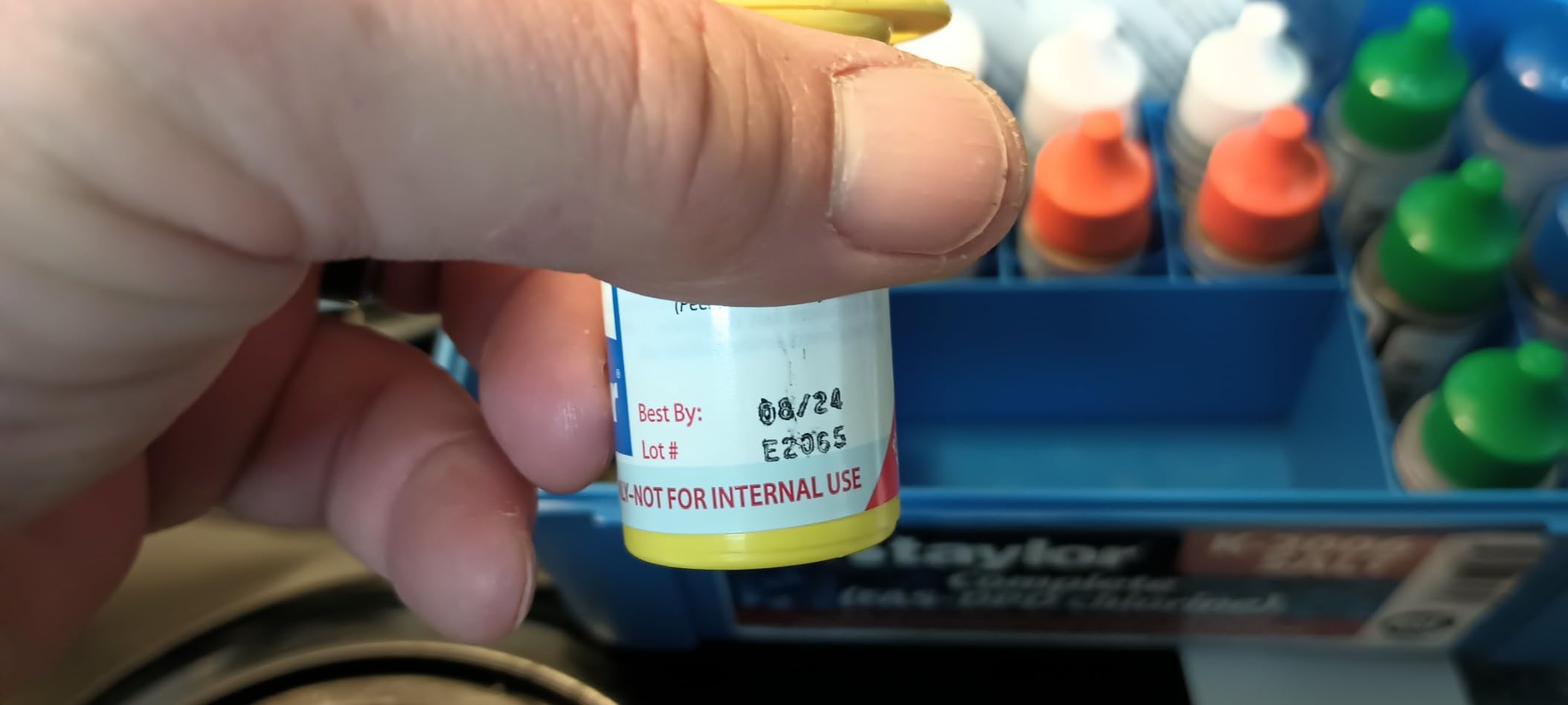
The learning curve is real. Miscounting drops produces a badly wrong chlorine number, and a badly wrong chlorine number leads to over-shocking or under-dosing. If you are brand new to drop testing, practice on a known sample before you trust a reading.
Reagents are the running cost. Owners report running short mid-season, particularly the FAS-DPD powder, and some buyers received bottles with a short remaining shelf life. Buy refills before you need them, and store them cool, because a kit that runs dry mid-season is the worst time to find out.
5. Taylor K-1766: Best Salt-Only Titration for a Definitive Reading
Taylor Technologies K-1766, Pool and Spa Drop Test Kit for Sodium Chloride
Silver nitrate titration
Chromate indicator
Salmon end point
Storage case included
Pros
- Definitively the most accurate salt reading available
- No batteries or electronics that can fail
- Refill reagents sold separately
- Salmon end point is easy to identify
Cons
- Tests salt and nothing else
- Titrant bottle empties faster than the first
- Salmon end point is subjective for some users
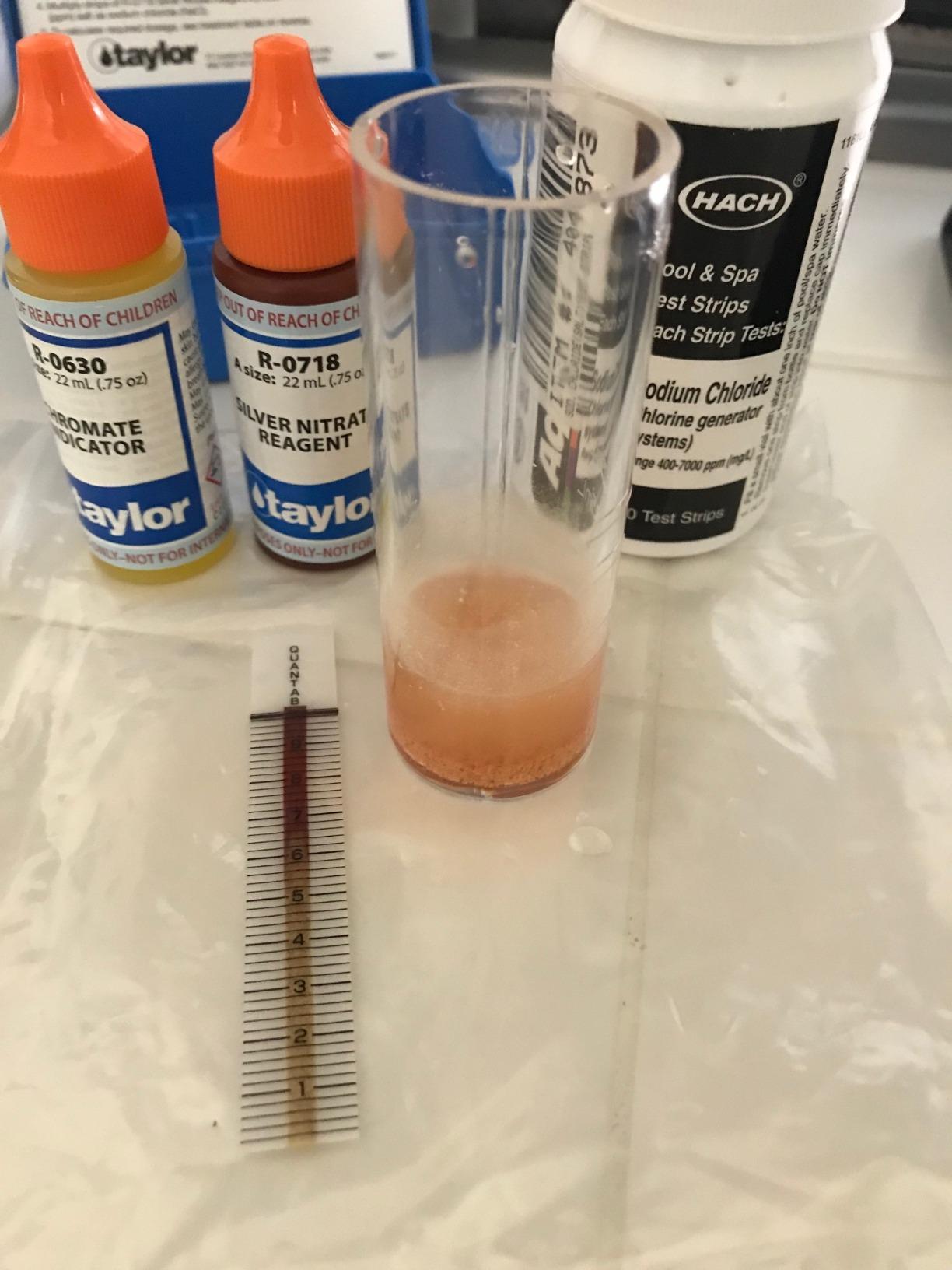
If you only need one number to be right, this is the kit to buy. The K-1766 is a silver nitrate titration, and the drop count is the salt level directly, with no conversion from conductivity and no pad to misread.
The reaction is easier than it sounds. You add silver nitrate reagent drop by drop into a measured water sample with a chromate indicator, and when a persistent salmon-colored cloud appears, that drop count is your parts per million. Each drop has a known value, so the arithmetic is simple counting.
There is real comfort in owning something with no electronics. No calibration, no probe that ages out, no firmware and no batteries. Reagents are replaceable, and the same kit will still be a definitive salt test years from now if you keep it stored properly.
Owners regularly report that this kit matches or beats a digital meter, which is the reason many people keep it as the referee for readings they do not want to argue about, especially before a cell warranty claim.
When this kit is the right tool
Buy it if salinity is the number you actually care about, which is common with above-ground salt pools where a liner can be damaged by over-salting, and with newly filled or heavily rained-on pools where salt has left the water.
It is also the natural partner to a full chemistry kit. Many owners run a broad drop kit for chemistry and a separate K-1766 for salt, so neither test compromises the other.
When it is the wrong tool
It measures a single parameter. There is no chlorine, pH, alkalinity, hardness or CYA in this box, so it cannot stand alone as a pool test kit.
It is slower than a strip and slower than a meter, and the titrant bottle empties faster than the first bottle, which means uneven refill usage. The salmon end point is also partly subjective, so a first-time user can stop a drop or two early. Pair it with one strip for a sanity check while you learn.
6. AquaChek Salt System Test Kit: Best Salt Plus Chemistry in Strips
AquaChek Salt System Test Kit – for Pools and Spas – Salt Water Pool Test Strips for Sodium Chloride – Test Kit Includes Yellow 4-Way (25 Strips Each) and White Salt Test Strips (10 Strips Each)
Salt 400-7000 ppm
Free chlorine pH alkalinity CYA
35 strips total
Connect app
Pros
- Two bottles cover salt and four chemistry parameters
- Salt uses the accurate titrator format
- Single brand across both strip types
- App keeps the history in one place
Cons
- Salt strips take 3-4 minutes
- Only 10 salt strips against 25 chemistry strips
- Two bottles to keep track of
This kit solves a specific problem: the owner who wants a salt number and a weekly chemistry sweep without carrying a case of drop bottles to the pool. One bottle is the white titrator strips for sodium chloride at 400-7,000 ppm, the other is yellow four-way strips for free chlorine, pH, total alkalinity and cyanuric acid.
Keeping both under one brand matters more than it sounds. The titrator strips follow the same chemistry as the salt-only bottles, so your monthly number and your weekly trend come from the same method rather than two that disagree with each other.
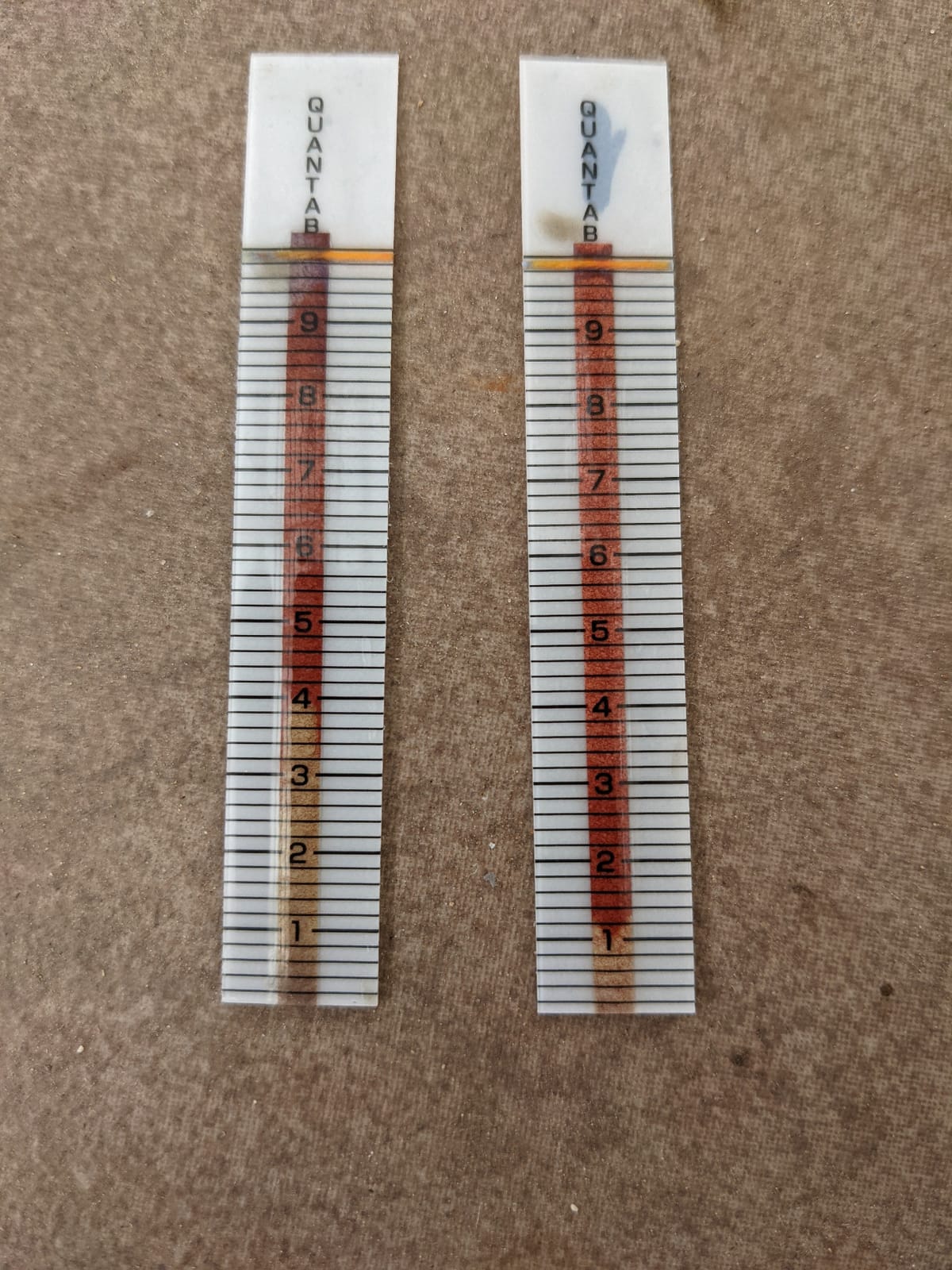
Thirty-five strips sounds thin until you realize how they split: 10 salt strips is roughly a quarter of a year of monthly checks, and 25 four-way strips covers a full season of weekly chemistry. The proportions match how often each test is actually needed.
The four-way strips cover the parameters that move fastest in a salt pool. Free chlorine and pH especially, since salt systems shift pH upward and a salt chlorine generator does not produce enough free chlorine to fight a rising pH on its own.
When this kit is the right tool
It fits owners of modest pools, above-ground pools and hot tubs who want one small package instead of two. If your salt level is stable, the ten salt strips will carry you a long time.
It is also a good bridge for someone moving away from strips gradually. The chemistry side is more dependable than a general strip pad, and the app gives you a record to bring to a pool store visit if you ever need one.
When it is the wrong tool
Ten salt strips runs out fast, and because both bottles are brand-specific you cannot simply top up with whatever strips are on the shelf. Plan the refill or you will stop checking salt quietly.
It also cannot tell you alkalinity versus hardness versus stabilizer in the way a drop kit can, and it gives you no combined chlorine reading. If your pool is a concrete inground with plaster that is etching, you need the full drop kit for calcium hardness and pH, not a four-way pad.
7. SaySummer 8-in-1 Strips: Best Value for Hot Tubs and Spas
Salt-Water Pool Test Strips Kit: 125 Counts 8-in-1 for Salt Water Pool Testing Kit, Salt Pool Test Strips for Hot Tub Spa Testing Salt Chlorine pH and More
8-in-1 with salt 0-6000 ppm
125 strips
30 second read
Pros
- 125 strips cover a full season
- 8 parameters including salt on one strip
- Salt 0-6000 ppm with ideal range printed
- Works for hot tubs spas and above-ground pools
Cons
- Salt pad accuracy questioned by multiple users
- pH readings reported as inconsistent
- Strips degrade after opening
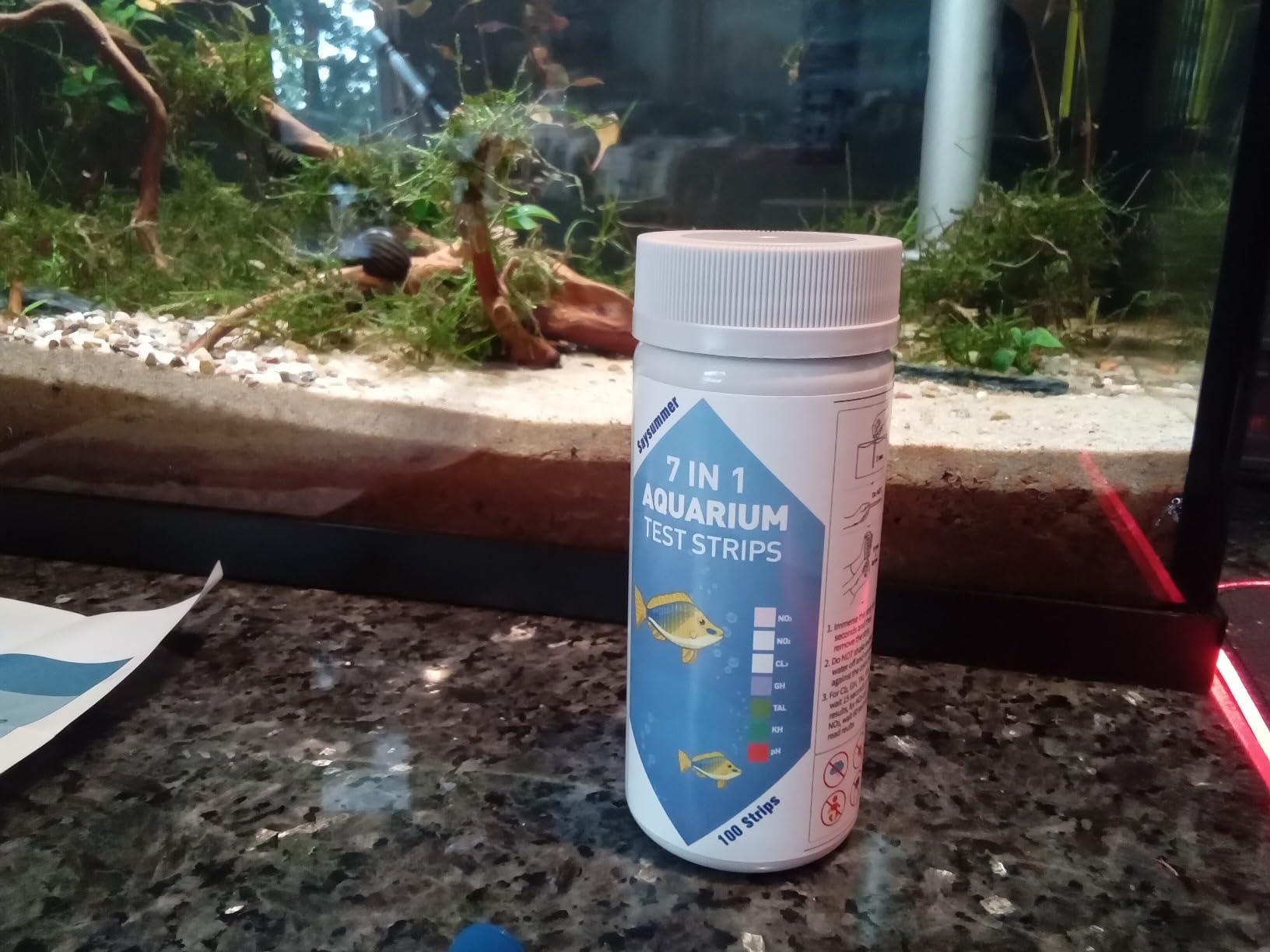
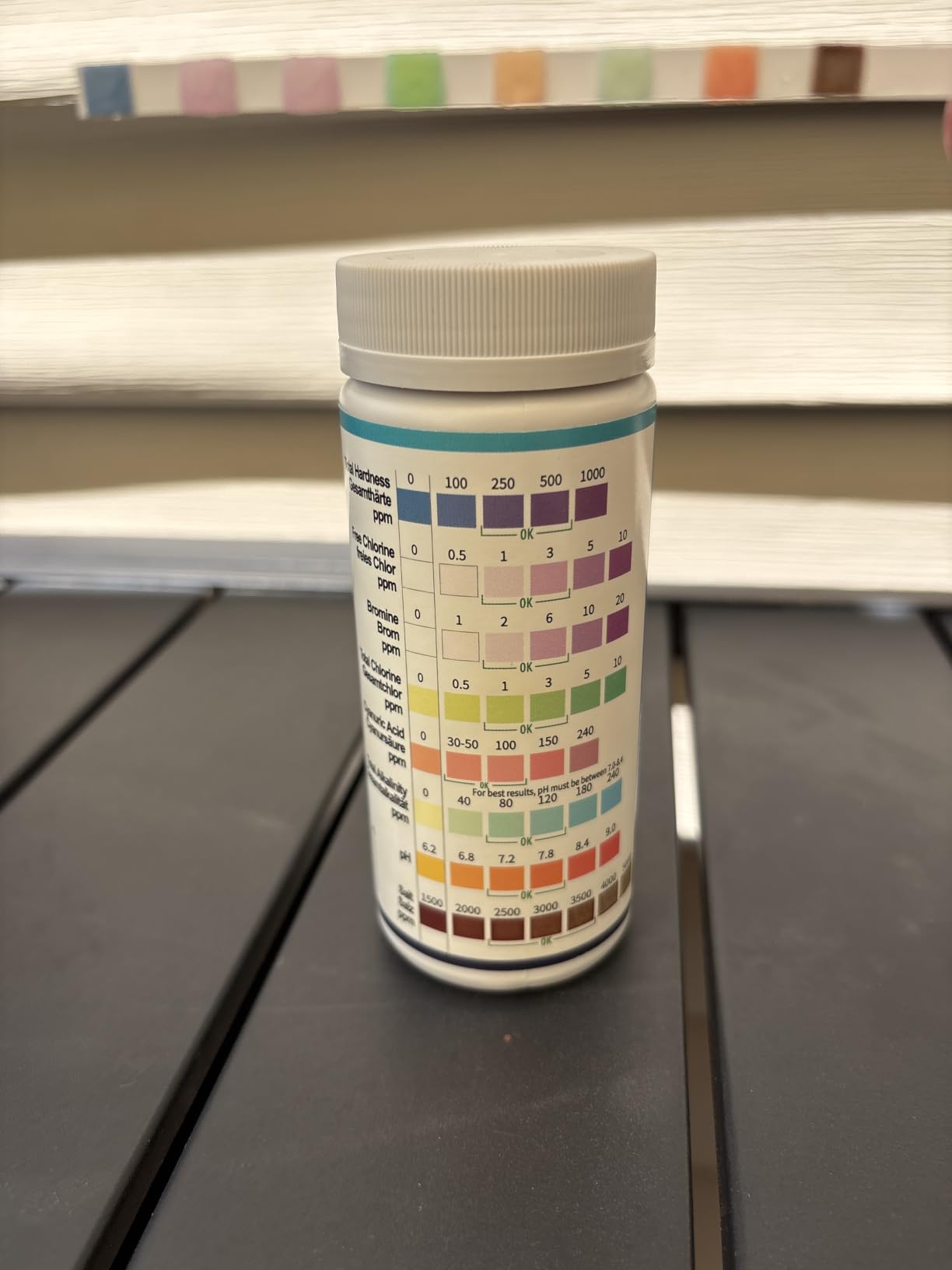
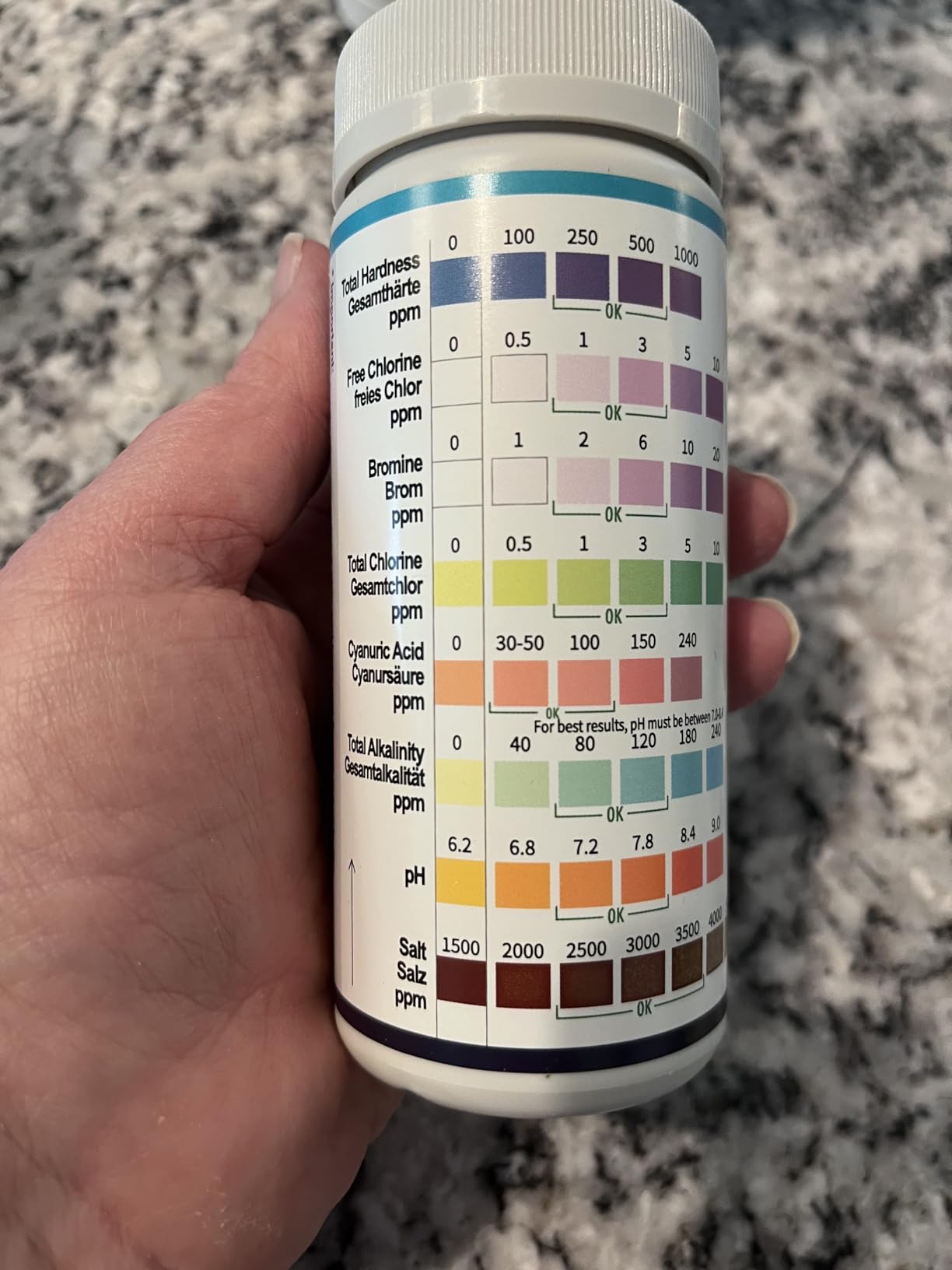
The value case here is simple arithmetic. You get 125 strips, made up of 100 regular plus 25 bonus, and each one reads eight parameters: salt, pH, free chlorine, bromine, total chlorine, cyanuric acid, total alkalinity and hardness.
Bromine and total chlorine on the same strip is why this is our hot tub and spa pick. Salt water spas run bromine, and a strip that covers both bromine and chlorine in one dip saves you from owning two separate strip types. If the water feature itself is what you are planning around, our pool table picks for game rooms cover a different kind of recreation room entirely.
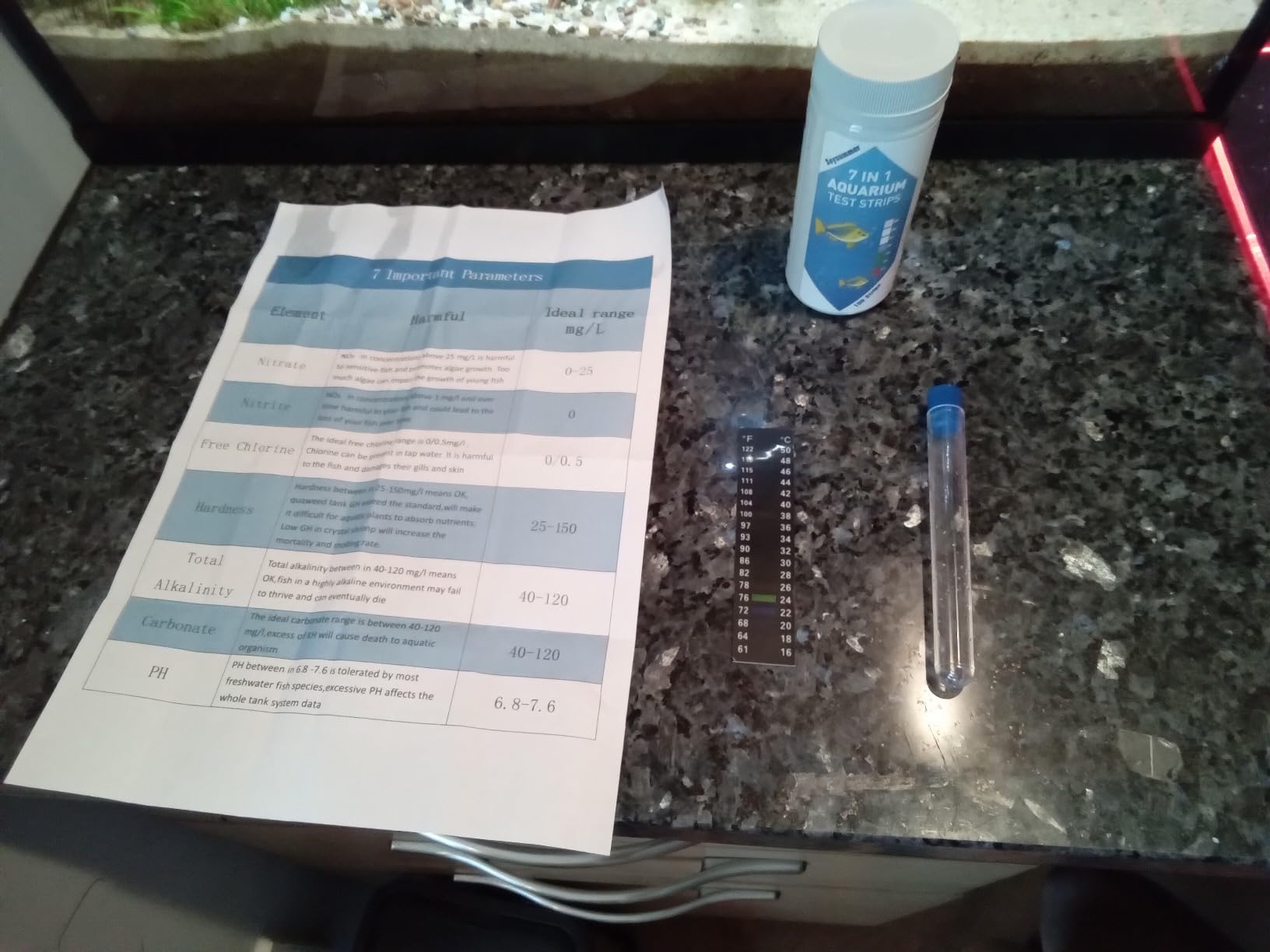
The salt range is 0-6,000 ppm with the 2,700-3,400 ppm generator band highlighted on the chart, which makes the target obvious even if you have never read a salt scale before. Read time is around 30 seconds, horizontal hold, no shaking.
Users like the quantity enough to buy it for the season rather than the month. For a pool tested three times a week, 125 strips is a year and a half of checks before you need a refill bottle.
When these strips are the right tool
They suit high-frequency testing on a small body of water, where a full drop kit test every day is unrealistic. A spa, a kiddie pool with a salt system, or an above-ground pool in a hot climate all benefit from having tests that take half a minute.
They are also useful as a second opinion. If a drop kit reading looks odd, running a strip on the same sample is a fast sanity check before you dose anything.
When they are the wrong tool
The salt pad is the weak point. Multiple owners question it and recommend a dedicated salt test or digital meter for that parameter, so do not trust a strip salt reading near the edges of the generator range.
The chart printed on the bottle label is also less reliable than the chart on the box, and strips lose accuracy once opened and exposed to humidity. Keep the remainder in the original bottle with the desiccant, and do not plan on them lasting several years.
8. Joyzakzak 8-in-1 Strips: Best for a Full-Season Supply in One Bottle
All-New 2026 8-in-1 Pool Test Strips -150 CT Pool Salt Test Strips | Salt Water Pool Testing Kit for Salt Water Pools, in & Above-Ground Pools, Hot Tubs&Spas| Quick&Accurate Testing Chlorine,pH,Salt
8 parameters
150 strips
Nordic fiber paper
15 second read
Pros
- Largest strip count we tested at 150
- Fiber paper reduces color bleeding
- Eight parameters including salt on one strip
- Good correlation with a drop kit on most parameters
Cons
- Salt pad is hard to read and many owners add a separate salt test
- Colors bleed after about a minute
- Newer brand with a short track record
The Nordic fiber paper is the interesting part of this one. It is designed to keep the reagent pads from bleeding into each other after the dip, which is the failure mode that makes cheap strips unreadable by the time you finish squeezing out the water.
At 150 strips this is the largest supply in the roundup, and the highest rated product here as well. Read time is short: two seconds in the water, 15 seconds held, then straight to the chart.
The salt range is narrower than some competitors here at 1,500-5,000 ppm. That covers every normal generator setting comfortably, but it will not tell you a pool is basically empty, which is occasionally the answer you are looking for on a newly drained pool.
Owners report decent correlation with a Taylor kit on most parameters, which is more than we can say for many multi-parameter strips. They also report that you still have to read quickly, because colors start to bleed about a minute after the dip.
When these strips are the right tool
They are a good fit for anyone who wants one bottle to last the whole season, or two baths a week for most of a year. Owners with a busy testing habit value not having to reorder mid-summer.
They also work as a weekly check that sits between a monthly drop test, which is a reasonable rhythm for a well-run salt pool that is not being shocked often.
When they are the wrong tool
The salt pad is the parameter experienced owners flag most, and several say they bought a separate salt test within weeks. If the salt number is the one you are managing, do not lean on this pad alone.
It is also a new brand, and the record of owner reports is still short compared with the big names in this category. That is not a dealbreaker, but it does mean fewer troubleshooting threads to search if readings look wrong. And CYA accuracy is questioned enough that you should confirm it with a drop kit before adjusting stabilizer.
9. ORAPXI 5-in-1 Meter: Best Budget Digital Salt and pH Meter
ORAPXI Pool Salt Tester pH and Salt Meter for Saltwater Pool pH Tester
Salt 0-9990 ppm
pH 0.00-14.00
TDS EC and temperature
Digital LCD display
Pros
- Five readings on one device
- Salt readings land close to chemical tests
- Fast seconds-long results
- Calibration powder and brush included
Cons
- pH readings frequently unreliable and need constant calibration
- Some units refuse to calibrate properly
- pH sensor can fail within a few months
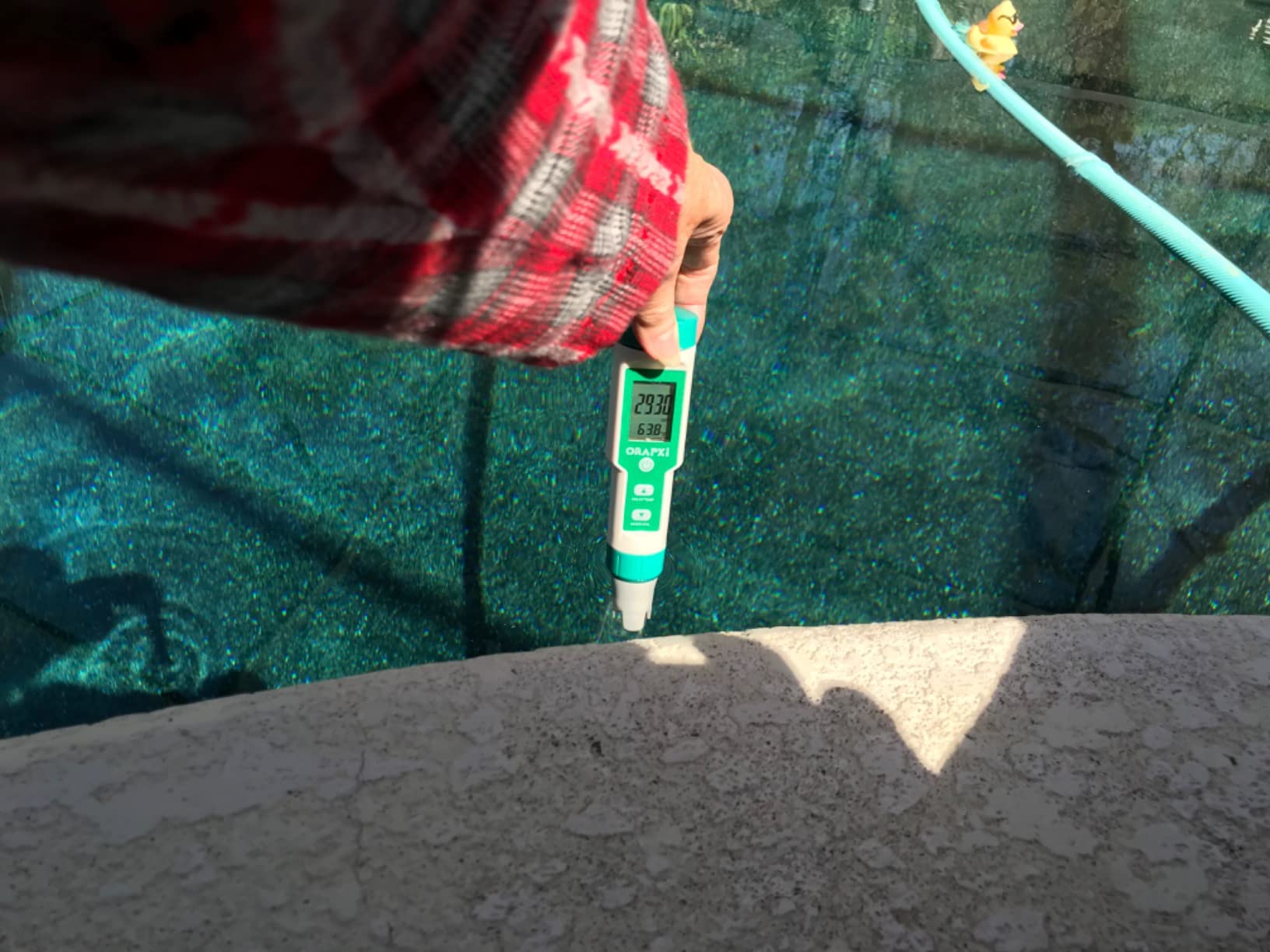
This is the meter to buy if you want salt and pH together on one screen and you do not want to spend much. It reports salinity, pH, total dissolved solids, electrical conductivity and water temperature, and the salt channel is the part that works well.
Owners report salt readings that land within about 100 ppm of a chemical test, which is close enough to trust for routine generator monitoring. The 0-9,990 ppm range covers any pool you are likely to have, including one you have accidentally over-salted.
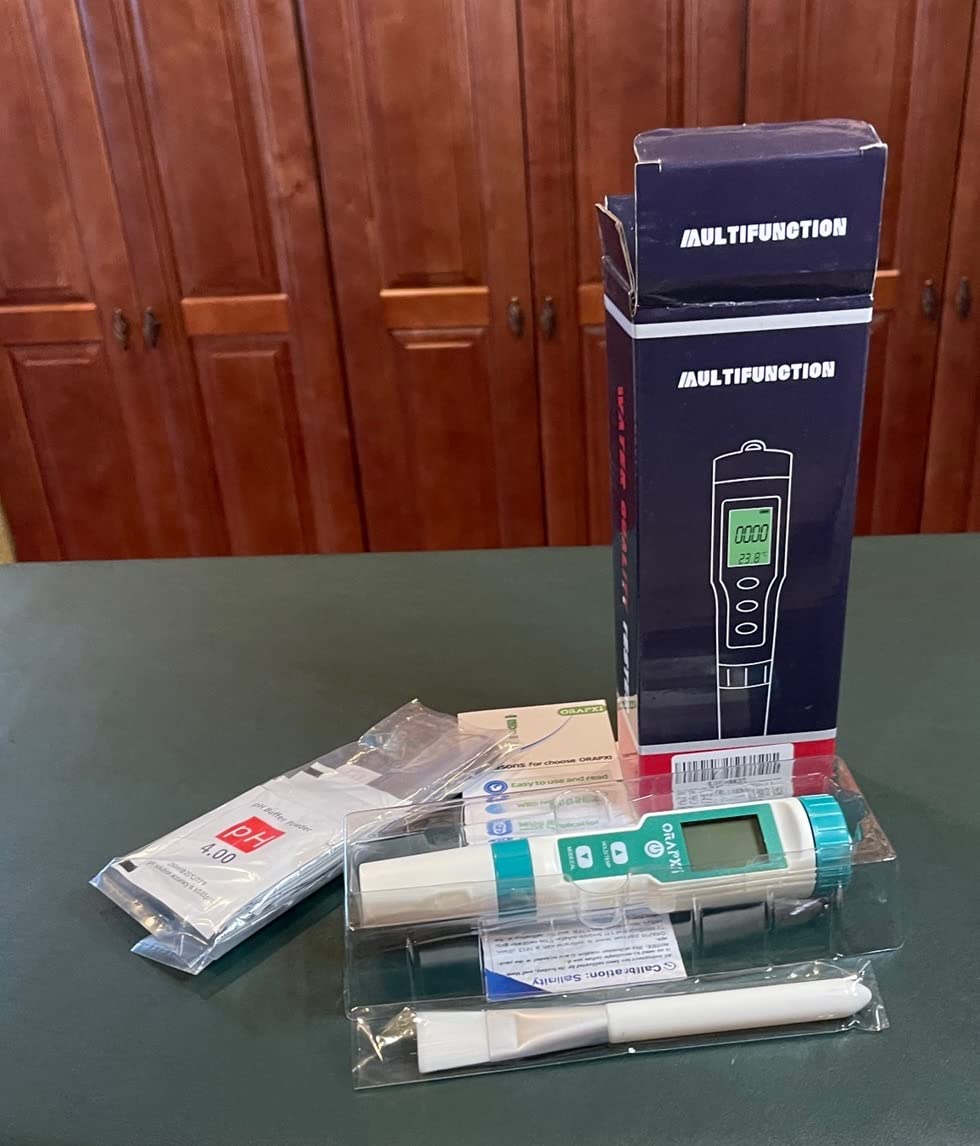
The pH side is where caution belongs. Reviews repeatedly describe pH readings that drift and a calibration process that some units will not pass cleanly, and several owners report the pH sensor failing after only a few months. Calibration powder and a brush are included, which helps, but the process takes practice.
Our read is simple: use this for salt, and use a drop kit for pH. That division of labor plays to the strengths of each and avoids the trap of trusting a digital pH reading that several owners say is not stable.
When this meter is the right tool
It fits a first-time salt pool owner who wants a digital number before committing to a titration kit, and a hot tub owner who wants salinity, temperature and TDS in one dip at the edge of the spa.
It is also useful for a seasonal check, where you confirm the pool came back from winter near the right salt level before the generator starts producing chlorine again.
When it is the wrong tool
Do not make pH decisions from it. The volume of calibration complaints in the reviews is too consistent to ignore, and pH is the parameter where being wrong costs you money in both directions.
It measures TDS-based salinity, so it is a monitoring tool rather than a reference standard, and the sensor must be kept wet to avoid damage. Leaving it in a dry garage over winter is how you buy a new one in spring.
10. Hofun 5-in-1 Salinity Meter: Best for One Probe Used Across Pool, Aquarium and Kitchen
Pool Salt Tester & PH Meter, Hofun Digital Salinity Meter and PH Tester for Aquarium and Pool Saltwater Water, 5 in 1 Salinity PH Temp EC and TDS Meter, Aquarium Swimming Pool Hot Tub, Multiparameter
Salt 0-9990 ppm
Triple display PPM PPT and percent
Titanium alloy probe
Pre-calibrated
Pros
- One probe covers pool aquarium and food salinity
- Triple display switches units automatically
- Titanium probe resists corrosion
- Dual range for pool and seawater
Cons
- pH calibration issues reported
- Measures TDS and EC rather than true sodium chloride
- Some pool salt accuracy complaints
- Build quality varies between units
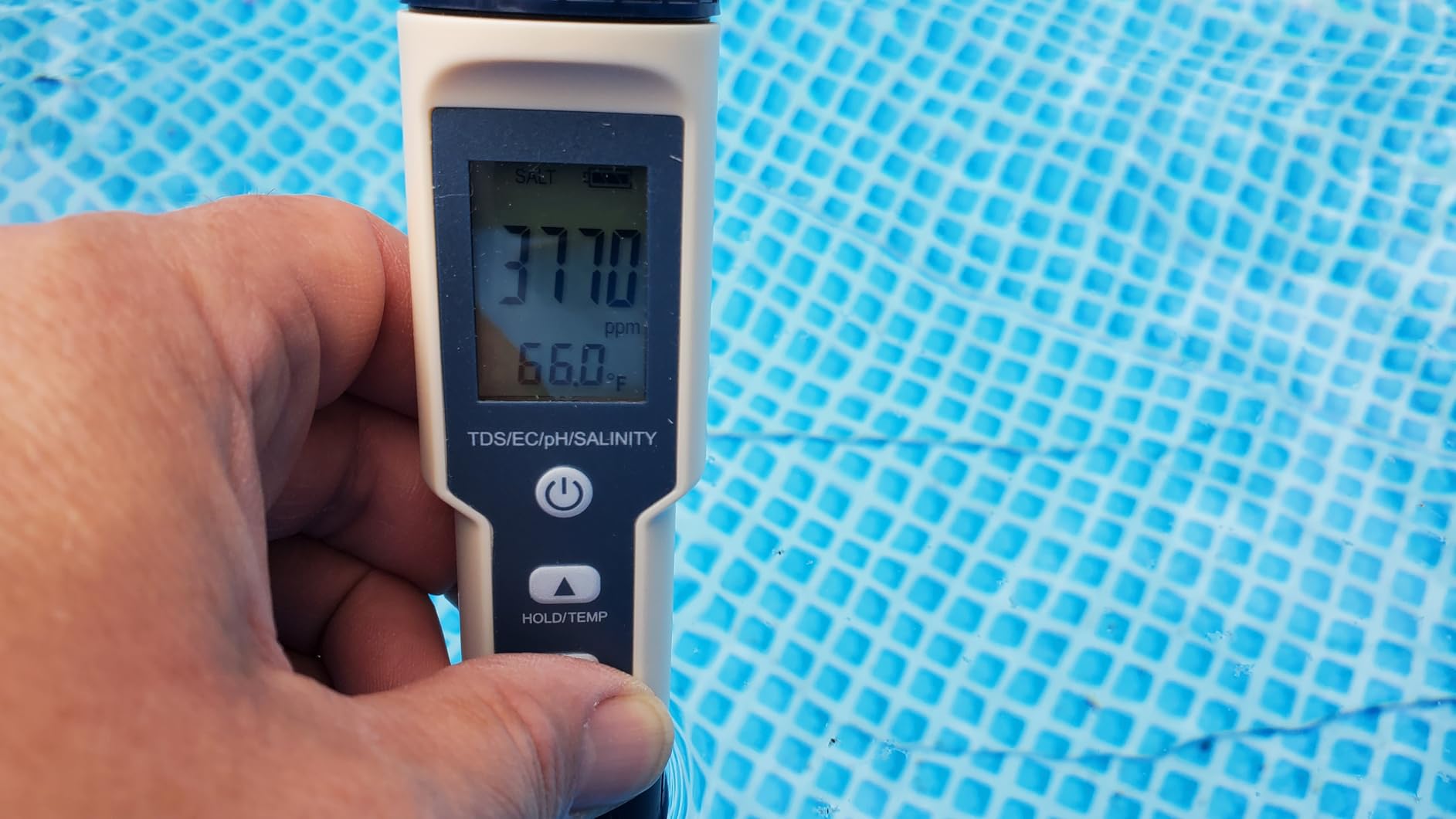
Most meters in this price range are pool-only. This one covers a saltwater aquarium, a pool and food salinity, and it switches automatically between parts per million, parts per thousand and percent, which is genuinely useful if you move between a koi pond and a pool.
The titanium alloy probe is the part worth noting. Pool water is corrosive, and a metal probe that tolerates it without clouding over is a reasonable reason to expect a longer useful life than a basic plated probe.
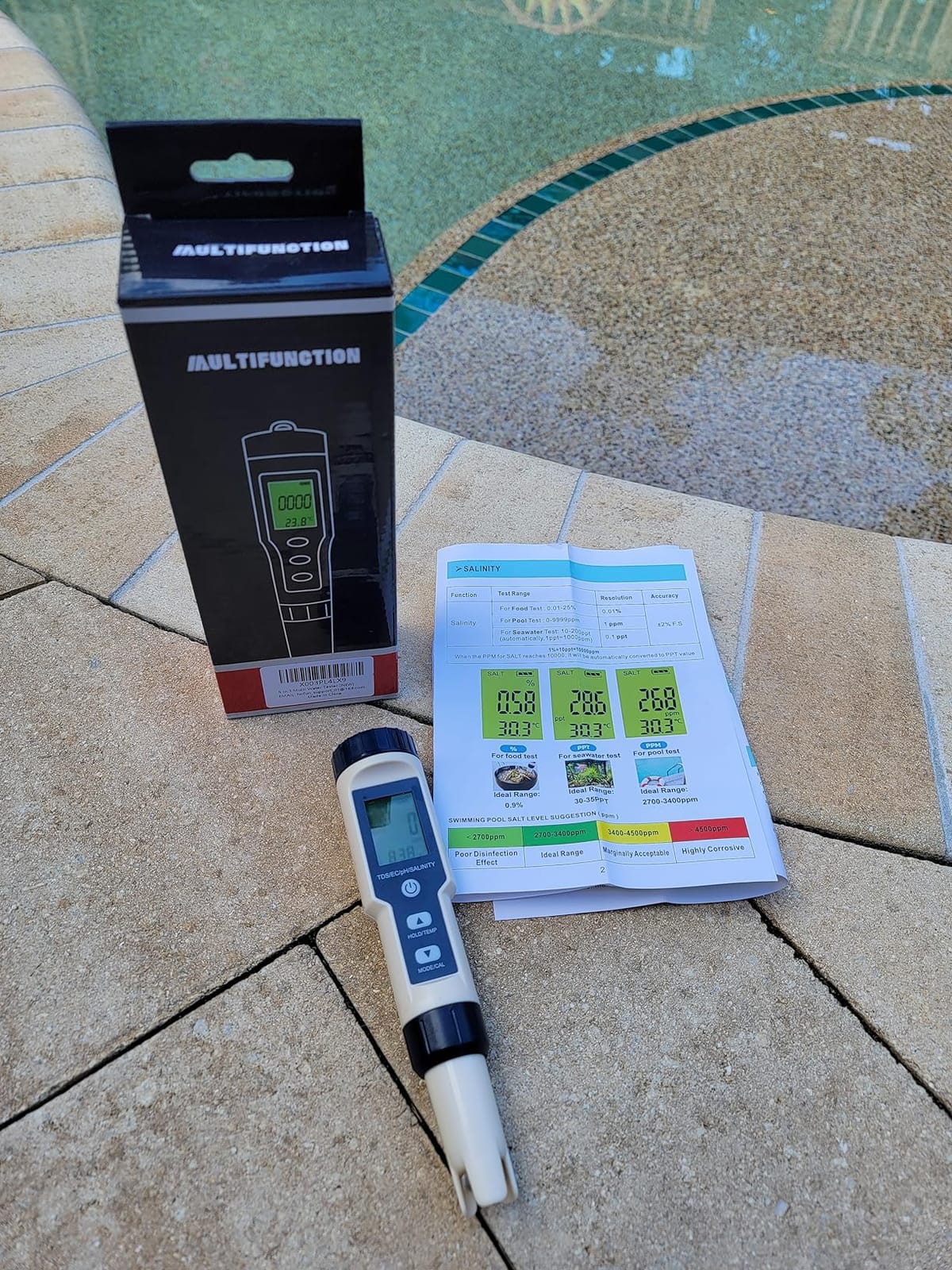
As with the other conductivity-based meters, it derives salinity from TDS and EC rather than measuring sodium chloride directly. Owners note some accuracy complaints specifically on pool salt, so treat it as a good trend instrument rather than the final word.
The pH channel has the same calibration difficulty reported across this class of meter. If you buy it for salt and temperature, you will be happy. If you buy it as a chemistry kit replacement, you will be disappointed.
When this meter is the right tool
It suits a household that also runs a marine aquarium or a koi pond, because one probe covers all three instead of three separate devices. The dual range, with 10-200 ppt for seawater alongside the pool range, is the reason.
It is also a good poolside tool for tracking TDS alongside salt, since a rising TDS number on a salt pool can be an early warning that something other than salt is accumulating.
When it is the wrong tool
Skip it if you only care about one pool. You pay for ranges and materials you will never use, and the extra versatility does not improve pool salt accuracy, which is what most people are buying it for.
And treat pH as unverified on this unit too. Calibration complaints show up here as well, so keep a drop kit for anything you intend to dose from.
11. UIUZMAR 7-in-1 Pool Tester: Best Digital Read for Free Chlorine and ORP
UIUZMAR pH and Salt Tester for Pool Free Chlorine Meter ORP Meter 7 in 1 Digital Pool Water Tester for pH, Salinity, Free Chlorine, ORP, TDS, EC, Temp Saltwater Pool Tester PPM and EC Meter
Seven parameters
Free chlorine and ORP
Probe protective cap
Pre-calibrated
Pros
- Measures free chlorine rather than just total
- ORP reading adds oxidizing power data
- Protective cap for the pH and ORP probes
- Pre-calibrated and ready to dip
Cons
- Newer release with a short reliability record
- Free chlorine sensor needs maintenance
- Higher cost than a basic salt and pH meter
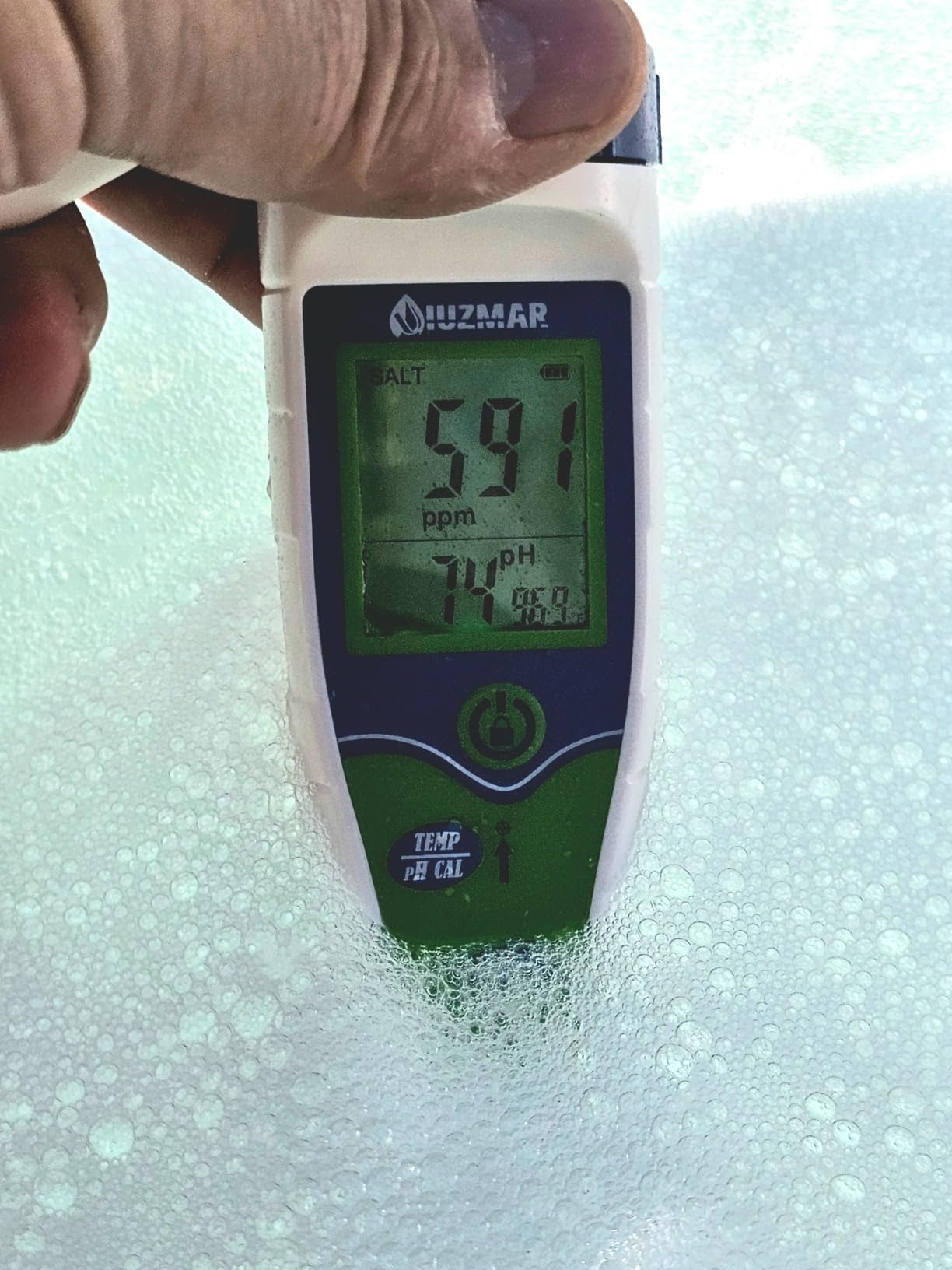
Every other digital meter in this roundup stops at salinity, pH, TDS, EC and temperature. This one adds free chlorine and ORP, which is the feature that actually sets it apart for a salt pool, where a generator’s output and the water’s oxidizing power are the numbers you want to watch.
Free chlorine matters more in a salt system than a total chlorine number, because total includes combined chlorine that does no sanitizing. ORP gives you a single indicator of how aggressively the water is oxidizing, and it responds quickly to changes a color pad never sees.
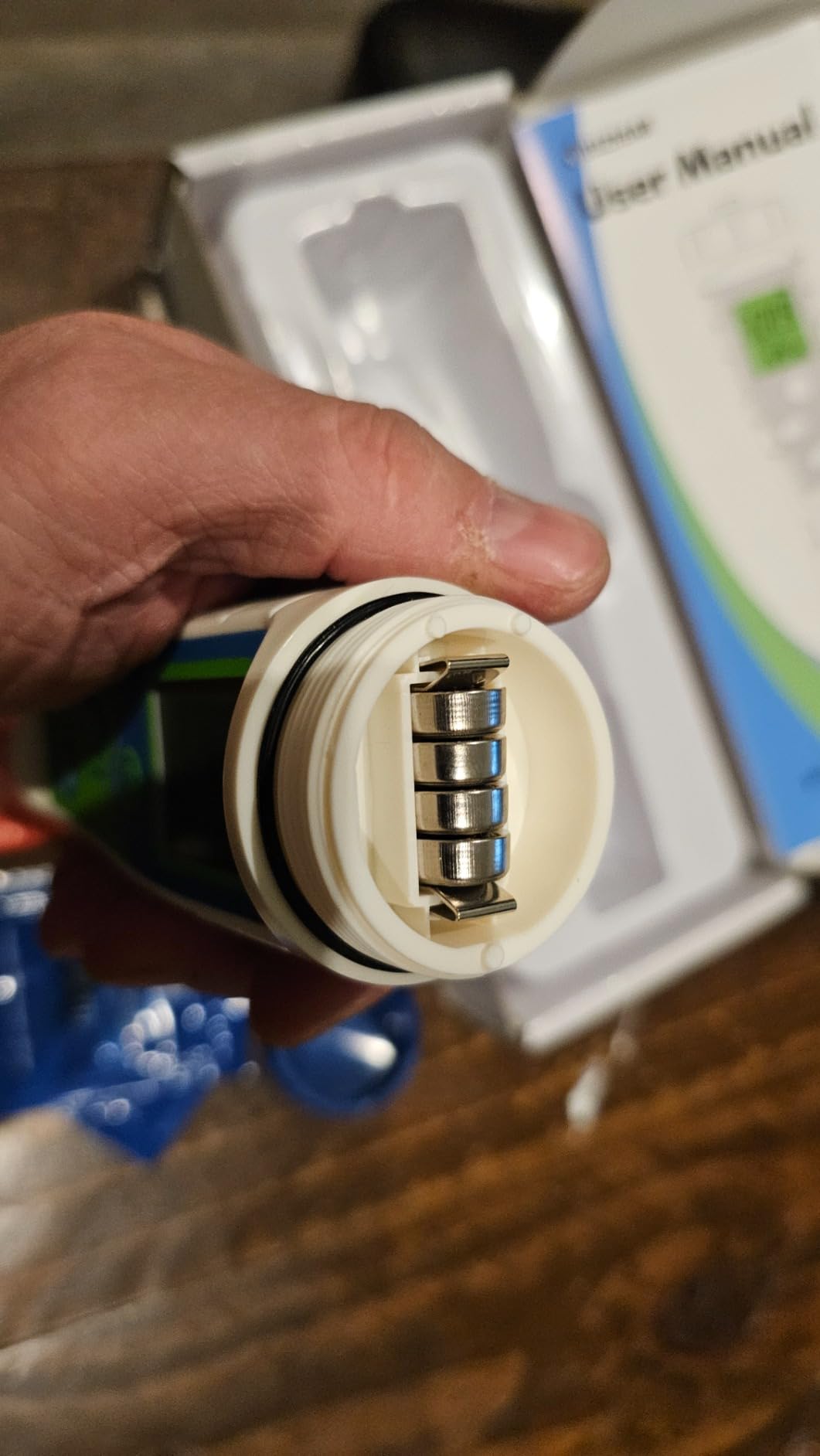
The pH and ORP electrodes sit under a protective cap, and that matters more than it sounds. Pool chlorine and sunlight attack bare probes quickly, so a cap is a reasonable sign the manufacturer thought about the actual environment rather than a laboratory bench.
It is pre-calibrated and the readings are fast and stable, which is the experience owners describe. The caution is the short track record: this is a recent release, so the review history is thin and long-term drift is not yet well documented.
When this meter is the right tool
It suits an engaged owner of an above-ground or inground salt pool who wants a full digital picture at the poolside, and who would rather read a display than count drops on a busy weekend.
It is also a good second opinion during a chlorine problem. Watching free chlorine and ORP together tells you far more about a water chemistry issue than a single chlorine pad ever could.
When it is the wrong tool
It is the priciest of the handheld meters here and it is still not a full chemistry kit. There is no total alkalinity, calcium hardness or cyanuric acid channel, so a drop kit remains necessary for a complete panel.
Sample handling affects the free chlorine reading more than users expect, and a probe that needs periodic maintenance adds a routine to your routine. With only 146 reviews behind it, we would pair it with a drop kit rather than trust it alone through a full season.
Do You Need a Special Test Kit for a Salt Water Pool?
You need a special test for the salt itself, but not a special chemistry kit. Standard drop kits measure chlorine, pH, alkalinity, hardness and stabilizer just as well in salt water, so you can keep your existing kit and add a salt test on top.
Here is the reasoning, expanded:
Only the salt reading is different. Most general pool kits have no salinity channel at all, which is why owners open the cell expecting a number and find an empty box.
Generator range is narrow. Hayward units target 2,700-3,400 ppm and Jandy units 3,000-3,500 ppm, so a reading that is off by a few hundred ppm can mean a cell that never reaches full output.
Salt water shifts the rest of the chemistry. pH tends to drift upward, and a generator cannot produce enough free chlorine to correct a high pH on its own, so pH accuracy matters more, not less.
Combined chlorine is worth separating. A FAS-DPD kit reports free and combined chlorine separately, which tells you whether a chlorine reading is real or tied up in chloramine.
Strips cannot set a generator. A few hundred ppm of error on a strip pad is a meaningful share of a 700 ppm band, so strips should confirm a trend, not define the target.
How to Choose a Pool Test Kit for Salt Water
FAS-DPD or plain DPD: which chlorine chemistry do you need?
FAS-DPD is the better choice for a salt pool, and the reason is accuracy at the high end. FAS-DPD powder first clears combined chlorine and then measures free chlorine, so the reading stays meaningful after you shock the pool. Plain DPD color matching flattens out at high chlorine levels and then under-reports, which is exactly when you need to trust the number.
The cost is a slightly longer procedure and a counting step that new owners get wrong. Practice on the same sample twice until the two drop counts match before you dose anything.
Target salinity: check your generator’s range first
Hayward cells generally want 2,700-3,400 ppm. Jandy and IntelliFlo systems generally want 3,000-3,500 ppm. Generic guidance across the industry sits around 3,000-4,000 ppm. The manufacturer’s manual for your specific cell is the authority, and matching it matters more than any particular brand of test.
Pick a salt test whose range brackets your target with headroom on both sides. A meter capped at 5,000 ppm cannot tell you whether an empty pool is empty, and a strip capped too low goes blank at the top of the range where you most need information.
The Taylor SKU decoder: which Taylor kit do you need?
The numbering confuses almost everyone. Here is the plain version. The K-1766 is salt only, a silver nitrate titration, and it is the accuracy benchmark for sodium chloride. The K-2006-SALT is the all-in-one, adding FAS-DPD chlorine plus pH, alkalinity, hardness and cyanuric acid with the chloride test included. The K-2006 and K-2005 are the full chemistry kits that do not include a salt test, and the C suffix denotes a kit bundled with a smaller basic drop set.
So if you already own a K-2006 for chemistry, the gap is K-1766. If you are starting from nothing on a salt pool, the K-2006-SALT is the one purchase that covers both.
What accuracy you actually need
Accuracy needs scale with consequence. A pH reading that is half a point off can cost you a load of chemicals or a damaged cell, so buy titration quality for pH and chlorine. A salt reading off by a couple hundred ppm within a stable band is usually harmless, which is why a cheap strip is acceptable as a monthly check.
Where a decision is expensive, a cell warranty claim or a suspected over-salting event, escalate to the most accurate option you can use. That is a silver nitrate titration for salt and a FAS-DPD drop count for chlorine.
Keeping your kit working year-round
Reagents are temperature-sensitive and moisture-sensitive, and heat does more damage than age. Store bottles closed, upright, in a cool dark cupboard rather than a hot pool shed, and never leave a dropper bottle sitting open with the tip wet.
Buy a refill before you need one. The most common complaint we saw across drop kits was running out of FAS-DPD powder mid-season, and the second most common was discovering it during opening weekend. Check the printed dates on any new bottle, because some sets arrive with less shelf life than you would expect.
For meters and strips, the storage rule is different. Keep strips sealed in the original bottle with the desiccant, and keep meter probes wet rather than dry. A dry electrode is a dead electrode.
Reagent safety basics
Wear gloves and eye protection when handling drop reagents, and never mix two reagents together to see what happens. Keep every bottle away from children and pets, and store the whole kit somewhere they cannot reach it.
Wash your hands after testing and before eating, and never add reagents directly to the pool unless the instructions for that specific test say to. Dispose of used test water on the lawn away from storm drains where local rules allow it.
One last practical note on routine: if you are also trying to cut down pool chores, the chemistry side matters more than any robot. A clean pool and correct numbers go together, and our pool cleaning robot roundup covers the cleaning half of that equation. Keeping the deck and the waterline clear of buildup is the other half, and it is the part a good saltwater test plan makes possible in the first place.
Frequently Asked Questions
What is the best way to test a saltwater pool?
Use a FAS-DPD drop kit for chlorine, pH, total alkalinity, calcium hardness and cyanuric acid, and confirm salinity separately with a silver nitrate titration or a digital salt meter. Strips are fine for a quick weekly glance but are not accurate enough to set your generator’s range.
Do you need a special test kit for a salt water pool?
You need a special test for the salt itself, not a special chemistry kit. Standard drop kits read chlorine, pH, alkalinity, hardness and stabilizer just as well in salt water, so you can keep your existing kit and add a salt test on top.
Which Taylor test kit is best for a saltwater pool?
The K-2006-SALT is the best all-in-one choice, covering FAS-DPD free and combined chlorine plus pH, alkalinity, calcium hardness, cyanuric acid and chloride. If you already own a K-2005 or K-2006 for chemistry, add the K-1766 for salt.
What is the most accurate saltwater pool test kit?
For salinity, the K-1766 silver nitrate titration is the accuracy benchmark, with a photometer as the most accurate option overall. For chlorine, a FAS-DPD drop count beats any color-matching strip or handheld meter.
What do professionals use to test pool water?
Technicians working a route of pools usually carry a drop kit in the truck for speed and a photometer back at the shop for accuracy, plus a handheld salt meter for salinity. The handheld meter is for salt only, since it measures no chemistry.
What is the difference between the Taylor K-2005 and K-2006 water testing kits?
Both are full chemistry drop kits using FAS-DPD, and neither includes a salt test. The K-2005 offers a broader pH range, while the K-2006 is the reference kit for precise chlorine readings. If your pool is salt, look for the K-2006-SALT variant instead.
Are Taylor pool test kits good?
They are the industry standard and are widely stocked, with reagents available separately, which is a real advantage over lesser brands. The drawbacks owners report most are the higher purchase cost, a learning curve, and reagents that run out mid-season.
Final Verdict on the Best Pool Test Kits for Salt Water
Start with the EASYTEST saltwater strips as a weekly glance and the AquaChek salt titrators for a monthly check, because together they cover the whole question at a fraction of the cost of a full kit. Add the Taylor K-1766 when you need a salt number you can defend, and it becomes the referee for every digital reading you own.
For the chemistry side, the Taylor K-2006-SALT is the one product to buy if you want a single purchase to handle both jobs, and it is the kit the forums keep coming back to for good reason. Anyone doing serious troubleshooting should learn the FAS-DPD drop count properly, because that is the measurement that stays honest after a shock.
Digital meters are the most convenient addition rather than a replacement. The eSeasonGear SALT-3050 is the one to buy for a fast dedicated salt reading, and the UIUZMAR 7-in-1 is the only one here that measures free chlorine and ORP directly. Test at the pool edge, keep reagents stored cool, and the best pool test kits for salt water will keep your generator inside its range all season without a single trip to the pool store.