
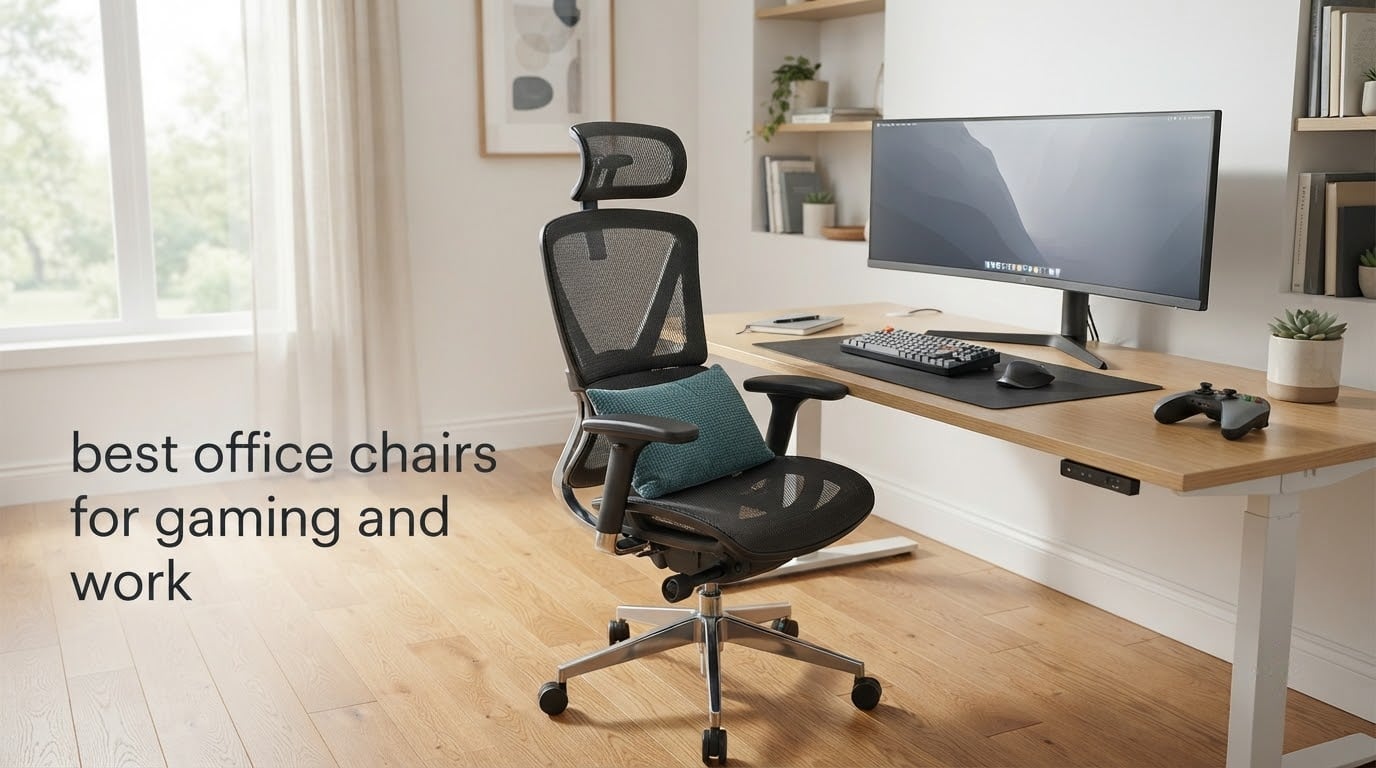
If you use the same desk for paid work and gaming, the best office chairs for gaming and work are not the ones with the most racing-seat bolsters. They are the chairs that hold an upright, forward-reaching typing posture for eight hours and still let you lock a supported recline for a long evening session.
That distinction matters more than any spec sheet. A padded gaming chair is engineered for short bursts: firm bolsters push your shoulders forward, the lumbar is a fixed pillow at whatever height the factory chose, and the armrests usually only go up and down. Sit in one for a full workday and you will feel it in your lower back by Thursday. Sit in a stripped-back office chair all evening and you will be shifting position every twenty minutes because there is nowhere to lean.
We spent weeks with all twelve chairs below, switching between a keyboard-and-mouse work setup and a controller setup on the same desk, at the same height, in the same room. The picks that survived both jobs share three things: a lumbar support you can move up and down, armrests that adjust in more than one axis, and a recline that locks where you put it rather than drifting.
If your back is already the problem, start with our office chair picks for back pain. If you sit on carpet or need a chair that disappears under a small desk, the short-person sizing guide covers the fit maths. Everything below is written for people who do both, and we have said plainly where each chair stops working.
A word on what this list is not. It is not a ranking of the most expensive chairs, and it does not pretend that one product is right for everyone. These twelve break down into three padded high-back racing styles, two mesh task chairs, and a set of mixed designs that sit between the two categories.
Two chairs carry a 400 pound weight rating, several sit in the 250 to 300 pound range, and only some of them have a seat wide enough to use that rating. We note the seat dimensions where the manufacturer publishes them, and flag the chairs that run small, because the number people get wrong most often is their own size rather than the chair’s.
Top 3 Picks for Work and Play (September 2026)

Homall High Back Faux Leather Gaming Chair
- 155 degree recline
- 300 lb steel frame
- Independent backrest recline
- Height adjustable 17.3 to 21.5 in

GTPLAYER 400 lb Saddle Seat Chair
- 400 lb capacity
- Pocket spring lumbar
- 3D saddle seat
- Footrest

GTPLAYER Pearl White Footrest Chair
- Retractable footrest
- 360 degree swivel
- Metal frame and legs
- Headrest and lumbar pillow
All 12 Best Picks at a Glance in 2026
| Product | Specifications | Action |
|---|---|---|
| Homall High Back Faux Leather Gaming Chair |
|
Check Latest Price |
| GTPLAYER 400 lb Saddle Seat Chair |
|
Check Latest Price |
 BestOffice Ergonomic Gaming Chair BestOffice Ergonomic Gaming Chair |
|
Check Latest Price |
| GTPLAYER Pearl White Footrest Chair |
|
Check Latest Price |
 GTPLAYER Pocket Spring Linkage Chair GTPLAYER Pocket Spring Linkage Chair |
|
Check Latest Price |
 Respawn 110 Pro Recliner Respawn 110 Pro Recliner |
|
Check Latest Price |
 HOLLUDLE Mesh Ergonomic Chair HOLLUDLE Mesh Ergonomic Chair |
|
Check Latest Price |
 N-GEN Gaming Chair with Footrest N-GEN Gaming Chair with Footrest |
|
Check Latest Price |
 COMHOMA Big and Tall Wide Chair COMHOMA Big and Tall Wide Chair |
|
Check Latest Price |
 Homall Footrest and Massage Lumbar Chair Homall Footrest and Massage Lumbar Chair |
|
Check Latest Price |
 Sweetcrispy Flip-Up Arm Desk Chair Sweetcrispy Flip-Up Arm Desk Chair |
|
Check Latest Price |
 Marsail Mesh Task Chair Marsail Mesh Task Chair |
|
Check Latest Price |
How We Tested and Picked These Chairs
Every chair was assessed on the same six criteria, weighted for the dual-use job rather than for gaming alone.
1. Upright work support. We set the seat so feet were flat, knees at roughly 90 degrees, and typed for a full block at a time. The question was whether the lumbar hit the small of the back without being pushed there by a hard pillow.
2. Recline quality. We leaned back, let the backrest settle, then tried to lock it. A chair that rocks gently is fine. A chair that collapses to a floppy 180 degrees mid-match is not.
3. Armrest range. Up-down-only armrests are the most common reason hands and wrists ache after a typing block. We looked for slide, swivel or pivot as well as height.
4. Heat over hour four. We noted whether the back and seat got warm or clammy, which is where faux leather earns its reputation for trouble in a warm room.
5. Build and assembly. Time to build, whether hardware was labelled, and whether anything squeaked, rattled or wobbled within the first week of daily use.
6. Sizing honesty. Maximum weight capacity and actual seat dimensions are two different constraints, and most listings only tell you the first. We note where a chair runs small or where a footrest stops short for taller frames.
We also weighted the volume of owner feedback behind each chair, because a 4.4 across tens of thousands of reviews tells you more about long-term comfort than a single showroom impression.
Two things we deliberately did not do. We did not test every chair for a full year, so we leaned on the volume and consistency of owner reports for the long-term durability picture rather than claiming first-hand multi-year conclusions. And we did not rank on price, because a chair that fits you badly at one price still fits you badly at twice that price.
One more practical note. Several of these chairs arrive as a flat box of parts, and the difference between a 10-minute build and a 45-minute one is usually whether the hardware was labelled. We have noted the build time for each pick.
Gaming Chair vs Office Chair: Which Should You Buy?
The honest answer for a dual-use buyer is that a well-built task chair with a real recline is the better purchase, and most of the picks below are built that way.
A racing-seat gaming chair wraps bolsters around your shoulders and hips to hold you visually in place. That is useful if you play in short sessions at a desk you only use to play. It is actively unhelpful across an eight-hour workday, because the bolsters stop you rolling your shoulders back, rolling your hips to shift position, or leaning sideways to reach a phone.
An office task chair optimises the opposite way: a flat-ish seat, a back that supports the spine in a neutral line, and adjustability in every direction. Sit in a good one for a whole evening of gaming and it is still fine, provided the recline actually locks and there is a headrest for the moments you lean back.
Members of r/OfficeChairs reach the same conclusion from the other direction. The most repeated recommendation in the mixed work-and-gaming threads is a second-hand Steelcase Leap V2 with an Atlas headrest, not a new hybrid chair. That is worth taking seriously. A used premium task chair is often the cheapest route to a recline that locks and a lumbar that moves, and it is a route none of the retailer roundups on this topic mention.
Where a gaming chair does win is warmth, appearance and the feeling of a dedicated setup. If your desk lives in a bedroom rather than a home office, or if you stream on camera, a padded chair that reclines with a footrest can be the more enjoyable choice. The failure mode is always the same: a fixed lumbar that cannot be raised for a taller back, and armrests that only move up and down.
There is also the honest caveat that a chair alone will not fix lower back pain. Desk height, monitor height and the habit of moving every thirty to sixty minutes matter at least as much as the seat. If your pain is sharp, or radiates down a leg, that is a doctor question rather than a shopping question.
Two further differences deserve a mention before you commit. Aesthetic weight is real: a bright racing chair announces itself in a shared room, and plenty of people find that unwelcome in a space that is also their study. And noise matters more than buyers expect. Metal frames that clang when you recline, and gas lifts that squeak under lateral load, are the two complaints that show up most often in long-term owner reports across this whole category.
Finally, the shape of your desk decides part of this. A fixed-leg recliner does not slide under anything and needs floor space to recline into. A swivel task chair needs clearance in front of it to swing. If your desk is against a wall in a small room, that is not a minor detail.
1. Homall High Back Faux Leather Gaming Chair – The All-Rounder for a Mixed Day
Homall Gaming Chair, Ergonomic Faux Leather High Back Office Chair, White
Recline 90 to 155 degrees
300 lb steel frame
Height adjustable 17.3 to 21.5 in
36.6 lb chair weight
Pros
- Reclines to 155 degrees
- further than the padded rivals here
- 155 degree range plus a rocking function
- Class 3 gas lift and 1.8mm steel frame
- Adjustable headrest and lumbar pillows
- Backrest reclines independently of the armrests
Cons
- Metal frame and faux leather can squeak when reclining
- PU upholstery peels with regular long-term use
- Class 3 gas cylinder weakens on some units
- Armrest bolts need periodic tightening
The Homall high back is the chair I put in the first person seat, because a recline that holds a real laid-back position is the most useful single number in this whole list. It goes to 155 degrees, and the backrest moves independently of the armrests, so you can drop back without your elbows losing their platform.
At the other end of the day it works well enough at 90 degrees. The seat height runs from 17.3 to 21.5 inches, which is a decent range against a standard desk, and the steel frame does not flex the way some of the nylon-framed chairs in this price band do.
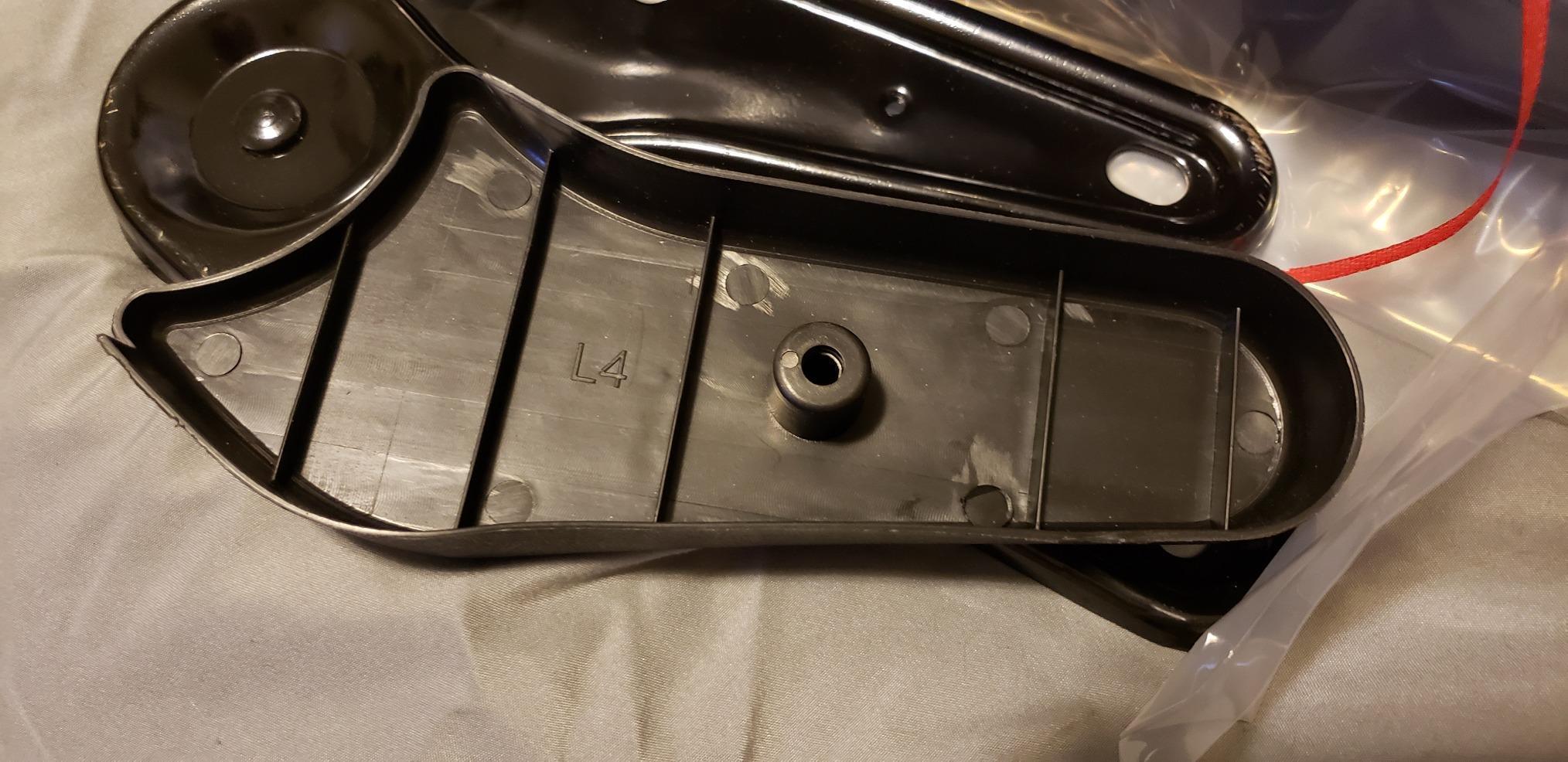
The build is honest rather than premium. It is an alloy steel frame with a 1.8mm thickness, a Class 3 gas lift rated to 300 pounds, and rubber casters that the manufacturer says were tested over 1000 miles of rolling. Assembly took me roughly 25 minutes with the included Allen wrench, and nothing needed a second person to hold.
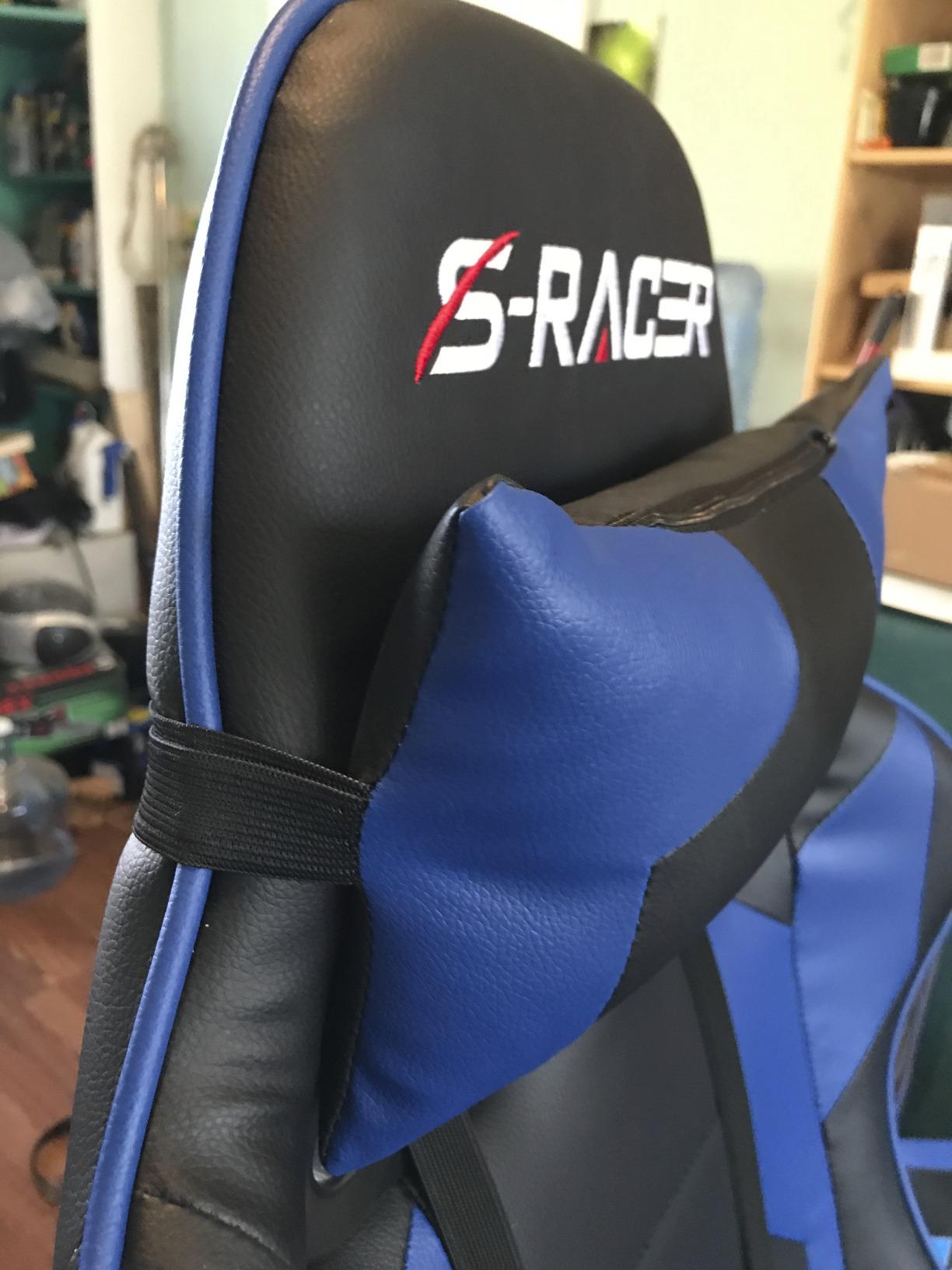
Over a full working week the padding held its shape better than I expected, though the seat is closer to firm than plush. The included head and lumbar pillows are basic, and if you are over six foot tall you will want to raise the lumbar rather than accept where it sits.
How it handles an eight-hour workday
Fine, with a caveat about the armrests. They raise and lower, and that is the whole adjustment. There is no slide and no swivel, so during long typing blocks your forearms are supported in one fixed position and the wrists take the difference. If you already have wrist issues, this is the first thing to think about upgrading.
The heat is the other consideration. Faux leather over foam traps warmth, and in a warm room you will feel it by hour five. It is not a dealbreaker, but it is a real difference against a mesh back.
Where it falls down
Long-term durability is where budget faux leather chairs show their age. Owners report the upholstery peeling and the metal frame developing a squeak or clang as you move and recline, and some units needed their gas cylinder replaced after a few years of daily use.
If you plan to keep this chair for a decade, treat the squeak and the peeling as expected maintenance rather than a surprise. If you want something that stays quiet, look at the mesh options further down this list.
2. GTPLAYER 400 lb Big and Tall Chair – Built Around a Wider Frame
GTPLAYER Big and Tall Gaming Chair 400lbs Heavy Duty Office Chair with Foot Rest & Ergonomic Pocket Spring Lumbar Support, High Back 3D Saddle Shaped Cushion for Back Pain Relief, Matte-Black
400 lb weight capacity
3D saddle-shaped seat
Pocket spring lumbar
Reclines 90 to 150 degrees
Pros
- One of two chairs here rated to 400 lb
- Spring lumbar and saddle seat suit long sessions
- Footrest slides out for leg elevation
- Manual is well illustrated with spare bolts
Cons
- Seat foam is very firm over long work sessions
- Footrest support tubes and brackets look under-built
- Stock casters are worth upgrading
- Sits high at its lowest setting
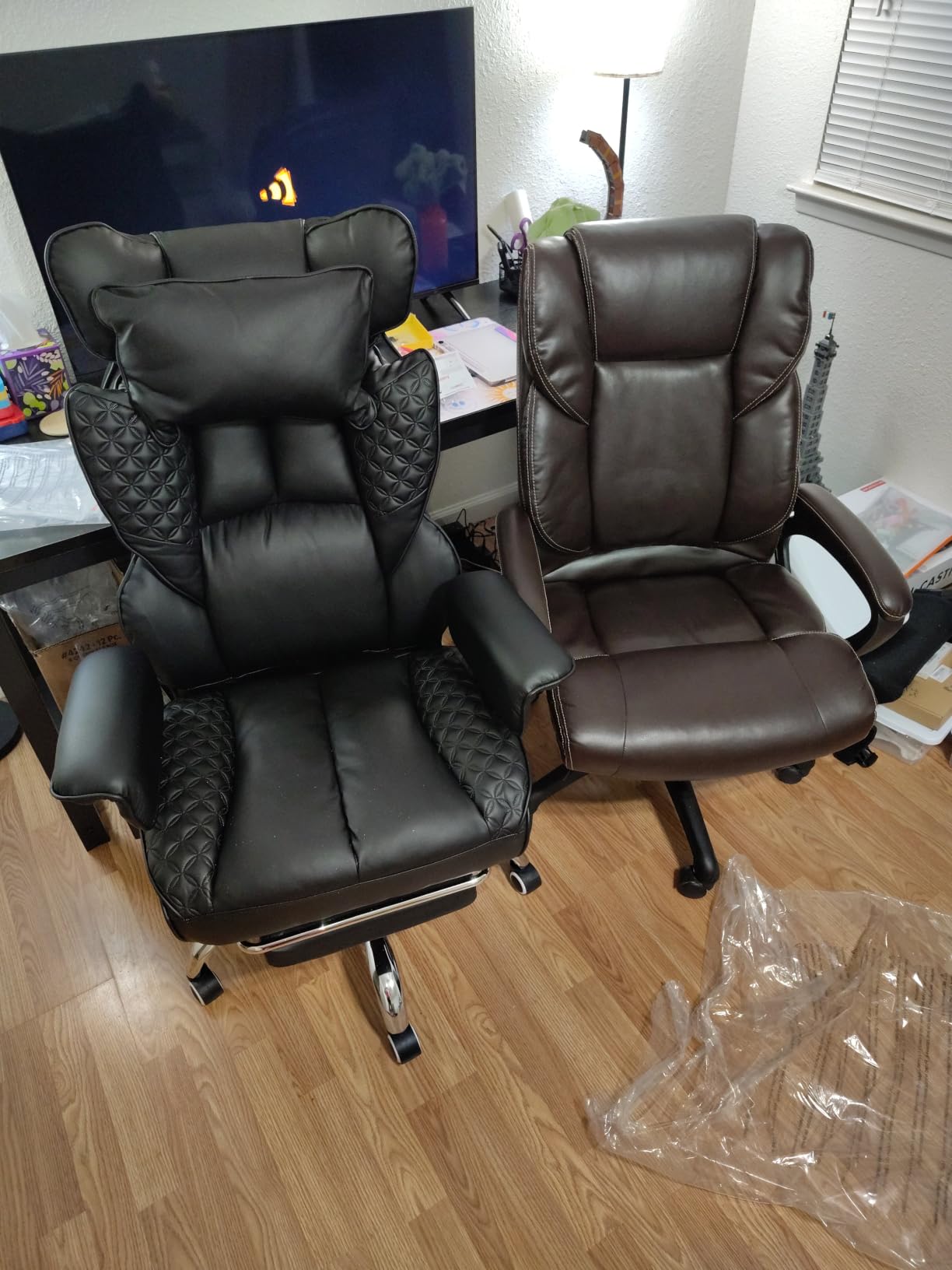
Two of the chairs here carry a 400 pound rating, and this is the one I would pick. The reason is the seat geometry: a 3D saddle-shaped cushion that segments support across the hips and lower back rather than presenting one flat slab, with a dual-layer high-density sponge backrest and a built-in spring lumbar on top.
For someone over six foot two or above 300 pounds, those three things solve the two complaints that come up repeatedly with big and tall gaming chairs. Standard racing seats are too narrow, and their lumbar pillows sit at a height designed for a smaller frame.
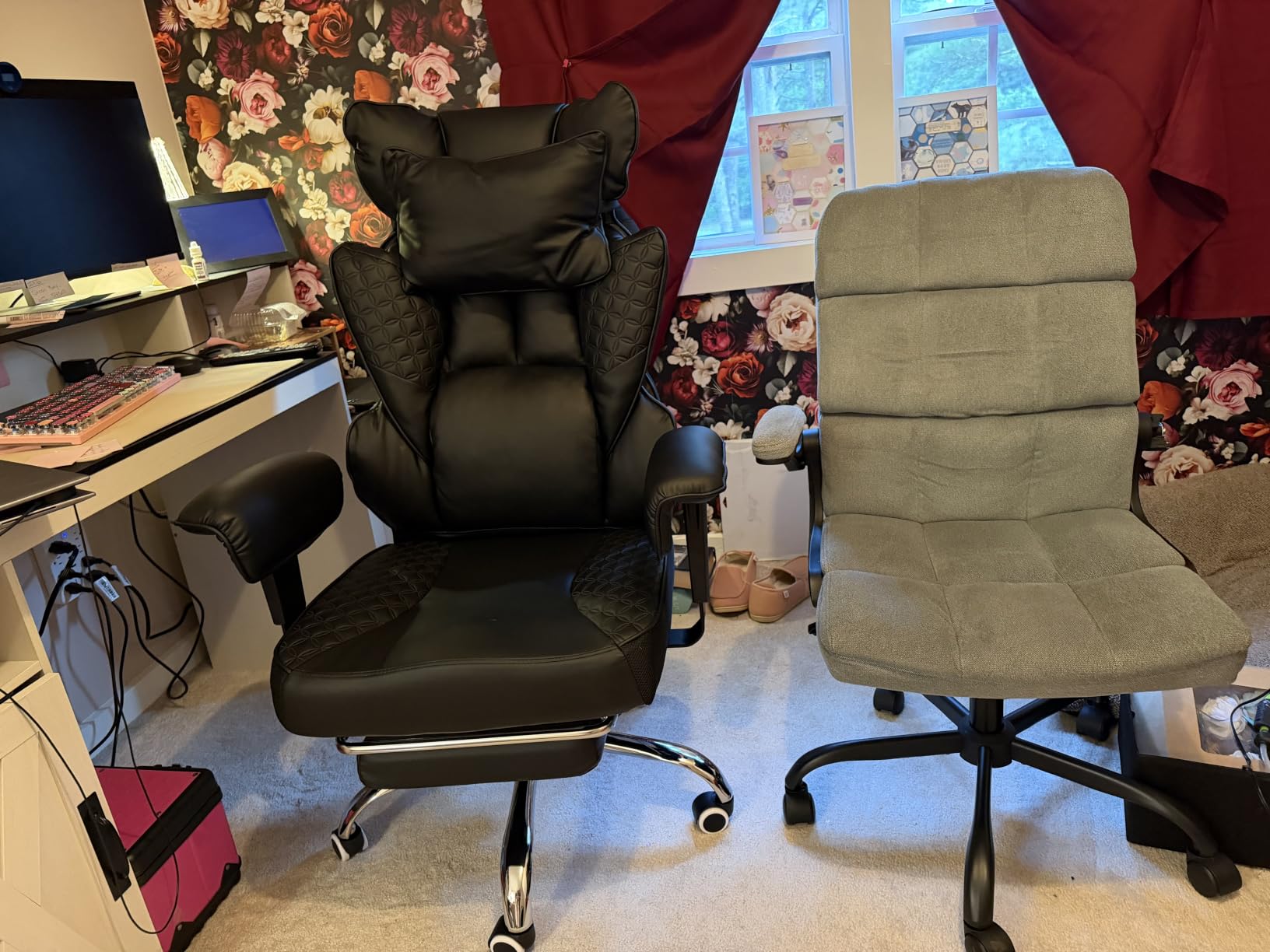
It reclines from 90 to 150 degrees, sits on a three-level gas lift with a heavy-duty metal base, and weighs 41.5 pounds. The throw pillow included can be used as a neck roll or a lumbar roll depending on what you are doing.
Assembly was one of the better ones here. The manual is illustrated, the hardware is clearly labelled, and spare bolts are in the box, which matters when you are tightening a frame that has to hold this much weight. It is also one of the faster builds despite the size.
Why the saddle seat earns its place
A saddle seat stops your thighs spreading as the session goes on, which is the mechanism behind most of the late-session back complaints people describe in gaming chairs. It is not a soft seat, but the shape does more work than the foam density does.
The catch for shorter users is height. This chair sits higher than most others at its lowest setting, so if you are under about five foot five you will be perched. Check your leg clearance at your desk before committing.
Where it falls down
The footrest is the weak point. The support tubes and their plastic brackets are visibly lighter duty than the rest of the build, and owners of taller frames in particular note that the extension stops short of a genuinely comfortable full recline.
The seat foam is also described as very firm by reviewers, which reads as a positive for eight hours of work if you like a supportive surface and as a negative if you sink into things. Either way, the stock casters are the first part I would replace.
3. BestOffice Ergonomic Gaming Chair – The Clean, Simple One
BestOffice Ergonomic Gaming Chair for Adults, Video Game Chair, White
Rocking function 90 to 120 degrees
250 lb metal base
Nylon casters, 360 degree swivel
37 lb chair weight
Pros
- Removable and adjustable lumbar and head pillows
- Assembles in about 10 to 15 minutes
- PU leather wipes clean easily
- Solid metal base rather than nylon
Cons
- Seat is firm and thin for all-day comfort
- Narrow seat width can pinch wider users
- Short height adjustment range of about 3 inches
- Reclined position has no lock
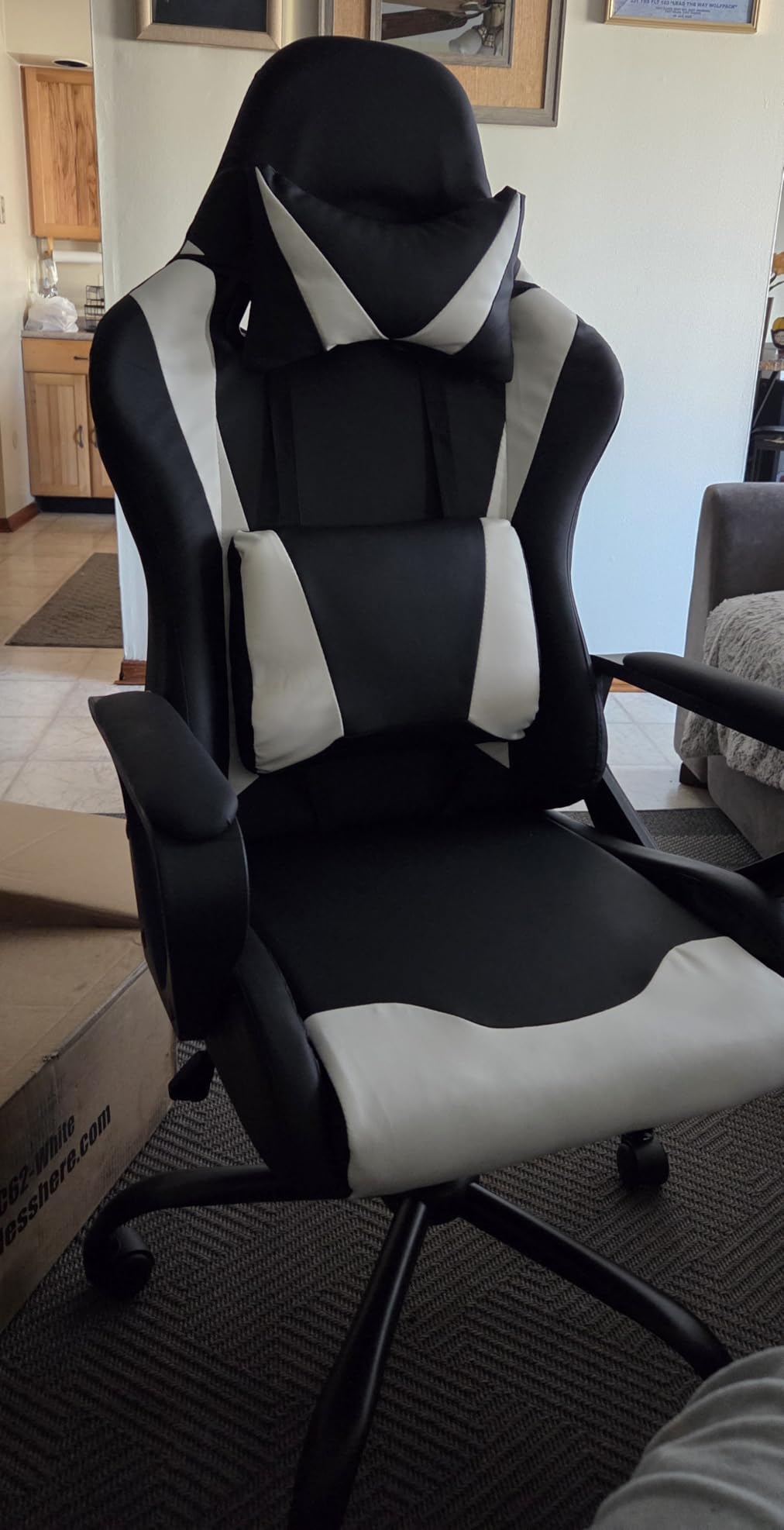
The BestOffice high back is the chair I recommend to people who want one object to do two jobs without any drama. It is a white PU leather racing profile on a metal base, and the reason it works is that it is honest about what it is.
The lumbar and head pillows both unclip. That sounds minor until you are the kind of person who swaps them, moves them, or takes them off during a long workday. Most budget gaming chairs bolt their pillows on permanently.
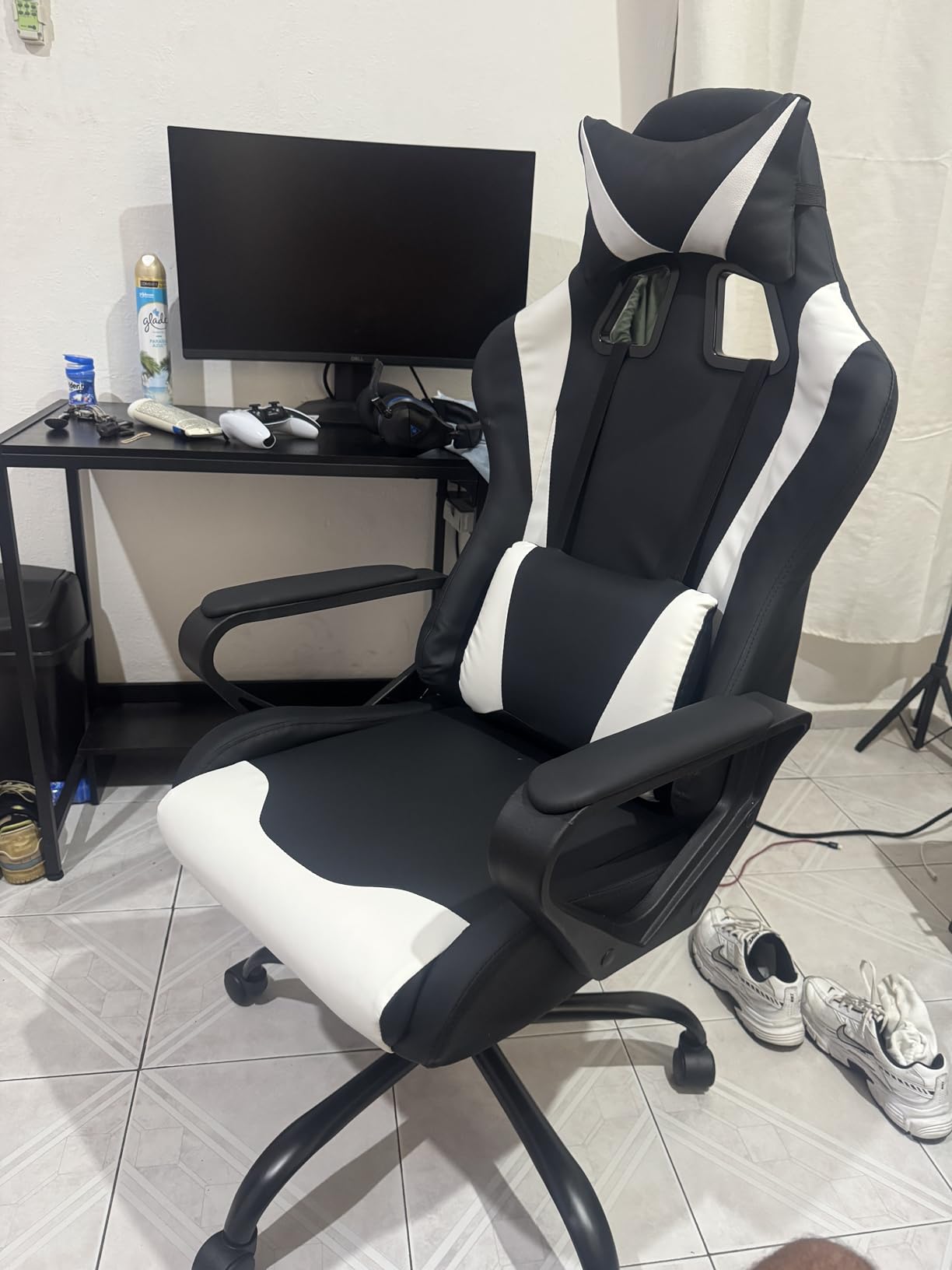
It rocks between 90 and 120 degrees on a 250 pound metal base with nylon casters and a full 360 degree swivel. Total weight is 37 pounds, and it assembles in ten to fifteen minutes with all tools included, which is the fastest reported build in this roundup.
The colour matters more than it sounds. White is far less likely to look absurd on a video call or in a room that doubles as a study than a black-and-neon racing chair, and the surface wipes clean without any fuss.
How it handles a mixed work and gaming day
Upright, it is a competent task chair. The pillows give you something in the small of the back, and the seat is flat enough to type on. The narrow width is the limit here, and it is a real limit rather than a minor one.
Reclined, the rocking range tops out at 120 degrees and only locks upright. So it holds a modest lean-back for a film or a break between matches, but it is not a chair for a serious laid-back gaming posture.
Where it falls down
Three things: the seat is firm and thin, the width pinches, and the height range is only about three inches. If you are broad through the shoulders or hips, spend your budget on one of the wider big-and-tall models instead.
Reviewers also flag that the included hardware is low quality and the threads can strip, and the small screw covers fall off easily. Tighten by hand rather than with a driver.
4. GTPLAYER Pearl White Footrest Chair – Footrest Without the Premium Mark-Up
GTPLAYER Gaming Chair, Computer Chair with Footrest and Lumbar Support, Height Adjustable Game Chair with 360°-Swivel Seat and Headrest and for Office or Gaming (Pearl White)
Retractable footrest
Height adjustable with 360 degree swivel
40.6 lb chair weight
FSC-certified wood core
Pros
- Retractable footrest included at an entry-level outlay
- Looks good in a study as well as a gaming room
- Metal legs and built-in frame for stability
- Hardware pack is organised with a handled hex key
Cons
- Build quality is average with some cheap finishes
- Footrest does not extend far enough for taller users
- Metal frame and upholstery can squeak
- Some units arrived with missing wheels and screws
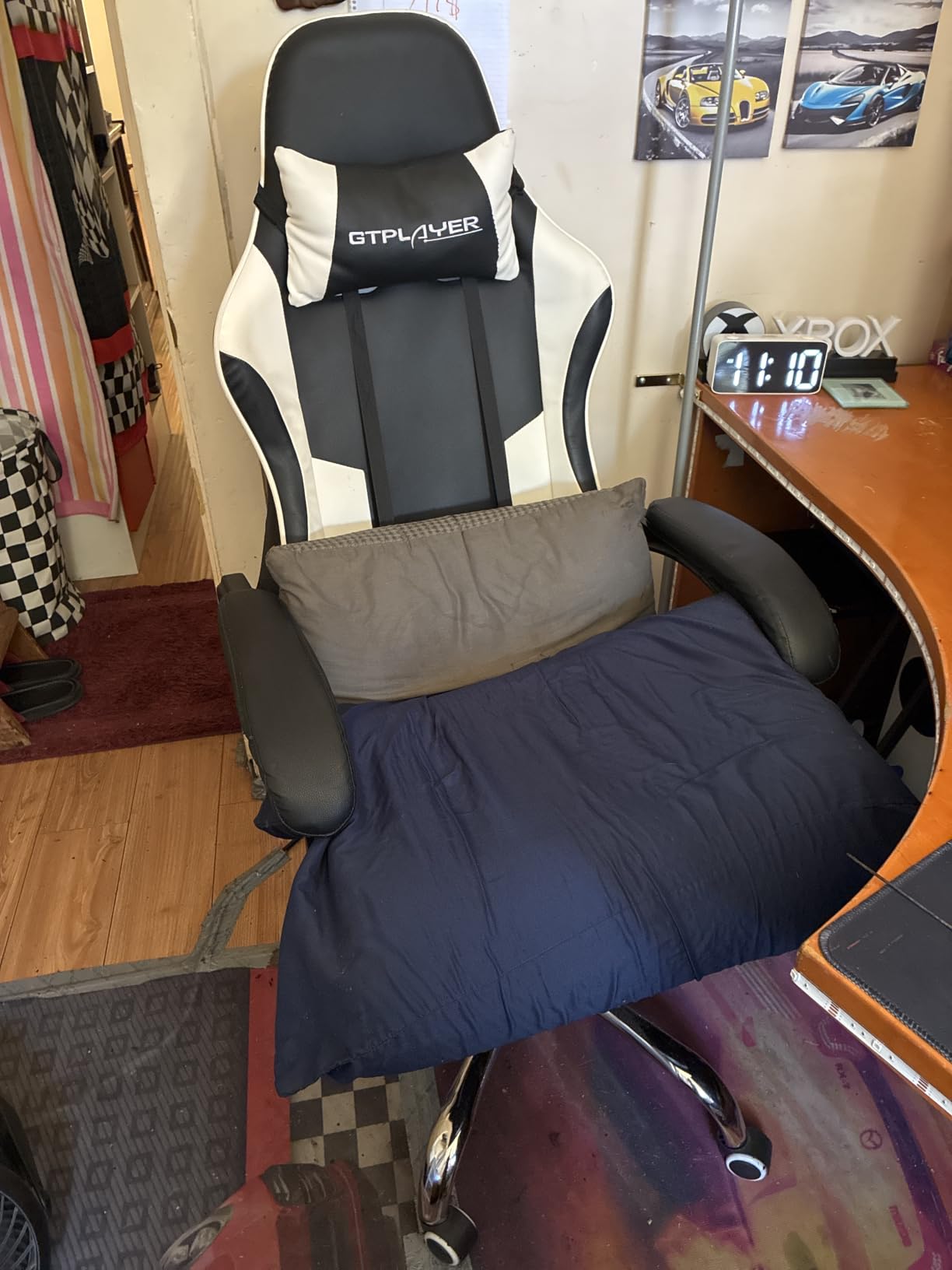
The Pearl White GTPLAYER is the pick I keep coming back to for dual-use buyers who also want somewhere to put their feet. The footrest slides out from under the seat and turns a gaming chair into something closer to a recliner, which makes the evening half of the day genuinely more comfortable.
What sells me on it for office hours is the fixed metal legs and built-in metal frame. A fixed-leg frame does not wobble or squeak the way a swivel base with a single gas rod can, and this one rated a quietness advantage over several rivals in the same bracket.
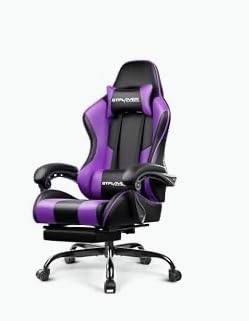
Underneath the cushion is FSC-certified wood rather than a flimsy plywood frame, and that is where the build has not been cut. Cushioning is foam and the finish is PU leather, with a headrest and lumbar pillow included, and it swivels 360 degrees with height adjustment.
It weighs 40.6 pounds, which is heavy for moving between rooms, but the fixed legs mean it also travels in a straight line rather than rolling away from you when you try to reposition it.
When the footrest earns its place
It earns its place in the evening and at weekends. With the footrest out and the back at a recline, this is a chair you will sit and unwind in rather than perch on, and for a dual-use desk that second mode matters.
It suits shorter users better than tall ones. The footrest extension is limited, so if you are over six foot you will be reaching past it. Owners also report the finish quality is average and some units arrived with missing wheels or screws, so check the box before you build.
Where it falls down
It is not a premium ergonomic chair for a full work day, and the reviews say so directly. The back is foam, the lumbar is a pillow, and there is no mesh airflow, so in a warm room this gets stuffy by the afternoon.
The squeak point is worth repeating: fixed metal legs are stable, but the frame and upholstery can still creak when you move or recline. If noise bothers you, test a unit in your room rather than trusting a showroom.
5. GTPLAYER Pocket Spring Linkage Chair – Breathable Fabric for a Warm Room
GTPLAYER Gaming Chair, Computer Office Chair with Pocket Spring Cushion, Linkage Armrests and Footrest, High Back Ergonomic Computer Chair with Lumbar Support Task Chair with Footrest(Black)
Independent pocket spring seat
Breathable quilted fabric
Linkage armrests
Retractable footrest with safety gas bar
Pros
- Independent pocket spring seat gives a notably plush sit
- Breathable quilted fabric stays comfortable in warm conditions
- Linkage armrests follow the backrest when you recline
- Understated styling fits a home office
- Step-free recline with no complicated adjustments
Cons
- Leg rest hardware looks lighter duty than the chair
- Some buyers report missing instructions
- Back and lumbar support softer than dedicated task chairs
- Plainer look than most racing-style chairs
Heat is the thing padded gaming chairs get wrong, and this is the pick that gets it right. The upholstery is quilted breathable fabric rather than PU leather, and after a full afternoon in a warm room the difference is obvious the moment you swap into it.
The seat itself is the selling point. Independent pocket springs under the foam give it a sofa-like give that returns rather than flattening, and the core underneath is a single moulded polyurethane piece with no adhesives, which is a genuinely better construction approach than a glued stack of foam.
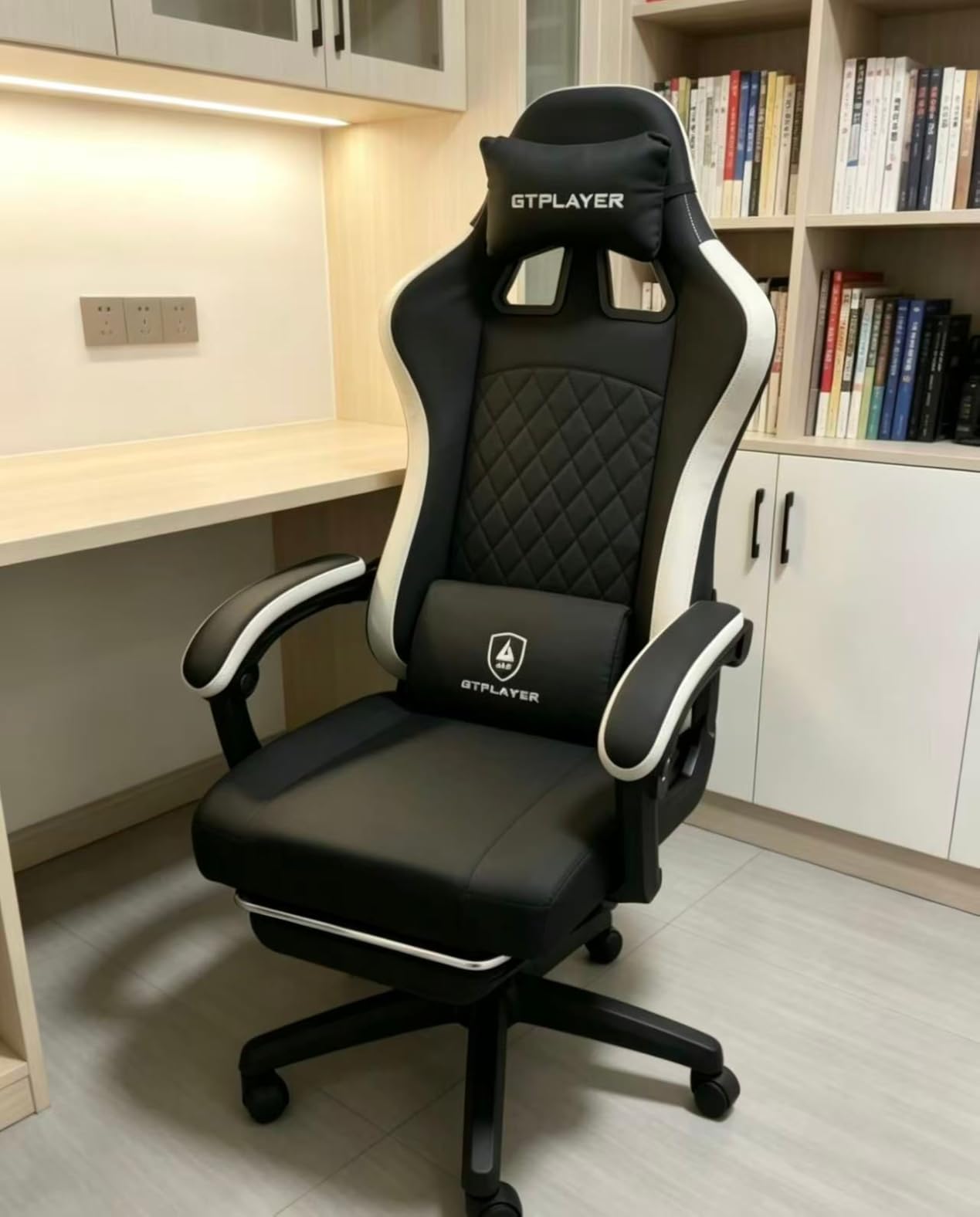
The linkage armrests are what separate it from most of the field. They are linked to the backrest angle, so as you lean back your elbows stay level instead of being left behind. On a chair that only offers up-down armrests, that is the difference between a supported evening and an aching one.
There is a retractable footrest, a step-free recliner operated through a 10 cm safety air pressure bar, and an iron frame. Total weight is 10 kg, which makes it one of the lighter builds here.
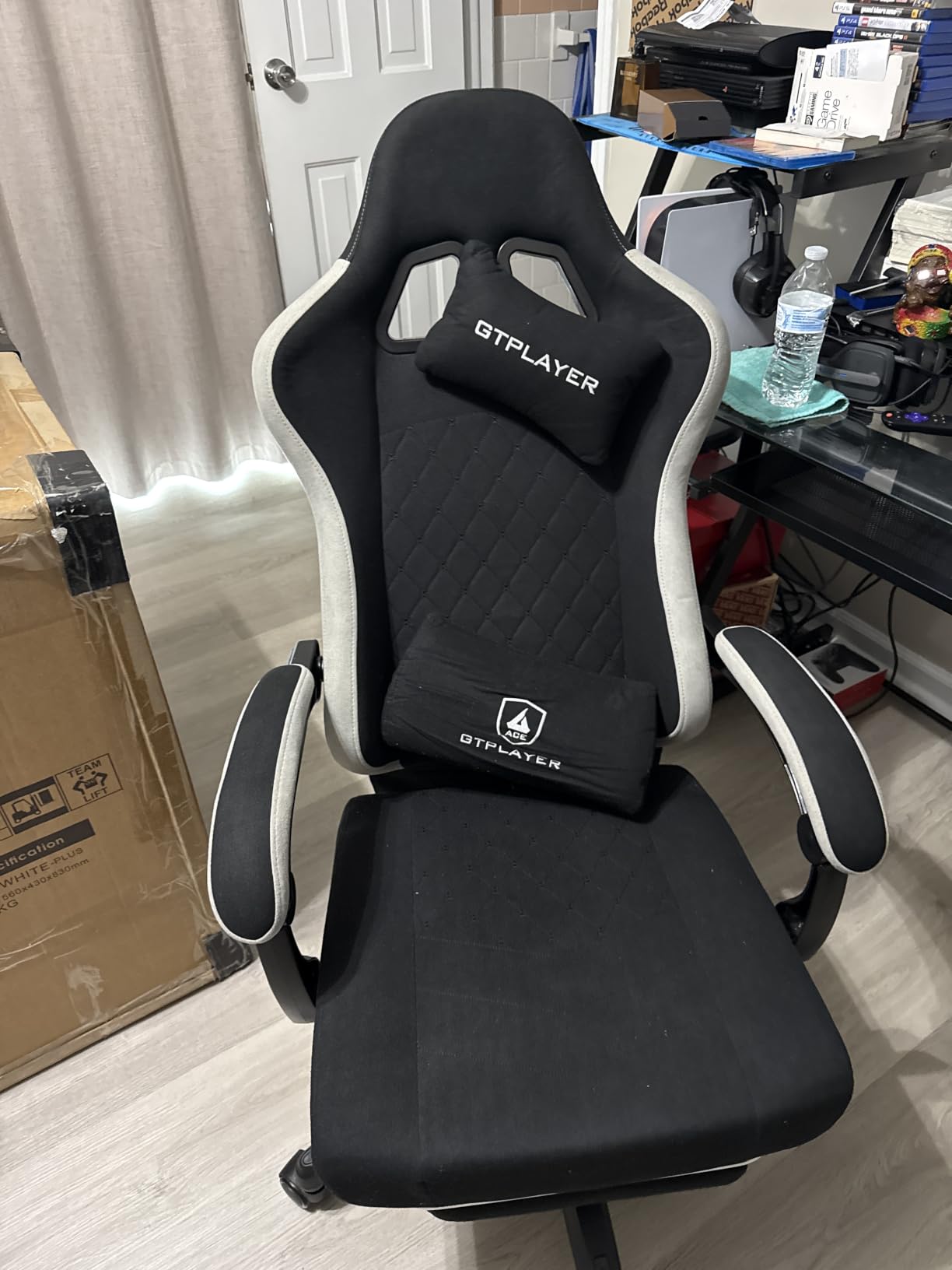
It is also the plainest-looking padded chair here, which makes it comfortable to leave in a room that is not exclusively a gaming space. A lot of people in the forums make exactly this point about chairs that look too costume-like to keep at a desk.
How it handles a warm room and a long evening
This is the chair I would choose if your setup is in a room that gets hot or you genuinely sweat during long sessions. The fabric moves air and does not hold heat the way a leatherette shell does, and the pocket springs keep the seat from turning into a warm pan.
Check the sizing before you commit. This is a standard-width frame rather than a big-and-tall build, so it is not a substitute for the two 400 lb chairs in this list, and the pocket spring seat is narrower at the front than the saddle models.
Where it falls down
The back and lumbar are softer than a dedicated task chair would be. If your back pain is structural rather than postural, softness is not what you want, and this is not the chair to fix it.
Owners also mention the leg rest hardware and mounting points look lighter duty than the rest of the chair, and some units arrived with the instructions missing. Check the box contents before you start.
6. Respawn 110 Pro Recliner – 155 Degrees With an Infinite Lock
Respawn 110 Pro Ergonomic Gaming Chair with Footrest and Recline
155 degree recline with infinite lock
275 lb weight rating
5 year warranty
46.3 lb chair weight
Pros
- 155 degree recline with an infinite angle lock
- Reinforced footrest on multi-point brackets
- Metal and wood construction with a heavy base
- Covered by a 5 year warranty
Cons
- Seat cushion is mediocre and the frame shows through
- Footrest is short and springy for full reclining
- Armrest foam compresses and can expose the fastener
- Recline can slip slightly and creak
The Respawn 110 Pro is one of only two chairs in this list with a genuine infinite angle lock. You set the backrest with a lever, it stays where you put it, and it goes back to 155 degrees. For gaming that means you can hold a laid-back position through a whole match instead of sliding to the bottom of the motion every ten minutes.
It is also one of the two chairs here with a five-year warranty, alongside the HOLLUDLE. For a chair with a recline mechanism and a footrest, that is the part most worth covering.
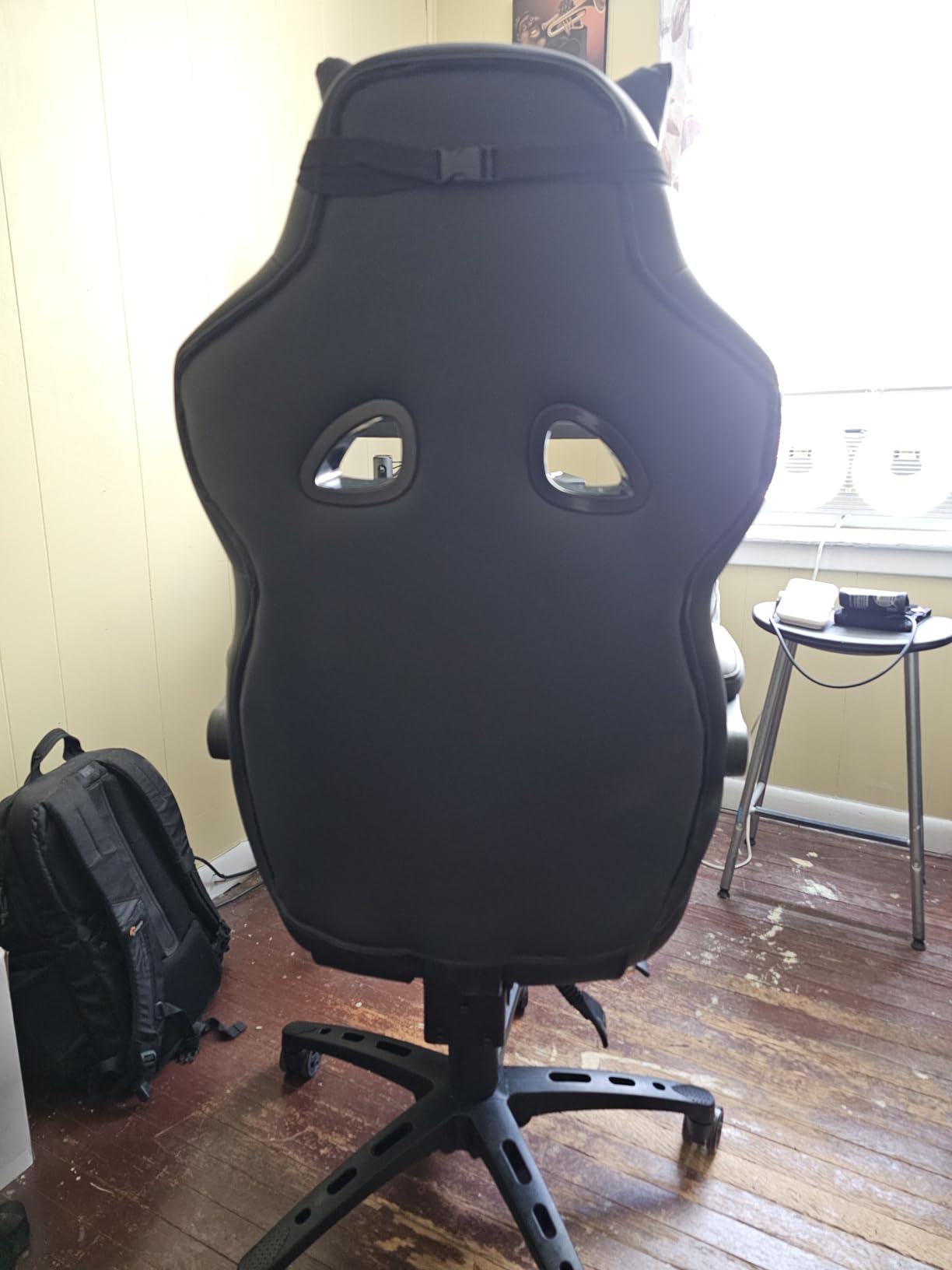
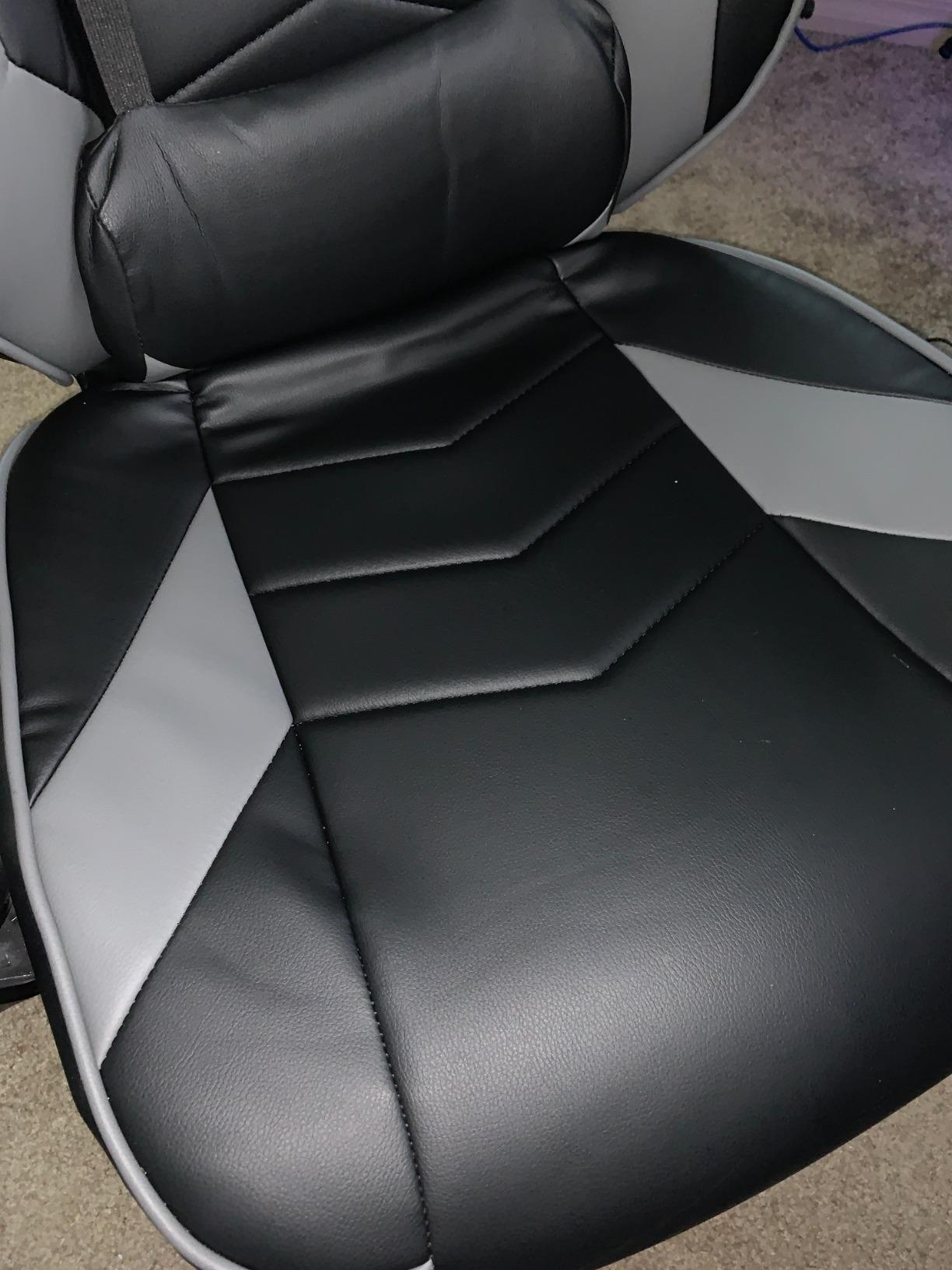
The bonded leather is soft and reads closer to real leather than the cheaper PU on most of these, and the build is metal and wood with a heavy base. There is tilt control and height adjustment on top of the recline, so the work posture is not sacrificed.
Assembly took me the better part of 45 minutes, which is the longest here, with labelled hardware and spare bolts in the box.
Why the infinite lock changes the gaming experience
Most budget gaming chairs have one lock, and it is at upright. That means every other position is a slow slide toward fully reclined, and the only way to stop it is to lean forward and fight the tension. Holding a specific angle through a long session is genuinely difficult on those.
Here you set it once. That is what makes the difference between a chair you can watch a film in and a chair that fights you.
Where it falls down
It has the lowest average rating of the twelve at 4.1, and the reason is consistent in the reviews: the seat cushion is mediocre and some people feel the hard frame underneath it. The footrest is also short and springy, better for sitting with your legs up than for a full recline.
Armrest foam compresses over time and can expose the fastener underneath, and owners warn that using the armrests to push yourself up out of a deep recline can damage the mechanism. Treat them as armrests, not as a handle.
7. HOLLUDLE Mesh Ergonomic Chair – Lumbar and Armrests That Actually Adjust
HOLLUDLE Ergonomic Mesh Office Chair – 3D Adjustable Lumbar Support & 3D Armrests, V-Shaped Back, Adjustable Desk Chair for Office & Home, White
3D adjustable lumbar support
3D armrests
3-level tilt lock
BIFMA and EN1335 certified
Pros
- Mesh back stays cool through a full workday
- Lumbar moves up
- down
- forward
- back and rotates
- 3D armrests with height
- slide and rotation
- 5 year warranty and BIFMA certification
Cons
- Assembly takes 20 to 30 minutes
- Seat cushion is firm and may not soften
- Runs small for taller users
- Headrest height is insufficient for some frames
Of everything here, the HOLLUDLE is the chair I would put behind a real desk job. It is a mesh-back task chair with a 3D lumbar support that moves up, down, forward, backward and rotates, and that single feature is the answer to almost every back complaint people describe in gaming chairs.
The armrests match it. They adjust in height, slide forward and back, and rotate, so you can bring your forearms to the keyboard, then swing them out of the way when you want the chair tucked under a desk. The headrest adjusts in height and rotation too, and the tilt locks at three settings.
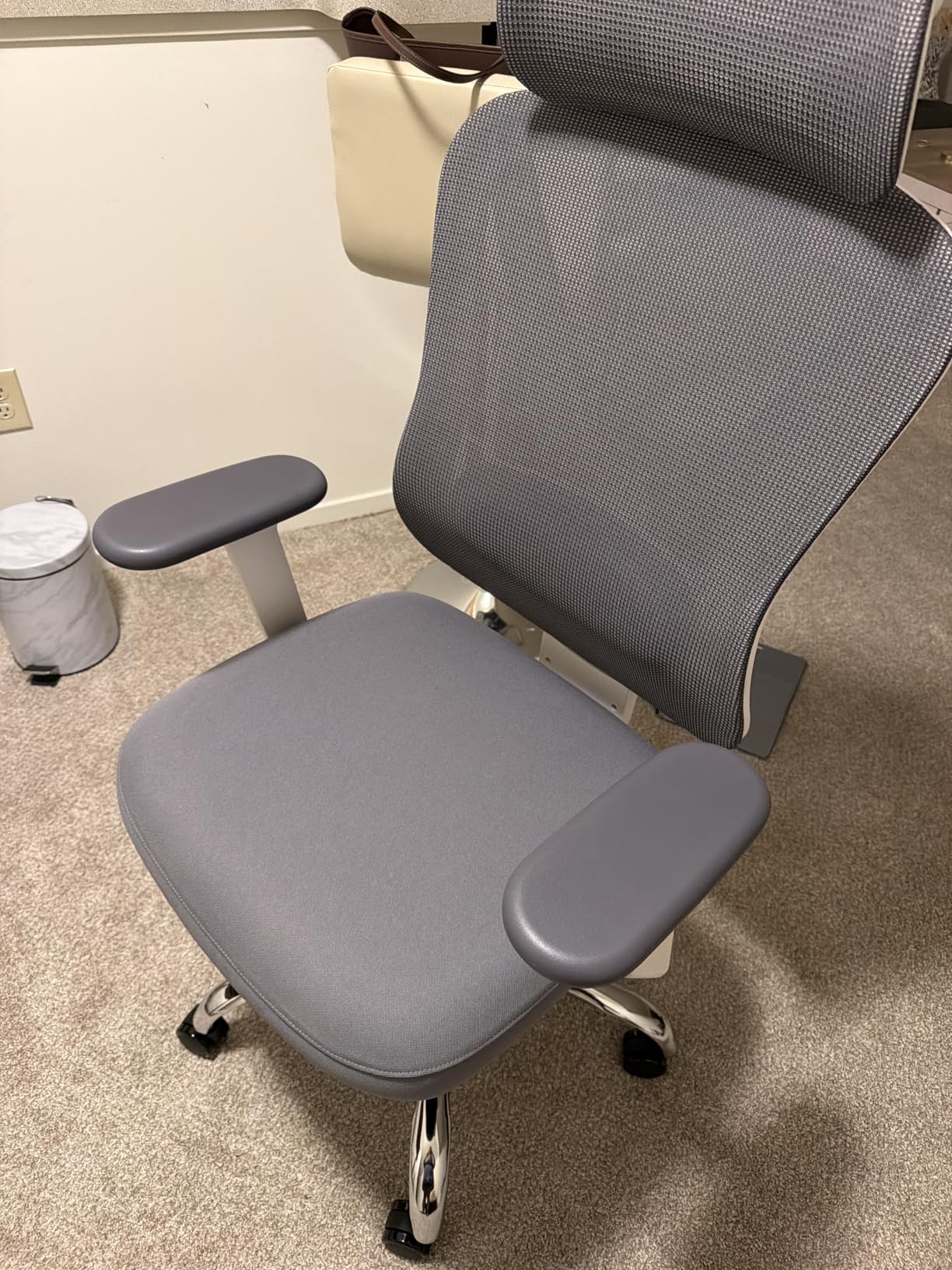
It is also certified to BIFMA and EN1335, with a base strength of 1136 kg and a 35 mm steel mechanism, which is a more meaningful durability signal than a warranty number alone. The warranty itself is five years, matched only by the Respawn in this roundup.
Assembly took around 25 minutes, which is more involved than the simpler padded builds. The base is nylon, the frame is metal, and the whole thing weighs 19.8 kg.
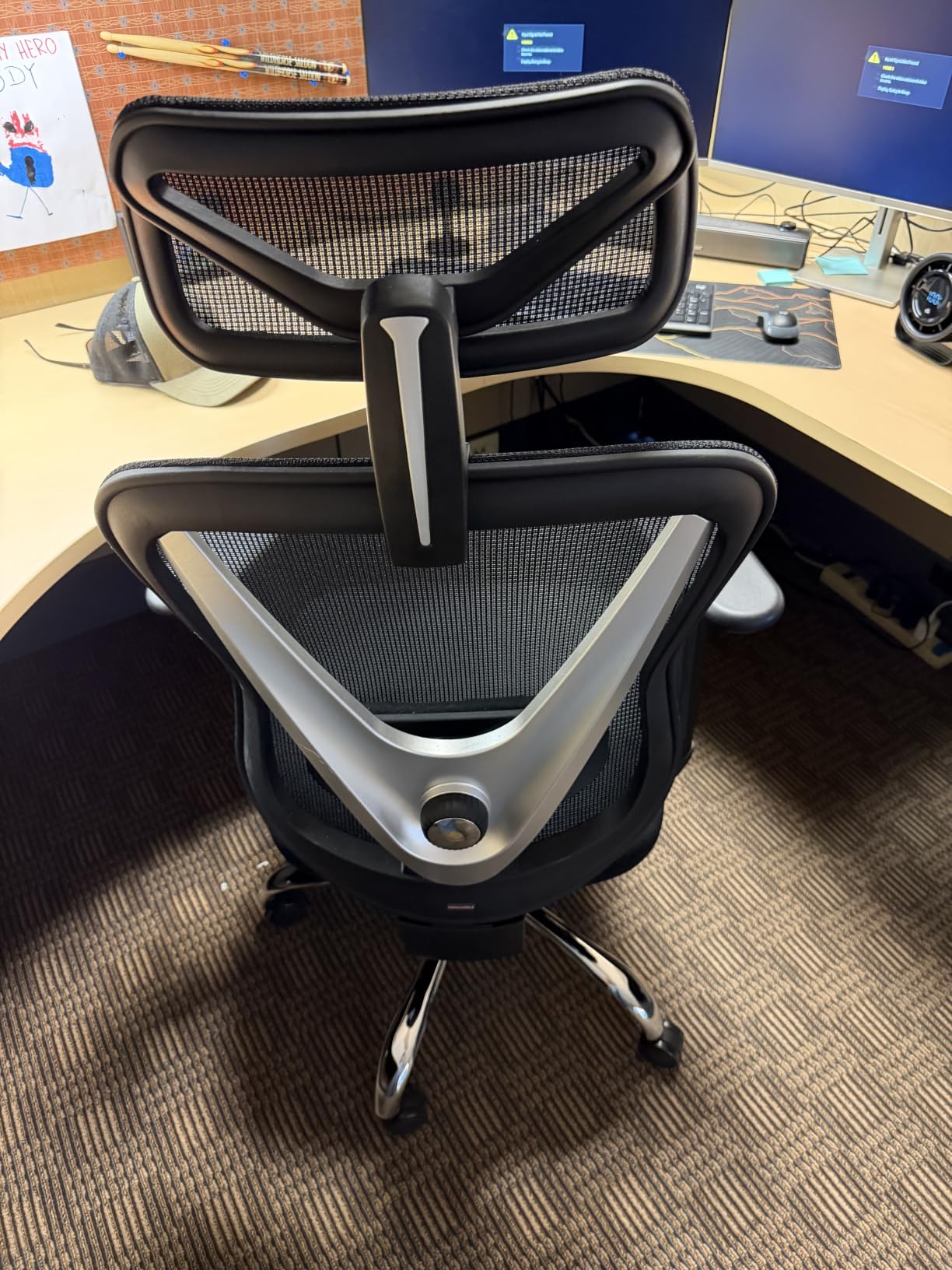
Why mesh changes an eight-hour day
Airflow is the whole argument. A mesh back moves air across your back rather than sealing it against a foam panel, and over eight hours that is the difference between comfortable and warm. If your room gets hot or you run warm, mesh is not a nice-to-have.
The lumbar adjustment range is what keeps it working across different bodies. A lumbar you can raise is a lumbar that fits a taller back, and a lumbar you can push forward is a lumbar that meets a deeper curve. Fixed pillows do neither.
Where it falls down
It runs small for taller users. Owners at six foot one report the seat does not support the legs well, which is the usual trade for a chair that prioritises a compact frame and a light build. The seat cushion is also on the firm side and reviewers do not expect it to soften.
There is no real recline. The three-level tilt lock gives you lean-back positions for a break, but this is a work chair that tolerates gaming, not a recliner that happens to be good at spreadsheets.
8. N-GEN Gaming Chair with Footrest – Recline That Locks Anywhere
N-GEN GAMING Gaming Chair with Footrest, Lumbar, High-Back, All Black
Recline 90 to 135 degrees, locks at any angle
Linkage armrests
SGS-certified gas lift to 300 lb
37.5 lb chair weight
Pros
- Top-rated at 4.5
- joint highest in this roundup
- Recline locks at any angle up to 135 degrees
- Linkage armrests stay level when reclining
- Solid quiet base with a 300 lb rating
Cons
- Footrest attaches at a single point and flexes
- Lumbar pillow can be too thick and firm for some
- Padding is thin and shows wear after a year of heavy use
- Back support fades and the recline can creak over time
It shares the highest average rating in this roundup, 4.5, and the reason is not the padding. It is the recline. Where most chairs in this bracket give you a single lock position, this one holds at any angle you set between 90 and 135 degrees.
The armrests are linked to the backrest as well, so they follow you down. A recline that stops where you ask, with elbows that stay level, is the most complete answer to reclined gaming in this list at a price well below a premium task chair.
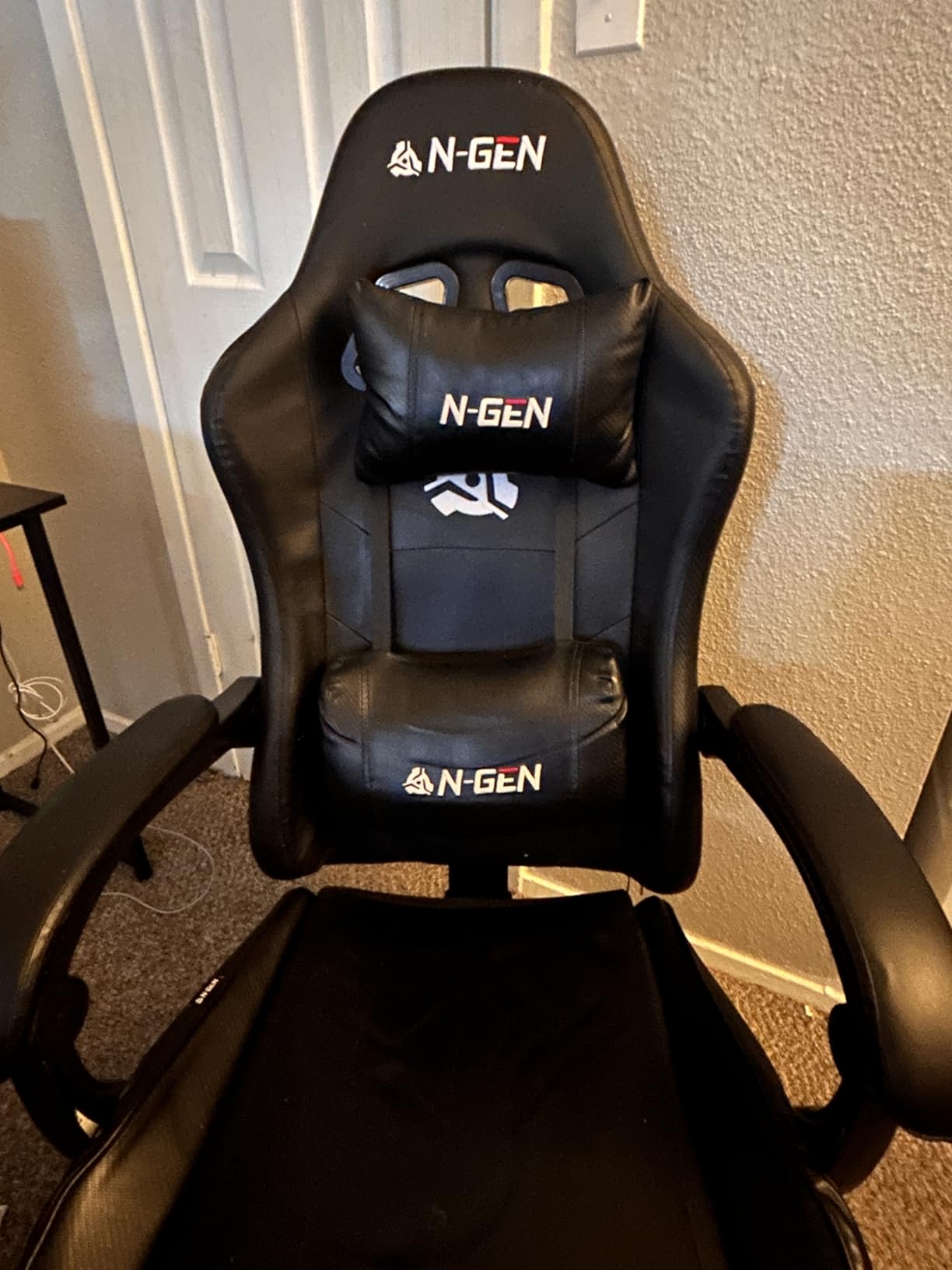
Underneath it is an SGS-certified gas lift, a nylon base and a rust-resistant steel frame rated to 300 pounds. The cushions are foam under faux leather, with a footrest that retracts into the base, and the whole chair weighs 37.5 pounds.
Assembly is a ten to thirty minute job with clearly labelled instructions. Customer support also replaced a damaged pair of armrests for one owner, which is worth knowing about for a chair whose armrests are the feature you are buying it for. The one-year warranty is the shortest in this roundup, which is the trade for those linked armrests.
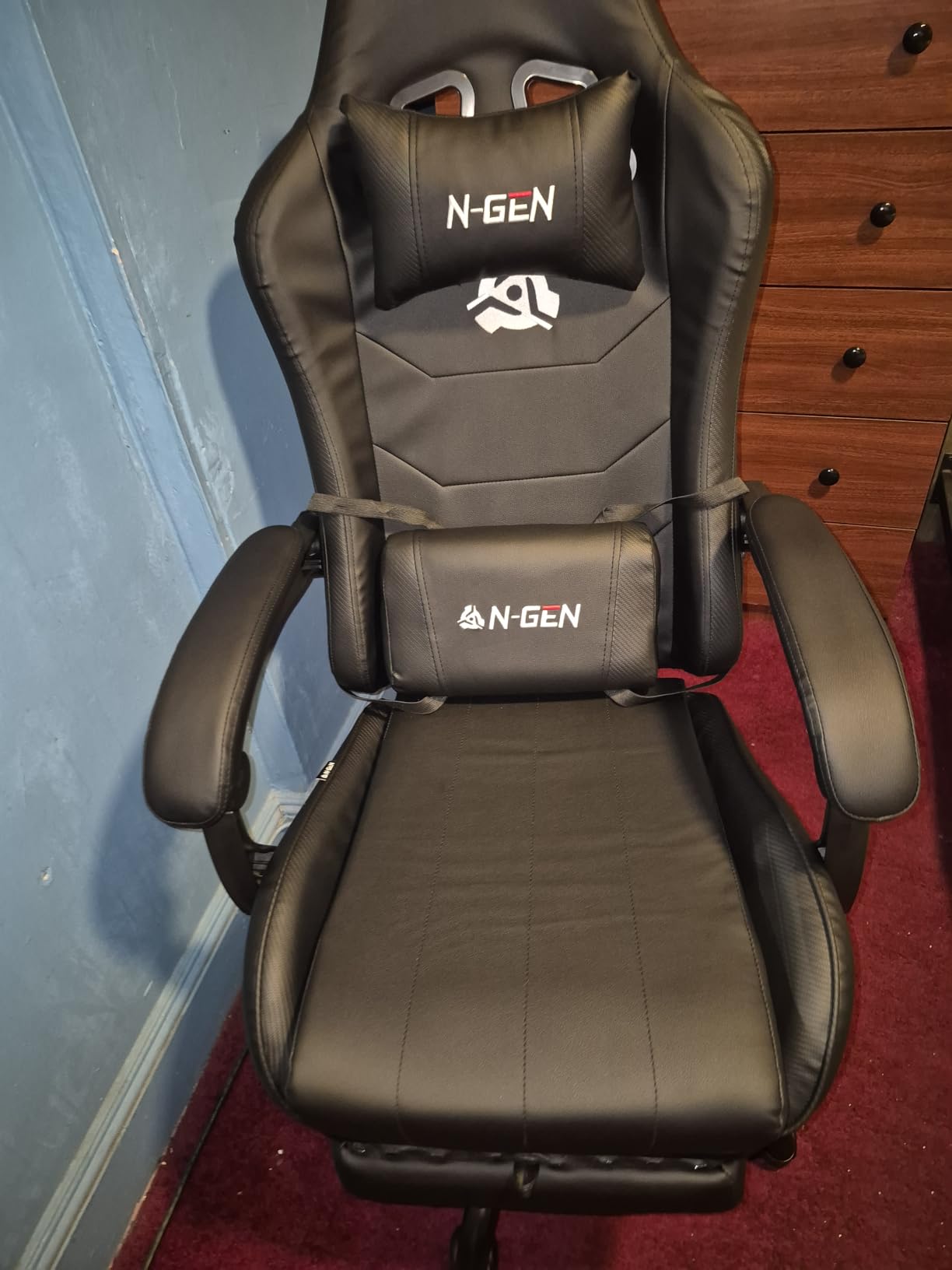
How the linked recline feels over a long session
It is the version of reclining that suits a work-and-gaming desk. You can drop to 120 degrees for a match, come back up to 100 for a call, and both positions are stable. The lumbar cushion and head pillow are there when you want them and do not force the recline.
The wing back and adjustable seat height make it work upright too. It is not as refined as a mesh task chair for typing, but it is a credible 8-hour seat and a very good evening seat.
Where it falls down
The footrest is a single-point mount and flexes under weight, which is the most common complaint after the durability notes. The lumbar pillow is also described as too thick and firm for some users, and both cushions are held on by visible straps.
On longevity, owners report visible wear and cracking after about a year of heavy daily use, with the back support fading and the recline beginning to creak. Treat it as a chair to enjoy rather than one to keep for a decade.
9. COMHOMA Big and Tall Wide Chair – A Wider Seat and Backrest
COMHOMA Big and Tall Office Chair Heavy Duty Wide Ergonomic Gaming Chair with Deluxe Embossing Designed Leather with Foot Rest,150°Reclining Adjustable Armrests Pocket Spring Back Support and Pillow
400 lb weight capacity
Built-in pocket spring lumbar
150 degree recline
Integrated footrest
Pros
- Generously wide seat and backrest for larger frames
- Pocket spring back support feels soft for the price
- Height-adjustable armrests suit different body shapes
- Embroidered cover looks more upscale than typical budget chairs
Cons
- Footrest and recline add bulk for a desk setup
- Saber leg base is less adjustable than a standard five-star base
- Handmade construction means slight variation between units
- Faux leather feels warm over long sessions
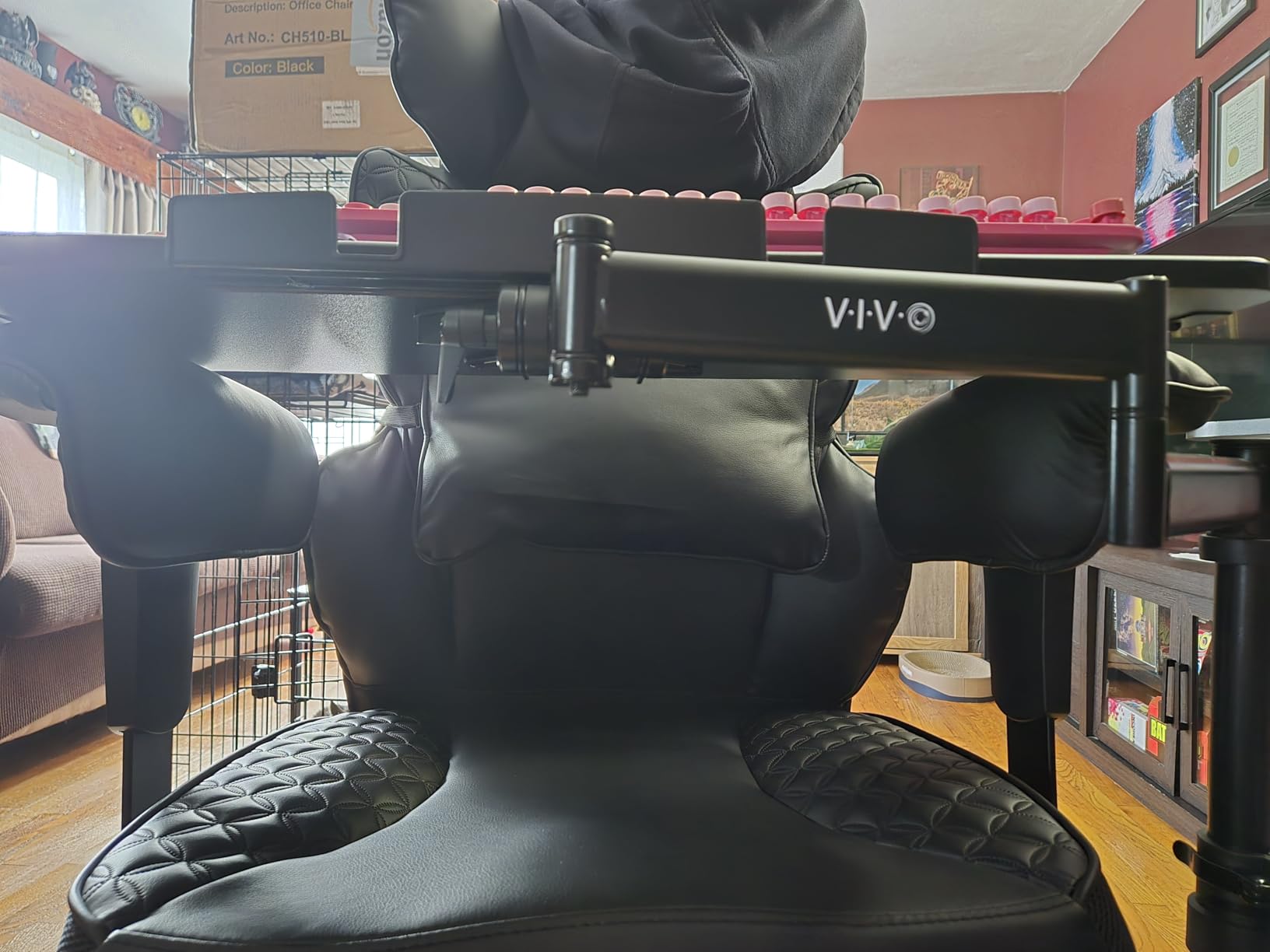
The COMHOMA is bought for size, and reviewers with larger builds are specific about why. The seat is genuinely wide rather than merely long, the backrest is broad, and the rating is a real 400 pounds rather than an optimistic figure on a small frame.
Under the faux leather is memory foam with a built-in pocket spring lumbar, and the backrest reclines to 150 degrees with height-adjustable armrests and an integrated footrest. The whole thing is 44 pounds, which is heavy, and that bulk is the reason it is not on everyone’s shortlist.
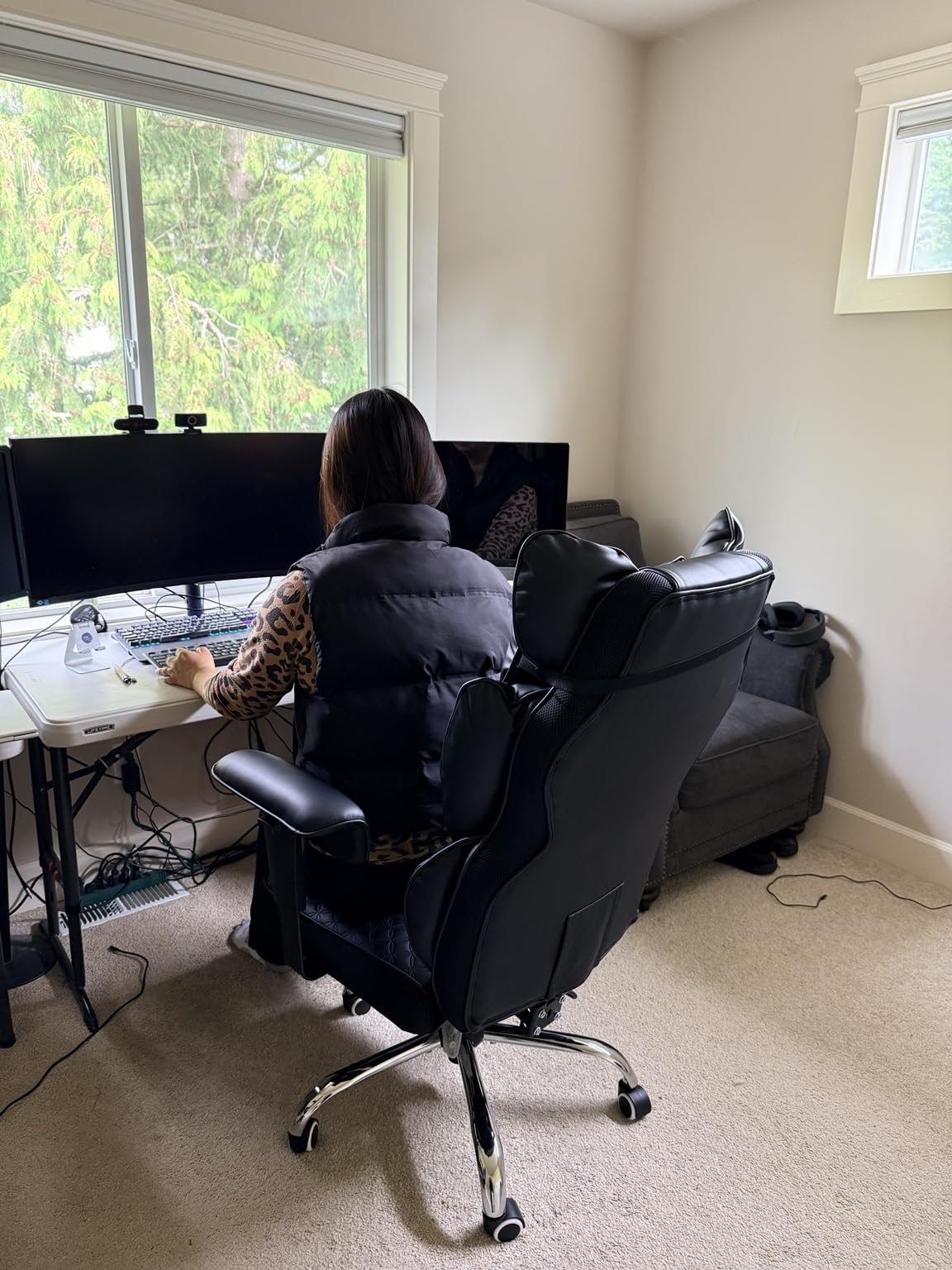
Assembly takes 20 to 30 minutes and the warranty is 12 months, which is the shortest of the warranty terms here. The embroidered cover is a nice touch: it reads as a more considered piece of furniture than the usual stitched racing pattern.
Warranty aside, the construction is straightforward metal with memory foam fill, and the base design is a saber-leg style rather than a conventional five-star base.
When a bigger seat is the whole point
Most complaints about gaming chairs trace back to a seat that is too narrow. If you have ever bought a chair that felt fine in a showroom and cramped after an hour, this is the pick that addresses it directly, alongside the GTPLAYER 400 lb model earlier in this list.
The pocket spring lumbar is softer than a mechanical one, and for a bigger frame the width of the contact area matters more than how hard it pushes.
Where it falls down
Bulk is the trade. The footrest and recline hardware add weight and footprint, which is a problem in a compact home office where you have to move the chair to get past it. Our picks for small spaces handle that better.
Because the chairs are handmade, owners report slight variation between units. The saber base is also less adjustable than a standard five-star base, and the faux leather runs warm over long sessions.
10. Homall Footrest and Massage Lumbar Chair – Footrest Plus a Vibration Lumbar
Homall Gaming Chair, Ergonomic, Footrest & Massage Lumbar Support, White
Massage lumbar pillow
Pull-out footrest
135 degree recline
330 lb BIFMA-certified base
Pros
- Footrest and a vibration lumbar module in one chair
- Reclines to 135 degrees for breaks between sessions
- Flexible headrest helps with a head-down posture
- Parts are clearly labelled for quick assembly
Cons
- Massage module adds bulk inside the lumbar pillow
- Seat depth is short at 18.5 inches
- Footrest and recline hardware add weight and movement
- Not as supportive as a mesh chair for a full work day
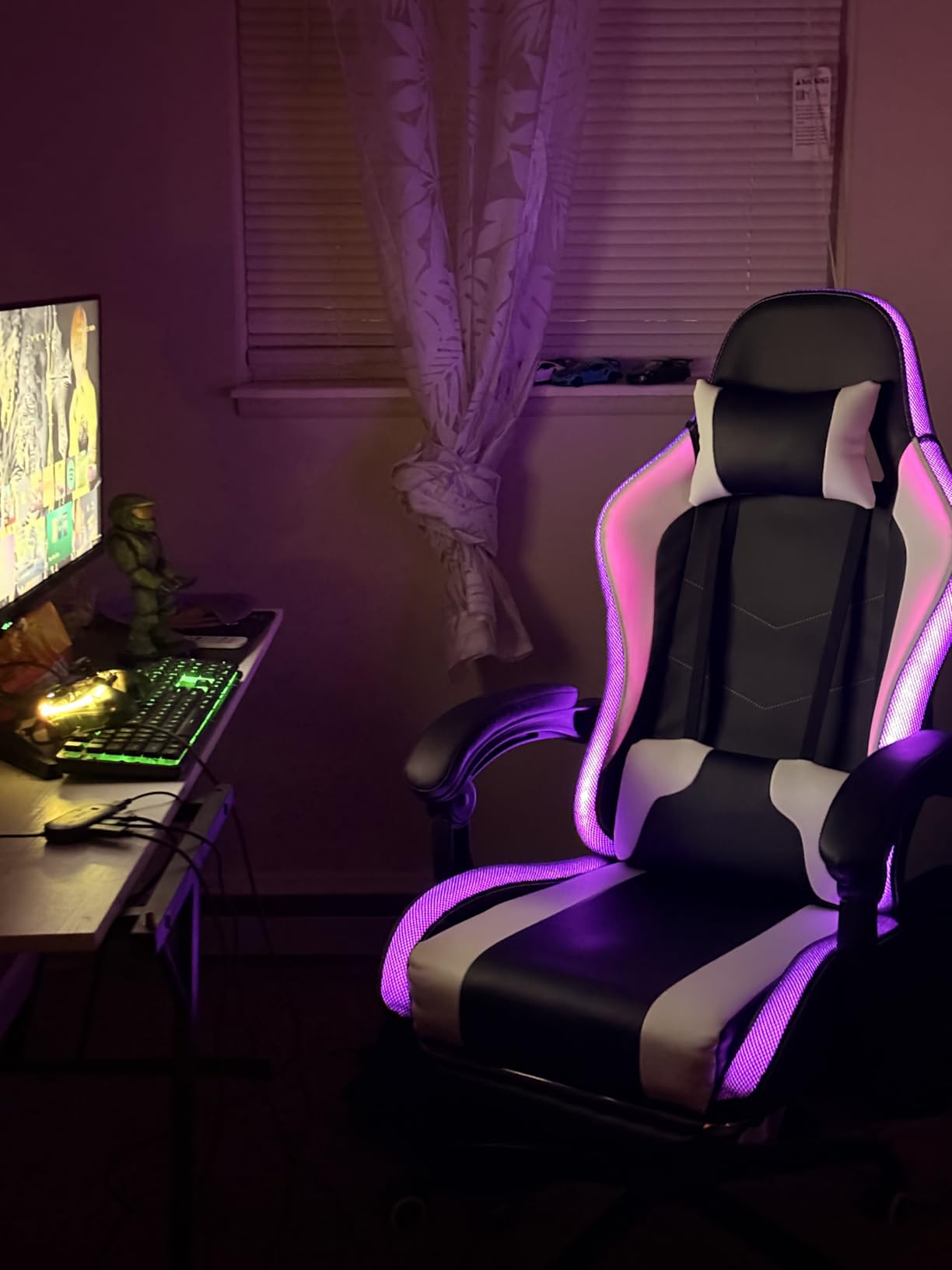
This Homall is the feature-maximising option in the padded group. It has a pull-out footrest, a lumbar pillow with a built-in vibration module, a flexible headrest and a 135 degree recline, and it does all of that on a 330 pound BIFMA-certified metal base with a Class 3 gas lift.
The massage function is the one thing here you will not find on most of the other picks. Whether it helps is a personal question, but owners with back problems tend to be the ones who rate it highest, and it is a reasonable proxy for the back support being thicker and more present than a plain pillow.
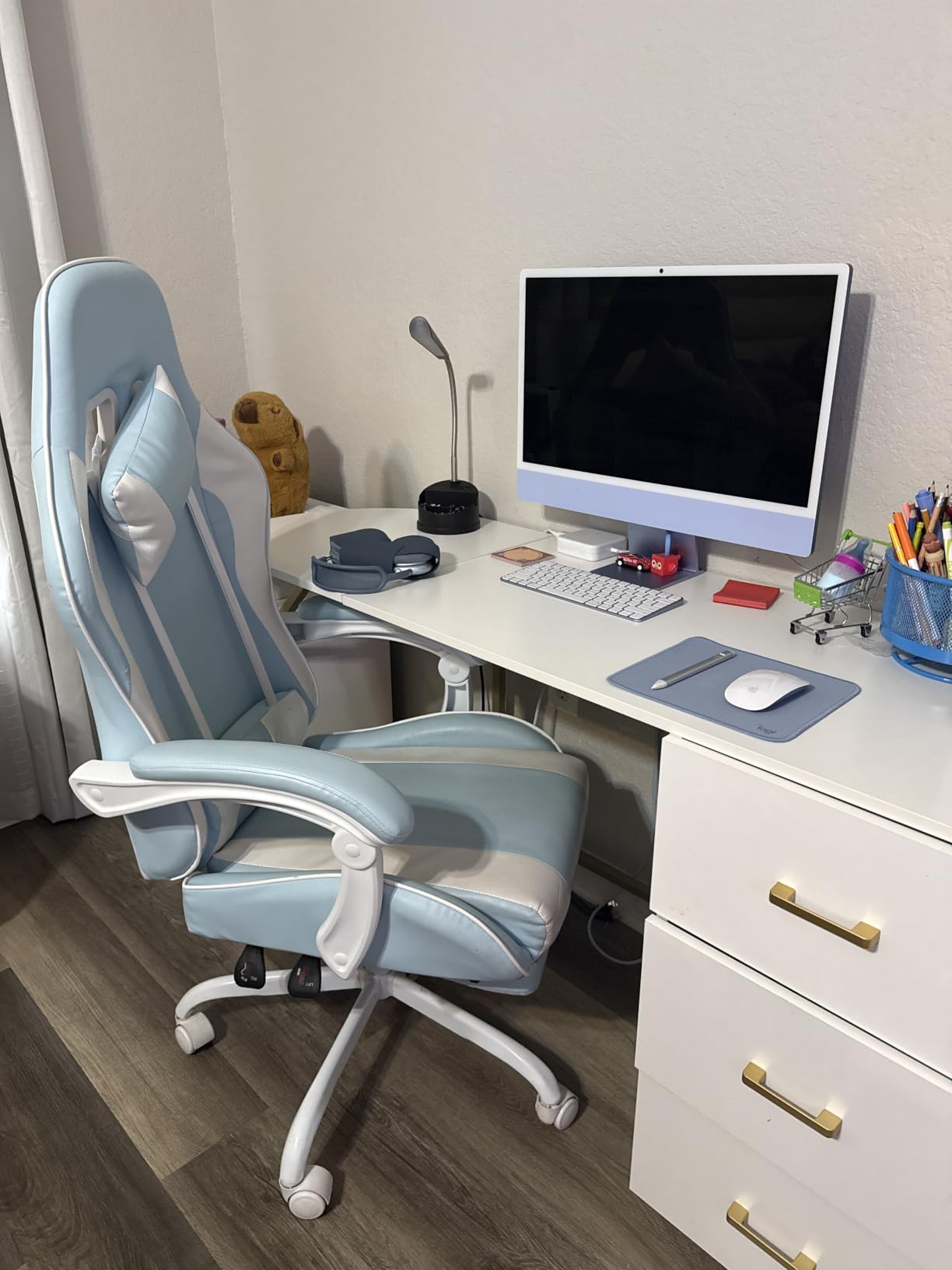
The footrest pulls out to 29.6 by 13.4 inches. Assembly is quick because the parts are clearly labelled, and the PU leather wipes clean.
It weighs 39.7 pounds, with a 19.7 inch seat width and an 18.5 inch seat depth. That last number is the one to check before you buy.
How a footrest changes a desk setup
For shorter users, a footrest solves leg support without a separate accessory. For anyone reclining, it stops your feet dangling, which is a small thing that makes a big difference to how long you can stay back in the chair.
The flexible headrest is also worth more than it sounds. It moves with the angle of your neck rather than sitting as a fixed block, which matters if you habitually look down at a screen while reclined.
Where it falls down
The seat depth is 18.5 inches, which is short. If you have long legs you will feel the front edge pressing behind your knees during work hours, and this is a work-first limitation more than a gaming one.
The massage module makes the lumbar pillow noticeably bulkier, and the footrest and recline hardware add weight and movement to a chair you also need to push back under a desk. Reviewers are also clear that it is not as supportive as a dedicated mesh chair across a full day.
11. Sweetcrispy Flip-Up Arm Desk Chair – Built for a Small Room
Sweetcrispy Computer Gaming Desk Chair – Ergonomic PU Leather with Comfy Lumbar Support, Height Adjustable Rolling Desk with Flip-up Armrests, for Home and Office
92 degree flip-up armrests
Height 18 to 22 inches across 5 positions
30 lb chair weight
Rocking mode 90 to 122 degrees
Pros
- Armrests flip up so the chair slides under a small desk
- Light at 30 pounds and easy to move between rooms
- Silent multi-gimbal casters that protect the floor
- Hollowed-out back looks modern rather than overtly gamer
Cons
- Mid-back design gives less lumbar support than high-back chairs
- Limited recline range compared with racing-style chairs
- PU leather feels warm over long periods
- Two-tone colour scheme will not suit every setup
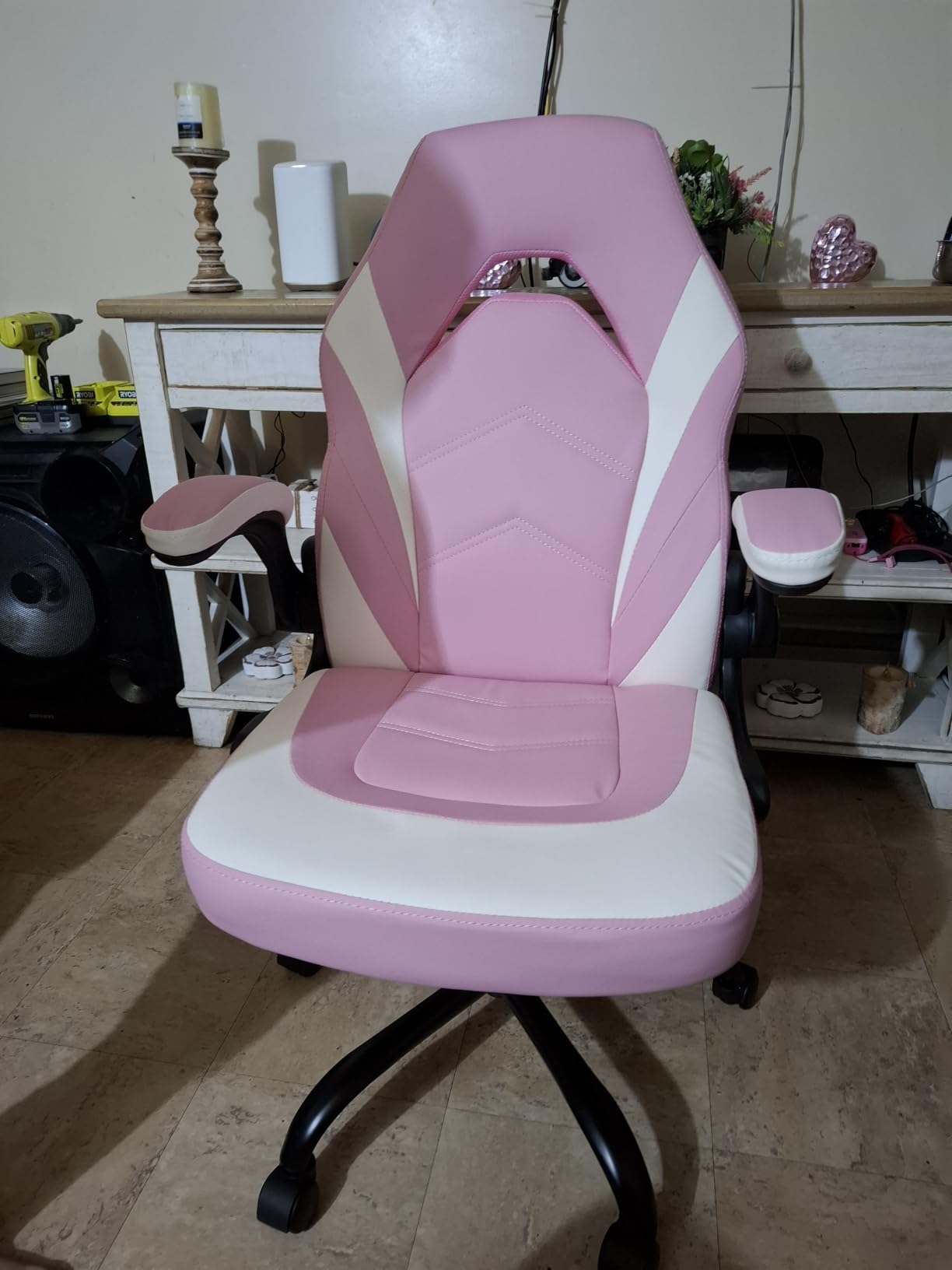
Most of the space problem with a home office chair is the armrests. They stick out, they hit the desk edge, and you end up typing with your arms raised. The Sweetcrispy flips its armrests up through 92 degrees so the whole chair slides under a small desk, which is a genuinely useful trick in a compact room.
It is also only 30 pounds, which makes it the lightest chair in this roundup, so moving it between rooms and shifting it out of the way of a bed or a door is easy. Installation takes about 17 minutes, among the fastest of the twelve.
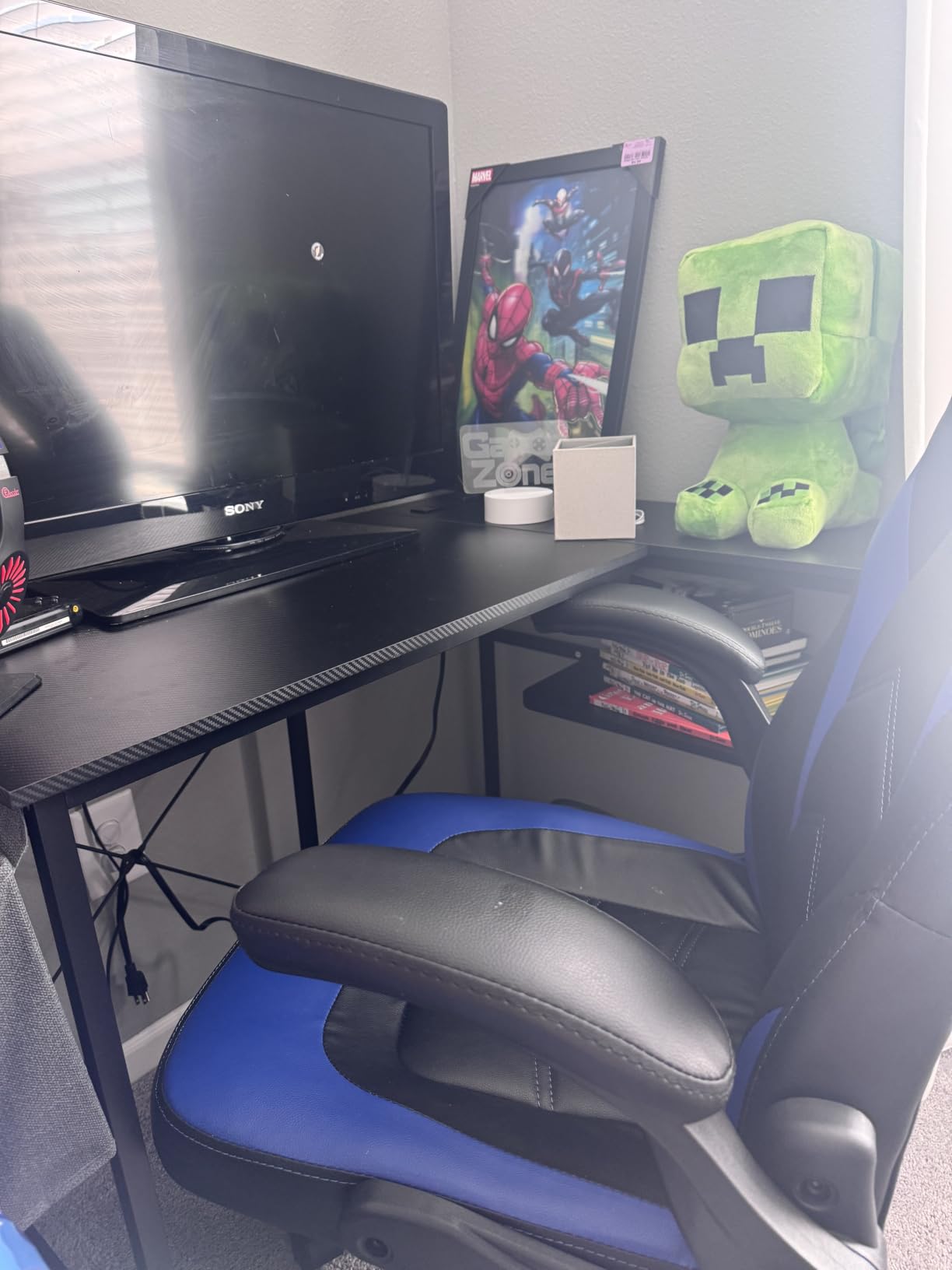
The seat is a thick, slightly concave PU leather cushion that follows the hip curve, and the chrome-plated metal base is rated to 275 pounds. Height adjustment runs from 18 to 22 inches across five positions, which is a wider range than most chairs at this level manage.
The casters are multi-gimbal and swivel through 362 degrees, and reviewers specifically mention they roll quietly and do not mark the floor. Rocking mode runs from 90 to 122 degrees, activated by a knob under the seat.
When flip-up arms matter more than lumbar support
They matter when your desk is small, deep in a room, or shared with a monitor arm that already takes up depth. At 275 pounds it also carries one of the higher load ratings among the padded chairs here.
Its second use is a client-facing room or a video call setup. The hollowed-out back and two-tone grey finish look more like a normal office chair than a gaming one.
Where it falls down
It is a mid-back chair, and the lumbar support is correspondingly modest. If you already have lower back pain, this is not the chair that fixes it. The recline range is also short, topping out at 122 degrees.
PU leather runs warm over long periods, so the same heat caveat applies here as to the other leatherette models. It is a compact desk chair first and a gaming chair second.
12. Marsail Mesh Task Chair – Most Adjustable Lumbar in the Mesh Group
Marsail Ergonomic Office Chair: Office Desk Chair with High Back Mesh and Adjustable Lumbar Support Rolling Work Swivel Task Chairs with Wheel 3D Armrests and Headrest
Lumbar adjustable forward, back, up and down
3D armrests that flip up
330 lb capacity
3.14 inch foam seat
Pros
- Lumbar moves on four separate axes for a precise fit
- 3D armrests slide
- swivel and flip up under a desk
- Mesh back keeps airflow good in warm rooms
- Still comfortable and supportive after a year of daily use
Cons
- Recline is a rocking motion with a tension knob
- not a true recline
- Headrest pushes the head slightly forward
- PU armrest padding wears with friction over time
- Seat cushion softens and loses support after extended use
The Marsail is the mesh task chair here with the most finely adjustable lumbar. It moves 1.18 inches forward and back and 2.16 inches up and down, which is a small number on paper but a real difference in practice when you are trying to hit a specific curve on a specific back.
The armrests are 3D as well. They slide forward and back, swivel, and flip up so the chair goes under a desk. Combined with a breathable mesh back and a 2D headrest, this is a properly adjustable work chair at a price that sits closer to the padded models than to the other mesh options.
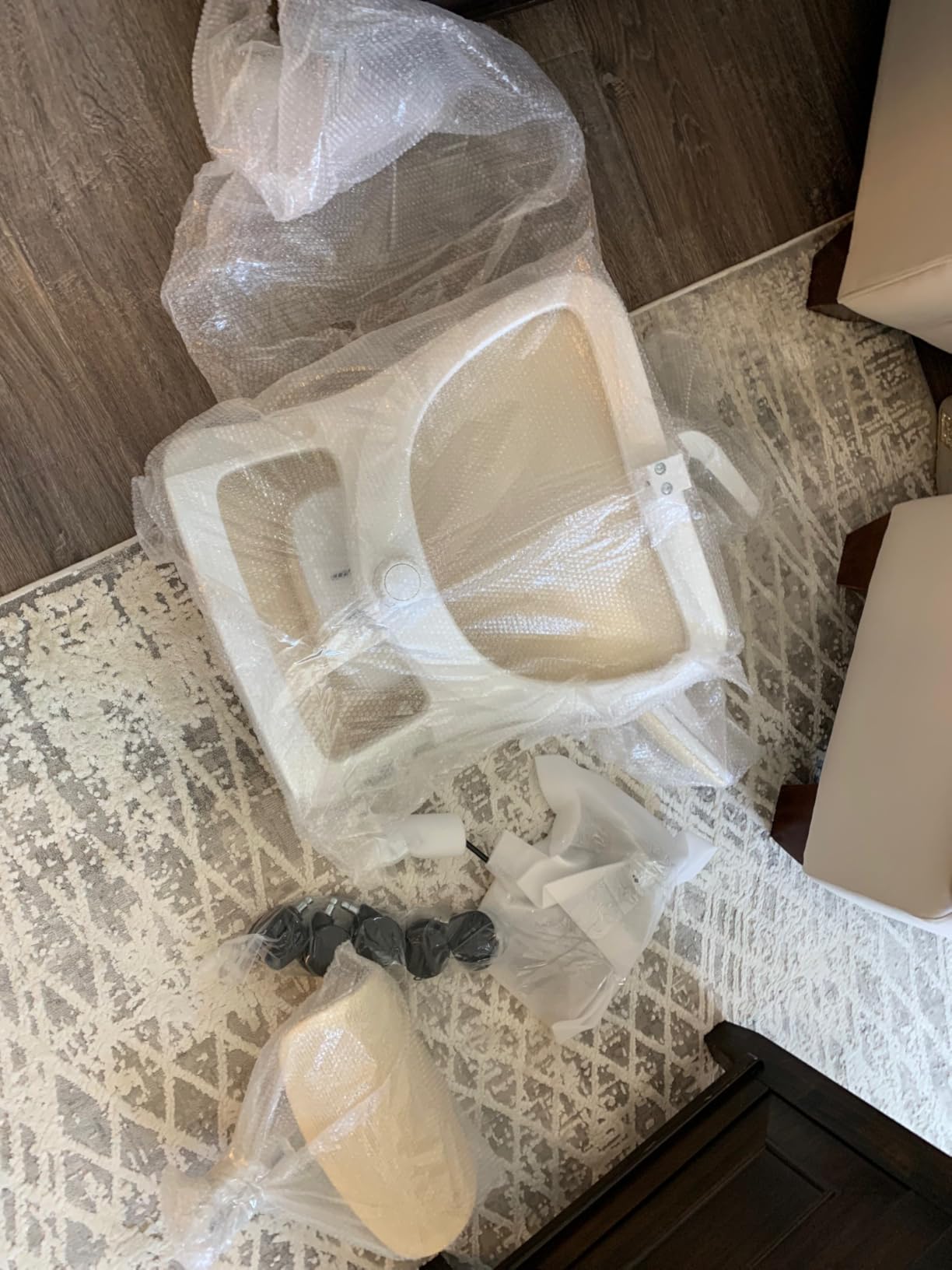
The seat is 3.14 inches of high-density foam with a 330 pound weight capacity, which is a strong rating for the money. Owners report it still feels supportive after a full year of regular use, and that the packaging uses bubble wrap rather than loose polystyrene, so it arrives undamaged.
It weighs 30.4 pounds with a nylon base and metal and plastic frame, and the back reclines from 90 to 120 degrees. If you sit on carpet, the roller type matters more than the chair, and our mesh chair guide covers that choice in more detail.
Why four-axis lumbar beats a fixed pillow
A lumbar support that only pushes forward is a lumbar support you either tolerate or do not. Adding height adjustment solves the fitting problem for different torso lengths, and adding depth solves it for different curves. Once you have both, you can set it once and forget about it, which is exactly what an eight-hour workday requires.
The mesh back also keeps the chair from becoming the warmest seat in the room, which is the other half of the comfort equation over a long afternoon.
Where it falls down
There is no true recline. It rocks from 90 to 120 degrees with a tension knob, which is fine for a break between calls and wrong for a laid-back gaming posture. If evening gaming in a reclined position is half your use case, the linked-recline chairs above serve you better.
The headrest pushes the head slightly forward, PU armrest padding wears with friction over time, and the seat cushion softens and loses some support after extended use. One armrest lock on some units also gives up quickly.
How to Choose a Chair for Both Work and Gaming
A chair built for two jobs has to satisfy two postures, and every criterion below exists because of one of them.
Lumbar support: adjustable beats fixed. This is the single most important spec on the list. Look for a lumbar that moves in height at minimum, and in depth if you can. A pillow that bolts to the backrest at the factory is a fixed lumbar by another name, and it is why so many gaming chairs leave taller users with a gap in the small of the back.
Armrests: count the axes. Height only is the bare minimum. Slide and swivel are what stop your wrists and forearms taking the strain during a typing block, and flip-up arms are what let the chair go under a desk. A chair with 3D or 4D armrests will outlast one with 2D arms almost regardless of everything else.
Recline: locks matter more than range. A chair that rocks to 155 degrees but locks at only two points is less useful than one that reaches 135 degrees and locks anywhere in between. If you game, you want a lock you can set once. If you work, you want a tilt you can hold at 100 degrees for a call.
Seat height and your desk height. Gaming desks are frequently taller than office desks, which changes the range you need. Measure the underside of your desk and check that the chair’s lowest setting still lets your feet sit flat. The Sweetcrispy publishes a range of 18 to 22 inches across five positions, which is the most usable spread listed here, while the Homall high back runs 17.3 to 21.5 inches.
Weight capacity is not the same as seat size. These get conflated constantly. A 400 pound rating on a narrow seat still leaves a broad user cramped, and a roomy chair with a 250 pound rating still fits a lot of people perfectly. Check both, plus the seat depth, against your own frame.
Seat depth and long legs. You want roughly two to three fingers of clearance between the front edge of the seat and the back of your knee. The Homall massage-lumbar chair is the clearest example in this list of a chair that runs short at 18.5 inches of depth, and for taller users that becomes uncomfortable fast.
Warranty as a longevity proxy. A five-year warranty on a recline mechanism and a footrest tells you the manufacturer expects the moving parts to survive a normal working life. A one-year warranty on the same parts tells you they expect you to replace them sooner. Weight it accordingly, especially for footrest chairs where the footrest is the first thing to go.
Casters and your floor. Hard casters roll fine on hard floors and gouge carpet. If you are on carpet, fit rubber or soft wheels. Nylon wheel hubs can also stretch over time so the stem pushes through and scratches the floor, which is a common complaint in the forum threads about cheaper bases.
Assembly. Reported times range from about 10 minutes on the BestOffice to roughly 45 on the Respawn. Longer builds are not necessarily worse, but if you are furnishing a room on a deadline, the flip-arm and fixed-leg designs are quicker to put together and to move afterwards.
One route worth considering before you spend: a used premium task chair. The recommendation that comes up most often in mixed work-and-gaming discussions is a second-hand Steelcase Leap V2 fitted with a headrest, because it gives you a recline that locks and a lumbar you can dial in for far less than a new chair at the same tier. Check the gas lift and the armrest pads for wear before you commit.
That used route comes up because of what the market does not offer. Retailers sell racing-style chairs and high-end task chairs, and the interesting middle tier, where a task chair gains a real recline and a footrest, is thin. A used chair also lets you try a much higher tier than you would buy new, which is why it keeps appearing in the same discussions as the best budget route to premium ergonomics.
A few final criteria that never make it onto a spec sheet. Can you reach the tilt tension knob from your seat without standing? Can you adjust the lumbar with one hand while sitting in it? Does the chair have a headrest that moves rather than one that is bolted on? Those small things are what decide whether a chair is still comfortable in year three.
Mesh vs Faux Leather vs Fabric After Hour Four
Upholstery is where comfort quietly decides itself, and it is the difference most visible by hour four of a long day.
Mesh moves air across your back and does not hold heat. It suits warm rooms, long workdays and anyone who runs hot, and it wipes clean. The trade-off is a firmer feel, some flex in the frame, and the concern that cheaper mesh can feel flimsy. If you want a longer guide on the under-three-hundred bracket, our mesh office chair picks cover it.
Faux leather looks the most like a dedicated gaming chair, wipes down after a spill, and feels soft in the first thirty minutes. It is also the material that traps heat and, in some listings, odour, and it is the one that peels with regular long-term use. Choose it for looks and cleaning, not for a warm room.
Quilted fabric sits between the two. It breathes better than leatherette, is softer than mesh, and resists peeling, but it does not wipe as easily after a drink goes over. The GTPLAYER pocket spring chair is the clearest example of the compromise working well.
If you over-weight practicality, mesh wins. If you weight appearance and easy cleaning, faux leather wins. If you sit in a warm room and dislike the feel of mesh, quilted fabric is the middle path.
One caveat on the fabric option. Fabric is the hardest of the three to clean after a spill, and in a home office that is where keyboards, mugs and snacks live. If you eat at your desk regularly, a wipe-clean surface is worth a warmer seat; if you do not, airflow wins every time.
It is also worth noting what does not change your comfort much. Stitching, embroidery and panel pattern are cosmetic. They do not affect how a chair feels over a long session, and paying more for them is paying for looks.
How to Sit at Your Desk and Take Better Micro-Breaks
No chair fixes a bad posture held for eight hours. A short setup routine and a movement habit will do more than any model on this list.
1. Set the seat height so your thighs are roughly parallel to the floor and your feet sit flat. If your feet dangle, raise the chair and add a footrest.
2. Adjust the lumbar so it sits in the curve of your lower back rather than pushing you forward. If you cannot reach the position you need, that chair is the wrong height for your back.
3. Bring your shoulders back. If the armrests force your shoulders forward, slide or lower them until they support your forearms with relaxed shoulders.
4. Put the monitor at the top of the screen at or just below eye level, about an arm’s length away, so you are not looking down all day.
5. Keep elbows near your sides at roughly 90 degrees when typing, with wrists neutral rather than bent upward.
6. Let your feet and legs move. A chair with a footrest or a 360 degree swivel lets you change position without standing up, and position change is the point.
7. Stand every 30 to 60 minutes. This is the single highest-return habit, and it costs nothing. A minute of walking or a few hip hinges beats any amount of sitting more correctly.
8. For gaming, drop the recline to a position where your head is still supported and your feet reach the floor or the footrest. Reclining past the point where you have to hold your own head up puts the load on your neck instead of your back.
If your back pain is sharp, travels down a leg, or wakes you at night, the chair is not the answer. See a clinician.
One cheap fix worth knowing about, if you are stuck with a chair that has no lumbar adjustment at all: roll a small towel and place it in the curve of your lower back. It is not a substitute for a four-way lumbar, but it holds a neutral curve through a typing block while you decide whether to replace the chair.
For sizing, the numbers that matter are seat height range, seat width, seat depth and weight capacity, and you should check all four against your desk. Our heavy-user chair guide covers the capacity side, while our leather office chair picks cover the finish side for rooms where appearance matters.
Frequently Asked Questions
What is the best gaming chair for office work?
The best chair for both work and gaming is a task-style chair with an adjustable lumbar, armrests that move in more than one axis, and a recline that locks at the angle you set. Among the picks here, the Homall high back is the strongest all-rounder: it reclines to 155 degrees, holds a 300 pound steel frame, and its backrest moves independently of the armrests. If your day is more desk job than evening session, the HOLLUDLE mesh chair adjusts the most and stays coolest.
Is a gaming chair good for office work?
A padded gaming chair is fine for office work in short bursts, but it is a poor match for a full workday. Fixed bolsters stop you shifting position, a fixed lumbar cannot be raised to fit a taller back, and armrests that only move up and down push strain onto your wrists. If you sit more than about four hours a day at the same desk, a task chair with adjustable lumbar and 3D or 4D armrests will hold up better, and many of them still recline for gaming.
What is the best chair for long hours of gaming?
For long gaming sessions, a lockable recline matters more than a larger recline range. The Respawn 110 Pro reaches 155 degrees and holds any angle, while the N-GEN locks at any point up to 135 degrees and has armrests linked to the backrest so your elbows stay level. For a warm room, the GTPLAYER pocket spring chair uses quilted breathable fabric rather than leatherette. A footrest model such as the GTPLAYER Pearl White adds the most for a laid-back posture.
What is the best chair for sitting long hours?
The best chair for long sitting is a task chair with a lumbar support you can move in both height and depth, 3D or 4D armrests, and a mesh back for airflow. The HOLLUDLE mesh chair and the Marsail mesh task chair both fit that description, and the Marsail lumbar moves on four separate axes. Whichever you pick, set the lumbar once and then stand up every 30 to 60 minutes, because no chair replaces movement.
Are mesh or faux leather gaming chairs better?
Mesh is better for a full workday in a warm room because it moves air across your back and does not hold heat. Faux leather looks more like a dedicated gaming chair and wipes clean after spills, but it traps warmth and can peel with regular long-term use. Quilted fabric sits in between, breathing better than leatherette while staying softer than mesh. Choose mesh if you run hot or sit long, and faux leather if appearance and easy cleaning matter most.
The Verdict: Which Chair Should You Buy in 2026
For the best office chairs for gaming and work in 2026, the Homall high back is the one we would buy first. It has the widest recline range here, a backrest that moves independently of the armrests, a 300 pound steel frame, and more owner feedback behind it than anything else on this list.
Change the pick if your day tilts one way. If work wins, go mesh: the HOLLUDLE with its 3D lumbar and 3D armrests, or the Marsail if you want the finest lumbar adjustment available at this level. If you are a larger frame, the GTPLAYER 400 lb chair and the COMHOMA are the two rated for heavier users. If the room is small, the Sweetcrispy flip-up arms solve a problem the others create.
Whichever you choose, set the lumbar, set the armrests, and then spend more of your energy on standing up every half hour. That habit is free, and it does more for your back than any of the twelve chairs above.