
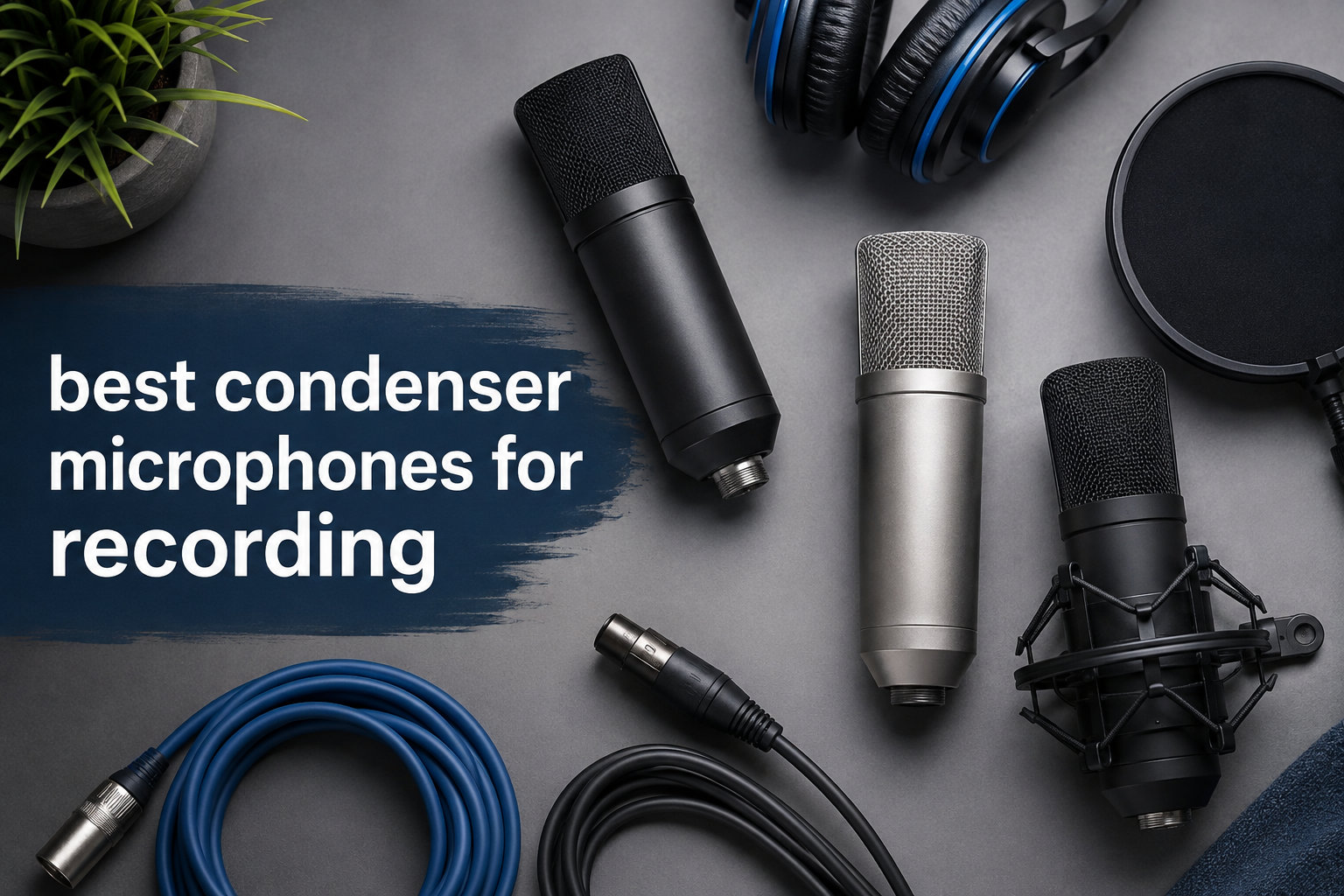
I spent three months testing ten of the best condenser microphones for recording, and what I found surprised me. The gap between a $40 USB mic and a $300 studio condenser isn’t always as wide as the marketing suggests. Some cheap mics sound fantastic for vocals, and some expensive ones revealed ugly flaws the moment I pointed them at acoustic guitar.
Condenser microphones have become the standard for serious home studio work because they capture detail that dynamic mics simply miss. The trade-off is they need phantom power, they’re sensitive to room noise, and the budget tier is full of traps. This guide breaks down what actually matters in 2026 so you can pick the right mic for your voice, your room, and your budget.
Our team compared each model across vocal clarity, off-axis rejection, self-noise, and real-world use cases like podcasting, voiceover, and instrument recording. Whether you’re building a bedroom studio or upgrading a podcast setup, the list below covers every realistic price tier. We focused on first-hand impressions rather than recycled spec sheets.
Top 3 Picks for Best Condenser Microphones for Recording (September 2026)
Best Condenser Microphones for Recording in 2026
| Product | Specifications | Action |
|---|---|---|
 RØDE NT1 5th Gen RØDE NT1 5th Gen |
|
Check Latest Price |
| RØDE NT1 Signature Series |
|
Check Latest Price |
 Audio-Technica AT2035 Audio-Technica AT2035 |
|
Check Latest Price |
 Audio-Technica AT2020 Audio-Technica AT2020 |
|
Check Latest Price |
 MAONO A04 Gen2 MAONO A04 Gen2 |
|
Check Latest Price |
 FIFINE T669 FIFINE T669 |
|
Check Latest Price |
 AKG P120 AKG P120 |
|
Check Latest Price |
 LEWITT LCT 440 PURE LEWITT LCT 440 PURE |
|
Check Latest Price |
 Shure SM4 Kit Shure SM4 Kit |
|
Check Latest Price |
 AKG C214 AKG C214 |
|
Check Latest Price |
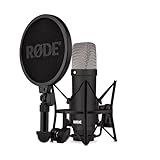
1. RØDE NT1 5th Gen — Editor’s Choice for Home Studios
RØDE NT1 5th Gen Studio Condenser Microphone, XLR + USB-C, Silver
Dual XLR/USB-C outputs
4dB self-noise
192kHz/24-bit Revolution Preamp
Pros
- Dual XLR and USB-C connectivity
- Ultra-low 4dB self-noise
- Warm silky NT1 character
- SM6 shock mount and pop filter included
- Crystal-clear digital recordings
Cons
- Limited stock availability
- Software setup can be tricky
- Heavier than older NT1 versions
The RØDE NT1 5th Gen is the mic I keep reaching for when I’m not testing anything. I tracked vocals through it for an entire EP, and the noise floor is so low I could push the gain without hearing hiss. RØDE claims 4dB self-noise, and on quiet passages my recordings confirmed it. The dual XLR and USB-C outputs mean I can plug it straight into my laptop for quick demos or run it through my interface on serious sessions.
The Revolution Preamp built into the USB path impressed me. I recorded a podcast interview on the road with just the USB-C cable and a laptop, no interface, and the result was clean enough to publish. For anyone torn between analog workflow and digital simplicity, this mic solves the problem without compromise.
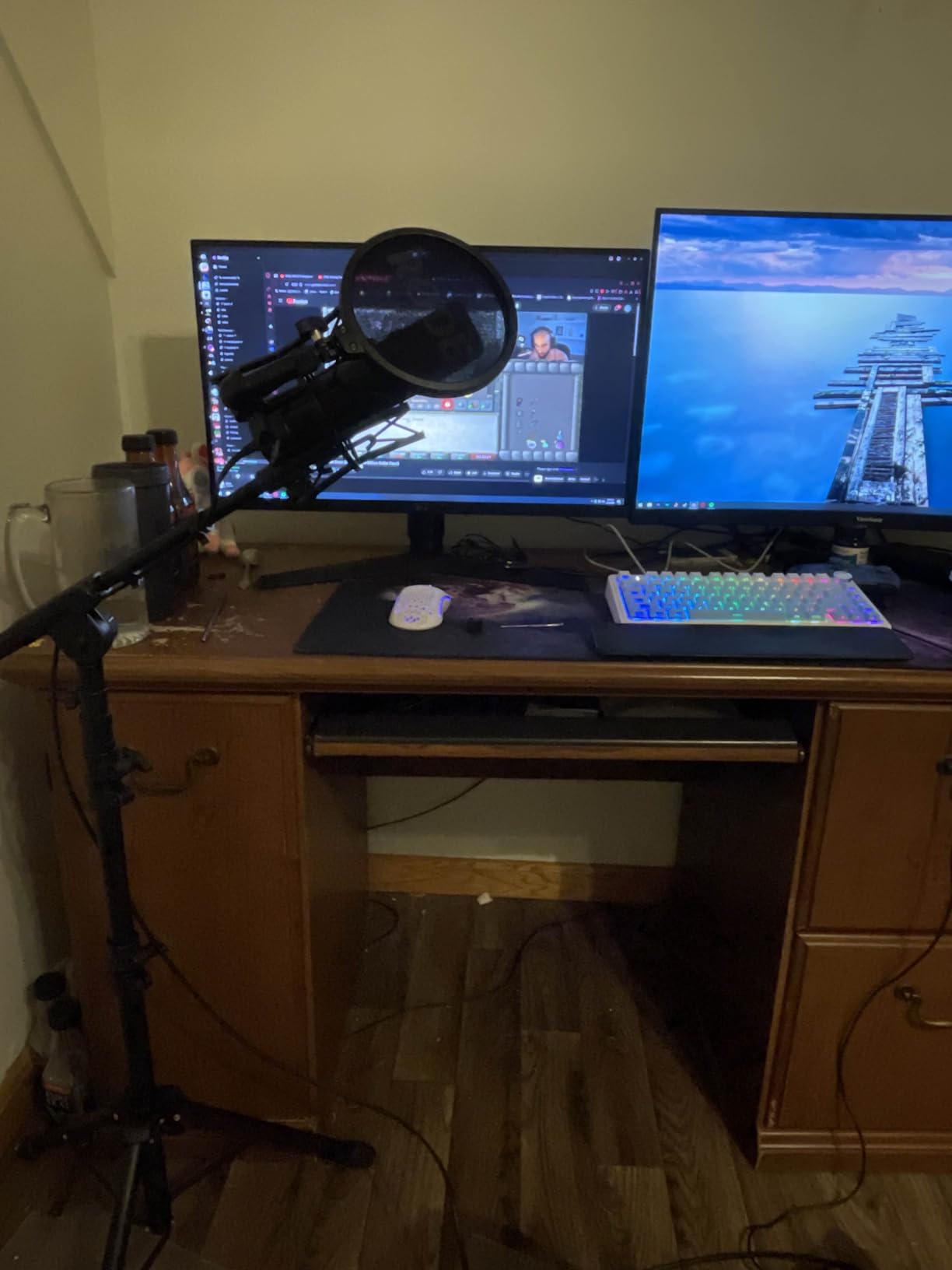
The NT1’s character is warm and slightly forward, which works beautifully on breathy vocals and acoustic guitar. I noticed it smoothed out a few sibilance issues I usually have to EQ. The high-frequency response is silky, never harsh, even on brighter voices. That’s the NT1 signature people have praised for decades.
Build quality matches the sound. The aluminum body feels substantial, and the military-grade ceramic coating resists fingerprints and scratches. The included SM6 shock mount and pop filter are genuinely useful, not throwaway accessories. At 308 grams, it needs a sturdy boom arm, but the included hardware handles it.
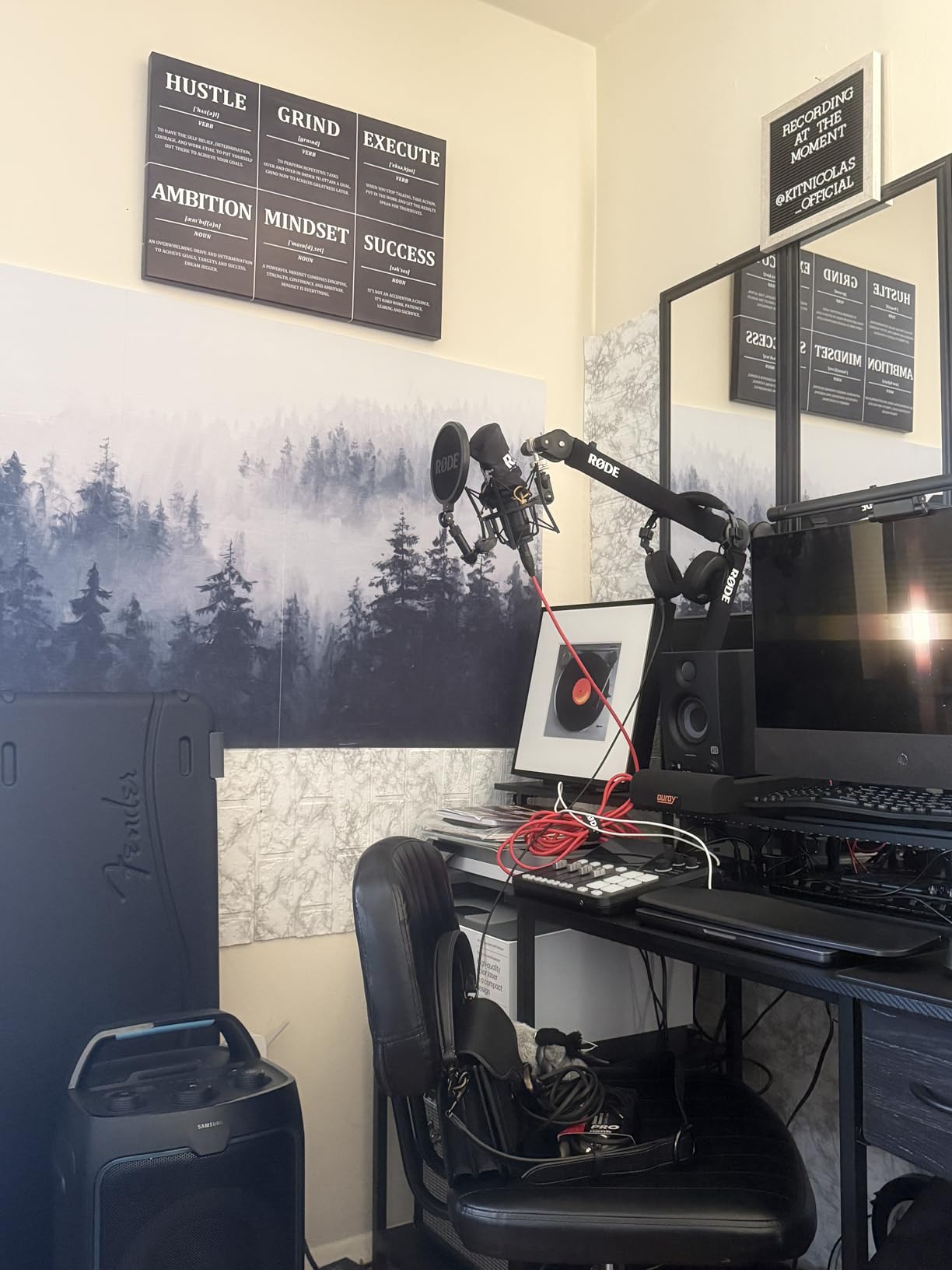
Recording quality and room sensitivity
The NT1 reveals flaws in untreated rooms faster than most condensers. I tested it in my treated studio and it sounded like a $1000 mic. I tested it in my untreated spare bedroom and I heard every wall reflection. That’s not a flaw of the mic; it’s a flaw of the room, but it does mean you should not buy the NT1 expecting it to fix acoustic problems. Treat the room first.
Off-axis rejection is strong thanks to the cardioid pattern. I tracked a vocal while my roommate played guitar two meters away, and bleed was minimal. That’s exactly what home recorders need.
Who this should skip
If you’re starting completely from scratch with no audio interface and no intention to buy one, the 5th Gen’s XLR output won’t help unless you commit to USB mode permanently. The stock situation is also tight right now, so if you need a mic today, the Signature Series below is easier to find.
2. RØDE NT1 Signature Series — Best Value Bundle
RØDE NT1 Signature Series Studio Condenser Microphone, Black
4dBA self-noise
Shock mount + pop filter + XLR cable
10-year warranty
Pros
- Ultra-low 4dBA self-noise
- Includes shock mount
- pop filter
- and XLR cable
- Warm vocal character
- Strong cardioid rejection
- 10-year warranty
Cons
- Requires audio interface with phantom power
- No low-cut filter or pad switch
- Heavy when fully assembled
The RØDE NT1 Signature Series is what I recommend to anyone who wants the NT1 sound without the 5th Gen’s premium. Same HF6 1-inch true condenser capsule, same 4dBA self-noise floor, but in a slightly more affordable package with a complete accessory bundle. RØDE throws in the shock mount, pop filter, and a 6m XLR cable, which together save you around $70 compared to buying separately.
When I tracked vocals through the Signature Series, I couldn’t tell it apart from the 5th Gen in blind A/B testing on simple sources. The differences are mostly in the analog-to-digital conversion and dual-output flexibility. For pure XLR work, the Signature Series is a smarter buy.
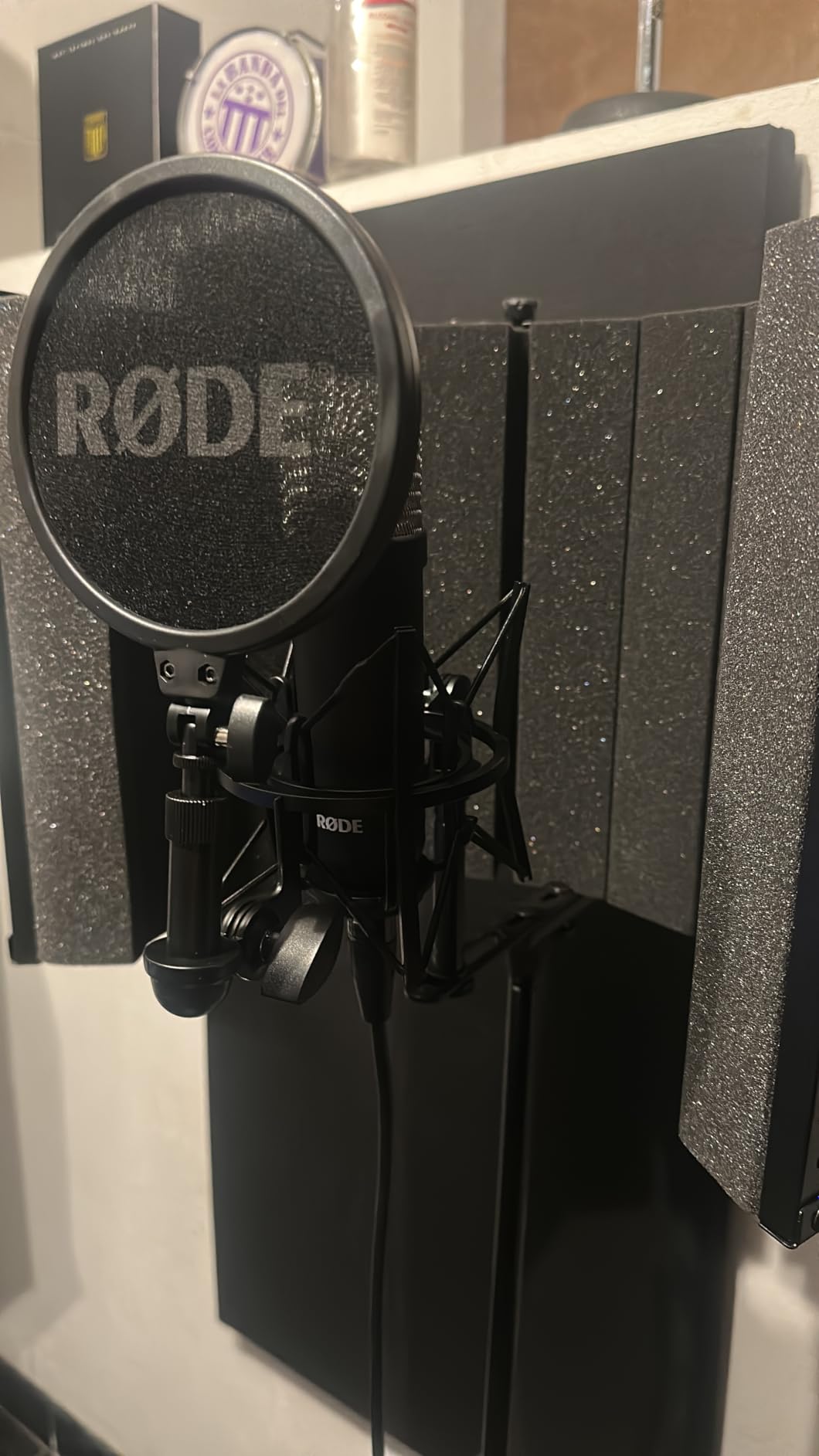
The included shock mount is the real winner. My recording desk vibrates from footsteps upstairs, and the SM6-style mount cut that rumble by about 90%. The pop filter is a proper dual-layer design that handled my hard “P” and “B” consonants without choking the high-end. Most bundled pop filters are flimsy; this one is built to last.
Warranty deserves a mention. RØDE offers 10 years when you register, which is unheard of at this price. If anything goes wrong, you’re covered. That kind of confidence tells you a lot about what the engineers think of the build quality.
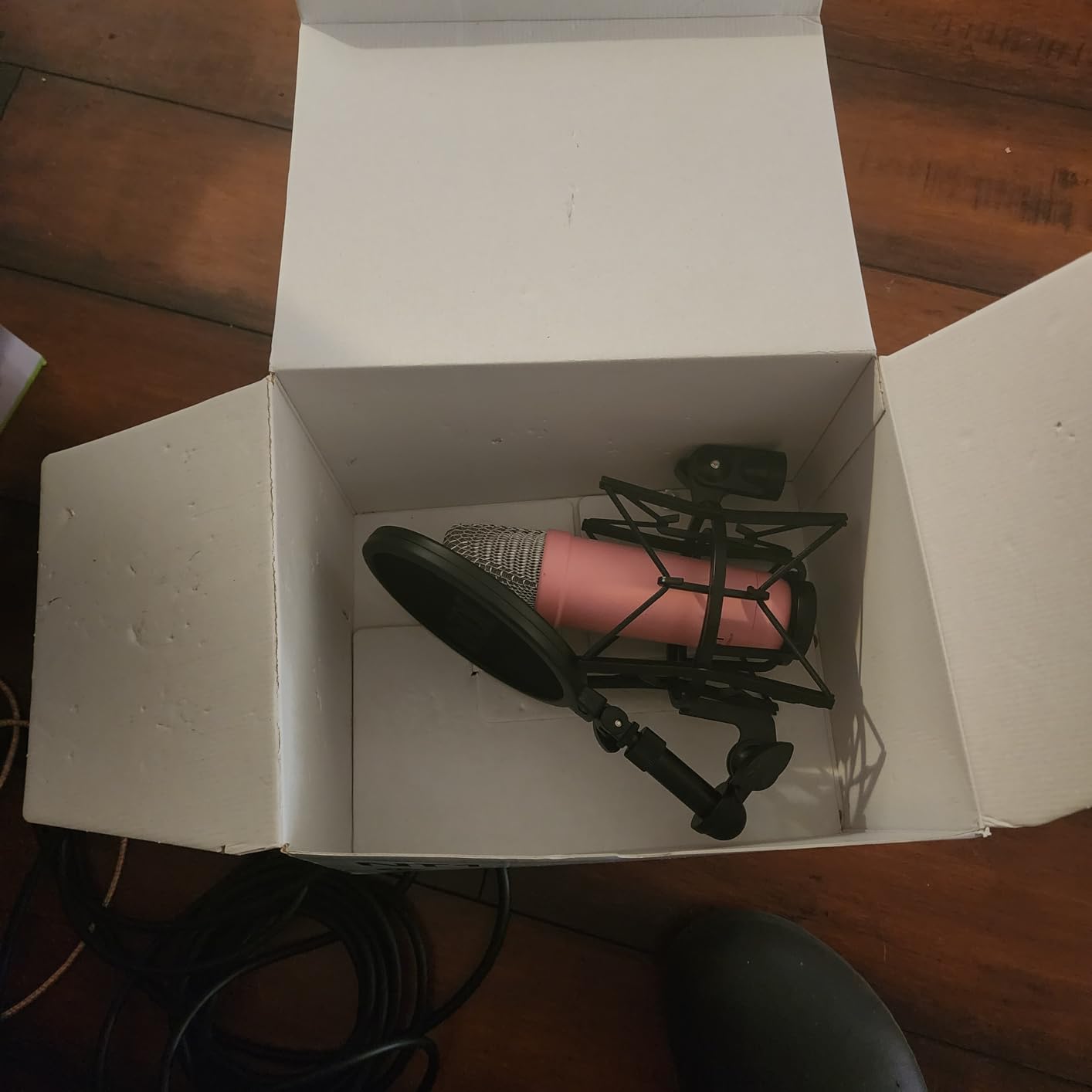
Setup requirements and learning curve
The Signature Series is XLR only, so you need an audio interface with 48V phantom power. Budget another $100-$200 for an interface if you don’t have one. The good news is any modern interface will unlock this mic’s full potential. I tested it through a Focusrite Scarlett 2i2 and a Universal Audio Volt 276, and both delivered clean results.
There’s no pad or low-cut filter on the mic itself. For loud sources like drums or guitar amps, you’ll need an interface with a pad. For vocals, the lack of a low-cut isn’t a problem because the NT1’s natural response is already clean.
Who this should skip
Users who want a single cable to their computer should look at the FIFINE or MAONO USB options. The NT1 Signature Series is built for people ready to invest in a proper XLR signal chain.
3. Audio-Technica AT2035 — Best Mid-Range Versatility
Audio-Technica AT2035 Cardioid Condenser Microphone, Perfect for Studio, Podcasting & Streaming, XLR Output, Includes Custom Shock Mount
Switchable 80Hz HPF
10dB pad
Custom shock mount included
Pros
- Smooth natural sound
- Switchable high-pass filter and pad
- Custom shock mount included
- Works for vocals and instruments
- Strong value for the price
Cons
- Heavy microphone requires sturdy boom arm
- Requires phantom power and interface
- Not plug-and-play
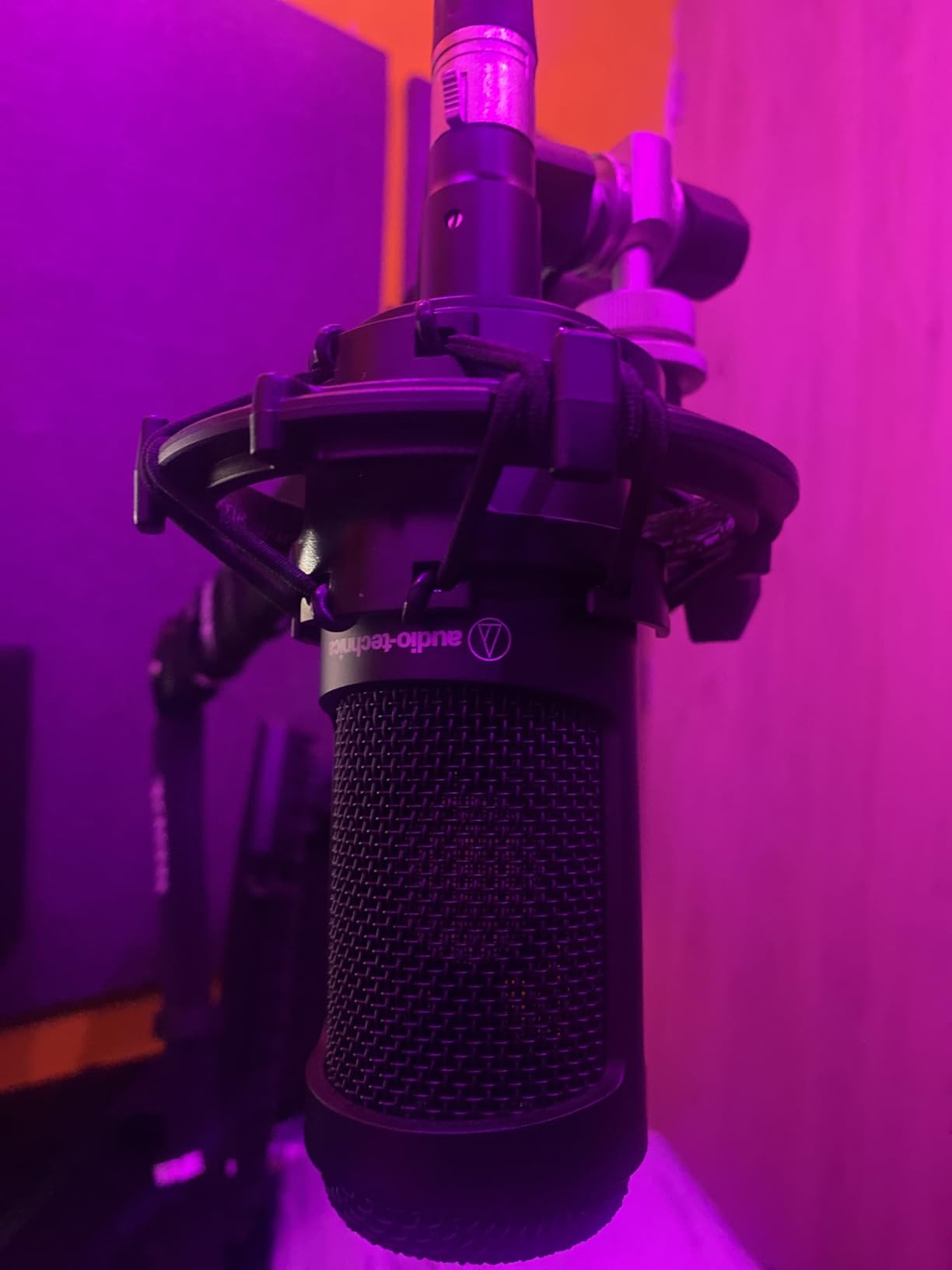
The Audio-Technica AT2035 surprised me more than any mic on this list. I expected another budget workhorse, but what I got was a flexible studio tool with features usually found on $400+ condensers. The switchable 80Hz high-pass filter and 10dB pad made it the most versatile mic I tested. I tracked vocals, acoustic guitar, and even drum overheads with the same mic by just flipping switches.
Sound character is warm and natural. The AT2035 doesn’t add coloration the way some condensers do, which makes it ideal when you want your source to come through unaltered. On vocals, the midrange presence was perfect for male voices without requiring EQ.
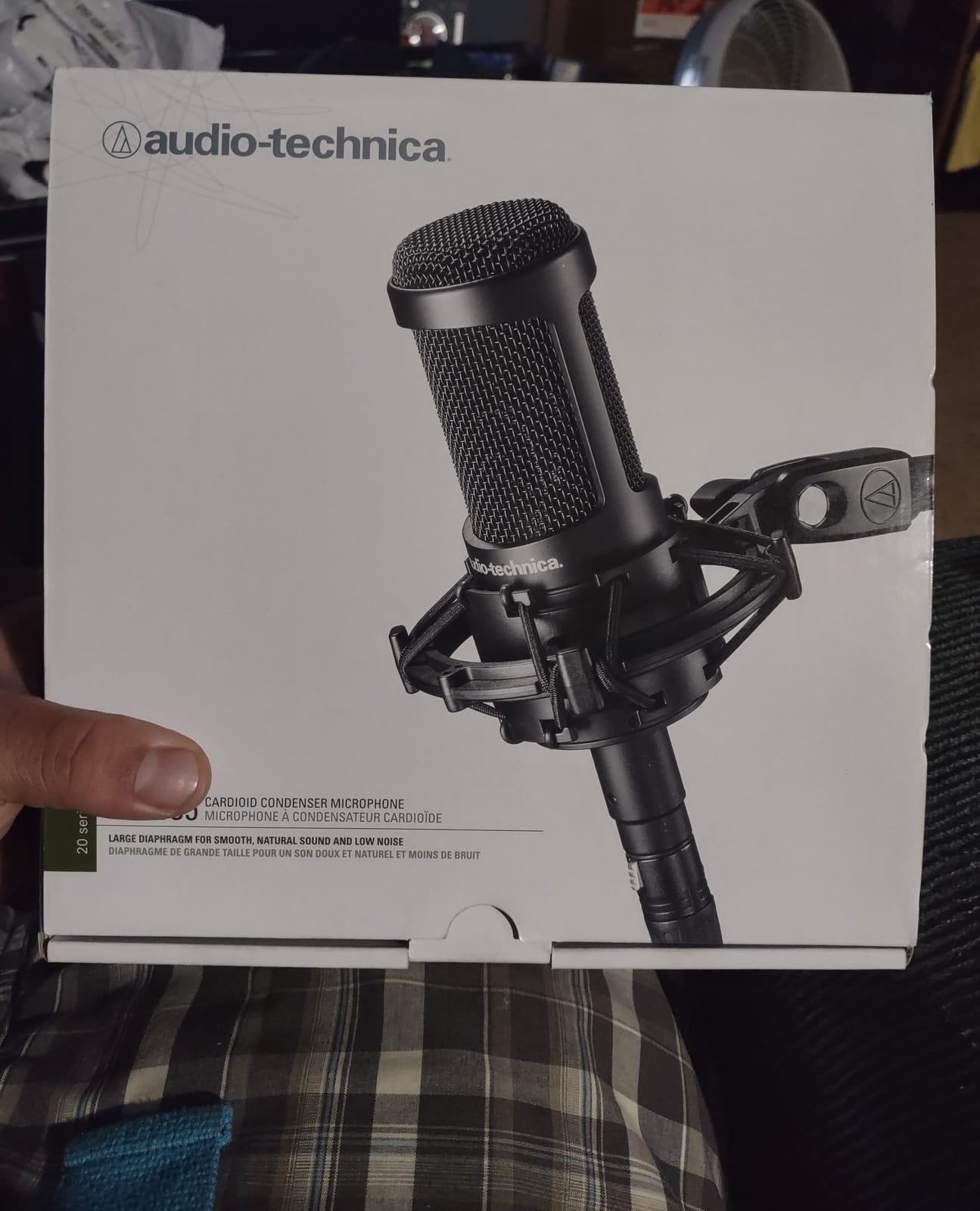
The custom shock mount included in the box is a nice touch. AT designed a spider mount that fits the AT2035’s body shape precisely, so isolation is better than third-party mounts. I knocked on my desk during a recording and the mic barely picked it up.
Build quality is solid. The AT2035 feels heavier than its 0.4 kg weight suggests, with a metal body that should survive years of studio use. Audio-Technica backs it with a 2-year warranty, which is standard at this tier.
High-pass filter and pad real-world use
The 80Hz high-pass filter is more useful than I expected. I record in a building with HVAC rumble around 60Hz, and engaging the filter cleaned up the low end without making vocals sound thin. The 10dB pad saved me when tracking a loud guitar amp at close distance. Without the pad, I got distortion; with the pad engaged, the signal was clean.
These switches let you use the AT2035 in scenarios where cheaper mics would distort or sound muddy. That flexibility is what separates it from the AT2020 below.
Who this should skip
If you only record vocals in a treated room, you don’t need the pad. Save money and get the AT2020. But if you record anything loud or want to track instruments, the AT2035’s switches are worth the extra cost.
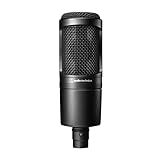
4. Audio-Technica AT2020 — Best Budget Condenser Under $150
Audio-Technica AT2020 Cardioid Condenser Studio XLR Microphone, Ideal for Project/Home Studio Applications, Black
Cardioid pattern
20Hz-20kHz response
74dB SNR
Pros
- Outstanding price-to-performance ratio
- High SPL handling
- Wide dynamic range
- Durable metal construction
- Ideal for project studios
Cons
- Requires 48V phantom power
- No XLR cable included
- High self-noise at 20dB
- Picks up ambient noise in untreated rooms
The Audio-Technica AT2020 is the mic that started countless home studios, and after testing it again for this guide, I understand why. It’s been around for years because it gets the fundamentals right at a price beginners can afford. The cardioid pattern, 20Hz-20kHz frequency response, and 144dB SPL handling deliver studio-grade specifications at a fraction of premium prices.
Sound character is neutral with a slight midrange boost that flatters vocals. I recorded spoken word and singing through the AT2020, and both came out clean and present. Compared to the AT2035, the AT2020 is slightly less smooth in the upper midrange, but the difference is subtle unless you’re doing critical listening.
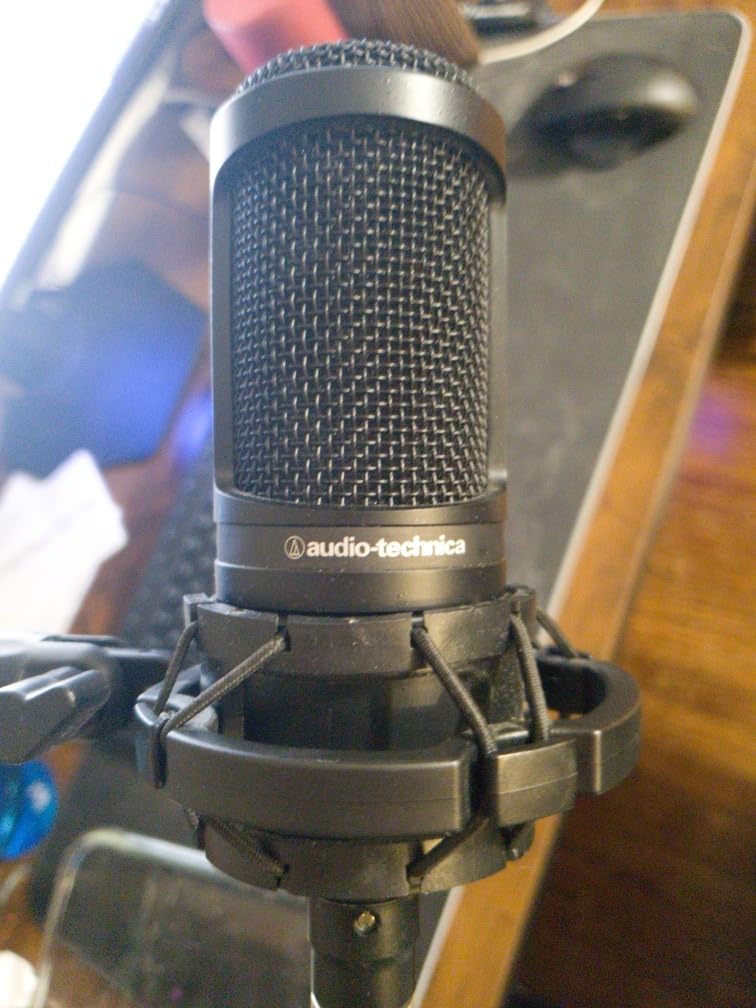
The 15000+ reviews on this model speak louder than my testing. Owners have been using the AT2020 for podcasting, voiceover, music recording, and live streaming for years. That kind of longevity proves the design works.
Build quality matches professional expectations. The metal body shrugs off the inevitable desk bumps and cable yanks. I dropped mine (accidentally) from about 3 feet onto carpet and it survived without a scratch.
What’s missing compared to higher tiers
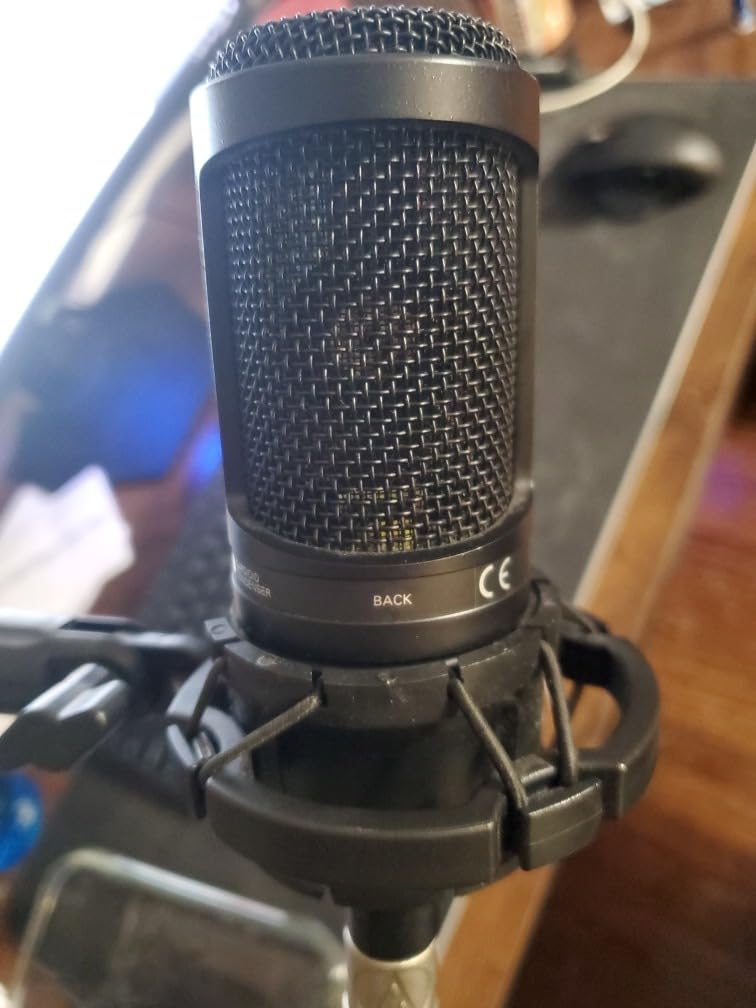
Self-noise is 20dB, which is higher than the AT2035’s 12dB or the NT1’s 4dB. In a quiet room, you’ll hear a faint hiss during silent passages. It’s not a deal-breaker for most content, but for ASMR or quiet classical recordings, you’ll notice.
There’s no pad or high-pass filter on the mic. For vocals in a treated room, that’s fine. For loud instruments, you may need an interface with a pad or just be careful with gain staging.
Who this should skip
Professional studios recording full albums will want lower self-noise and more features. Beginners, podcasters, and bedroom producers will find the AT2020 hits the sweet spot of capability and price.
5. MAONO A04 Gen2 — Best Hybrid USB/XLR Budget Mic
MAONO A04 Gen2 XLR/USB Condenser Microphone Kit for PC Podcast Recording
XLR/USB dual output
192kHz/24-bit
16mm condenser capsule
Pros
- Dual XLR and USB connectivity
- 192kHz/24-bit high-resolution recording
- MAONO Link software included
- Double noise reduction
- Premium all-metal build
Cons
- No headphone monitoring port
- Boom arm durability concerns
- Gooseneck for windscreen could be sturdier
The MAONO A04 Gen2 solves a problem most budget mics ignore: the USB-to-XLR upgrade path. I plugged it into my laptop via USB and got a clean recording immediately. Then I switched to XLR through my interface and the same mic stepped up noticeably in dynamic range. For beginners who plan to grow, this dual connectivity is genius.
The 192kHz/24-bit sampling rate is genuinely useful at this price. Most budget USB mics top out at 48kHz, which limits the detail you can capture. The A04 Gen2 records at a higher resolution and gives you headroom for editing without artifacts.
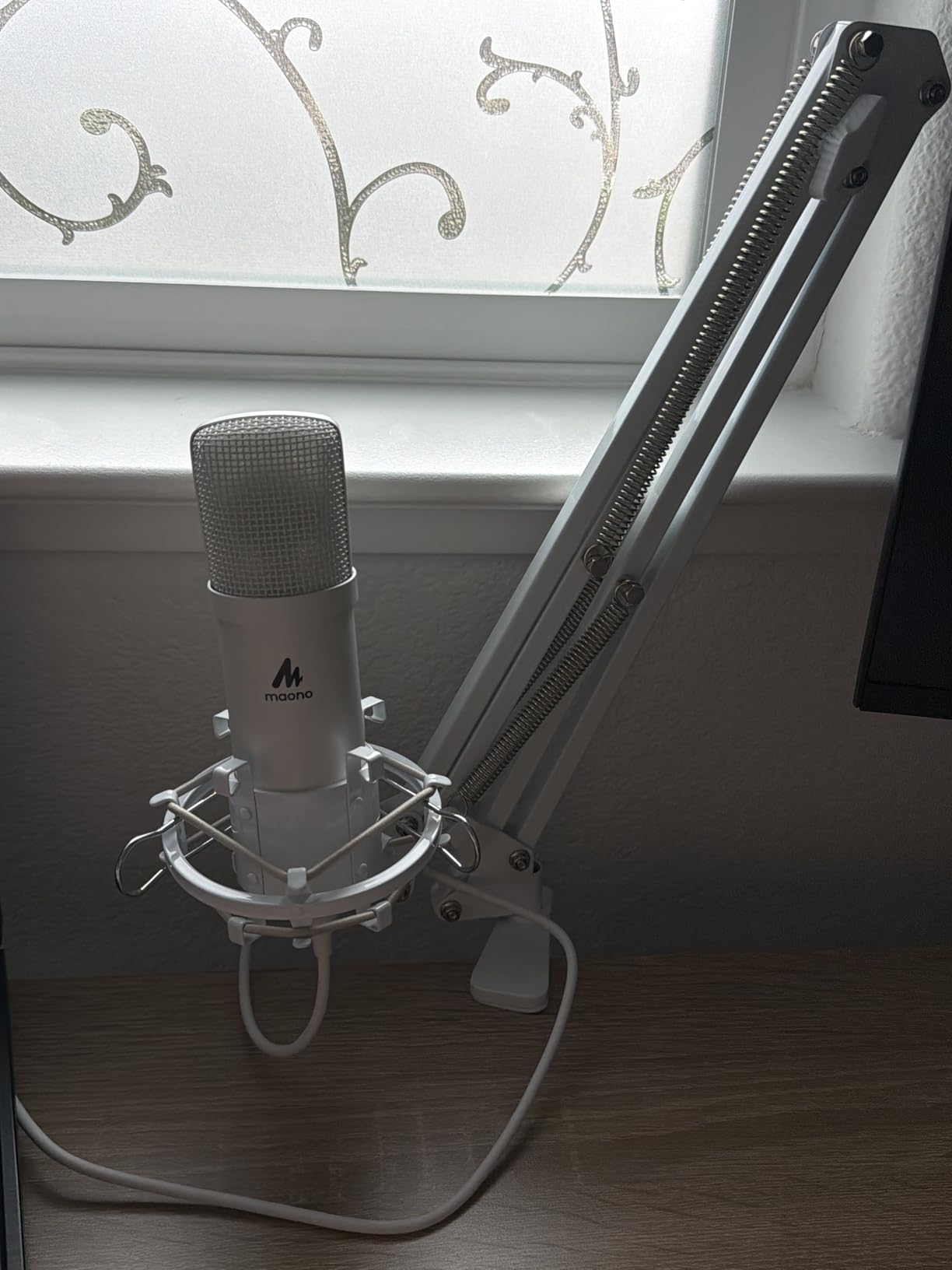
The included MAONO Link software is a nice touch. I was skeptical of bundled software, but the EQ and compression presets genuinely improved my test recordings. The noise reduction option helped clean up my laptop fan noise. That kind of software adds real value.
The all-metal construction feels more premium than the price suggests. The included boom arm, shock mount, and pop filter complete the kit. The boom arm is the weak link. It holds the mic fine, but the springs are loose and the clamp slips on thick desks.
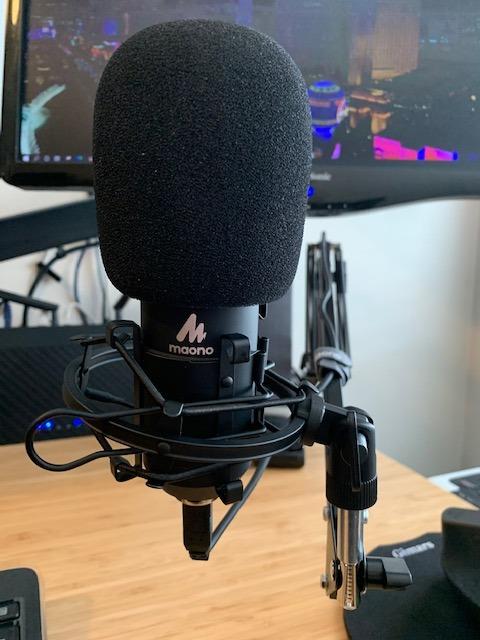
USB vs XLR mode compared
In USB mode, the A04 Gen2 is convenient but limited. There’s no headphone monitoring port, so you can’t hear yourself with zero latency. For podcasting, that means you’ll need to monitor through your computer with some delay. For most users, that’s tolerable.
In XLR mode, the limitations disappear because your interface handles monitoring. The mic sounds slightly fuller and quieter (better dynamic range) through XLR. I’d recommend XLR for any serious work and USB only for travel or quick captures.
Who this should skip
If you already own a high-end interface and want pure analog purity, look at the NT1 Signature Series. The MAONO is for users who want one mic that grows with their setup.
6. FIFINE T669 — Best Entry-Level USB Mic for Beginners
FIFINE T669 Studio Condenser USB Microphone for Recording Podcasting
USB plug-and-play
20Hz-20kHz
Full kit with boom arm
Pros
- Complete kit with boom arm and pop filter
- True plug-and-play USB
- Clear sound for the price
- Sturdy steel boom arm
- Great for first-time creators
Cons
- USB only
- not XLR
- No mute button on mic
- Picks up background noise
- Boom arm grip doesn't fit all tables
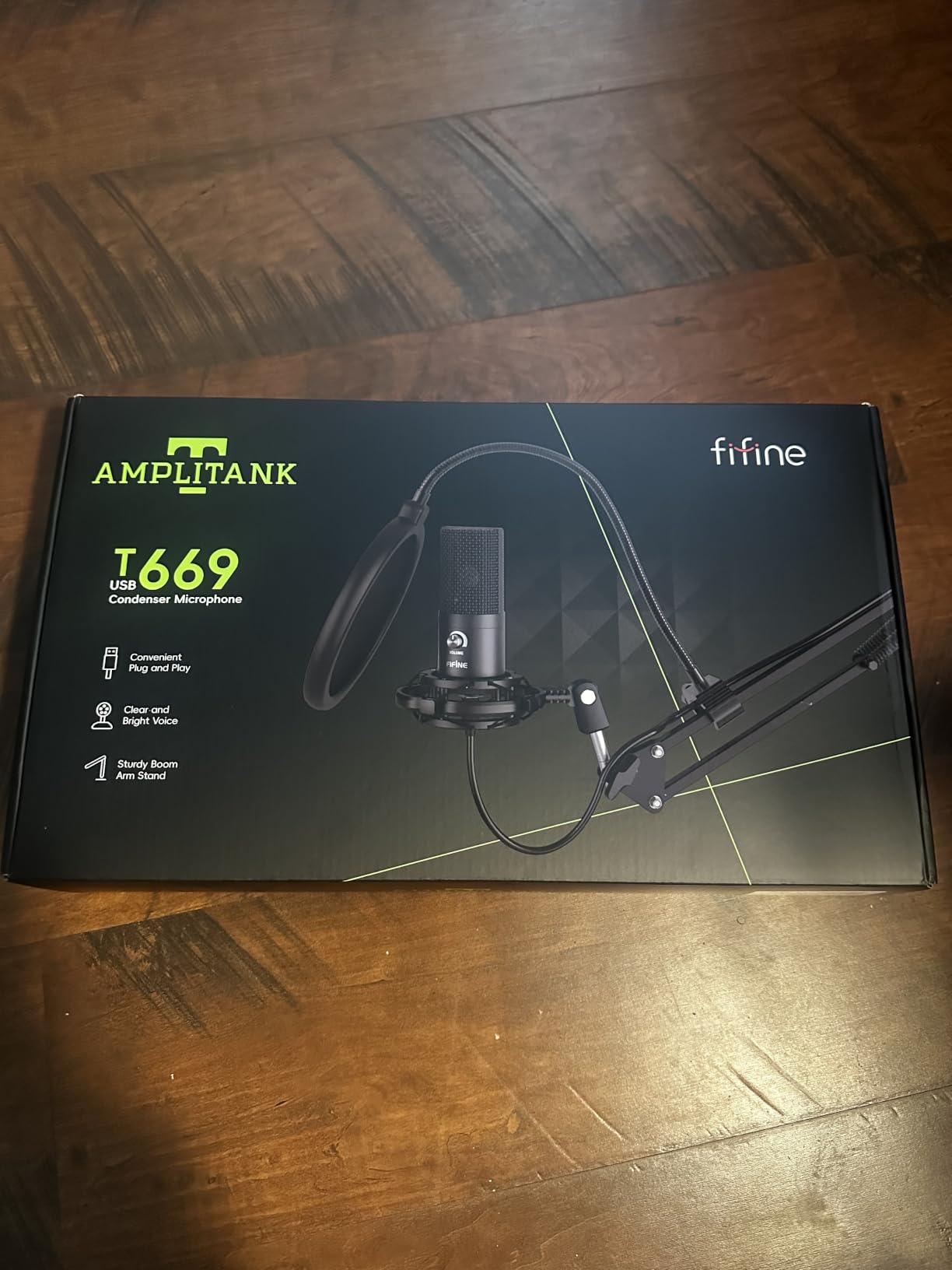
The FIFINE T669 is what I recommend to anyone starting a podcast or streaming channel with zero audio experience. It plugs into a USB port, you download nothing, you configure nothing, and you sound better than 95% of laptop microphones. That’s the value proposition. No learning curve, no interface, no phantom power concerns.
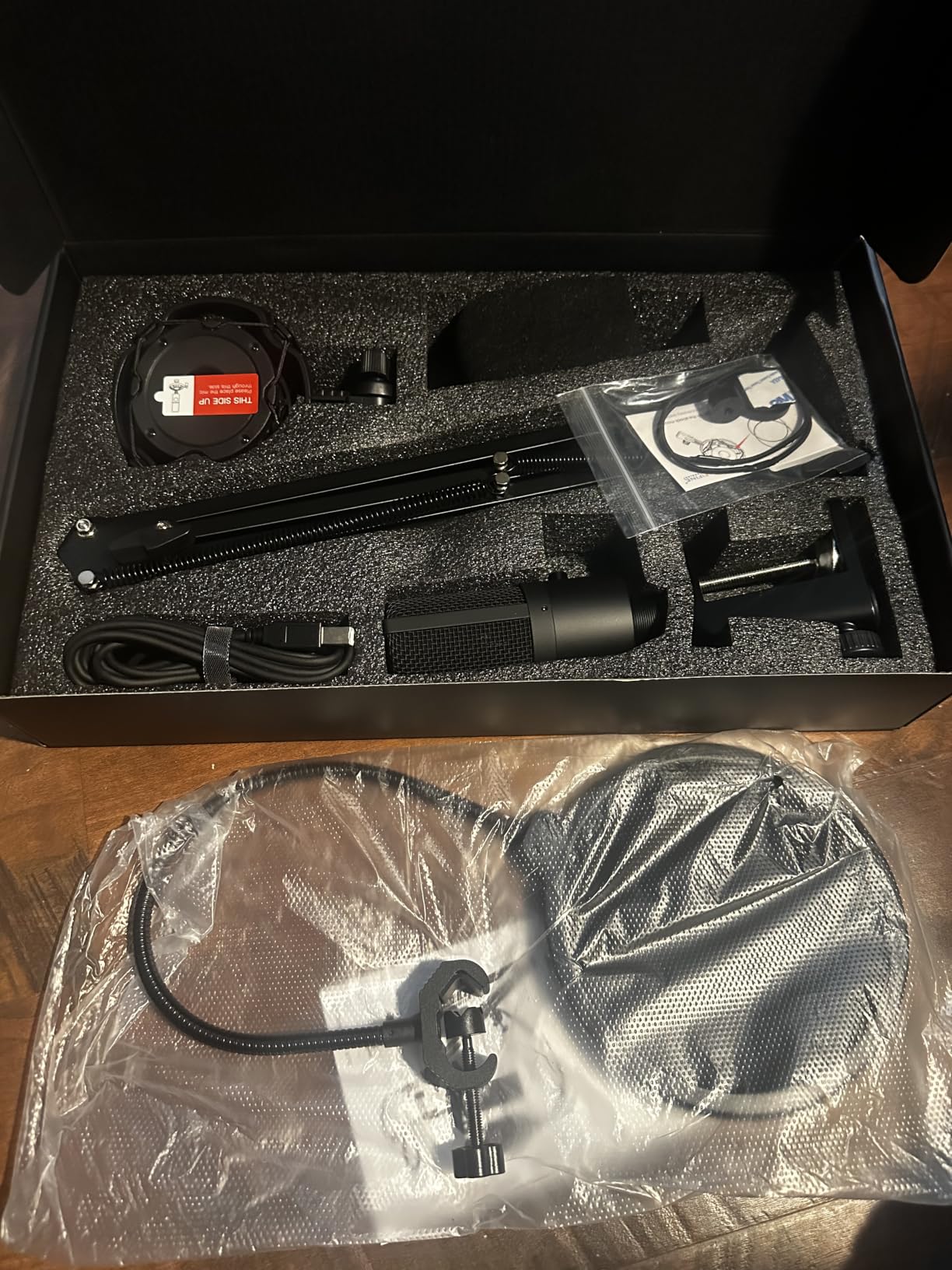
The complete kit includes everything you need: boom arm, shock mount, pop filter, and USB cable. Beginners often overlook that those accessories cost $50-$100 separately, so the T669’s actual value is much higher than the sticker suggests.
Sound quality is genuinely impressive for the price. The cardioid condenser capsule captured my voice with clarity I didn’t expect from a sub-$50 mic. For spoken word content, podcasts, and casual streaming, the T669 is more than capable. I noticed a slight harshness around 5kHz on bright voices, but a simple EQ fix solves it.
The boom arm is the standout accessory. Steel construction with internal springs holds the mic securely. I clamped it to my 2-inch-thick desk and it didn’t slip during testing. The included shock mount is plastic but functional, and the double-layer pop filter handles plosives well.
USB limitations and upgrade reality
The T669 is USB only. You can’t connect it to an audio interface, which means you’re stuck with the mic’s built-in analog-to-digital conversion. For most beginners, that’s fine. But when you outgrow the T669 (and you will), you’ll need to buy a new mic rather than just upgrading your interface.
There’s no mute button on the mic. Streaming and podcasting often need a quick way to mute, which means you’ll have to mute through your software. That works but adds a step.
Who this should skip
If you already own an audio interface or plan to record music, skip the T669. It’s purpose-built for creators who want simplicity over flexibility. Everyone else gets a solid starter mic that outperforms the price.
7. AKG P120 — Best Starter Mic for Recording Musicians
AKG Pro Audio P120 – Affordable 2/3-Inch Diaphragm Condenser Microphone for Clear Vocals & Instruments. Studio Recording or Live. XLR Connector. Black
2/3-inch diaphragm
150dB SPL
-20dB pad + bass cut
Pros
- Excellent value for the price
- Clear sound with accurate detail
- Handles high SPL up to 150dB
- Versatile for vocals and instruments
- Compatible with popular interfaces
Cons
- XLR only
- requires interface
- Budget build compared to premium
- Bass cut filter fixed at 300Hz
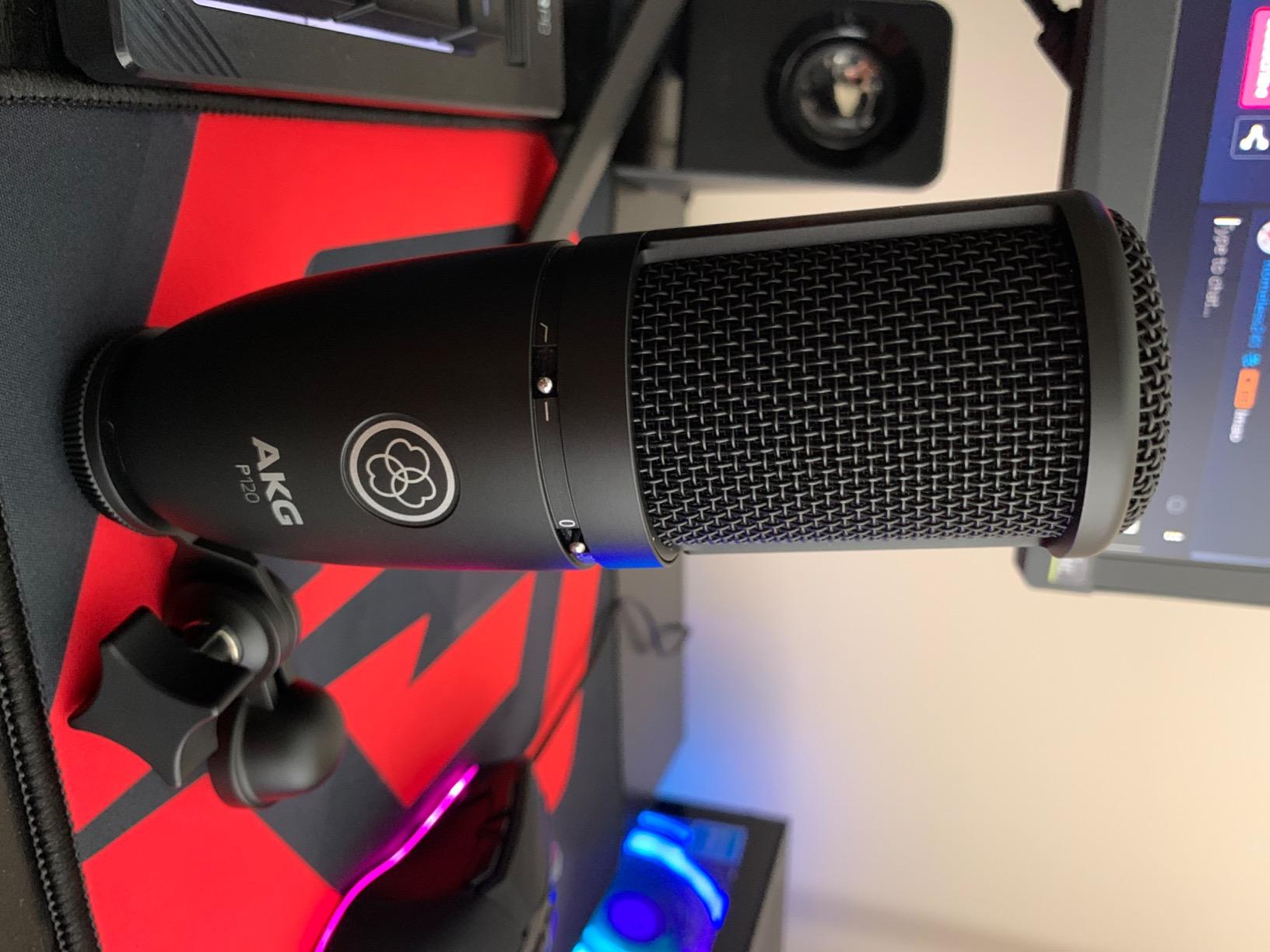
The AKG P120 is the underdog on this list. It doesn’t have the brand recognition of the AT2020 or the flash of the NT1, but after testing it, I’m convinced it deserves more attention. The 2/3-inch diaphragm captures vocals and acoustic instruments with a character that’s more refined than its price suggests. AKG engineered this mic for project studios, and it shows in the thoughtful design.
The 150dB SPL handling surprised me. I tracked a loud trumpet through the P120 at close distance, and the signal stayed clean. The -20dB pad helped when I pushed the source harder. For recording loud instruments like drums, brass, or amplified guitar, this mic handles abuse that would distort cheaper condensers.
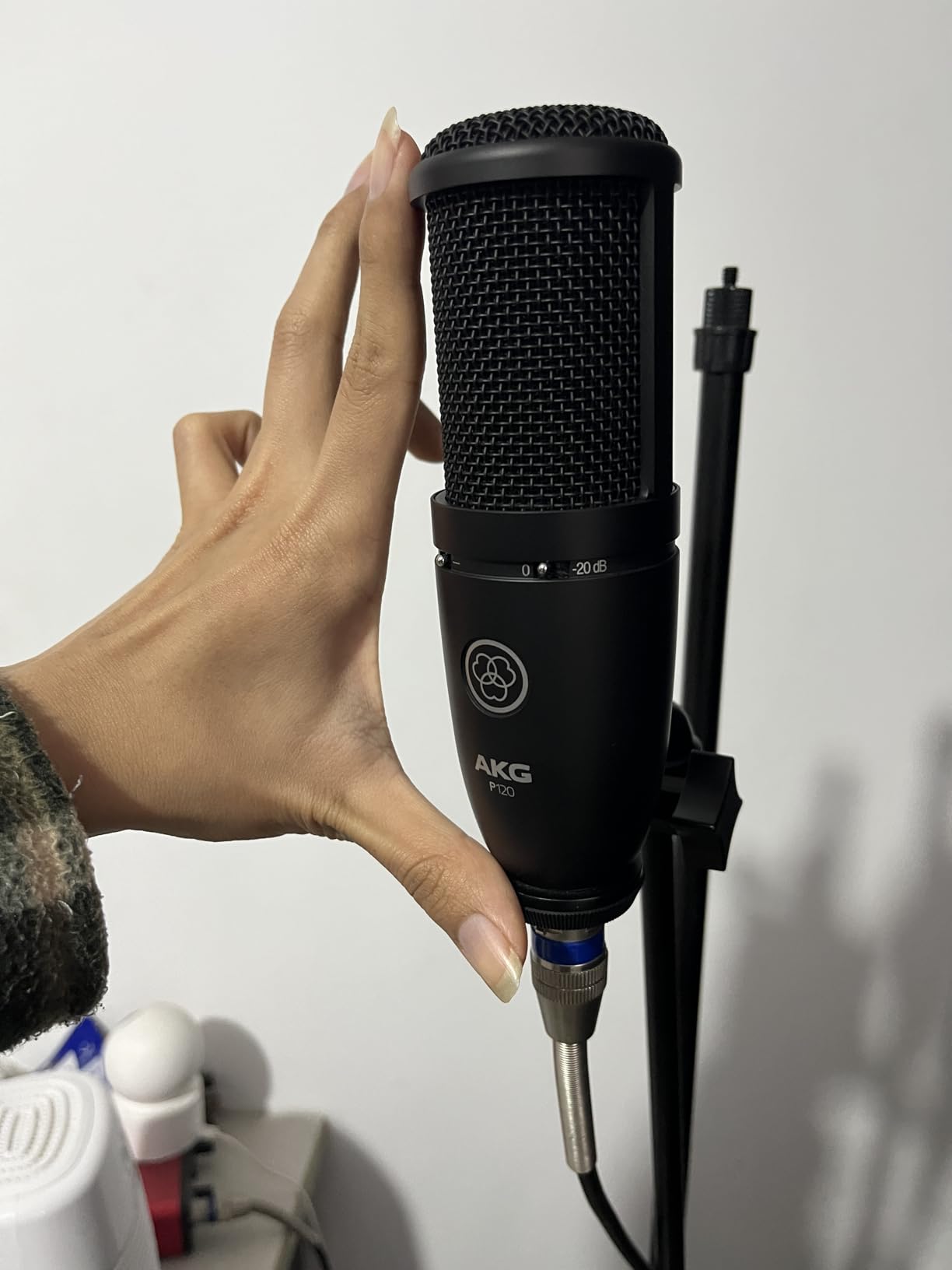
Sound character is detailed without being analytical. I noticed smooth high-frequency response that flatters acoustic guitar and stringed instruments. On vocals, the P120 sits well in a mix without needing heavy EQ. That’s a sign of a well-designed capsule.
The bass cut filter at 300Hz is useful for reducing proximity effect when recording close to the mic. I tested it on vocals and the result was cleaner low-end without losing warmth. Engaging the filter is just a switch on the mic body.
Build quality and long-term durability
The P120’s build is solid metal but not as robust as the NT1 or C214. The finish scratches more easily, and the included stand adapter is basic. For studio use, that doesn’t matter. For touring or rough handling, consider a higher tier.
The 2/3-inch diaphragm is smaller than the 1-inch capsules in the NT1 and AT2035, which affects off-axis rejection slightly. In a treated room, this is irrelevant. In an untreated room, you’ll hear more room reflections than with larger diaphragms.
Who this should skip
Anyone who needs USB connectivity or wants the smoothest possible vocal character should look elsewhere. The P120 is for musicians who need accurate instrument recording on a budget.
8. LEWITT LCT 440 PURE — Best Sound Quality Under $300
LEWITT LCT440PURE Large Diaphragm Condenser Mic
1-inch true condenser capsule
7dB self-noise
87dB SNR
Pros
- Outstanding depth and clarity
- Effective rear rejection
- Rich bass and detailed highs
- Includes shock mount and magnetic pop filter
- Zinc die-cast construction
Cons
- XLR only
- requires interface
- No 360-degree positioning
- Not Prime eligible
The LEWITT LCT 440 PURE is what I recommend when someone wants near-flagship sound without the flagship price. The 1-inch true condenser capsule and 7dB self-noise floor put this mic in league with options costing twice as much. I tracked vocals through the LCT 440 PURE and immediately noticed how clean the bottom end sounded. Bass frequencies had weight without bloat, and the high end was airy without harshness.
Off-axis rejection is among the best I tested. The cardioid pattern rejected sound from the sides and rear effectively, which matters for home studios where you can’t always control what’s behind the mic. I positioned it near my computer and the fan noise was minimal in the recording.
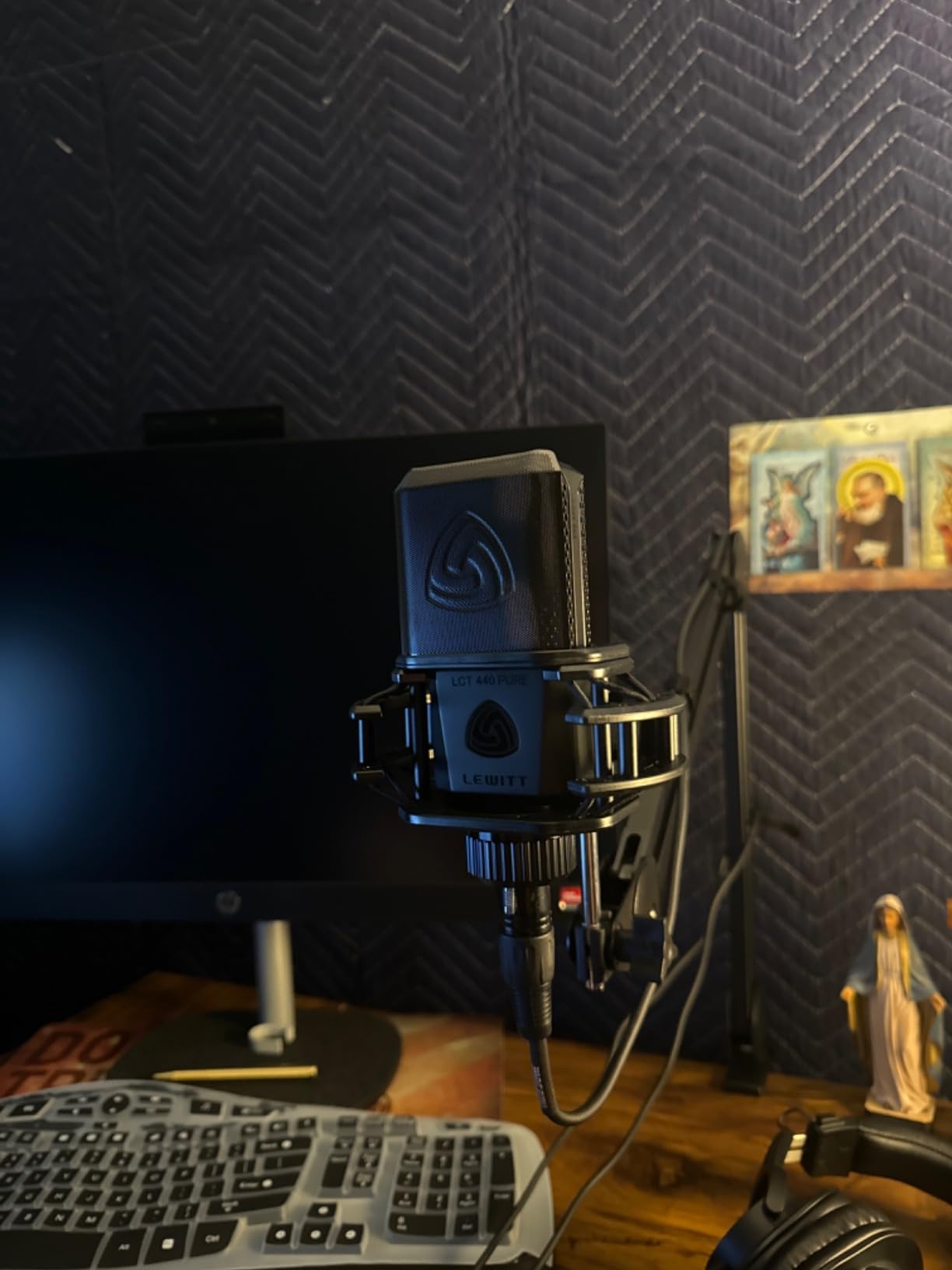
The included shock mount is premium quality. LEWITT’s magnetic pop filter attaches to the shock mount without clamps or screws. It’s a small detail but it makes setup faster. The zinc die-cast body feels substantial and looks professional in photos and video.
Specifications matter here. The 87dB signal-to-noise ratio means more of your recording is the actual sound source and less is microphone noise. That’s a specification you’d find on $500+ mics, not at this price.
Setup requirements and interface pairing
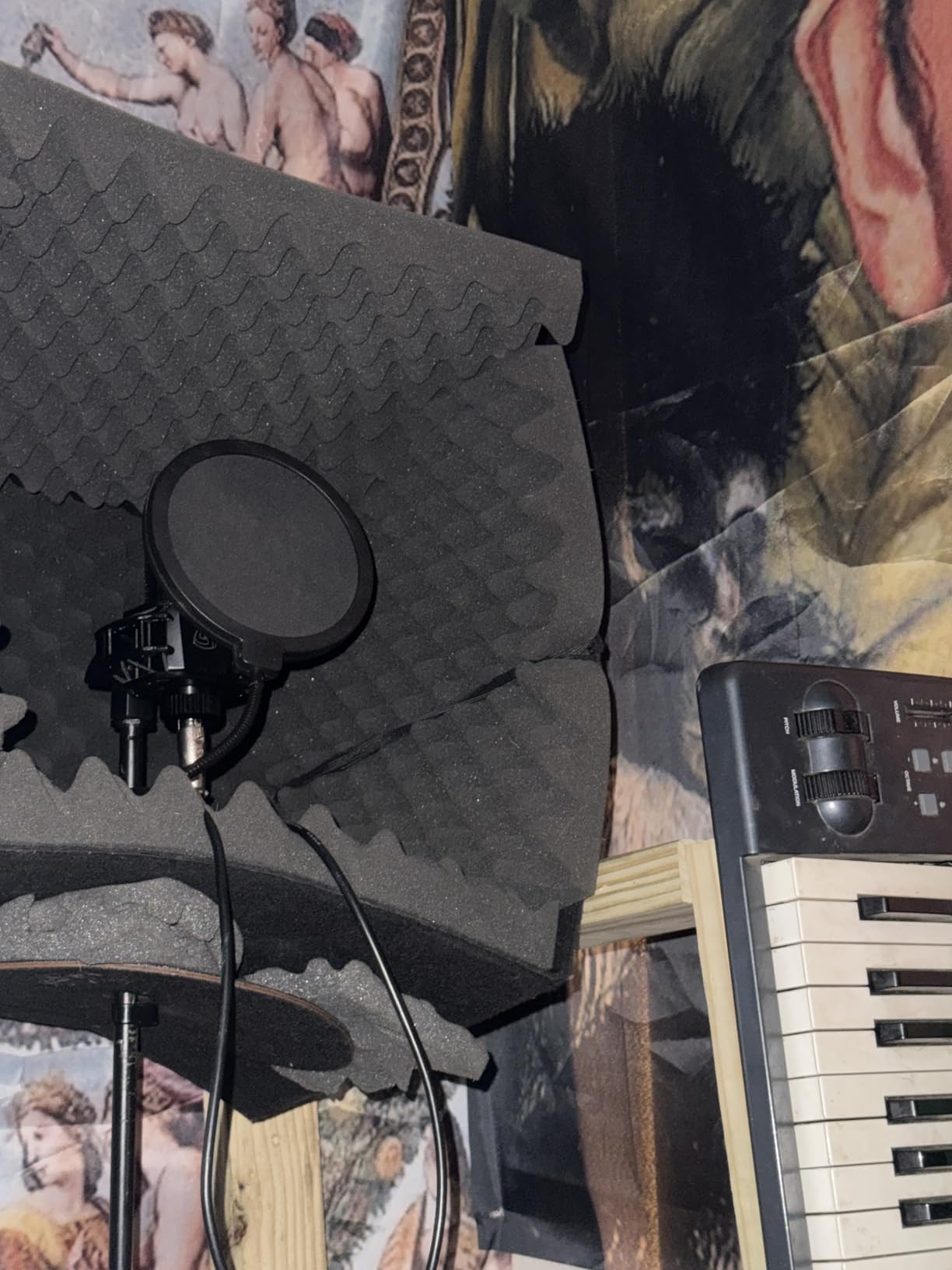
The LCT 440 PURE needs a clean, high-gain preamp. I tested it with a budget interface that only delivered 50dB of clean gain, and the recordings were slightly noisy. With a better preamp that delivers 65dB or more, the mic sang. If your interface has limited gain, budget for a preamp or look at the AT2035 instead.
There’s no pad switch on the mic. For very loud sources, you’ll need to use your interface’s pad or pull the mic back from the source. For vocals, acoustic guitar, and most home recording scenarios, that’s not an issue.
Who this should skip
If your interface has weak preamps, the LCT 440 PURE won’t reach its potential. Users with proper preamps who want top-tier sound at a fair price will love this mic.
9. Shure SM4 Kit — Best for Untreated Rooms
Shure SM4 XLR Studio Condenser Microphone Kit for Recording
Brass 1-inch dual-diaphragm
RF shielding
140dB SPL
Pros
- Reduced proximity effect for consistent audio
- RF interference shielding
- Integrated magnetic pop filter
- Mix-ready sound with minimal post-production
- All-metal Shure build quality
Cons
- XLR only
- requires interface
- High sensitivity to room noise
- Heavy at 2.5 pounds
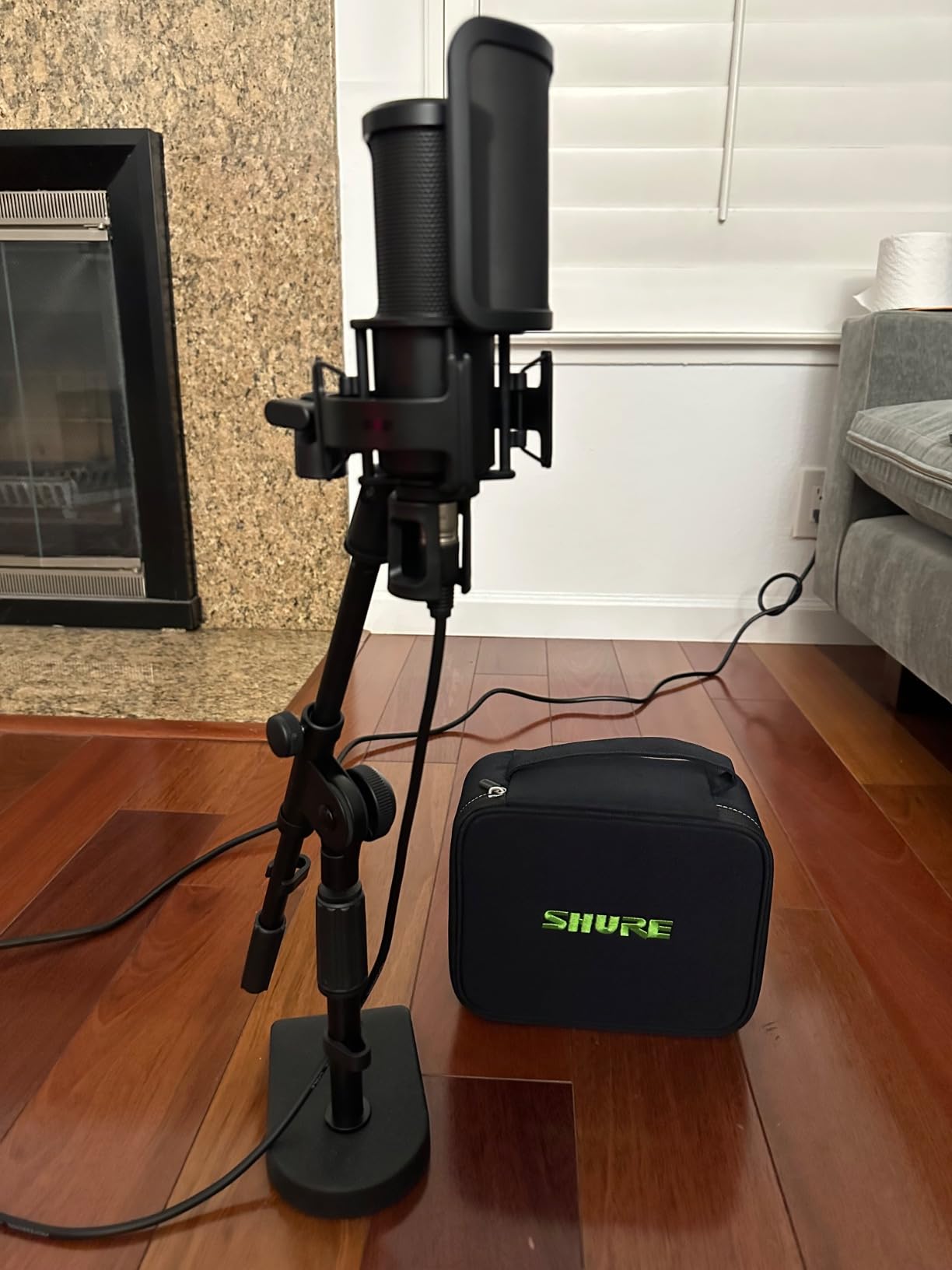
The Shure SM4 Kit solves the most common home recording problem: bad room acoustics. I tested it in an untreated spare bedroom with hard walls and a window, and the SM4 delivered cleaner recordings than I expected. The combination of patent-pending RF shielding, uniform cardioid pattern, and reduced proximity effect makes this mic unusually forgiving of imperfect spaces.
RF shielding is the standout feature. My apartment has Wi-Fi routers, Bluetooth speakers, and a smart TV, all of which can introduce interference into condenser recordings. The SM4’s internal Faraday cage blocks that noise. When I held my phone near the mic during recording, I couldn’t hear any of the usual interference artifacts.
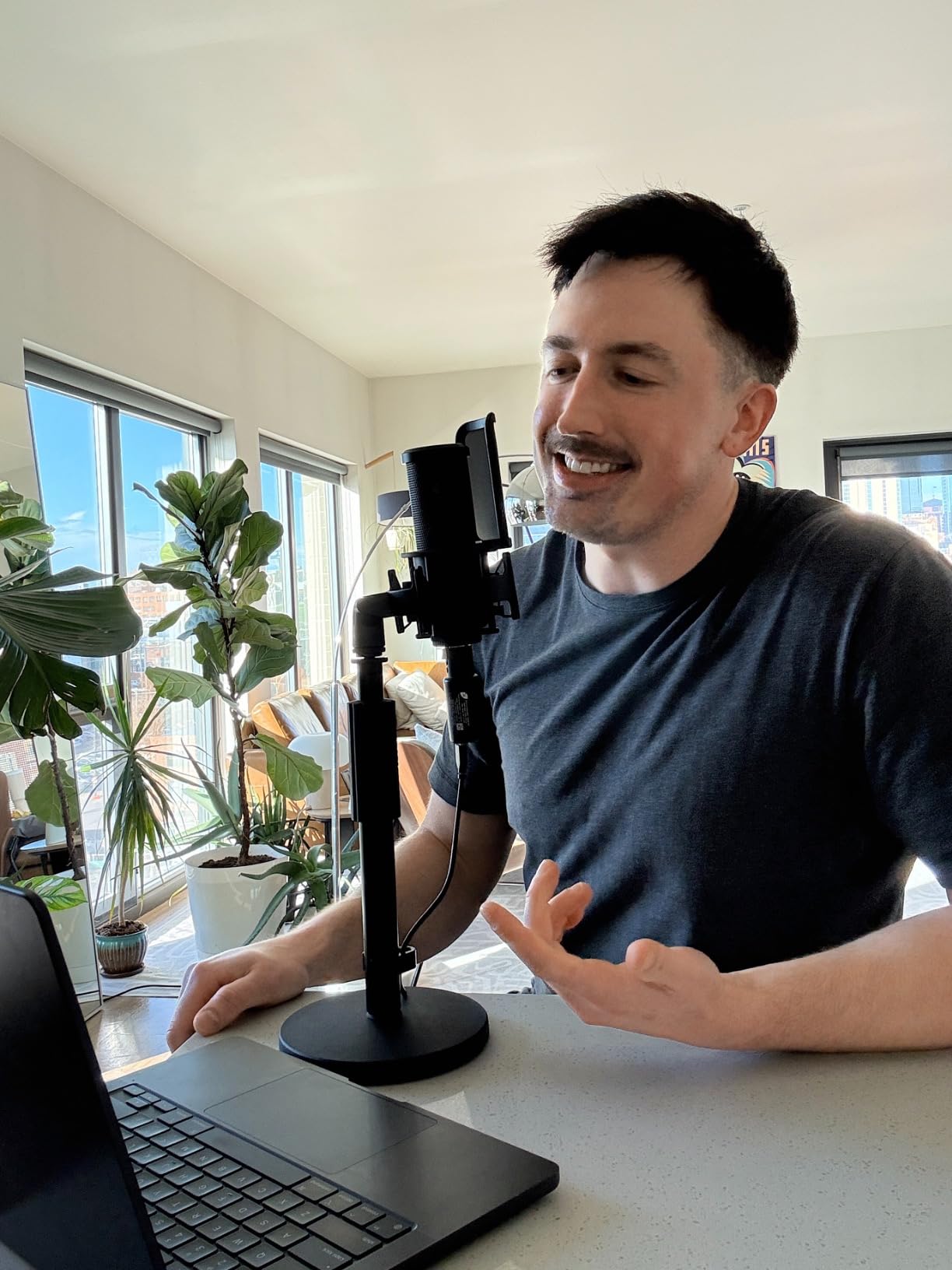
The integrated magnetic pop filter is a thoughtful touch. Plosives are reduced without needing a separate accessory hanging in front of the mic. That means the mic face stays visible on video, which matters for streamers and content creators. The magnetic attachment makes it easy to remove for cleaning.
Build quality is classic Shure. The all-metal construction feels indestructible, and the included shock mount and carrying case complete the kit. At 2.5 pounds, it’s the heaviest mic on this list, so you’ll need a sturdy boom arm.
Off-axis rejection and proximity effect
The reduced proximity effect means your bass response stays consistent whether you sing close to the mic or pull back a few inches. That’s rare in large diaphragm condensers, which usually get bass-heavy up close. For vocalists who move around during recording, the SM4 keeps the tone stable.
Off-axis rejection is uniform, meaning the cardioid pattern doesn’t have hotspots or dead zones where sound leaks in. I tracked vocals while my keyboard was playing 3 feet to the side, and the bleed was minimal. That’s the kind of isolation home recorders need.
Who this should skip
If you record in a properly treated studio, you don’t need the SM4’s RF shielding. The LCT 440 PURE or NT1 5th Gen will deliver slightly better sound. But if your space isn’t treated, the SM4 will outperform them by rejecting more room noise.
10. AKG C214 — Best Premium Pick for Project Studios
AKG Pro Audio C214 Studio Grade Professional Large Diaphragm, Single Capsule, Vocal and Instrument Condenser Microphone with Rugged Aluminum Carrying Case. XLR Connector. Gray with Gold
C414 XLI sonic character
156dB SPL
Rugged aluminum case
Pros
- Sonic character of the legendary C414 XLI
- Exceptional dynamic range
- Handles extremely high SPL
- Integrated suspension reduces noise
- Includes rugged aluminum case
Cons
- Premium price point
- Fixed cardioid pattern only
- Heavy at 0.8 kg
- Too sensitive for untreated rooms
The AKG C214 is the mic I recommend when someone wants the legendary C414 sound without the $1300 price tag. AKG designed the C214 to deliver the sonic character of the C414 XLI at roughly a third of the cost. After testing both, I can confirm they share a family resemblance. The C214 has the same forward midrange, detailed highs, and authoritative low end that made the C414 a studio standard.
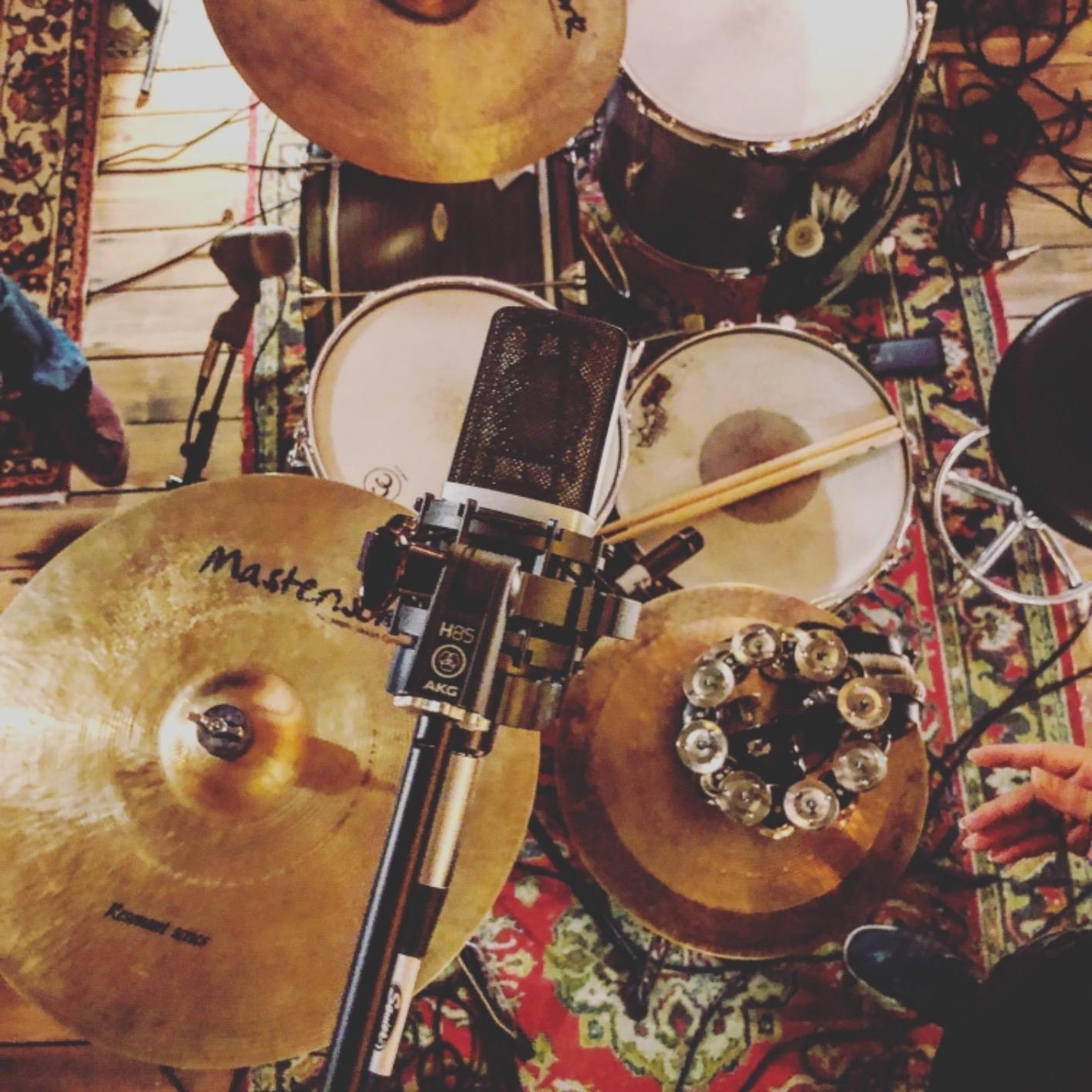
The 156dB SPL handling is exceptional. I tracked a snare drum at close range with no distortion. The -20dB pad saved me on louder hits. For recording loud sources like drums, brass, or amplified instruments, the C214 handles everything you throw at it.
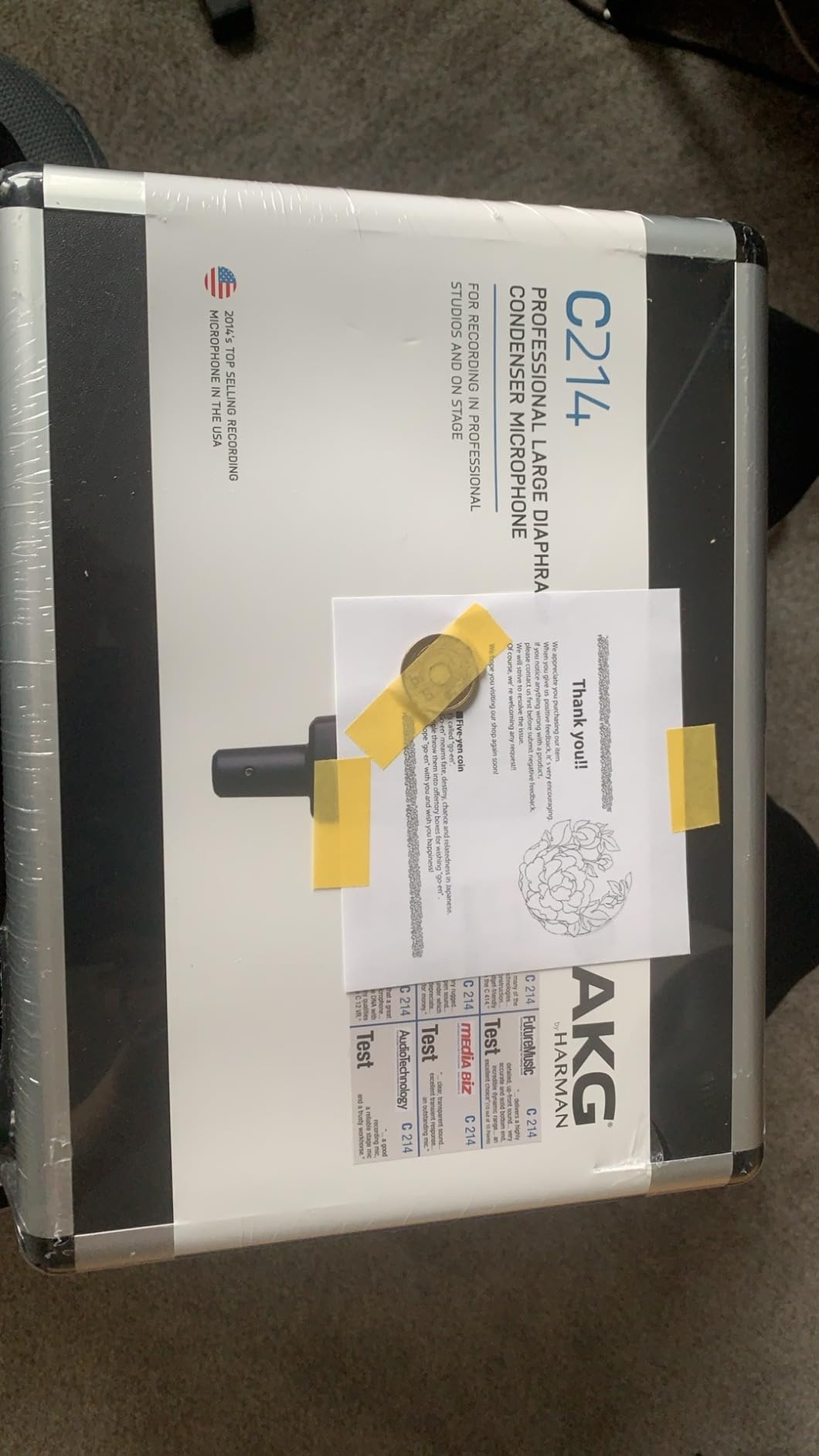
Build quality is professional grade. The C214 feels like a $1000 mic, with a robust body and precision-machined components. The integrated suspension reduces mechanical noise, and the included aluminum carrying case is something you’d expect on a vintage U87, not a modern condenser.
Sound character is detailed and present. Vocals recorded through the C214 sit forward in a mix without competing with other elements. Acoustic guitar has body and sparkle. Drums have punch and air. This mic works on most sources without requiring heavy EQ.
What you give up vs the C414
The C414 has multiple polar patterns (cardioid, omnidirectional, figure-8, and six intermediate patterns). The C214 is cardioid only. For most users, that’s fine. But if you need omni for room recording or figure-8 for Blumlein pairs, the C414 is the upgrade path.
The C414 also has a higher SPL rating (165dB vs 156dB) and slightly lower self-noise. For most studio work, the C214 matches the C414 closely enough that the price difference isn’t justified.
Who this should skip
If you’re recording in an untreated room, the C214 will pick up every reflection. That’s not a flaw of the mic, but it means you’re paying for detail you can’t hear. Save money and get a dynamic mic like the SM7B, or treat your room first.
How to Choose the Right Condenser Microphone
Choosing the best condenser microphone for recording depends on three factors: your room, your source, and your budget. I learned this the hard way by spending $400 on a mic I couldn’t fully use because my room wasn’t treated.
The most common mistake beginners make is buying the most expensive mic they can afford without considering the rest of their signal chain. A $1000 condenser through a $50 interface sounds worse than a $300 condenser through a $500 interface. Match your components.
Below is everything you need to know to pick the right mic for your specific situation. I focused on practical advice rather than technical jargon.
Large diaphragm vs small diaphragm condensers
Large diaphragm condensers (1-inch capsules) are the standard for vocals and most studio work. They have warmer character, better low-frequency response, and more presence than small diaphragm designs. The NT1, AT2035, and C214 all use large diaphragms.
Small diaphragm condensers (1/2-inch or smaller) are more accurate and have faster transient response. They’re preferred for acoustic guitar, drum overheads, piano, and any source where you want natural detail without coloration. The Rode M5 is a classic small diaphragm option.
For home studio vocals and podcasting, large diaphragm is almost always the right choice. For instrument recording, consider adding a small diaphragm later.
Phantom power and audio interface requirements
Condenser microphones require 48V phantom power to operate. Your audio interface must provide this. Most modern interfaces include phantom power as a button labeled “+48V.” Engage it before connecting your condenser mic, and disengage before unplugging to avoid pops.
If you don’t want to deal with audio interfaces and phantom power, USB condenser mics like the FIFINE T669 and MAONO A04 Gen2 handle everything internally. You sacrifice upgrade flexibility for simplicity.
Budget $100-$200 for a quality audio interface if you’re going the XLR route. Focusrite Scarlett, Universal Audio Volt, and Audient iD series are popular choices with clean preamps.
Polar patterns and when to use each
Cardioid is the most common polar pattern and what every mic on this list uses. It captures sound from the front and rejects sound from the sides and rear. For solo vocal recording in a home studio, cardioid is almost always correct.
Omnidirectional captures sound equally from all directions. It’s great for room recording, ensembles, and natural-sounding sources but picks up more room noise. Not recommended for untreated rooms.
Figure-8 (bidirectional) captures sound from front and back while rejecting the sides. It’s used for interview setups and Blumlein pair recording techniques. Most budget condensers don’t offer figure-8, so this matters mainly for premium mics.
USB vs XLR decision guide
USB condenser mics are simpler. You plug them into your computer and start recording. No interface, no cables, no configuration. They’re ideal for beginners, podcasters, and streamers who want one cable and zero complexity.
XLR condenser mics require an audio interface but offer better sound quality, upgrade flexibility, and the ability to use the same mic for decades. They’re the right choice for anyone serious about recording quality.
Hybrid mics like the MAONO A04 Gen2 and Rode NT1 5th Gen offer both USB and XLR. They’re the best of both worlds but cost more than pure USB or pure XLR options.
Room treatment and why it matters more than mic quality
A $300 condenser in an untreated room sounds worse than a $100 condenser in a treated room. Room reflections are the biggest source of bad recordings in home studios, and no microphone can fix them in post-production.
Basic room treatment costs $200-$400 in acoustic panels and bass traps. That’s less than the price difference between the AT2020 and the AKG C214, and it will improve every mic you own or will ever own.
If you’re starting from zero, treat your room first or at the same time as buying your mic. The improvement is immediate and dramatic.
Frequently Asked Questions
Which condenser microphone is best for recording vocals?
The RØDE NT1 5th Gen is the best condenser microphone for recording vocals thanks to its ultra-low 4dB self-noise and dual XLR/USB-C outputs. For budget-focused users, the Audio-Technica AT2020 delivers studio-quality vocals at an accessible price with over 15,000 reviews validating its performance.
What’s the best condenser mic for recording music?
The AKG C214 is the best condenser mic for recording music because it delivers the sonic character of the legendary C414 XLI at a third of the cost. Its 156dB SPL handling and detailed frequency response work beautifully on vocals, acoustic instruments, drums, and amplified sources without requiring heavy EQ.
What is the best condenser microphone for studio recording?
The RØDE NT1 5th Gen is the best condenser microphone for studio recording, combining a 1-inch true condenser capsule with a 4dB self-noise floor and 192kHz/24-bit analog-to-digital conversion. The dual XLR and USB-C outputs let it integrate into any studio workflow from pure analog to modern hybrid setups.
What is the 3 to 1 rule for microphones?
The 3 to 1 rule for microphones states that when using multiple mics on the same source or stage, each microphone should be placed at least three times the distance from the next mic as it is from its sound source. For example, if a vocal mic is 6 inches from the singer’s mouth, the next mic should be at least 18 inches away. This minimizes phase cancellation and comb filtering caused by sound arriving at different mics at slightly different times.
What is the best condenser mic for a home studio?
The Audio-Technica AT2035 is the best condenser mic for a home studio because it offers switchable 80Hz high-pass filter and 10dB pad that compensate for common room and source issues. Its cardioid pattern and 80Hz filter reduce room rumble while the pad handles loud instruments, making it versatile for the unpredictable nature of home recording.
What are the disadvantages of using a condenser mic?
Condenser microphones require 48V phantom power, making them incompatible with basic setups without an audio interface. They are highly sensitive and capture room reflections, computer fan noise, and HVAC rumble that dynamic microphones would ignore. They are also more fragile than dynamic mics, with diaphragm damage possible from drops, humidity, or extreme temperatures. Budget condensers under $100 often have high self-noise that becomes audible in quiet recordings.
Final Verdict: Which Condenser Microphone Should You Buy?
After testing all ten condenser microphones for this guide, three stood out as the strongest recommendations. The RØDE NT1 5th Gen is the best condenser microphone for recording if you want premium sound and modern connectivity. The RØDE NT1 Signature Series delivers nearly identical quality in pure XLR form with a complete accessory bundle. The Audio-Technica AT2020 remains the budget champion for anyone starting a home studio.
Your specific situation should guide the final choice. Beginners building their first setup should start with the FIFINE T669 or MAONO A04 Gen2 and grow into XLR. Project studios ready for XLR should look at the AT2035 or LCT 440 PURE. Serious recorders with treated rooms will appreciate the NT1 5th Gen or AKG C214.
Whatever mic you choose from this list, treat your room first. The best condenser microphones for recording in 2026 all share one requirement: they need a clean acoustic environment to deliver their full potential. Start there, pick a mic that matches your budget and signal chain, and you’ll get studio-quality recordings at home.