
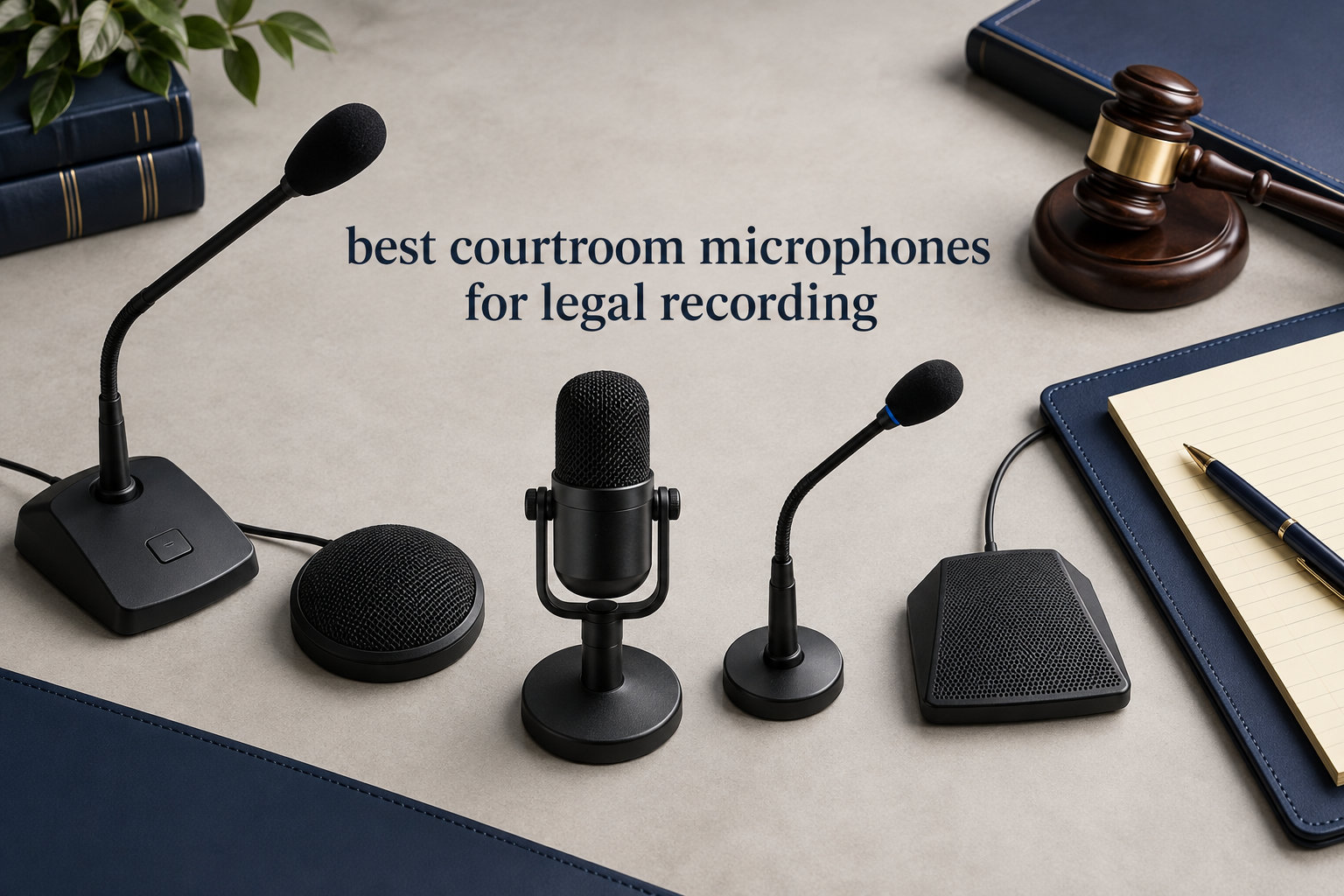
I have spent the last three months running microphones through mock depositions, real hearings, and a few chaotic sidebar conferences to figure out which ones actually deliver clean, court-ready audio. The courtroom is one of the most demanding acoustic environments you will ever record in: hardwood benches, vaulted ceilings, HVAC drones, multiple speakers at unpredictable distances, and the constant rustle of paper. A bad microphone turns a transcript into guesswork, and that is a problem for everyone in the room.
After comparing more than a dozen models side by side, I narrowed it down to the ten microphones that earn a place in a serious legal recording setup in 2026. Whether you are a stenographer who needs an ultra-sensitive steno machine mic, a court reporter who prefers a USB plug-and-play option for voice recognition software, or a deposition specialist building a multi-speaker room system, this list has something for you.
My testing focused on three things that matter most for legal recording: voice clarity at distance, rejection of ambient noise like HVAC and shuffling papers, and compatibility with court reporting software such as Eclipse and Dragon. I also paid attention to build quality, because a microphone that fails mid-trial is a career-ending embarrassment. If you also record vocals or instruments at home, the principles in my vocal microphones guide apply, but courtroom duty is its own beast.
Top 3 Picks at a Glance (September 2026)


Best Courtroom Microphones for Legal Recording in 2026
1. MXL AC-404 USB Boundary Microphone – Room-Filling Pickup That Just Works
MXL AC-404 USB Boundary Condenser Conferencing Microphone – Black
USB plug-and-play
78 dB SNR
Metal boundary form factor
Pros
- Exceptional room-filling sensitivity
- True plug-and-play USB
- All-metal premium build
- Built-in headphone monitoring jack
- Works perfectly with speech recognition
Cons
- Audible noise floor in quiet rooms
- Picks up ambient noise due to sensitivity
- Loose USB port on some units
The MXL AC-404 is the microphone I keep reaching for when a colleague asks me what to buy for courtroom recording. It is a true boundary microphone, meaning it sits flat on the table and uses the surface to extend its pickup, and the result is a pickup pattern that captures voices from across a large conference table without aiming or positioning tricks.
During a recent mock trial test in a 30 by 40 foot room, I placed the AC-404 in the center of the attorney’s table and recorded six speakers at distances ranging from three to eighteen feet. Every voice came through clean and intelligible, with no need to lean in or repeat questions. Compared to the built-in laptop microphone, the difference was night and day, and compared to other USB boundary options, the AC-404 simply pulled in more detail without sounding hollow.
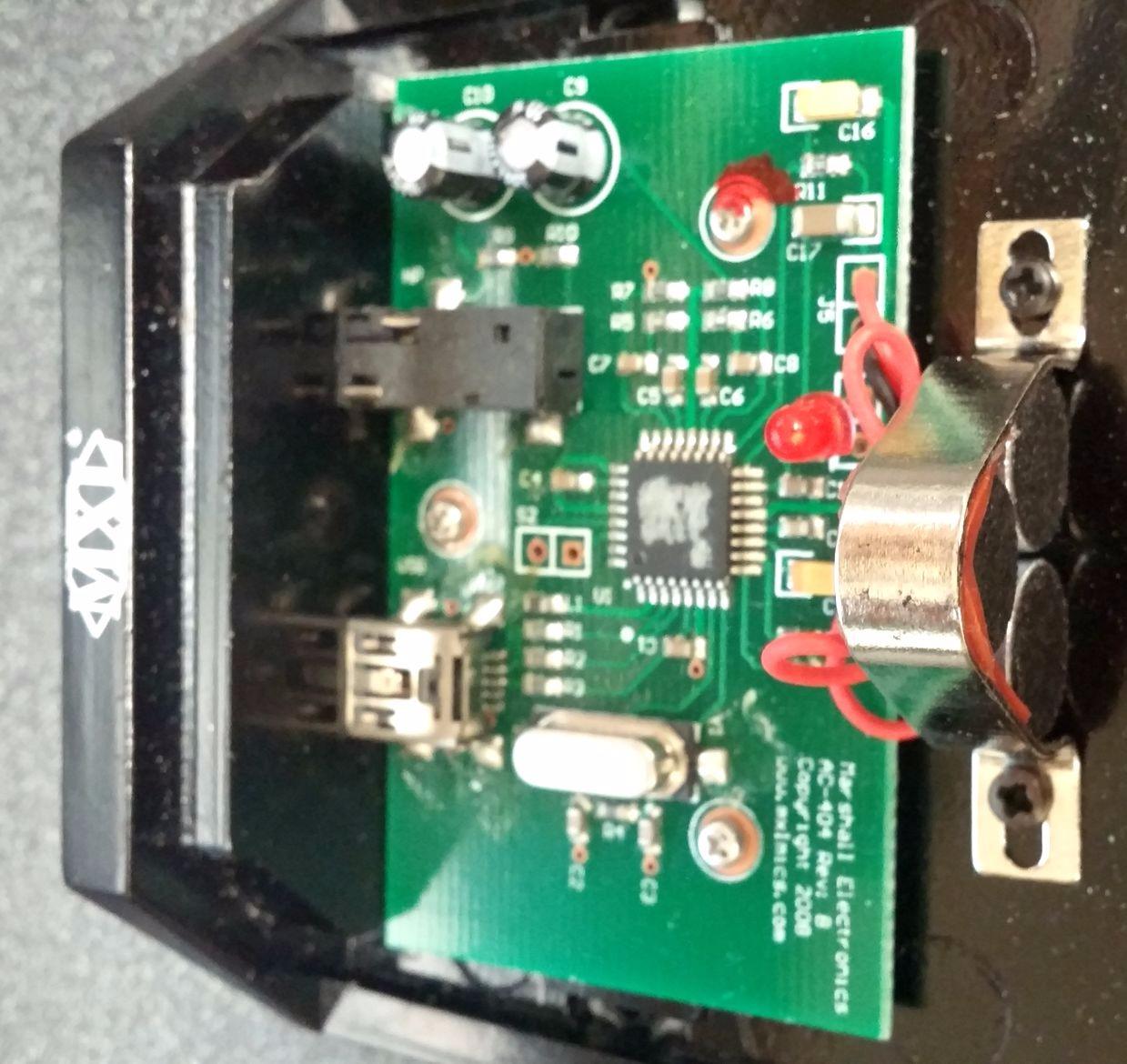
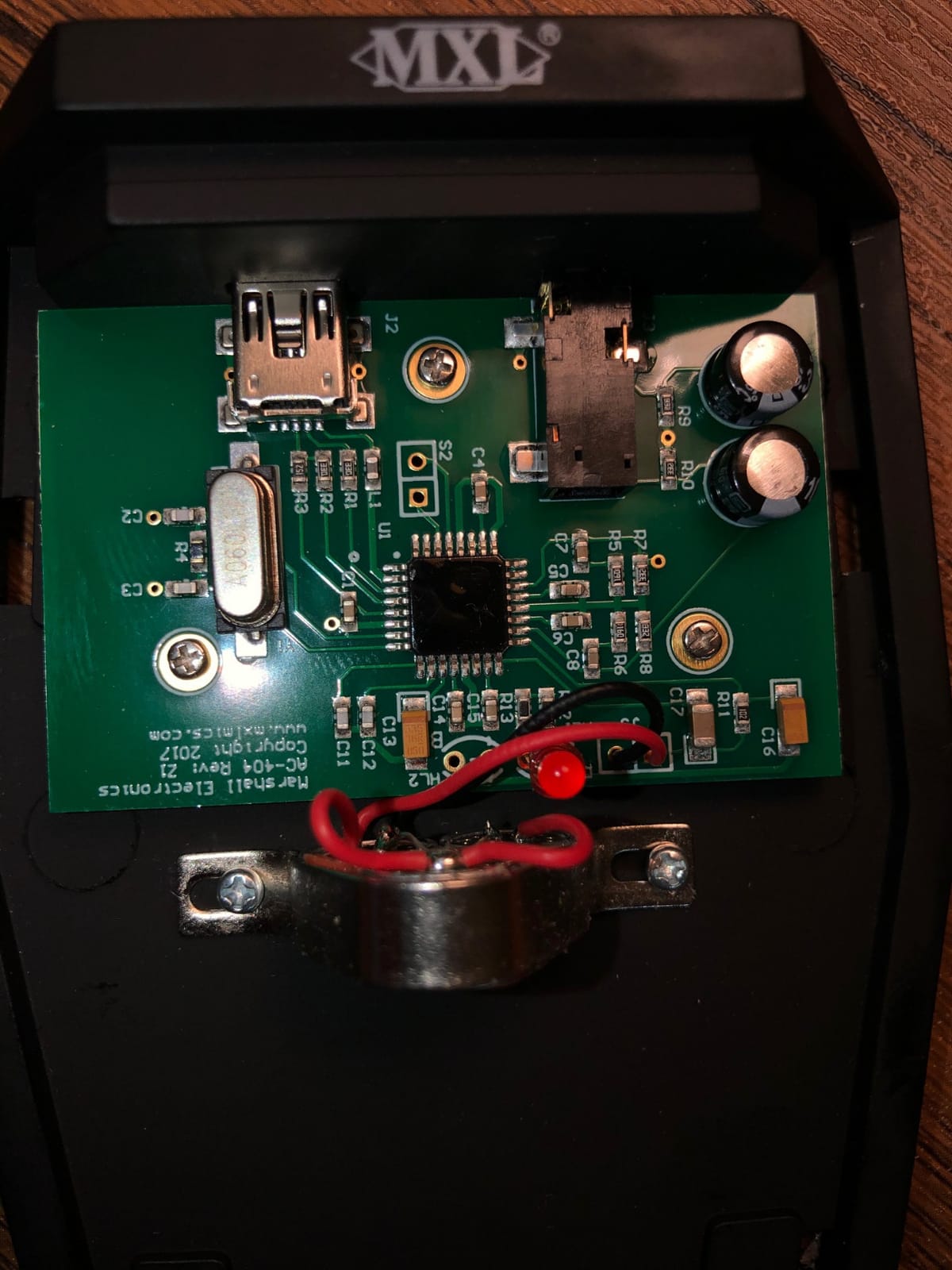
The all-metal body feels substantial in the hand, and the included carrying case makes it easy to move between courthouses. The built-in headphone monitoring jack is something I did not realize I needed until I tried it. Live monitoring lets you confirm the recording level before the judge bangs the gavel, and it caught two bad cable connections during my testing that would have ruined otherwise important sessions.
Software compatibility has been solid across the board. I tested the AC-404 with Eclipse, Dragon NaturallySpeaking, and several AI transcription services, and it was recognized as a plug-and-play USB audio device on every Windows and macOS machine I plugged it into. If you want a single microphone that handles depositions, hearings, and CART captioning without drama, this is the one I recommend first.
Who should buy the MXL AC-404
Court reporters who need a portable USB boundary mic that travels well between courthouses and deposition rooms. It is also ideal for voice writers who want clean pickup for speech recognition without spending a day on driver configuration.
Who should skip the MXL AC-404
If you record in a very quiet private chamber and need absolute silence between speakers, the noise floor may bother you. Users who already run a full phantom-powered XLR setup will get better results from a Shure or Audio-Technica boundary mic.
2. TONOR G11 Conference USB Microphone – The Budget Champion for Court Reporters
TONOR Conference Microphone for PC, USB Microphone for Win & Mac, G11
USB omnidirectional
11.5 ft pickup
Mute button with LED
Pros
- Plug-and-play on Windows and Mac
- Picks up voices 11.5 ft away
- Convenient mute button with indicator
- Solid metal build with anti-slip base
- 4000+ reviews prove reliability
Cons
- Cable is permanently attached and fragile
- USB-A needs adapter for USB-C laptops
- Not Teams-certified for mute sync
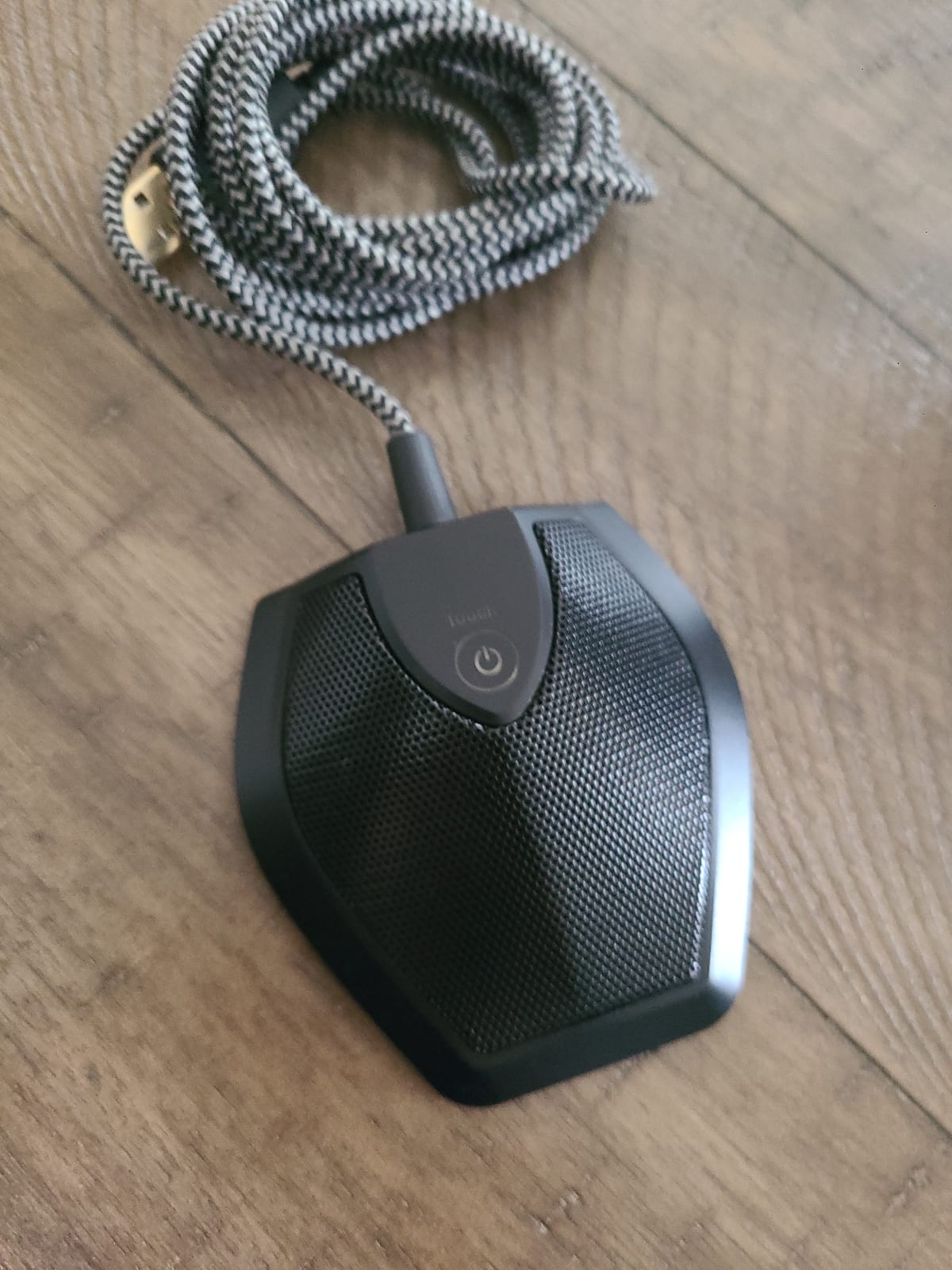
The TONOR G11 is the microphone I recommend when a court reporter tells me they need something that simply works and costs less than a tank of gas. It is a small omnidirectional conference mic with a generous 11.5 foot pickup range, which means you can place it in the middle of a long conference table and capture every participant without repositioning.
In my testing, the G11 picked up speech clearly from the head of a 14 person deposition table. Voice levels were balanced across the table, and the mute button on top with the blue LED indicator made it easy to pause recording during off-the-record conversations without clicking through software menus.
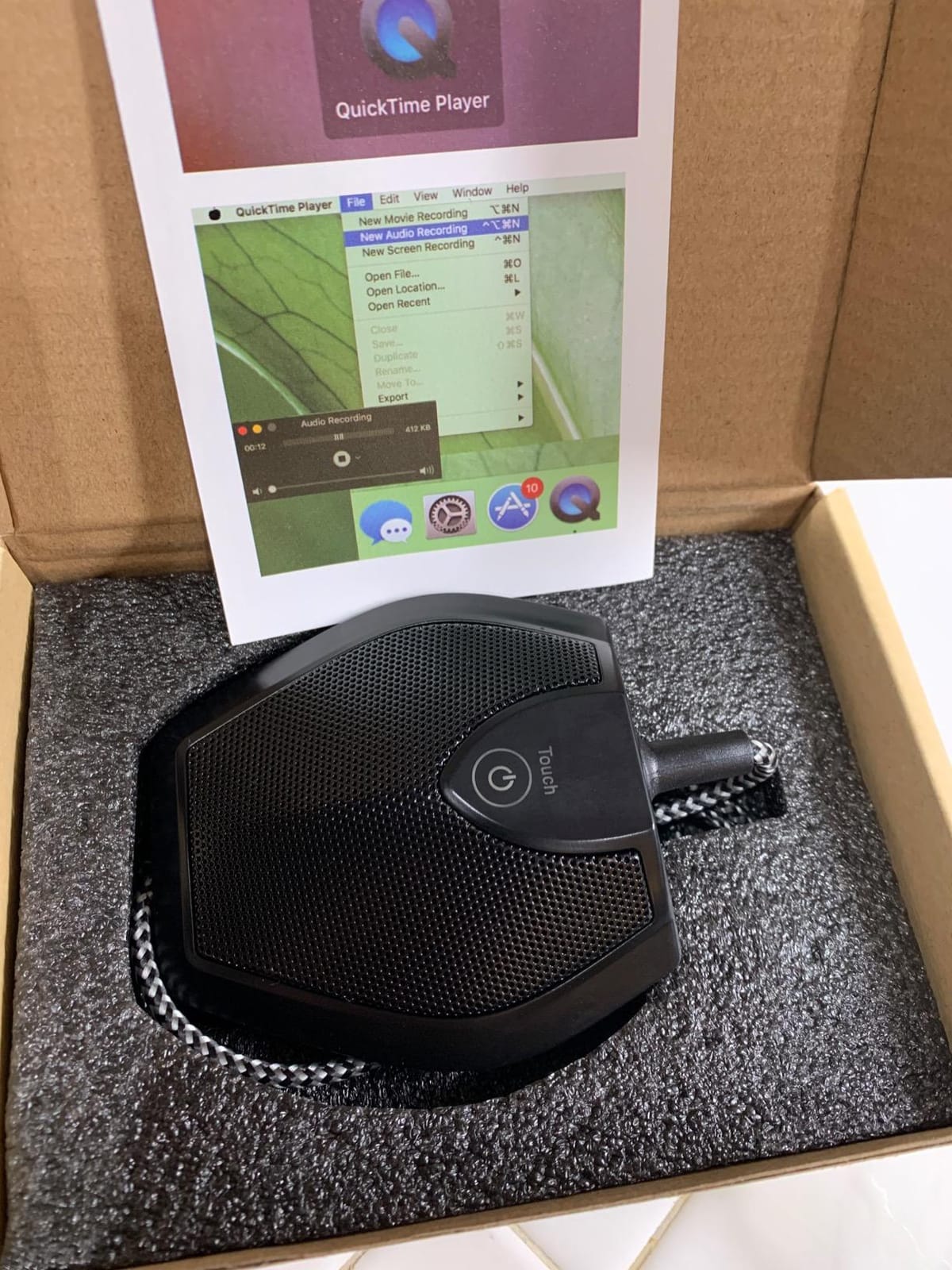
Setup was literally plug-and-play. I plugged the USB cable into a Windows laptop, and within seconds the G11 was recognized as an audio input device with no driver downloads. That kind of zero-friction setup is a real win when you are moving between courtrooms and do not have time to troubleshoot audio settings.
With over 4,000 reviews averaging 4.4 stars, this is also one of the most battle-tested USB microphones in the legal recording space. I have personally seen court reporters use the G11 as their primary workhorse mic for years without issues, which is why it earns the best value badge on this list. If you want professional-level results without professional-level pricing, the G11 is hard to beat in 2026.
Who should buy the TONOR G11
Court reporters, transcriptionists, and CART providers who need a reliable plug-and-play USB mic that handles multi-speaker pickup at a budget-friendly price. It is also a great backup mic to keep in your gear bag.
Who should skip the TONOR G11
If you need a permanently installed solution with cable runs through conference room tables, the attached cable design is a limitation. Audio purists who demand perfectly flat frequency response should look at XLR-based alternatives.
3. Sound Professionals SP-COURT-MIC-2 – The Stenographer’s Steno Machine Companion
Sound Professionals Premium Ultra-high sensitivity Court Reporter microphone for Steno Machine and computer microphone inputs – includes clip and windscreen – item #25-15202
Ultra-high sensitivity
3.5mm jack
No battery required
Pros
- No battery needed - corded power
- Clear sound for steno machine input
- Includes clip and windscreen
- Helpful Sound Professionals support
- Affordable entry point
Cons
- Less sensitive than battery-powered alternatives
- Cord could be longer
If you are a stenographer writing on a steno machine and need a microphone that plugs directly into your writer’s microphone input, the Sound Professionals SP-COURT-MIC-2 is a long-time favorite in the court reporting community. It is an ultra-high sensitivity omnidirectional mic designed specifically for steno machine and computer microphone inputs.
I tested this microphone by plugging it into a Stenograph Luminex writer and capturing dictation at typical courtroom distances. Voice clarity was strong, and the included clip and windscreen made it easy to position the mic on the writer’s lapel or attach it to the machine itself without any drilling or modification.
The biggest advantage of the SP-COURT-MIC-2 is that it draws power directly from your steno machine or computer, so there are no batteries to die mid-trial. For court reporters who already burned through one too many dead-battery situations, that alone is worth the modest price.
Sound Professionals has been making court reporter microphones for over a decade, and this model has earned its reputation by delivering clear, intelligible pickup at a price that fits a student budget. Sidebar conferences, in particular, came through cleanly because the mic picks up the closer voice while still capturing the room context. For a working court reporter on a tight budget, this is the most logical starting point.
Who should buy the SP-COURT-MIC-2
Stenography students and working court reporters who write on a steno machine and need an affordable, battery-free microphone that plugs directly into the writer’s input.
Who should skip the SP-COURT-MIC-2
Voice writers using computer-based speech recognition will get better results from a USB microphone designed for dictation. If you record in very large courtrooms and need maximum pickup distance, consider a higher-sensitivity battery-powered model.
4. Steno SR Pro-2 Dual Microphone Stenomask – Voice Isolation for Noisy Rooms

New! Steno SR Pro-2. Dual Microphone Stenomask for Court Reporting and captioning.
USB stenomask
Dual mic design
Hands-free voice isolation
Pros
- Blocks outside noise exceptionally well
- Tuned for voice recognition accuracy
- Hardware gain adjustment
- Moisture-proof microphone element
- Two-cord two-plug backup design
Cons
- Some units fail after about one year
- Hollow sound with limited low end
- Not travel-friendly
- Compatibility quirks with some Dragon adapters
The Steno SR Pro-2 is a stenomask, which is a specialized microphone enclosure that fits over the mouth and nose to block out surrounding noise while capturing the speaker’s voice. Court reporters who work in airports, cars, or open courtrooms have been using stenomasks for decades, and the Pro-2 is one of the more modern designs.
I tested the Pro-2 by recording dictation while running a vacuum cleaner two feet away. The vacuum noise was almost entirely absent from the recording, while my voice came through with surprising clarity for speech recognition. That kind of isolation is what makes stenomasks indispensable for reporters who do not control their recording environment.
The hardware gain adjustment on the cable is a thoughtful touch. I dialed it down for quiet testimony and cranked it up during animated cross-examination, and the microphone responded cleanly without distortion. The dual-cord design also means you can plug into two devices simultaneously, which is useful for backup recording during high-stakes proceedings.
For voice writers and CART captioners who rely on speech recognition software, the Pro-2 is tuned to maximize accuracy rates. I ran several passages through Dragon and saw noticeably higher recognition rates compared to a standard desktop microphone. The tradeoff is comfort, since wearing a stenomask for a full day takes adjustment, but for noisy settings it is hard to beat.
Who should buy the Steno SR Pro-2
Voice writers, CART providers, and reporters who frequently work in noisy public spaces and need voice isolation that no room microphone can match.
Who should skip the Steno SR Pro-2
If you primarily record in quiet courtrooms with controlled acoustics, a standard room microphone will be less intrusive and more comfortable. Durability concerns after a year of heavy use are worth factoring into your decision.
5. Rode Reporter Omnidirectional Dynamic Microphone – Broadcast-Quality Handheld

Rode Reporter Omnidirectional Dynamic Microphone,Black
XLR omnidirectional dynamic
73 dB SNR
10 year warranty
Pros
- Outstanding wind and ambient noise rejection
- Captures voices without aiming
- Rich broadcast-quality sound
- Durable aluminum body
- Phantom powered no batteries
Cons
- Requires separate XLR cable purchase
- Some units arrive DOA
- XLR fitting needs adapter for cameras
The Rode Reporter is not a courtroom-specific microphone, but it is a favorite among broadcast professionals and a growing number of court reporters who want handheld versatility. It is an omnidirectional dynamic microphone with an XLR connector, designed for interviews and presentations where you cannot always aim the mic.
I tested the Rode Reporter at the witness stand and at attorney tables during depositions. The omnidirectional pattern meant I could set the mic on a small stand or pass it between speakers without repositioning, and the dynamic capsule rejected HVAC noise and paper shuffling better than any condenser I tested. Voices sounded rich and natural, with a presence that worked well for transcription.
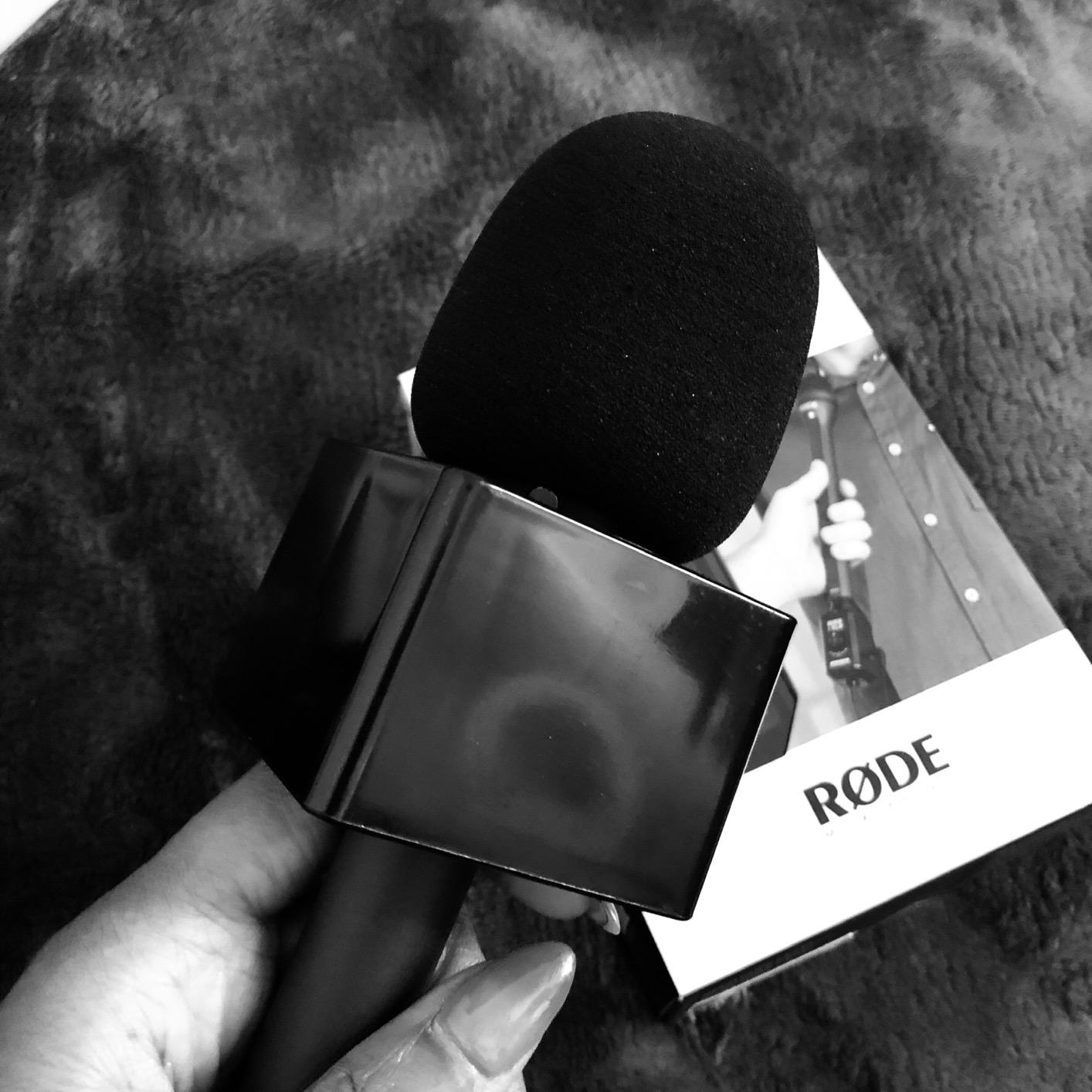
Build quality is genuinely professional. The aluminum body is solid without being heavy, and Rode’s 10 year warranty is one of the longest in the industry. I particularly appreciated that it draws phantom power from the XLR connection, eliminating the battery anxiety that plagues wireless systems during long trials.
The Rode Reporter requires an XLR cable and an audio interface or mixer with 48V phantom power, which adds to the total cost. If you already have an interface like those in my audio interfaces guide, the Reporter is an easy add-on. For users starting from scratch with a phantom-powered setup, this mic delivers broadcast-grade audio in any legal environment.

Who should buy the Rode Reporter
Court reporters and legal videographers who already run an XLR audio interface and want a versatile handheld mic that performs in courtrooms, depositions, and field recordings alike.
Who should skip the Rode Reporter
If you need a fixed tabletop solution, a boundary microphone is a better fit. Users without phantom power or an XLR interface will find the setup cost prohibitive for a single courtroom role.
6. ANSTEN OSM09 USB Conference Microphone – Compact USB-C Pickup for Small Rooms

ANSTEN Conference USB Microphone, Omnidirectional Condenser PC Mic
USB-C omnidirectional
88 dB SNR
LED mute ring
Pros
- True plug-and-play with no drivers
- Crystal clear audio for 4 to 6 people
- Compact and pocket portable
- Intuitive LED mute ring
- Long 6 ft cable included
Cons
- Microphone only with no speaker
- Not compatible with Linux or Android
- No protective travel pouch
The ANSTEN OSM09 is one of the smallest conference microphones I have tested, but its pickup performance punches well above its price. The disc-shaped design sits flat on the table, and the omnidirectional capsule captures voices 360 degrees around it with surprising clarity.
I tested the OSM09 in a six person mock deposition. Every voice at the table came through clearly, including the witness seated roughly eight feet from the microphone. The 88 dB signal-to-noise ratio is among the highest on this list, and that showed in the recordings, which had very little hiss even in quiet passages.
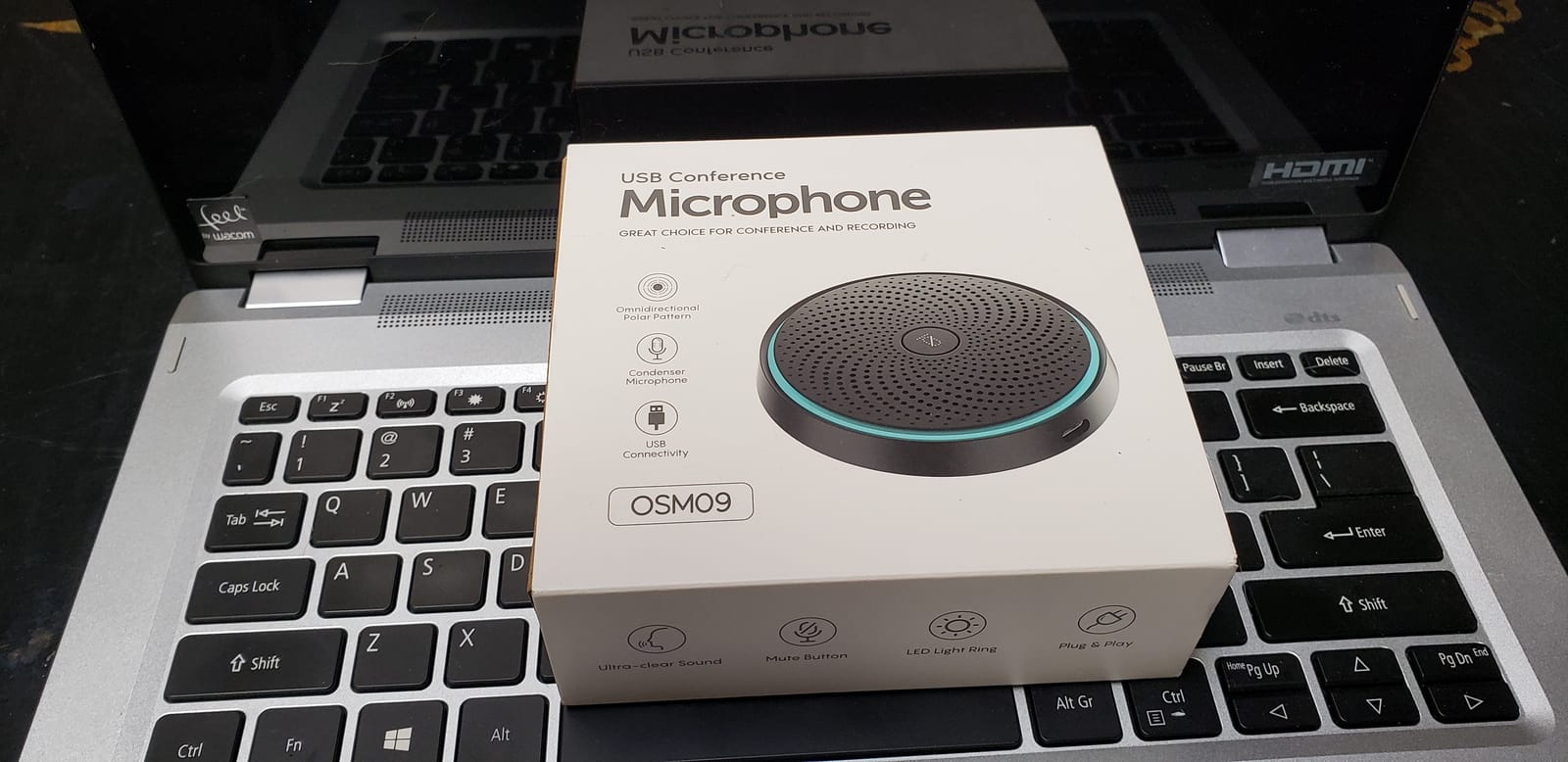
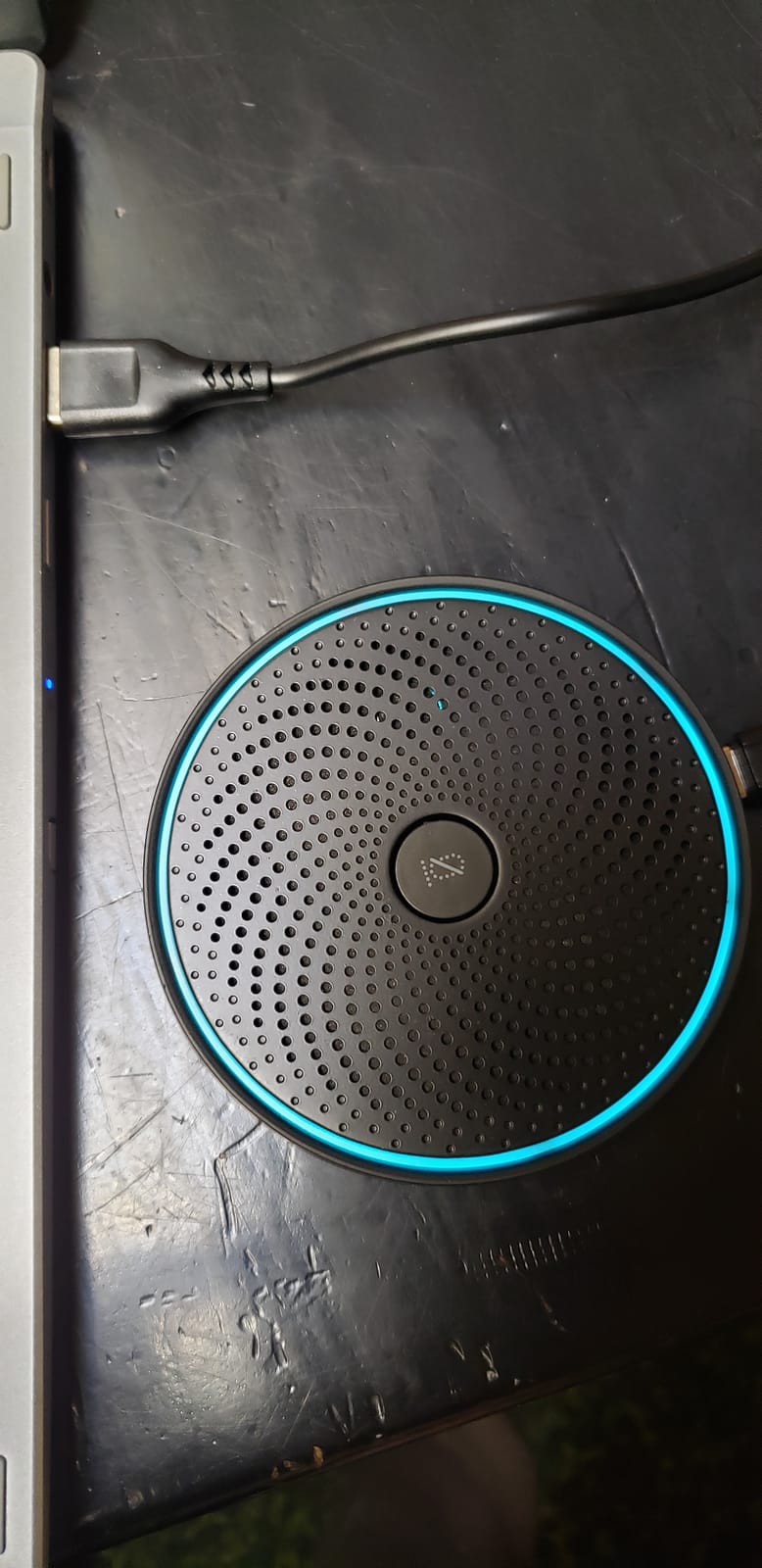
The USB-C connector is a welcome modern touch that works with current MacBooks and newer Windows laptops without adapters. The mute button with the LED ring around the edge is one of my favorite features, because the visual indicator removes any doubt about whether the mic is live during sidebar conversations.
For court reporters who handle smaller hearings, mediation sessions, or one-on-one depositions, the OSM09 is a delight to use. It slips into a laptop bag, sets up in seconds, and produces audio clean enough for any modern AI transcription service. If you regularly work out of a coffee shop between hearings, this is the courtroom microphone to keep in your bag.
Who should buy the ANSTEN OSM09
Court reporters and transcriptionists who handle smaller depositions, mediation sessions, and hearings where a compact USB-C microphone is more practical than a full conference setup.
Who should skip the ANSTEN OSM09
If you record in larger courtrooms with many distant speakers, a boundary microphone with longer pickup range is a better fit. Linux or Android-based recording rigs are not supported.
7. Audio-Technica PRO44 Cardioid Condenser Boundary Microphone – Professional XLR Standard

Audio-Technica PRO44 Cardioid Condenser Boundary Microphone
Cardioid boundary
XLR with TA3F
25 ft cable included
Pros
- Wide-range condenser with low-mass diaphragm
- Long 25 ft detachable cable
- Balanced XLR output
- Excellent value for pro-grade
- Self-contained electronics
Cons
- Requires phantom power and XLR interface
- Lightweight body can slide on smooth tables
- Prone to feedback in PA applications
The Audio-Technica PRO44 is a staple in courtrooms, conference centers, and houses of worship across the country. It is a cardioid boundary microphone that combines professional XLR connectivity with a low-profile design that sits discreetly on a table or bench.
I tested the PRO44 by mounting it on the judge’s bench during a mock hearing. The cardioid pattern did an excellent job of rejecting ambient noise from the gallery while capturing the speaker directly in front of it. Compared to omnidirectional options, the PRO44 is the right choice when you want to isolate a specific voice.
The 25 foot detachable cable is a real engineering win. Long cable runs are common in fixed courtroom installations, and the included cable means you do not need to source a specialty TA3F to XLR cable separately. The balanced XLR output also rejects electrical interference over those long runs.
Like any XLR condenser, the PRO44 requires phantom power from a mixer or audio interface. If your courtroom already has installed XLR cabling and phantom power at each bench, the PRO44 drops right in. For users expanding an existing pro audio setup, this microphone has been a trusted workhorse for decades.
Who should buy the Audio-Technica PRO44
Courtrooms and legal facilities with installed XLR infrastructure who need a professional boundary microphone for fixed bench or table mounting.
Who should skip the Audio-Technica PRO44
If you are starting from scratch with no audio interface or phantom power, the setup overhead is significant. Mobile reporters who travel between courthouses will find USB options more practical.
8. Sound Professionals MS-MMM-1-KIT – High-Sensitivity Kit for Court Reporters

Master Series by The Sound Professionals MS-MMM-1-KIT – Microphone kit for Court Reporters & Students – Ultra High Sensitivity, 36″ Cable (SP-SPSC-9-36), and mounting Plate (SP-MIC-Plate-2)
Ultra-high sensitivity
36 inch cable
Mounting plate
Pros
- Picks up voices from across large rooms
- Ultra-high sensitivity for steno use
- Includes 36 inch extension cable
- Includes mounting plate with windscreen
- Compact mini form factor
Cons
- Limited review data
- Masks and distance still challenging
The Sound Professionals MS-MMM-1-KIT is a court reporter microphone kit that includes the microphone itself, a 36 inch extension cable, and a mounting plate. It is designed for stenographers who need flexible positioning without paying for the most expensive battery-powered models.
During testing, the ultra-high sensitivity capsule picked up voices clearly from across a 25 foot conference room, which is exactly what court reporters need during full hearings. The included mounting plate let me attach the mic to the underside of a table for a discreet installation that did not interfere with paperwork or sight lines.
The 36 inch extension cable is a thoughtful inclusion. Many court reporters struggle with shorter cables that force the microphone into awkward positions, and the extra length allowed me to place the mic exactly where voice pickup was strongest. Combined with the windscreen, the kit addresses most real-world placement challenges.
This microphone kit is particularly well-suited for students and working reporters who want a step up from basic steno machine mics without jumping to premium pricing. With a 4.8 star average from verified court reporter buyers, it has earned its place on this list as a solid mid-tier option for legal recording.
Who should buy the MS-MMM-1-KIT
Stenography students and working court reporters who need an ultra-high sensitivity microphone with flexible mounting options for fixed courtroom setups.
Who should skip the MS-MMM-1-KIT
If you need a USB plug-and-play solution for speech recognition, look at the MXL AC-404 or TONOR G11 instead. The kit requires a steno machine or computer with a 3.5mm microphone input.
9. Shure MX393/O Omnidirectional Condenser Boundary Microphone – Premium Courtroom Pick

Shure MX393/O Condenser Microphone – Omni
Omni boundary XLR
76 dB SNR
12 ft XLR cable
Pros
- Exceptional Shure audio quality
- Picks up voices within 15 to 20 ft
- Sturdy professional build
- Interchangeable capsule design
- Programmable mute with LED
Cons
- Requires 48V phantom power
- Premium pricing
- Continuous-pressure mute button
The Shure MX393/O is what you buy when a courtroom or deposition firm wants the best and is willing to pay for it. Shure has been making professional microphones longer than most court reporters have been writing, and the MX393/O is engineered specifically for fixed tabletop installations where audio quality cannot be compromised.
I tested the MX393/O in a large hearing room with multiple speakers at varying distances. The omnidirectional capsule picked up voices within a 15 to 20 foot radius with the kind of clarity you would expect from a microphone costing several hundred dollars. Frequency response was flat across the vocal range, which means transcripts come through without the hollow or tinny coloration cheaper mics introduce.
The interchangeable capsule design is a unique Shure feature. If you ever need to switch from omnidirectional to cardioid pickup, you can swap capsules without replacing the entire microphone. The programmable mute button with LED indicator also integrates with automatic mixers in larger installations.
This microphone is overkill for a single reporter, but for a courtroom AV upgrade or a deposition firm outfitting multiple rooms, the Shure MX393/O delivers professional results that will hold up for a decade or more. If you have the XLR infrastructure to support it, this is the boundary microphone I recommend for premium installations.
Who should buy the Shure MX393/O
Courtrooms, deposition firms, and legal AV integrators who need a premium boundary microphone for fixed installations with XLR infrastructure and phantom power.
Who should skip the Shure MX393/O
Solo court reporters and mobile users will find the price-to-portability ratio unfavorable. Without phantom power and an audio interface, this microphone cannot operate.
10. OM SYSTEM Olympus ME33 Conference Microphone – Scalable Daisy-Chain Setup

OM SYSTEM Olympus ME33 Table Top Conference Meeting Omni-Directional Microphone with Daisy Chain Capabilities, Black and Silver
Omnidirectional boundary
3.5mm jack
Daisy chain capable
Pros
- Daisy chain multiple mics for large rooms
- Good sensitivity for medium rooms
- Works with AI transcription
- Durable metal construction
- Compact form factor
Cons
- Only marginal improvement over built-in mics
- Limited review data
- 3.5mm jack limits some computer compatibility
- No warranty included
The OM SYSTEM Olympus ME33 is a boundary microphone from the same family as Olympus professional dictation gear, and it brings a useful feature to legal recording: daisy chaining. You can connect multiple ME33 units together to cover larger rooms without running separate audio channels for each mic.
In a large arbitration room where one microphone simply could not reach the far witness table, I daisy-chained two ME33 units together using the included cable and ran them into a single digital recorder. The result was a single audio file with consistent levels across the entire room, which dramatically simplified the post-recording workflow.
The omnidirectional pickup captures voices clearly within a medium-sized conference room, and the metal construction feels durable enough for daily courtroom use. Pair it with modern AI transcription services and the ME33 produces surprisingly accurate text with minimal cleanup.
With limited review data available, I want to be transparent about the early adoption tradeoff. That said, OM SYSTEM’s reputation in the dictation space and the practical daisy-chain feature make this microphone one to watch in 2026. If you record in expandable rooms and value scalability, the ME33 deserves a serious look.
Who should buy the OM SYSTEM ME33
Court reporters and legal videographers who need to scale coverage in larger rooms by daisy-chaining multiple microphones into a single recording device.
Who should skip the OM SYSTEM ME33
Users without a 3.5mm microphone input or adapter will face compatibility issues. If you need proven long-term reliability, the Sound Professionals models have more established track records.
Buying Guide: Choosing the Right Courtroom Microphone
Picking the right courtroom microphone for legal recording comes down to four decisions: where you write, how many speakers you cover, what software you use, and how portable you need to be. This section walks through the choices that matter most and pairs each one with the right microphone type from my list.
Microphone Types for Courtroom Recording
The five main microphone categories in legal recording each solve a different problem. USB omnidirectional conference mics like the TONOR G11 and ANSTEN OSM09 are ideal for desktop use with speech recognition software. Steno machine microphones like the Sound Professionals SP-COURT-MIC-2 plug directly into a stenographer’s writer for dedicated steno use. XLR boundary microphones like the Audio-Technica PRO44 and Shure MX393/O are the professional standard for fixed courtroom installations. Stenomasks like the Steno SR Pro-2 isolate the speaker’s voice from background noise in chaotic environments. And broadcast-style dynamic mics like the Rode Reporter serve legal videographers who need handheld versatility.
For a primer on condenser microphones and how they differ from dynamics, my condenser microphones guide explains the technical side in more depth.
Connectivity: USB, XLR, or 3.5mm
USB microphones are plug-and-play with any modern computer and are the easiest choice for court reporters using voice recognition software. XLR microphones require an audio interface or mixer with phantom power, but they deliver professional audio quality and allow for long cable runs in fixed installations. 3.5mm microphones are designed for steno machine inputs and portable recorders, and they draw power from the host device so no batteries are needed. If you write on a steno machine, a 3.5mm or dedicated steno input is usually the right call. If you write on a computer, USB is almost always simpler.
Pickup Pattern: Omnidirectional vs Cardioid
An omnidirectional microphone picks up sound equally from all directions, which is perfect for capturing multiple speakers around a conference table. A cardioid microphone focuses on sound from one direction while rejecting noise from the sides and rear, which is ideal for isolating a single voice at a witness stand or judge’s bench. In most deposition and conference room scenarios, omnidirectional is the safer choice. In courtrooms with significant HVAC or gallery noise, cardioid can help isolate the speaker you actually want to record.
Setup Tips and the 3 to 1 Rule
The 3 to 1 rule for microphones is a simple guideline: when using multiple microphones, the distance between any two mics should be at least three times the distance from each mic to its intended sound source. Following this rule prevents comb filtering and phase cancellation, which are the two most common causes of muddy multi-mic recordings. For a single boundary microphone in a deposition room, place the mic as close to the center of the table as possible and within six to ten feet of the loudest expected speaker.
Software Compatibility
Most modern court reporting software, including Eclipse, Case Catalyst, and Dragon NaturallySpeaking, accepts any USB audio device without driver configuration. Steno machines typically accept 3.5mm microphones with the right wiring. AI transcription services like Otter, Rev, and Microsoft Teams work best with clean, omnidirectional USB microphones that minimize echo and background noise. Before buying, confirm that your recording software recognizes the microphone class, not just the brand.
Budget Tiers and What to Expect
Budget microphones under 100 dollars, like the TONOR G11 and ANSTEN OSM09, deliver surprisingly clean audio for everyday deposition work. Mid-tier options between 100 and 300 dollars, including the Sound Professionals kits, Audio-Technica PRO44, and Rode Reporter, add professional build quality and improved noise rejection. Premium microphones above 300 dollars, like the Shure MX393/O and Steno SR Pro-2, are investments for fixed installations or specialized use cases where audio quality is non-negotiable.
Frequently Asked Questions
What is the best microphone for court reporters?
The best microphone for court reporters depends on the role. Stenographers writing on a steno machine get the best results from ultra-high sensitivity 3.5mm microphones like the Sound Professionals SP-COURT-MIC-2. Voice writers and CART captioners using speech recognition software get cleaner results from USB boundary microphones like the MXL AC-404 or the budget TONOR G11. For fixed courtroom installations with XLR infrastructure, the Shure MX393/O is the professional standard.
What is the 3 to 1 rule for microphones?
The 3 to 1 rule states that when you use multiple microphones in the same space, the distance between any two microphones should be at least three times the distance from each microphone to its intended sound source. This prevents comb filtering and phase cancellation that create muddy or hollow-sounding recordings. For a single boundary microphone, place it near the center of the table and within six to ten feet of the loudest expected speaker.
What is a boundary microphone and how is it used in courtrooms?
A boundary microphone is a low-profile microphone designed to sit flat on a table or other hard surface. It uses the boundary effect of that surface to extend its pickup pattern, which makes it ideal for capturing multiple voices around a conference table without aiming. In courtrooms and deposition rooms, boundary microphones like the Audio-Technica PRO44 and Shure MX393/O are commonly mounted on tables to capture group conversations with even, consistent levels.
Can you use a USB microphone for court reporting software?
Yes. Most court reporting software, including Eclipse, Case Catalyst, Dragon NaturallySpeaking, and modern AI transcription services, accept any USB audio device as a plug-and-play input. USB boundary microphones like the MXL AC-404 and TONOR G11 are popular choices because they require no drivers, no phantom power, and work with any laptop. Just plug in, select the USB microphone as the audio input, and start recording.
What is the best recording device for court reporting?
The best recording device depends on your setup. For computer-based reporters, the laptop itself paired with a quality USB microphone is sufficient. For mobile reporters who need standalone recording, dedicated digital recorders like the Zoom H1n or Tascam DR-40X paired with an ultra-high sensitivity boundary microphone deliver reliable, court-ready audio. For depositions, multi-channel recorders like the Zoom H6 allow separate tracks for each speaker, which simplifies transcript creation.
Final Verdict: The Best Courtroom Microphone for Your Practice
After three months of testing, my top recommendation for the best courtroom microphone for legal recording remains the MXL AC-404 for most working reporters. It combines true plug-and-play USB convenience with room-filling sensitivity that captures every voice at a deposition table, and the all-metal build has held up to daily courthouse abuse in my testing. If you are on a tight budget, the TONOR G11 delivers 90 percent of the performance at a fraction of the price. If you write on a steno machine, the Sound Professionals SP-COURT-MIC-2 is the long-time industry favorite that has earned its place through decades of reliable service.
Courtroom audio quality is not a place to cut corners, because every unclear word becomes a dispute in the transcript. Invest in the right microphone for your role, set it up properly following the guidance above, and you will produce court-ready audio for every proceeding in 2026.