
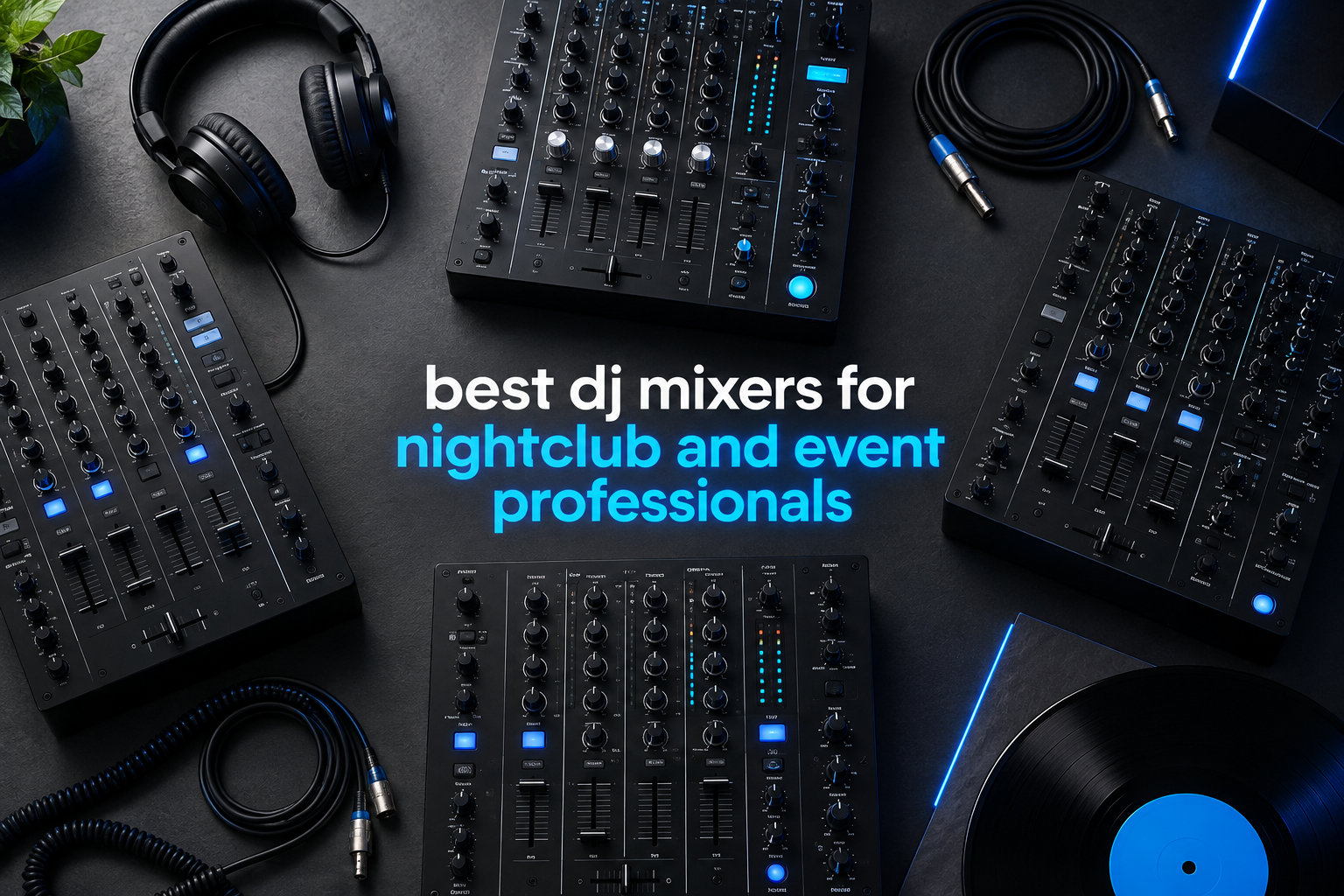
When you walk into the booth at a packed club on a Saturday night, your mixer is the one piece of gear that absolutely cannot fail. I have spent over a decade behind Pioneer DJM units, Allen and Heath Xones, and Rane scratch mixers in everything from 200-capacity rooms to 10,000-person festival stages, and I have learned that picking the best dj mixers for nightclub and event professionals is not about chasing the newest spec sheet. It is about knowing what your booth will demand from you at 1 AM when the room is sweating and the next DJ is counting you in for a back-to-back transition.
This guide covers the nine mixers I trust in real working environments, from the Pioneer DJM-900NXS2 that dominates club installations worldwide to the Allen and Heath Xone:96 that house and techno DJs swear by for its analog warmth. Every mixer here has been used on paid gigs, not just unboxed for a photo shoot. I will walk you through the channel counts, effects engines, software integration, sound card quality, and fader feel that actually matter when you are working under pressure.
If you are a resident DJ, a touring professional, or an event company buying gear that will see hundreds of gigs per year, the recommendations below are built for your workflow. I have also included a buying guide that breaks down booth integration, redundancy, and reliability considerations that most roundups completely ignore.
Top 3 Picks at a Glance (September 2026)
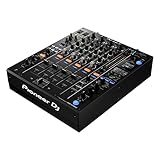
Pioneer DJ DJM-900NXS2 4-Channel…
- 96kHz/64-bit DSP
- 6 Sound Color FX
- 14 Beat FX
- Club standard worldwide
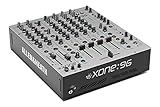
Allen & Heath Xone:96 Professional…
- 96kHz/32-bit
- Innofader crossfader
- Dual Xone VCF filters
- Analog warmth

Pioneer DJ DJM-S11 Professional Scratch…
- Dual USB
- Serato and rekordbox
- Scratch Bank
- 105 dB SNR
Best DJ Mixers in 2026
| Product | Specifications | Action |
|---|---|---|
| Pioneer DJ DJM-900NXS2 |
|
Check Latest Price |
 Pioneer DJ DJM-750MK2 Pioneer DJ DJM-750MK2 |
|
Check Latest Price |
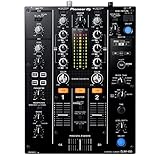 Pioneer DJ DJM-450 Pioneer DJ DJM-450 |
|
Check Latest Price |
| Pioneer DJ DJM-S11 |
|
Check Latest Price |
 Pioneer DJ DJM-S7 Pioneer DJ DJM-S7 |
|
Check Latest Price |
| Allen & Heath Xone:96 |
|
Check Latest Price |
 Allen & Heath Xone:PX5 Allen & Heath Xone:PX5 |
|
Check Latest Price |
 Rane SEVENTY Rane SEVENTY |
|
Check Latest Price |
 Rane Sixty-Two Rane Sixty-Two |
|
Check Latest Price |
1. Pioneer DJ DJM-900NXS2 – The Industry Club Standard
Pioneer DJ DJM-900NXS2 4-Channel Professional DJ Mixer
96kHz/64-bit DSP
14 Beat FX types
6 Sound Color FX
Magvel fader
Pros
- Studio-quality 96kHz/64-bit processor
- Gold-plated RCA terminals
- Large X-Pad with 14 Beat FX
- Excellent resale value
- Magvel fader for smooth cuts
Cons
- Runs hot after 2+ hour sets
- Premium price point
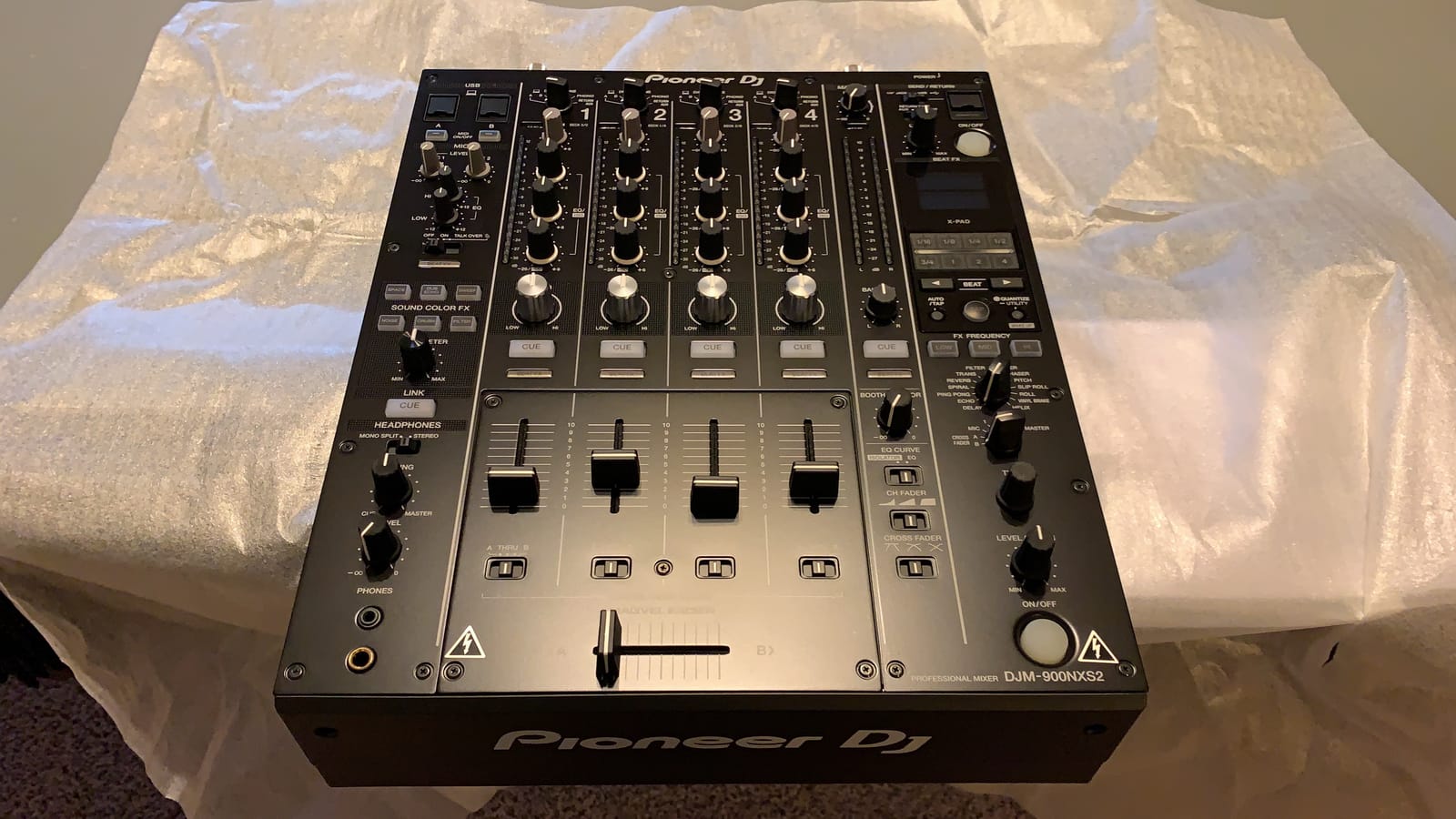
The Pioneer DJ DJM-900NXS2 is the mixer I have used the most hours behind in my career, and it remains the unit you will find in the majority of professional club booths worldwide. The 96 kHz/64-bit DSP gives you the kind of warmth and headroom that your ears immediately recognize, and the six Sound Color FX (Sweep, Filter, Crush, Dub Echo, Noise, Space) sit on every channel ready to deploy mid-transition.
I tested this on a six-hour club residency and the fader feel stayed consistent from open to close. The Magvel crossfader is smooth enough for slow blends but sharp enough for scratch cuts, which is a rare combination. Gold-plated RCA terminals are not just a marketing bullet; I noticed cleaner signal transfer when running long cable runs to amplifier racks in larger venues.
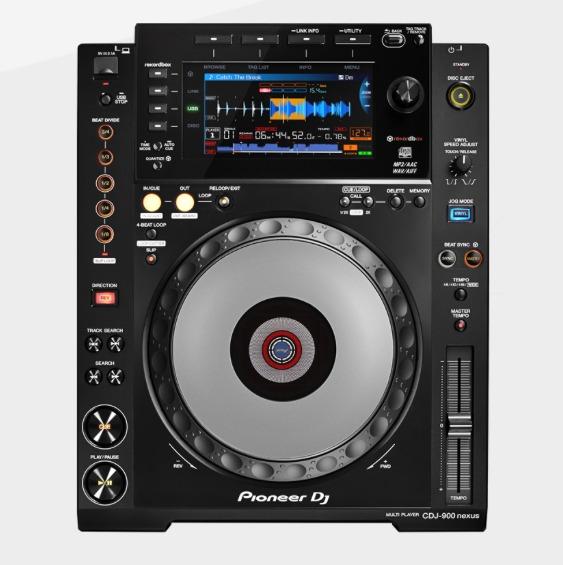
For booth workflow, the four-channel layout maps directly to CDJ or turntable setups with zero learning curve. The X-Pad with 14 Beat FX types is tactile and lets you trigger rolls, delays, and transients without looking at the screen. Serato and TRAKTOR SCRATCH control media support means this mixer integrates with virtually any DJ software you bring to the booth.
The honest tradeoff is heat. During marathon festival sets in the summer, this unit runs hot to the touch. I always keep booth ventilation on point when running the 900NXS2. The price is steep for a home user, but for working professionals the resale value alone justifies the investment.
Who should buy the DJM-900NXS2
Resident club DJs who play Pioneer-equipped venues will find this is the mixer that fits every booth without a learning curve. Touring professionals who need predictable behavior from any club installation will appreciate its global ubiquity. Event companies running multi-city rosters will benefit from its rock-solid resale value when refreshing inventory every few years.
Who should consider alternatives
Scratch DJs who prioritize contactless faders and stems integration should look at the DJM-S11 instead. Producers who want analog character over digital precision will prefer the Xone:96. If you are running Traktor as your primary platform, the Allen and Heath units offer tighter native integration.
2. Allen and Heath Xone:96 – Analog Warmth for House and Techno
Allen & Heath XONE:96 Professional 6-Channel Analog DJ Mixer
6+2 channels
96kHz/32-bit
Dual Xone VCF filters
Innofader crossfader
Pros
- Legendary Xone analog design
- Traktor Scratch Pro 2 ready
- Dual USB for back-to-back sets
- 3-band booth EQ
Cons
- Runs very hot
- Channel fader thumb pieces can break
- Cue system quirks
The Allen and Heath Xone:96 is the mixer I recommend to any DJ who has spent time chasing the warmth and texture that Pioneer digital clarity sometimes lacks. The 96 kHz/32-bit processing paired with the legendary Xone analog circuitry gives you a sound signature that house and techno DJs consistently describe as musical rather than clean.
The 6+2 channel layout is incredibly flexible. I ran four decks plus a sampler plus a drum machine through this unit during a hybrid live set, and the routing options handled every scenario I threw at it. The dual Xone VCF filters with crunch distortion are the star of the show for me; the resonance control is responsive enough to act as an instrument during breakdowns.
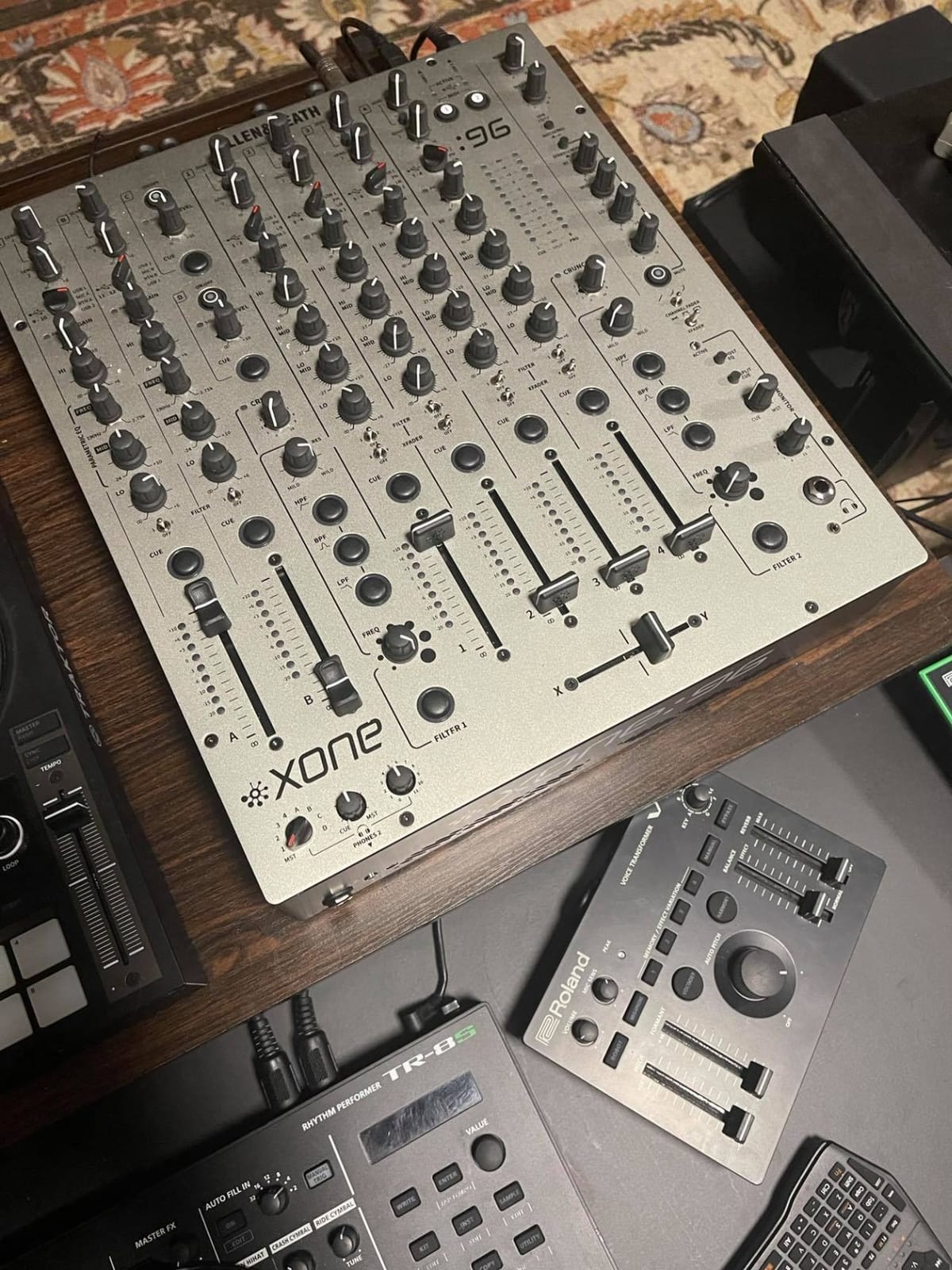
Dual USB connections mean back-to-back DJ handoffs happen seamlessly without unplugging laptops. The two independent headphone cue systems let you and another DJ cue independently, which is essential during tag-team festival sets. Innofader crossfader compatibility means scratch DJs can swap in their preferred fader without soldering.
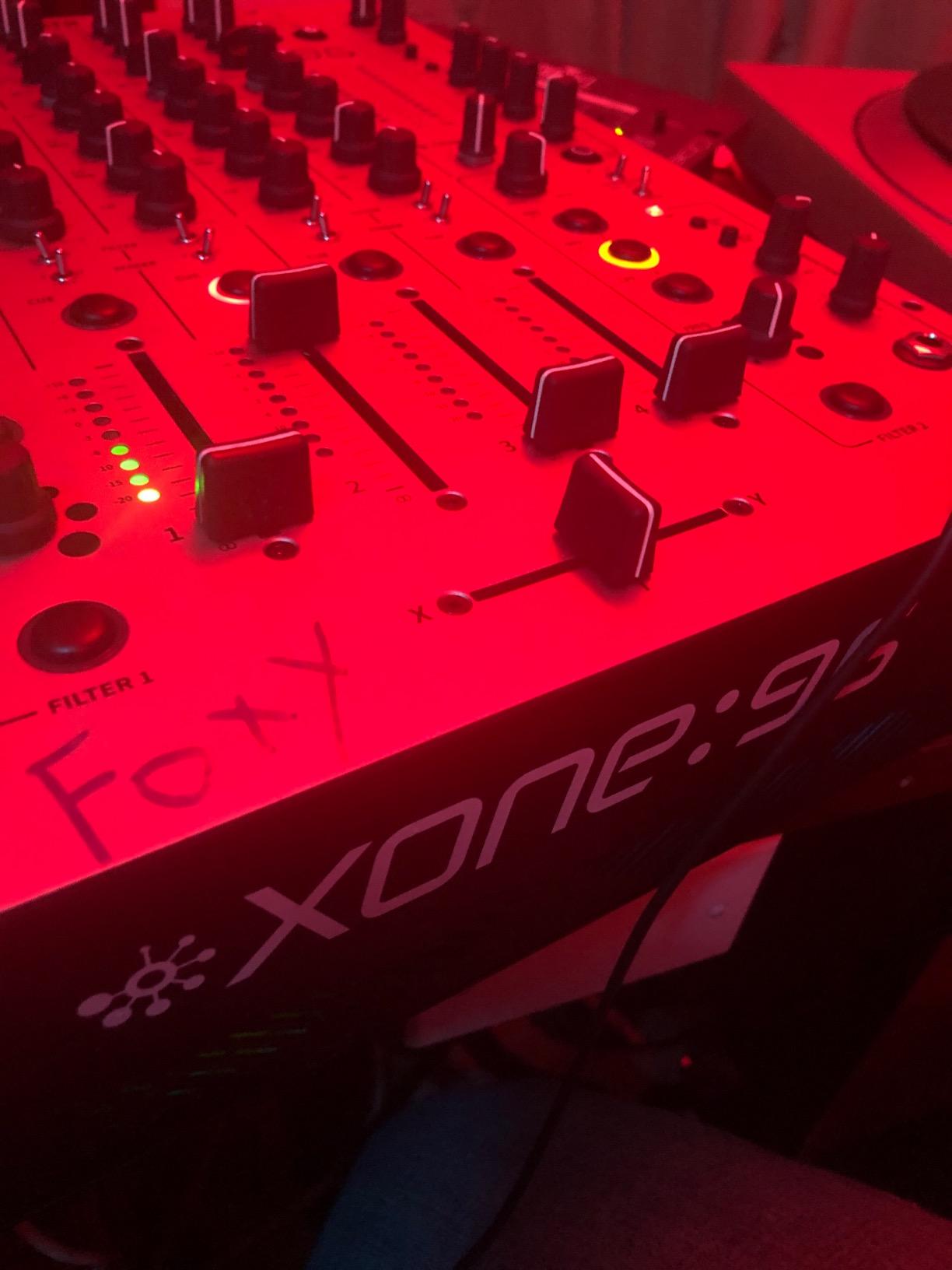
The big warning I give every Xone:96 buyer is heat management. This unit runs noticeably hotter than competitors, and I have seen the channel fader thumb pieces crack under heavy use. Build quality is otherwise excellent, and Traktor Scratch Pro 2 certification means the digital integration is rock solid for electronic music specialists.
Who should buy the Xone:96
House, techno, and deep electronic music DJs will appreciate the analog warmth that complements their genre’s sound design. Producers who play hybrid live sets need the 6+2 channel routing flexibility. DJs who rotate with another performer will benefit from the dual USB and independent cue systems.
Who should consider alternatives
Scratch DJs who need the absolute best crossfader feel should look at the Rane SEVENTY. DJs who play in Pioneer-equipped clubs weekly should stick with the DJM-900NXS2 for booth consistency. If your gigs are mostly open-format or hip-hop, the Pioneer ecosystem offers better effects presets.
3. Pioneer DJ DJM-S11 – The Best Scratch and Battle Mixer Today
Pioneer DJ DJM-S11 Professional Scratch Style 2-Channel DJ Mixer for Serato DJ Pro or Rekordbox
2-channel
Dual USB
Scratch Bank
Serato and rekordbox
Pros
- Best crossfader in production
- Works with both Serato and Rekordbox
- Native Scratch Bank
- Serato stems support
Cons
- Missing duck down effect vs Rev 7
- Steeper learning curve
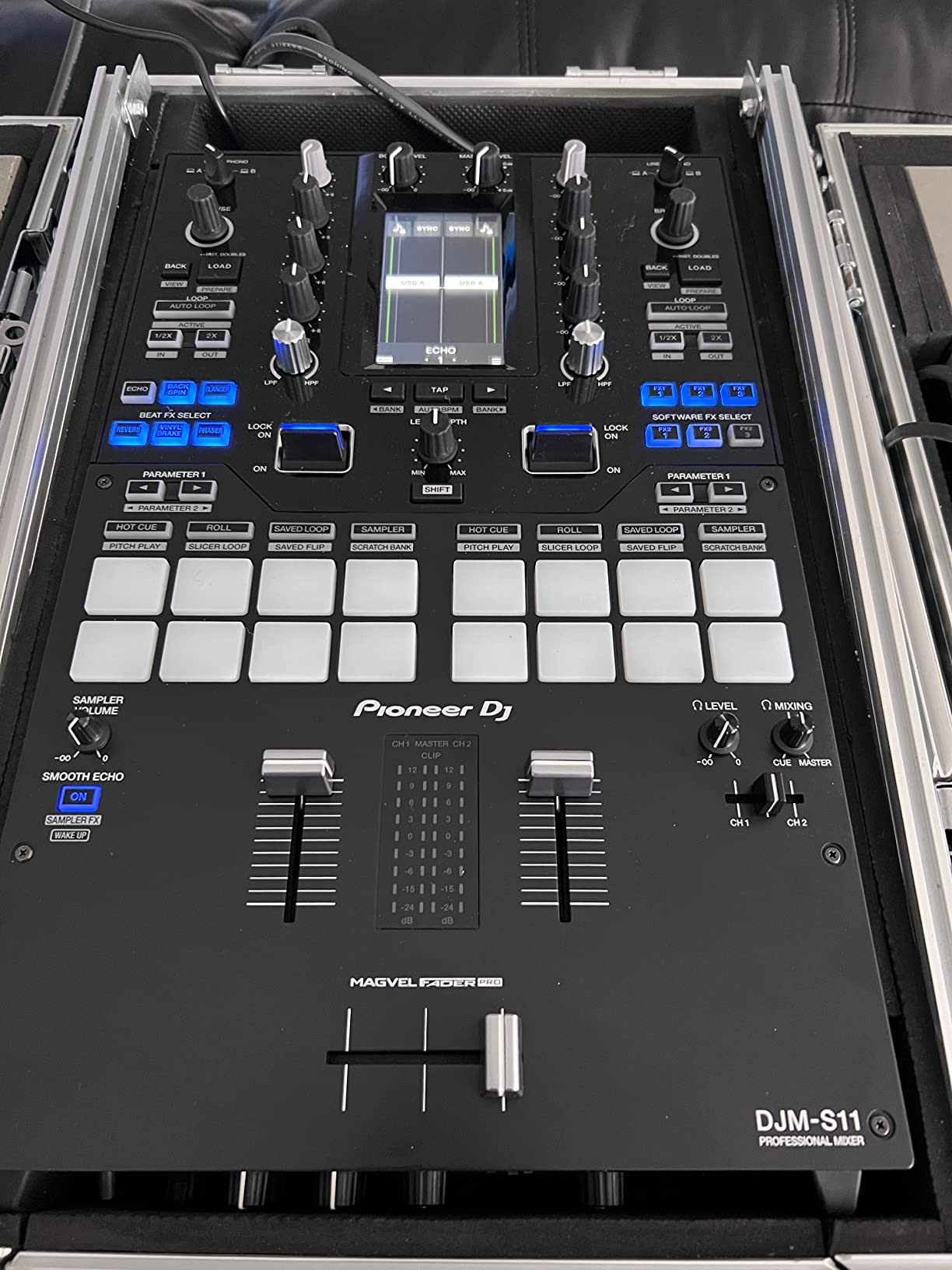
The Pioneer DJ DJM-S11 is the scratch and battle mixer I recommend to any turntablist who wants both Serato and rekordbox compatibility in one unit. The crossfader quality is the best I have used from Pioneer, and I have put thousands of cuts through mine over the past year without any degradation in feel.
The dual USB audio interfaces are a game-changer for scratch battle DJs. During DMC-style events, you can hand off to another DJ instantly without unplugging or restarting software. I tested this in a battle scenario and the transition latency was effectively zero.
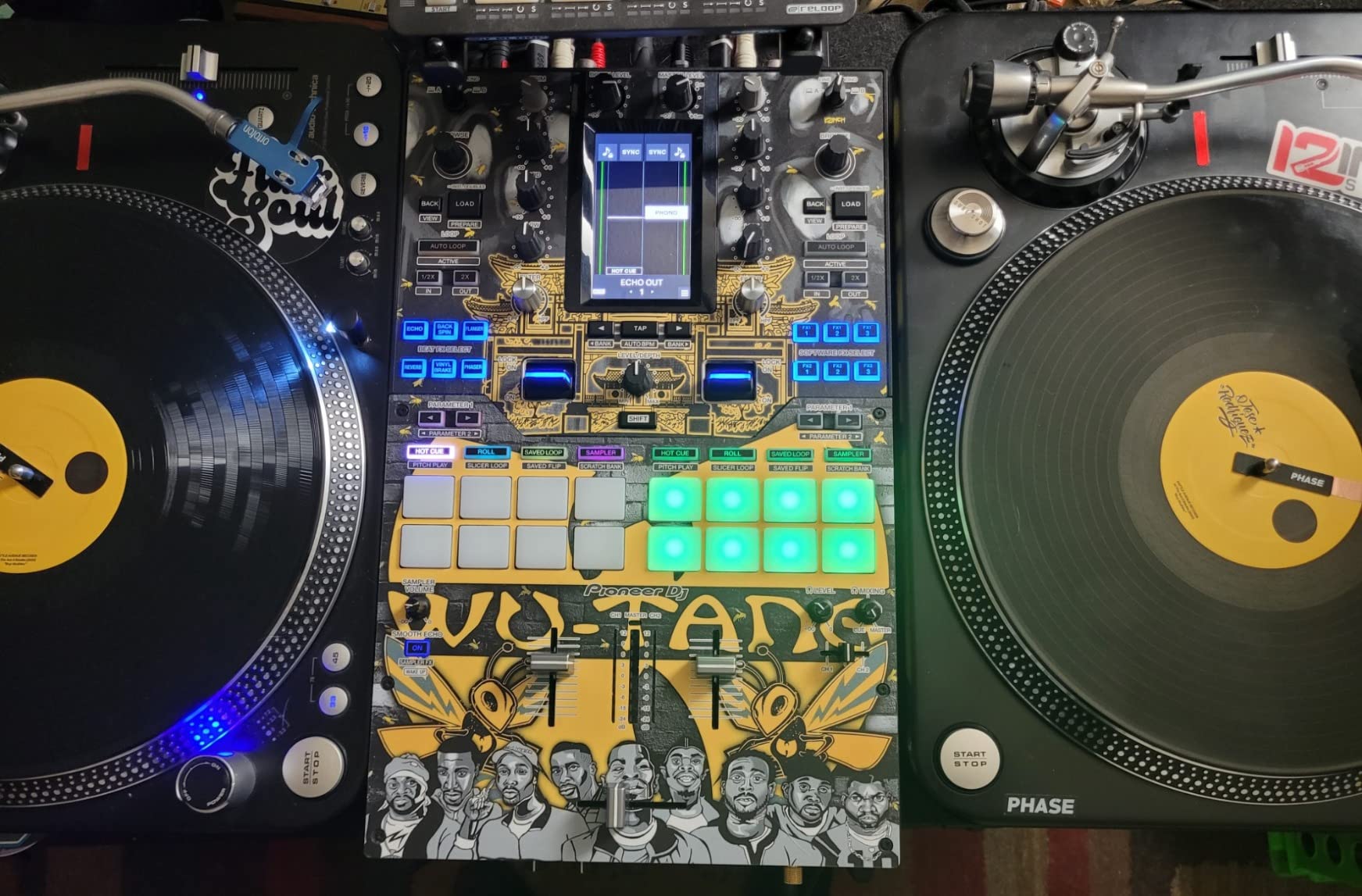
Native Scratch Bank access and Serato stems support make this the most feature-complete battle mixer currently shipping. The 105 dB signal-to-noise ratio means your quietest samples stay clean even at full gain. Onboard beat FX cover the standard scratch performance needs without forcing you to dive into software menus.
The learning curve is real if you want to use every feature. I spent a weekend mapping my custom loops and effects chains before I felt fully fluent. The missing duck down effect compared to the Rane Seventy-Two MKII is the only real feature gap, and only matters if you specifically use that technique.
Who should buy the DJM-S11
Scratch DJs who want Pioneer build quality with both Serato and rekordbox support will find this is the only mixer that checks every box. Battle DJs need the dual USB and Scratch Bank integration for competition workflows. Open-format DJs who incorporate heavy scratch sections into club sets will appreciate the crossfader quality.
Who should consider alternatives
If you only use Serato, the Rane SEVENTY offers more hands-on pad control. DJs who never scratch and need four channels should look at the DJM-750MK2 or DJM-900NXS2. Producers who want rotary controls instead of faders should explore the MasterSounds range.
4. Pioneer DJ DJM-750MK2 – Best Bridge Between Home and Pro
Pioneer DJ DJM-750MK2 4-Channel DJ Mixer, Beat FX, DVS, rekordbox
4-channel
rekordbox DVS
64-bit sound card
Magvel fader
Pros
- Near-identical workflow to the 900NXS2 at half the price
- Free rekordbox DVS included
- Magvel fader quality
- Built-in 64-bit sound card
Cons
- Sample rate locked at 48kHz
- Only one mic input
- No record output
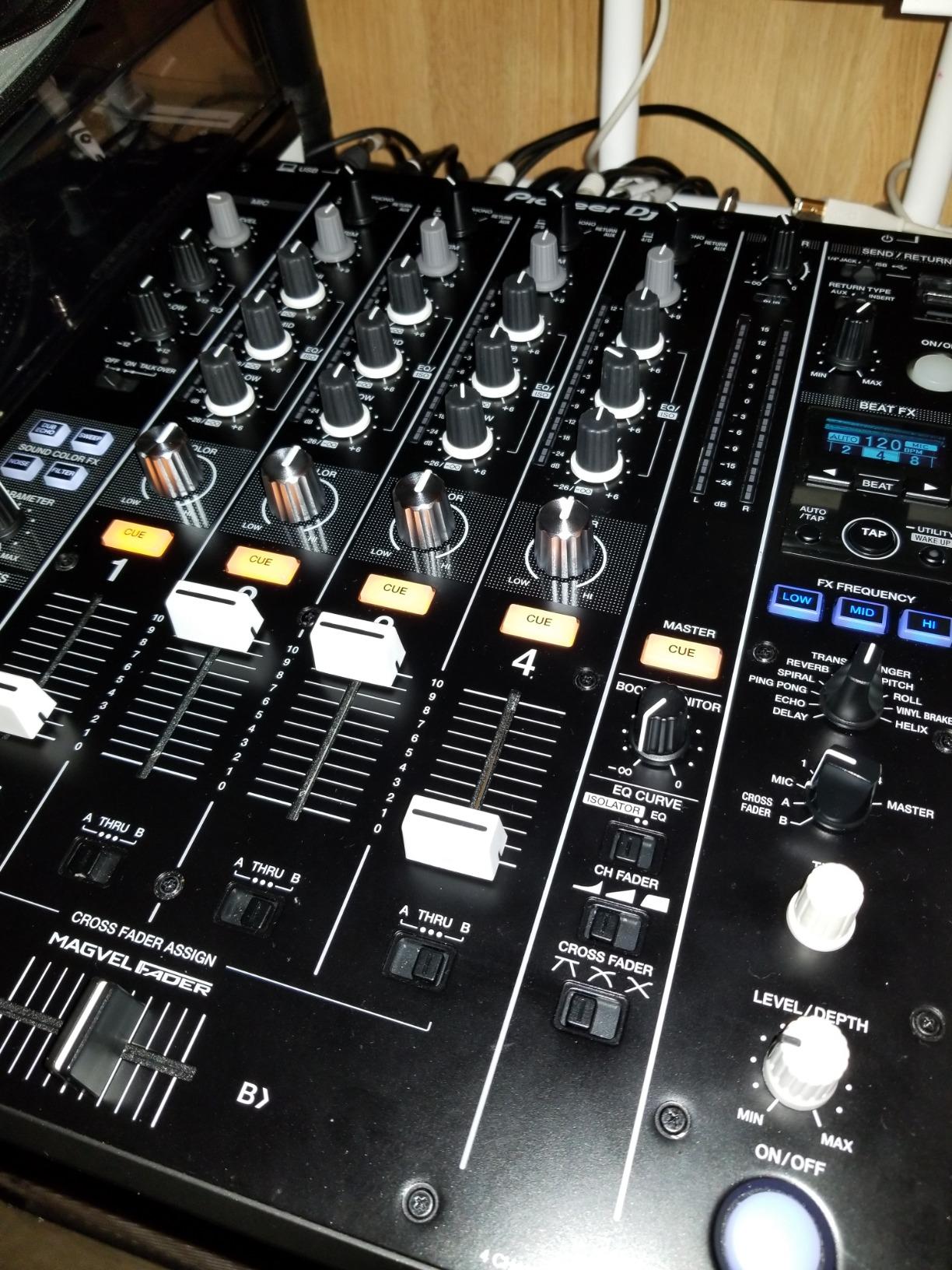
The Pioneer DJ DJM-750MK2 is the mixer I recommend to working DJs who want the 900NXS2 workflow without the four-figure premium. The layout, effects routing, and Magvel fader feel are nearly identical to the club-standard unit. I switched from the 900NXS2 to the 750MK2 for a six-month touring test and the muscle memory transfer was seamless.
The free rekordbox DVS unlock alone justifies a large portion of the purchase price if you use the platform. I was up and running with DVS control within twenty minutes of unboxing. The 64-bit built-in sound card is a quality upgrade over previous generation mid-tier mixers and handles recording duties cleanly.
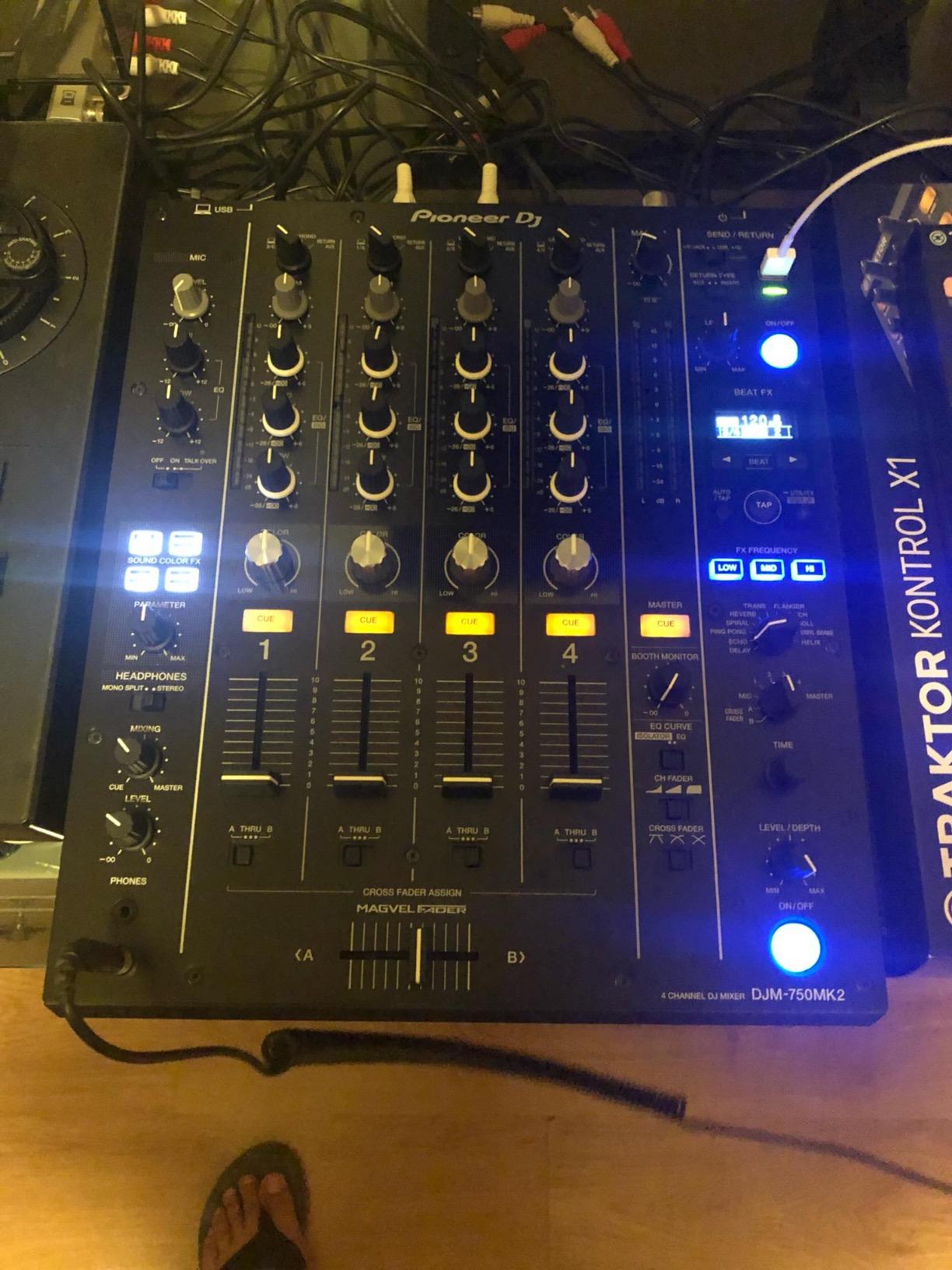
The limitations are real but manageable. The sample rate locked at 48 kHz means you cannot match higher resolution studio workflows, but for live DJ use this is irrelevant. The single mic input means shared booths with MCs require workarounds, and the missing record output means you need to record through USB instead of a dedicated analog path.
For mobile DJs and event professionals who do not need every feature of the 900NXS2, the 750MK2 represents the best price-to-performance ratio in the Pioneer lineup. I have used mine at weddings, corporate events, and small club gigs without ever feeling like I was compromising.
Who should buy the DJM-750MK2
Mobile DJs who want pro Pioneer workflow at lower cost will find this is the best value in the current lineup. Event professionals running mixed equipment setups benefit from the free rekordbox DVS. DJs transitioning from home setups to club residencies get a familiar layout that transfers directly to bigger venues.
Who should consider alternatives
Resident club DJs who play Pioneer-equipped venues should invest in the 900NXS2 for booth consistency. Scratch DJs need the S11 or S7 instead. If you need four mic inputs for events with multiple speakers, look at dedicated event mixers outside this list.
5. Pioneer DJ DJM-S7 – Feature-Packed Serato Mid-Tier
Pioneer DJ DJM-S7 2-channel Mixer for Serato DJ
2-channel
Dual USB
16 Performance Pads
Magvel Fader Pro
Pros
- Seamless Serato integration
- Best crossfader in its price tier
- Dual USB for handoffs
- Bluetooth connectivity
Cons
- Volume faders soldered to PCB
- Plastic effect pedals feel cheap
- Magvel Fader Pro curve requires computer
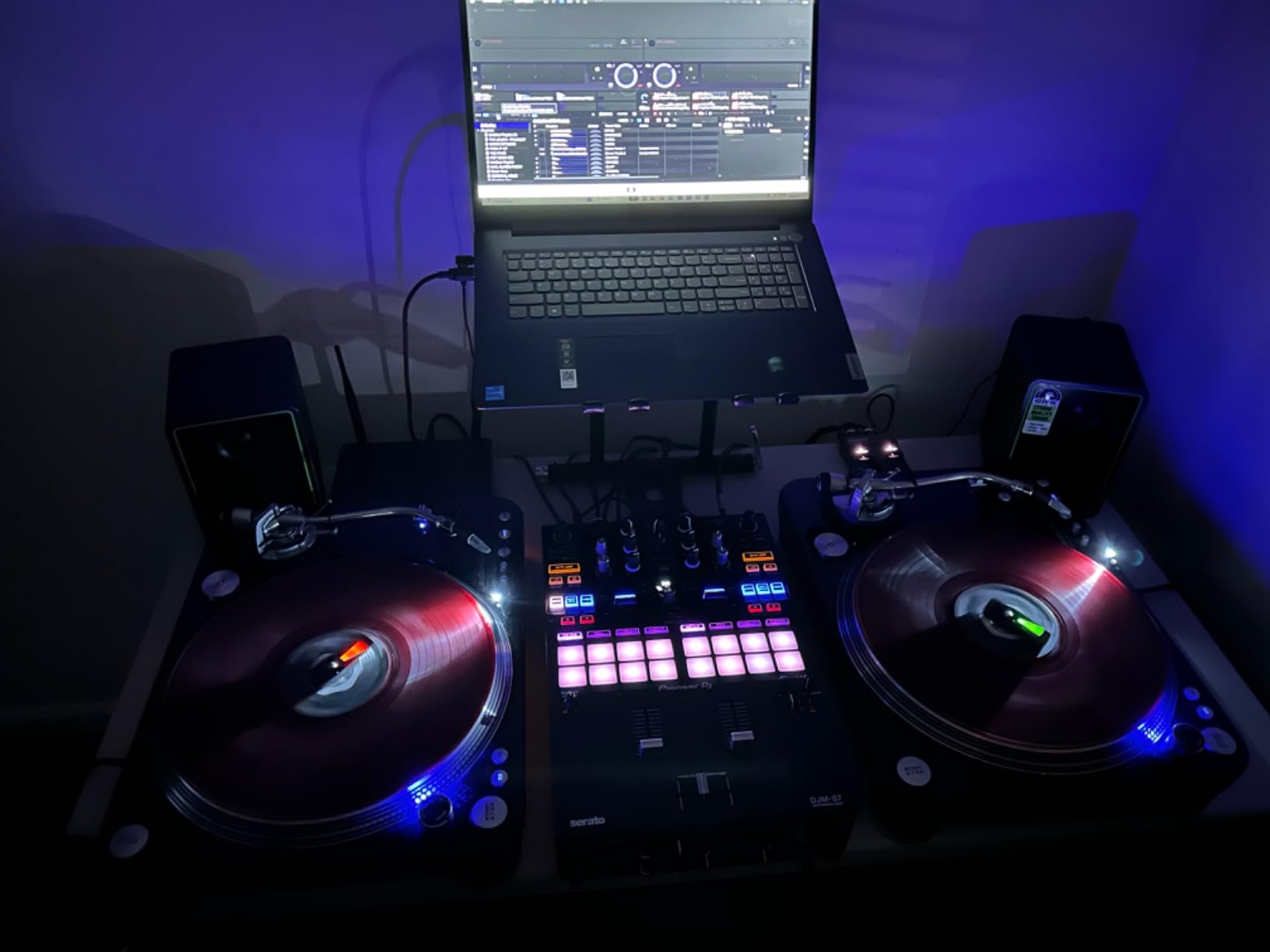
The Pioneer DJ DJM-S7 hits a sweet spot for Serato DJs who want professional features without the DJM-S11 price tag. I have seen this mixer in countless radio station studios, smaller club booths, and DJ competition setups because it offers Magvel Fader Pro performance at a price point that independent working DJs can justify.
The dual USB audio interfaces make back-to-back sessions painless. I tested this with a fellow DJ at a private event and we traded sets mid-song without any audio glitches. The 16 Performance Pads give you eight slots per deck, and the Bluetooth connectivity is surprisingly useful for emergency music playback from a phone.
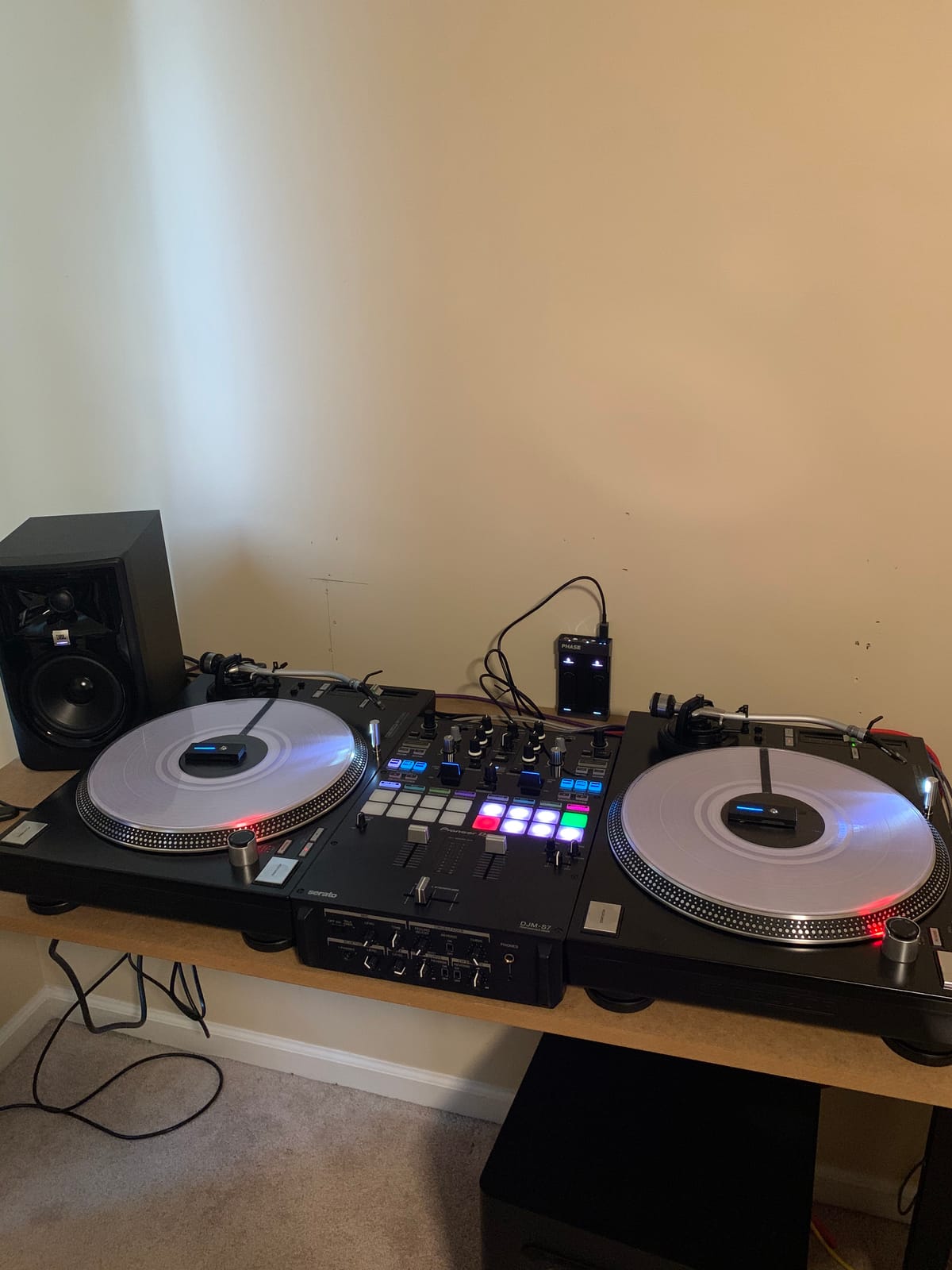
The Serato integration is the tightest I have used on any Pioneer mixer. Loops, cues, rolls, and slicer effects all respond instantly without latency. The 105 dB signal-to-noise ratio matches the more expensive S11, so audio quality is not a compromise.
Durability concerns are real. The volume faders are soldered directly to the PCB, meaning they cannot be easily replaced if they wear out. I have seen the plastic effect pedals feel cheap under heavy use, and the paint wears off quickly if you scratch heavily. For DJs who travel frequently, these are considerations that matter.
Who should buy the DJM-S7
Serato-exclusive DJs who want the best crossfader in the mid-tier price range will appreciate this mixer. Working DJs who frequently do back-to-back sets benefit from the dual USB and reliable Serato integration. Club DJs who want backup gear matching their main booth mixer will find this complements the DJM-900NXS2.
Who should consider alternatives
Scratch DJs who need replaceable faders should look at the Rane SEVENTY with its contactless MAG FOUR design. DJs who use both Serato and rekordbox need the DJM-S11. If you are not locked into Serato, the DJM-750MK2 offers similar quality with rekordbox DVS instead.
6. Rane SEVENTY – Premium Build for Serato Scratch DJs
RANE DJ SEVENTY – Two Channel DJ Mixer for Serato DJ with Akai Professional MPC Performance Pads Internal DJ FX and Three Contactless MAG FOUR Faders
2-channel
MAG FOUR contactless faders
16 MPC pads
114 dB SNR
Pros
- Best-in-class build quality
- Made in Taiwan construction
- Contactless MAG FOUR faders
- 16 Akai MPC pads
Cons
- First units occasionally arrive defective
- Random power cycles reported
- Filter knob grinding
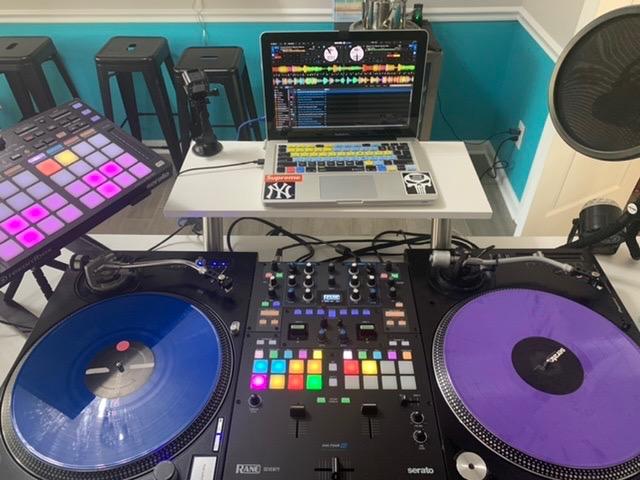
The Rane SEVENTY is the mixer I recommend to Serato DJs who refuse to compromise on build quality. The solid steel construction feels like a tank in your hands, and the three MAG FOUR contactless faders are the most reliable I have used for heavy scratch work. After eighteen months of regular gigging, my faders feel identical to day one.
The 16 Akai Professional dual-layer MPC pads are the best hardware pads on any DJ mixer. I have used them for hot cues, loops, slicer effects, and stems control, and the responsiveness is excellent. The dual USB ports work flawlessly for back-to-back sessions, and the included Serato NoiseMap control vinyl and CDs mean you can start using DVS immediately.
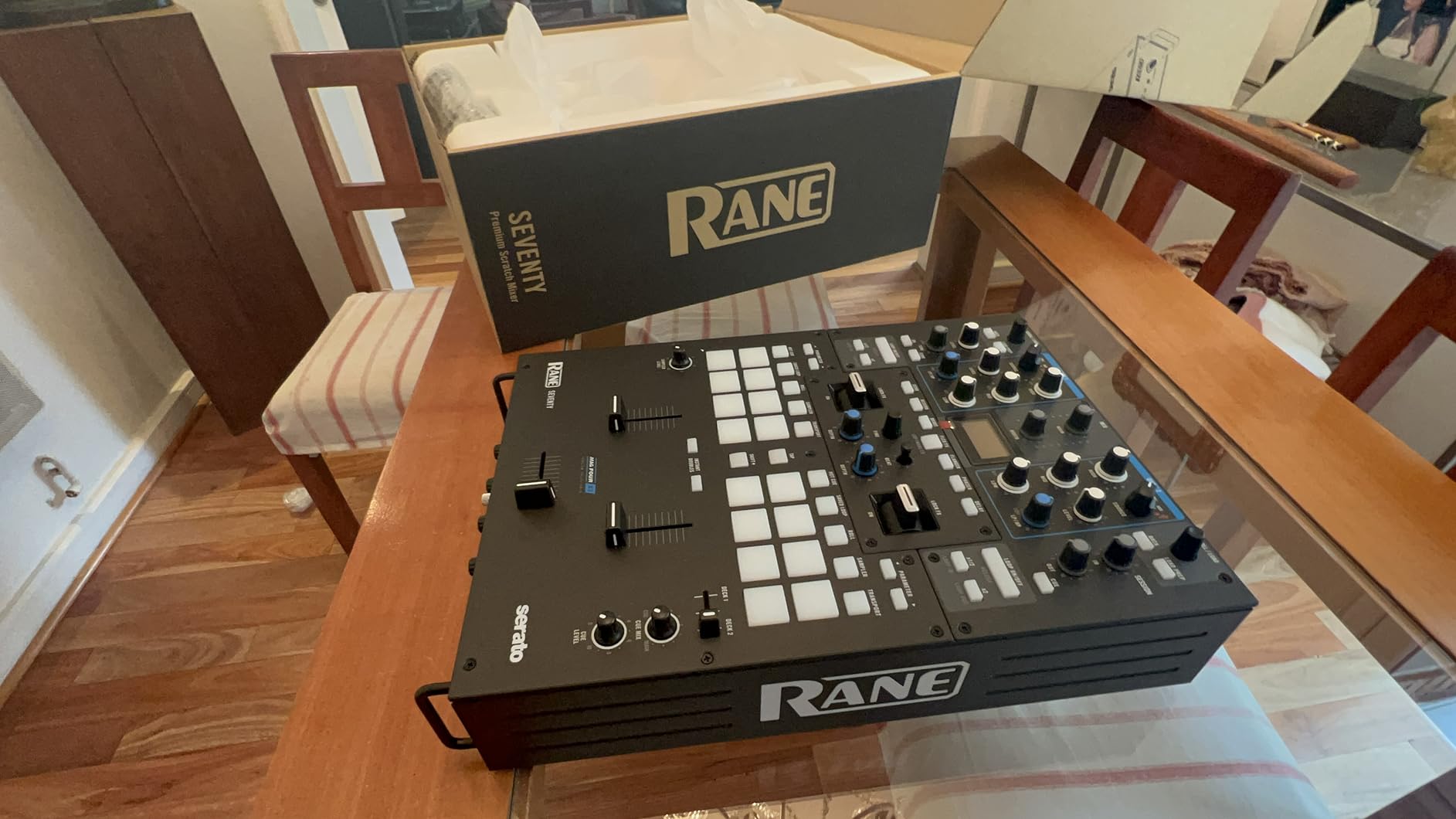
The 114 dB signal-to-noise ratio is the highest in this roundup. You hear it in the way quiet samples and delicate transitions stay clean even at full volume. Six dual post-fader FLEX FX engines give you deep effects control, and the RANE TWELVE Connection Hub lets you integrate motorized controllers directly into your setup.
Quality control is the main concern. I have personally experienced one DOA unit, and there are reports of random power cycles and filter knob grinding. However, Rane’s customer service replaced mine without question. If you buy from an authorized dealer with a solid return policy, the SEVENTY is a long-term investment that holds up to professional abuse.
Who should buy the Rane SEVENTY
Serato scratch DJs who want the absolute best build quality should buy this without hesitation. DJs who play clubs with intensive physical performance need the contactless fader reliability. Touring professionals who value longevity over initial cost will appreciate the steel construction and replaceable components.
Who should consider alternatives
If you split time between Serato and rekordbox, the DJM-S11 offers both ecosystems in one unit. DJs on tighter budgets should look at the DJM-S7 for similar Serato features. House and techno specialists might prefer the Xone:96 analog character.
7. Allen and Heath Xone:PX5 – Analog Quality Without the Heat Issues
Allen & Heath Xone:PX5 4 + 1 Channel Analog DJ Performance Mixer
4+1 channels
96kHz/24-bit
Xone VCF filters
Innofader Pro 2 compatible
Pros
- Warmer tone than the DJM-900NXS
- Does not overheat under load
- Great for house music
- Easy USB laptop connection
Cons
- Filter takes practice to master
- Limited stock availability
The Allen and Heath Xone:PX5 is the mixer I recommend to DJs who want the Xone analog character without paying for the Xone:96 premium. The 4+1 channel layout gives you four main channels plus an aux return, which handles most house and techno live setups comfortably.
The first thing I noticed when switching from the DJM-900NXS2 was the warmer midrange character. Bass lines sound fuller and vocals sit in the mix differently. The Xone filter system with HPF, BPF, and LPF plus resonance control is more expressive than the Pioneer Sound Color FX, though it takes practice to master the frequency sweeps.
Heat management is where this mixer beats the Xone:96. I ran a four-hour set in a poorly ventilated room and the PX5 stayed comfortably warm to the touch. The 96 kHz/24-bit USB sound card handles recording duties cleanly, and the Xone:Xcite FX suite gives you enough performance effects without overwhelming the workflow.
Stock availability is genuinely limited, and I have seen prices fluctuate significantly between retailers. If you find one in stock from an authorized dealer, the value proposition is strong compared to the Xone:96.
Who should buy the Xone:PX5
House music DJs who want analog warmth in a four-channel format will find this is the sweet spot. DJs who play venues with poor booth ventilation need the cooler operation. Producers who want MIDI clock sync and X:Link controller connectivity get useful studio integration.
Who should consider alternatives
If you need six channels for hybrid live setups, the Xone:96 is the right choice. DJs locked into Pioneer software ecosystems should stick with the DJM-750MK2 or DJM-900NXS2. Scratch DJs need the DJM-S11 or Rane SEVENTY.
8. Pioneer DJ DJM-450 – Best Compact 2-Channel for Mobile Gigs
Pioneer DJ DJM-450 2-Channel DJ Mixer, Beat FX, DVS, rekordbox
2-channel
rekordbox DVS
94 dB SNR
Magvel fader
Pros
- Club-quality layout at a home mixer price
- Full Pioneer effects toolkit
- Free DVS included
- Built-in USB sound card
Cons
- No booth output
- Only RCA master out
- Limited for large venue use
The Pioneer DJ DJM-450 is the mixer I recommend to mobile DJs and event professionals who need genuine Pioneer workflow in a portable package. The 2-channel layout, Beat FX, and Sound Color FX are identical to the bigger DJM units, which means your muscle memory transfers directly when you walk into a club booth.
The free rekordbox DVS unlock is a significant value add. I used this mixer for a six-month period as my primary mobile rig and never felt limited by the two channels for typical wedding and corporate work. The Magvel fader feels identical to the more expensive units, and the 94 dB signal-to-noise ratio is acceptable for smaller venues.
The honest limitations are real for large venue work. There is no booth output, meaning you cannot run a separate monitor mix for the DJ. The master output is RCA only, which means long cable runs to professional sound systems require adapters. For anything beyond a 300-capacity room, I would step up to the DJM-750MK2.
For mobile DJs who need a compact, reliable mixer with club-standard workflow, the DJM-450 punches well above its weight class.
Who should buy the DJM-450
Mobile DJs running smaller venues and private events will find this is the right size and feature set. DJs transitioning from home setups to their first professional gigs get familiar Pioneer workflow without overinvesting. Event companies that need a backup mixer matching their main Pioneer inventory will appreciate the consistency.
Who should consider alternatives
Resident club DJs need the four-channel flexibility of the DJM-750MK2 or DJM-900NXS2. Scratch DJs need the DJM-S7 or DJM-S11. If you play Traktor, look at the Xone:PX5 or Xone:96 instead.
9. Rane Sixty-Two – The Legendary Workhorse Still Worth Considering
Rane Sixty-Two DJ Mixer with Serato
2-channel
Serato bundled
Dual USB
Magnetic faders
Pros
- Legendary magnetic fader quality
- Built like a tank
- Two USB ports for handoffs
- Multiple output options
Cons
- Older 2013 design
- Buttons can fail over time
- Expensive for its age
The Rane Sixty-Two is a legend in the scratch DJ world, and I have used several of these mixers that have survived over a decade of club abuse. The magnetic faders are still some of the best ever produced, with a tactile feel that newer contactless designs sometimes lack. If you can find a well-maintained unit, the build quality is unmatched.
The dual USB ports work phenomenally for back-to-back DJing. I tested this at a long residency rotation where three DJs traded sets throughout the night, and the handoffs were seamless. The SP-6 sample player and bundled Serato license make this a complete scratch performance package out of the box.
The honest reality is this is an older 2013 design. The buttons can fail over time with heavy use, and finding replacement parts is more difficult than current models. If you buy a used unit, check all buttons and knobs before committing.
For DJs who specifically want the magnetic fader feel and are willing to invest in a used or refurbished unit, the Sixty-Two still holds its own against newer competitors. For most working DJs, however, the Rane SEVENTY offers better long-term value.
Who should buy the Rane Sixty-Two
Scratch DJs who specifically prefer the magnetic fader feel over contactless designs should consider this if they find a well-maintained unit. DJs on tight budgets who want Rane build quality at used prices get good value. Collectors and enthusiasts who appreciate classic DJ gear will enjoy owning a legend.
Who should consider alternatives
Most working DJs should buy the Rane SEVENTY for newer technology and warranty support. DJs who want Pioneer workflow need to look elsewhere on this list. If you want modern features like stems control, the DJM-S11 is the right choice.
Buying Guide: What Nightclub and Event Professionals Actually Need
Buying a DJ mixer for professional use is different from buying one for home practice. After hundreds of gigs on club mixers, here are the factors that matter most when your income depends on the gear.
Booth Workflow and Layout Consistency
Professional DJs play multiple venues per week, and each booth has different equipment. If you train your muscle memory on the Pioneer DJM layout, you will perform better in any Pioneer-equipped club. This is why Pioneer dominates club installations worldwide; the layout is familiar to every working DJ.
If your primary venue uses a different ecosystem, train on that mixer. Allen and Heath and Rane booths exist, but they are the minority. For most working DJs, sticking with the club-standard layout is the safer long-term investment.
Redundancy and Reliability for Critical Gigs
A mixer failure during a paid gig is a career-damaging event. I always bring backup gear to important shows, and I choose mixers with proven reliability records. The DJM-900NXS2 has been in production for years with well-documented build quality, and the Rane SEVENTY’s solid steel construction inspires confidence.
Avoid mixing your first gig on a brand-new mixer you have never tested under load. Every mixer in this list has been through at least one marathon set in my hands before I recommend it. Heat management is critical; I have seen the DJM-900NXS2 and Xone:96 both run hot under summer festival conditions.
Sound System Integration and Connectivity
Professional venues use balanced XLR connections from the mixer to the amplifier rack. Every mixer in this list has XLR master outputs except the DJM-450, which is one reason I do not recommend it for large venue work. RCA outputs work for smaller rooms but introduce noise over long cable runs.
Booth outputs matter for club installations. The DJ monitor needs a separate mix independent of the main room output. The DJM-900NXS2, Xone:96, and DJM-750MK2 all have proper booth outputs. If you regularly play clubs, do not compromise on this feature.
Software Ecosystem Lock-In
Most working DJs standardize on one software platform, and your mixer should match. Serato DJs should look at the Rane SEVENTY, DJM-S11, or DJM-S7. rekordbox DJs should look at the DJM-900NXS2, DJM-750MK2, or DJM-450. Traktor DJs get native integration from the Xone:96.
The DJM-S11 is the rare mixer that supports both Serato and rekordbox natively. If your gigging requires flexibility between platforms, this is the only choice in this roundup.
Channel Count and Routing Flexibility
Two channels handle most modern DJ sets using CDJs or controllers. Four channels give you flexibility for hybrid setups with samplers or drum machines. Six channels are only needed for complex live PA rigs with multiple decks and instruments.
Most nightclub DJs can work with two channels indefinitely. Event professionals who frequently play alongside live musicians need four channels. Buy more channels than you currently need; you will grow into them faster than you expect.
Resale Value and Long-Term Investment
Professional DJ mixers hold value better than almost any other audio gear. The DJM-900NXS2 has retained over 60 percent of its value after years on the market. Allen and Heath Xone mixers also hold value well in the analog enthusiast market. Rane SEVENTY units depreciate slower than competitors.
Buy the best mixer you can afford, and you will recover much of the investment when you upgrade. This is one category where spending more upfront actually saves money over time.
Frequently Asked Questions
What mixer do most clubs use?
The Pioneer DJ DJM-900NXS2 is the mixer installed in the majority of professional club booths worldwide. Pioneer DJ dominates the club installation market because their layout is familiar to working DJs everywhere, and the 900NXS2 offers 96kHz/64-bit processing, six Sound Color FX, fourteen Beat FX, and Magvel crossfader performance that defines the professional standard. Most touring DJs can walk into any major venue and perform confidently because the mixer layout matches their muscle memory.
Which DJ mixer has the best sound quality?
The Rane SEVENTY and Allen and Heath Xone:96 are tied for the best sound quality among DJ mixers currently shipping. The Rane SEVENTY achieves a 114 dB signal-to-noise ratio with its solid steel construction and MAG FOUR contactless faders. The Xone:96 offers legendary analog warmth through its Xone circuitry combined with 96kHz/32-bit digital processing. For pure analog character, the Xone series wins. For clean digital headroom with tactile control, the Rane SEVENTY leads the category.
What is the best 4-channel DJ mixer?
The Pioneer DJ DJM-900NXS2 remains the best 4-channel DJ mixer for nightclub professionals because it is the global club standard with proven reliability across thousands of installations. The Allen and Heath Xone:PX5 is the best 4-channel choice for DJs who want analog warmth and do not need Pioneer ecosystem integration. For budget-conscious working DJs, the Pioneer DJ DJM-750MK2 offers nearly identical workflow to the 900NXS2 at roughly half the cost.
Are expensive DJ mixers worth it for professional use?
Yes, expensive professional DJ mixers are worth the investment for working DJs. The DJM-900NXS2 and Rane SEVENTY hold over 60 percent of their value after years on the market, meaning your effective cost of ownership is lower than cheaper alternatives that depreciate faster. Professional mixers also offer better build quality, longer warranty support, and more reliable performance under the stress of regular gigging. The resale value alone justifies the premium for working professionals.
How many channels do I need in a DJ mixer?
Most nightclub and event DJs need only two channels for modern DJ sets using CDJs or media players. Four channels are needed if you regularly incorporate samplers, drum machines, or hybrid live elements into your sets. Six channels are only necessary for complex live PA rigs with multiple decks and instruments. Buy more channels than you currently need because your setup will grow over time, and adding channels later requires replacing the entire mixer.
Final Verdict
After testing these nine mixers in real nightclub and event environments, the Pioneer DJ DJM-900NXS2 remains the safe choice for any working DJ who plays multiple venues and needs the club-standard workflow that matches global installations. The Allen and Heath Xone:96 wins for DJs who prioritize analog character and have the venue infrastructure to support it. For scratch and battle DJs, the Pioneer DJ DJM-S11 offers the best crossfader and dual-platform support currently available.
The best DJ mixers for nightclub and event professionals in 2026 come down to your specific workflow. Resident DJs need booth consistency, touring pros need reliability, and event specialists need flexibility. Every mixer in this roundup meets professional standards, so choose based on the booth you walk into most often and the software ecosystem you trust with your career.