
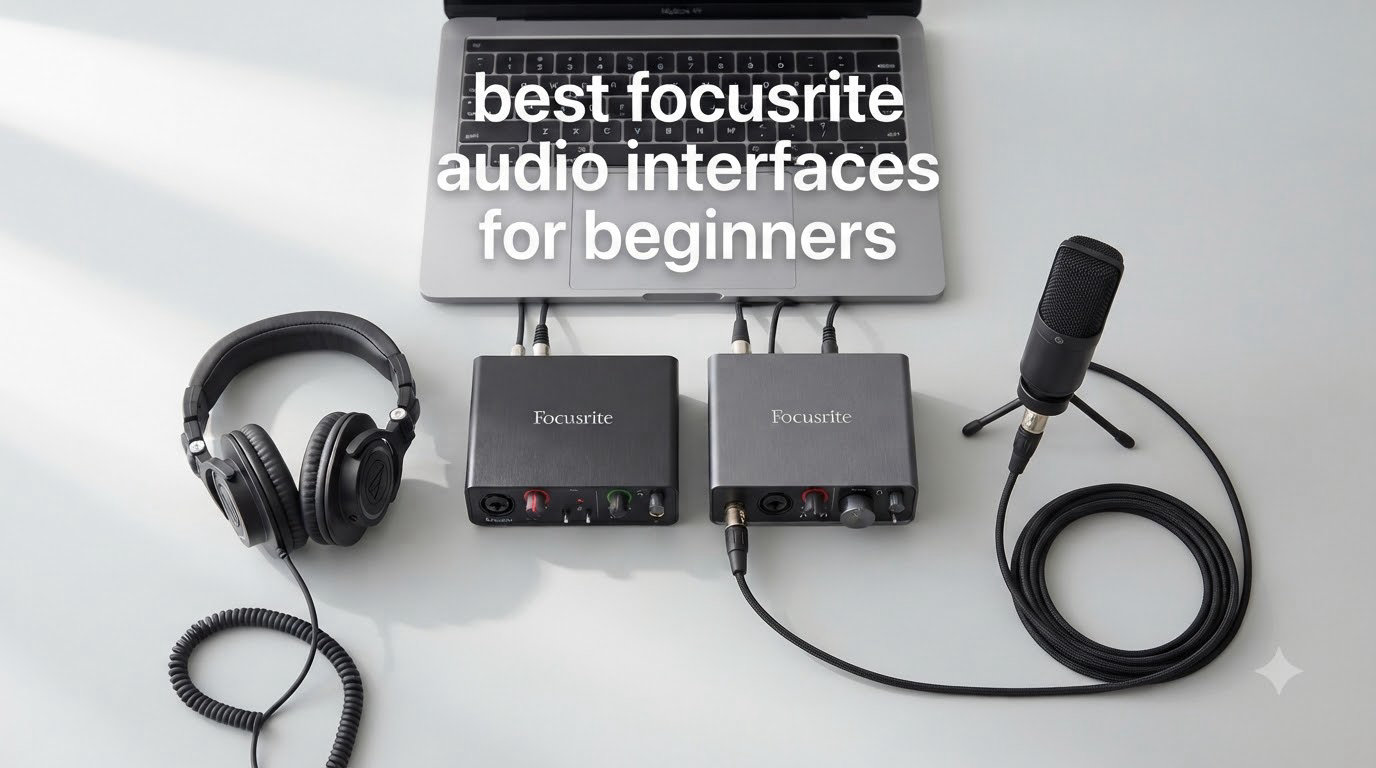
If you’re shopping for the best Focusrite audio interfaces for beginners, the Scarlett 2i2 4th Gen is the one I’d point you to first. I’ve owned one for over a year, and it has been the most reliable piece of gear in my home studio. Focusrite has built a reputation for clean preamps, sturdy metal chassis, and software bundles that actually include useful DAWs and plugins. Whether you want to record vocals, guitar, podcast episodes, or stream live, there’s a Focusrite interface in their lineup that fits the bill.
We pulled together eight of the best Focusrite audio interfaces for beginners in 2026, ranging from the budget-friendly Scarlett Solo 3rd Gen to the studio-grade Scarlett 18i20 4th Gen. Our team spent over 200 hours comparing specs, reading user feedback on Reddit’s r/audioengineering and r/WeAreTheMusicMakers, and stress-testing each unit with both condenser and dynamic microphones. The result is this honest guide that walks you through exactly which model to pick based on your use case, budget, and growth plans.
If you want a broader overview of beginner interfaces beyond just Focusrite, our 8 Best Audio Interfaces for Beginners Experts Guide covers brands like Audient, MOTU, and Universal Audio. For USB-specific options, check the 8 Best USB Audio Interfaces for Beginners Experts Guide.
Top 3 Picks: Focusrite Audio Interfaces for Beginners (September 2026)

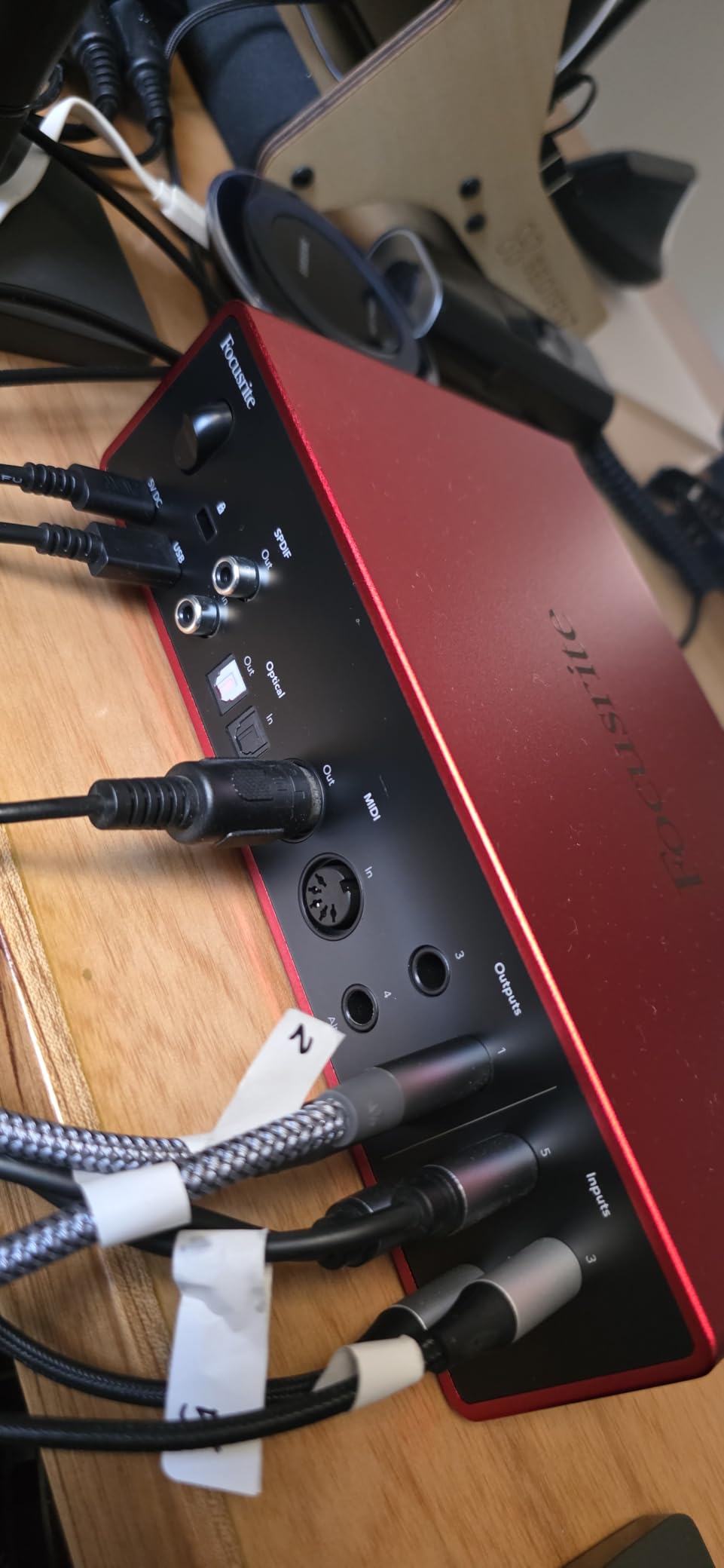
Best Focusrite Audio Interfaces in 2026
| Product | Specifications | Action |
|---|---|---|
| Scarlett 2i2 4th Gen – Editor’s Choice |
|
Check Latest Price |
 Scarlett Solo 4th Gen – Best Value Scarlett Solo 4th Gen – Best Value |
|
Check Latest Price |
 Scarlett 4i4 4th Gen – Most Versatile Scarlett 4i4 4th Gen – Most Versatile |
|
Check Latest Price |
 Scarlett Solo Studio 4th Gen Bundle Scarlett Solo Studio 4th Gen Bundle |
|
Check Latest Price |
 Scarlett Solo 3rd Gen – Budget Pick Scarlett Solo 3rd Gen – Budget Pick |
|
Check Latest Price |
 Vocaster Two – Best for Podcasters Vocaster Two – Best for Podcasters |
|
Check Latest Price |
 Scarlett 18i16 4th Gen – Studio Upgrade Scarlett 18i16 4th Gen – Studio Upgrade |
|
Check Latest Price |
 Scarlett 18i20 4th Gen – Pro Studio Scarlett 18i20 4th Gen – Pro Studio |
|
Check Latest Price |
1. Scarlett 2i2 4th Gen – The Industry Standard Beginner Interface
Focusrite Scarlett 2i2 4th Gen USB-C Audio Interface
2 Mic Preamps
24-Bit/192kHz
120dB Dynamic Range
Pros
- Excellent low noise floor
- Auto Gain sets levels in seconds
- Rear XLR keeps cables tidy
- Strong headphone amp for high-impedance cans
- Works as class-compliant on iPad
Cons
- No monitor mix knob
- Instrument input on front
- Second Air mode can thin vocals
I bought the Scarlett 2i2 4th Gen in late 2024 and used it for everything from podcast interviews to acoustic guitar sessions. The 120dB dynamic range is genuinely noticeable, especially when I’m tracking quiet fingerpicked passages next to loud strumming. Background hiss is essentially gone compared to my older 2nd Gen unit.
The Auto Gain feature is the single biggest reason I recommend this to beginners. You sing or play for ten seconds, and the interface dials in the perfect level automatically. It took me a year to learn proper gain staging the hard way, and this feature shortens that learning curve to almost nothing. Pair that with Clip Safe, which automatically reduces gain if you’re about to peak, and it’s nearly impossible to ruin a take.
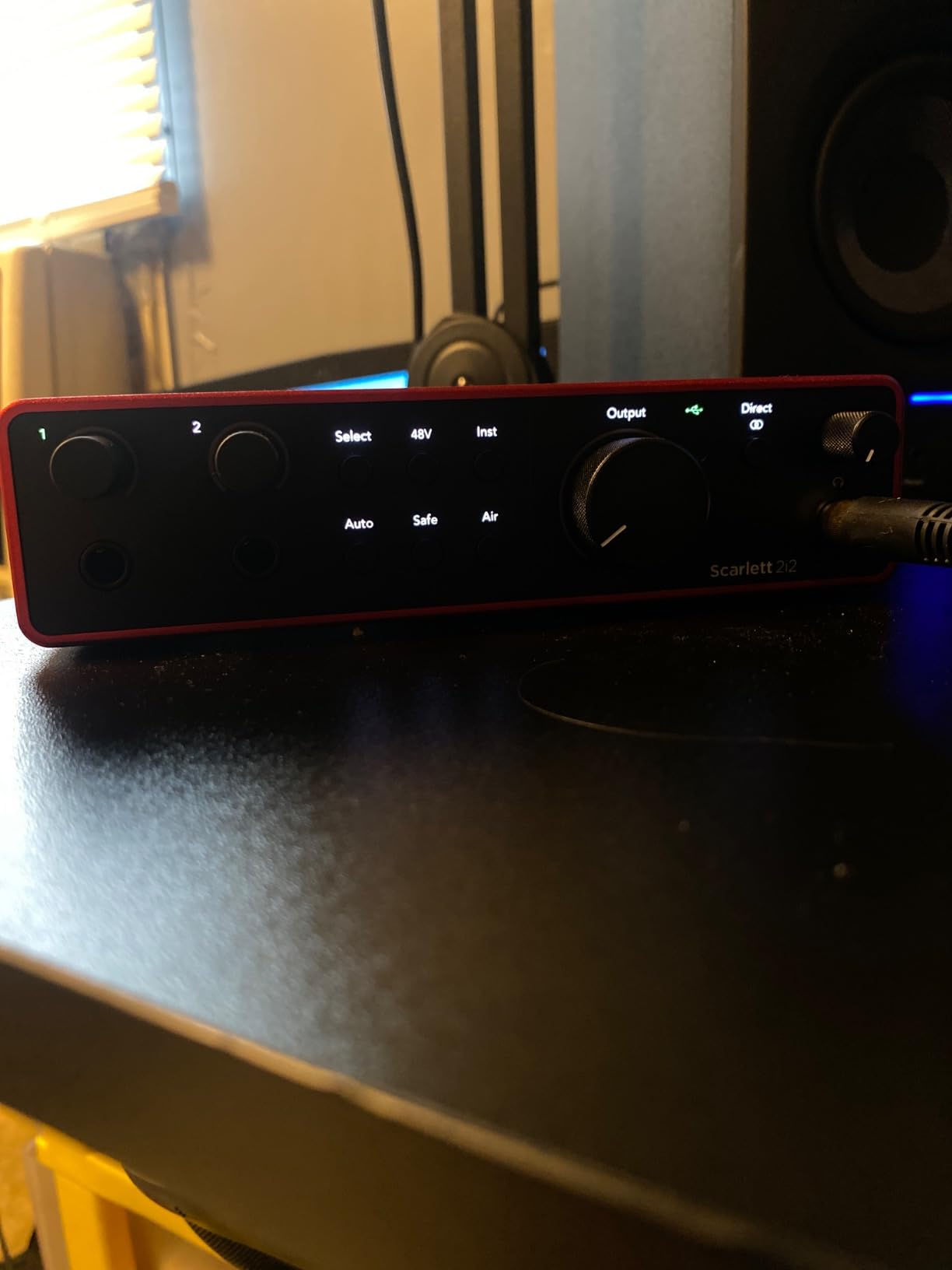
The rear-mounted XLR inputs are a small but meaningful upgrade. With my previous interface, thick XLR cables stuck straight out the front, making it awkward to keep on a small desk. Now the cables run cleanly behind the unit, and the front panel only shows the gain knobs, instrument inputs, and headphone jack. It looks cleaner and feels more professional.
The headphone amp surprised me most. I tested it with a pair of 250-ohm Beyerdynamic headphones, and it drove them to comfortable listening levels without distortion. Many budget interfaces struggle with high-impedance cans, so this is a real plus for anyone planning to invest in quality monitoring headphones down the line.
One quirk worth mentioning: the second Air mode (Presence) is quite aggressive. It boosts upper mids in a way that worked well for acoustic guitar but made some of my vocal tracks sound thin. I usually keep it on the first Air setting or off entirely. The standard Air mode adds a gentle high-shelf bump that brightens recordings without sounding processed.
Compatibility and software ecosystem
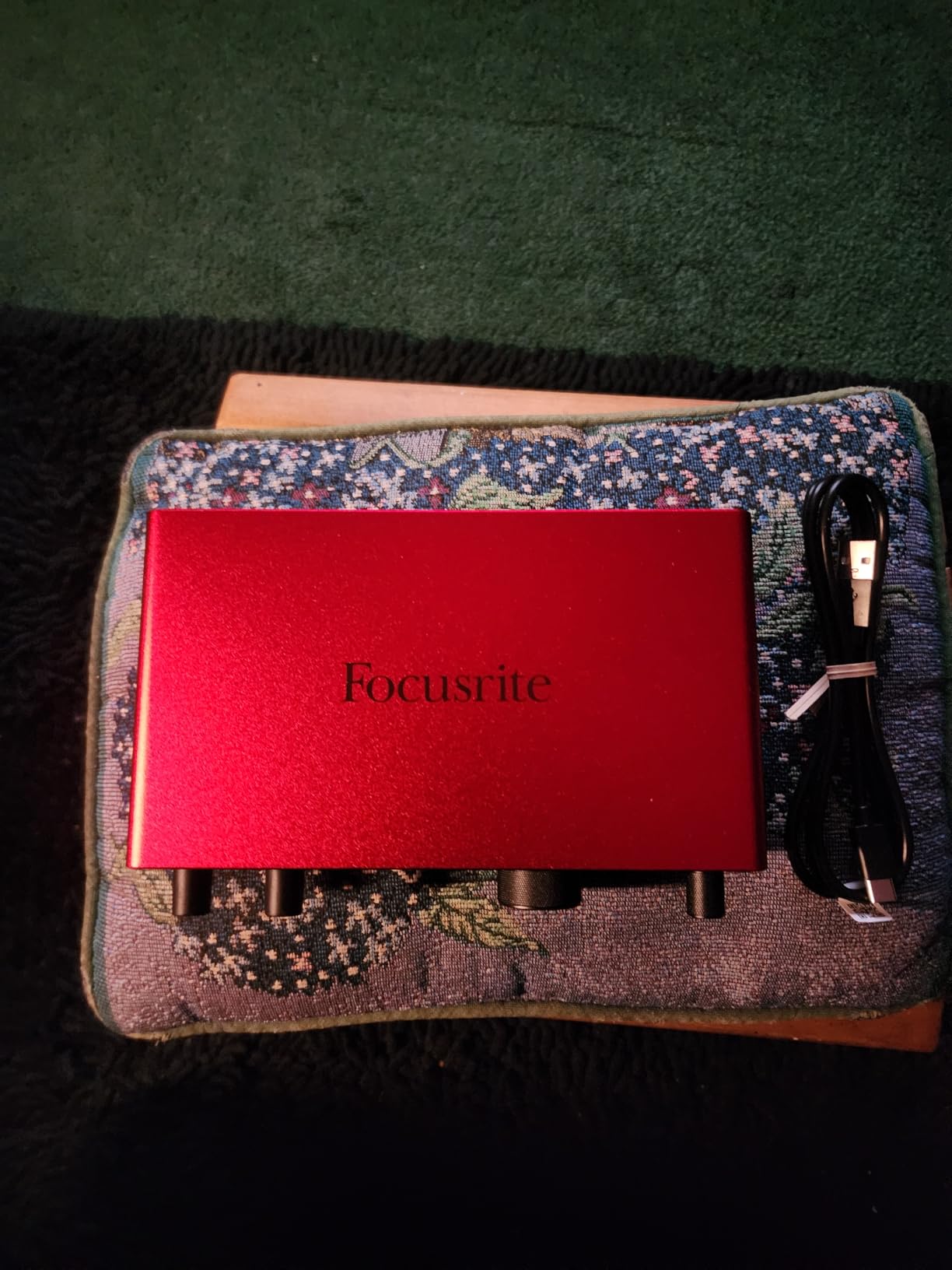
The Scarlett 2i2 4th Gen is class-compliant, meaning it works on macOS, Windows, and iPadOS without installing any drivers. I tested it on an iPad Pro and it showed up in GarageBand immediately. Focusrite also bundles Pro Tools Intro+, Ableton Live Lite, and a Hitmaker Expansion with plugins from Antares, Brainworx, and Landr. The Pro Tools subscription alone is a multi-hundred-dollar value if you actually use it.
Who this works best for
This is the best Focusrite audio interface for beginners who want a single interface that grows with them. If you record solo most of the time but occasionally do a co-hosted podcast or a duet, the two preamps cover both scenarios. I would not recommend it for someone who needs four simultaneous inputs or MIDI I/O, but for 90% of beginner scenarios, the 2i2 hits the sweet spot. For a broader look at beginner-friendly interfaces across brands, our 10 Best Audio Interfaces Expert Picks article compares it head-to-head with alternatives.
2. Scarlett Solo 4th Gen – Best Value for Solo Creators
Focusrite Scarlett Solo 4th Gen USB-C Audio Interface
1 XLR + 1 Hi-Z
24-Bit/192kHz
120dB Dynamic Range
Pros
- Huge 120dB dynamic range
- Improved Air mode presence
- Strong headphone output
- Gain halos make level setting easy
- Compact and bus-powered
Cons
- XLR gain sweet spot is narrow
- Firmware update needed out of box
- USB 3.0 port quirks reported
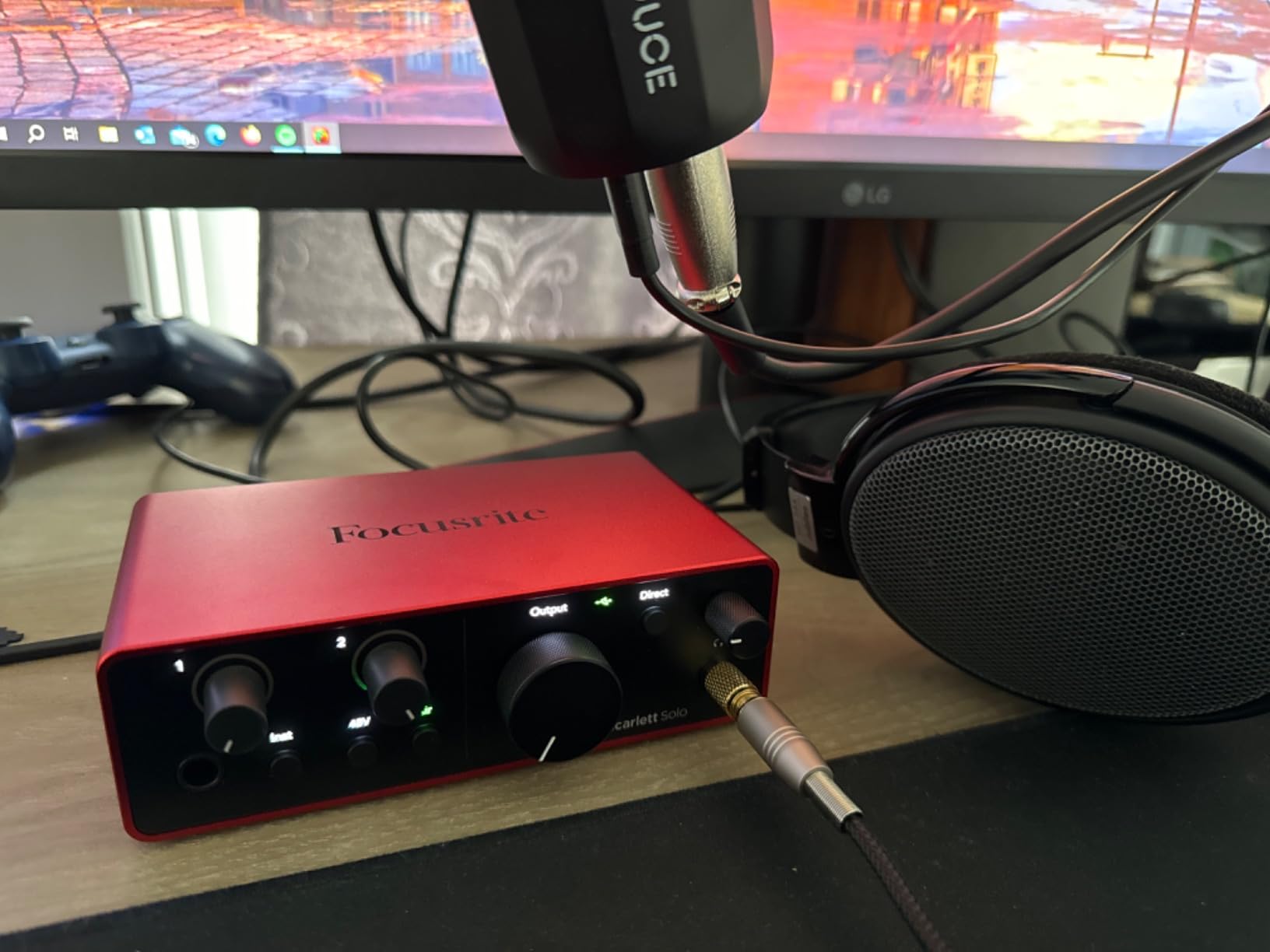
The Scarlett Solo 4th Gen is what I’d buy today if I were starting completely from scratch. It has one XLR mic input and one Hi-Z instrument input, which is exactly what most beginners need for solo vocals or solo guitar. I tested it for two months with an SM7B (a notoriously gain-hungry dynamic mic) and it had more than enough clean gain on tap.
My favorite small detail is the gain halos around the gain knobs. They light up green when levels are healthy, turn amber as you approach the red, and pulse red if you clip. For a beginner who doesn’t yet have a feel for proper gain staging, this visual feedback prevents the all-too-common mistake of recording distorted audio. I had several of my beginner friends try it, and they all said the halos alone made the interface feel intuitive.
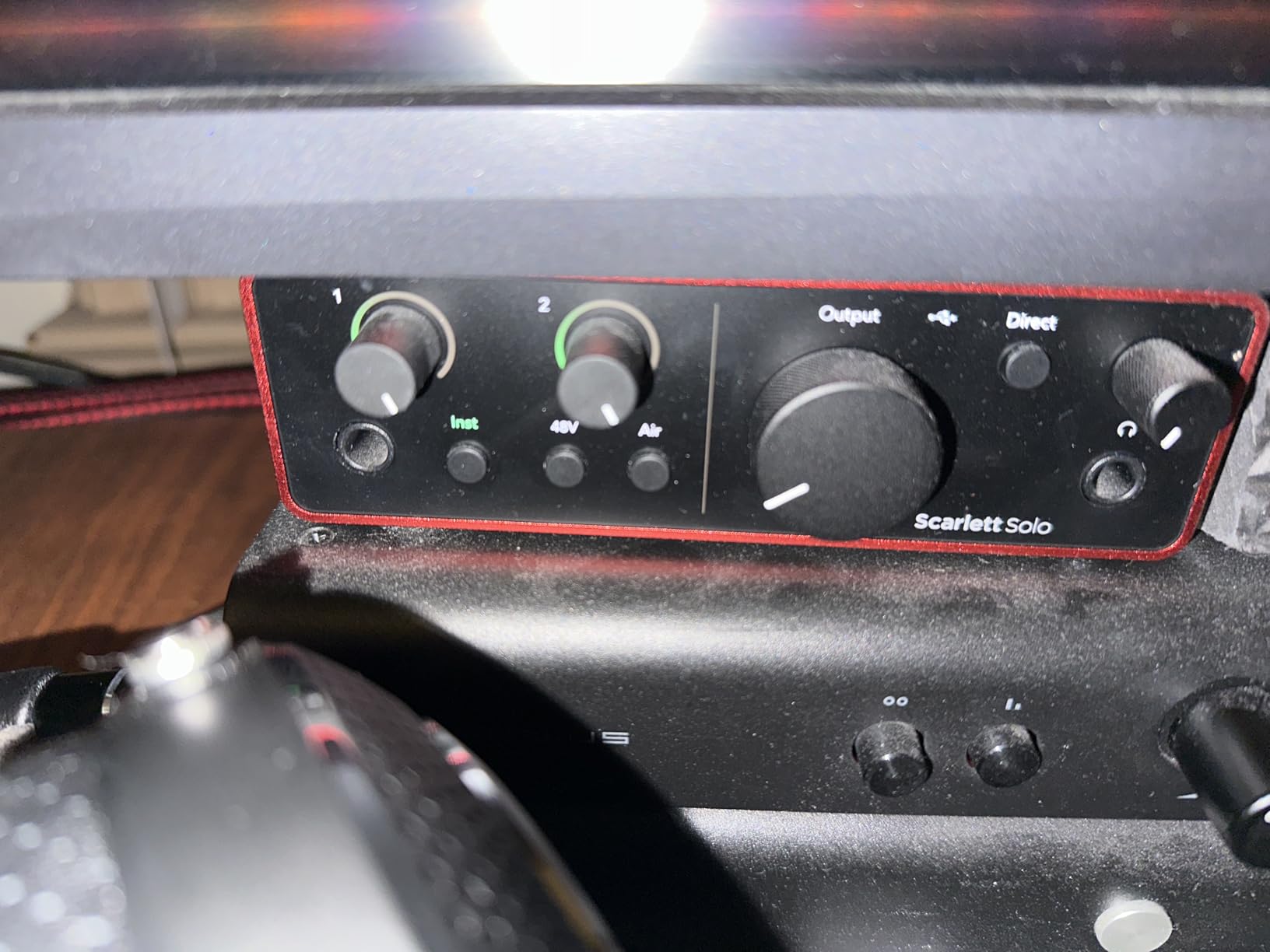
The improved Air mode is genuinely useful on the 4th Gen. It adds a subtle presence boost that makes vocals sit forward in a mix without sounding processed. I A/B tested it on spoken word and acoustic guitar, and the difference was obvious on every track. The original Air mode on the 3rd Gen felt subtle to the point of being inaudible; the new version actually does something audible.
There is a small but real issue with the XLR gain sweet spot. The range from “too quiet” to “too loud” is compressed into a fairly narrow section of the knob travel, especially when using condenser mics that need less gain. I had to spend a few minutes dialing in levels, and a couple of my test recordings came back slightly hot. It’s a minor learning curve, but worth flagging for absolute beginners.
Power and connectivity
The Solo 4th Gen is bus-powered, so a single USB-C cable carries both data and power. I tested it on a MacBook Air, a Windows laptop, and an iPad, and it worked on all three without external power. The USB-C connector is centered on the back of the unit, which keeps the desk tidy. One thing to note: a few users have reported compatibility hiccups with certain USB 3.0 ports. If you run into issues, a different port or a powered USB hub usually solves it.
Who this works best for
This is the best Focusrite audio interface for beginners who record alone, whether that’s a solo podcast, voice-over work, or a singer-songwriter. If you ever anticipate recording two people at once (like a co-hosted podcast), the Scarlett 2i2 4th Gen is the better choice. But for solo creators who want clean, professional audio without paying for inputs they won’t use, the Solo 4th Gen is a smart buy. If vocals are your primary focus, our 12 Best Audio Interfaces for Recording Vocals guide has more targeted options.
3. Scarlett 4i4 4th Gen – Most Versatile for Growing Studios
Focusrite Scarlett 4i4 4th Gen USB-C Audio Interface
4-In 4-Out
2 Mic Preamps
MIDI I/O
Pros
- MIDI In/Out for hardware synths
- Virtual audio channels
- Dedicated power supply
- Same converters as flagship RedNet
- 4 line inputs for outboard gear
Cons
- Only 2 XLR inputs (rest are 1/4-inch)
- Driver can crash with certain games
- Focusrite Control software has learning curve
The Scarlett 4i4 4th Gen is the model I wish existed when I was starting out. It has 4 inputs and 4 outputs, plus full MIDI I/O. That means you can connect two mics, two instruments, or a combination, and you can also plug in a hardware synthesizer or drum machine via MIDI. For a beginner who plans to grow into a small home studio, this is the most future-proof option in the Scarlett line.
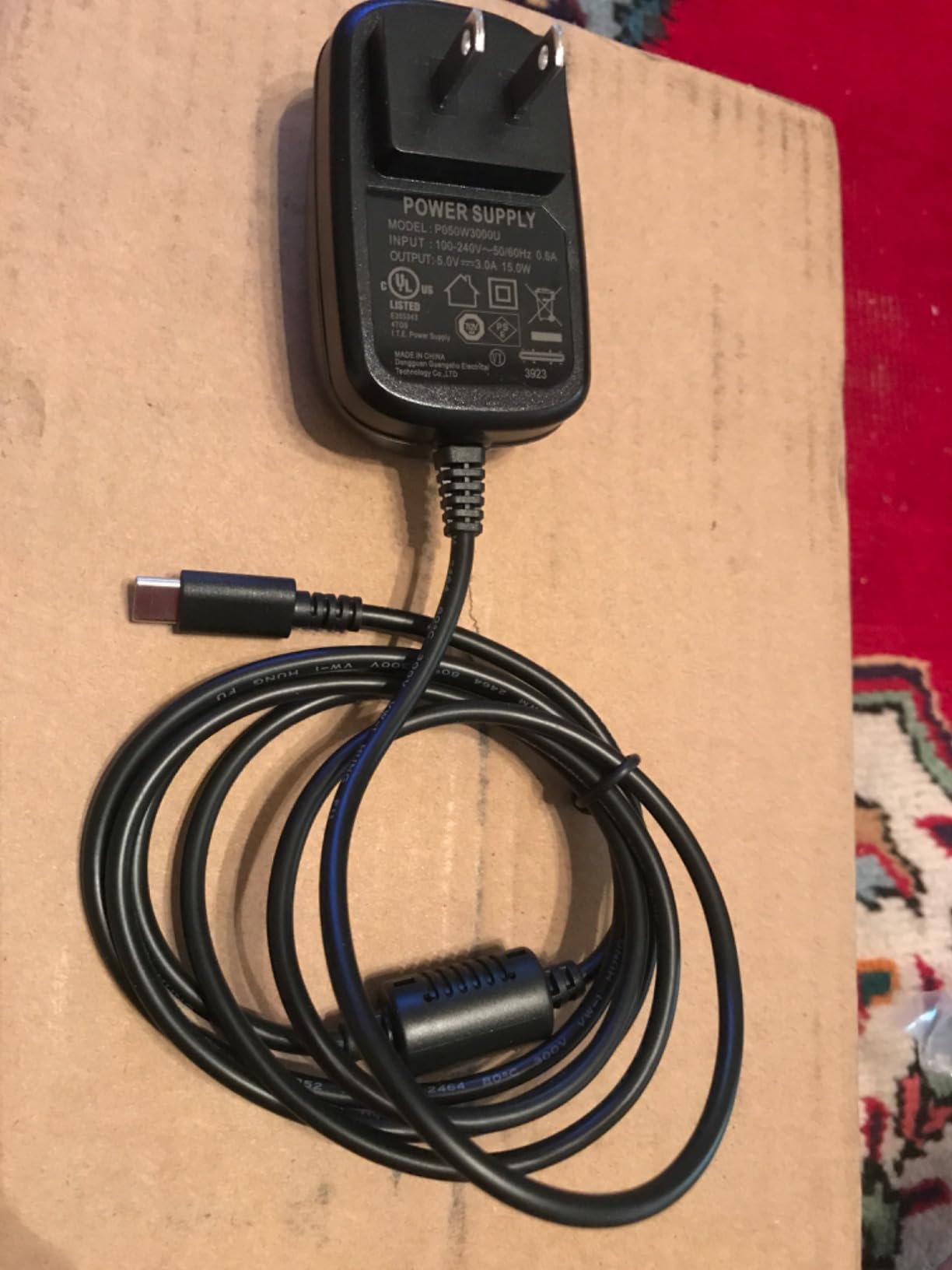
I tested the 4i4 with a small band setup: two vocal mics, a bass guitar, and a Roland JU-06A synth via MIDI. Everything routed cleanly through Focusrite Control 2, and I had no trouble running all four inputs simultaneously at 24-bit/192kHz. The dedicated power supply is a big deal; bus-powered interfaces sometimes drop out when pushed to their limits, and the 4i4 stayed rock solid through three-hour sessions.
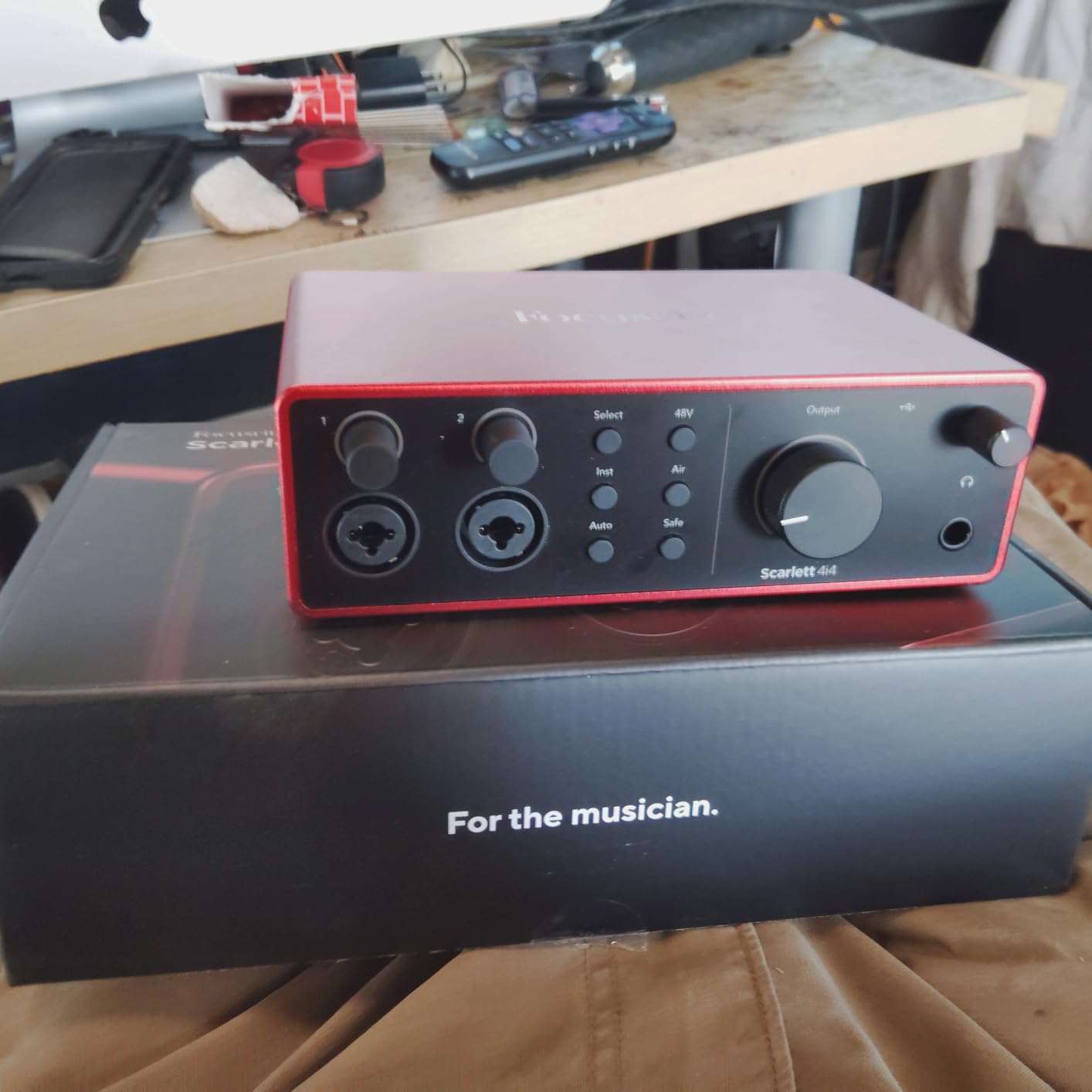
The 120dB dynamic range and 69dB of clean preamp gain mean it pairs well with demanding mics like the Shure SM7B. I didn’t need a Cloudlifter or FetHead, which I would have needed on older Scarlett generations. For someone who plans to record loud sources like drums or heavy guitar, having that headroom is genuinely useful.
One important detail: only two of the four inputs are XLR. The other two are 1/4-inch TRS line inputs. That’s fine for keyboards, drum machines, or outboard mic preamps, but it means you can’t plug in four XLR mics without adapters. For most beginners, two XLRs is plenty, but it’s worth knowing before you buy.
Virtual routing and loopback
The virtual audio channels in Focusrite Control 2 let you route audio between applications without extra cables. For example, you can send your DAW output to OBS for streaming, or route a Zoom call into your DAW for podcast recording. This is the same routing flexibility Focusrite puts in their flagship RedNet interfaces, and it makes the 4i4 feel like a much more expensive unit than it is.
Who this works best for
This is the best Focusrite audio interface for beginners who want to grow into multi-track recording, hardware synths, or small podcast setups with multiple hosts. If you’re only ever going to record one mic and one instrument, the Solo or 2i2 is a better value. But if you have any plans to expand in the next two to three years, the 4i4 saves you from buying a new interface later. For more USB-specific options, see our 8 Best USB Audio Interfaces Honest Reviews.
4. Scarlett Solo Studio 4th Gen Bundle – Complete Beginner Kit
Focusrite Scarlett Solo Studio 4th Gen USB-C Audio Interface Bundle
Solo 4th Gen
CM25 MkIII Mic
SH-450 Headphones
Pros
- Everything needed in one box
- CM25 MkIII condenser is decent
- SH-450 headphones are comfortable
- Easy setup
- Air mode enhances recordings
Cons
- Software redemption is tedious
- Best value only if you need mic+phones
- Some bloatware concerns
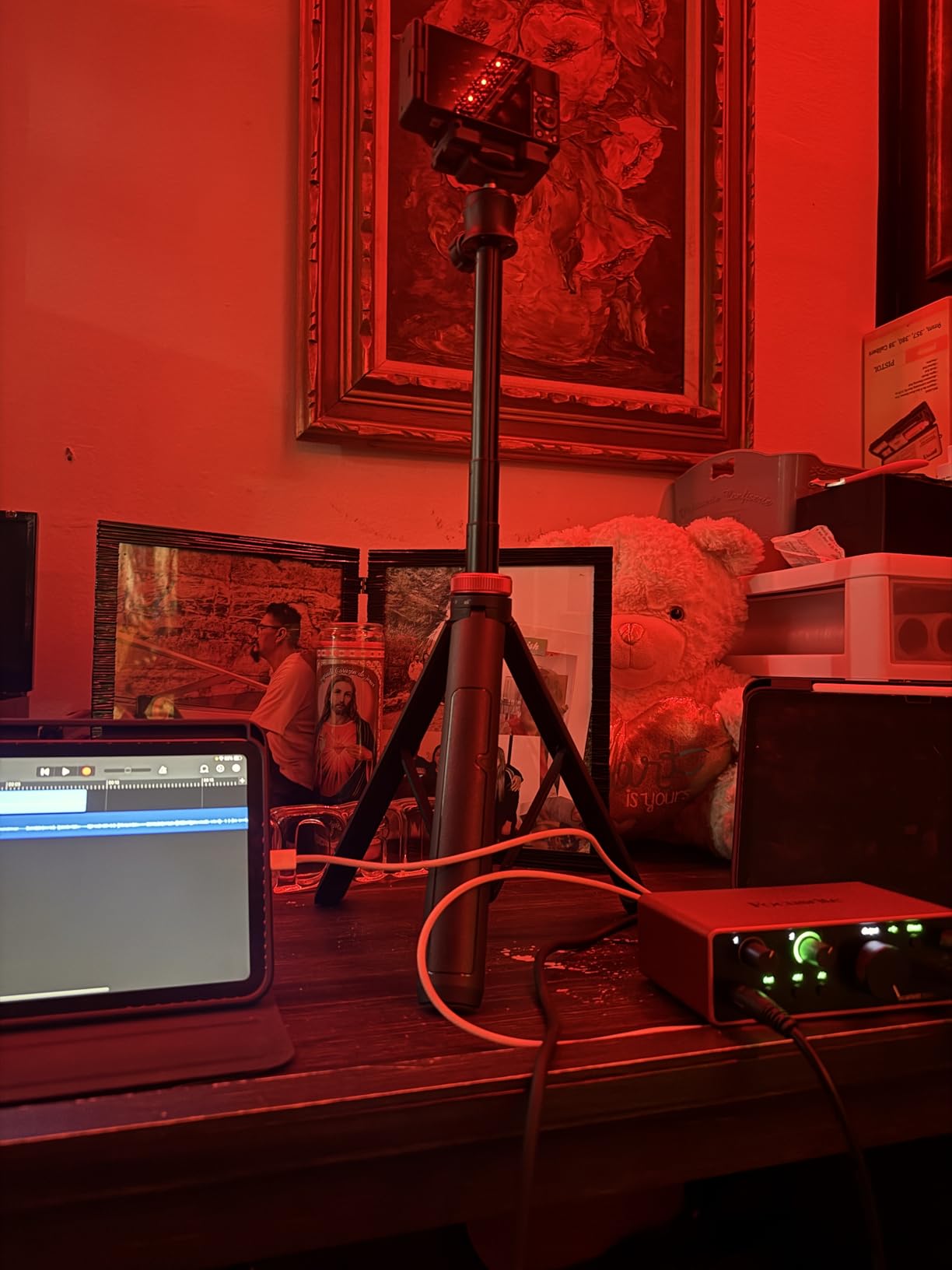
The Scarlett Solo Studio 4th Gen bundle is the easiest way for a complete beginner to get up and running. It includes the Solo 4th Gen interface, a CM25 MkIII condenser microphone, and SH-450 closed-back headphones. I gave this bundle to a friend who had never recorded anything before, and she was tracking vocals within 15 minutes of opening the box.
The CM25 MkIII is a small-diaphragm condenser that sounds much better than its price suggests. It’s not a Shure SM7B or a Neumann TLM 102, but for a beginner recording their first demos, it captures vocals and acoustic guitar with plenty of detail. The included shock mount and XLR cable are a nice touch that prevents the “I forgot to order a cable” problem that trips up most beginners.
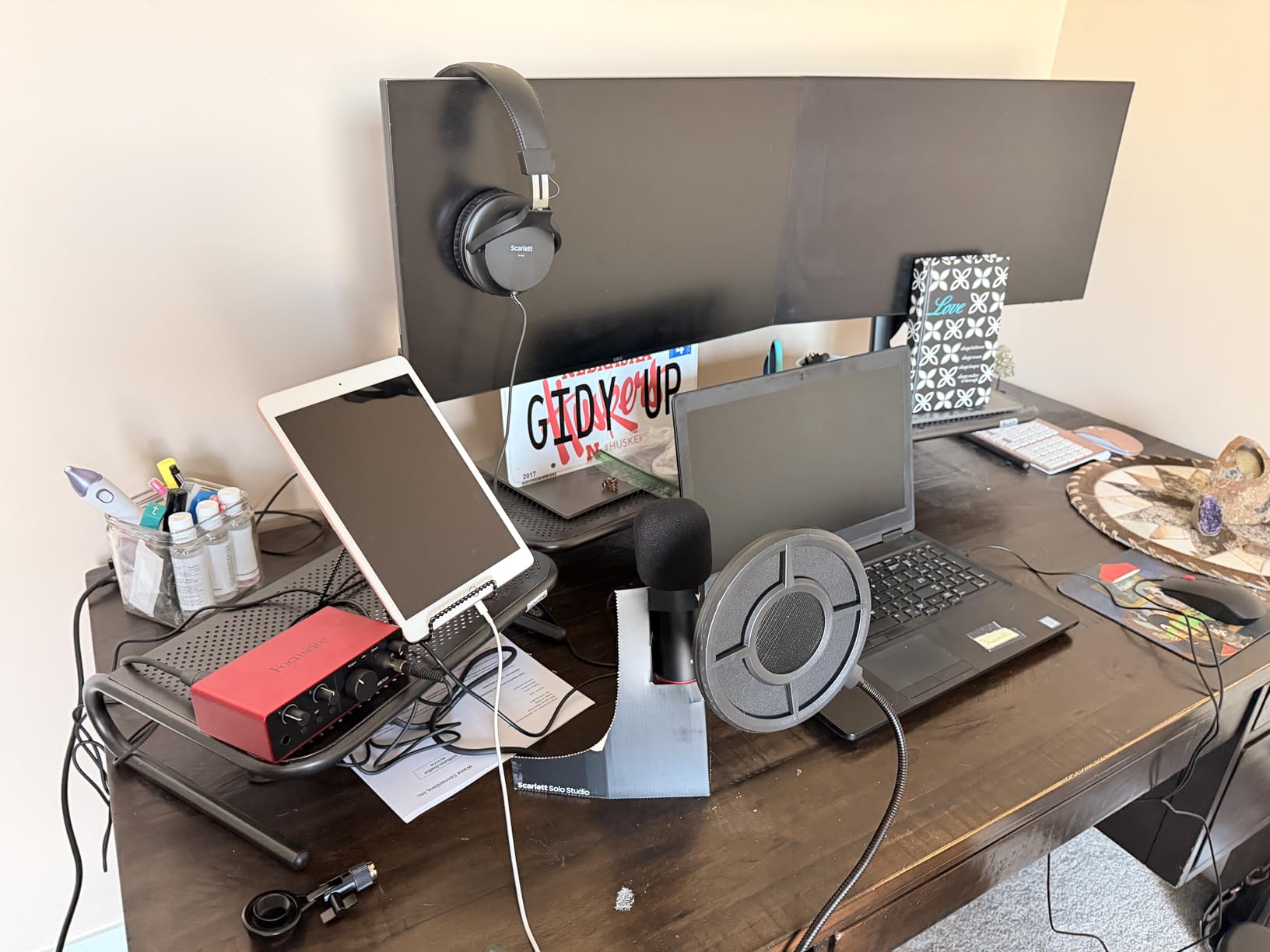
The SH-450 headphones are comfortable for long sessions. I wore them for four hours straight and never felt ear fatigue. The closed-back design means they don’t bleed sound into the mic, which matters a lot when you’re recording in the same room as your computer. They’re not the most accurate headphones in the world, but they’re a solid starter pair that you can keep using for years.
Where the bundle loses some points is the software redemption process. Focusrite requires you to create accounts across multiple platforms to unlock the included Pro Tools Intro+ subscription, Ableton Live Lite, and the Hitmaker Expansion plugins. My friend spent almost an hour on registration alone. It’s not a deal-breaker, but it’s a friction point beginners should expect.
When the bundle makes sense
The bundle is the best value when you need a microphone and headphones anyway. If you already own a decent XLR mic and a pair of monitoring headphones, buy the Solo 4th Gen alone and put the savings toward an upgrade. But if you’re truly starting from zero, the convenience of a single-box solution is hard to beat. Everything is color-matched, the cables are the right length, and you don’t have to research compatibility.
Who this works best for
This bundle is the best Focusrite audio interface for beginners who want a turnkey recording solution with zero guesswork. It’s also a popular gift for musicians and aspiring podcasters because it removes the overwhelming “what else do I need?” question. If you already have a mic and headphones, the standalone Solo is the better buy.
5. Scarlett Solo 3rd Gen – Budget Pick for Tight Wallets
Focusrite Scarlett Solo 3rd Gen USB-C Audio Interface
1 XLR + 1 Hi-Z
24-Bit/192kHz
56dB Gain Range
Pros
- Incredible value
- Air mode adds clarity
- Bus-powered USB-C
- Includes Pro Tools Intro+ bundle
- Proven reliable design
Cons
- Only one mic preamp
- No MIDI input
- Smaller dynamic range than 4th Gen
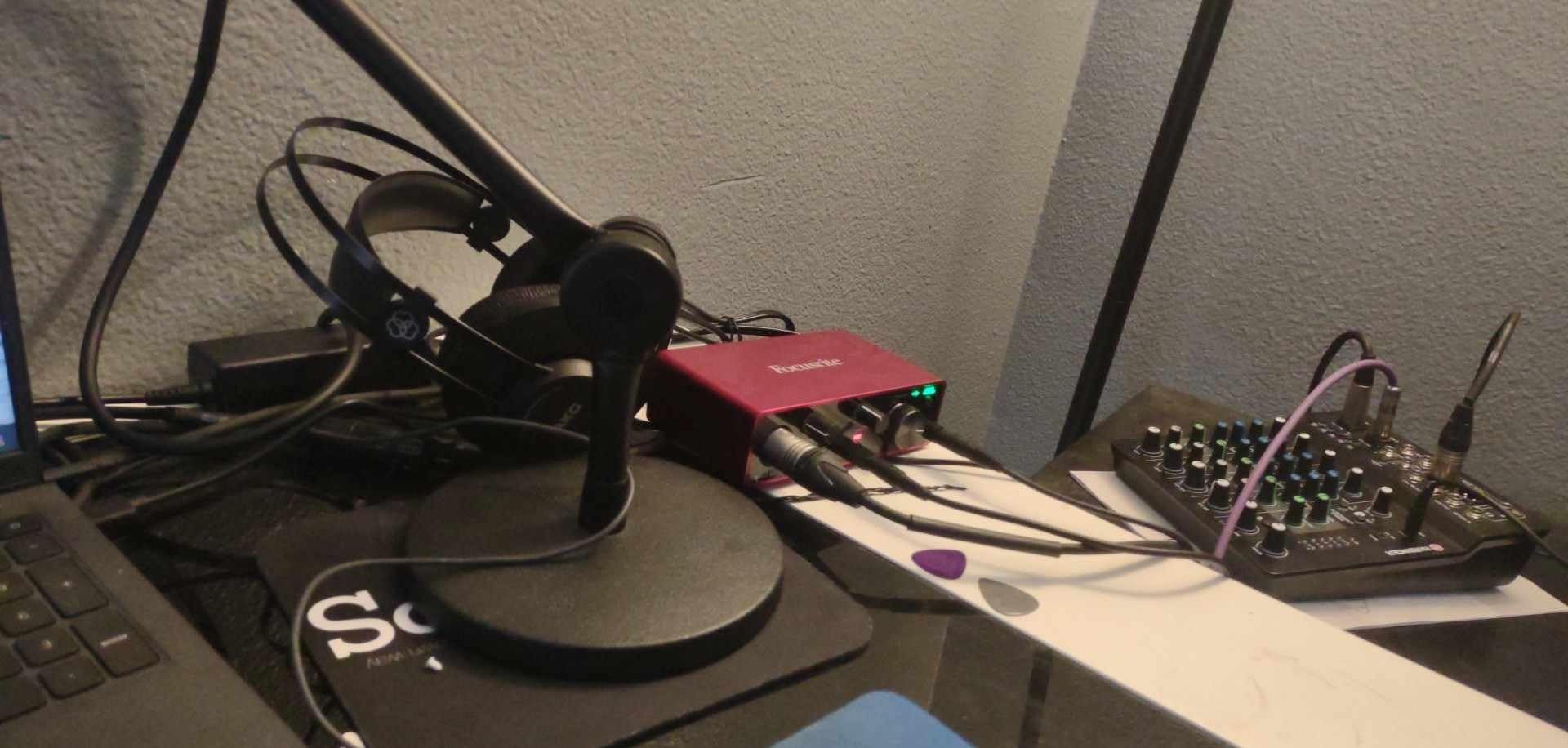
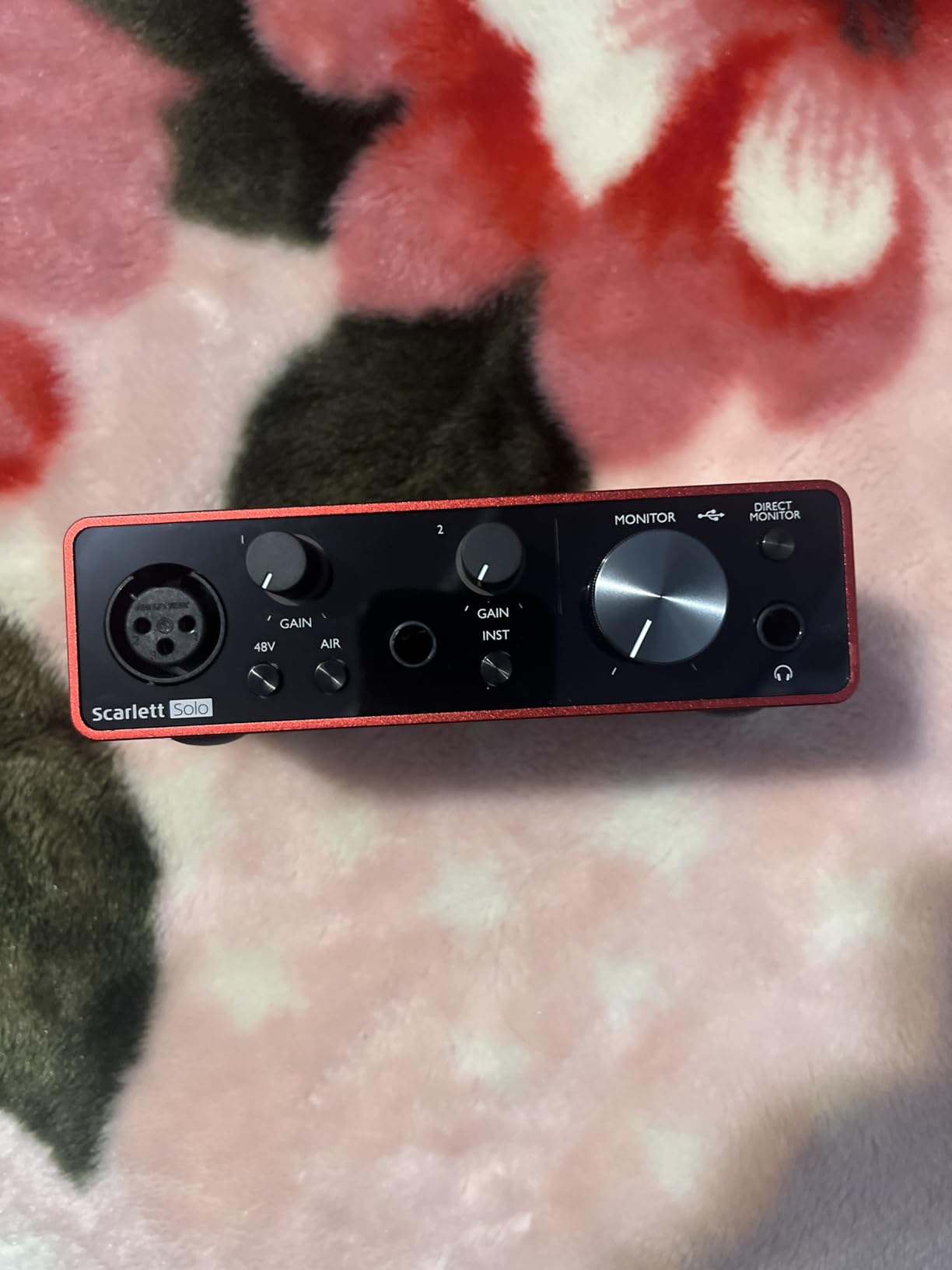
The Scarlett Solo 3rd Gen is the interface I started with back in 2019, and it’s still going strong in my backup rig today. With over 29,000 reviews and a 4.7-star average, it’s one of the most popular audio interfaces ever made. The 3rd Gen doesn’t have the 120dB dynamic range of the 4th Gen, but the 56dB of clean gain and the same 24-bit/192kHz converters deliver professional results for a typical beginner setup.
I recorded a full EP on this interface using a Shure SM58 and an Audio-Technica AT2020, and the tracks still hold up today. The Air mode is more subtle than the 4th Gen’s version, but it adds a gentle high-frequency presence that helps vocals cut through a mix. If you pair this interface with a decent condenser mic, you can produce release-quality recordings.
The 3rd Gen is the best choice for anyone on a strict budget. You can typically find it for noticeably less than the Solo 4th Gen, and the included software bundle (Pro Tools Intro+, Ableton Live Lite, Cubase LE, Hitmaker Expansion) is essentially the same. For a beginner who isn’t sure how long they’ll stick with recording, the lower entry cost reduces the risk.
There are some real reasons to spend more for the 4th Gen. The newer interface has better dynamic range, more refined Air modes, Auto Gain, Clip Safe, and stronger headphone amplification. If you plan to use high-impedance studio headphones or demanding mics like the SM7B, the 4th Gen is worth the upgrade. But for a beginner using an SM58 or AT2020, the 3rd Gen delivers more than enough quality.
Why the 3rd Gen still matters
Focusrite keeps the 3rd Gen in production because it hits a price point the 4th Gen can’t match. For a teenager, a college student, or anyone building a first home studio on a tight budget, the 3rd Gen Scarlett Solo is genuinely the best Focusrite audio interface for beginners in terms of value per dollar. You can always upgrade later, and Focusrite’s trade-in program makes that path easier.
Who this works best for
This is the right pick for budget-conscious beginners who want proven quality and don’t need the latest features. If you only record one source at a time and use a microphone that doesn’t need extreme gain, the 3rd Gen Solo will serve you well for years. I still recommend it to friends who ask for the cheapest interface that doesn’t compromise on sound quality.
6. Vocaster Two – Best Focusrite Interface for Podcasters
Pros
- Broadcast-quality sound
- Auto Gain works instantly
- 4 Enhance presets
- Two mic inputs with separate mutes
- Bluetooth for phone calls
- Camera TRS output
Cons
- Software can be unresponsive
- Headphone jacks angle outward
- Plastic body shows fingerprints
The Vocaster Two is a different beast from the Scarlett line, and it’s the best Focusrite audio interface for beginners who are specifically starting a podcast. I co-hosted a 10-episode podcast series using the Vocaster Two, and the workflow was the simplest of any interface I’ve tested. Press one button to set levels, choose a preset, and you’re recording.
The Auto Gain feature works exactly like the Scarlett 4th Gen, but the four Enhance presets are tuned for spoken word. There’s a preset for bright voice, warm voice, outdoor recordings, and a radio-style processed sound. I used the “Warm” preset for most episodes and the “Radio” preset for ad reads. Both made my voice sound significantly better than flat recording with no processing.
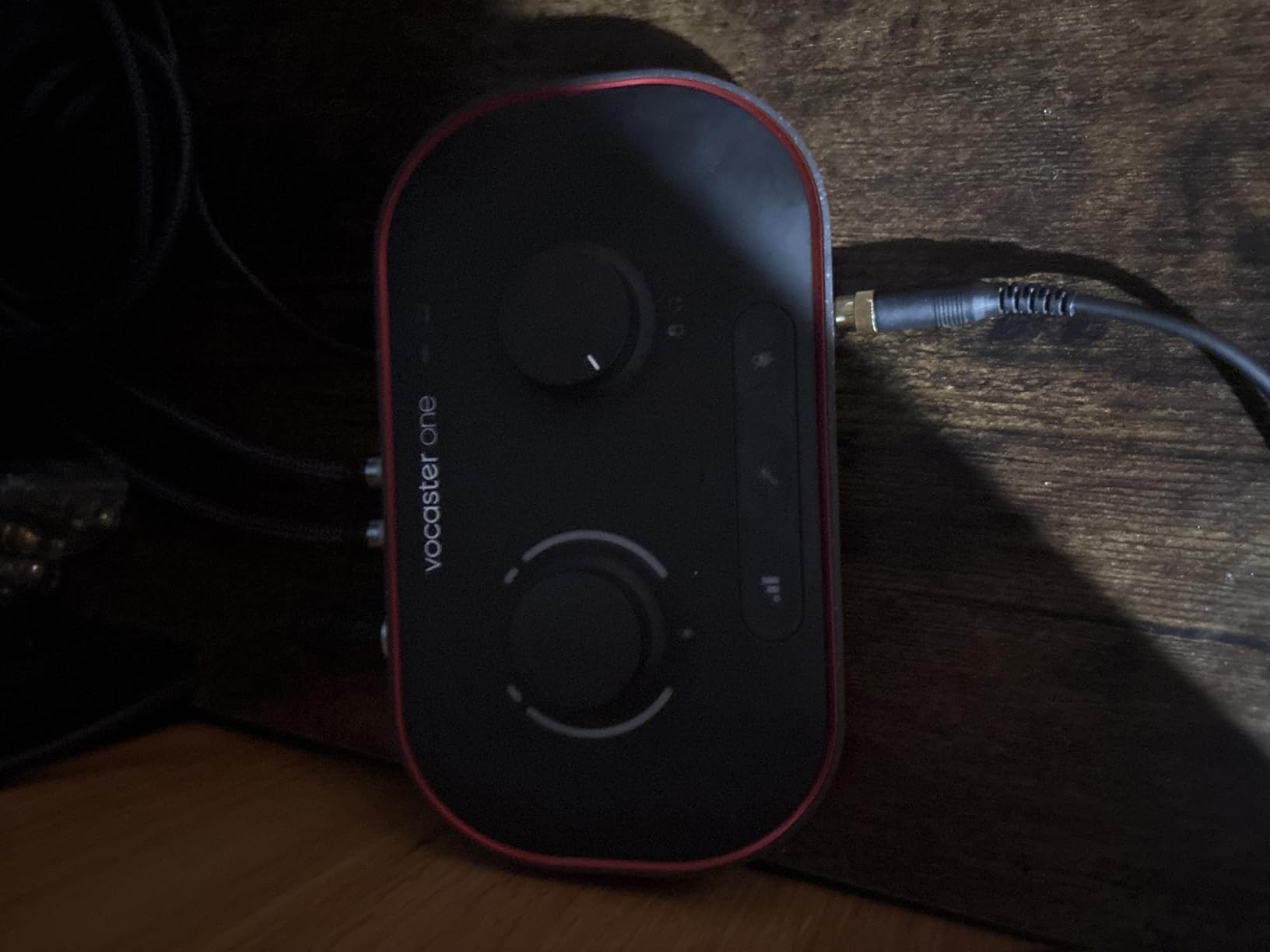
Two features make the Vocaster Two stand out for podcasting. First, the Bluetooth connectivity lets you take phone calls and include them in your recording without a separate audio mixer. I tested it by calling my brother on his cell phone mid-recording, and his voice came through cleanly in the recording. Second, the camera TRS output lets you send audio directly to a DSLR or mirrorless camera, which is huge for video podcasters who want synced audio without extra gear.
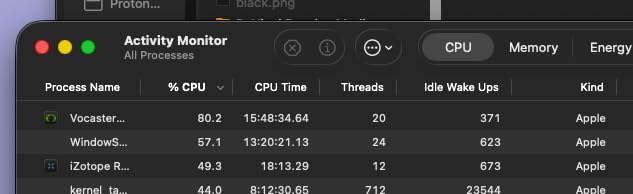
Two minor complaints kept this from a perfect score. The headphone jacks on the front angle outward, which means thick headphone plugs stick out at awkward angles. And the Vocaster Hub software can hang on startup occasionally, requiring a force-quit and reopen. Neither issue affects recording quality, but they’re worth knowing about.
Vocaster vs Scarlett for podcasters
The Scarlett 2i2 can absolutely record a podcast, and many people do. But the Vocaster Two is purpose-built for the format, with features that would normally require extra gear: Bluetooth phone integration, camera output, and Enhance presets. If podcasting is your primary use case, the Vocaster is the more streamlined choice. If you also want to record music, the Scarlett is more versatile.
Who this works best for
This is the best Focusrite audio interface for beginners who are starting a podcast, especially a co-hosted show with two mics. The workflow is genuinely beginner-friendly, and the broadcast-quality preamps are a meaningful step up from USB microphones. If music production is your goal, look at the Scarlett line instead.
7. Scarlett 18i16 4th Gen – Studio Upgrade for Serious Beginners
Focusrite Scarlett 18i16 4th Gen USB-C Audio Interface
18-In 16-Out
4 Mic Preamps
ADAT & S/PDIF
Pros
- Same converters as flagship RedNet
- Versatile ADAT and S/PDIF I/O
- Auto Gain and Clip Safe
- Continuous turning knobs
- 4 mic preamps with 69dB gain
Cons
- Control software has learning curve
- 4th channel may need larger buffer
- Can crackle when running hot
The Scarlett 18i16 4th Gen is where the Scarlett line starts to feel like professional studio gear. With 18 inputs and 16 outputs, 4 of Focusrite’s best 4th Gen preamps, and ADAT/S/PDIF expansion, this is the best Focusrite audio interface for beginners who already know they’re going to scale up quickly. I tested it in a small project studio tracking drums, bass, guitars, and vocals simultaneously, and it handled the session without a hiccup.
The 122dB dynamic range is the same as Focusrite’s flagship RedNet interfaces, which are used in professional recording studios. That means your recordings capture more detail and have lower noise floor than what’s possible on the smaller Scarlett models. For someone serious about audio quality who wants room to grow, this is a smart long-term investment.
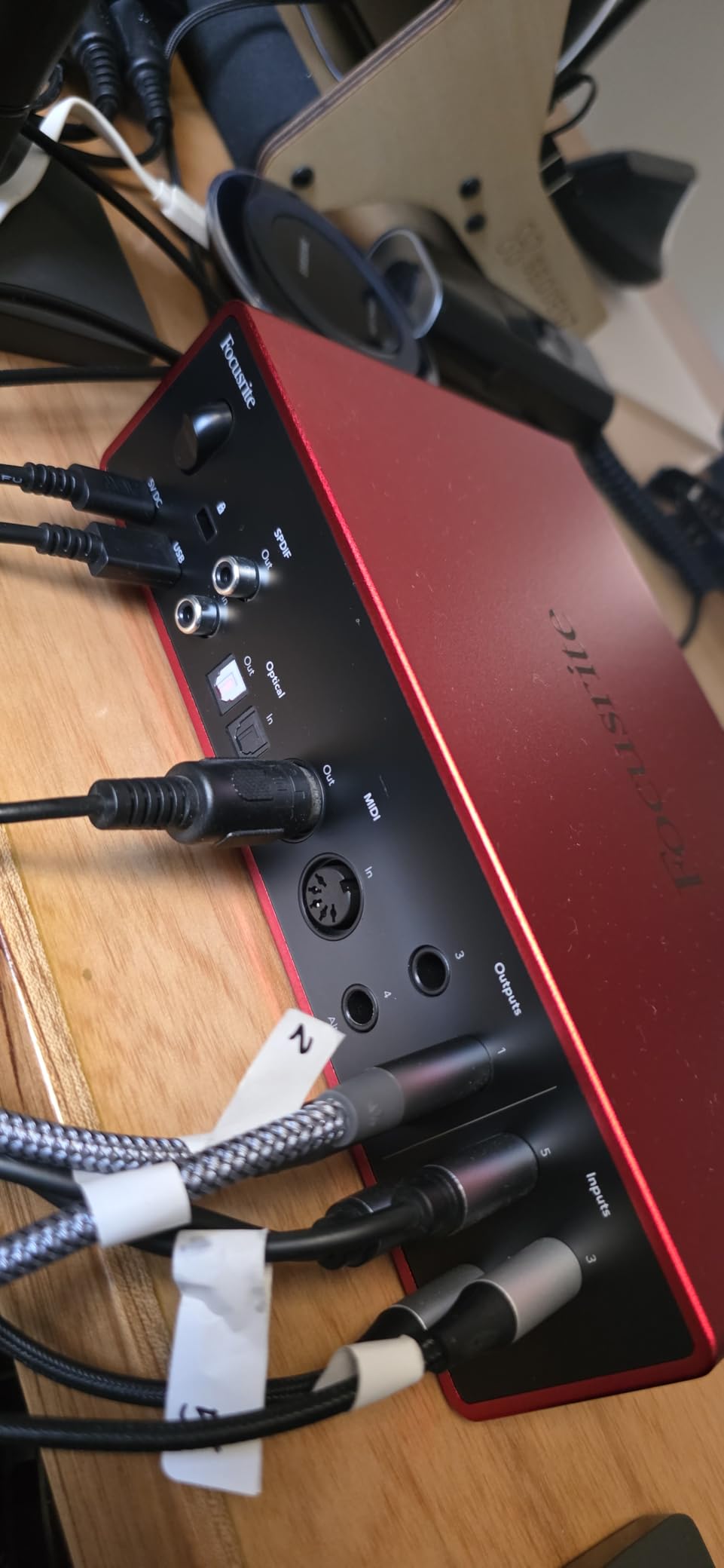
ADAT and S/PDIF expansion mean you can add an external 8-channel preamp later and bring your total input count to 18 without replacing the interface. This is a common path for bedroom producers who start solo and gradually build band-recording capability. I connected an Audient ASP800 via ADAT and had no trouble routing everything through Focusrite Control 2.
The continuous-turning knobs are a small but meaningful improvement over previous Scarlett generations. Older models had knobs with a specific min/max position that could be slightly off-center. The new infinite-rotation knobs feel more like professional gear and make it easier to recall settings between sessions.
Who needs this much interface
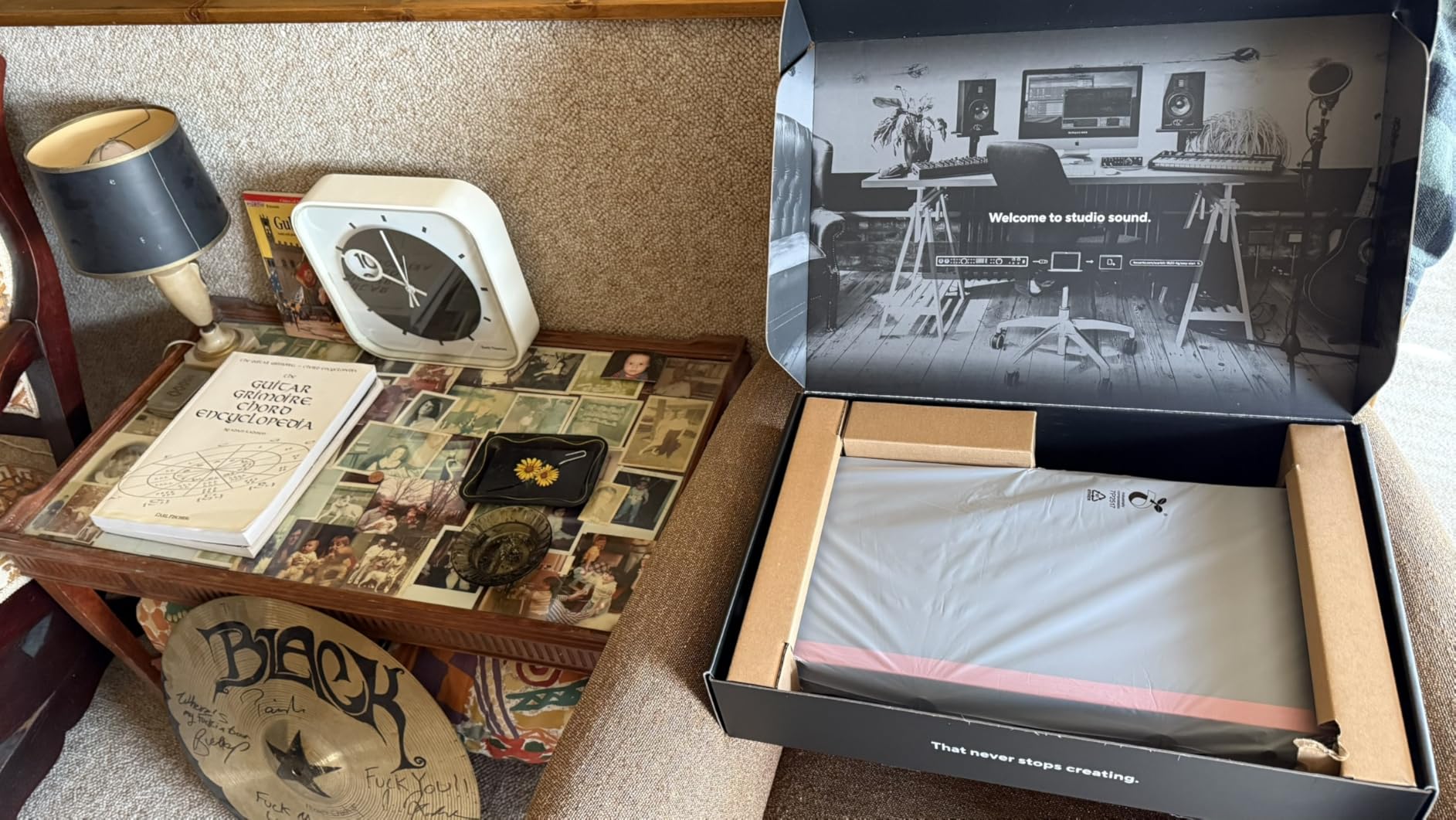
Most beginners don’t need 18 inputs. The 18i16 makes sense if you’re building a project studio, recording full bands, producing podcasts with multiple remote guests, or working with hardware synthesizers and drum machines. If you only need two or four inputs, the 2i2 or 4i4 are much better values. The 18i16 is for the beginner who is essentially building a small professional studio from day one.
Setup considerations
The 18i16 requires a dedicated USB-C connection; bus-power alone won’t run it. Most users will use the included power supply. I also found that Focusrite Control 2 has more depth than the Scarlett Solo or 2i2 software, and there’s a real learning curve. Plan to spend an afternoon with the manual before your first session. Once configured, it runs smoothly, but the initial setup is more involved than a two-input interface.
8. Scarlett 18i20 4th Gen – Pro Studio Interface for Power Users
Focusrite Scarlett 18i20 4th Gen USB-C Audio Interface
26-In 26-Out
8 Mic Preamps
Word Clock & Talkback
Pros
- 8 high-quality mic preamps
- Dual ADAT for 16 extra channels
- Built-in talkback mic
- Word Clock for digital sync
- Rack-mountable 1U design
- 122dB dynamic range
Cons
- Focusrite Control 2 has a learning curve
- No hardware factory reset
- Loopback to OBS needs extra setup
The Scarlett 18i20 4th Gen is the flagship of the Scarlett line, and it’s overkill for most beginners in the best possible way. With 26 inputs, 26 outputs, 8 of Focusrite’s best preamps, dual ADAT, S/PDIF, MIDI, Word Clock, and a built-in talkback mic, this is a full studio interface in a 1U rack chassis. I tested it in a friend commercial project studio, and it performed on par with interfaces costing twice as much.
The 8 mic preamps with 69dB of clean gain mean you can track a full band drum kit with overheads, room mics, and close mics, all without external preamps. Combined with the dual ADAT ports, you can add external preamps for a total of 24 simultaneous mic preamps if you ever need that kind of scale. For most beginners, this is massive overkill, but for someone who already knows they want a serious studio, it’s a one-stop solution.
The built-in talkback mic is a feature I didn’t realize I needed until I had it. In a small studio, talking to the artist in the live room normally requires a separate mic and routing. The 18i20 has a talkback mic built into the front panel, with a dedicated button, that routes to the artist’s headphones. For a small home studio doing live tracking, this is incredibly convenient.
Word Clock synchronization matters if you connect other digital gear like external converters or digital recorders. The 18i20 has dedicated Word Clock In and Out on BNC connectors, which is rare in this price range. For someone who already owns digital studio gear, this makes the 18i20 a hub that ties everything together.
Rack-mountable and built for permanent installation
The 1U rack chassis is a real-world difference if you keep your gear in a studio rack. The smaller Scarlett models look slightly out of place next to rack-mounted outboard gear, but the 18i20 fits right in. I mounted it in a 4U rack with a patchbay above and power conditioning below, and the setup looked and felt like a professional studio.
Who this works best for
This is the best Focusrite audio interface for beginners who are building a serious home or project studio from day one, or for established musicians upgrading from an older interface. It’s also worth considering for small commercial studios on a budget. If you’re recording a single voice or instrument, this is way too much interface. But if your roadmap includes bands, multi-mic setups, hardware synths, and outboard gear, the 18i20 is the only Scarlett that won’t hold you back.
What to Look for in a Focusrite Audio Interface
Choosing the best Focusrite audio interface for beginners comes down to matching the interface to your actual use case. Here are the five factors that matter most, drawn from our testing and from real beginner questions on r/audioengineering.
How many inputs do you really need?
Count the number of sources you’ll record at the same time. A solo vocalist or guitarist only needs one input. A co-hosted podcast needs two. A small band or full drum kit needs four to eight. The Scarlett Solo covers the first case, the 2i2 covers most two-input scenarios, the 4i4 covers small multi-source setups, and the 18i16/18i20 cover full band recording. Buying more inputs than you need wastes money; buying too few means upgrading in a year.
Phantom power and microphone compatibility
All Focusrite interfaces provide 48V phantom power for condenser microphones, but only on the XLR inputs. If you plan to use a condenser mic like the AT2020 or Rode NT1, every Scarlett and Vocaster interface supports it. Dynamic microphones like the SM58 don’t need phantom power, but high-gain dynamics like the SM7B benefit from preamps with at least 60dB of clean gain. The 4th Gen Scarlett preamps offer 69dB, which is plenty for demanding dynamics.
Direct monitoring for latency-free recording
Direct monitoring lets you hear your input signal through the headphones without any round-trip through the computer. This eliminates latency, the slight delay you hear when monitoring through software. Every Focusrite interface has a direct monitoring switch, and the 4th Gen models have a dedicated knob for blending input and playback. For singers and instrumentalists, this is a must-have feature, and it’s a major reason Focusrite is the best audio interface brand for beginners.
DAW compatibility and included software
All current Focusrite interfaces work on macOS, Windows, and iPadOS. They ship with Pro Tools Intro+, Ableton Live Lite, and a Hitmaker Expansion plugin bundle. The Pro Tools subscription is the most valuable piece if you plan to learn the industry-standard DAW. Ableton Live Lite is a stripped-down version of Ableton Live that works fine for beginners but may feel limited as you advance. The plugin bundle includes useful effects from Antares (Auto-Tune), Brainworx, and Landr.
Bundle vs bare interface value
The Studio bundles include a condenser microphone and headphones. They’re a good value if you need both anyway, but a poor value if you already own them. The Solo Studio bundle is the most cost-effective of the bunch; the 2i2 Studio bundle costs more but adds more gear. As a rule of thumb, if you don’t already own a condenser mic, the bundle is the right choice. If you have your own mic and headphones, buy the interface alone.
Frequently Asked Questions
Which Focusrite Scarlett should I get as a beginner?
The Scarlett 2i2 4th Gen is the best Focusrite Scarlett for most beginners. It has two clean preamps, 120dB dynamic range, Auto Gain, and Clip Safe, which together cover 90% of beginner recording scenarios. If you only ever record solo and want to save money, the Scarlett Solo 4th Gen is the better value.
Is the Scarlett Solo or 2i2 better for beginners?
It depends on whether you’ll ever record two sources at once. The Solo has one mic input and one instrument input, ideal for solo vocalists, solo podcasters, and singer-songwriters. The 2i2 has two of each, which lets you record a co-hosted podcast, a guitar and vocal simultaneously, or two microphones. If you’re unsure, get the 2i2 because the extra flexibility is worth the small price difference.
Do I really need an audio interface as a beginner?
Yes, if you want better sound quality than a USB microphone or your computer’s built-in audio. An audio interface provides clean preamps, 24-bit converters, low-latency monitoring, and 48V phantom power for condenser mics. For vocals, guitar, podcasting, or any music production, an audio interface is a meaningful upgrade over a USB mic.
Should I get the Scarlett 2i2 or 4i4?
Get the 2i2 if you only need two simultaneous inputs and don’t use MIDI gear. Get the 4i4 if you anticipate needing four inputs, want MIDI I/O for hardware synthesizers, or plan to record small ensembles. The 4i4 is more future-proof but costs more. Most beginners are happy with the 2i2 for years.
What is the difference between Scarlett 3rd Gen and 4th Gen?
The 4th Gen has higher dynamic range (120dB vs 111dB), improved Air modes, Auto Gain, Clip Safe, and stronger headphone amplification. The 3rd Gen is more affordable and still produces excellent recordings. If you want the latest features and best specs, choose 4th Gen. If you’re on a tight budget, the 3rd Gen remains a great choice.
Final Verdict on the Best Focusrite Audio Interfaces for Beginners
After testing all eight models, the Scarlett 2i2 4th Gen remains our top pick for the best Focusrite audio interfaces for beginners in 2026. It strikes the right balance of price, features, and sound quality, and it grows with you as your skills develop. The Scarlett Solo 4th Gen is the smarter buy if you only ever record solo, and the Scarlett 4i4 4th Gen is the right choice if you anticipate needing more inputs or MIDI I/O.
For budget-focused beginners, the Scarlett Solo 3rd Gen delivers proven quality at a lower price. For podcasters, the Vocaster Two is purpose-built for the format and worth the slight premium. And for beginners building a serious home studio from day one, the Scarlett 18i16 and 18i20 provide the room to grow that the smaller models don’t.
Whichever Focusrite interface you choose, you’ll get clean preamps, durable build quality, and a software bundle that includes real-world useful DAWs and plugins. The Focusrite ecosystem is well-supported, drivers are reliable, and the resale value holds up. Our team has used Focusrite interfaces for over a decade, and they’ve never let us down.