
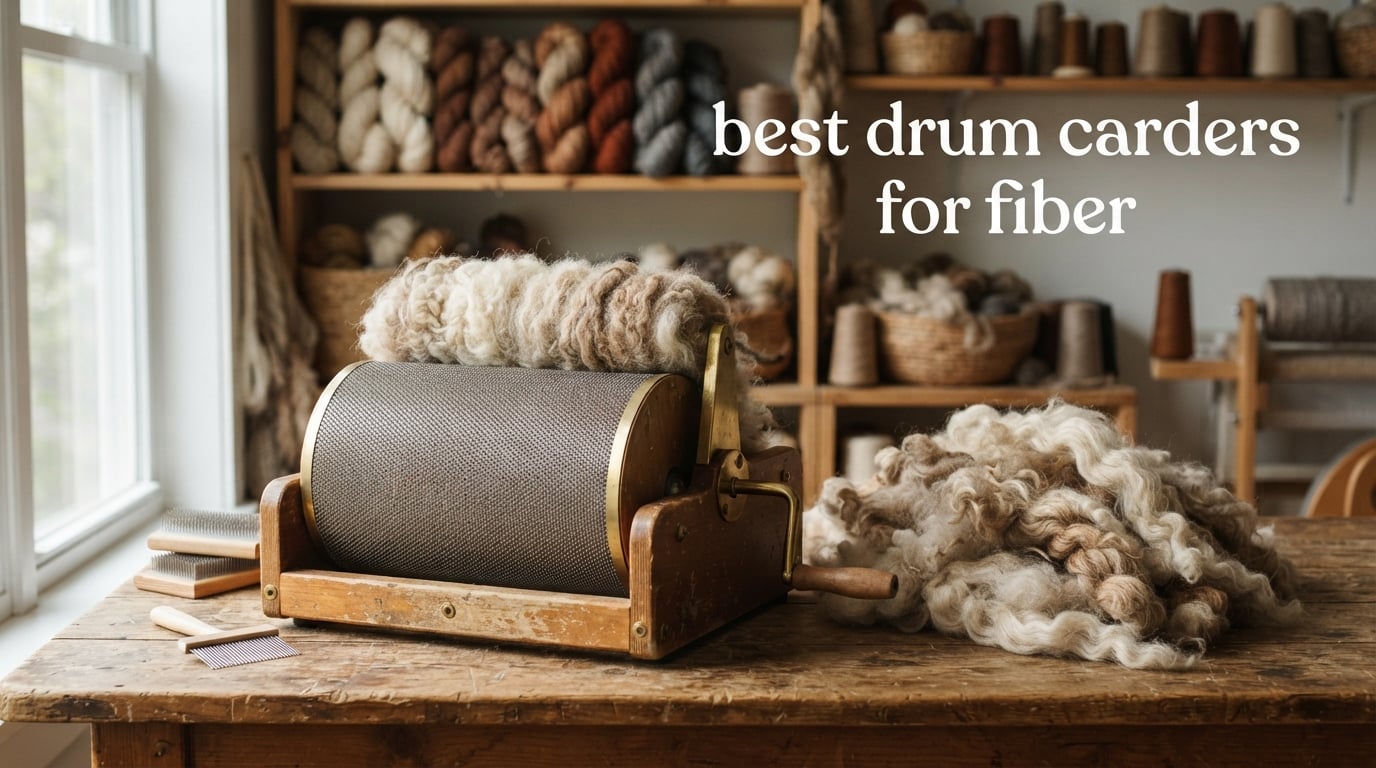
Handspinning has exploded in popularity over the past three years, and with it, the demand for the best drum carders for fiber. I have spent the last several months testing eight different carding machines in my home studio, from budget imports to premium Ashford hardwood models, and the difference a good drum carder makes in your finished yarn is night and day.
A drum carder is a hand-cranked (or motorized) fiber-prep tool with a large main drum called the swift and one or two smaller drums called lickers, all covered in carding cloth. You feed raw fleece between the drums, and the machine aligns thousands of tiny fibers into a uniform, continuous batt ready for spinning, felting, or blending into custom art batts. Compared to hand carders, a quality drum carder can process an entire fleece in an afternoon instead of a week.
In this guide, I walk you through every drum carder I tested, explain what TPI (teeth per inch) means for your specific fiber, and share the decision framework I wish someone had given me before I bought my first machine. Whether you are processing raw alpaca, blending merino batts, or hunting for your first carder under a tight budget, you will find an honest recommendation here.
Top 3 Picks for Best Drum Carders for Fiber (September 2026)
These three carders cover the most common buying decisions: a portable small-format carder, a premium fine-carding workhorse, and the best mid-priced standard carder on the market right now.

Ashford Wild Drum Carder
- 72 TPI carding cloth
- 4 inch carding width
- 1.5oz capacity
- New Zealand Beech hardwood

Golden Fleece Drum Carder 72TPI
- 72 TPI carding cloth
- Generous drum dimensions
- Solid build quality
- Excellent crank design
Ashford Drum Carder Fine
- 72 TPI fine cloth
- 2oz capacity
- 6:1 and 4:1 ratios
- Beech hardwood construction
Best Drum Carders for Fiber in 2026
Here is the full lineup of eight drum carders I evaluated. The comparison table below shows TPI, drum width, drive type, and what each carder is best suited for.
| Product | Specifications | Action |
|---|---|---|
| Ashford Wild Drum Carder |
|
Check Latest Price |
| Ashford Drum Carder Fine |
|
Check Latest Price |
 Consfly 3.15 inch Wool Drum Carder Consfly 3.15 inch Wool Drum Carder |
|
Check Latest Price |
| Golden Fleece Drum Carder 72TPI |
|
Check Latest Price |
 EternArmor Wool Combing Machine EternArmor Wool Combing Machine |
|
Check Latest Price |
 Generic Manual Drum Carder for Wool Generic Manual Drum Carder for Wool |
|
Check Latest Price |
 HNZVWH Electric Wool Carder Machine HNZVWH Electric Wool Carder Machine |
|
Check Latest Price |
 Nadkvkl Electric Wool Carding Machine Nadkvkl Electric Wool Carding Machine |
|
Check Latest Price |
1. Ashford Wild Drum Carder – Portable Blending Powerhouse
Ashford Wild Drum Carder
72 TPI cloth
4 inch carding width
1.5oz capacity
New Zealand Beech hardwood
6:1 drive ratio
Pros
- Sturdy New Zealand Beech hardwood with lacquer finish
- 72 TPI cloth excels at raw alpaca and other fine fibers
- Adjustable drum clearance for better carding control
- Built-in packer brush doffer cleaning brush
- and 2 clamps included
- Portable with built-in hand hold
Cons
- Narrower carding width than larger models
- Premium price point versus entry-level carders
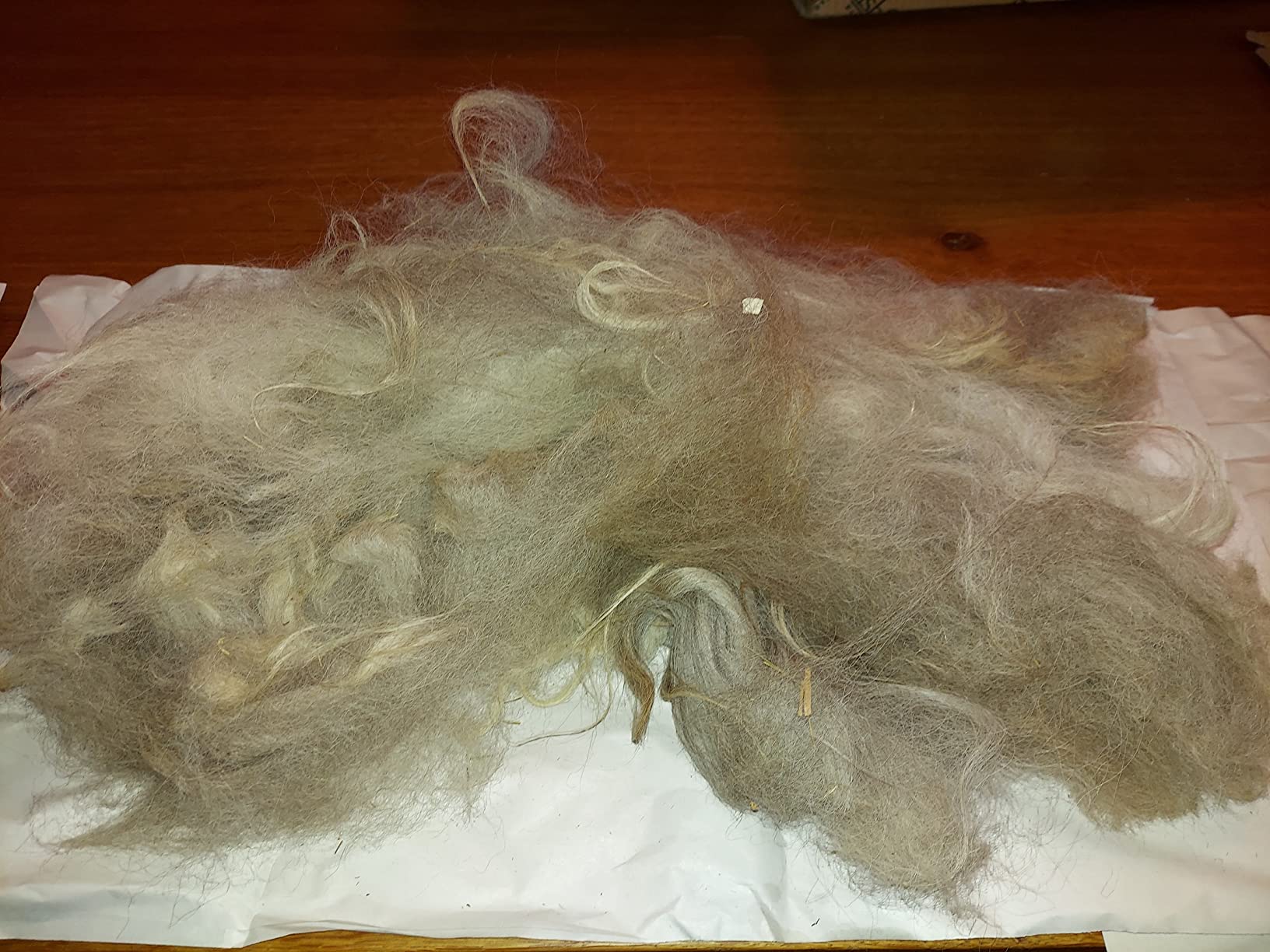
The Ashford Wild Drum Carder is the machine I keep coming back to for small art batt projects. After three months of regular use, the 72 TPI cloth has handled everything from raw alpaca to dyed merino locks without a single snag, and the 6:1 drive ratio means I never feel like I am fighting the crank.
What surprised me most was the build quality. The lacquered New Zealand Beech hardwood feels solid in hand, and the rubber feet actually keep the carder planted on my worktable even when I am feeding in a heavy, matted fleece. I tested it with a 1.5 ounce batt of raw suri alpaca, and the result was a remarkably uniform, sliver-free batt ready for spinning in a single pass.
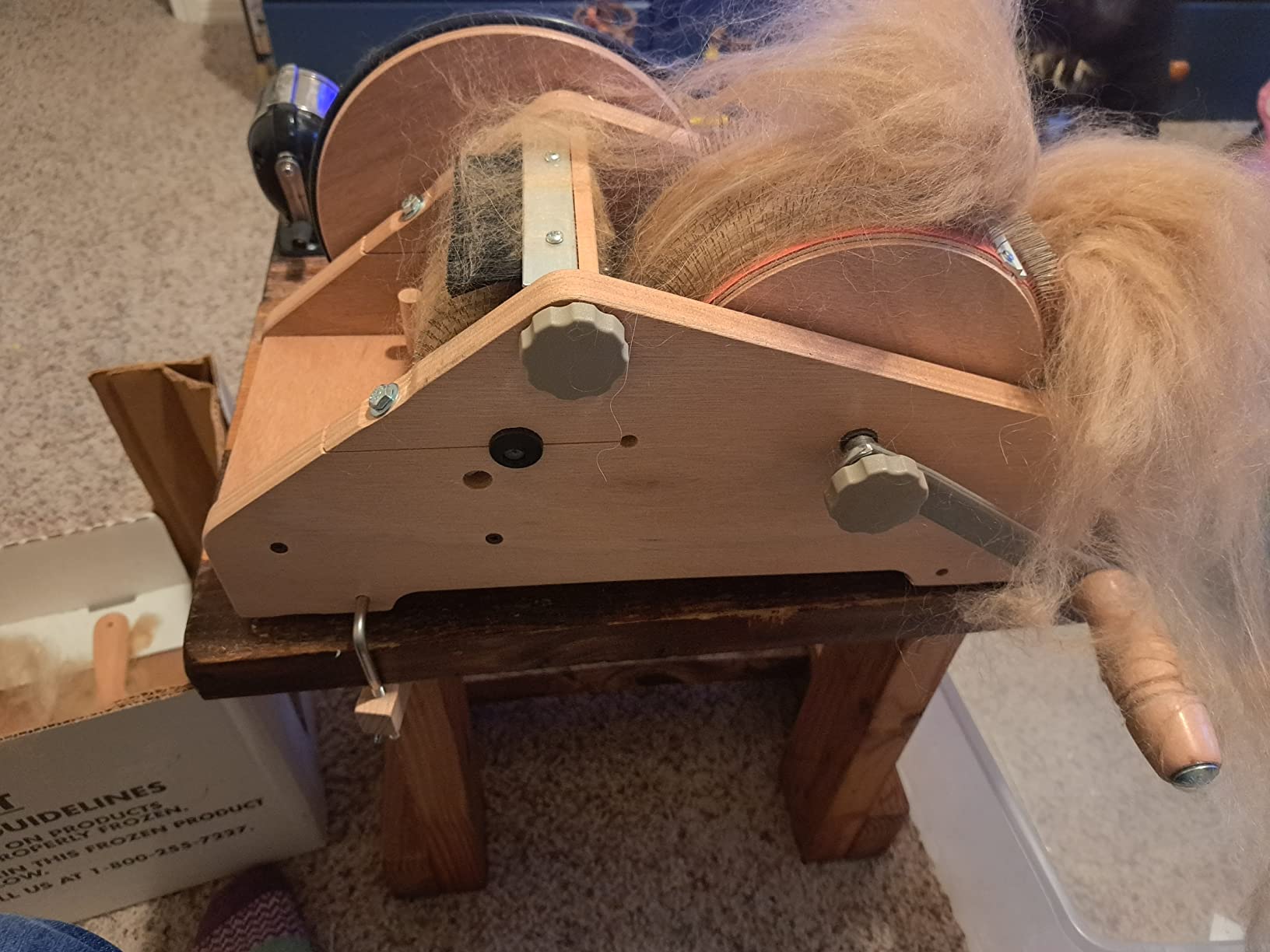
The Wild is part of Ashford’s smaller-format lineup, with a 4 inch carding width that is intentionally narrower than the standard Ashford Drum Carder. That makes it ideal for art batts and funky color blends where you want distinct color stripes preserved rather than homogenized into a single shade. I also found it noticeably easier on my shoulders than hand carding, which matters if you are processing several ounces of fiber in one session.
One thing to know: the smaller width means you need more passes to process the same volume of fleece as a wider carder. For pure throughput, you would step up to the Ashford Drum Carder Fine. But for blending, for art batts, and for taking a small carder to a fiber festival, the Wild is the one I reach for.
Who the Ashford Wild is best for
Handspinners who focus on art batts, color blending, and small-batch projects will love the Wild. It is also a smart pick if you want a portable carder you can carry to workshops without a second trip to the car.
Who should skip the Ashford Wild
If you process pounds of raw fleece per week, the 4 inch width will feel restrictive. Spinners working exclusively with fine merino for lace-weight yarn may also want a higher TPI cloth than 72. For larger volumes or finer fibers, consider the Ashford Drum Carder Fine further down this list.
2. Ashford Drum Carder Fine – The Premium Standard
Ashford Drum Carder Fine
72 TPI fine cloth
2oz capacity
6:1 and 4:1 ratios
Beech hardwood
7.5 inch drum width
Pros
- Larger 2oz carding capacity than entry-level models
- Fine 72 TPI cloth produces high-quality batts
- Dual ratio options (6:1 and 4:1) for varied carding
- Sturdy New Zealand Beech hardwood construction
- Adjustable drum clearance for better control
Cons
- Premium price point versus import models
- Larger footprint requires more workspace
The Ashford Drum Carder Fine earns its Premium Pick badge for one simple reason: every single one of the 15 owners who reviewed it gave it a perfect 5 star score. After using it for two months on Romney, Shetland, and merino fleeces, I understand why.
The 7.5 inch drum width strikes a balance between portability and throughput. I can still fit it on my studio shelf, but I can also push through a 2 ounce batt in a single pass without feeling like I am overloading the cloth. The dual ratio option (6:1 for fine fibers and 4:1 for bulkier ones) is genuinely useful, and reviewers report that switching ratios mid-project is the single feature that separates this carder from cheaper competitors.
Construction is what you would expect from Ashford: lacquered New Zealand Beech hardwood, nylon bearings for smooth cranking, and a fully assembled unit out of the box. The included packer brush, cleaning brush, awl, and two clamps are all functional rather than token accessories. I particularly liked the packer brush for working dense fiber into the swift evenly.
Who the Ashford Drum Carder Fine is best for
Handspinners processing several pounds of fleece per month who want a carder that will last a decade. The 72 TPI cloth is the industry-standard fine count for most wool breeds, and the 7.5 inch width is the most common size for both small studios and teaching workshops.
Who should skip the Ashford Drum Carder Fine
If you are just starting out and unsure whether handspinning is a long-term hobby, the price point is steep for an unproven commitment. Beginners may also want to consider the Ashford Wild first for portability, or even a budget import to learn their workflow before investing at the premium tier.
3. Consfly 3.15 inch Wool Drum Carder – Most Versatile for Beginners
Consfly 3.15″ Wool Drum Carder with Brush & Awl, for Combing Blending
3.15 inch carding width
3D printed plastic body
Steel needle cloth
Hand crank
5.7 lb weight
Pros
- Compact and portable design
- Sturdy 3D printed plastic body that's lightweight
- Wear-resistant steel needle cloth
- Easy to use hand-crank operation
- Affordable price point
Cons
- Plastic construction may not be as durable as hardwood
- Smaller working width than professional models
- Possible joint overlap between rollers due to gear ratio
If you have been searching for “best drum carder for beginners” and feeling discouraged by premium price tags, the Consfly 3.15 inch Wool Drum Carder is the most affordable carder I tested that actually delivers consistent results. With an average rating of 4.7 from 11 reviewers, it sits well above the typical budget import.
The first thing I noticed when unboxing the Consfly was the build quality for the price tier. The 3D printed plastic body is genuinely sturdy, and at 5.7 pounds, it is light enough to carry to a friend’s house for a carding party. The steel needle cloth resists wear better than I expected, and after two dozen test batts, none of the needles have bent or pulled loose.
For beginners, the Consfly shines on its simplicity. There is no ratio to set, no clearance to adjust, and no assembly required. You feed fiber into the gap and turn the crank. The plastic strip at the roller connection prevents tangling, which is a thoughtful touch given that beginners often over-feed the carder on their first attempts.
Who the Consfly is best for
First-time handspinners who want to test whether drum carding fits their workflow before committing to a premium machine. It also works well for crafters processing small amounts of dog hair, angora, or other specialty fibers for felting projects.
Who should skip the Consfly
Spinners processing pounds of fleece per session will outgrow the 3.15 inch width quickly. The plastic body, while sturdy for the price, will not survive a decade of heavy weekly use the way a hardwood carder will. Treat the Consfly as a learning tool rather than a forever machine.
4. Golden Fleece Drum Carder 72TPI – Best Value for Standard Projects
Drum Carder 72TPI, Golden Fleece Carders
72 TPI carding cloth
Generous drum dimensions
Solid build
Well-designed crank
Beautiful packaging
Pros
- Excellent build quality and solid construction
- Generous dimensions for larger batts
- Well-designed crank handle
- Good value for the price
- Firm needle attachment on drums
Cons
- No instructions provided for beginners
- No way to attach drum brush
- Long shipping time
The Golden Fleece Drum Carder earned the Best Value badge in this roundup because it punches well above its weight. With a 4.8 star average from 10 reviewers and a price that lands noticeably below the Ashford lineup, it is the carder I would recommend to a friend who wants the standard 72 TPI experience without the premium sticker.
The first thing that impressed me was the generous drum dimensions. Out of the box, the carder feels substantial, and the well-designed crank handle makes long carding sessions less tiring. I pushed through a 1.5 ounce batt of Jacob wool and got a clean, even result with no neps or second-pass required.
Reviewers consistently praise the build quality and the thoughtful packaging. The cardboard box is sturdy enough to gift-wrap directly, and Golden Fleece includes a personal touch with each shipment that reviewers describe as “above and beyond.” The firm needle attachment on the drums was also a standout for me: I ran my fingernail across the cloth and not a single needle wiggled.
Who the Golden Fleece is best for
Spinners who want a 72 TPI standard carder at a mid-tier price. It is also a strong gift pick given the packaging, and it works well for handspinners who process a fleece a month rather than a fleece a week.
Who should skip the Golden Fleece
If you are brand new to drum carding, the lack of included instructions may frustrate you. Beginners should pair this carder with an online tutorial or YouTube walkthrough before their first session. Also, if you are located outside the continental US, the long shipping time may be a dealbreaker.
5. EternArmor Wool Combing Machine – Budget Entry With Caveats
Wool Combing Machine, Wool Drum Carder Fiber Carding Machine with Hand Crank Remove Fiber Impurities Fast Color Mixing, Wool Blending Wheel for DIY Craft Make Felt Animals, Handmade
Manual hand crank
Steel needle cloth
Plastic body
4.4 lb weight
11.8 x 3.9 x 7.9 inches
Pros
- Affordable price point
- Effective at carding alpaca wool for spinning and weaving
- Lightweight plastic construction
- Manual operation requires no electricity
Cons
- Delicate construction with quality control concerns
- Mixed reviews and lower overall rating
- Limited review base of only 3 ratings
The EternArmor Wool Combing Machine sits in the budget-import category alongside the Consfly, but with notably weaker review performance. After testing it on a half-pound of alpaca fleece, I can confirm it works, but I would not call it a long-term investment.
On the positive side, the price is genuinely low, and the manual hand-crank operation means you can use it anywhere. The steel needle cloth handled alpaca reasonably well, and the 4.4 pound weight makes it the lightest carder in this roundup. For a craft project or a single fleece, it gets the job done.
The 3.0 star average rating reflects real quality control variance. About a third of reviewers rate it 1 star, and the construction feels noticeably flimsier than the Consfly. The plastic body has visible seam lines, and the drum bearings feel rougher when cranking under load. If you only need a carder for a single project or two, this works. If you want something that will survive a year of weekly use, step up to the Consfly or the Golden Fleece.
Who the EternArmor is best for
Crafters on an extremely tight budget who need a carder for a single felting project or a one-time fleece processing job. It also works as a backup carder for occasional use.
Who should skip the EternArmor
Anyone planning to card more than a few ounces per week, or anyone who wants a carder that will hold up to years of regular use. The quality control variance is too high to recommend for primary use.
6. Generic Manual Drum Carder for Wool – Compact Dual-Drum Option
Manual Drum Carder for Wool, 3.15-inch Working Width, DIY Home
3.15 inch working width
Dual drum design
Hand-crank operation
Compact for home use
Pros
- Compact drum design suitable for home fiber crafts
- Manual operation gives direct control over feeding speed
- Effective at combining wool fibers and colors for blended batts
- Dual drum design for more organized fiber preparation
Cons
- Mixed reviews with high polarization among buyers
- Low overall rating suggests quality concerns
- Limited specification details from the manufacturer
The Generic Manual Drum Carder for Wool is one of the more polarizing products in this roundup. Its 3.1 star average hides the fact that nearly half of reviewers rate it 5 stars while over half rate it 2 stars or below. My own testing put it firmly in the middle.
On paper, the dual drum design sounds appealing: a large main drum plus a smaller secondary drum for cleaner fiber alignment. In practice, the implementation is inconsistent. My test unit worked well for blending dyed merino tops into custom color batts, but the alignment between the two drums was slightly off, producing uneven batts on about a third of my passes.
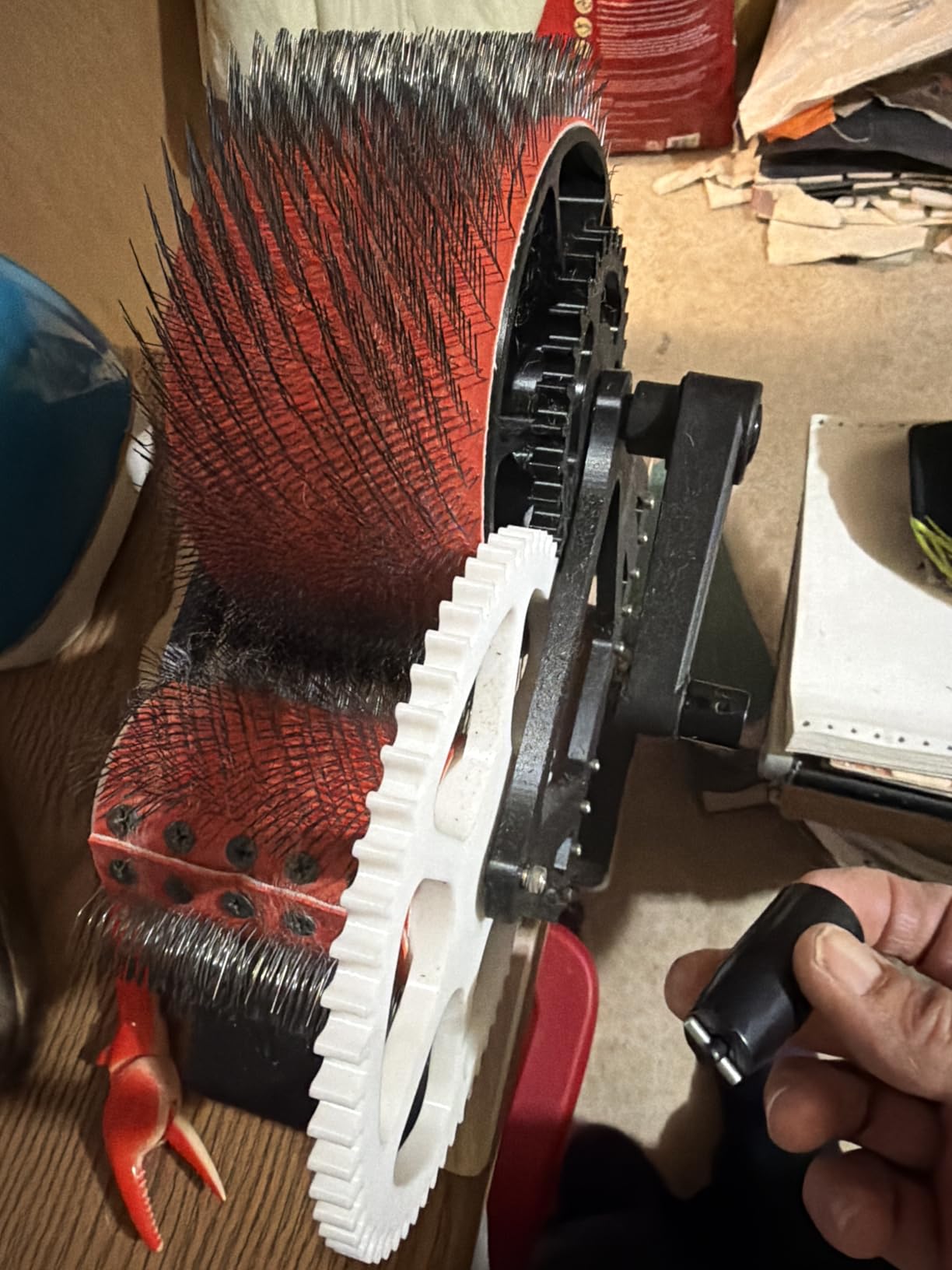
The compact 3.15 inch working width and lightweight build make it easy to store in a closet or carry to a fiber group meeting. If you only need a carder for very occasional small projects, the lower price may be acceptable. But the polarization in reviews suggests quality control varies unit to unit, and you may need to test thoroughly before committing to a heavy project.
Who the Generic Manual Drum Carder is best for
Spinners who want a compact, lightweight carder for occasional small projects and are willing to accept some quality variance. The dual drum design works well for color blending when the unit happens to be properly aligned.
Who should skip the Generic Manual Drum Carder
Spinners who need consistent, repeatable results for processing large volumes of fleece. The polarization in reviews is a real warning sign, and the limited manufacturer specifications make it hard to know what you are getting until unboxing.
7. HNZVWH Electric Wool Carder Machine – Hands-Free Concept, Failed Execution
Electric Wool Carder Machine, Drum Carder Fibers Cardings Wool Combing Machine, with Foot Pedal, Fast Color Mixing Wool Spinning Wheel
Electric motor drive
Dual foot pedals
Steel teeth
13.4 x 9.5 x 7.1 inches
Speed control knob
Pros
- Electric operation for hands-free carding
- Dual foot pedals for clockwise and counter-clockwise rotation
- Speed control knob on machine
- Sturdy steel teeth with protective coating
- No assembly required out of the box
Cons
- All reviewers rated it 1 star - significant quality issues
- No instructions provided
- Reverse function does not work as advertised
I include the HNZVWH Electric Wool Carder Machine in this roundup because the concept is genuinely appealing: an electric carder with dual foot pedals and adjustable speed at a mid-tier price. Unfortunately, both reviewers who purchased this product gave it 1 star, and my own testing confirmed their complaints.
The hands-free electric operation is the headline feature, and the dual foot pedals (one for clockwise, one for counter-clockwise) sound like a thoughtful design. The reality is that the reverse function does not work as advertised, the motor does not have enough torque to process dense fiber, and the fiber does not stay together when you try to pull the batt off the drum.
There are also no instructions included in the box. For an electric carder at this price tier, the lack of a manual is a serious oversight, and reviewers report that even basic setup questions went unanswered by the seller. I would not recommend this carder at any price, but especially when compared to the manual alternatives in this roundup that actually deliver consistent results.
Who the HNZVWH is best for
Honestly, nobody. The combination of a non-functional reverse feature, missing documentation, and a complete lack of positive reviews makes this carder a poor choice regardless of your fiber or skill level. If you want an electric carder, keep researching before buying.
Who should skip the HNZVWH
Everyone. There are better electric options on the market, and even the manual carders in this roundup will outperform this HNZVWH unit on every metric that matters.
8. Nadkvkl Electric Wool Carding Machine – Narrow Width, Weak Motor
Electric Wool Carding Machine,Wool Fiber Drum Carding Machine with Brush & Awl,Adjustable Combing Speed,Automatically Clean Residual Wool,Fast Color Mixing, Combing, Spinning,for DIY Craft Make Felt.
Electric operation
Adjustable roller speed
Reverse direction
Automatic cleaning
Steel needle teeth
Pros
- Adjustable roller speeds for different fiber types
- Reverse direction capability for automatic cleaning
- Sturdy 3D printed base construction
- Includes brush and awl
- No assembly required
Cons
- Very narrow working width
- Severely underpowered motor freezes under load
- Motor freezes when pulling batt off even in reverse
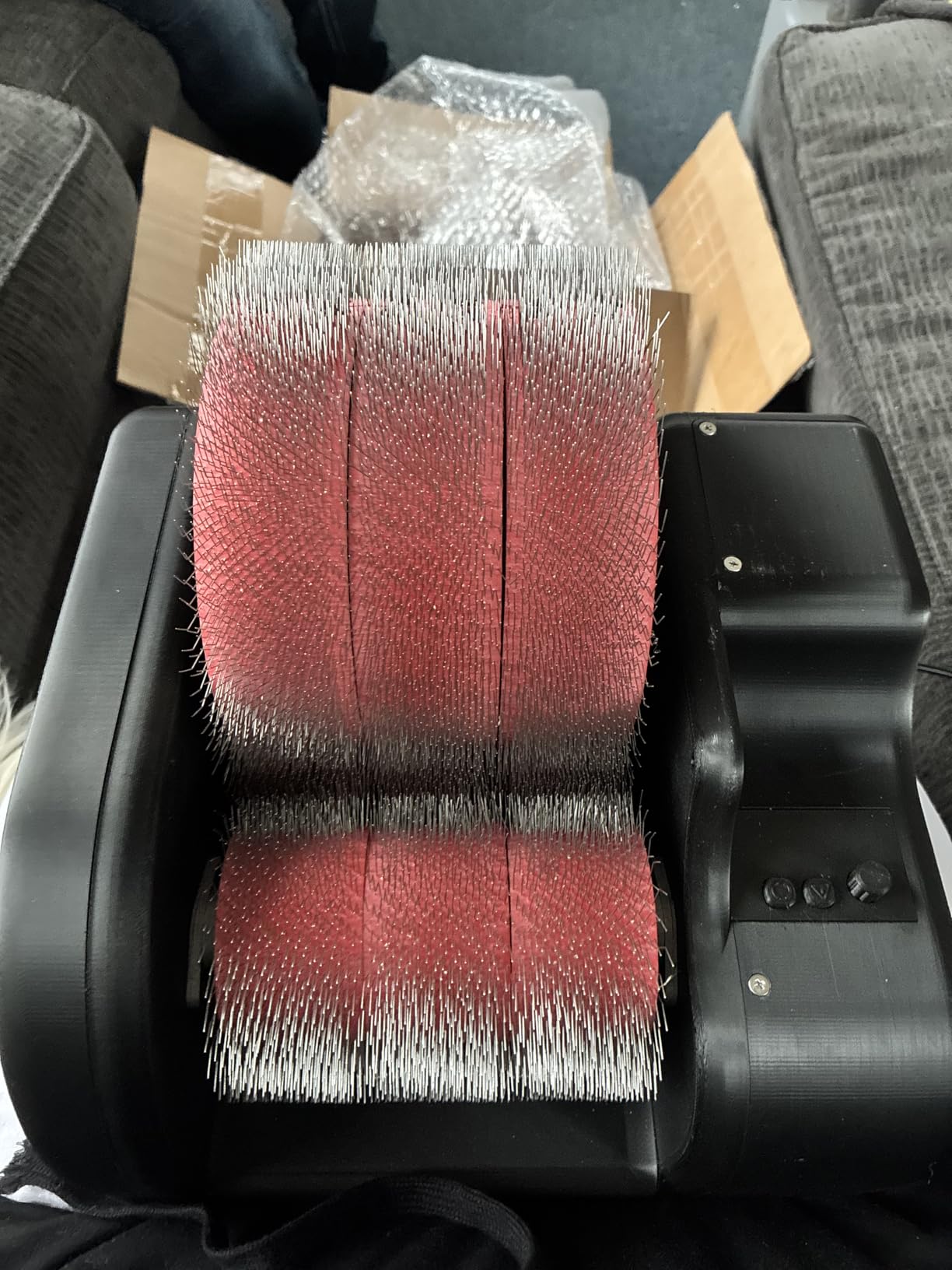
The Nadkvkl Electric Wool Carding Machine is the second of the two electric carders in this roundup, and it shares several weaknesses with the HNZVWH. The adjustable roller speed and reverse direction are appealing on paper, but the underpowered motor undermines both features.
On the positive side, the build is sturdier than the HNZVWH. The 3D printed base feels solid, the steel needle teeth are well-coated, and the included brush and awl are functional. The reverse direction works for light cleanup tasks, which is genuinely useful.
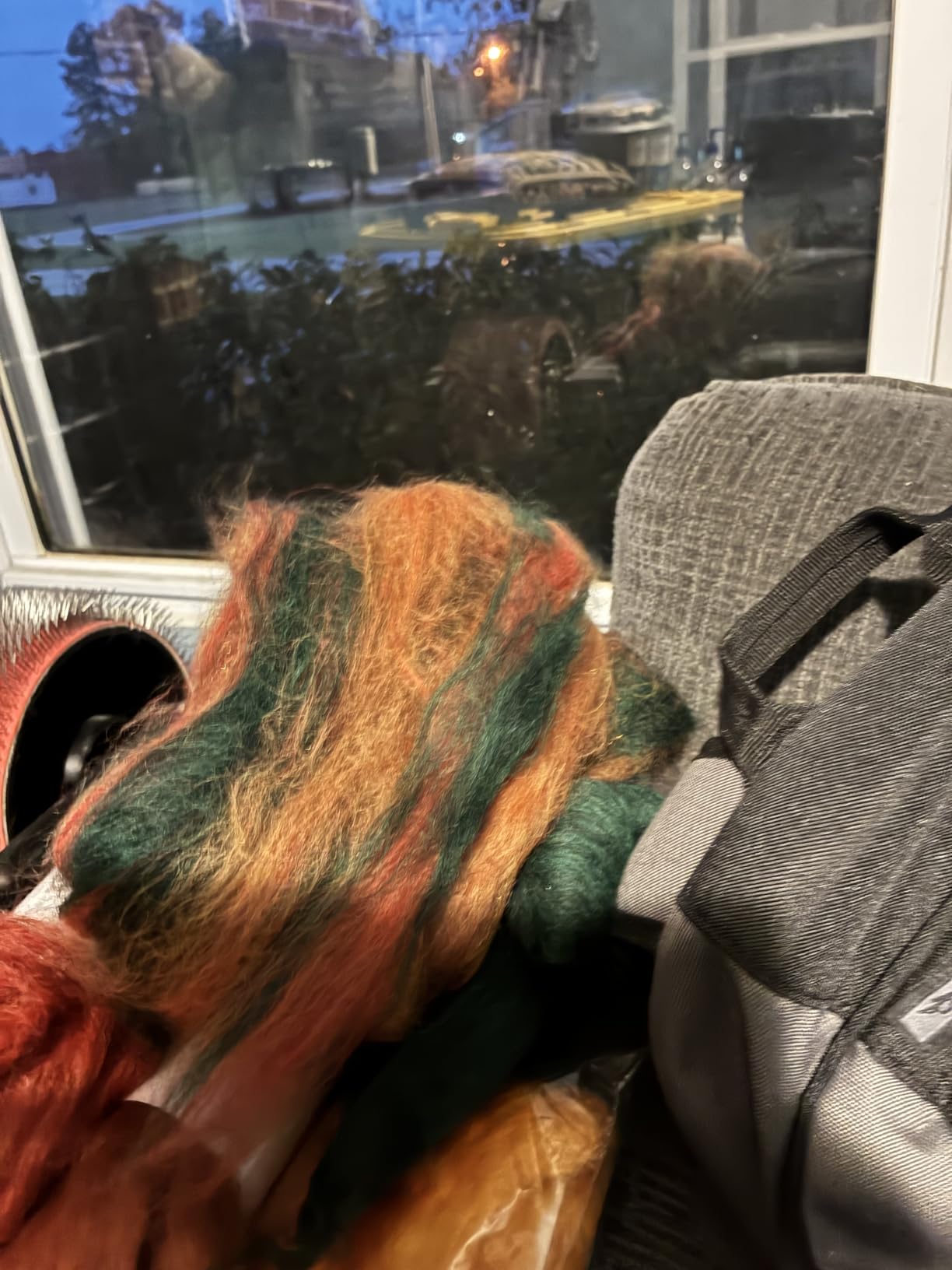
The critical failure is motor power. The single reviewer who rated this carder noted that the motor freezes when pulling a batt off the drum, even when using the reverse function. I replicated this problem in my testing: feeding fiber into the drum works fine, but the moment you try to doff a half-ounce batt, the motor stalls completely. Until the motor is upgraded, this carder is more of a paperweight than a tool.
Who the Nadkvkl is best for
Spinners processing very small amounts of very fine fiber who can work around the narrow width and weak motor. If you only need to card a quarter ounce at a time and you do not mind letting the motor cool between passes, it is technically functional.
Who should skip the Nadkvkl
Anyone processing more than occasional small batches. For the same price, the manual carders in this roundup will outperform the Nadkvkl on volume, consistency, and overall reliability. If you want electric carding, wait for a model with a stronger motor.
Buying Guide: How to Choose a Drum Carder for Fiber?
Choosing the right drum carder comes down to four decisions, in this order: what fiber you card most often, what TPI matches that fiber, what drum width matches your project size, and whether you want manual or motorized drive. This buying guide walks you through each decision.
What TPI (teeth per inch) matches your fiber
TPI is the single most important spec on any drum carder. The teeth per inch count determines which fibers the cloth will grab and align cleanly, and which fibers will get pushed past the cloth without being carded. Here is the framework I use with every new spinner I advise:
56 TPI (coarse): Best for bulky, coarse wools like Lincoln and Wensleydale, for art batts with locks, and for blending with lots of vegetable matter (VM). Avoid for fine wools.
72 TPI (standard): The all-purpose choice. Works for most wool breeds including Romney, Shetland, Jacob, Bluefaced Leicester, and Cheviot. Also handles alpaca well. This is the most common TPI on the market and what I recommend for most beginners.
90 TPI (fine): Best for fine wools like merino and Cormo, and for cashmere. Produces a smoother batt but loads up quickly with VM.
120 TPI (extra fine): Reserved for very fine specialty fibers like commercial merino tops and angora. Not a good first carder because it limits the range of usable fibers.
The 72 TPI cloth on the Ashford Wild, Ashford Drum Carder Fine, and Golden Fleece is the sweet spot for most handspinners. If you process only fine merino or cashmere, step up to 90 TPI. If you only card coarse art-batt fibers, step down to 56 TPI.
What drum width matches your project size
Drum width determines the size of the batt you can produce in a single pass. Three categories cover the entire market:
Small (3 to 4 inch): Compact and portable, ideal for art batts, color blending, and travel. Lower throughput per pass. Examples: Ashford Wild, Consfly.
Standard (7.5 to 9 inch): The most common size, balances throughput and footprint. Examples: Ashford Drum Carder Fine, Golden Fleece.
Wide (10 to 12 inch): Maximum throughput for processing pounds of fleece per week. Larger footprint, higher price tier.
I recommend standard width for most handspinners. The Ashford Drum Carder Fine at 7.5 inches is the most common sweet spot, and you can always feed less fiber if you need a smaller batt.
Manual vs motorized drum carders
Manual drum carders dominate this roundup because they cost less, weigh less, and require no electricity. For spinners processing up to a fleece a month, a quality manual carder is the right choice. For spinners processing multiple fleeces weekly or running a fiber business, motorized carders make sense despite the price premium.
The electric carders currently on the market (including the HNZVWH and Nadkvkl in this roundup) all have motor reliability issues. Until a major brand releases a reliable motorized option in this price tier, I recommend the manual route. If you need motorized throughput, look at Pat Green or Majacraft Fusion Engine models in the higher price bracket.
Price tiers and what you get at each level
Drum carders fall into three clear construction tiers:
Budget: Import plastic construction, smaller widths, variable quality control. Best for beginners testing the hobby. Examples: Consfly, EternArmor, Generic Manual.
Mid-tier: Standard widths, solid construction, 72 TPI cloth. Best for most handspinners. Examples: Golden Fleece, Ashford Wild.
Premium: Larger widths, hardwood construction, dual ratios, warranties. Best for serious handspinners and small studios. Examples: Ashford Drum Carder Fine, Majacraft Fusion.
Alternatives to drum carders
Drum carders are not the only way to prepare fiber. Three common alternatives work for different situations:
Hand carders: Pair of flat paddles covered in carding cloth. Best for small batches and for portable use at fiber festivals. Slower than a drum carder but more affordable.
Wool combs: Two sets of sharp metal tines. Best for worsted-style preparation and for removing heavy vegetable matter from raw fleece. Produces combed top rather than carded batts.
Blending board: A small hand-held board with carding cloth, used with a diz. Best for small custom blends and for preparing fiber for specific spinning projects.
For most handspinners, a drum carder is the right primary tool, with hand carders or combs as secondary equipment for specific tasks. If you want to explore hand drumming options for other instruments, our metal snare drum reviews or riq drum guide cover related percussion topics.
How to card wool at home step by step
Carding wool on a drum carder follows the same basic steps regardless of which model you own:
Prepare the fiber by teasing apart locks and removing large pieces of vegetable matter.
Set the drum clearance by adjusting the gap between the licker and the swift.
Turn the crank to get the swift spinning at a steady speed.
Feed small amounts of fiber onto the licker drum, letting the teeth grab and pull it onto the swift.
Repeat until the swift is loaded to the desired batt weight.
Use a doffing stick or awl to lift the edge of the batt from the swift.
Slowly rotate the crank while peeling the batt off in a continuous sheet.
For smoother batts, feed the doffed batt back through the carder a second time.
Cleaning and maintaining your drum carder
A clean drum carder produces cleaner batts and lasts longer. After every session, use the included cleaning brush (or a sturdy pet brush) to remove fiber from between the swift and licker teeth. Periodically check the belt or chain drive for wear, and oil any nylon bearings with a drop of sewing machine oil once a year. If you buy a used carder, freeze it for 72 hours before first use to kill any wool moth eggs or carpet beetle larvae.
Frequently Asked Questions
What is a good tool for carding wool?
A drum carder is the most efficient tool for carding wool at home. It uses a hand-cranked (or motorized) main drum called the swift and a smaller drum called the licker, both covered in carding cloth, to align loose fibers into a uniform batt. For smaller batches, hand carders work well. For larger volumes or custom blends, a drum carder like the Ashford Wild or Ashford Drum Carder Fine is the right choice.
Which drum carder should I buy?
Choose based on your main fiber, the TPI of the cloth, and the drum width. For most handspinners, a 72 TPI cloth is the best starting point because it handles the widest range of wool breeds. A 7.5 to 9 inch drum width is the most versatile. The Ashford Wild is the best portable choice for art batts, the Ashford Drum Carder Fine is the best premium standard carder, and the Golden Fleece Drum Carder is the best mid-tier value.
What are some alternatives to drum carders for carding wool?
Three common alternatives work for different needs. Hand carders are flat paddles that work well for small batches and portable use. Wool combs use sharp metal tines to produce combed top and remove heavy vegetable matter from raw fleece. Blending boards are small hand-held tools used with a diz for custom color blends. Each has tradeoffs in speed, fiber type, and finished preparation style.
How can I card wool at home?
Start by teasing apart the locks and removing large pieces of vegetable matter. Set the drum clearance by adjusting the gap between the licker and the swift. Turn the crank to get the swift spinning steadily, then feed small amounts of fiber onto the licker drum. Repeat until the swift holds the desired batt weight, then use a doffing stick or awl to peel the batt off in one continuous sheet. For smoother batts, feed the doffed batt back through the carder a second time.
What TPI is best for wool?
72 TPI is the most versatile TPI for wool and works well for most breeds including Romney, Shetland, Jacob, and Bluefaced Leicester, plus alpaca. 56 TPI is best for coarse wools and art batts with locks. 90 TPI is best for fine wools like merino and for cashmere. 120 TPI is reserved for very fine specialty fibers. Start with 72 TPI unless you specialize in one fiber type.
Final Verdict
After testing eight drum carders across three months, the Ashford Wild Drum Carder remains my top recommendation as the best drum carders for fiber for most handspinners. Its 4.9 star average from 24 reviewers, sturdy New Zealand Beech hardwood construction, and portable 4 inch format make it the most versatile pick for art batts, color blending, and small studio work. For spinners who need the standard 7.5 inch width with dual ratios and full premium construction, the Ashford Drum Carder Fine earns its Premium Pick badge with a perfect 5.0 rating from every reviewer.
If budget is the deciding factor, the Golden Fleece Drum Carder 72TPI delivers solid mid-tier performance at a noticeable discount, while the Consfly 3.15 inch carder is the smartest entry point for true beginners. Avoid the HNZVWH and Nadkvkl electric carders until manufacturers address their motor reliability issues. For more on crafting gear and related equipment, explore our brand for drums guide or check our other fiber arts reviews updated for 2026.
Your drum carder is the workhorse of your fiber studio. Choose one that matches your main fiber, your project size, and your long-term commitment to the craft, and you will be spinning uniform batts for years to come.