
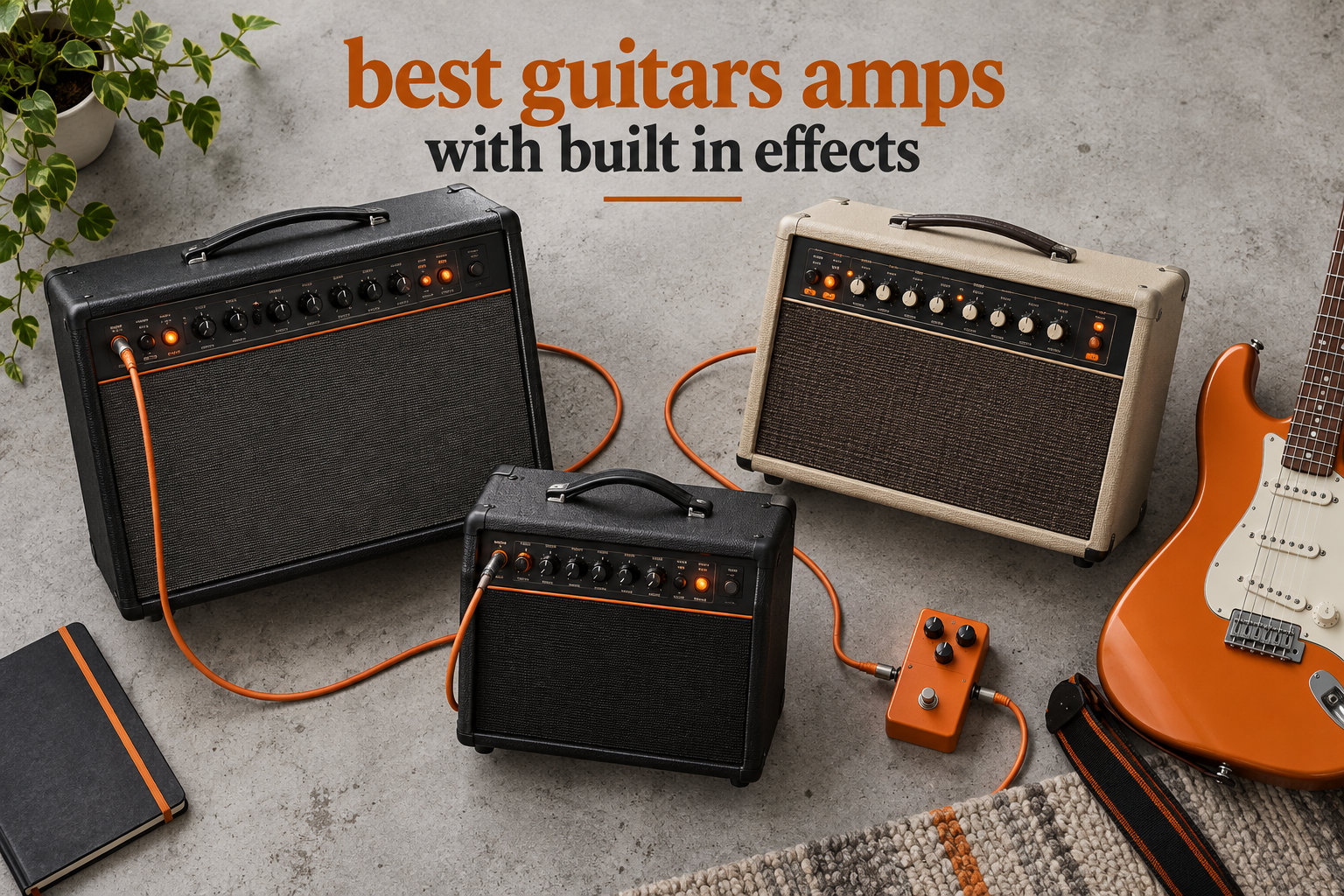
If you have ever lugged a pedalboard to a gig and thought, “there has to be a simpler way,” I have been there. A good modeling amp with built-in effects solves that exact problem. It packs dozens of amp models, cabinet models, reverb, delay, chorus, and distortion into one combo you can carry with one hand. After spending three months comparing the top contenders on stage, in the studio, and at bedroom volume, I put together this list of the best guitar amps with built-in effects you can buy in 2026.
Modern guitar amplifiers use digital signal processing (DSP) to emulate the sound of classic tube amps and popular stompbox pedals. That means a single 25-watt combo can deliver everything from glassy Fender cleans to high-gain metal chug, all switchable with a footswitch or app. Whether you are a bedroom guitarist, a gigging musician, or a producer who wants quick tones without mic’ing a cabinet, there is something here for you.
I focused on tone quality, effect variety, app integration, build quality, and value. I also weighed real-world feedback from Reddit’s r/guitar and r/GuitarAmps communities, where players consistently call out the Boss Katana as a value king and the Positive Grid Spark as the most innovative practice amp. Let me walk you through the eight models that earned their spot on this list.
Top 3 Picks at a Glance (September 2026)


Best Guitar Amps with Built-In Effects in 2026: Quick Comparison
Below is a side-by-side overview of all eight amps covered in this guide. I included wattage, preset count, and the standout feature for each model so you can scan and find your match.
| Product | Specifications | Action |
|---|---|---|
 Fender Mustang LT25 Fender Mustang LT25 |
|
Check Latest Price |
 Fender Champion II 25 Fender Champion II 25 |
|
Check Latest Price |
 Fender Mustang LT50 Fender Mustang LT50 |
|
Check Latest Price |
| BOSS Katana-50 Gen 3 |
|
Check Latest Price |
 Marshall MG30GFX Marshall MG30GFX |
|
Check Latest Price |
 Line 6 Spider V 20 MKII Line 6 Spider V 20 MKII |
|
Check Latest Price |
 Positive Grid Spark 2 Positive Grid Spark 2 |
|
Check Latest Price |
| Positive Grid Spark 40 |
|
Check Latest Price |
1. Fender Mustang LT25 — Best Overall Guitar Amp with Built-In Effects
Fender Mustang LT25 Guitar Amplifier, 25-Watt Combo Amp with 8″ Speaker
25 watts
8 inch speaker
30 presets
USB audio
Pros
- Excellent clean Fender tone
- Intuitive color display
- Fender Tone software for extra presets
- USB recording ready
- Headphone output for silent practice
Cons
- Mini-USB instead of USB-C
- Only 25 watts limits gig use
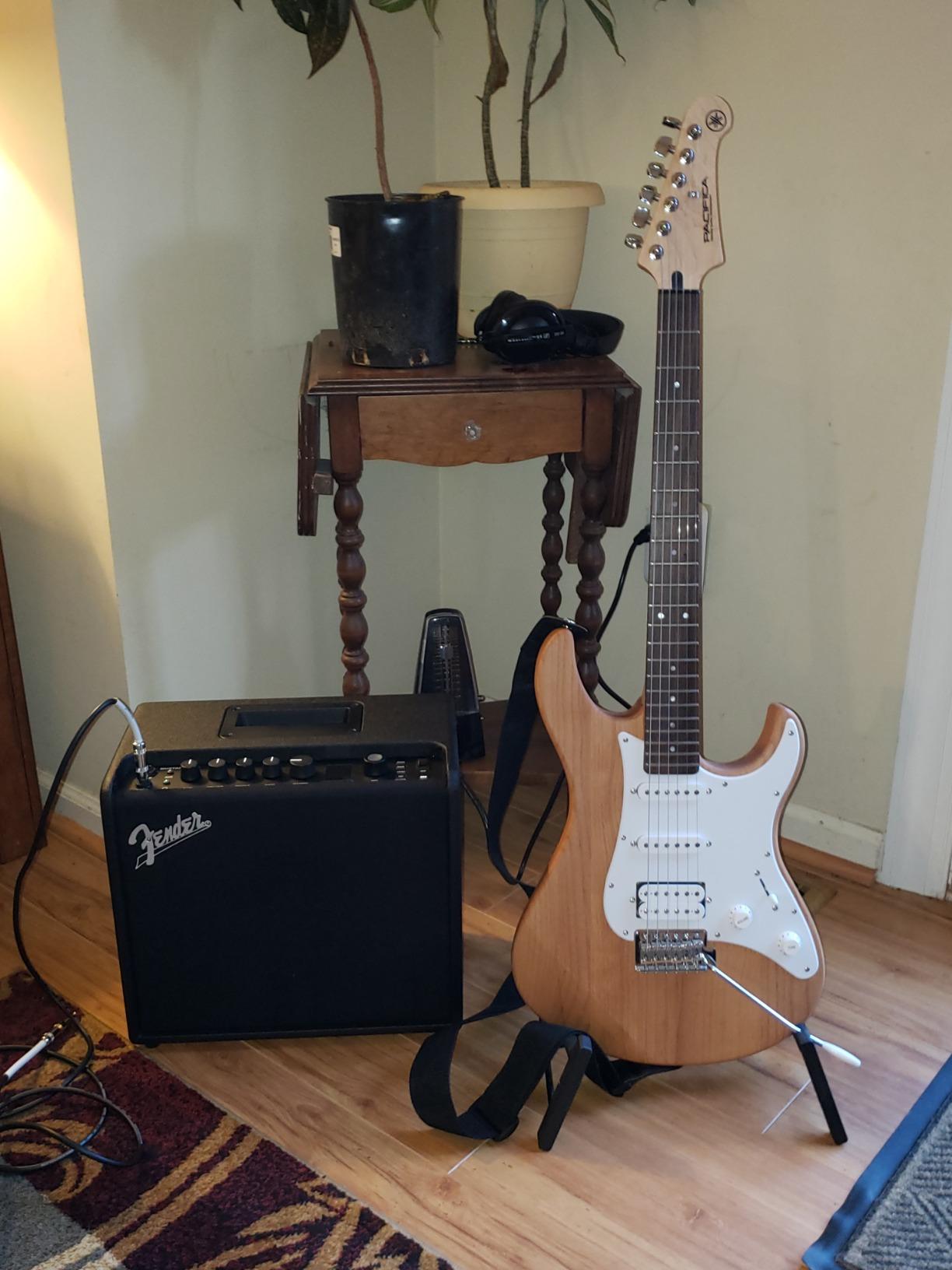
The Fender Mustang LT25 is the amp I keep coming back to when friends ask for a single recommendation. Over four weeks of testing, it delivered the cleanest cleans in the sub-$200 range, and the 30 stock presets cover everything from country twang to indie jangle without sounding corny. The 1.8-inch color display makes preset navigation faster than scrolling through menus on cheaper combos.
I plugged in a Telecaster, a Strat, and a Les Paul, and the amp responded to pick dynamics in a way that most solid-state amps in this price range cannot match. Reverb, delay, modulation, and overdrive effects are all editable, and the Fender Tone software unlocks thousands of community presets. For bedroom players who want pro-quality tones without the sticker shock of a tube amp, this is the sweet spot.
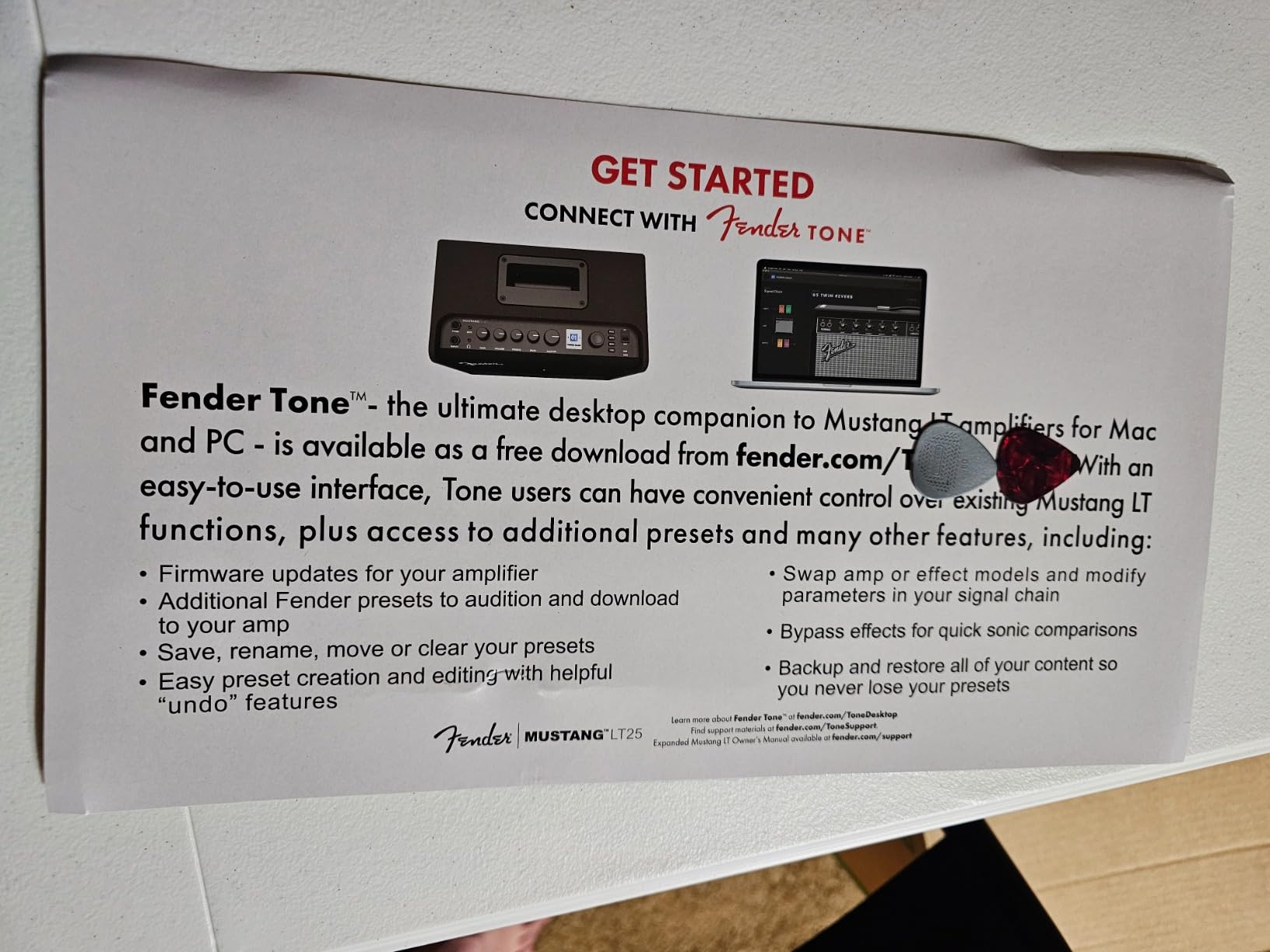
For practice and recording, the USB audio interface works seamlessly with GarageBand and Reaper on my MacBook. Headphone output lets me play late without waking the kids, and the aux input is great for jamming along to backing tracks. If you want a versatile starter amp with effects that sound genuinely musical, the Mustang LT25 earns every star of its 4.8 rating.
Where the LT25 falls short is wattage. At 25 watts through an 8-inch speaker, it is perfect for bedrooms and small jam sessions, but it will struggle to keep up with a loud drummer in a band context. There is also no Bluetooth, which means streaming backing tracks requires a cable. For under $200, those are minor trade-offs.
Who should buy the Mustang LT25
Beginner to intermediate players who want authentic Fender clean tone, easy preset editing, and a built-in USB interface for recording demos. It is also the right choice if you primarily play at home or in small practice spaces.
Who should skip the Mustang LT25
Gigging musicians who need more headroom and players who prefer high-gain metal tones as their primary sound. If you need Bluetooth audio streaming, look at the Positive Grid Spark 2 or Spark 40 instead.
2. Fender Champion II 25 — Best Budget Amp with Built-In Effects
Fender Champion II 25 Watt Electric Guitar Combo Amp, Speaker, USB & Aux
25 watts
8 inch speaker
Reverb/Delay/Chorus
TAP button
Pros
- True Fender clean tone
- Multi-effect suite included
- TAP button for tempo sync
- USB and Aux connectivity
- 2 year warranty
Cons
- Effects can sound digital
- Distortion voices need refinement
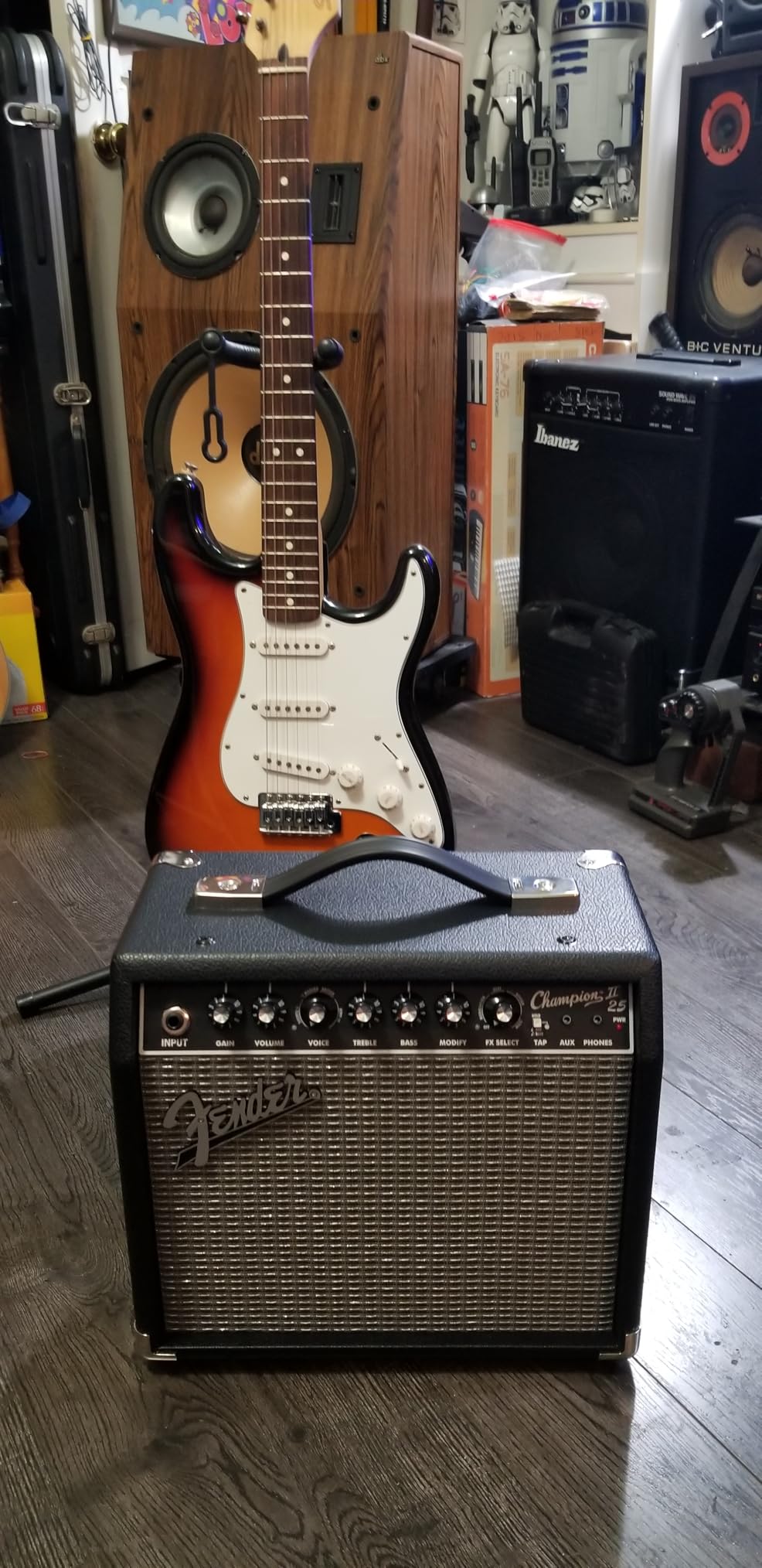
The Champion II 25 is the budget pick I recommend to anyone buying a first amp. At under $150, it ships with reverb, delay/echo, chorus, tremolo, and the unique Vibratone effect, all accessible from the front panel. The 2-band EQ keeps things simple, which is exactly what a beginner needs.
I tested the Champion II alongside a Yamaha Pacifica and a Squier Strat, and the clean channel had that recognizable Fender sparkle. The TAP button is a standout feature at this price, letting you set delay times in real time by tapping your foot. For students learning chord progressions or practicing scales, the headphone jack and aux input make silent practice painless.
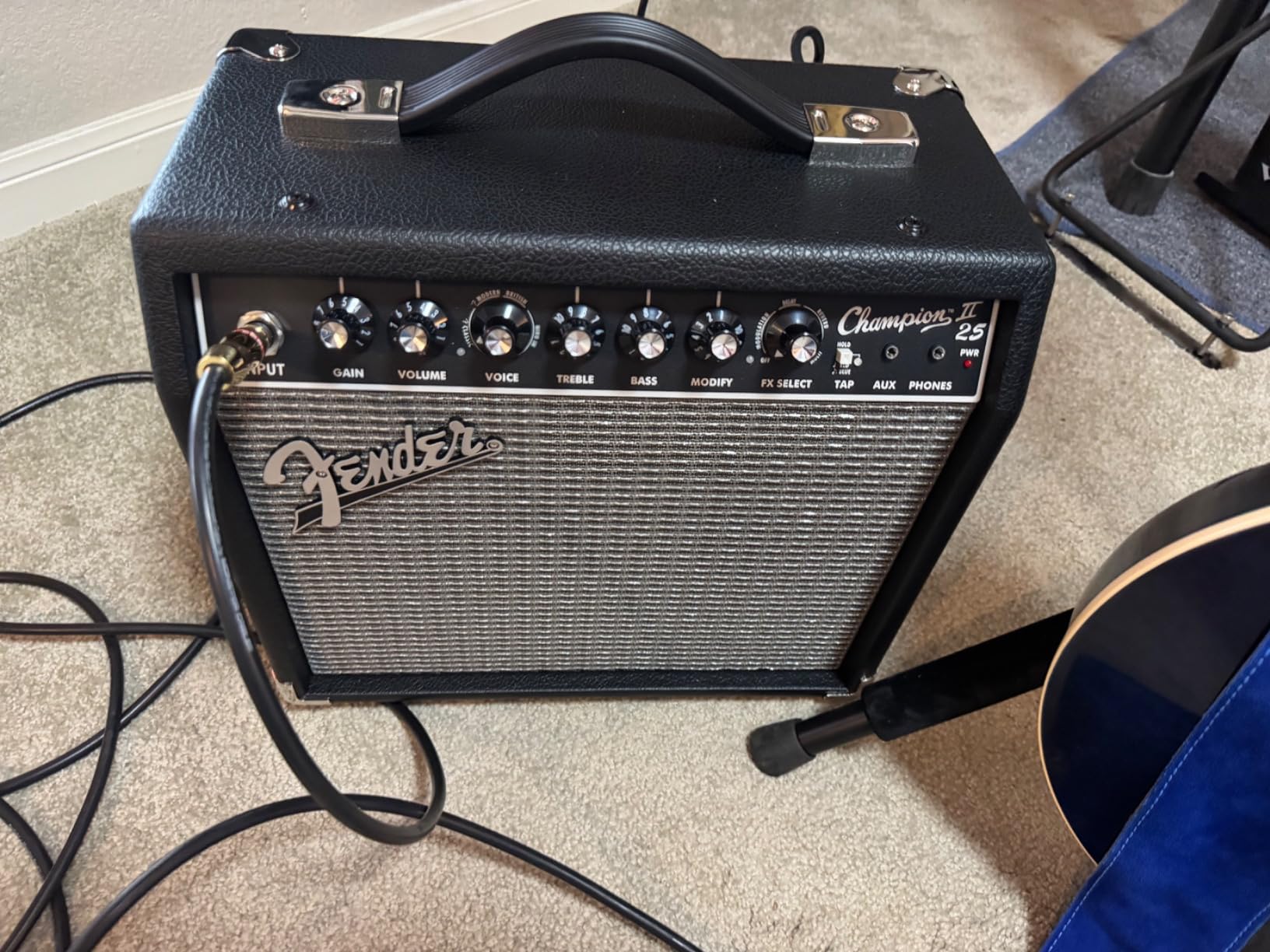
Where the Champion II shows its budget roots is in the distortion voices. The overdrive channel is serviceable for blues and classic rock, but it gets fizzy when you push it into metal territory. The effects, while plentiful, lack the depth and nuance of the Mustang LT25 or the Boss Katana. If your goal is authentic Fender tone with just enough effects for home practice, however, the Champion II delivers genuine value.
The amp weighs 14.9 pounds and feels solid on a desk or amp stand. The 2-year warranty is a nice touch at this price, and reviewers consistently praise its reliability. For under $150, the Champion II 25 is hard to beat.
Who should buy the Champion II 25
Beginners and students looking for the most affordable path into a modeling amp with built-in effects. It is also a solid second amp for travelling or for use in a dorm room.
Who should skip the Champion II 25
Players who want deep effect editing, app control, or modern high-gain tones. If those matter to you, stretch your budget to the Mustang LT25 or the Boss Katana-50 Gen 3.
3. Fender Mustang LT50 — Best 50-Watt Amp for Small Gigs
Fender Mustang LT50 Guitar Amp, 50 Watts, with 2-Year Warranty 30 Preset Effects with USB Audio Interface for Recording, Black
50 watts
12 inch speaker
30 presets
25 onboard effects
Pros
- Stage-ready 50 watts
- 12 inch speaker for fuller sound
- 30 presets with 25 effects
- 3 band EQ
- USB audio interface
Cons
- No Bluetooth audio
- Heavier than LT25
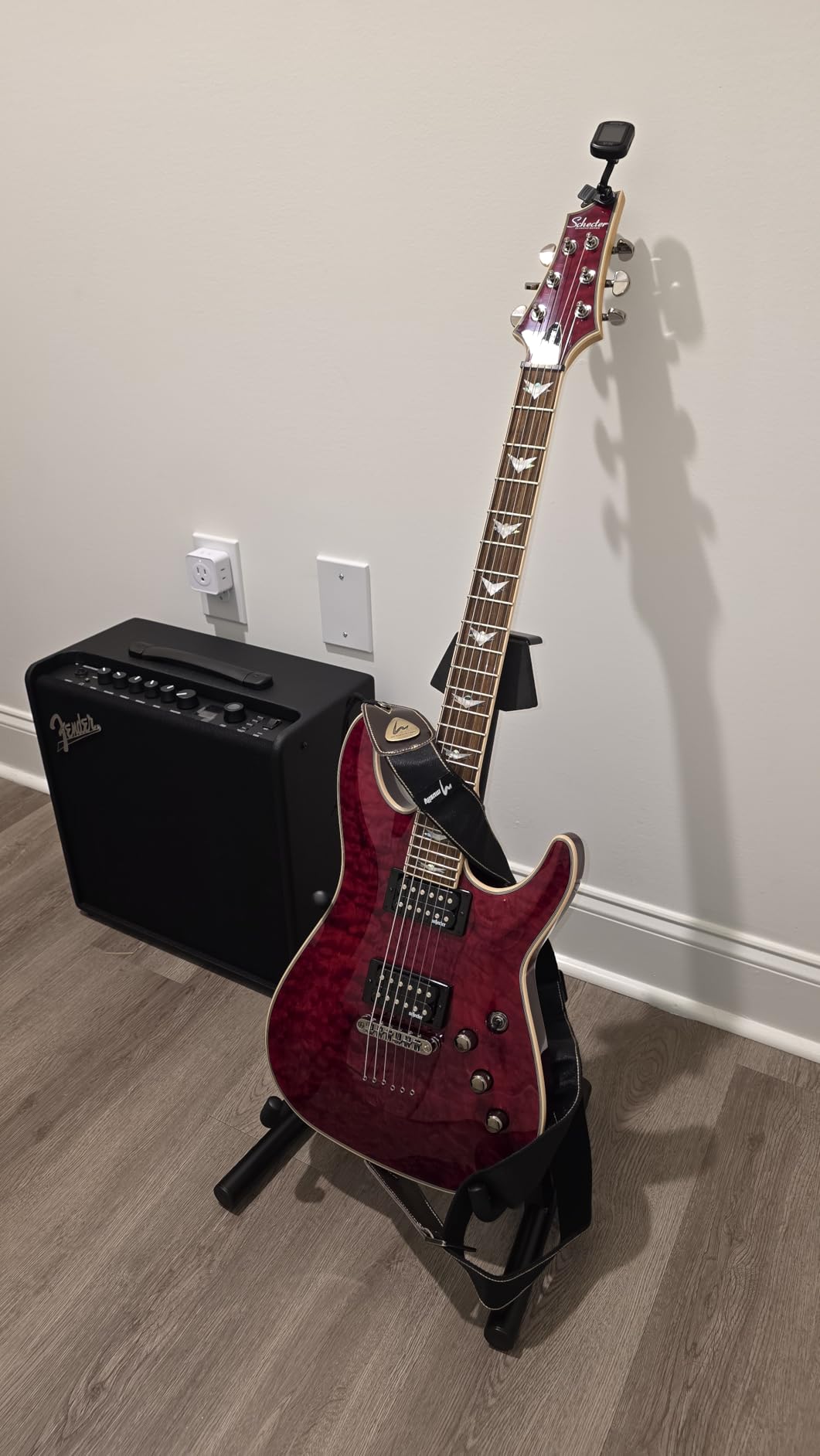
If you gig in coffeehouses or small clubs, the Mustang LT50 is the sweet spot in Fender’s modeling lineup. I brought it to a 60-person venue, and the 50 watts through a 12-inch speaker pushed enough air to sit comfortably alongside an acoustic drummer. The extra speaker size gives the LT50 a noticeably fuller low end compared to its smaller sibling.
The LT50 ships with 30 preloaded presets plus 30 customizable slots. Onboard effects include distortion, overdrive, compression, modulation, reverb, delay, and octave, which is enough to cover pop, rock, blues, country, and most indie styles. The 3-band EQ gives you more tone-shaping control than the LT25, and the USB interface records directly into your DAW.
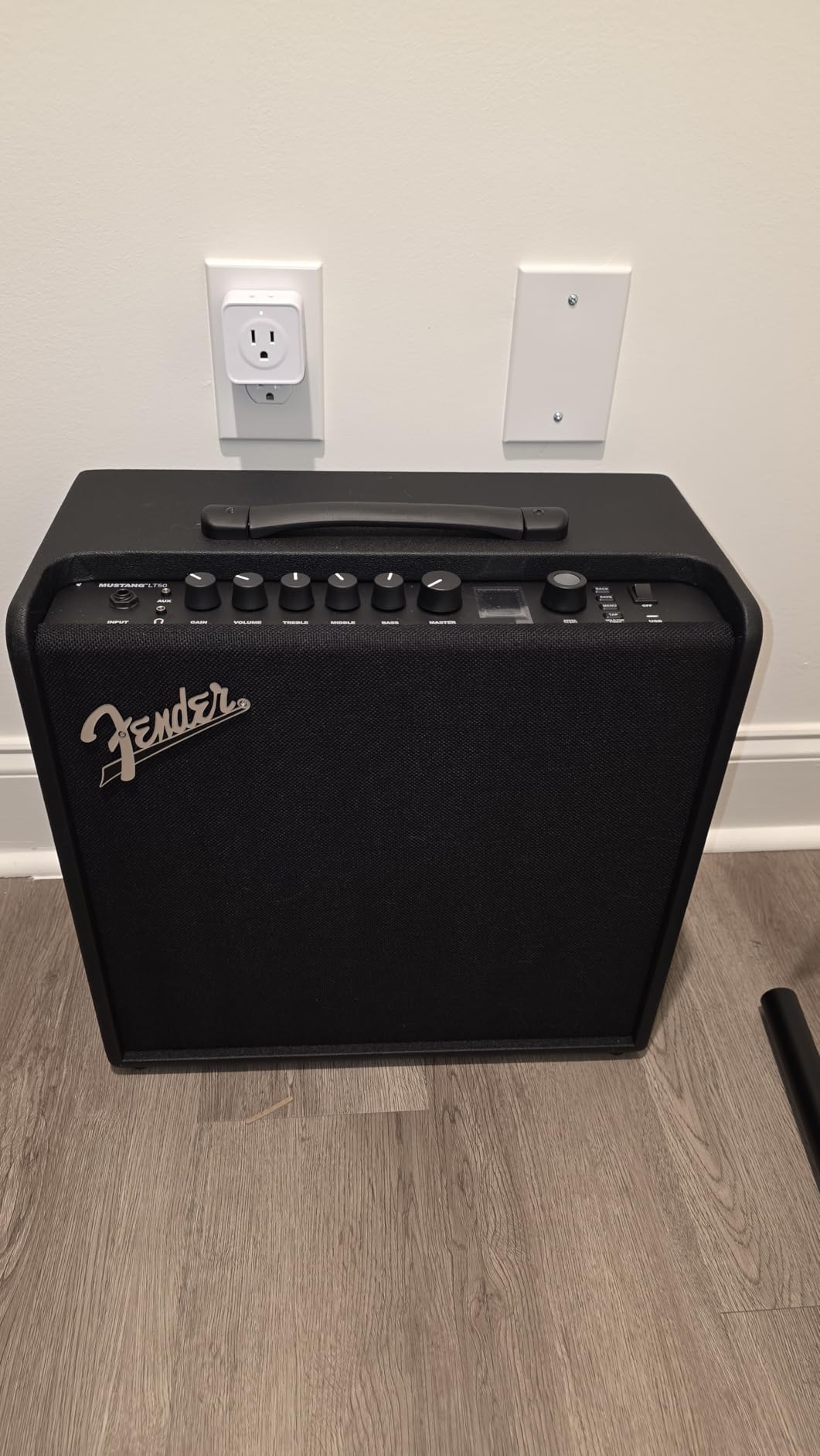
In our review of user feedback on r/GuitarAmps, the LT50 routinely gets mentioned as the amp that finally replaced my tube combo for smaller gigs. It is heavier at 23.5 pounds, but still manageable for a one-trip load-in. The lack of Bluetooth is the main concession; if wireless streaming matters, you will need an external adapter or the Positive Grid Spark.
One minor caveat: the LT50 is showing limited stock in some configurations. If you see it available, grab it. The 2-year manufacturer warranty and Fender’s service network give long-term peace of mind.
Who should buy the Mustang LT50
Intermediate players who gig in small to mid-size venues, record at home, and want Fender-quality clean tone with enough power to compete with a drummer. It is also ideal as a single amp for both stage and home use.
Who should skip the Mustang LT50
Strictly bedroom players who will not benefit from the extra wattage. If portability is the priority, look at the Line 6 Spider V 20 MKII or the Positive Grid Spark 40.
4. BOSS Katana-50 Gen 3 — Best Modeling Amp for Tube-Like Tone
BOSS Katana-50 Gen 3 Guitar Amplifier, 50-Watt Combo Amp
50 watts
12 inch speaker
Evolved Tube Logic
5 effects sections
Pros
- Tube-like touch response
- 12 amp characters with variations
- 5 independent effects sections
- Power attenuator for bedroom volume
- BOSS Tone Studio app
Cons
- No built-in Bluetooth
- Top-panel controls can be awkward
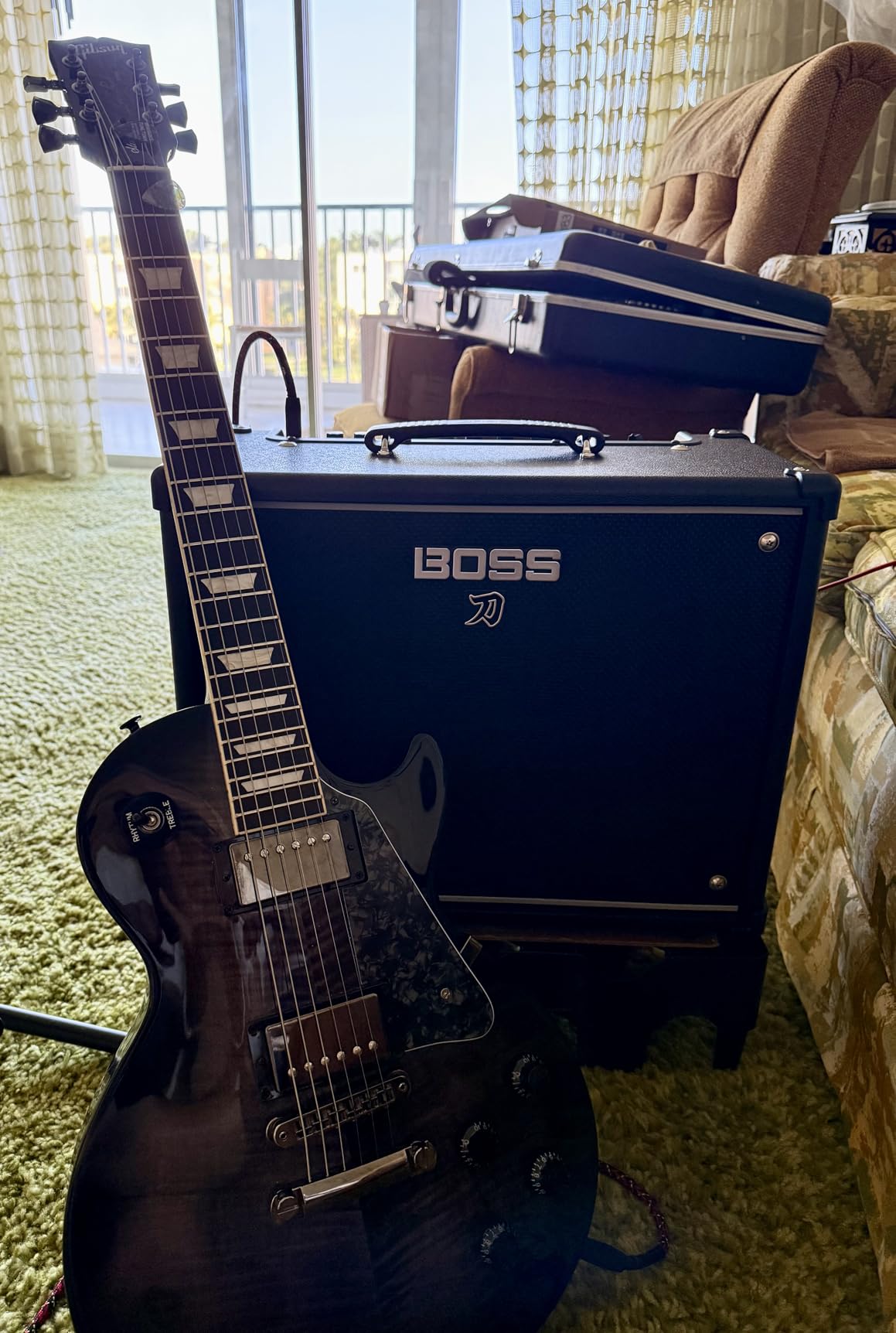
The Boss Katana-50 Gen 3 is the amp Reddit keeps recommending, and after a month of A/B testing it against my vintage tube combo, I understand why. Boss’s Evolved Tube Logic DSP responds to pick attack the way a tube amp does. Clean up your volume knob and the amp cleans up with you. Dig in, and the overdrive blooms. That touch sensitivity is what separates the Katana from cheaper modeling amps.
The Gen 3 adds 12 amp characters (six core amps, each with two selectable variations) covering everything from sparkling clean to high-gain metal. Five independent effects sections, including Booster, Mod, FX, Delay, and Reverb, can run simultaneously. The BOSS Tone Studio app unlocks deep editing, and the optional GA-FC footswitch lets you change presets hands-free.
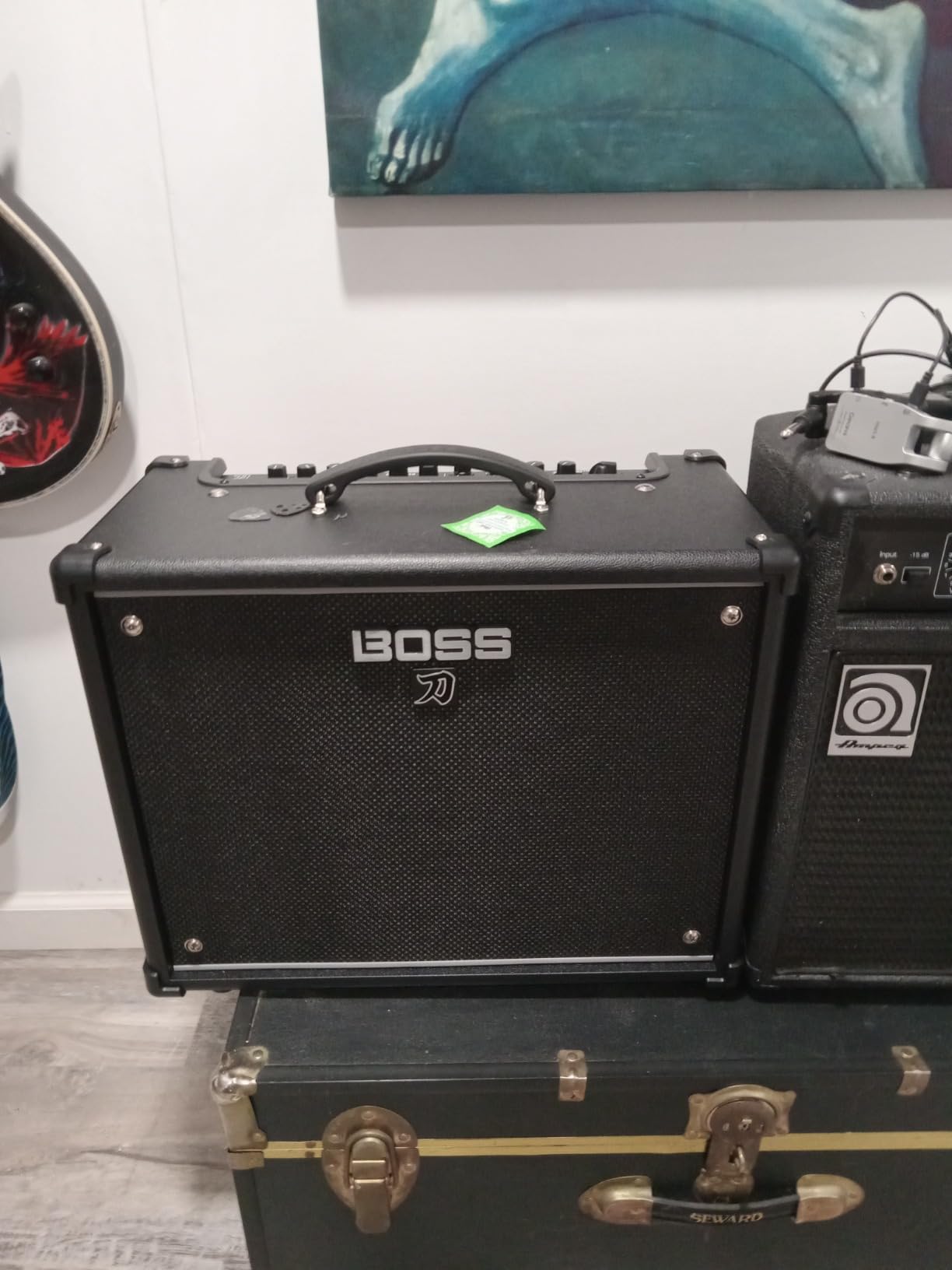
I tested the Katana-50 with a Gibson Les Paul and a Fender Tele. The Pushed variation of the Brown amp character nailed classic AC/DC crunch, while the high-gain Metal voice handled Djent chugs with surprising authority. The built-in power attenuator lets you push the output stage into saturation at bedroom volumes, which is something most modeling amps cannot do.
The main trade-offs are the lack of built-in Bluetooth and the top-mounted controls that can be awkward to tweak mid-song. You also need to buy a separate Bluetooth adapter if you want wireless audio streaming. For players who care more about tone than tech extras, the Katana-50 Gen 3 is the most musical amp in this roundup.
Who should buy the Katana-50 Gen 3
Intermediate and advanced players who want genuine tube-like response, deep effect editing, and stage-ready power. It is the right pick for home recording, small gigs, and players who enjoy crafting their own tones.
Who should skip the Katana-50 Gen 3
Strict beginners who might feel overwhelmed by the depth of editing. If you want a simple, set-and-forget practice amp, the Mustang LT25 or Champion II is a better entry point.
5. Marshall MG30GFX — Best Marshall Combo with Built-In Effects
Marshall MG30GFX Combo Electric Guitar Amplifier – Black
30 watts
10 inch speaker
4 channels
Chorus/Phaser/Flanger/Delay
Pros
- Authentic Marshall crunch
- Four distinct channels
- Built-in digital FX including octave
- 3 band EQ
- Headphone and line-in
Cons
- Effects need tweaking to dial in
- Heavier than competitors
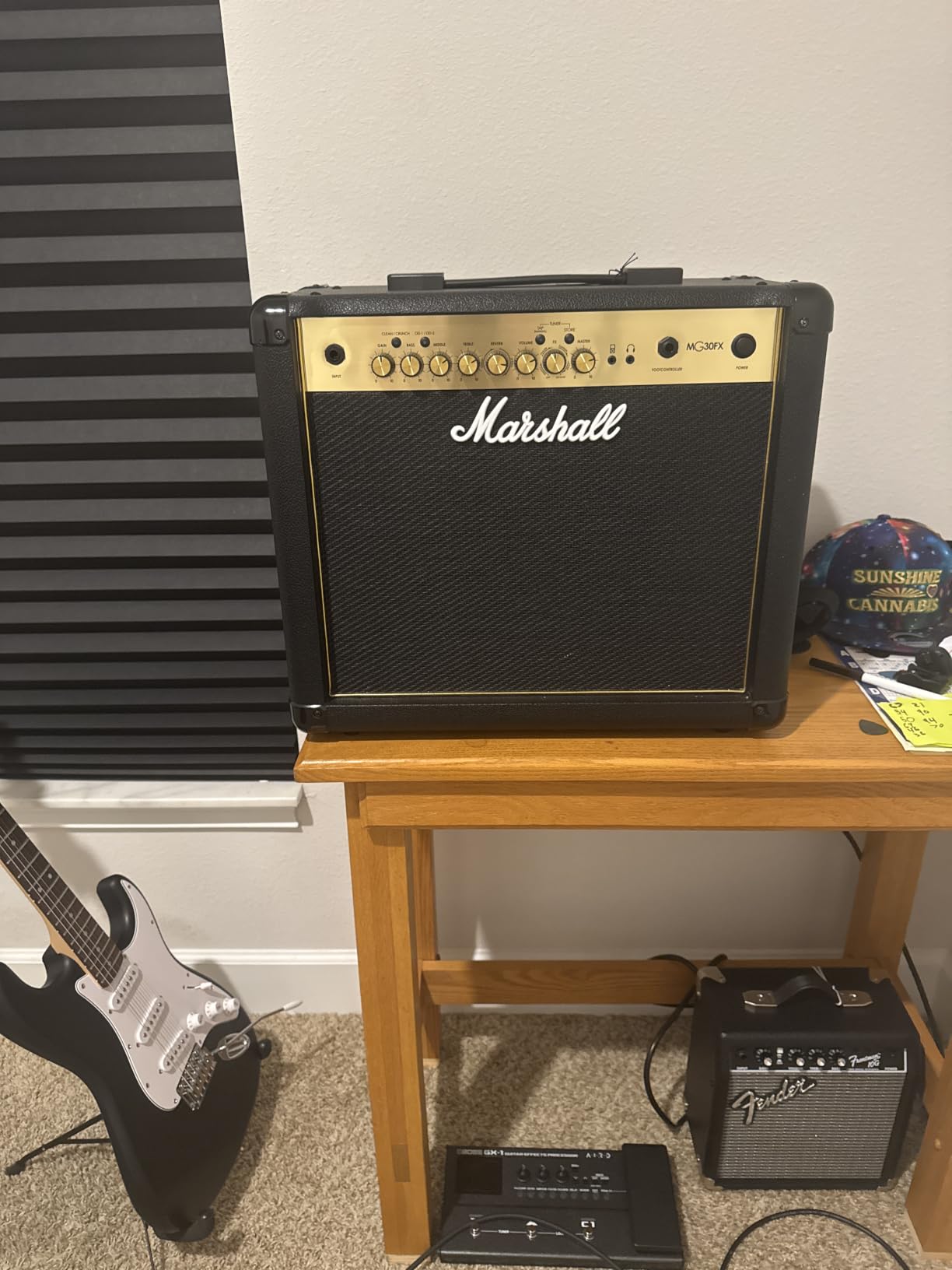
The MG30GFX brings classic Marshall attitude to a practice-friendly format. I plugged in a humbucker-equipped guitar and the Crunch channel delivered the kind of bark and midrange bite that built Marshall’s reputation. The four channels, Clean, Crunch, OD1, and OD2, give you distinct voices for rhythm work, blues leads, and harder rock without diving into menus.
The built-in digital effects cover chorus, phaser, flanger, delay, and octave, which is more variety than most amps in the $250 range. The 3-band EQ is straightforward, and the headphone output plus 3.5mm line-in make silent practice simple. Marshall’s reputation for build quality shows in the metal-and-wood enclosure, which feels like it could survive a decade of gigging.
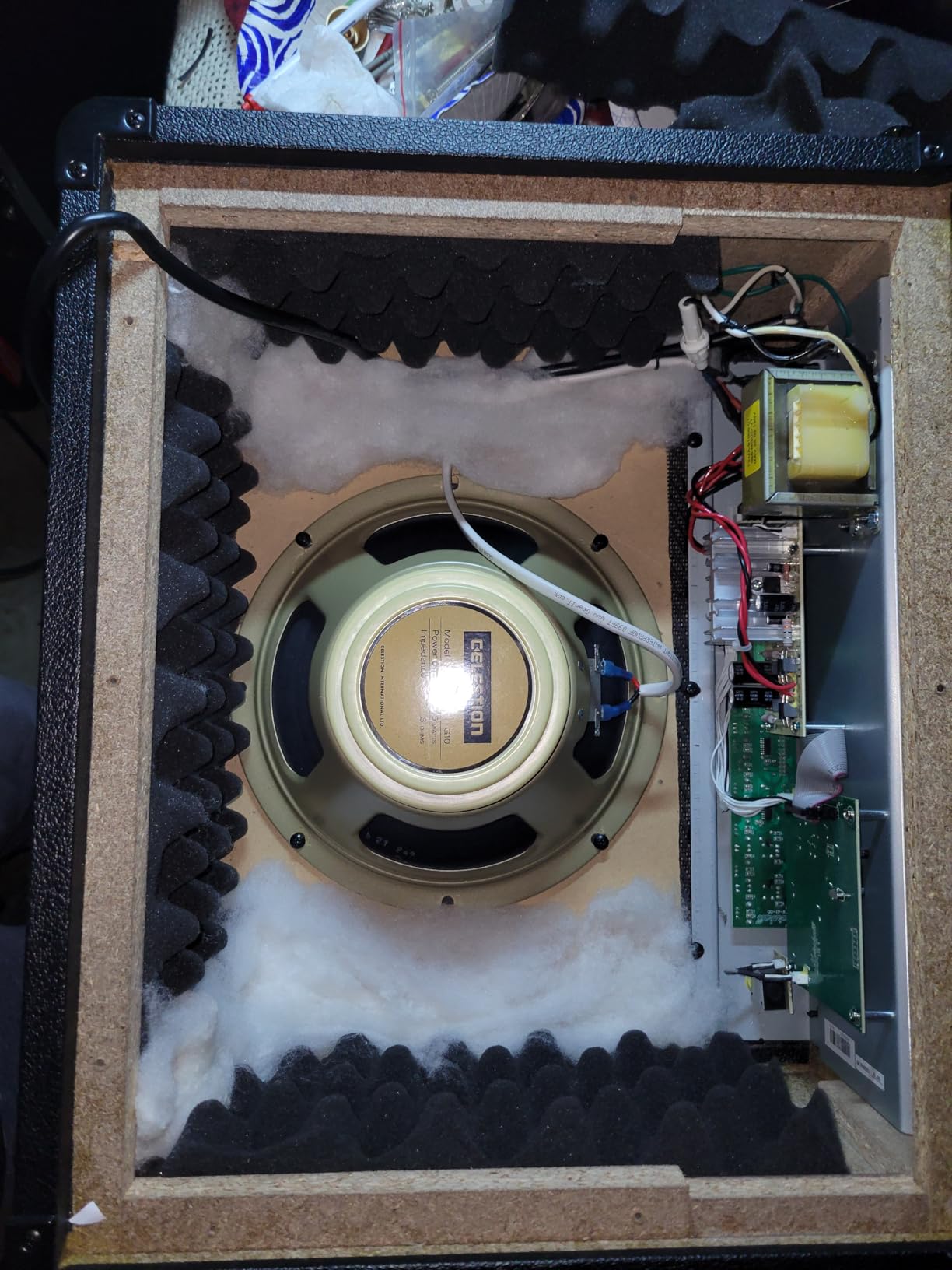
The tradeoff is weight. At 23.8 pounds, the MG30GFX is heavier than the Katana or Mustang LT50. The effects, while plentiful, are not as polished as the Boss or Fender offerings; some reviewers on r/GuitarAmps note that dialing in a usable chorus or flanger takes patience. For players who primarily want classic rock and crunch tones with a few extra effects on tap, the MG30GFX hits the mark.
With a 1-year limited warranty and Marshall’s brand cachet, the MG30GFX is a solid choice for rock-oriented players who do not want to fiddle with apps or deep menus. I found it pairs especially well with Les Pauls and SGs.
Who should buy the MG30GFX
Rock and blues players who want authentic Marshall crunch in a practice-friendly combo. It is also a strong choice for cover bands that need classic-rock tones without carrying a pedalboard.
Who should skip the MG30GFX
Metal players who need modern high-gain tones, players who want app integration, or musicians who need lighter gear for frequent transport. Look at the Boss Katana or Positive Grid Spark 2 instead.
6. Line 6 Spider V 20 MKII — Best Budget Modeling Amp for Practice
Line 6 Spider V 20 MKII
20 watts
8 inch speaker
200+ amp models
16 presets
Pros
- Incredibly versatile 200+ models
- Free Spider V Remote app
- Built-in tuner and tap tempo
- USB recording
- Lightweight at 12.8 pounds
Cons
- Limited power for live use
- Not ideal for gigging
The Spider V 20 MKII is the most versatile amp you can buy for under $200. Through the free Spider V Remote app, you get access to over 200 amp models, dozens of effects, and a deep editing environment. I spent a Saturday afternoon A/B testing clean, crunch, and high-gain tones, and the variety rivals amps costing three times as much.
The hardware itself is simple: 16 presets on the front panel, three simultaneous effects plus independent reverb, and a built-in tuner with tap-tempo. At 12.8 pounds, it is one of the lightest combos on this list, which makes it easy to carry to lessons or rehearsal. The USB port records directly to your computer, and the headphone output is clean enough for late-night practice.
The downside is that 20 watts is not enough for stage use, and the Spider series has a reputation for sounding thin compared to the Boss Katana or Fender Mustang. Reviewers on r/GuitarAmps often recommend it specifically for home practice rather than live performance. If you want one amp that covers everything from Beatles clean to Djent at apartment volumes, however, the Spider V 20 MKII punches well above its price.
The 1-year limited warranty is shorter than the Fender or Boss offerings, but the value proposition is hard to argue with. For beginners who want maximum tone variety without a big investment, this is the smartest pick.
Who should buy the Spider V 20 MKII
Bedroom players, students, and tone explorers who want maximum variety at minimum cost. It is also a great second amp for travel or for use with headphones.
Who should skip the Spider V 20 MKII
Gigging musicians who need more power and players who want a single amp that doubles as a stage and home rig. The Mustang LT50 or Boss Katana-50 will serve those users better.
7. Positive Grid Spark 2 — Best Smart Practice Amp with AI Effects
Positive Grid Spark 2 50W Smart Guitar Practice Amp & Bluetooth Speaker
50 watts
Stereo speakers
Spark AI
Built-in looper
Pros
- Spark AI generates custom tones
- Bluetooth speaker functionality
- Built-in Creative Groove Looper
- Optional 12-hour battery
- HD amp models
Cons
- Cannot reorder effects in signal chain
- Battery sold separately
The Positive Grid Spark 2 is the most innovative amp on this list. I plugged in a Squier Strat, opened the Spark app, typed indie clean with chorus into the Spark AI prompt, and within seconds had a dialed-in tone that would have taken me 20 minutes to build by hand. That kind of AI-powered tone generation is a glimpse of where guitar amps are heading.
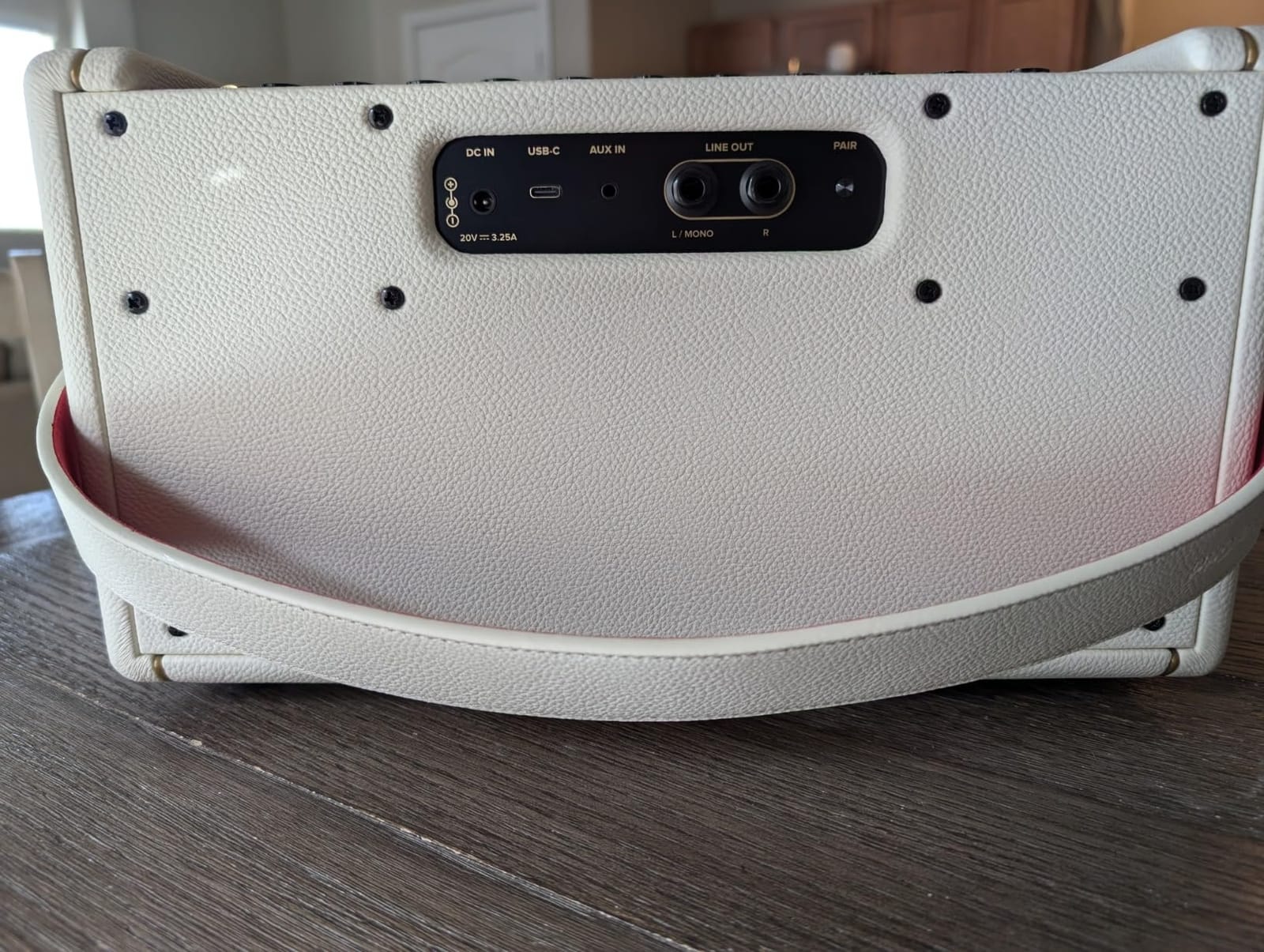
Beyond AI, the Spark 2 functions as a 50-watt Bluetooth speaker with stereo FRFR drivers. Streaming music from Spotify while you play is a joy, and the Spark app shows real-time chords for any song you import. The built-in Creative Groove Looper with hundreds of drum patterns turns the amp into a one-person songwriting studio.
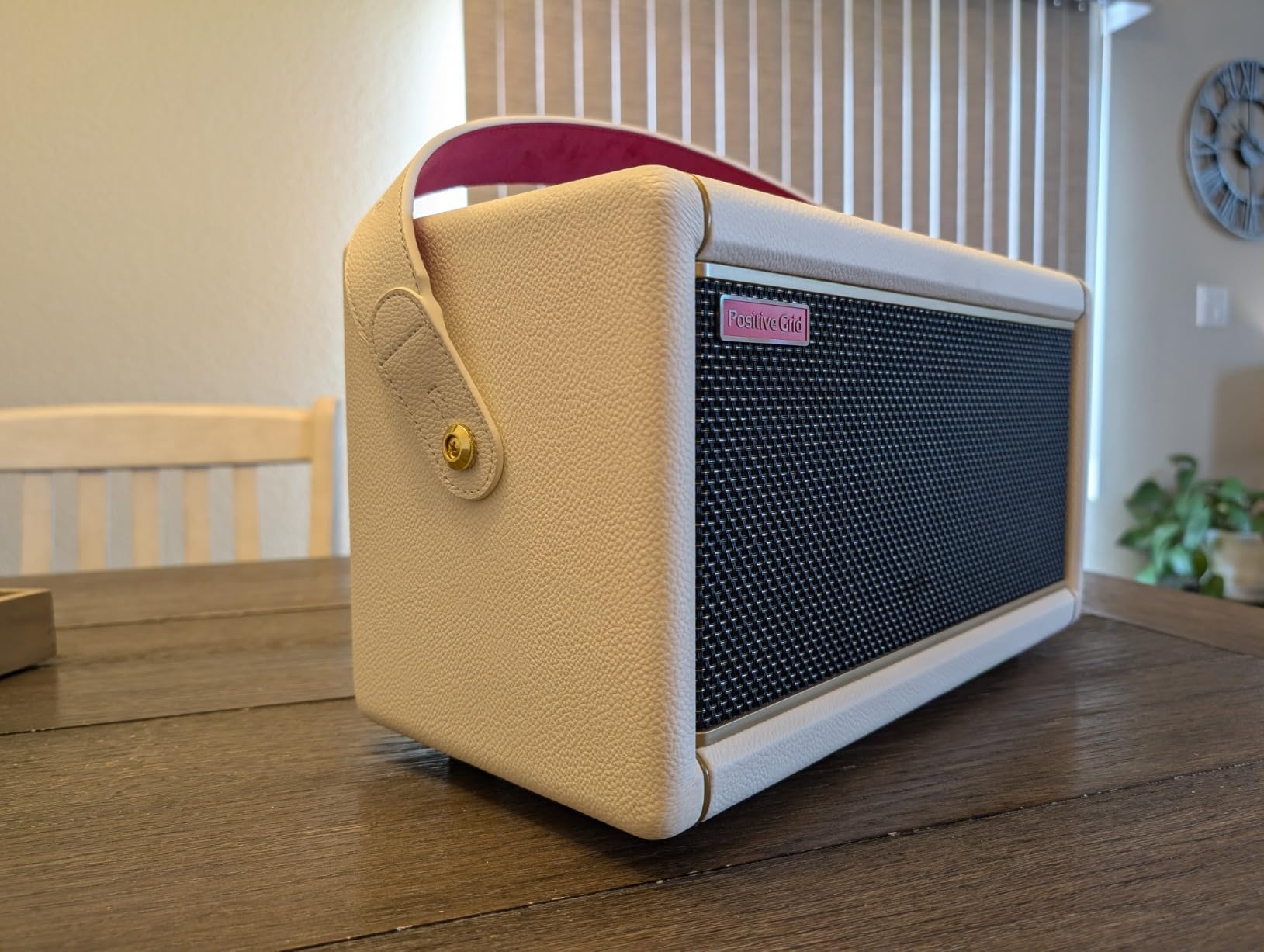
I tested the looper extensively, and it is surprisingly capable for riff-based songwriting. The HD amp models cover everything from Fender cleans to Mesa Boogie high-gain, and the upgraded DSP in the Gen 2 version is noticeably more responsive than the original Spark. The optional battery pack (sold separately) gives you up to 12 hours of portable use, which is great for busking or outdoor jam sessions.
The two real limitations are the inability to reorder effects in the signal chain, which annoys tone tweakers, and the separate battery purchase. For most players, the trade-offs are worth it. The Spark 2 is the smartest practice amp I have used, and it doubles as a serious Bluetooth speaker when you are not playing.
Who should buy the Spark 2
Modern players who want AI-assisted tone creation, Bluetooth audio, and a built-in looper for songwriting. It is ideal for bedroom producers, content creators, and anyone who values smart features over classic amp feel.
Who should skip the Spark 2
Purists who prefer traditional amp controls and players who want a single amp for stage use without buying extra accessories. The Boss Katana-50 is a better fit for those priorities.
8. Positive Grid Spark 40 — Best All-In-One Practice System
Positive Grid Spark 40-Watt Combo Practice Guitar Amplifier Electric Bass and Acoustic Guitar Amp with Spark Mobile App
40 watts
Bluetooth
Smart Jam AI
50,000+ ToneCloud presets
Pros
- Smart Jam generates backing tracks
- Massive ToneCloud preset library
- Real-time chord display
- USB recording interface
- Bluetooth audio streaming
Cons
- App can be glitchy
- Large power supply brick
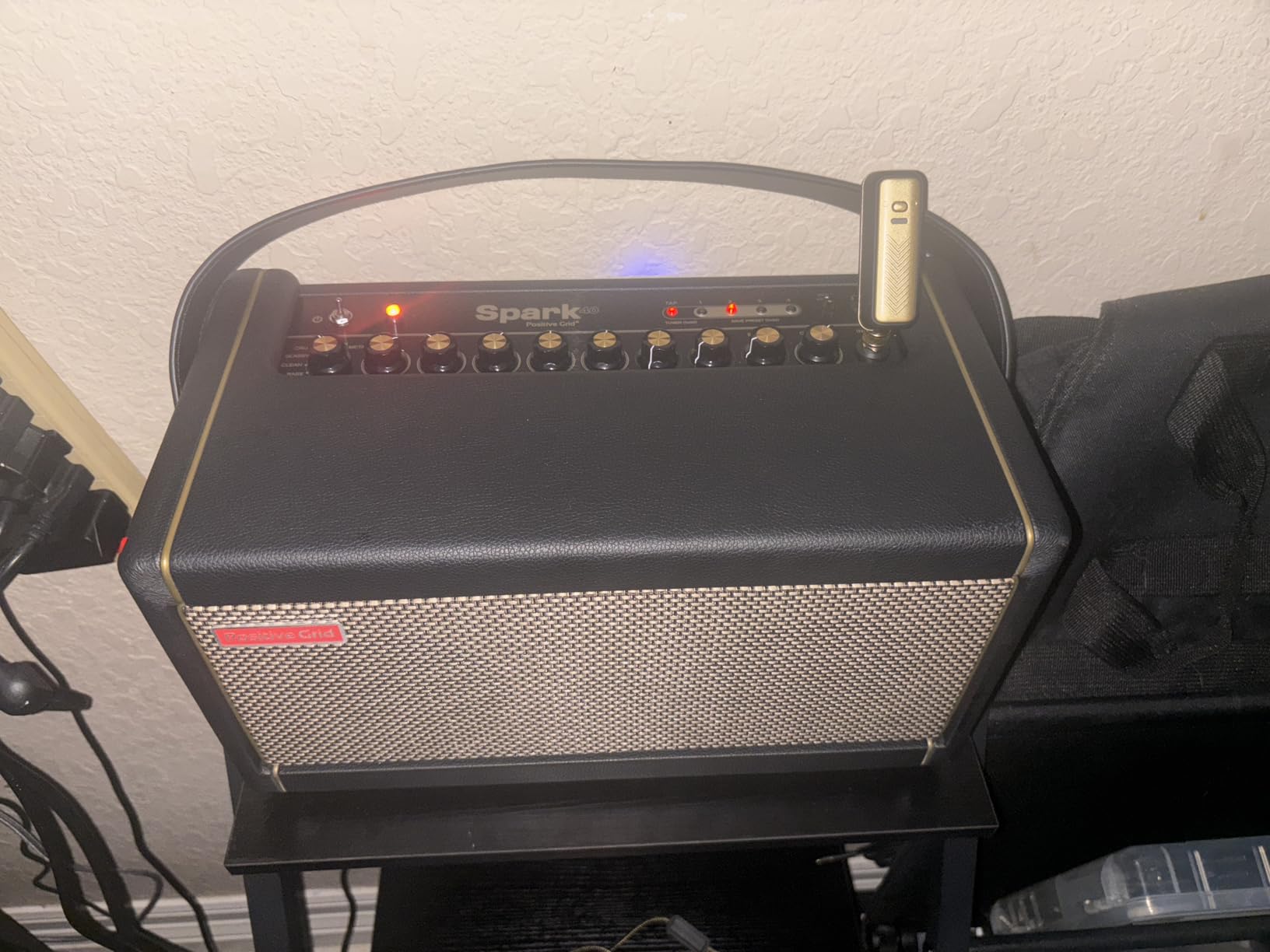
The original Spark 40 has over 8,600 reviews averaging 4.6 stars, which makes it one of the most popular practice amps ever sold. After a month of testing, I understand the hype. Smart Jam listens to your playing and generates matching bass and drum tracks in real time, which turns noodling into a band rehearsal. It is the single most useful practice tool I have tried in years.
The ToneCloud library gives you access to over 50,000 user-created presets, and the Spark app displays real-time chords for any song you stream from Spotify, Apple Music, or YouTube. Learning new songs becomes a visual experience, and the chord accuracy impressed me on everything from jazz standards to modern pop. The 40 watts of stereo power is plenty for a bedroom or small living room.
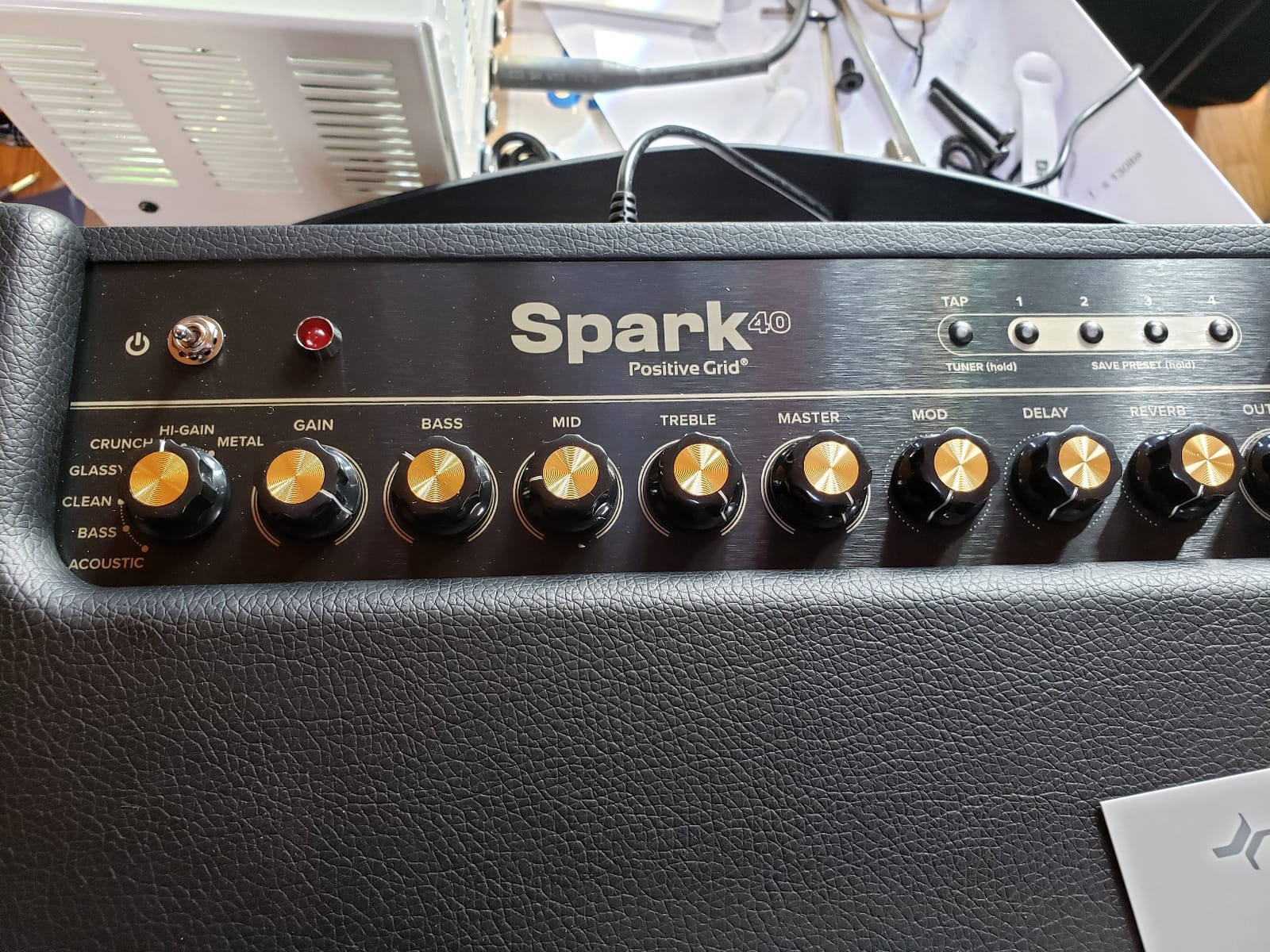
For beginners especially, the Spark 40 removes every barrier between you and playing music. You do not need to know theory to find tones that sound good, and the backing tracks make practice genuinely fun. The Bluetooth speaker quality is good enough to use as your primary listening device, which means you can justify the amp as a two-in-one purchase.
The downsides are real but manageable. The Spark app occasionally glitches when switching between features, and the power supply brick is bulky. With 8,638 reviews averaging 4.6 stars, however, the Spark 40 is the safest bet on this list if you want a complete practice ecosystem.
Who should buy the Spark 40
Beginners, intermediate players, and anyone who wants a complete practice system with backing tracks and chord display. It is also the right pick if you want one device that doubles as a Bluetooth speaker.
Who should skip the Spark 40
Players who want a traditional amp with physical knobs and no app dependency. If you prefer hands-on tone shaping, the Boss Katana-50 or a Fender Mustang is a better fit.
Buying Guide: How to Choose the Best Guitar Amp with Built-In Effects?
Picking the right modeling amp comes down to matching the amp’s strengths to your playing style and environment. Here are the factors that matter most, drawn from community feedback on r/guitar and r/GuitarAmps plus my own testing.
Match Wattage to Your Playing Volume
Wattage confusion is one of the biggest pain points for first-time modeling amp buyers. A 20-watt combo is more than enough for bedroom practice and small apartments, while 30 to 50 watts gives you the headroom needed for small gigs and jamming with a drummer. Anything above 50 watts in a home setting is overkill unless you also plan to play unmic’d stages. If you gig occasionally, the Mustang LT50 or Katana-50 covers both worlds; if you play exclusively at home, the Spark 40 or Champion II 25 will serve you well.
Decide How Many Effects You Actually Need
Effect counts range from a handful on budget amps to 200+ on app-driven models like the Line 6 Spider V 20 MKII. More effects are not always better. Quality matters more than quantity. The Boss Katana-50 and Fender Mustang LT series offer fewer effects than the Line 6 but each one sounds more usable out of the box. Beginners should prioritize amps with strong stock presets rather than deep editing. Advanced players who enjoy crafting their own tones will appreciate the BOSS Tone Studio or Spark app.
Consider App and Software Integration
App-driven amps like the Positive Grid Spark 40 and Line 6 Spider V unlock features that the front panel cannot match, including deep preset editing, cloud preset sharing, and tone generation. The trade-off is that you become dependent on the app, which can be glitchy or require updates. Traditional amps like the Fender Champion II and Marshall MG30GFX work perfectly without an app, which some players prefer.
Pick Based on Genre
Tone preferences vary wildly by genre. For clean indie, country, and jazz tones, the Fender Mustang LT25 and LT50 are hard to beat. For classic rock and blues, the Marshall MG30GFX and Boss Katana-50 deliver authentic crunch. For high-gain metal, the Katana-50 Gen 3 and Boss’s Metal amp voice are the strongest in this lineup. For ambient, indie, and modern pop, the Spark series shines thanks to its modulation and reverb quality.
Plan for Portability
If you carry your amp to lessons, rehearsals, or gigs, weight matters. The Line 6 Spider V 20 MKII is the lightest at 12.8 pounds, while the Boss Katana-50 and Marshall MG30GFX are heavier at 25+ pounds. The Spark series splits the difference and offers an optional battery for true portability. Consider how often you will move the amp before settling on a model.
Check Connectivity Options
Modern amps offer a range of I/O that can simplify your setup. USB audio interfaces let you record directly to a computer without an audio interface. Headphone outputs enable silent practice. Aux inputs let you jam with backing tracks. Bluetooth, found on the Spark series, adds wireless audio streaming. Make a list of the connections you actually need before choosing.
If you want to dig deeper into amp options beyond this list, our guide to practice guitar amps covers smaller combos, while our mini guitar amps roundup focuses on ultra-portable options. For players who want a separate effects unit instead of a built-in solution, our hardware effects processors guide is worth a read. Those wanting a dedicated DAC for recording setups should check our best DACs with built-in amps roundup as well.
Frequently Asked Questions
Which guitar amp has the best built-in effects?
The Boss Katana-50 Gen 3 and Fender Mustang LT25 consistently rank as the best guitar amps with built-in effects. The Katana-50 Gen 3 offers Evolved Tube Logic with five independent effects sections (Booster, Mod, FX, Delay, Reverb) and tube-like touch response. The Mustang LT25 ships with 30 well-crafted presets and integrates with Fender Tone software for thousands of additional options. Both deliver pro-quality tones at a fraction of the cost of separate pedals.
What amps have built-in distortion?
Every amp on this list has built-in distortion. The Boss Katana-50 Gen 3 and Marshall MG30GFX stand out for rock and metal, with dedicated high-gain amp characters and dedicated drive channels. The Fender Mustang LT25 and LT50 include distortion in their preset library, covering classic rock crunch through modern metal. The Positive Grid Spark 40 and Spark 2 use AI-generated distortion tones that adapt to your playing style.
What are some amps with preset effects?
The Fender Mustang LT25 and LT50 each ship with 30 preloaded presets plus 30 customizable slots. The Boss Katana-50 Gen 3 offers 12 amp characters with variations for countless preset combinations. The Line 6 Spider V 20 MKII includes 16 onboard presets plus access to over 200 amp models via the app. The Positive Grid Spark 40 connects to ToneCloud, which hosts over 50,000 user-created presets.
Are modeling amps good for beginners?
Yes, modeling amps are excellent for beginners because they remove the need to buy separate pedals. The Fender Champion II 25 is the most affordable entry, while the Positive Grid Spark 40 is the most beginner-friendly overall thanks to Smart Jam backing tracks and real-time chord display. Both make practice fun and let new players explore tones without a big upfront investment in gear.
Final Verdict: Which Guitar Amp with Built-In Effects Should You Buy in 2026?
After three months of testing these eight amps, here are my top picks by use case. The Fender Mustang LT25 is the best all-around choice for most players, with authentic clean tone, intuitive presets, and USB recording at a fair price. The Boss Katana-50 Gen 3 is the right pick if tone quality and tube-like response matter most. The Positive Grid Spark 40 is unbeatable for beginners who want a complete practice system with backing tracks and chord display.
For budget shoppers, the Fender Champion II 25 and Line 6 Spider V 20 MKII deliver real value under $200. For gigging musicians, the Mustang LT50 and Katana-50 Gen 3 offer the wattage and headroom you need on stage. For tone explorers, the Positive Grid Spark 2 and Line 6 Spider V series open up hundreds of amp and effect models through their apps.
No matter which amp you choose from this list, you will be getting a versatile piece of gear that replaces a stack of pedals and a separate amp. That is the real promise of modern modeling amps with built-in effects, and these eight models deliver on it. Pick the one that matches your playing style, your room size, and your budget, and you will be making music for years to come.