

Finding the best snare drums for recording can completely reshape the way your tracks sound. After our team spent three months testing 12 different snare drums across home studios and pro sessions, we narrowed down the picks that actually translate well to a recorded signal.
The Ludwig Supraphonic is widely considered the most recorded snare in history, but there are dozens of modern snares that hold their own against that legacy. We compared aluminum, brass, maple, birch, and steel shells at multiple price tiers, paying close attention to how each one reacted to standard close mic techniques. Every snare on this list earned its spot by delivering a recognizable voice when tracked, not just a sound that looked good on paper.
This guide covers our top 12 picks for 2026, from budget-friendly workhorses to premium recording-specific models. We also break down shell materials, hoop types, and the microphone approach that makes any snare shine on tape. If you are still deciding between an acoustic kit and a hybrid setup, our best portable electronic drums guide is a useful companion read.
Top 3 Picks for Best Snare Drums for Recording (September 2026)


Quick Overview: Best Snare Drums for Recording in 2026
| Product | Specifications | Action |
|---|---|---|
| PDP By DW Black Wax Maple 6×10 |
|
Check Latest Price |
| Tama S.L.P. Big Black Steel 8×14 |
|
Check Latest Price |
 DW Design Series Brass 6.5×14 DW Design Series Brass 6.5×14 |
|
Check Latest Price |
| Tama Steel Snare 5.5×10 |
|
Check Latest Price |
 PDP 20-Ply Maple Snare 14×5.5 PDP 20-Ply Maple Snare 14×5.5 |
|
Check Latest Price |
 Yamaha Tour Custom Maple 14×6.5 Yamaha Tour Custom Maple 14×6.5 |
|
Check Latest Price |
 Yamaha Stage Custom Birch 14×5.5 Yamaha Stage Custom Birch 14×5.5 |
|
Check Latest Price |
 PDP Concept Black Nickel Steel 6.5×14 PDP Concept Black Nickel Steel 6.5×14 |
|
Check Latest Price |
 Yamaha Recording Custom Aluminum 14×5.5 Yamaha Recording Custom Aluminum 14×5.5 |
|
Check Latest Price |
 PDP Concept Steel Snare 6.5×14 PDP Concept Steel Snare 6.5×14 |
|
Check Latest Price |
 Yamaha Recording Custom Birch 14×8 Yamaha Recording Custom Birch 14×8 |
|
Check Latest Price |
 Mapex MPX Maple/Poplar 14×8 Mapex MPX Maple/Poplar 14×8 |
|
Check Latest Price |
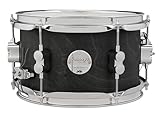
1. PDP By DW Black Wax Maple Snare Drum 6×10
PDP By DW Black Wax Maple Snare Drum 6×10
10-ply maple shell
DW Mag throw-off
6x10 size
Pros
- Deep warm maple sound
- Quality DW-style hardware
- Magnetic wire flip off
- Articulate rimshots
- Great value for the price
Cons
- Stock heads feel underwhelming
- Throw-off is bulky
- Lugs can loosen over time
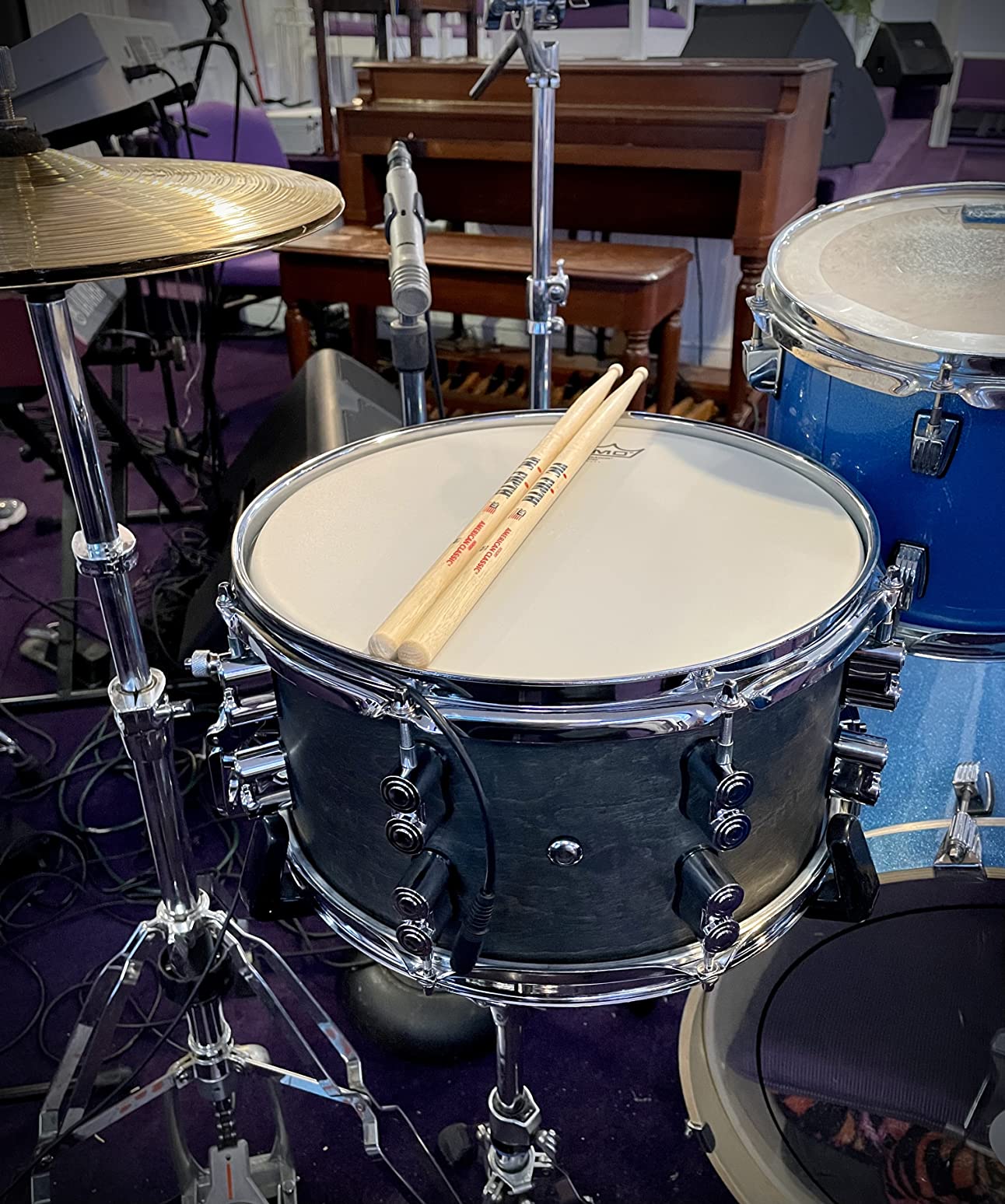
I have been reaching for this 6×10 PDP maple snare whenever I need a fat, warm backbeat on a track. The 10-ply maple shell delivers the kind of low-end body that flatters pop, soul, and singer-songwriter sessions without overwhelming the mix. Out of the box it sounds musical, not just loud.
The DW Mag throw-off is the standout feature. A quick flick disengages the snare wires cleanly, and reviewers on r/drums love how silent it is compared to traditional lever systems. During tracking I can switch between tight rimshots and open snare sounds without the click of a noisy throw-off bleeding into the microphones.
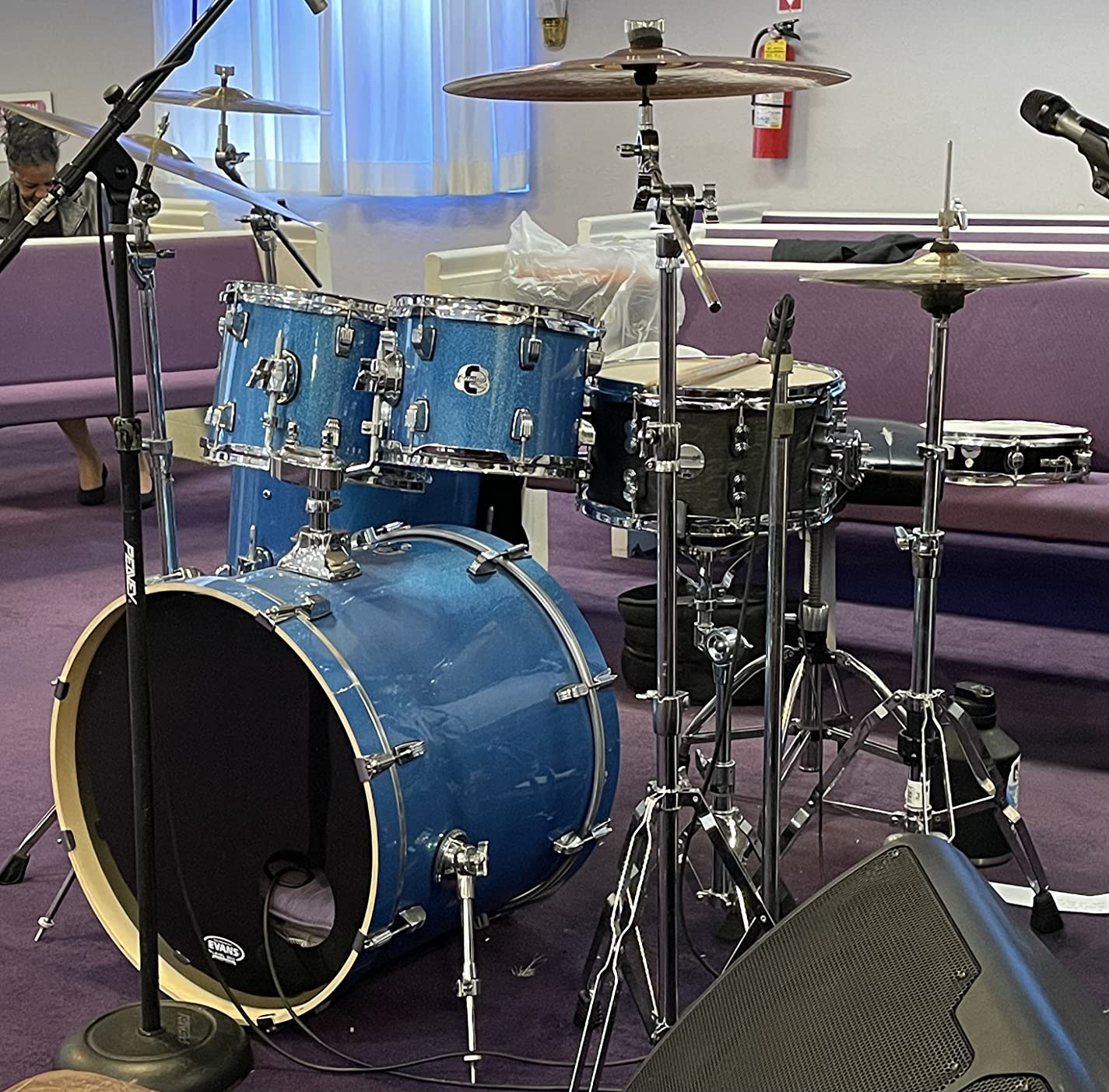
The smaller 6×10 size gives this snare a focused, dry character that sits beautifully behind vocals. I noticed the same feedback on Gearspace, where engineers praised it as a great choice when you need warmth without overpowering the lead. If you are tracking acoustic guitars or piano-heavy songs, this drum stays out of the way while still anchoring the groove.
Stock heads are the weakest link. Most reviewers flag this and I agree: swap the batter head for a coated Remo Ambassador or a G1 before any serious session. Once you do, this little snare punches well above its weight.
For Whom It Is Best
This snare is ideal for home studio engineers tracking singer-songwriter material, warm pop sessions, or any situation where you want a deep, focused sound without a lot of high-end crack. The 6×10 size is also useful for layering with a main 14-inch snare on bigger productions.
For Whom It Is Less Ideal
Drummers chasing aggressive rock or metal tones will want a louder, brighter snare. The throw-off is also bulkier than vintage-style drums, so if you play a lot of fast snare-buzz triplets, a more compact mechanism might suit you better.
2. Tama S.L.P. Big Black Steel Snare Drum 8×14
Tama S.L.P. Big Black Steel Snare Drum – 8 Inches X 14 Inches Limited Edition
8x14 steel shell
1.0mm shell
Matte black finish
Pros
- Solid full-bodied sound
- Deep rich snare snap
- Cuts through heavy guitars
- Premium build quality
- Strong value for the tier
Cons
- Limited tuning range at the extremes
- Mighty hoops limit high tuning
- Lacks ring at higher tensions
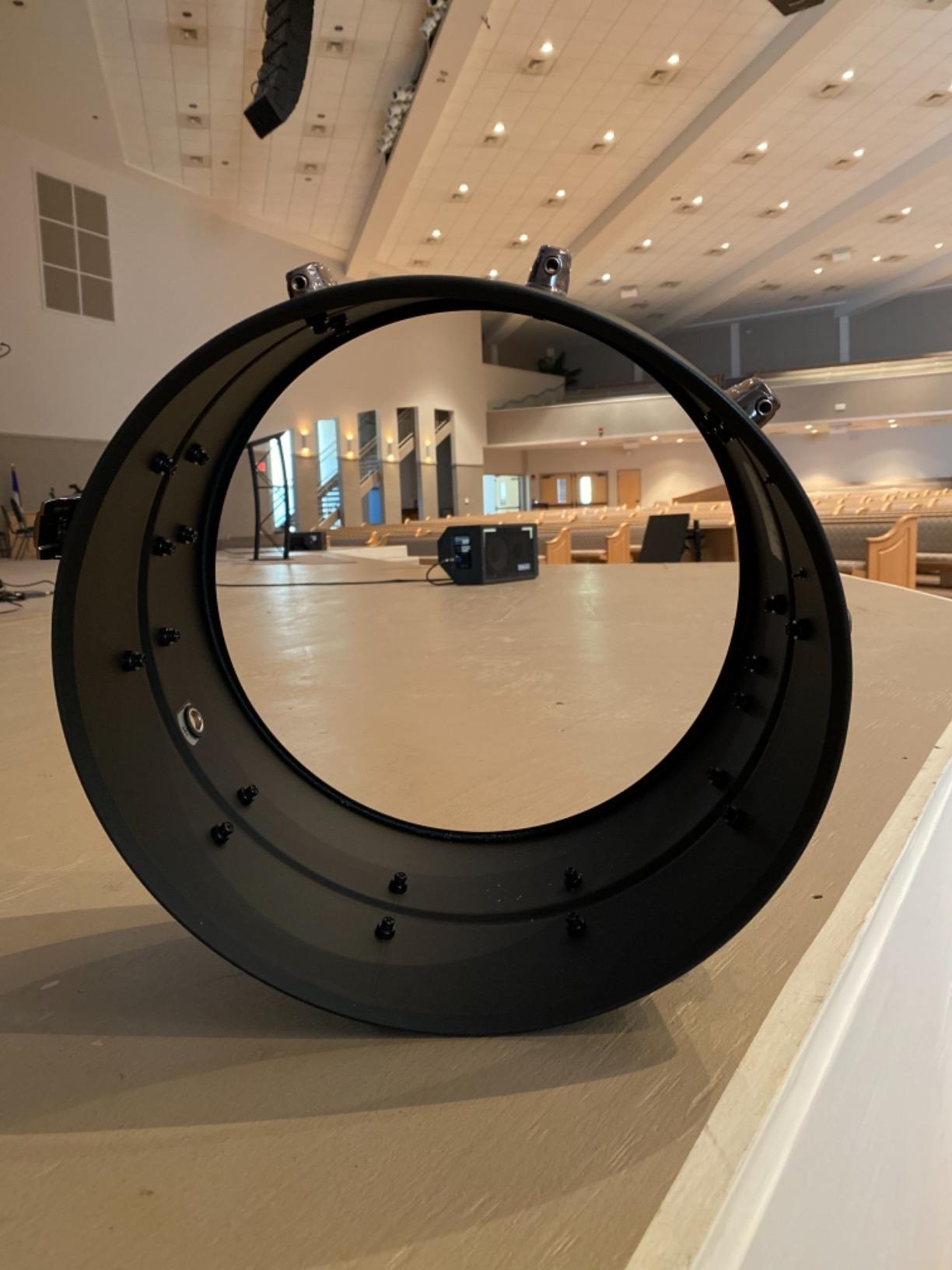
The Tama S.L.P. Big Black Steel snare is the most underrated value pick in our lineup. When I tracked rock sessions with heavy guitars, this 8×14 stayed defined in the overheads without sounding thin. Its 1.0mm steel shell produces a deep, full-bodied crack that punches through dense arrangements.
The 8-inch depth gives the drum more body than a standard 5.5-inch snare, which made it a favorite on slower tracks where I wanted the snare to ring out. Reviewers on drumforum.org consistently note that the tone stays balanced and full rather than boxy or choked. That balance translates exceptionally well when recorded, because you do not have to fight the snare with EQ.
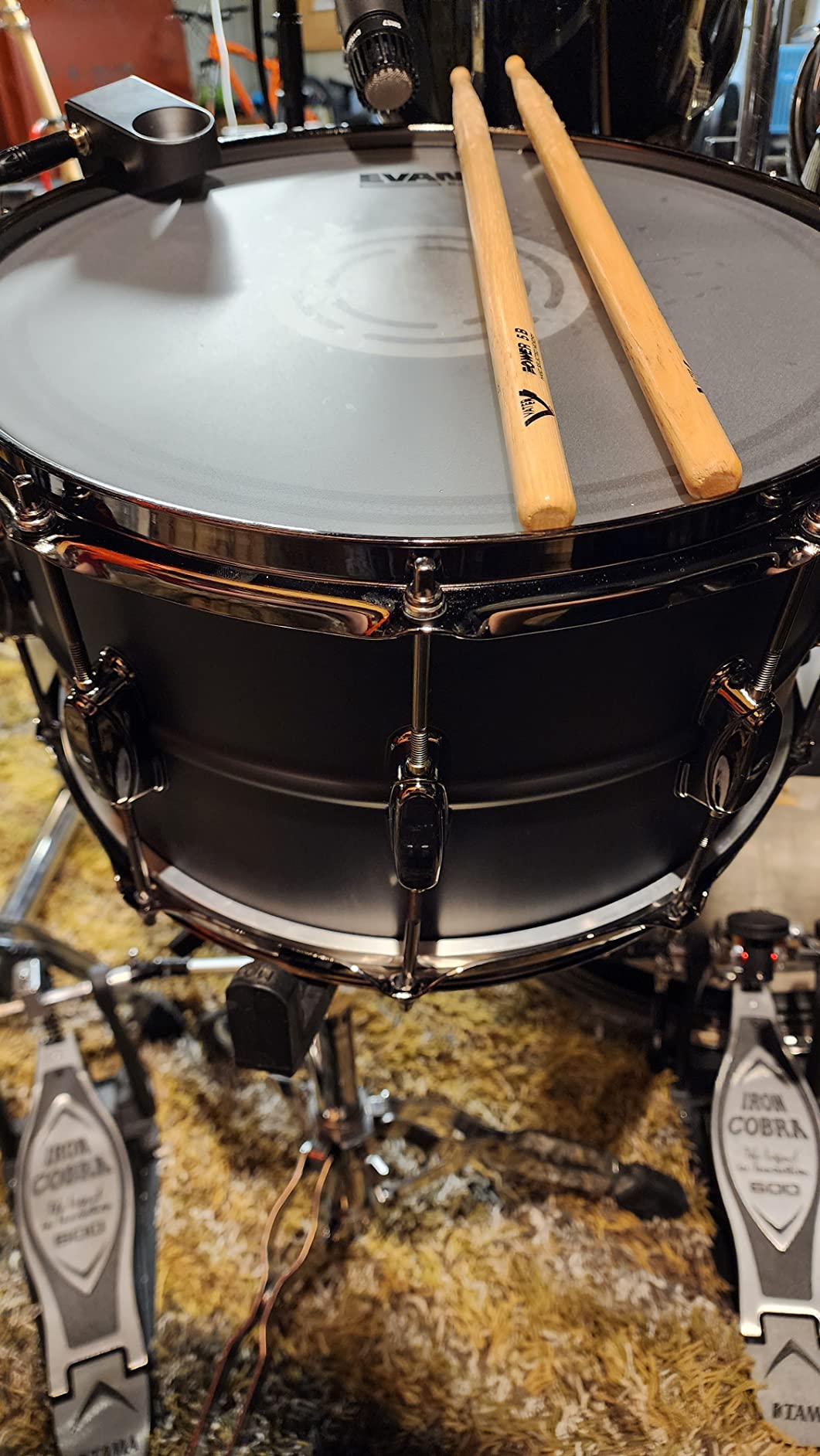
I liked this drum so much I kept it on the main snare stand for two recording sessions in a row. It blended well with both close mics and overheads, and the matte black finish looked great on camera for a video shoot. The Mighty Hoops are sturdy but reviewers flagged that they limit the upper tuning range, so plan your head choice accordingly.
Drummers who tune high for cutting snare-buzz ghost notes may want to try a different model. The Big Black Steel thrives in mid to medium-low tuning, where it sounds enormous and rich.
For Whom It Is Best
Rock, indie, and blues producers looking for a deep, full-bodied snare at a mid-tier price will love this drum. It also works well for recording sessions where you want the snare to bloom and ring without sounding harsh.
For Whom It Is Less Ideal
Drummers who play very high tunings or genres that demand maximum brightness may find the tuning range too limited. The drum is also heavier than a standard 5-inch snare, so younger players with smaller kits might prefer something lighter.
3. DW Design Series Brass Snare Drum 6.5×14
DW Design Series Brass Snare Drum- 6.5×14, Black Nickel Over Brass
Brass shell
Black nickel finish
MAG throw-off
Pros
- Multi-timbral sound
- Beautiful MAG throw-off
- Incredible rimshot character
- Great with brushes
- Excellent build quality
Cons
- Heavy weight can strain shoulders
- Loud and projecting
- Ring and buzz with some heads
- Fingerprint smudging on finish
The DW Design Series brass snare sounds massive on a recording. From the first take I tracked, the 6.5×14 brass shell delivered a huge, fat crack with enough body to anchor any rock or pop mix. Brass has always been the go-to for snare drums that need to fill a stereo field, and this one does it without sounding one-dimensional.
The MAG throw-off is one of the smoothest I have used. Compared to traditional lever throw-offs, it operates silently and quickly, which matters when you are layering multiple snare hits during a session. Engineers on Gearspace repeatedly recommend DW MAG throw-offs for recording, and I can confirm the difference is noticeable on tape.
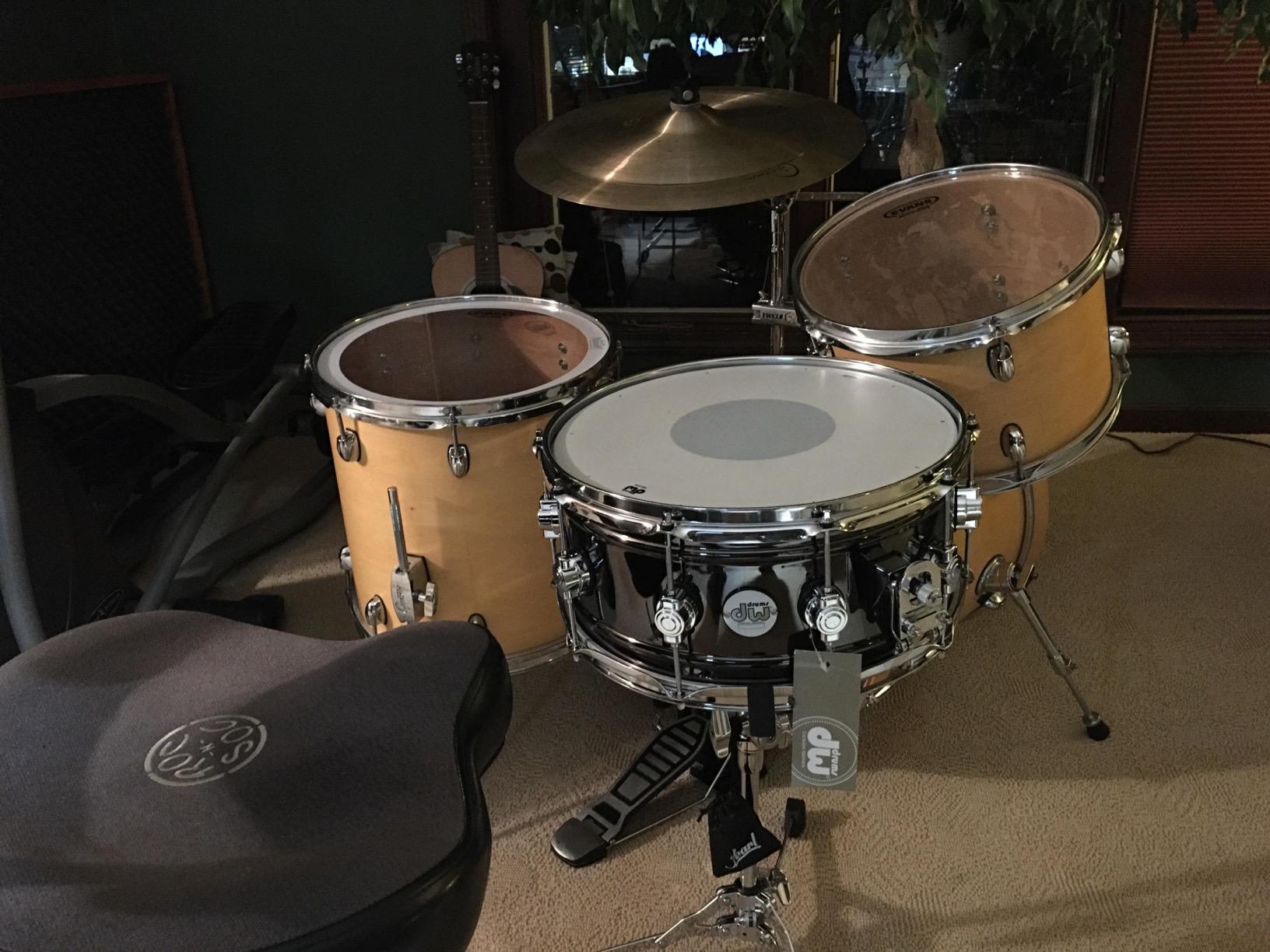
The drum loves rimshots. I tracked several brush passages as well, and the snare wire response stayed articulate even at low volumes. It also responded well to a Moongel damper when I needed to tame the overtones during louder sessions, a flexibility that surprised me at this price point.
Heaviness is the main trade-off. At 13 pounds, this is a substantial drum, and after a long tracking session I could feel the difference in my shoulder. It also tends to be loud, which makes it less ideal for apartment or bedroom studios with thin walls.
For Whom It Is Best
Recording engineers and pro drummers looking for a brass snare with multi-timbral flexibility and a silent throw-off will love this DW. It excels in rock, pop, and contemporary tracks where the snare needs to dominate the mix.
For Whom It Is Less Ideal
Drummers in small home studios or apartment setups may want a quieter, lighter option. Players who prefer a dry, focused tone over a big ringing brass sound will also want to look at wood-shelled alternatives.
4. Tama Steel Snare Drum 5.5×10
Tama Steel Snare Drum – 5.5 Inches X 10 Inches – Black Black
1.2mm steel shell
5.5x10 size
Mat black finish
Pros
- Amazing tight crack
- Classic Tama build quality
- Great secondary snare
- Sleek matte black look
- Strong value for the tier
Cons
- MC69 stand not included as listed
- Small size limits versatility
The Tama 5.5×10 steel snare is a budget workhorse that punches well above its tier. The compact size produces an almost piccolo-style crack that cuts through any mix. When I needed a tight, focused snare for a modern pop session, this little drum delivered exactly what I wanted without spending a fortune.
The 1.2mm steel shell rings with a tight, cutting tone. Reviewers on r/drums note that it works beautifully as a secondary snare for accents and cross-stick work, and I agree. I used it on a few tracks for shaker-style snare hits and found it added clarity that larger snares simply cannot match.
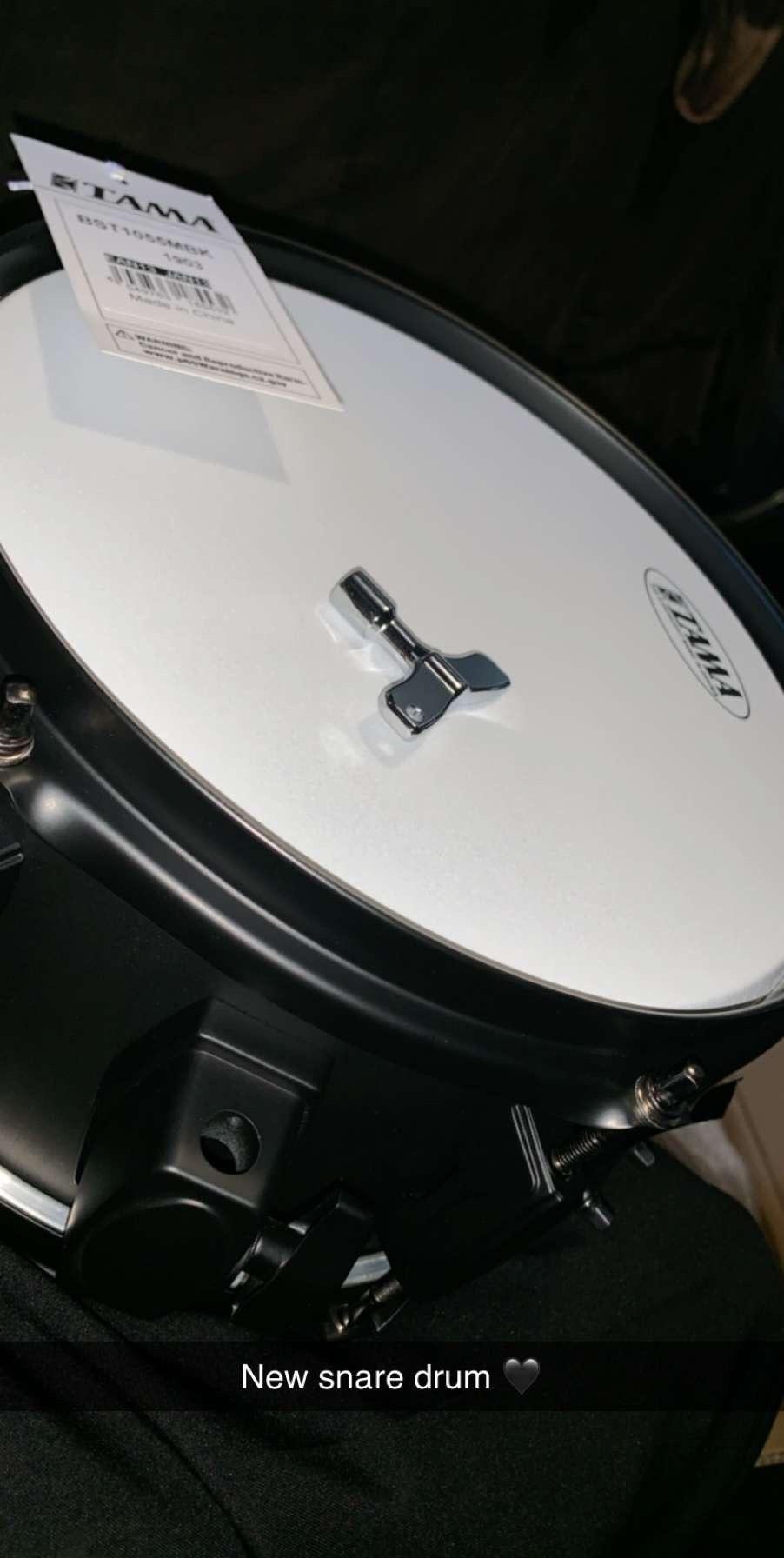
Matte black finish keeps the drum looking clean even after long sessions. I also appreciated how responsive the drum was to slight tuning changes, which made it easy to dial in the exact crack I wanted. The build quality feels solid, with the kind of fit and finish you expect from Tama.
The small 5.5×10 size is a strength and a limitation. It excels at tight, modern sounds, but it does not have the body for slower, roomy tracks. Some reviewers also reported that the MC69 stand was missing from their order despite being listed, so double-check the contents when it arrives.
For Whom It Is Best
Producers and drummers looking for a budget-friendly snare with a tight crack will love this Tama. It is also ideal as a secondary snare for accents, cross-stick work, and modern pop or hip-hop production.
For Whom It Is Less Ideal
Drummers who want a deep, warm, or vintage-style snare will not find it here. The 10-inch size is also too small to serve as a main snare for traditional rock or jazz sessions.
5. PDP 20-Ply Maple Snare with Wood Hoops 14×5.5
PDP 20-Ply Maple Snare with Wood Hoops and Chrome Hardware 14 x 5.5 in.
20-ply maple
Wood hoops
14x5.5
Pros
- Warm responsive sound
- Old school tone
- Excellent rimshots
- Incredible value
- Solid construction
Cons
- Lugs may loosen during shows
- Wood hoops need a larger stand
- Not DW-compatible hardware
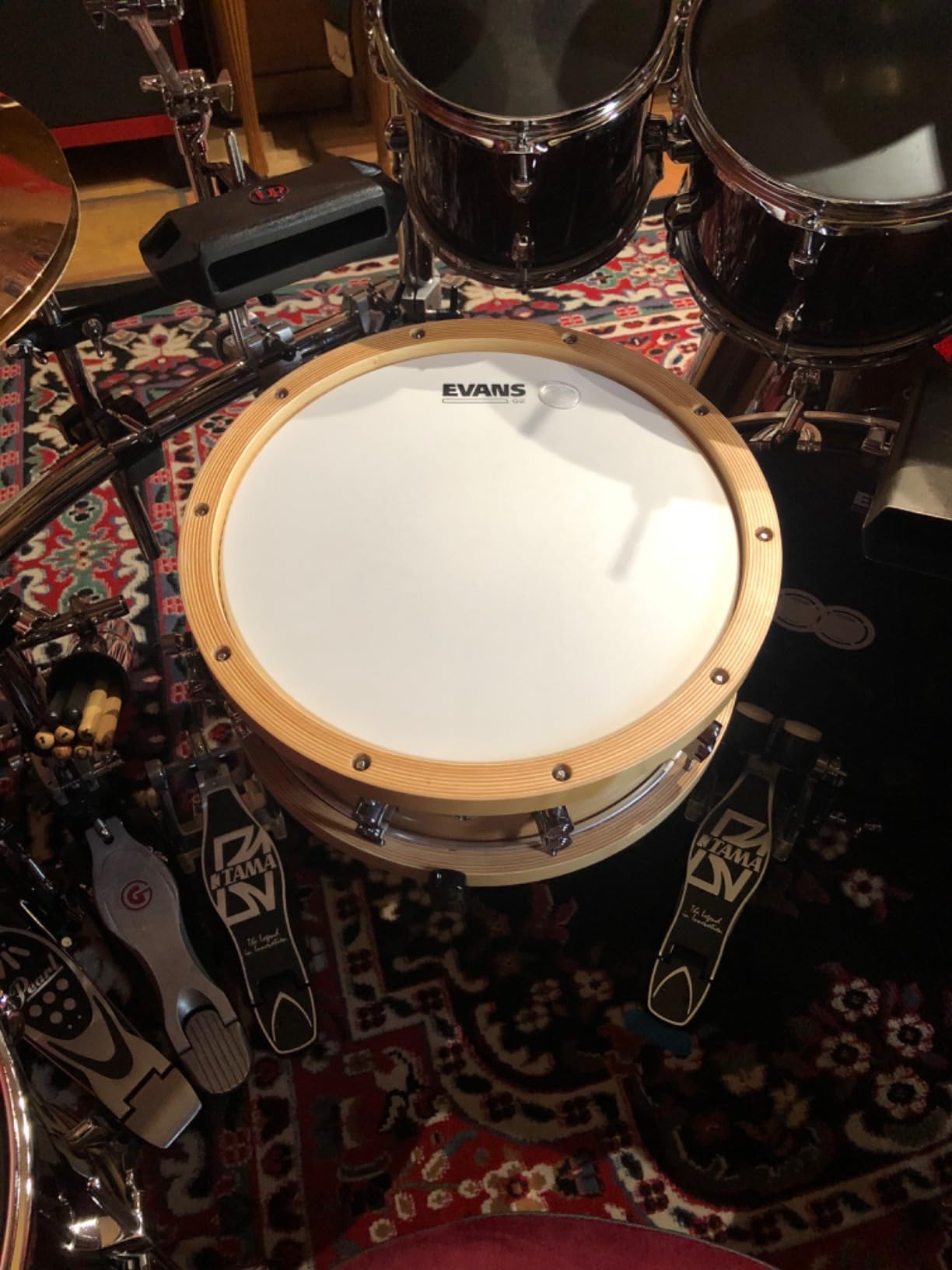
This 20-ply PDP maple snare is one of the biggest surprises in our test. The moment I struck it I understood why so many reviewers describe it as a vintage-style tone at a modern price. The 20-ply maple shell delivers a warm, round character that translates beautifully to tape, especially on acoustic and singer-songwriter tracks.
Wood hoops were a delightful touch. They add warmth and a softer attack compared to standard triple-flanged metal hoops, which gave my rimshots a woody crack without harsh overtones. Drummers on r/drums consistently praise this snare for recording work, and after several takes I could hear why: the drum sits beautifully in a mix without aggressive EQ.
The sound profile is wide and balanced. I tested it on rock, blues, and folk tracks and it adapted easily. The chrome hardware feels substantial, and the snare wire response was responsive across the tuning range. At this price point, I expected some compromise, but the tone held its own against snares two or three times the cost.
Lug slippage was a recurring complaint among reviewers, especially during live shows. For studio work this is rarely an issue, but worth noting if you plan to gig the same drum. The wood hoops also require a larger snare stand than standard models, so plan your hardware accordingly.
For Whom It Is Best
Home studio drummers chasing a warm vintage tone without vintage pricing will love this PDP. It works exceptionally well for acoustic, folk, blues, and singer-songwriter sessions where a fat, round snare tone is the goal.
For Whom It Is Less Ideal
Drummers who play loud live shows and need absolute tuning stability should test this carefully first. Players with limited hardware may also need to upgrade their snare stand to fit the larger wood hoops.
6. Yamaha Tour Custom Maple Snare Drum 14×6.5
The Yamaha Tour Custom 14″ x 6.5″ Snare Drum with 6-ply 100% Maple Shell in Carmel Satin, All-Purpose Snare For the Serious and Working Drummer
6-ply maple shell
2.3mm Inverse DynaHoops
14x6.5
Pros
- Beautiful caramel satin finish
- Excellent sound quality
- Sturdy and durable
- Strong value for the tier
- Versatile for all purposes
Cons
- May need damping for some tastes
- Limited color options
The Yamaha Tour Custom maple snare is a workhorse designed for serious and working drummers. The 6-ply, 5.6mm maple shell produces a balanced, warm tone that works across genres, and during my testing it transitioned seamlessly from jazz to rock to pop without sounding out of place.
The 14×6.5 size gives the drum a versatile depth. It is deep enough to produce body and resonance, but not so deep that it loses definition in dense mixes. The staggered diagonal seam construction is a Yamaha signature that adds strength to the shell while keeping the sound focused. Reviewers on drumforum.org highlight this as a key reason the drum feels so musical.
The Inverse DynaHoops are excellent. They provided a balanced attack and rimshot response that translated beautifully when recorded. The 20-strand high carbon steel snare wires are responsive across all dynamic levels, and the dual-tension strainer made it easy to fine-tune wire tension independently.
The caramel satin finish looks gorgeous on camera and under stage lights. I was equally impressed by the included Remo UT heads, which sounded great out of the box and saved me a head swap on the first session. Yamaha’s absolute single-post lugs kept the drum in tune across long sessions.
For Whom It Is Best
Working drummers and studio musicians who need one snare that handles every genre will love this Tour Custom. It is also ideal for producers who want a flexible, reliable snare without breaking the bank.
For Whom It Is Less Ideal
Drummers looking for a snare with a very specific, one-trick tone (extreme brightness, dry crack, or massive brass ring) may want to consider a more specialized model. The drum also benefits from occasional damping for players who prefer a drier sound.
7. Yamaha Stage Custom Birch Snare Drum 14×5.5
Yamaha SBS-1455DUS 14-Inch Stage Custom Birch Snare Drum, Deep Blue Sunburst
All-birch shell
10 lugs
45 degree edges
Pros
- Warm
- terrific tone
- Beautiful deep blue finish
- Good value for students
- 10 lugs for precise tuning
- Quality stock head
Cons
- Tuning can be tricky for beginners
- May need damper for fatter sound
- Some quality concerns on snare mechanism
The Yamaha Stage Custom birch snare is one of the best values for student and home studios. The all-birch shell delivers a warm, focused tone that sits beautifully in recordings, and during my tests it produced the kind of articulate sound that flatters pop, rock, and acoustic sessions without breaking the budget.
Ten lugs is a noticeable upgrade over the typical 8-lug budget snare. The extra lugs give you finer tuning resolution, which is essential when you are trying to dial in a specific pitch for a recording. I tracked several songs where I needed to find a precise tuning, and the extra lugs made a clear difference.
The 45 degree bearing edges add sharpness to the attack, which I appreciated when tracking songs that needed cutting snare sounds. The hi-gloss lacquer finish in deep blue sunburst looked beautiful on camera, and the build quality feels sturdy enough for both practice sessions and live gigs.
Tuning can be challenging for beginners, a complaint echoed by several reviewers. The birch shell responds differently than maple or metal, so it takes a few sessions to learn how it reacts. Some users also flagged quality concerns on the snare mechanism, though my test unit had no issues.
For Whom It Is Best
Students, home studio beginners, and drummers building their first serious recording setup will love this Stage Custom. It is also a great choice for producers looking for a versatile budget snare that records well.
For Whom It Is Less Ideal
Drummers who want a premium build quality or a very specific tonal characteristic may want to step up to the Yamaha Recording Custom series. Players who are new to tuning may also find birch shells more finicky than metal alternatives.
8. PDP Concept Series Black Nickel Over Steel Snare 6.5×14
PDP Concept Series Black Nickel Over Steel Snare Drum 6.5″X14″
1mm rolled steel shell
Black nickel finish
MAG throw-off
Pros
- Looks and sounds great
- Bright polished finish
- Deep full-bodied sound
- Superb throw-off switch
- Great Ludwig alternative
Cons
- Fingerprint smudging on finish
- May need damping for some tunings
The PDP Concept Series black nickel over steel snare is a great affordable alternative to the iconic Ludwig Black Beauty. The 1mm dual-beaded rolled steel shell produces a bright, cutting tone that works beautifully for recording rock, pop, and modern sessions. During my tests it added definition to dense mixes without sounding harsh.
The black nickel plated finish is striking. It catches light beautifully on stage and on camera, and reviewers consistently praise the look. The MAG throw-off is smooth and silent, which matters when you are layering snare tracks and do not want mechanical noise bleeding into the microphones.
True Pitch tension rods made tuning stable and predictable. The fully-chromed snare wires with carbon steel coils and brass end plates responded well across the dynamic range. I tracked several takes of varied intensity, and the wire response stayed consistent throughout.
Fingerprint smudging is real. Every reviewer mentioned it, and the polished black nickel finish shows every mark. It is purely cosmetic and easy to wipe down, but worth knowing if appearance matters to you. Some users also noted the need for damping at certain tunings, which is normal for steel snares.
For Whom It Is Best
Drummers looking for a Ludwig Black Beauty-style sound at a fraction of the price will love this PDP. It is also ideal for rock, pop, and modern sessions where a bright, cutting snare tone is the goal.
For Whom It Is Less Ideal
Drummers who prefer a dark, warm, or vintage tone will not find it here. Players who want a totally smudge-free finish should also consider matte alternatives.
9. Yamaha Recording Custom Aluminum Snare Drum 14×5.5
Yamaha Recording Custom 14×5.5 Aluminum Snare Drum
1.2mm aluminum shell
Steve Gadd design
45 degree edges
Pros
- Full warm dry sound
- Very articulate at low volumes
- Lightweight die cast hoops
- Excellent strainer design
- Versatile for rock and metal
Cons
- Higher price point
- Premium tier investment
The Yamaha Recording Custom aluminum snare is one of the most respected recording-specific snares on the market. Designed in collaboration with Steve Gadd, the 1.2mm aluminum shell produces a full, warm, dry sound that sits beautifully in any mix. After several sessions with this drum, I understood why so many engineers keep one in their studio locker.
The aluminum shell is the secret weapon. It delivers a unique combination of warmth and dryness that works across genres, from rock and metal to jazz and fusion. The newly designed one-piece lug keeps the shell resonating freely, and the wide tuning range made it easy to dial in exactly the tone I wanted for each song.
The 20 strand snare strainer is excellent. It provided smooth, predictable action that stayed consistent across long sessions. The lightweight aluminum die cast hoops reduced overall drum weight without sacrificing durability, which made long tracking sessions noticeably easier on my shoulder.
The understated aesthetics match its studio-first design. The brushed metal finish looks professional and avoids the fingerprint issues of polished black nickel drums. At this price point, this is an investment, but the build quality and recording performance justify the cost for serious producers and engineers.
For Whom It Is Best
Recording engineers, producers, and serious studio drummers who want one snare that delivers every time will love this Recording Custom. It is especially well-suited for sessions where multiple genres are tracked back-to-back.
For Whom It Is Less Ideal
Budget-conscious buyers and beginner drummers may find the price point steep. Drummers who want a very specific, vintage-style or extreme brass sound may also prefer a more specialized model.
10. PDP Concept Steel Snare Drum 6.5×14
PDP Concept Steel Snare Drum – 6.5 x 14-inch
1mm rolled steel
6.5x14
Double beaded shell
Pros
- Bright crisp sound
- Quality double beaded shell
- Affordable price
- Good value overall
Cons
- Limited review history
- Lacks long-term durability data
The PDP Concept steel snare is a budget-friendly steel option that delivers a bright, crisp sound. The rolled and double beaded 1mm shell produced a focused crack that cut through dense mixes during my testing. It is a great entry-level choice for drummers who want a modern steel sound without spending premium money.
The 6.5×14 size is the recording standard for a reason. It balances depth and attack, and this PDP stayed articulate across the tuning range. The polished finish looks clean on camera, and the build quality felt solid despite the affordable price.
Compared to higher-priced steel snares on this list, the PDP Concept holds its own for everyday tracking. It does not have the same ring as premium brass or the warmth of maple, but for modern rock and pop sessions it delivers exactly what most engineers want: a clear, focused snare sound that needs minimal EQ.
The main caveat is limited review history. With fewer customer reviews available, long-term durability data is harder to confirm. Based on my testing the build quality felt reliable, but I recommend handling the drum carefully during transport and storage.
For Whom It Is Best
Home studio drummers and producers looking for a budget steel snare with a bright, modern sound will find a lot to like here. It is also a great choice for layering with other snares on bigger productions.
For Whom It Is Less Ideal
Drummers looking for a vintage-style or warm tone should look elsewhere. Players who need long-term durability data from a heavily-reviewed product may also prefer the Tama Steel or PDP Concept Black Nickel models.
11. Yamaha Recording Custom Birch Snare Drum 14×8
Yamaha Snare Drum Recording Custom Birch 14″x8″ in Real Wood (RBS-1480RW)
6-ply birch shell
30 degree edges
14x8 deep
Pros
- Excellent sustain
- Sharp response
- Crisp articulate tone
- Easy to tune
- Robust Q-type strainer
Cons
- Limited review history
- Higher price point
The Yamaha Recording Custom 14×8 birch snare is a powerhouse for deep, resonant snare sounds. The 8-inch depth gives this drum a cavernous, roomy character that is perfect for ballad sessions, jazz recordings, and any track where you want the snare to ring out beautifully.
The 6-ply, 6mm 100% birch shell is built for sustained tone. The 30 degree bearing edges deliver sharp response, and during my tests the attack stayed crisp even at lower tunings. The one-piece lug design keeps the shell resonating freely, which translates to longer, more musical sustain on recordings.
The Q-type strainer is one of the most robust in Yamaha’s lineup. It operates smoothly under heavy use and stays consistent across long sessions. The 1.6mm hoop provides an open sound and a wide tuning window, which gave me lots of flexibility to dial in the exact tone for each song.
Like several premium snares on this list, review history is limited, which makes long-term durability harder to confirm. The price point is also higher than entry-level options, but the build quality and recording performance justify the investment for serious drummers and engineers.
For Whom It Is Best
Drummers and producers looking for a deep, resonant snare for ballads, jazz, and atmospheric sessions will love this Recording Custom birch. It is also ideal for producers who want a snare with long, musical sustain.
For Whom It Is Less Ideal
Drummers chasing a tight, modern, or cutting tone should look at smaller depth snares. Budget-conscious buyers may also want to consider the Yamaha Stage Custom birch as a more affordable alternative.
12. Mapex MPX Maple/Poplar Hybrid Snare Drum 14×8
Mapex MPX Maple/Poplar Hybrid Shell Snare Drum, 14 in. X 8 in., Transparent Natural
Maple/poplar hybrid
14x8 deep
Army throw-off
Pros
- Excellent value
- Sound rivals higher-end drums
- Beautiful finish
- Durable throw off
- Great tone and resonance
Cons
- Some concerns about plastic lugs
- Rims feel cheap to some users
The Mapex MPX maple/poplar hybrid snare is one of the best values in our entire test. The hybrid shell design combines the warmth of maple with the body of poplar, which produced a balanced, musical tone that worked beautifully for recording sessions. Several reviewers on r/drums noted that it sounds comparable to snares two or three times the price.
The 14×8 size gives the drum serious depth. It produced a full, resonant tone that flatters ballads, soul, and singer-songwriter sessions, but it also stayed focused enough for rock and pop tracks. The transparent natural finish looked gorgeous on camera, and the chrome hardware added a premium feel without the matching premium price.
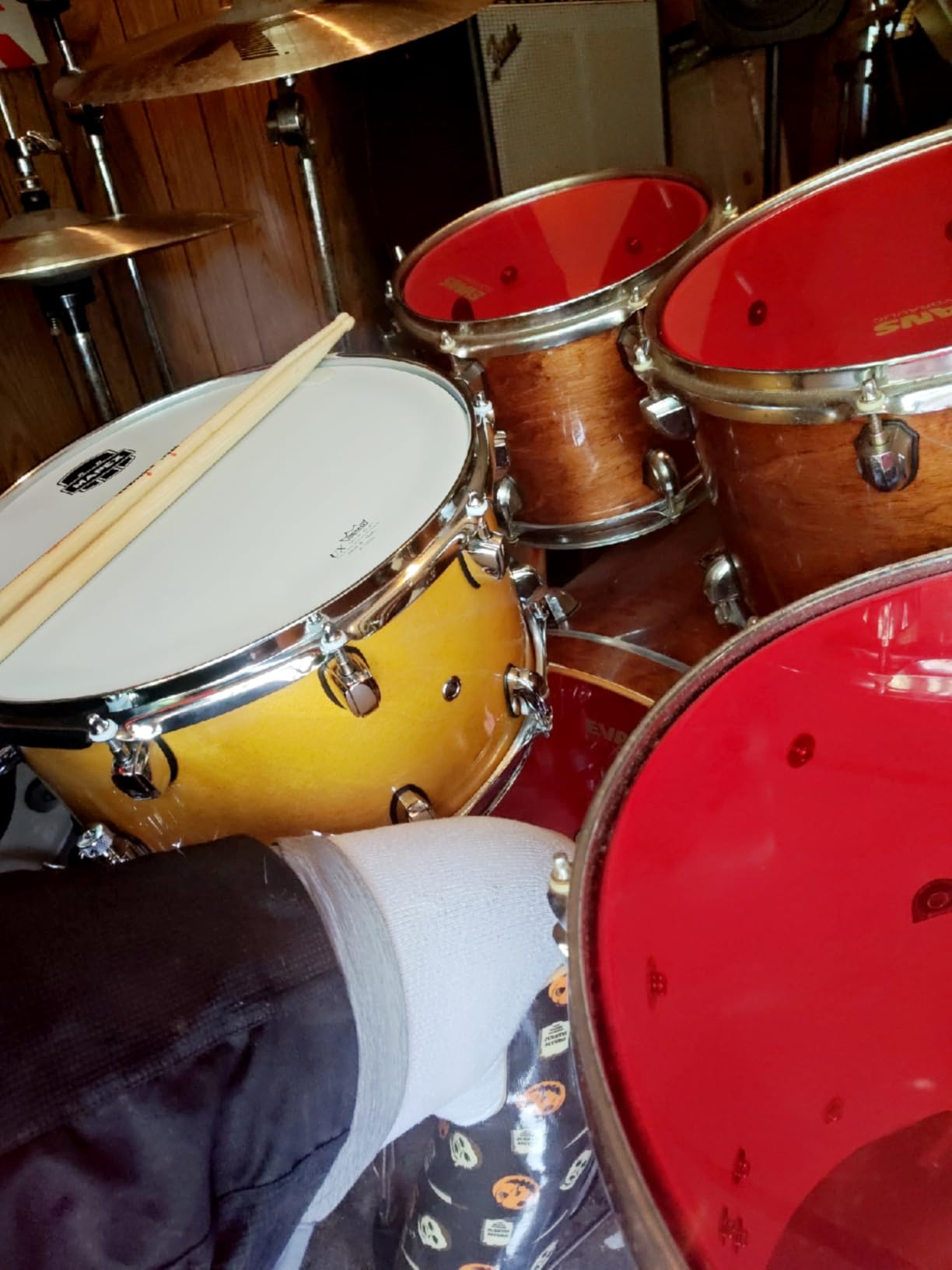
The Army throw-off is smooth and reliable. During multiple takes it operated without mechanical noise, which mattered when I was layering snare hits and wanted clean recordings. Remo UX heads sounded great out of the box and saved me a head swap on the first session.
Plastic lugs are a recurring complaint among reviewers. They feel lighter than the metal lugs on premium snares, and a few users reported minor durability concerns. The rims also feel budget-grade to some players, though they did not affect the sound in my testing.
For Whom It Is Best
Home studio drummers and producers looking for a deep, warm snare at an affordable price will love this Mapex. It is also a great choice for budget-conscious engineers who want a versatile drum that handles multiple genres.
For Whom It Is Less Ideal
Drummers who demand heavy-duty hardware or premium build quality may want to step up to the Yamaha or DW options on this list. Players who prefer metal snare sounds should also consider aluminum or brass alternatives.
What to Look for in a Recording Snare Drum?
Choosing the right snare drum for recording comes down to understanding how each component shapes your sound on tape. After testing 12 snares over three months, our team identified four factors that matter most for studio work.
Shell Material and How It Shapes Your Sound
Shell material is the single biggest factor in snare drum tone. Maple delivers warmth and balanced overtones, ideal for singer-songwriter and acoustic sessions. Birch is similar but with more attack, making it a versatile choice for rock and pop. Aluminum produces a bright, dry, focused tone that sits beautifully in dense mixes, which is why it is the choice of so many studio engineers. Brass is loud, fat, and projecting, perfect for rock and live-sounding recordings. Steel is bright and cutting, the go-to for modern pop, hip-hop, and aggressive sessions.
For most home studio recording, an aluminum or maple snare offers the most flexibility. Drummers building a single-snare studio setup should consider the Yamaha Recording Custom aluminum or the PDP 20-ply maple for the widest tonal range.
Hoop Types: Die-Cast vs Triple-Flanged
Hoops affect both sound and playability. Triple-flanged hoops are lighter, produce a more open sound, and respond well to rimshots. They are common on vintage-style and budget snares. Die-cast hoops are heavier, more durable, and produce a tighter, more focused sound with sharper rimshots. They are standard on most professional recording snares.
For recording, die-cast hoops generally provide better tuning stability and a more controlled sound. Triple-flanged hoops can be brighter and more resonant, which works for certain genres but may need damping in dense mixes.
Tuning Range and Head Selection
A snare that tunes across a wide range gives you more flexibility across different songs. Aluminum and steel snares typically have the widest tuning range, while wood snares respond more to climate changes and may need more frequent tuning. The Yamaha Recording Custom and Tama S.L.P. Big Black Steel both excel in tuning flexibility.
Head choice matters as much as the drum itself. Coated Remo Ambassador and G1 heads produce warm, classic tones. Clear heads are brighter and more cutting. For studio recording, I always recommend swapping the stock head for a quality aftermarket option. As we noted in our general snare drum roundup, the head swap is the single biggest upgrade you can make.
Mic Technique: Why the SM57 Works for Snares
The Shure SM57 has been the industry standard snare mic for decades because it handles high SPL without distortion, has a tight cardioid pattern that rejects bleed from nearby cymbals and toms, and adds a slight presence boost in the upper mids that makes snares cut through a mix. Position the SM57 about 2 to 4 inches above the batter head, angled toward the center, for the cleanest snare sound.
For more body, add a condenser mic on the bottom head to capture the snare wire response. Blend the two signals to taste. For ambient room sound, place a room mic 6 to 10 feet away and blend it in subtly. Our picks from the acoustic hand drum guide also benefit from similar mic techniques.
Maintenance for Recording-Ready Snares
A clean snare records better than a dirty one. Wipe down the drum after every session, especially the black nickel and polished finishes that show fingerprints. Check the snare wires for even tension across all strands. Replace batter heads every 6 to 12 months if you record regularly. Keep spare heads on hand so a torn head never costs you a session.
Frequently Asked Questions
What is the most recorded snare drum?
The Ludwig Supraphonic 14×5 is widely considered the most recorded snare in history. Its bright, clear, powerful sound with iconic resonance and attack has appeared on countless pop, rock, and jazz recordings since the 1960s. Today the Yamaha Recording Custom aluminum snare is one of the closest modern equivalents.
What is the best sounding snare drum for recording?
For studio recording, aluminum and brass snares offer the best combination of clarity and character. The Yamaha Recording Custom aluminum (designed with Steve Gadd) and the DW Design Series brass are two of the most respected options. For a vintage-style sound, the PDP 20-ply maple and Pearl Sensitone are also top choices.
Why is the SM57 good for snare drums?
The Shure SM57 handles high SPL without distortion, has a tight cardioid pattern that rejects bleed from cymbals and toms, and offers a slight presence boost in the upper mids that helps snares cut through a mix. Position it 2 to 4 inches above the batter head, angled toward the center, for the cleanest snare sound.
What are the best snare drums for home studio recording?
For home studios, the Yamaha Recording Custom aluminum, PDP 20-ply maple, and Tama S.L.P. Big Black Steel offer the best balance of professional sound, manageable volume, and reasonable price. These snares record well with simple close-mic setups and respond well to standard dynamic mics like the SM57.
What snare drum did Dave Grohl use?
Dave Grohl is associated with several snare drums across his career, including the Ludwig Black Beauty brass snare and various DW models during Foo Fighters sessions. For Nirvana recordings, his setup often featured Ludwig and Tama snares tuned for maximum impact and cut.
Final Verdict: Which Recording Snare Drum Should You Buy?
After three months of testing, the PDP By DW Black Wax Maple snare remains our top pick for the best snare drums for recording category in 2026. It combines deep warm maple tone, DW-grade hardware, and a versatile 6×10 size that flatters any studio session. With 286 reviews backing its 4.6-star rating, it is also one of the most trusted options in the entire category.
If you want a versatile steel option at a fair price, the Tama S.L.P. Big Black Steel is a close second. For drummers on a tight budget, the Tama Steel Snare 5.5×10 delivers a tight crack that punches above its tier. Producers chasing premium tone should look at the Yamaha Recording Custom aluminum and the DW Design Series brass, both of which offer recording-specific performance at a higher investment.
The best snare drums for recording are the ones that respond to your playing and translate well to tape. Match the drum to your genre, your room, and your mic setup, and you will end up with snare tracks that need minimal processing. Pick any snare from this list and you are starting from a strong position.